

Imagine standing in your backyard, unsure if that patio will feel cozy or if those trees might block your sunset view. Now, picture yourself slipping on a pair of digital “glasses”—suddenly, the full vision appears in three dimensions. You walk along the paths, peek over the pool, adjust the seats around the fire pit. It’s not a distant hope or awkward sketch on graph paper. It’s real, almost tangible, before one shovel hits the dirt.
This is what 3D landscape design does for homeowners. It reshapes outdoor dreams with clarity, creativity, and confidence—step by step, idea by idea.
See your dream before it’s built.
In the world of Urban Oasis, where tailored outdoor environments meet technical know-how, the shift to 3D design has changed everything about planning elegant, functional, and awe-inspiring landscapes. But, for many homeowners, the magic of 3D landscape design is still unfolding. Let’s walk through why this approach isn’t just a technical advance—it’s a true game changer.
The traditional approach and where it falls short
For decades, homeowners relied on blueprints, sketches, and a kaleidoscope of printed photos to plan their yards. And, if we’re honest, most of us squinted at those plans, barely able to translate lines and squiggles into living features. Even the best hand-drawn renderings left much open to interpretation. When the sod rolled out and the last stone was set, surprises weren’t uncommon. Maybe the flower beds felt smaller than hoped, the pathway too narrow, or the pergola somehow in the wrong spot for midday shade.
While these paper-based processes helped guide the project, they left gaps. Important questions lingered:
- How will the finished space actually feel?
- Will trees create needed privacy or just a dark corner next to the fence?
- Is there enough room between the pool and garden to move freely and safely?
Homeowners often had to trust the process—and hope the result looked as good in reality as it did in their imagination. Sometimes it did. Other times, not quite.
How 3d landscape design changes the game
Today, digital landscape planning opens an entirely new dimension, bridging the gap between concept and finished project. Using advanced modeling software, designers like those at Urban Oasis create realistic, interactive visuals that actually show you what your project will look like from every angle.
Walk through your future yard before a thing is built.
It is not just a matter of fancy graphics. The whole approach to planning, approval, and construction transforms.
Deeper understanding, less guessing
When you use 3D landscape design, you no longer have to guess if the deck will feel inviting or the sofa will fit under the pergola. You see it, almost touch it, in full color and scale. This means design approval becomes a confident “yes” instead of a hesitant “I think so.”
Faster and easier changes
Want to move a path? Change a pool’s shape? Test privacy screens or adjust lighting? With digital tools, changes happen in seconds. No need for redrawing or starting over. You instantly see new layouts, plant types, or hardscape materials, without slowing the process down.
Saving time and money
- Fewer surprises during construction. See how spaces interact, where sun and shadow fall, and spot trouble before the first stone is set.
- Reduced rework. When everyone—designer, client, builder—understands the plan, expensive changes after work begins are far less likely.
- More accurate budgeting. With reliable visuals, measurements, and lists, estimating costs and materials becomes far easier.
And here’s something interesting. According to research published by the National Center for Biotechnology Information, homeowners engaged with immersive 3D design reported significantly higher satisfaction levels and interest in their project, influencing better outcomes all around.
Visual storytelling for your space
Maybe it’s the vivid sun setting beside your option for a wood deck, or the way light dapples through the new pergola’s slats in afternoon renderings. These aren’t static flat sketches. 3D landscaping for homeowners brings places to life with color, texture, and perspective. You see what a visitor sees, what your children see, or how a party might unfold next summer evening. This “try before you buy” approach makes all the difference in how decisions are made.
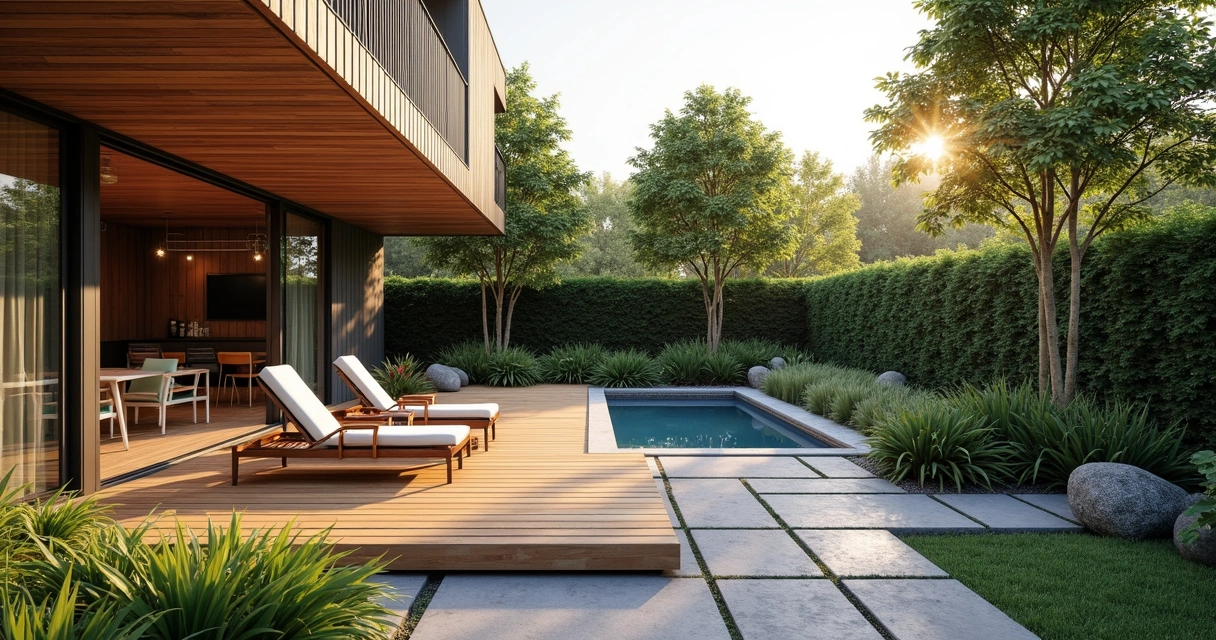
Studies also show 3D visualizations in landscape design increase user satisfaction and help minimize project errors. The reasons for this are pretty basic—when you can see everything, you know what to expect. Surprises turn into choices.
Flexibility brings better results
Imagine the difference between hearing, “We can put the barbecue here,” versus seeing—with perfect clarity—how the grill, lounge seats, and planters work together as a social hub. You might realize that a hedge is blocking the sightline just so, or that moving a tree opens up an unexpected view. With instant revisions, you’re a collaborator, not just a client.
How digital landscape planning supports sustainability
In the context of Urban Oasis, sustainability is not just a trendy word: it’s part of every custom design process. 3D planning allows for smarter choices, careful site analysis, and more efficient resource use. Want to see how much sun your vegetable bed will get, month by month? Or determine how runoff will affect your lawn and pool placement?
Digital models integrate real land elevation, microclimates, and water flow. This accuracy means smarter plant choices, smarter irrigation plans, and minimized waste. Research points to AI-driven landscape simulations as key to better environmental design, helping ensure outdoor projects support both your comfort and the planet’s health.
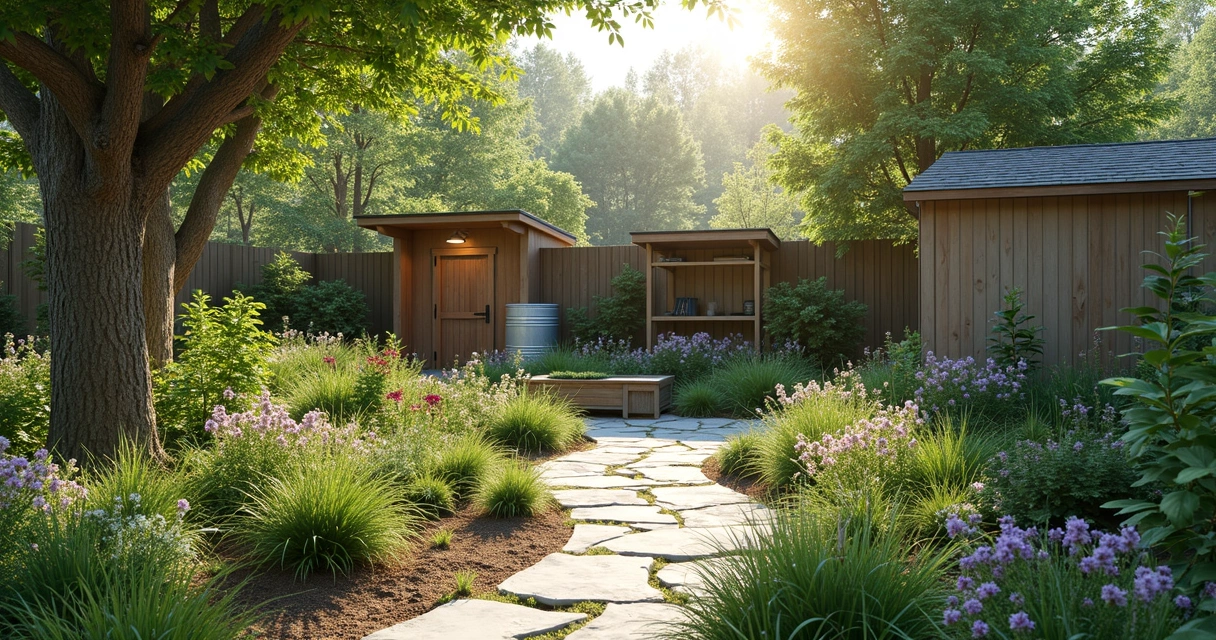
The 3D Elevation Program (3DEP) in the U.S. offers an example of how detailed terrain data leads to better planning and huge cost savings, benefits that trickle down even at the residential level.
The emotional impact: why homeowners get excited
Planning a dream yard can actually feel stressful—so many choices, so little certainty. Some people freeze up, while others rush ahead and regret it later. Digital design calms nerves and boosts excitement. Why? The answer lies in how the mind reacts to immersive, realistic visualizations.
According to an NCBI-published study, interacting with photorealistic 3D design increases emotional investment, positive anticipation, and the desire to move forward. And isn’t that the point of a backyard—joy, connection, belonging? With digital planning, seeing is believing, and believing creates momentum. At Urban Oasis, clients often say the “aha!” moment comes when their feedback transforms immediately into a new rendering. The backyard they imagined feels real and reachable.
Excitement grows every time you see your space evolve.
More control, fewer regrets
No one likes surprises during construction. A slight miscalculation in width, an overlooked slope, or misjudged sunlight can mean the difference between loving and merely tolerating a finished yard. When you use digital models, you gain:
- Accurate scale and perspective. Test how tight corners or wide-open lawns will actually feel.
- Sun and shade analysis. Avoid common mistakes with plant placement or seating.
- Lighting previews. Map bistro lights, spotlight trees, or design a safe, inviting walkway before you buy the first fixture.
- Instant mood shifts. Quickly adjust color palettes, materials, or garden styles to see what fits your taste and the site’s personality.
Flexibility to adapt as needs change
Picture seeing your backyard not just as it could be in spring, but year-round. Digital designs can incorporate seasonal changes, plant maturity, or even how a lawn ages over time. It’s not just a pretty picture—it’s a glimpse into the future.
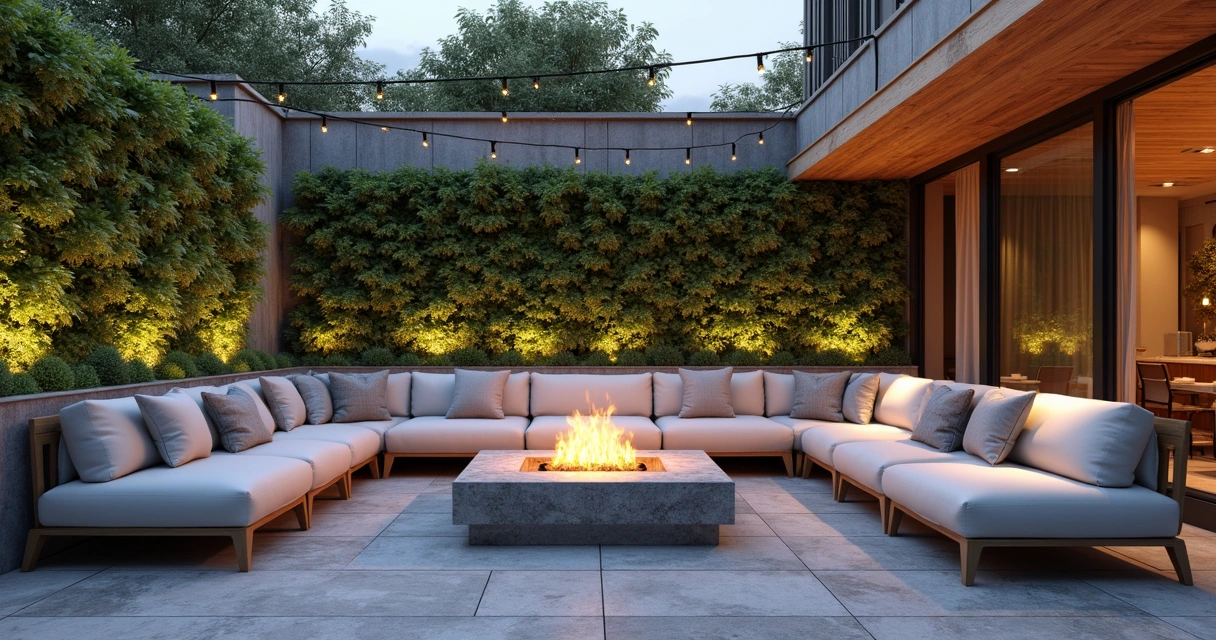
Sooner or later, most homeowners realize: changing paper plans is easy, changing poured concrete or custom carpentry is costly. Save the headaches, start with models you can adjust without regret.
Involving the whole family—and getting everyone on board
One common surprise is how often the whole household wants a say. Maybe your partner pictures an outdoor kitchen, the kids want space for games or a pool, and your parents imagine a shaded bench for quiet reading. With 3D walk-throughs, everyone can “visit” the backyard and give input, preventing disappointment down the road.
Young children, in particular, have fun walking through kid zones and play areas onscreen, making them feel involved. And adults can tweak privacy screens, test furniture groupings, or explore garden options together. It brings everyone together in the planning process, and that’s half the joy already.
Planning as a family means enjoying the space together.
Choosing and approving with confidence
Decision fatigue is real, especially with so many style and material choices. When you actually see how materials look next to each other, or how plant colors might pop near your chosen stonework, decisions get easier. Approval comes quickly, and with less second-guessing later.
For an overview of how modern landscape design trends can improve spaces for family life, check Urban Oasis’ resources on top outdoor living trends, and see how new approaches help families create spaces for living, entertaining, and relaxing.
How 3d landscape design boosts property value
Mature landscapes, inviting decks, well-placed patios, and luxury features like pools have always improved home values. The difference with digital planning is precision. No one is guessing whether a space will really feel luxurious, spacious, or private—it’s all there on screen, ready for feedback and refinements.
The clarity and accuracy of three-dimensional models help ensure every dollar spent adds not just beauty, but meaningful usability and comfort. With clearer communication between homeowner and designer, the result is a space that looks great, works well, and sells for more if that’s ever the plan.
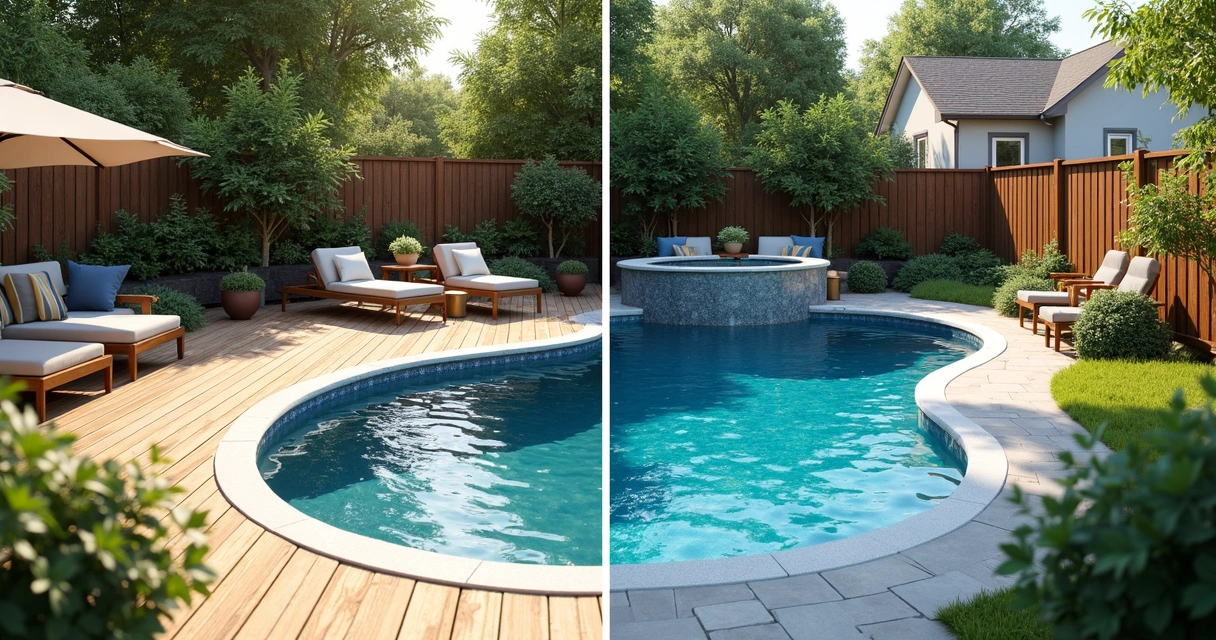
Their 3DEP study highlights that the use of detailed 3D data leads to billions of dollars in combined public and private benefits each year. Even on a smaller scale, this kind of data-driven planning matters for homeowners. And in Urban Oasis projects, that translates to more reliable ROI on your outdoor investments.
Step-by-step: how the process works
For most Urban Oasis clients, the journey is both simple and reassuringly detailed.
- Initial consultation: Share your vision, needs, and goals. Bring photos, notes, or just your wish list.
- Site analysis: The team takes detailed measurements, assesses sun patterns, slopes, soil, and key challenges.
- Digital modeling: Architectural software creates a true-to-life 3D model, layered with accurate textures, fixtures, and greenery.
- Review and feedback: Walkthroughs let you “visit” your yard. Change materials, move features, try seasonal effects, or explore nighttime lighting.
- Final tweaks and approvals: Once everyone’s happy, plans are finalized. Material lists, cost breakdowns, and construction blueprints all flow accurately from the 3D design.
- Construction and follow-up: With less guesswork, construction moves smoothly. After completion, there’s little need for “if only we’d known…” regrets.
For more about this workflow and the visual technologies involved, you can see Urban Oasis’ page on 2D & 3D designs and visualizations.
New trends: data and interactive tools
Emerging industry tools now combine 3D models with big data—like regional plant databases, climate analytics, and local zoning info. As highlighted in recent research, this results in even more tailored and effective outdoor spaces, blending digital expertise with real-world knowledge. With Urban Oasis, these new technologies are part of the package, bringing smart design to every client.
If you’re curious about broader landscaping themes and practical ideas, Urban Oasis has a dedicated section on landscaping insights and guides for further inspiration.
Why more homeowners are choosing 3d landscape design
Digital landscape planning is spreading fast. Why? It delivers certainty instead of risk; excitement instead of stress. Homeowners are increasingly invested in outdoor living, not just for relaxation, but for entertaining, connecting, and boosting property value. Whether you’re planning a tranquil retreat or a full outdoor kitchen, the benefits keep stacking up.
- Reduced risk of regret. You know what’s coming, and can adjust in advance.
- Clear communication between clients, designers, and builders.
- Ability to test and compare features live—before decisions get expensive.
- Immensely satisfying process. Clients are co-creators, not just observers.
For real-world examples of how these benefits play out, the Urban Oasis piece on designing outdoor spaces for entertaining is worth a look. You will find tips and visual ideas tailored for modern living.
The digital revolution in landscaping is already at your doorstep.
Common myths and hesitations
Some homeowners wonder if 3D models are just “nice to have” extras. But, as shown, the difference is practical—not just pretty pictures. Reliable research demonstrates that satisfaction, planning accuracy, and excitement all increase with immersive design methods.
Another myth is that only huge projects benefit. In reality, even a small courtyard, a single deck, or a modest garden shines with better planning, scaled previews, and opportunity for feedback. Complexity is not required to justify the benefits.
Overcoming the hurdles: is digital design difficult to use?
One of the questions most frequently asked is, “Will I need to learn new software?” The answer, for homeowners with Urban Oasis, is: absolutely not. The design team handles the tech. You get to interact with easy-to-understand visuals—walkthroughs on a tablet, flyovers during virtual meetings, or even augmented reality on your phone.
What matters most is that the end result matches your vision—no confusing tools, just clear feedback and control. Ultimately, satisfaction is higher, according to user-focused studies, because everyone can see and tweak the result at every step.
The takeaway: better design, more joy
In the end, 3D landscape design changes the story homeowners tell about their outdoor projects. It’s not just “we put in a patio,” but, “we built the retreat we dreamed of—exactly how we imagined, because we saw it first.” The difference is both practical and emotional, leading to happier families, more beautiful spaces, and less wasted time or money.
Step into your own virtual yard. See every detail, approve every curve, and get excited—before construction even starts. Urban Oasis believes in this process because it brings people closer to their aspirations, with less risk and more joy.
You don’t have to imagine it alone. You can see it, love it, and build it—better.
If you’re ready to see your outdoor dreams take shape, partner with Urban Oasis. Discover how easy and rewarding the process can be. Start by filling out our lead form—your perfect outdoor retreat is just a click away.
Frequently asked questions
What is 3D landscape design?
3D landscape design is a digital modeling process where designers create fully three-dimensional, interactive representations of proposed outdoor spaces. Unlike traditional sketches or blueprints, these models allow homeowners to virtually “walk through” their future gardens, patios, pools, and living areas, seeing textures, lighting effects, plants, and structures from every angle. This method brings a lifelike vision of the finished project before physical work even starts.
How does 3D landscaping help homeowners?
By providing a clear and interactive visualization of proposed designs, 3D landscaping helps homeowners understand how their new outdoor spaces will look and function. It removes much of the guesswork, helps catch potential mistakes, and allows easy changes early in the process. Studies have shown that people engaging with 3D visuals experience higher satisfaction and make more informed decisions, resulting in outdoor spaces that better match their vision.
Is digital landscape planning more expensive?
While some might think that using digital design tools raises costs, the opposite is often true. The early investment in 3D design typically reduces expensive rework, avoids costly mistakes, and streamlines the whole planning and approval process. Quick revisions and better visual communication between homeowners and design teams like Urban Oasis actually help keep project budgets on track and often lead to savings down the line.
What are the main benefits of 3D landscape design?
Some key advantages include: seeing realistic previews of your space before construction, easy and quick testing of ideas, better communication with design teams, increased homeowner satisfaction, fewer design errors, and more informed decisions about plant and material choices. 3D modeling also supports better sustainability analysis and allows for detailed sunlight, shadow, and drainage studies. Overall, it makes for a faster, more enjoyable, and more reliable project process.
Where can I find 3D landscape designers?
Many professional landscape firms and studios now offer 3D design services. Urban Oasis specializes in this approach, blending technical expertise, sustainability principles, and close communication for both residential and commercial projects. If you want to learn more about the process or start planning your own outdoor space, the resources provided by Urban Oasis, including their overview of 2D-3D design services and landscaping guidance, offer practical ways to get started.