
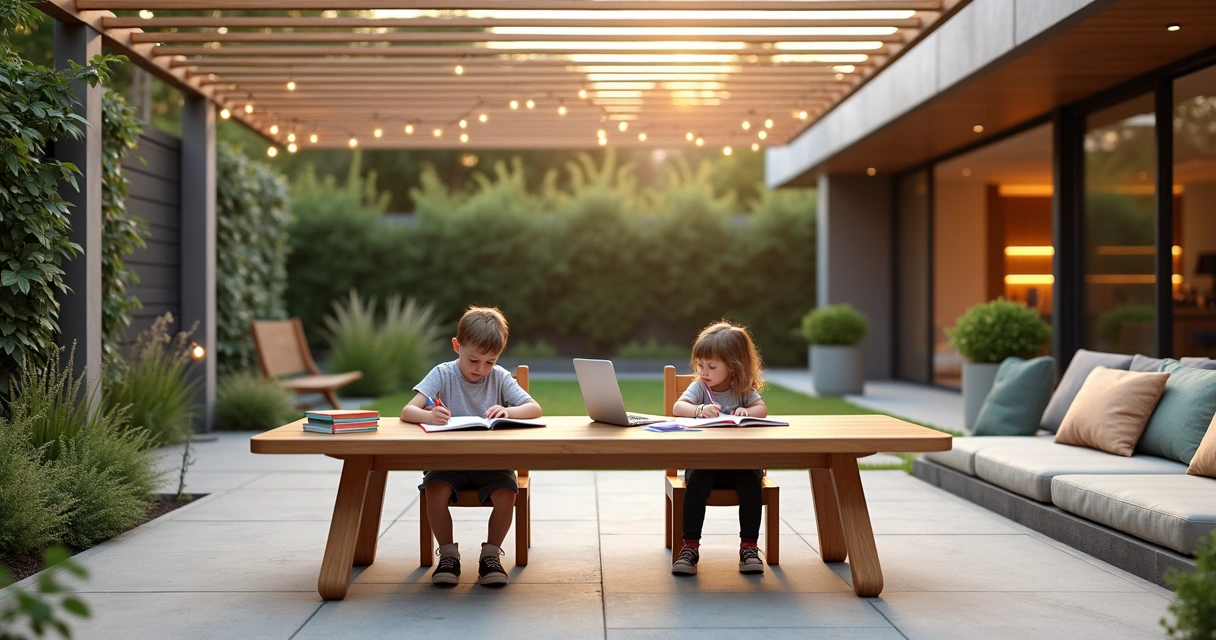
As I look around in 2026, the buzz of children’s laughter and focus escapes through backyard fences and into community parks. No, this isn’t about simple play. I’m witnessing a remarkable shift: families and schools are carving out special places outside—the modern outdoor study zones—where kids learn, create, and grow under the sky. The world has caught on fast, and in my work with projects like Urban Oasis, it’s clear: these spaces aren’t a fleeting trend. They are defining a healthier, smarter, and happier generation.
A quiet corner in the garden can nurture both curiosity and wonder.
In this article, I’ll walk you through what’s driving this trend, how these zones work, and how you can bring the future of learning directly to your backyard. I draw on personal observations from countless families, educators, and designers—including insights from Urban Oasis projects—to illustrate what really works and which details truly matter.
Why outdoor study zones matter now
Outdoor learning isn’t new. But the enthusiasm for crafting purpose-built study zones outside has surged over the past few years, fuelled by both practical needs and hard science. I’ve seen how parents and educators crave ways to make kids’ screen time more meaningful and their downtime genuinely refreshing. The COVID-19 pandemic was a catalyst, but now, health, academic performance, and emotional wellbeing are the steady engines behind this movement.
- Growing concern for kids’ mental health and nature deficit.
- The need to balance technology use with physical activity.
- Research backing the benefits of fresh air and green space.
- More creative and customizable solutions from outdoor specialists like Urban Oasis.
UNICEF has published convincing statistics showing that children who spend at least two hours outdoors each day participate in 27% more moderate-to-vigorous physical activity. The physical health benefits echo through studies on concentration, behavior, and even reduced symptoms in children with conditions such as ADHD (UNICEF: Importance of Outdoor Play).
The evolution of outdoor learning: From classroom to garden
If you had asked me five years ago whether traditional classrooms would be swapped for patios, decks, or pergolas, I might have hesitated. Today, the evidence is everywhere—from private homes to community centers.
Several factors have changed how we approach learning:
- Education technology that works as well on tablets under a tree as in rec rooms.
- Better outdoor furniture and weather-resistant materials.
- Local zoning and design expertise, like that offered by Urban Oasis, bringing function and style to every square meter.
- Parents and educators seeing measurable academic improvements with even modest daily exposure to nature, as found in this recent peer-reviewed study on outdoor time and academic performance.
In my experience, kids shine when given choice and novelty. A picnic table under a pergola or a beanbag on a deck sparks energy that is hard to replicate indoors.

The unique benefits of outdoor study zones
I’m often asked why parents would invest in a dedicated outdoor study area instead of letting kids use the living room or kitchen table. For me, the answer lies in three huge benefits: health, focus, and happiness.
Boosting physical health
Every time I see children use a patio as their “reading corner,” I see them unconsciously stretching, standing, and moving about much more often. According to UCLA Health, regular exposure to nature can reduce stress and improve happiness—and this shift happens quickly, just minutes after entering a green space (UCLA Health: Benefits of Outdoor Play for Children).
Sharper focus and better grades
When children can switch between tasks or gaze up at clouds between equations, they simply do better. Multiple systematic reviews confirm that access to green areas boosts attention, academic success, and reduces impulsivity (systematic review on green spaces and cognitive health). I have watched children who struggle indoors find inspiration sitting outside in a structured, distraction-free environment.
Happiness, creativity, and emotional development
Children crave adventure and novelty. Outdoor study environments, with their unpredictable weather and birdsong, seem to feed this need. The sense of calm, as well as tiny everyday discoveries, fosters confidence and independence. I’ve seen anxious kids relax and even the most boisterous kids find periods of calm focus outside.
Nature is a patient teacher.
What defines a great outdoor study zone?
In designing dozens of these spaces, from modest apartment terraces to expansive gardens, I’ve come to rely on a few guiding principles. Whether you work with a landscape designer, take inspiration from a landscaping guide like we offer at Urban Oasis, or build your own, here’s what matters most:
- Comfortable seating and work surfaces that stand up to weather and hours of use.
- Shelter options like pergolas, umbrellas, or retractable awnings to block sun and drizzle.
- Greenery and soft landscaping to provide soothing sights, improve air quality, and buffer noise.
- Power and WiFi access (for older kids using devices) positioned securely, with weather-resistant hardware.
- Defined boundaries, so kids can shift into “study mode.” Planter boxes, decking, or paving can mark the space.
- Clutter-free storage for books, art supplies, and snacks.
- Safety features, such as non-slip surfaces and clear lines of sight for parents or guardians.
A great outdoor study zone balances comfort, inspiration, and practical needs—giving kids a trusted place to learn and imagine.
How families are customizing their outdoor spaces in 2026
In this rapidly changing world, customization stands out. I’ve watched families shape decks into mini-classrooms, section off corners of lawns with raised beds, and even retrofit unused patios into full outdoor libraries. With options ranging from permanent to movable installations, creativity is thriving.
Decks and patios as study hubs
Many parents choose decks for their durable surfaces and defined edges. An expert deck installation can turn an bland area into a stimulating arena, bringing the right balance of openness and security. Features like built-in benches, standing desks, and integrated planters make these spaces both beautiful and functional.
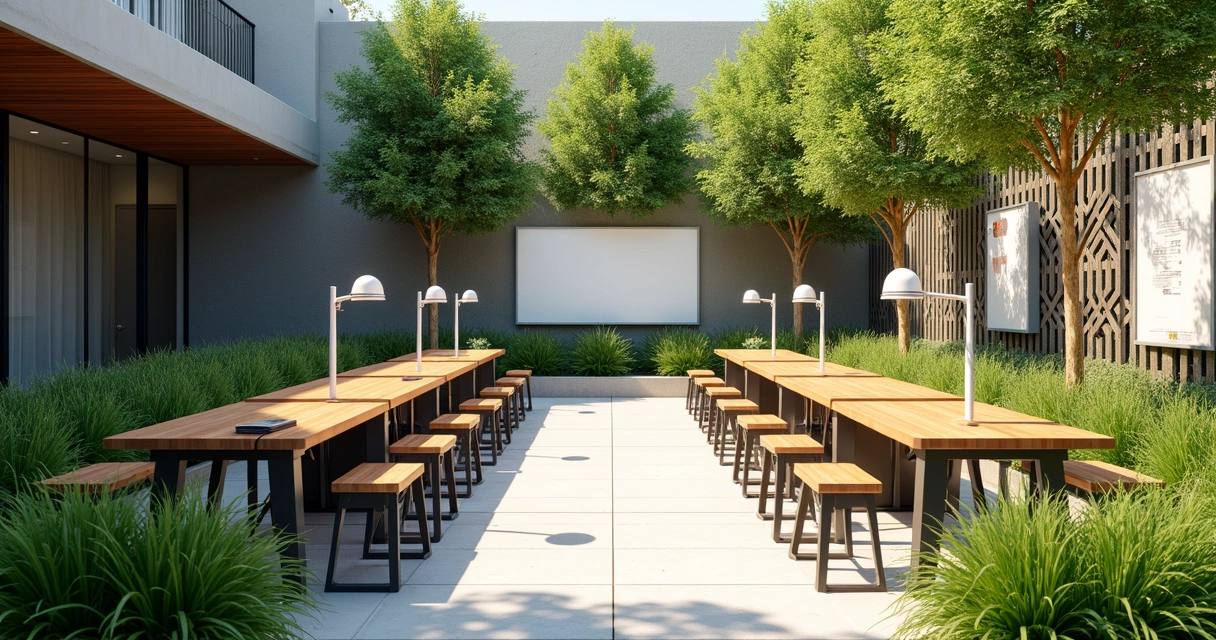
Pergolas, canopies, and shade sails
Sun protection is a must. Pergolas, either attached to the house or free-standing, create a “room” feel in the garden. Canopies and shade sails mean setups are flexible. Urban Oasis projects have often combined retractable awnings with climbing plants to create changing light conditions and privacy.
Multifunctional zones
I see more families blending recreation and study. Some incorporate sports courts, reading nooks, and even performance corners in a single backyard. Storage units on wheels, rolling whiteboards, and modular furniture allow the layout to change with the season or the task at hand.
Spaces that adapt inspire minds that do the same.
Best practices for designing your own outdoor study zone
Not every family needs a full garden overhaul to provide an inspiring study spot. As I help clients—from first-timers to seasoned renovators—I find that the best results start with simple questions and honest assessments.
- Who will use the space and when? (Different ages and needs)
- Which direction does your yard or terrace face? (For sun and shade)
- How much maintenance are you comfortable with?
- What is your budget?
- Do you need year-round use or just a seasonal space?
It’s worth looking at examples of innovative outdoor design—even if the goal is study, you might discover features that add fun and practicality, like built-in storage, lighting, or sound systems.
Simple steps to start
- Pick a safe, quiet spot with enough room for movement.
- Test outdoor chairs and tables for comfort over longer periods.
- Add quick shelter, such as a sun umbrella or tarp, if a full pergola isn’t possible.
- Plan zones—for focused work, reading, and group projects.
- Bring in storage—baskets, outdoor cabinets, or weatherproof crates.
- Include plants. Even a few pots can make a notable difference.
How outdoor study zones impact academic and emotional growth
Based on research and observation, the difference is real. According to a systematic review of green spaces in schools, children with regular access to natural outdoor environments show marked improvement in cognitive performance, attention span, and social behavior.
Even more promising, physical activity in these settings blends seamlessly with study. A peer-reviewed study confirmed that spending up to about 2.3 hours per day outdoors links strongly to higher academic achievement.
Academic growth isn’t about more time at the desk—it’s about how and where that time is spent.
In the right setting, learning feels like play.
Technology and outdoor learning: Finding the right balance
Digital devices are at the core of modern education, and the trend to study outside isn’t a movement to ban tablets or laptops—in fact, quite the opposite. As I watch students doodle math problems on tablets or join online classes from the backyard, I see how easily technology blends into natural settings.
But there is balance to strike:
- Use outdoor power points designed for safety, ideally with childproof covers.
- If possible, install WiFi boosters or mesh systems outside without loss of signal.
- Keep a variety of “analog” materials—paper, books, paints—to avoid over-reliance on screens.
- Have a weatherproof case for electronics, in case of an unexpected drizzle.
Sometimes the best learning comes from just listening to the wind—or the neighbor’s dog—without any devices at all.
Safety first: Ensuring outdoor study zones are secure
I cannot emphasize enough how strongly parents want to ensure that outdoor study areas are safe as well as stimulating. Over many projects, I’ve found that safety starts in the planning stage.
Key safety features worth including
- Non-slip flooring, such as treated decking or pavers.
- Shaded areas to prevent overexposure to sun.
- Well-lit zones for use in the early morning or late afternoon.
- Cushioned edges on furniture to reduce injury.
- Fencing or clear boundaries in yards adjacent to roads or open spaces.
- Lockable storage for chemicals or tools if the study zone is combined with gardening.
- Regular checks for wasps, pests, or tripping hazards.
Products and techniques inspired by leaders in outdoor design, like those from Urban Oasis, can inspire both style and peace of mind for families considering these investments.
Practical tips for different climates and seasons
Not all regions share the same climate, and I find clients in both hot and cold zones sometimes worry about year-round use. The good news is that many materials and setups work in a broad range of weather conditions.
For warm climates
- Strong sun protection—both natural (trees, vines) and man-made (sails, tinted glass).
- Light colors for furniture and flooring to reflect heat.
- Flexible shelter that can be retracted or moved with the sun.
- Frequent hydration reminders—water fountains, cold storage.
For cooler or rainy climates
- Year-round decking or stone surfaces that resist mold and frost.
- Heated lamps or tabletop warmers for chilly mornings.
- Wind breaks, such as bamboo screens or compact hedges.
- Drainage planning so puddles don’t form in work zones.
If you’re in a temperate zone, you might enjoy the most flexibility—adding shade for summer and clear roofing to let in winter sun.

Inspiring examples: Outdoor study zones in action
A few moments stand out from my career—
- A family in the suburbs of São Paulo transformed a small balcony into a bilingual reading nook, with hanging planters and waterproof bean bags.
- At a local community center, a multipurpose deck became a study area during weekdays and a stage for poetry readings on weekends.
- In a modern city home, an underutilized corner by the pool grew into a science station, where the family tracked butterflies and rainfall, connecting learning to daily observation.
If you’re hungry for more inspiration, my favorite place to keep up with tips, trends, and real-life stories is our Outdoor Living category and our company blog.
How Urban Oasis can help you shape the perfect outdoor study space
I’ve described what makes outdoor study zones so special, but no two families or spaces are alike. At Urban Oasis, we approach each project as a partnership—starting from your first idea, guiding you through sketches, selections, construction, and the finishing touches. Our goal is to give you a space where children can study, dream, and thrive.
If you’re ready to turn your backyard, balcony, or patio into an outdoor learning hub, I’d love to help. Your vision, our expertise—the perfect team for tomorrow’s thinkers.
Conclusion: The future of learning is outdoors
In 2026, outdoor study zones for kids are more than a passing fad. They are a response to scientific research, real world needs, and the simple human joy of fresh air and sunlight. If you dream of giving your children a place where they can learn, grow, and be happy, creating an outdoor study space is a wonderful place to start—and partners like Urban Oasis are here to help turn that vision into reality.
If you’re thinking about your own version of an outdoor learning retreat and want support from people who understand how to blend design, safety, and joy, I encourage you to get in touch or learn more through our online resources.
Frequently asked questions
What is an outdoor study zone?
An outdoor study zone is a dedicated area outside, such as in a yard, patio, or garden, designed specifically for children to engage in learning, reading, homework, and creative activities. These spaces often include tables, seating, shelter, and elements that support focus while being surrounded by nature. They can be permanent or flexible, and are increasingly popular for both private homes and schools.
How to set up an outdoor study zone?
Begin with a quiet, safe spot in your outdoor area. Choose weather-resistant furniture, provide sun or rain protection like umbrellas or pergolas, and add elements that inspire focus—such as plants or soft lighting. Ensure there is enough storage for supplies, and if devices are needed, make sure there’s safe access to power and WiFi. Involve children in the design to match their interests and needs. For more in-depth advice, resources like the Urban Oasis landscaping guide are helpful.
Are outdoor study zones safe for kids?
Yes, when designed thoughtfully. Safety in outdoor study zones depends on non-slip surfaces, clear boundaries, child-safe materials, sun protection, and good visibility for caregivers. Check for potential hazards like sharp edges, insects, or areas near busy streets. Regular maintenance helps keep the environment secure and enjoyable.
What are the benefits of outdoor study zones?
Outdoor study zones increase physical activity, improve focus, enhance academic results, and support better mental health. Studies cited by UNICEF and UCLA Health show strong links between outdoor time and higher activity levels, lower stress, and even improved attention and grades. These spaces foster creativity and a positive relationship with nature.
Where to buy outdoor study zone equipment?
You can find outdoor furniture, modular seating, decks, pergolas, and child-friendly storage solutions through specialized outdoor design providers like Urban Oasis. For parents wanting high-quality, safe installations or customized features, choosing experienced professionals ensures the best outcomes. Check out local offerings or Urban Oasis deck installation services for inspiration and expert support.