

Austin’s sun is relentless, and as someone who has spent years designing and experiencing outdoor spaces, I know how much a touch of shade can change the game. Whether you’re dreaming of poolside afternoons, garden escapes, or grilling with friends, adding shade doesn’t just keep you cool, it transforms your entire backyard experience.
As we look toward 2026, smarter, more sustainable, and visually stunning solutions are more accessible than ever. I want to show you the five smartest ways to add shade to your Austin backyard, weaving in the unique character and modern aspirations of this bold city.
I’ll combine facts, practical tips, first-hand experience, and inspiration, so you can find the right direction, whether you’re planning a weekend project or a custom oasis with Urban Oasis. I’ll highlight how native plantings, thoughtfully designed structures, and integrated outdoor living trends can cool things down and lift your curb appeal.
Shade is a promise of comfort, and a signal that a backyard is ready for real living.
Before we get to the list, consider this: the right shade option can lower your cooling bills, protect your skin, help your garden thrive, and increase your property value. For Austin, that’s not just helpful, it’s smart living.
Why shade matters in Austin: Beyond comfort
Growing up in Texas, I learned early that the sun demands respect. In my years working with Austin families and businesses, it’s become clear: shade is so much more than a place to escape a hot afternoon.
- It protects surfaces and furnishings from sun damage.
- It provides a safe play area for children and pets.
- It supports biodiversity and creates microclimates for healthier landscapes.
- And crucially, shade can reduce heat-related stress in people and plants alike.
According to the U.S. Department of Energy, shading from trees can reduce surrounding air temperatures by up to 6°F, and air temperatures directly under trees can be as much as 25°F cooler than nearby unshaded areas. My clients are always amazed at the difference from just one well-placed shade solution.
Austin’s investment in shade doesn’t stop at the backyard fence. The city itself aims to achieve a 50% canopy cover by 2050, an effort that tries to turn the entire city into a more livable, enjoyable, and cooler place.
When I look at a yard, I don’t just see empty space. I see potential. And adding shade is the fastest, most reliable way to unlock it.
The 5 smart ways to add shade for your Austin backyard in 2026
From the classics that never go out of style to innovative approaches I’ve seen Urban Oasis bring to life, these five options cover every taste, budget, and backyard layout. I’ll share the nuts and bolts, the wow-factors, and what I’d tell my own friends if they asked how they should add shade in Austin.
1. Living shade: Trees, vines, and green canopies
Nature invented shade long before we did. In my experience, nothing matches the beauty, value, and cooling effect of living shade.
- Trees are a legacy shade solution. They boost home value, lower energy costs, and become the heart of any yard.
- Fast-growing native trees like cedar elm, Mexican white oak, and Texas redbud adapt to Austin’s unique climate, needing low maintenance once established.
- Climbing vines on trellises or pergolas provide dappled shade and a magical ambiance. Try coral honeysuckle or crossvine: both thrive locally, draw pollinators, and bloom beautifully.
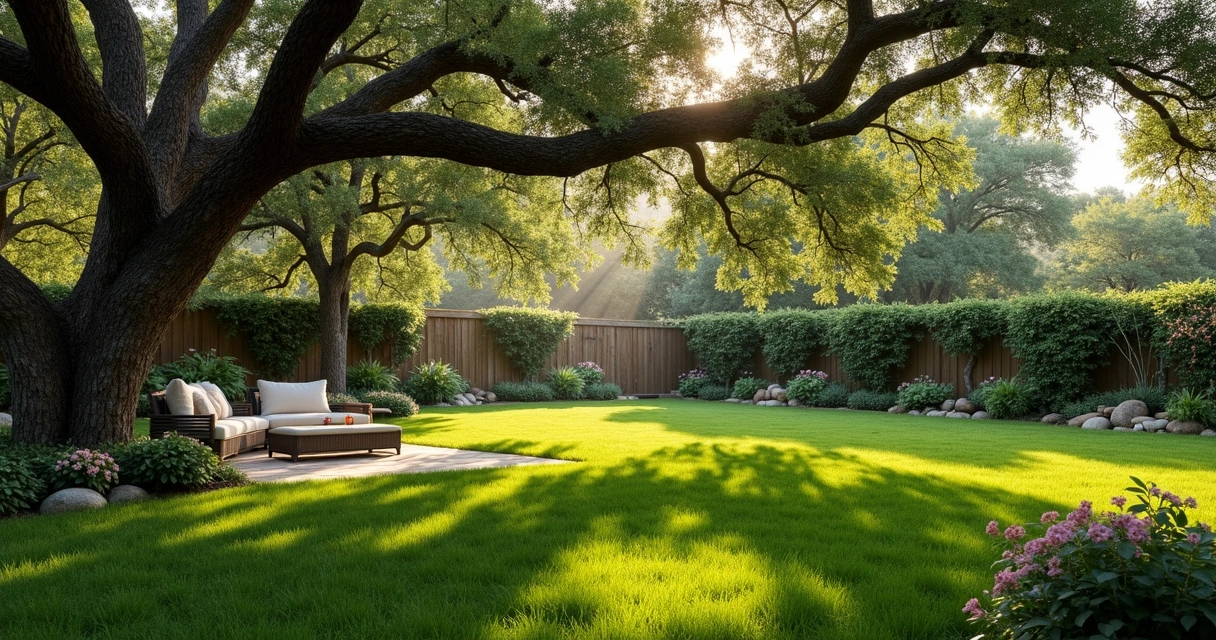
In 2022, Austin’s tree canopy covered 41% of the city, a leap from 36% in 2018. The city offers rebates and grants (even an Urban Forest Grant) to encourage tree planting. Homeowners can get help with costs while boosting shade, wildlife habitat, and cooling power. That’s a win on every front.
As a landscape designer, I always start with trees as a long-term investment. For instant shade, a hybrid approach, a mature tree purchased and transplanted professionally, can make all the difference from year one.
If you want step-by-step guides and plant lists, Austin’s Grow Green program offers plenty of details, especially on drought-tolerant options.
Living shade blends beauty, sustainability, and comfort into every season.
2. Pergolas: Structure meets style
Pergolas have become the signature of modern Austin backyards, and for good reason. Their open-beam construction allows for filtered light, breezes, and endless customizations. From simple wooden frames to advanced louvered models that close at the touch of a button, pergolas adapt to every design vision.
I find many homeowners want a “best of both worlds” solution, a structure as permanent as a patio cover, but with more airiness and more beauty. Here’s where pergolas shine:
- They add architectural character and increase your home’s curb appeal.
- With shade cloths, retractable canopies, or climbing vines, the amount of shade is adjustable.
- They create defined outdoor “rooms” for living, dining, or relaxing, and look great from every angle.
Urban Oasis has seen a huge surge in clients opting for custom pergola installations in Austin, blending natural materials like cedar and redwood with sleek steel or powder-coated aluminum for a modern twist. The flexibility in size, layout, and finishes lets pergolas fit any backyard, big or small.
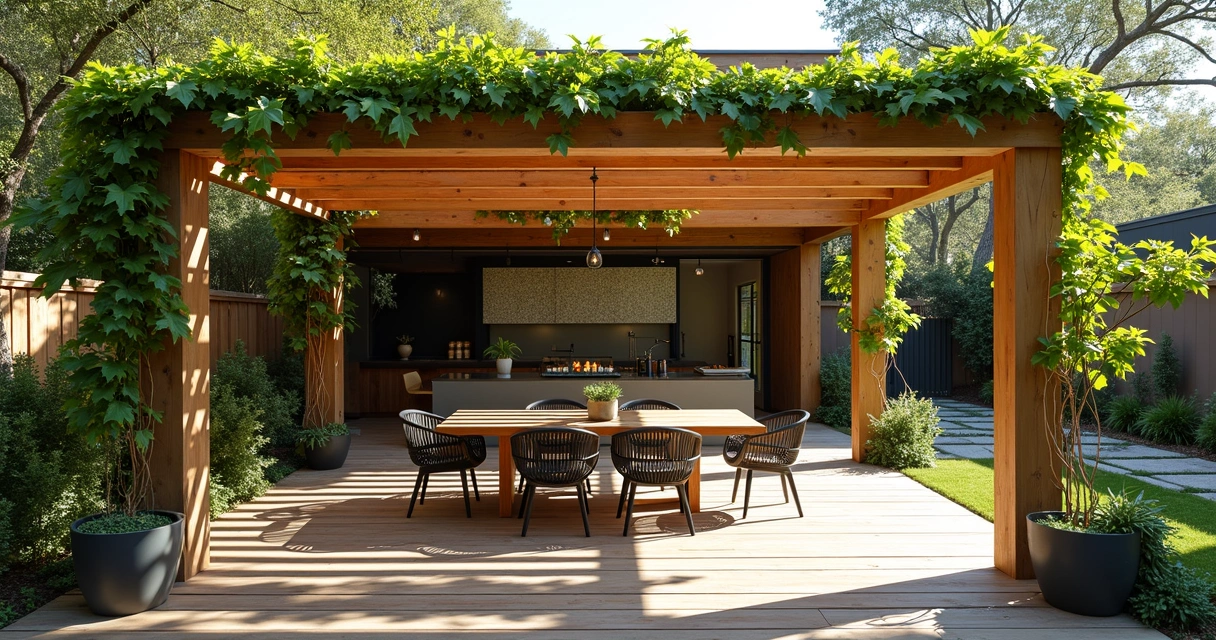
Installation can be fast, and the immediate impact on usability (especially as shade for patios, pools, or play areas) is enormous. A pergola feels like an extension of your house, not just an accessory, but the centerpiece of your backyard lifestyle.
Pergolas marry function and form, bringing structure without blocking out the sky.
3. Patio covers: Solid, stylish, and permanent
For year-round protection and a true outdoor “room,” a full patio cover is unbeatable in Austin’s climate. Over many years, I’ve helped design covers that fit everything from compact courtyards to sprawling poolside terraces.
Key features of patio covers in 2026:
- Insulated panels that block heat while letting light through.
- Sleek, integrated lighting and ceiling fans for comfort after dark.
- Solar-ready roofs, transforming covers from shade-givers into energy-producers.
- Gutter and drainage systems that keep spaces usable in all weather.
One of my favorite projects blended a standing seam metal roof with wood beams and stone columns, modern enough for a luxury home, durable enough for Texas weather, and cozy on the coldest, wettest Austin winter days.
For those looking for quick upgrades, a semi-permanent cover gets you much of the benefit, especially when angled properly to block afternoon sun. If you want inspiration and technical guidance, this patio installation resource is a strong starting point.
Solid covers turn a patio into a second living room, season after season.
A survey of my clients shows that by adding a roofed patio, families double the time they spend outdoors every year. I see the difference in happier pets, more social gatherings, and lower summer energy bills, too.
As always, local building codes and HOA rules are important: remember to get professional advice during planning.
4. Shade sails and retractable awnings: Flexible and fun
The last few years have seen shade sails and retractable awnings explode in popularity. They offer color, playfulness, and adjustability, often with surprisingly little installation effort required.
- Shade sails are large, tensioned fabric canopies, available in many shapes and hues. I love to stagger them, creating overlapping zones of shadow and movement.
- Retractable awnings can attach to your house and unfurl with a crank or remote, giving instant shade just where it’s needed, then rolling away to reveal the sky after sunset.
- Both options are excellent for renters, smaller yards, or anyone wanting to change with the seasons.
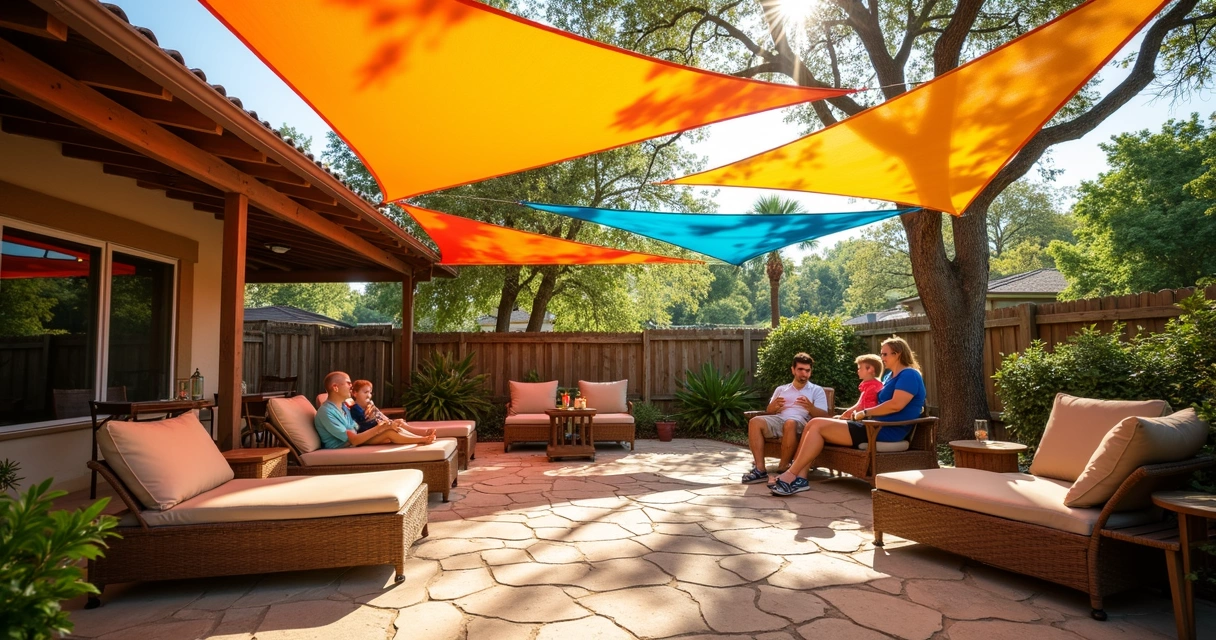
Modern fabrics are UV-resistant, breathable, and come in everything from minimalist beige to festival-worthy purples and oranges. If you want something that pivots with your mood (or the weather), shade sails and awnings fit the bill.
Lightweight, flexible options put you in control of comfort and style, no matter the size or layout of your yard.
I often recommend these for areas that need shade fast, or where posts and permanent supports just aren’t practical. With a quick installation and friendly price tag, it’s a great introduction to outdoor improvements.
5. Modern landscape design: Integrating shade from the start
In my years helping Austinites realize their backyard dreams, it’s become clear: the smartest spaces blend plantings, structures, and smart tech to make shade an organic part of the design, not an afterthought.
- Layered plantings, combining tall trees, mid-sized shrubs, and low groundcovers, create natural microclimates and reduce heat radiation.
- Strategic placement, orienting patios, play spaces, and decks so that natural and manmade shade work together at peak times of day.
- Integration with decks, pools, courts, and walkways, so that every zone feels comfortable, cohesive, and inviting.
I often draw inspiration from landscaping guides focused on Austin, centering water-wise plant selections and sustainable construction.
Data from the U.S. Forest Service is clear: Austin’s urban forest already comprises tens of millions of trees and saves the city real money through carbon storage, air quality improvements, and lower household energy costs. When you put shade at the heart of your outdoor design, you’re investing in both personal joy and citywide wellbeing.
If you’re curious about what’s next, these top outdoor living trends show that shade is only becoming more desirable as home buyers and renters prioritize comfortable, eco-friendly backyard features.
The smartest shade solution is always the one that matches your lifestyle, your land, and your dreams, integrated right from the start.
How to pick the right solution for your yard
With so many fresh options, narrowing down the right shade plan may feel overwhelming. Over years of guiding clients, I’ve developed a simple set of questions that always helps clarify things:
- How do you most often use your outdoor space? (Entertaining? Relaxation? Play?)
- Is this your forever home, or would flexibility help maximize future value?
- How much maintenance do you want, and who will handle it as years pass?
- Which direction does your yard face, and where does the sun hit hardest?
- What’s your budget and timeline?
If unsure, I typically suggest starting small. A shade sail is a weekend’s work and gets you immediate relief. From there, experiment: plant a tree, try a pergola, or invest in custom landscape design. Layer shade strategies, don’t just pick one, blend as needed, and your backyard becomes both more practical and more interesting.
Austin’s green future: Sustainability and rebates
Adding shade in Austin aligns with a citywide push for cooler, greener, and more resilient neighborhoods. In 2026, sustainable landscaping is less a trend and more a new baseline.
- Native plantings use less water and thrive in tough Texas summers (a must for eco-minded homeowners).
- The Grow Green plant guide is a handy resource, I consult it often when selecting low-water, low-maintenance options for my clients.
- Austin rebates and grants are available for tree planting and shade solutions. This keeps costs affordable and rewards sustainable choices (learn about Austin grants for landscaping).
- More thoughtful designs mean reduced stormwater runoff, better wildlife corridors, and even improved mental health.
Urban Oasis’s approach always considers sustainability, technical expertise, and a hands-on design/build process. We understand what works in Austin’s unique mix of clay, limestone, and unpredictable weather. The payoff is backyard shade that’s beautiful today and even more rewarding tomorrow.
If you want to keep your landscape thriving all year, I recommend reading these guidelines for year-round landscape success.
Bringing it all home: Real stories, real shade
I’ve seen every kind of Austin backyard, from narrow city lot to rambling acreage. In one project, a mix of three large Texas red oaks and a custom cedar pergola turned a once-ignored patio into a gourmet outdoor kitchen and play zone. In another, a pair of overlapping shade sails created a bold oasis for an artist wanting color and movement above her patio studio.
It’s those personal transformations that stay with me most.
Shade isn’t a luxury, it’s a foundation for year-round enjoyment.
Whether it’s morning coffee under a leafy canopy, late dinners under soft lamp-lit beams, or the sound of children laughing in sun-dappled safety, adding shade is the first and smartest step toward loving your Austin outdoor life.
If you’re ready to find your perfect shade solution, take the next step toward backyard comfort and design. Fill out the form below to chat with Urban Oasis and discover what’s possible for your space, from native trees to custom structures.
Frequently asked questions
What are the best shade options?
The best shade options for Austin backyards include a mix of living and structural solutions. Native trees (like live oak or cedar elm) provide long-term cooling and beauty. Pergolas and patio covers add architectural style and immediate comfort. Shade sails and retractable awnings offer flexible and colorful coverage. I recommend combining plant-based and built shade to cover every season and activity.
How much does backyard shade cost?
Costs vary by shade type and installation. Planting a young native tree can start at under $200 (sometimes less with rebates), while mature trees and custom installations range higher. Shade sails and portable umbrellas are very affordable, often between $200-1,500. Professional pergolas, patio covers, and full landscape redesigns range from a few thousand dollars to $20,000 or more, depending on materials and size. Grants from programs like the Urban Forest Grant can help offset expenses.
Is it worth it to add shade?
Yes, adding shade is one of the most high-impact, enjoyable changes for any Austin outdoor space. It makes backyards more usable year-round, cuts cooling costs, and protects people, pets, plants, and property from sun damage. Studies show that shaded yards use less energy and boost property value. Most of my clients report they spend far more time outside after adding shade.
How can I install backyard shade?
There are shade solutions for every skill level and budget. DIYers can plant trees, install shade sails, or set up umbrellas quickly. For permanent options (like pergolas or patio covers), it’s best to work with experienced contractors such as Urban Oasis, especially to ensure safe, stylish, and long-lasting results tailored to Austin’s unique conditions. I always advise planning for local climate and code compliance, too.
Where to buy shade structures in Austin?
You can find shade structures at home improvement stores and through local suppliers. For custom solutions, design-build experts such as Urban Oasis help with everything from design to permits and construction. If you want a tailored, seamless look that complements your home and lifestyle, connecting with a professional team is the best path. Fill the form below to start your transformation.