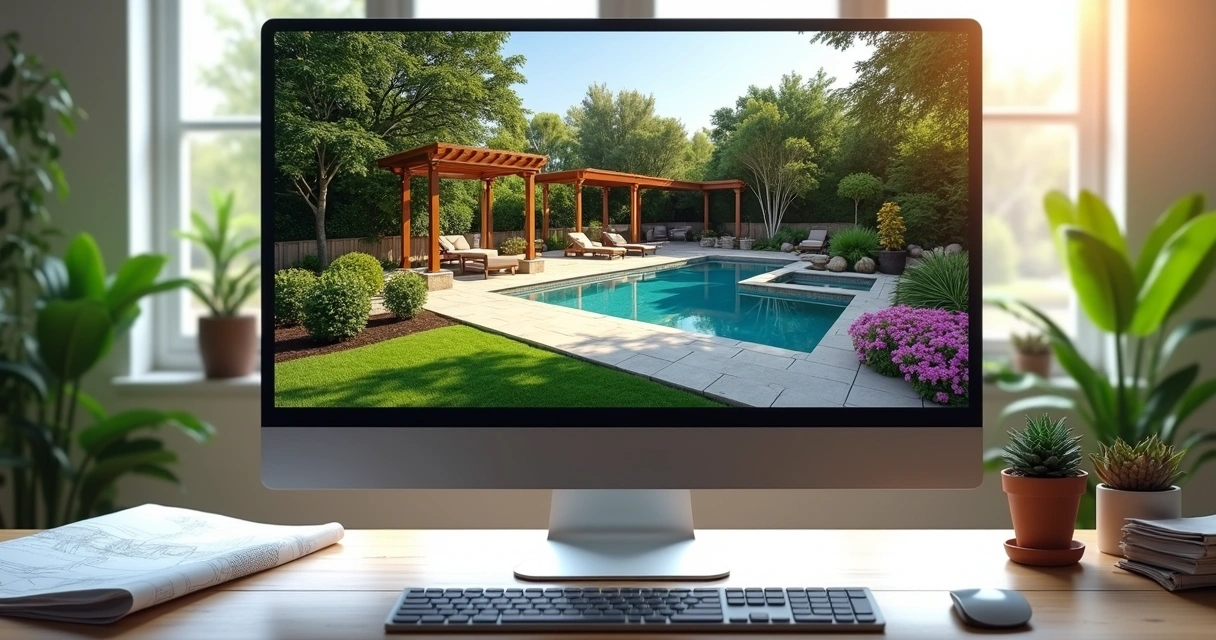
Imagine standing in your backyard, phone in hand, and seeing a realistic digital preview of the transformed area. Trees. Pergolas. Paved walkways. The sun hits your future pool just so. This is what 3D landscape design makes possible. But naturally, one of the first questions most people ask is, “How much does it cost to bring my outdoor vision to life with a 3D plan?” The answer, as you might expect, isn’t straightforward. Still, it’s possible to map out the big influences, break down the tiers, and give you a clearer sense of where budget meets imagination.
Let’s dig deep—without falling into abstraction—about what you can expect to pay for 3D landscape design projects in the United States, from a modest suburban yard to a complex commercial plaza. Real-life prices. Real factors. No wild swings, but also, no perfect predictability. If you’re searching for honest, practical insight, you’re in the right place.
Transforming your space begins with understanding the investment.
Understanding what 3D landscape design really offers
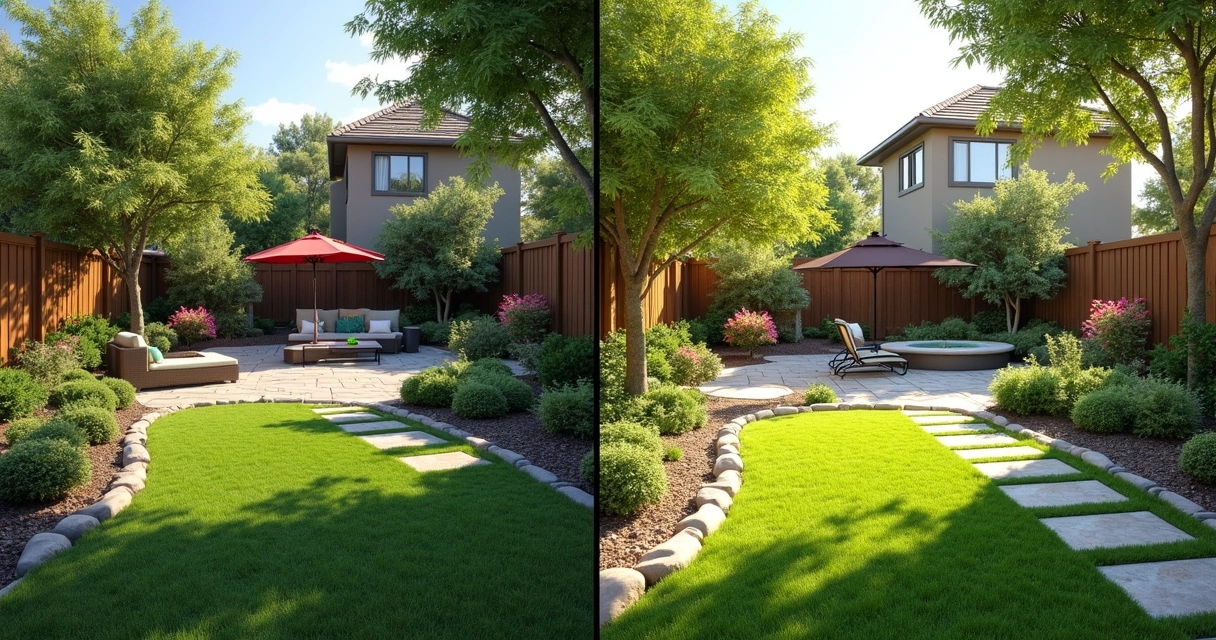
If you have ever looked at an old-fashioned 2D landscape sketch and thought, “I can’t picture this,” you’re not alone. 3D landscape design steps in to solve exactly this problem. At its heart, a 3D design is an accurate, digital simulation of what your yard, patio, or larger grounds will look like after renovation. Designers use specialized software to build a lifelike, movable model you can review from any angle. You see flower beds by the house. You watch how sunlight hits your deck. Sometimes, you even scroll through during different times of day or seasons.
With 3D renderings—sometimes called visualizations—there’s less luck involved. You know what you’re getting before a shovel hits the ground. That’s why Urban Oasis and other professionals have made this visual step part of the new standard in residential and commercial landscaping.
For more about the techniques and the real possibilities of 3D and 2D design, visit our services overview of visual landscaping tools.
The key factors in 3D landscape design pricing
Before you see any numbers, let’s take a quick look at what really shapes the final bill. While price tags are important, it’s just as vital to know what’s being priced.
- Project size: A single-family backyard has different needs than an urban roof garden or sprawling commercial site.
- Complexity and detail: The more intricate your project—think curved retaining walls, custom pools, or dozens of plant species—the higher the workload for the designer.
- Level of design (basic, advanced, premium): Simple renderings cost less than immersive, photo-realistic fly-throughs.
- Location in the U.S.: Rates are higher in cities with high living costs and dense markets.
- Experience and reputation of the designer: Top professionals—such as licensed landscape architects—rightly charge more, as found in the U.S. Bureau of Labor Statistics wage data.
- Revisions and changes: Unlimited revisions cost extra; some packages offer only one or two rounds.
- How sustainable or technical your vision is: If you require sustainable solutions or precise, engineered features, costs can shift, as observed in University of Florida research on sustainable landscaping.
Prices move. Trends shift. Even the best planning won’t absorb every surprise. But with these elements in mind, you’ll be better equipped to understand the price range you see from companies like Urban Oasis.
There’s no magic number, but there is a realistic range.
Typical price ranges: from basic sketches to advanced animation
So, what are the numbers? Let’s break down 3D landscape design costs in the U.S. market for 2024, starting with smaller projects and working upward. These are current, practical estimates—yet, as always, your experience might shift based on circumstances above. And, some providers might include 2D layouts, planting lists, or on-site consultation within the package.
Basic backyard 3D design (residential, under 2,000 sq ft)
- Estimated cost: $350 to $800
- Usually includes a detailed 3D rendering of the proposed layout, placement of major features (patio, pathways, beds), key plantings, and basic hardscape.
- Typically one round of revisions.
Moderate complexity (residential, 2,000–5,000 sq ft or mid-size commercial)
- Estimated cost: $800 to $2,500
- Adds more detailed textures, additional plantings, lighting, water features, or outdoor furniture layout.
- Usually two to three revision rounds.
- May include site visits or collaboration with builders.
Premium or large-scale (high-end residential, large commercial, or public spaces)
- Estimated cost: $2,500 to $6,500+
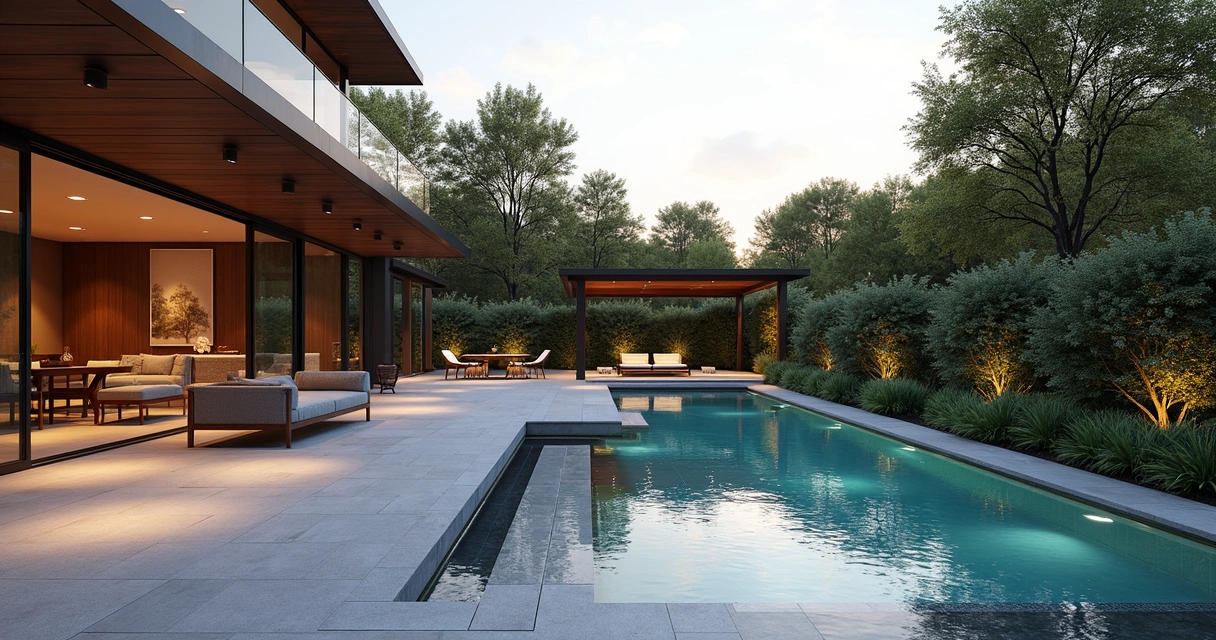
- Features photorealistic presentation, custom fly-throughs (animated tours), accurate sun/shade studies, multi-level terracing, or complex features like pools and sports courts.
- Often unlimited or extensive revisions, on-site measurements, and a collaborative review phase.
According to the Bureau of Labor Statistics, the top landscape architects can command higher fees, especially for unique and challenging sites. So while the prices above work for many projects, certain high-end designers may quote even higher ranges for one-of-a-kind concepts.
How price is calculated: what goes inside the bill
You might wonder, “Okay, but what am I actually paying for?” Good question. The bill for a 3D landscape design project represents more than just the hours to build the digital model. Let’s take a short walk through typical elements driving the cost:
- Initial site analysis: On-site measurement, gathering of elevation info, photos, and spatial mapping.
- Concept development: Discussion with you (the client), capturing your dream, and drawing initial ideas.
- Modeling and rendering: Using software to build the 3D model, add textures, set the lighting, and tweak according to feedback.
- Revisions and presentation details: Updating the design after your input—sometimes the most time-consuming step.
- Documentation (optional): Plant lists, material schedules, or construction notes for contractors.
- Consultation with installation professionals (optional): If you are moving to full build with a project manager, time here may be included.
Every element takes time and expertise. The technology itself also comes with licensing costs, and the designer’s professional liability insurance or certifications can further shape the pricing.
Every part of your vision adds detail to the price.
The impact of project size, detail, and location
Let’s see how three real-world factors swing your quote higher or lower, and sometimes in unpredictable ways.
Project size and site complexity
A small urban courtyard is dramatically different—logistically and creatively—from a massive corporate campus or a rolling multi-acre estate. Large spaces mean more hours, more plantings, and more technical consideration. According to research in peer-reviewed studies on landscape project costs, site conditions, project duration, and the materials used (such as stone, brick, or resin) all factor in as project scale increases.
Level of finish and presentation
Clients sometimes expect a simpler 3D plan, but then get excited about the idea of cinematic “fly-through” animations, sunlight simulations, realistic water movement, or extensive customization. Every new layer adds time, effort, and technical skill, not to mention possibly specialized software costs. If you require a ready-to-build technical package alongside the visualization itself, the price reflects the increased scope. 3D design is sometimes a starting point, but for others, it’s the entire “blueprint.”
Where you live shapes the cost
Labor rates are consistently higher on the coasts, especially in places with a dense population of landscape designers and architects. For rural settings or small towns, rates tend to be more moderate. Urban Oasis, for example, offers flexible designs for various budgets, a necessity in cities with wide disparities in household or business spending.
Project revisions and communication
One story that stays with me: A family, in love with every plant in the catalog, changed their mind halfway through the revision process. Suddenly, the design required a total reshuffle. The designer, patient and thorough, spent hours reworking beds and walkways. When changes multiply, so does the price. Communication and clarity help keep things focused—and affordable—right from the first draft.
The sustainable side: how eco-friendly design can shape total costs
Sustainability is more than a buzzword; it’s a source of real, ongoing savings. The University of Florida’s extension report found that eco-friendly landscapes tend to lower maintenance costs, reduce environmental impact (less fertilizer, smarter irrigation), and slow long-term spending. 3D modeling makes sustainable planning easier, as you can simulate plant choices, sunlight angles, drainage, and water needs before committing to construction. If lowering long-term bills matters, ask your designer to center sustainability in their plans.
Technology and tools: does better software mean a higher bill?
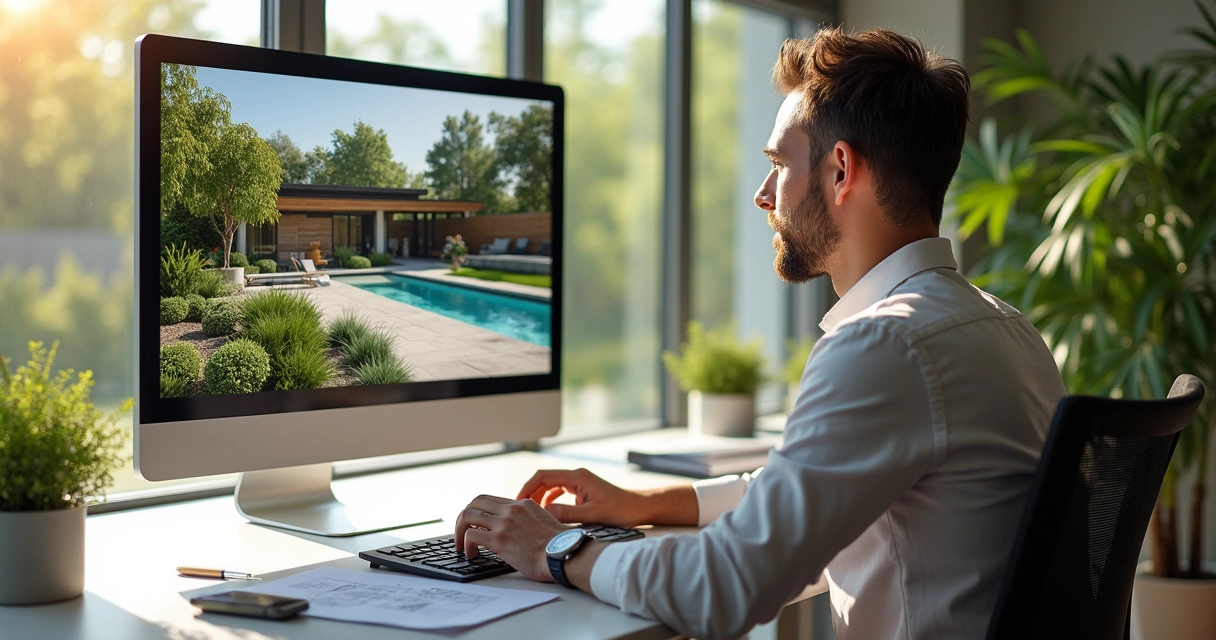
Modern 3D rendering tools are drastically more powerful than even a few years ago. They show materials with striking realism, allow for real-time walkthroughs, and accurately model topography. As noted in the USDA Forest Service overview of landscape simulation, better technology directly impacts both the accuracy of design and the resources required to create a detailed simulation. But advanced tools also mean designers pay hefty licensing fees and devote hours to keeping their skills up-to-date. The upside? Your final model is both more beautiful and more technically usable for the construction crew—or your own review.
The difference experience and credentials bring
Just as with any professional service, the experience and certifications of your landscape designer will influence the bill. According to the Bureau of Labor Statistics, licensed landscape architects earn higher average wages, and they also deliver designs that may include more technical insights or be signed off for municipal permitting. Someone newer in the field, perhaps specializing in residential-only jobs, may charge less. Urban Oasis, for example, guarantees both technical skill and attention to your needs, but not all services will focus so closely.
The typical process: what you get when you pay
Though every 3D landscape designer works a bit differently, the process from first contact to final design has some shared milestones. Here’s a basic roadmap, with tips for how things work at Urban Oasis and other professional studios:
- Initial consultation: You share your needs and budget, get a sense of what’s possible, and establish the style you like.
- Site visit and measurements: A pro visits to collect photos, measure property boundaries, check slopes, and spot any “problem points.”
- Concept plan and proposal: The first conceptual sketches or 2D plans are uploaded or presented for feedback.
- 3D modeling: Using specialized rendering software, the designer creates an accurate, immersive 3D model for you to explore.
- Review and revisions: You can request changes—some plans allow more iterations than others.
- Final package delivery: Your final 3D files, images, and any required construction notes are sent to you.
- Optional build management: In some projects, the same firm (such as Urban Oasis) may handle the build, streamlining the whole journey.
From imagination to reality, every detail shapes your final cost.
Hidden factors: what sometimes surprises customers
Even with a careful plan, surprises emerge. Here are a few:
- Topographic changes: Big slopes or unsuitable soils may call for extra modeling.
- Infrastructure mapping: If you need to visualize underground utilities, irrigation, or drainage, that’s an added complexity.
- External consultants: Sometimes architects or engineers join the conversation—this can add time and cost, especially for commercial or public projects.
- Material cost swings: As the peer-reviewed study on park and landscape costs shows, material prices (brick, concrete, synthetic) change often, so projections might move before construction begins.
- Permitting or local code compliance: Some advanced 3D drawings are required for permits; the care taken adds to your bill but can save headaches later.
Actual savings: the value of 3D design beyond the price
It’s tempting to focus entirely on the upfront fee, but remember: Well-done 3D landscape design aims to save much more over time. Realistic digital reviews catch layout issues before there’s a pile of concrete in your driveway. Structural mismatches, poor drainage, or sun-scorched plants? Easier to adjust now. You may invest more upfront, but also avoid expensive change orders and re-dos during construction.
Research by Utah State University and practical case studies show that the right landscape engineering decisions lower long-term costs—fewer mistakes, less downtime, optimized irrigation, and more efficient installation. As Urban Oasis customers often discover, a thoughtful investment in digital design pays for itself in clarity, speed, and lasting comfort.
How to make 3D design affordable for your project
You really don’t need a movie-quality animation every time. Most home or small business owners get excellent results from a mid-range service. If your budget is tight, here’s what helps keep 3D landscape design cost-effective:
- Know your must-haves. Focus on the essential features; skip unnecessary extras.
- Ask about bundled services. Some firms (like Urban Oasis) include basic 3D modeling in larger design-build packages.
- Limit revisions. Aim for clear communication and decisive choices upfront to minimize backtracking and added hours.
- Explore sustainable choices. Energy-efficient lighting, climate-smart planting, and water-wise planning can all lower ongoing costs.
- Get multiple quotes (if possible). But, weigh experience, accuracy, and fit, not just the lowest bid.
Clear goals and honest discussions drive value.
When and why to invest in 3D design: the real benefits
3D landscape modeling isn’t mandatory for every landscape refresh, but for any project where visualizing the outcome matters—or where the installation will be complex—it’s almost always a wise decision. Here’s when most people choose 3D landscape visualization:
- You’re making a sizable investment. If your build will cost thousands, a few hundred on a precise plan prevents bigger mistakes.
- Communication is key. Sharing your vision with family, business partners, or staff? 3D design means everyone is seeing the same outcome.
- Permit or HOA approval is required. Sometimes, a realistic digital presentation makes approvals a breeze.
- The project needs to work in real life. 3D design exposes practical issues—traffic flow, sun exposure, tricky slopes—before construction.
Urban Oasis customers, for example, tell us this clarity and realism offers peace of mind that classic plans simply can’t match. See some of our recent project examples for real-life results of this approach.
Features that can significantly change costs
There are a few design options that usually move the price needle more than others. If you’re considering one or more, expect your quote to sit at the higher end:
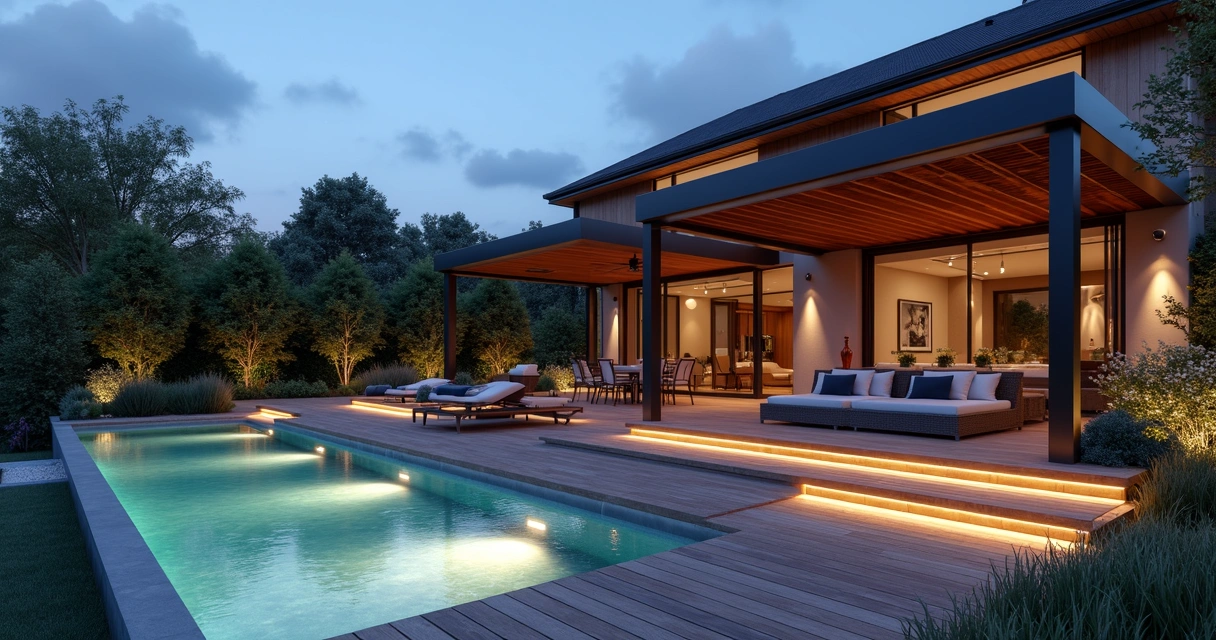
- Swimming pools and water features (detailed 3D water effects require extra hours)
- Outdoor kitchens, fire pits, and living spaces with custom furniture
- Large or complicated decks, tiered patios, or retaining walls
- Nighttime lighting plans (multiple sun/shade simulations)
- Customized planting plans using rare or highly seasonal plants
- Complete irrigation or utility planning
- Advanced animations or virtual tours for investor or board review
Realistic expectations: what’s included—and what often isn’t
Most standard 3D design packages will include:
- One or more 3D renderings (static images from key viewpoints)
- Basic virtual walkthrough (or a fly-through video, sometimes as an add-on)
- 1–3 revision cycles
What may cost extra or not be included:
- Precise construction documents or planting schedules for contractors
- Unrestricted design revisions
- 360-degree panoramic tours or VR-ready files
- In-person meetings (instead of virtual calls)
If you’d like to see a breakdown of services or get a quote tailored to your space, check our full service offerings or browse our landscaping resource center for more inspiration.
Conclusion: finding the balance between vision and budget
Bringing your outdoor dream to life is possible—and 3D modeling makes the journey smoother and more certain. For homeowners, business owners, and property developers, knowing what goes into the price of 3D landscaping isn’t just about avoiding surprises; it’s about maximizing the value of every dollar. Remember:
The best landscape isn’t the cheapest— it’s the one designed with vision and clarity.
If you’ve been thinking about transforming your outdoor space, now’s the time. Urban Oasis can help you understand your options and design a space that fits your life and your budget. Want clear answers and transparent pricing? Start your journey today—fill out the form below and discover what’s possible with your outdoor space.
Frequently asked questions
What is 3D landscape design pricing?
3D landscape design pricing is the amount professionals charge to create digital, three-dimensional models of outdoor spaces. It’s based on factors like project size, complexity, location, designer experience, and level of detail. Prices commonly range from $350 for simple backyard models to $6,500 or more for large, high-end projects with advanced features.
How much does backyard 3D design cost?
The cost for backyard 3D design usually falls between $350 and $2,500 for most residential properties. The final number depends on yard size, detail level, and additional options like night lighting, plant schedules, or custom hardscape. More complex or luxurious designs with animations can cost even more.
What affects landscape rendering cost?
Key factors shaping landscape rendering costs include the scope of the area, the number of design features, detail level, required revisions, local labor rates, and the designer’s credentials. Materials and site conditions can also move the price up or down, as discussed in research about cost drivers for park and landscape projects.
Is 3D landscape design worth it?
For many, yes—because accurate 3D models help prevent costly mistakes, clarify your vision, and improve project communication. They’re especially valuable for bigger investments or complex landscapes. They can save money long-term by catching missteps before construction starts and supporting sustainable, efficient design choices.
Where to find affordable 3D landscape designers?
To find affordable 3D landscape designers, look for firms that offer upfront pricing, clear communication, and transparent service breakdowns. Urban Oasis specializes in both residential and commercial projects and adapts solutions to your budget and style. For more insight into design packages, review our visual design options and reach out for a direct quote.