

Outdoor spaces have always shaped how we relax, gather, and make memories. Yet, those spaces—especially in bustling cities—can be frustratingly ordinary, begging for inspiration. That’s when 3D visualizations step in. These aren’t just digital sketches or pretty pictures. They’re transformative tools that let you see the potential your yard or patio holds before a single plant touches the earth.
If you’ve ever wondered whether your outdoor area could look like those envy-inducing dream yards in home magazines, you’re not alone. Sometimes you have to see it to believe it. Real-life transformations, from blank, uninspired plots to warm, modern sanctuaries, become possible through 3D landscape design.
Urban Oasis brings these visions to life. Not with wild promises but with a steady process: concept, rendering, revision, construction, experience. Today, we’ll walk you through concrete, real transformations that started as digital dreams, and then stepped right off the screen, into the sun.
See it first. Live it after.
Why 3d yard planning changes everything
Designing a yard is not just about picking plants or laying stones. It’s about harmonizing living spaces outdoors, turning functional needs into visual beauty. Is that easy? Honestly, no. Most people can’t picture the final space in their head, especially if structural changes or major installations are involved.
- Traditional blueprints leave too much to the imagination.
- 2D sketches fall flat, often missing vital height, slope, or flowerbed depth.
- Guesswork gets expensive, messy, and disappointing.
3D visualization, however, flips that frustration. The technology lets designers and clients explore every angle, shift paving patterns, try lighting concepts, and layer plant textures, all before even buying a bag of soil.
With advanced tools and animation, 3D landscape design makes it easy to:
- Rotate and “walk through” your future yard on a computer or tablet.
- Compare day and night looks, even changing seasons.
- Experiment with pool placements, pergola angles, or shade patterns.
- Spot trouble areas—drainage, privacy, awkward slopes—before they become expensive mistakes.
If you want to see how this process works in detail and understand our methods, you might be curious about the difference between 2D and 3D designs and how each stage shapes the final result.
The impact of visualizing before building
This isn’t something new. People have been dreaming up beautiful landscapes for centuries. The digital project History of Early American Landscape Design shows how visionaries imagined and documented gardens and parks long before the existence of computers. But today, tools are sharper, and outcomes are far more predictable.
Here’s the subtle magic:
- You avoid regret. No more realizing “that deck feels too small” after it’s built.
- You get a say. Give feedback on the 3D render, not just a rough sketch.
- You budget better. Precise models allow for more accurate quotes.
- You feel the excitement building, rather than fearing a costly mistake.
It’s the difference between squinting at a recipe and seeing a photo of your finished meal.
Real stories: before & after 3d landscaping transformations
Describing makes an idea clear, but showing brings it to life. So let’s open the gates and step into some real-world examples—digital to delivered, flat to fabulous.
The tired city terrace that became a sky garden
A young professional couple in São Paulo had a shaded, unused rooftop. The view? Impressive. The surface? Nothing but battered concrete. Enter the dream: a private haven for both morning meditation and evening gatherings.
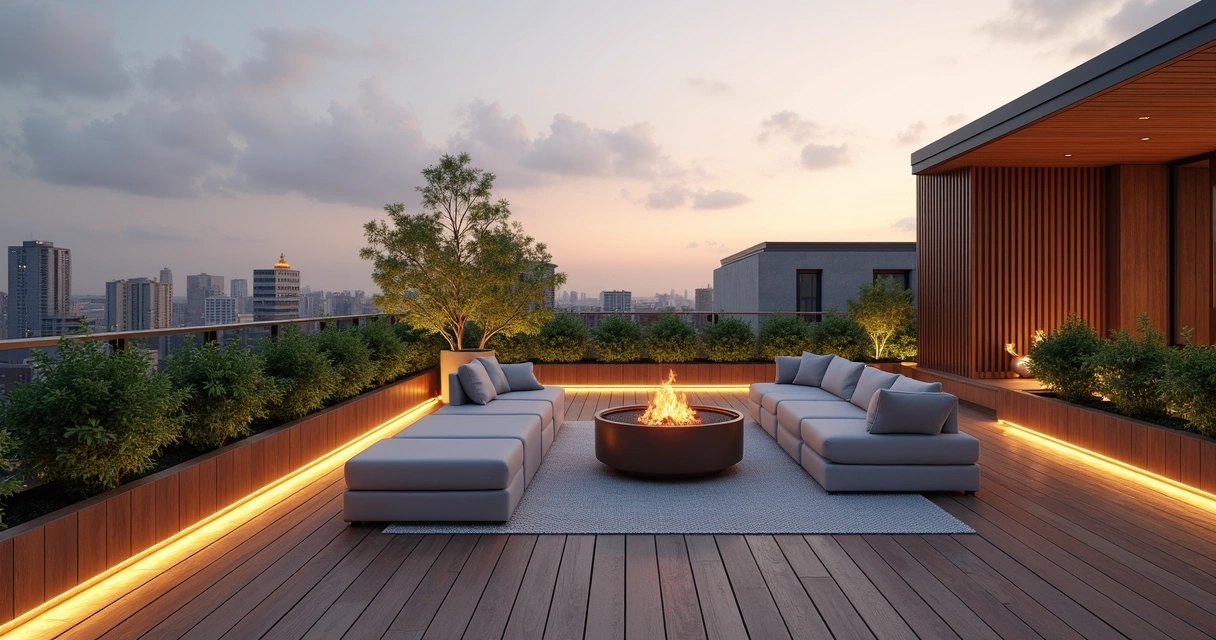
We began with a scan of the site. The 3D model captured the strong lines of adjacent buildings and sun patterns. The couple’s wishlist included greenery, privacy, and minimal fuss after work.
- The designers drafted a layout combining low-maintenance evergreen planters and bold wood textures.
- Seating zones appeared, sized just right virtually, then tested with the clients online.
- 3D animations showed how city lights would reflect at dusk.
- Hidden storage and irrigation worked seamlessly into the plan.
Before the first planter was installed, the owners had “stood” on every “deckboard” in the 3D tour. No doubts. No design regrets. Only anticipation.
The construction unfolded without drama, and the end result, well, it felt even more inviting than the digital vision.
First it was just an idea. Then it was theirs.
The dull suburban yard that turned into an outdoor retreat
A family with two energetic kids and a golden retriever shared a simple wish: a backyard as exciting as their weekends. Their existing lawn was patchy and uninspired, edged with an old, splintering fence. Initially, they thought maybe a swing or two, but the potential was much bigger.
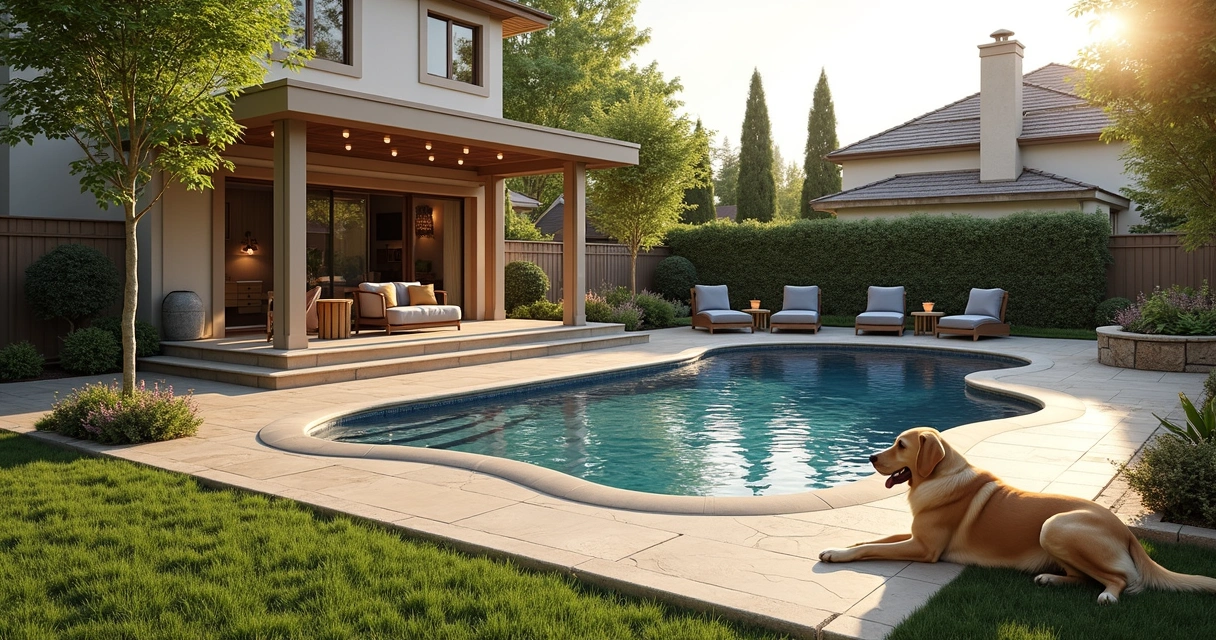
The design process started with a complete digital scan, followed by several iterations:
- Showed different pool placements, rectangular, kidney, natural shapes.
- Tested two materials for the patio to see which reflected light best.
- Added a pergola that didn’t block play views but sheltered adults.
- Simulated how water features would sound in the real world.
They discovered, through the 3D rendering, the value of segmenting a yard: one side for noisy, splashy play, and another side for firepit chats under the stars.
Within sixty days, their old lawn had vanished. In its place stood a space for togetherness, laughter, and even a little peace for the parents.
A patchy yard reimagined as a place for living.
If you want to see a variety of other finished designs, including patios, pools, and custom playgrounds, browse the gallery in our completed outdoor projects.
The narrow side yard that became a social connection
Side yards are often neglected, yet they hold so much promise. One client in a modern urban rowhouse had only 4 meters between their home and a tall privacy wall, and the area collected clutter and shadows.
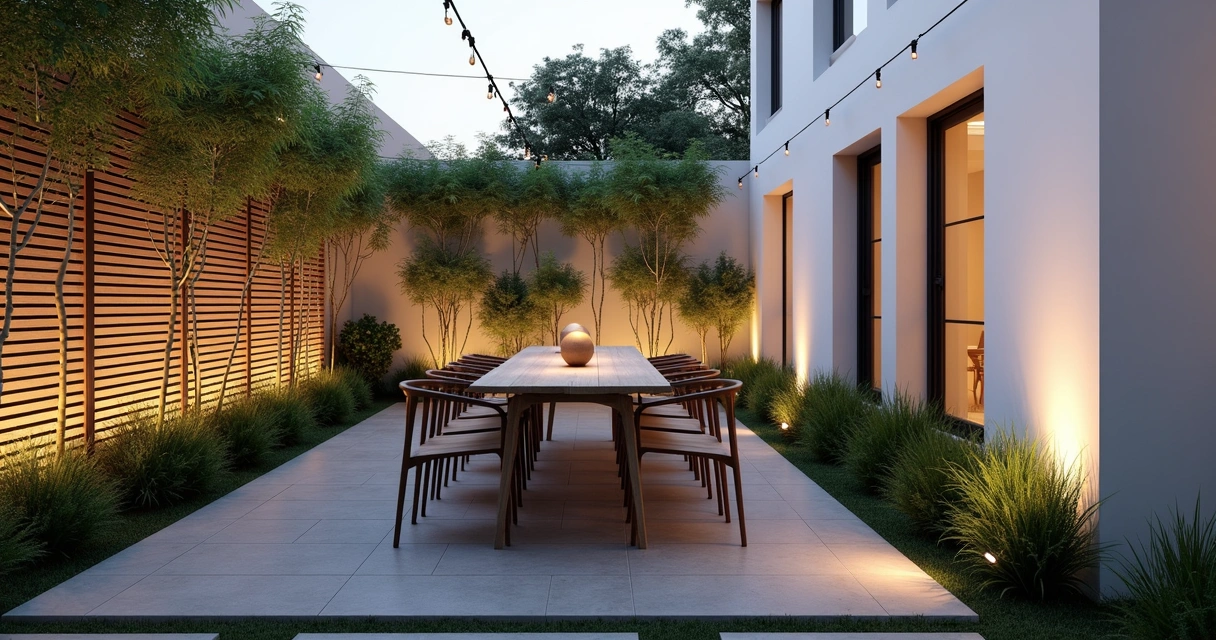
A 3D fly-through explained how materials, plants, and lighting could dramatically shift the mood:
- Swapped broken concrete for stone pavers with soft groundcover between.
- Added vertical plantings for privacy without blocking sunlight.
- Included a long table and retractable canopy for flexible use.
- Mapped string lights onto the digital set-up for evening gatherings.
Neighbors who had never shared a meal soon found themselves invited over every weekend.
From forgotten gap to neighborhood favorite.
The commercial patio that won over both staff and clients
Businesses crave inviting outdoor spaces too. One local restaurant in a high-traffic area had a dull, concrete slab behind its kitchen, more eyesore than asset. They wondered if it was possible to make the area welcoming, comfortable, and unmistakably “them.”
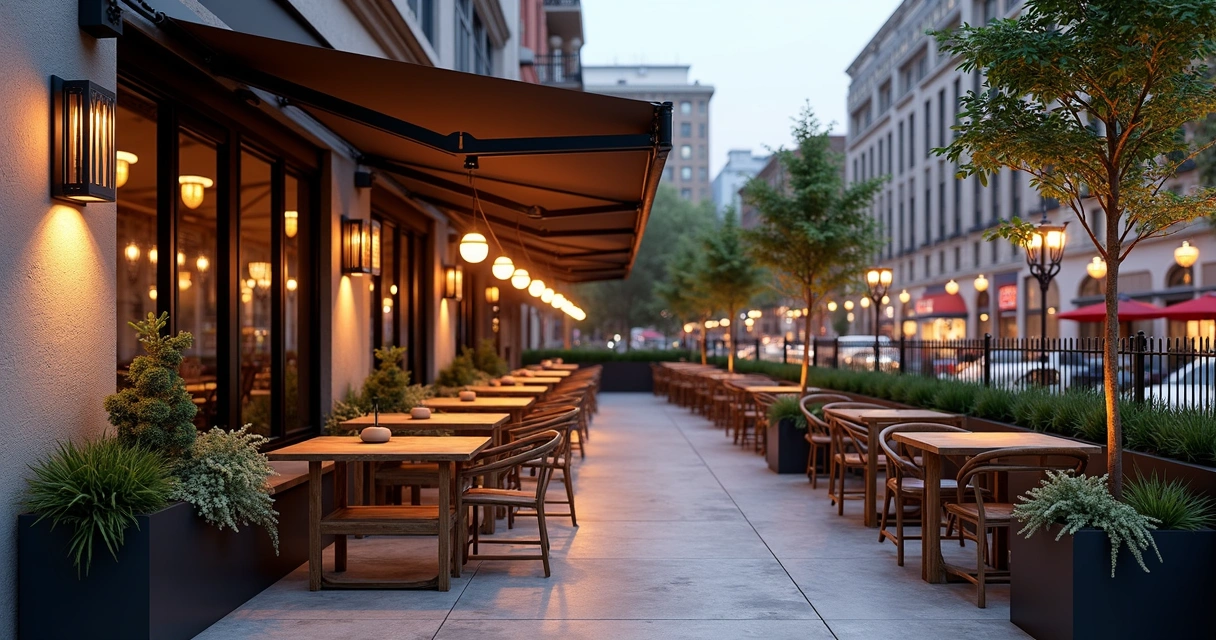
Together with the owners, we mapped out layouts until flow and function matched the restaurant’s energy.
- Custom seating zones for couples, families, and solo diners, tested virtually for comfort and views.
- Integrated lush borders to buffer traffic noise and create a sense of oasis within the city.
- Added modern lighting and a partly covered area for weather protection.
- 3D visuals made it clear: this space would increase bookings, not just “look better.”
Within weeks, staff noticed more clients at lunchtime and happier reviews. Turns out, even the chef started enjoying breaks outside.
A concrete slab became the restaurant’s beating heart.
The 3d design process: from vision to reality
Every successful transformation starts with a clear, communicable vision. But not everyone is trained to read blueprints or imagine how plant heights and shadows change through the year. That’s why realistic 3D designs matter.
Step by step: how 3d designs shape dream yards
- Initial consultation and wish-listing: Every client has a story and dream. Designers listen, sketch, and collect photos for inspiration.
- Digital surveying: Technology, like drones or laser scanners, captures site specifics: slopes, existing trees, neighboring structures.
- Concept planning: Using this digital foundation, designers build out the 3D model, adjusting for light, wind, and flow.
- Interactive render reviews: Clients “walk through” designs on screen. Change colors, swap deck shapes, even adjust play equipment.
- Build-ready plans: Once approved, construction blueprints are pulled directly from the 3D designs, minimizing communication gaps and delays.
This approach makes everyone feel more confident. Not just clients, but the teams who build and maintain the yards as well. Students preparing for this career path, like those at Florida A&M University’s landscape design clinic, get hands-on experience using these technologies before ever working on real projects. The digital toolkit now feels as familiar as a trowel or rake.
Want more ideas on achieving stunning results easily? Read our advice on low-maintenance, high-impact landscaping, which blends practicality with beauty, and see how digital planning helps visualize even minimalist projects.
What makes a 3d landscaping transformation successful?
Some might say it’s all about budget. Sure, a generous budget can help, but thoughtful planning makes the most impact.
- Context matters. What works in one neighborhood or family might not fit another. Design has to flex with climate, lifestyle, and habits.
- Feedback shapes results. Iterations in 3D let everyone add input without wasting time or materials.
- Sustainability scores high. Strategic shade, native plants, rainwater harvesting, these all become easy to visualize and test in 3D.
- Details get noticed. From the grain of a deck board to the color of a door, realism inspires trust.
And, there’s the personal side. Sometimes a homeowner will walk into a rendered version of their yard and ask for a single change, maybe a tree repositioned to honor a childhood memory, or a pathway rerouted to include a secret garden corner. In 3D, those last-minute ideas are quick to evaluate, not costly to fix on site.
Great outdoor design solves problems before they start.
The value behind professional 3d landscape design
Expert landscape architects, according to U.S. Bureau of Labor Statistics, earn an average of $79,660 annually, reflecting the demand for their ability to bridge dreams and buildable plans. The field continues to grow, with specialization in digital modeling becoming more widespread.
Case studies referenced in landscape planning research highlight how client education and visualization actually make outdoor investments last longer and give greater daily satisfaction. 3D design is not just about aesthetics. It often brings resilience, equity, and accessibility into the discussion, as suggested by recent university research on adaptive planning using digital tools.
Urban Oasis places these values at the core, blending environmental care, transparency, and a joint sense of achievement with clients. Want to find new ways to make your yard welcoming for gatherings? Try some outdoor entertainment ideas from our feature on stylish outdoor entertaining and imagine bringing them into your own online design preview.
Seeing is believing: your own before & after
So, why wait for inspiration to strike “someday”? Modern 3D design gives you the most realistic preview possible. Yards big or small, commercial or residential, with the right tools, they can all become dream spaces built around daily joys and personal style.
The stories above are just a few ways Urban Oasis turns vision into reality, one pixel and one paving stone at a time.
Every great landscape begins with a single idea. And a design you can see.
Are you ready to see your own outdoor area in a whole new light? Fill out our short form below, and let’s start visualizing your before and after, together.
Frequently asked questions
What is 3D landscaping design?
3D landscaping design is a process where professionals create a virtual model of an outdoor space, complete with plants, structures, lighting, and textures. This model lets you explore the yard from any angle and see exactly how different elements will look and interact before anything is built. It takes the guesswork out of landscape planning, allowing for more accurate decisions about layout and materials.
How does 3D yard transformation work?
It starts with a conversation to learn your needs and dreams. From there, the site is measured and scanned. Using special software, a designer builds a true-to-life digital model, updates it based on your input, and then provides a final visualization for approval. Once you’re happy with every detail, the team uses construction plans derived directly from the 3D model to create your dream yard. The process is collaborative and lets you make changes when it’s still easy, and less expensive.
Are 3D landscape designs worth it?
For most people, 3D landscape designs are a great investment. They help you see the final look, avoid costly mistakes, and feel confident before construction. These designs often result in more efficient use of budget and space. You also get a yard that’s both beautiful and functional. Studies show that visualization improves both satisfaction and long-term durability of the finished space.
Where can I see landscaping before and after?
Excellent before-and-after examples are found in completed project galleries, like Urban Oasis’s portfolio, as well as various case studies shared on industry and designer websites. These images let you see the impact of real 3D yard transformations, and might spark ideas for your own project.
How much do 3D landscape designs cost?
Costs vary widely based on the complexity and size of your outdoor space. A basic 3D design might start at a few hundred dollars, while larger, more intricate plans can run higher. The investment usually pays off by preventing change orders during construction. Reputable companies will give a clear estimate after the initial consultation, tailored to your requirements.