
Modern outdoor living looks different from what it did a decade ago. Today, homeowners and businesses alike expect environments that balance looks, sustainability, and real usability. At the center of this change is the portfolio. Not just a collection of pretty pictures, but a guide, and sometimes even a promise. So, the question echoes: What makes a 3D landscape design portfolio stand out?
If you’re searching for a team to transform your backyard, rooftop, or commercial front, what you see in their gallery might well shape your final decision. Urban Oasis, with its commitment to functional sophistication, knows that great portfolios don’t just show, they convince and educate.
A portfolio tells the story that words cannot.
Let’s walk through what to look for, what should raise concern, and even what might surprise you in the world of digital landscape showcases.
Why a 3D landscaping portfolio matters
Three-dimensional design wasn’t always the standard in this industry. But things shifted. One peer-reviewed study concluded that client satisfaction improves by over 30 percent when 3D visualization is used instead of only sketches or 2D renderings, as it increases participation and understanding (study on 3D visualization methods).
With proper visualization, homeowners see shadows fall, water ripple, and even how plants mature season by season. It’s not just about making things look fancy—it’s about helping people see themselves in the space.
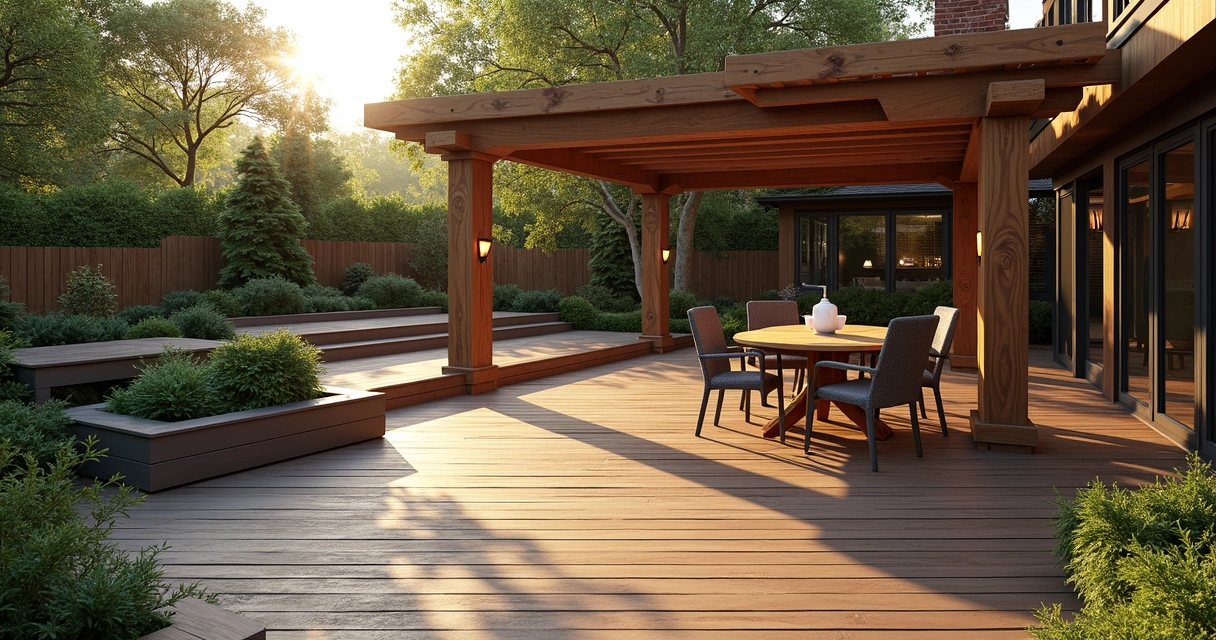
- 3D models help you grasp scale. You see how a pergola will shade your barbeque area, not just hope it fits.
- Visualizations clarify the designer’s vision, giving everyone a common language.
- Data reliability increases, resulting in fewer unwanted surprises down the road (research on urban garden visualization).
On a practical level, a landscape design portfolio in 3D can highlight technical skills across site planning, lighting, planting, and even how the project will transition from digital to built reality.
What should be in a 3D landscape design portfolio?
You scroll through image after image. At first, it may feel like you’re seeing the same story on repeat. But a closer look is needed.
Variety of project types
A great portfolio doesn’t focus only on manicured lawns or only large spaces. Look for:
- Small urban yards transformed into cozy retreats
- Backyard 3D projects for family gathering places
- Commercial courtyards and rooftop gardens
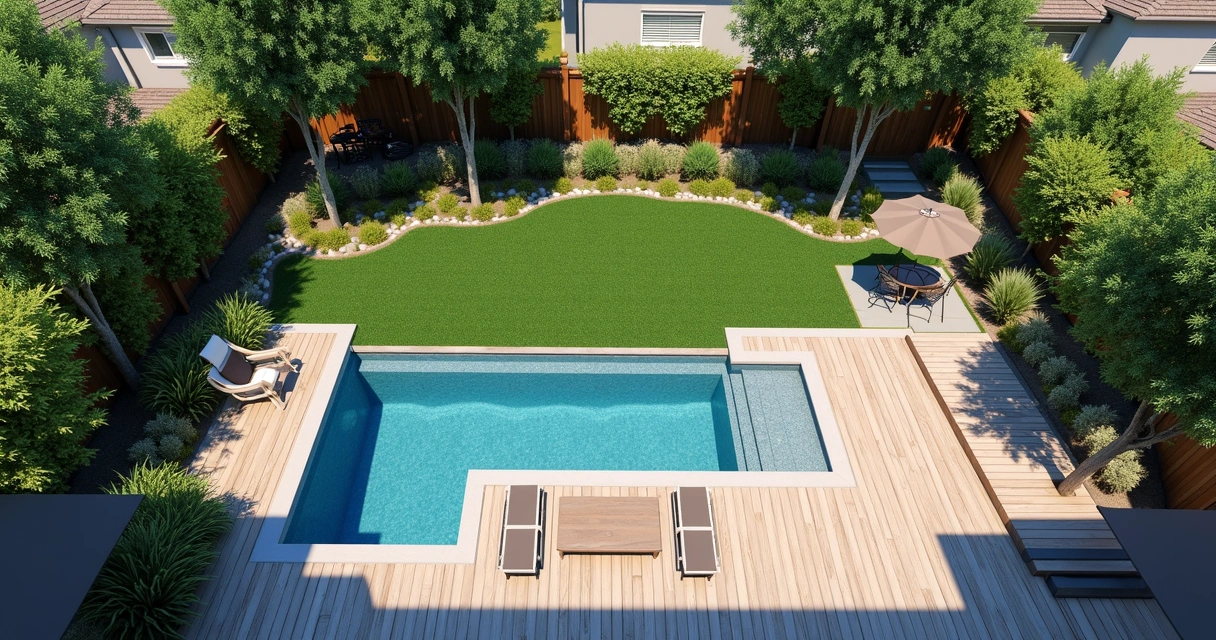
- Complex, multi-use environments with pools, courts, and decks
Before and after comparisons
If a designer can show you what the site looked like before—and what it might look like after—it shows both honesty and know-how. You get both context and vision. Some portfolios even layer the old and new together for easier comparison.
Step-by-step process representations
Inspired by detailed design processes outlined in studies like this landscape architecture design process thesis, a strong 3D portfolio often shows the evolution from rough ideas through digital drafts to the refined, rendered spaces.
- Concept sketches or storyboards
- Site surveys and real-world constraints
- Multiple stages of renderings to reflect revisions
These steps allow you to peek behind the curtain and understand how the final look comes to life. This feels much more reassuring, especially for bigger investments.
Real-world implementation photos
A rendering is just a dream until it becomes real. So, you want:
- Photos of the spaces after construction
- Angles that mirror the digital perspectives for direct comparison
This is proof the designer’s vision isn’t smoke and mirrors but something that materialized into reality, much like you’d expect from the finished works featured by Urban Oasis.
What separates good from great?
You might think technical skill is everything. Or maybe you prefer style and color. But the gold standard blends both. Here’s what separates a passable portfolio from one that really wows.
Attention to detail
Is the lighting realistic? Do paths wind naturally? How do changes in season affect the view?
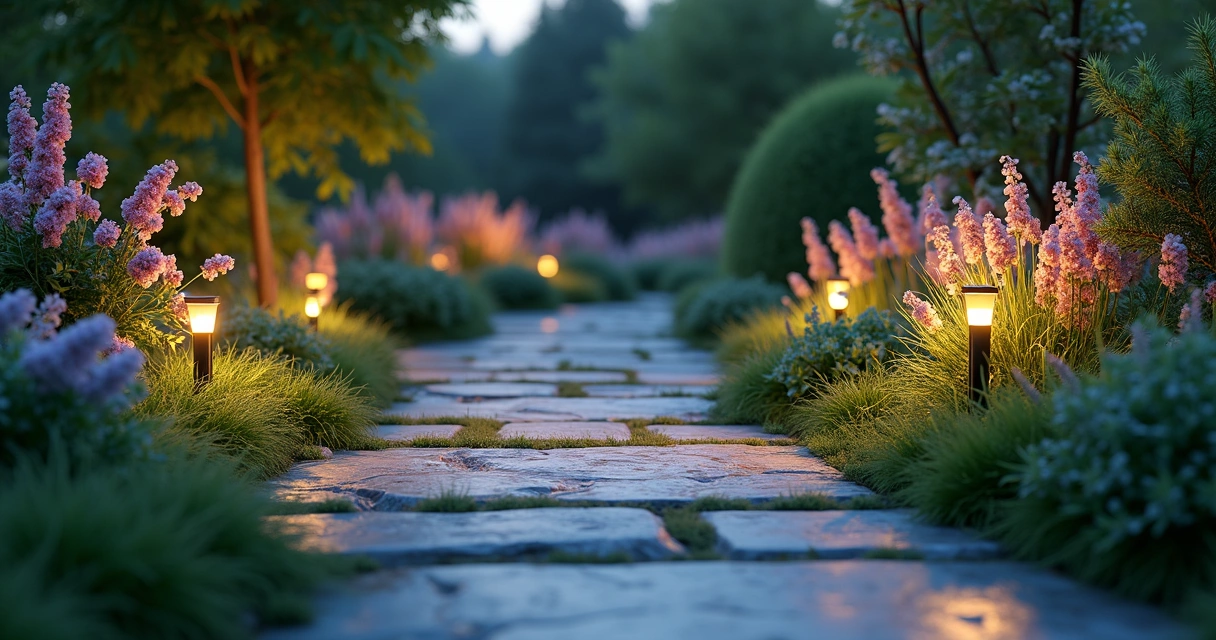
The best portfolios embrace the small moments: dappled shade under a tree, scattered pool reflections, textures of various ground covers, even the outlines of custom furniture.
Context for each project
The same space will look wildly different depending on factors like:
- Climate and sun exposure
- Existing site restrictions
- The intended use—children playing, entertaining, meditating
Top designers don’t just insert generic elements. They show that each solution was tuned for the client, like how Urban Oasis adapts layouts for both style and budget without losing sight of function.
Interactive or immersive elements
Some next-level portfolios may even include video walk-throughs or virtual reality—features that bring you into the scene and let you move through the space before it exists. One study on computer-vision interaction in green roof and urban projects explains how immersive design builds consensus and deepens user understanding.
The best portfolios let you imagine yourself walking there.
How to spot technical proficiency
3D landscape portfolios say a lot about a team’s technical chops—sometimes even more than their resumes do.
Detailed, layered renderings
Look for scenes where the layering of plants, paths, lighting, and water features all sit in harmony. Texture mapping and light/shadow realism are good signs a team knows both software and outdoor environments.
Integration of various features
It’s not just about gardens. Decks, pools, sport courts, green roofs, and hardscapes should all look thoughtfully integrated. If you see awkward transitions or missing elements, that may be a warning bell.
Alignment with construction standards
This one’s often missed. Designs should seem possible to build. Retaining walls, height changes, drainage, and construction materials all need to make sense. Unrealistic or “floating” items are a red flag.
Backyard 3D projects that personalize the experience
Imagine your dream backyard. Is it a quiet oasis, a lively hub, a modern labyrinth? Seeing a firm’s previous backyard 3D projects in action is the fastest way to judge whether they align with your taste and needs. The proof sits in:
- Spaces planned for families versus professionals
- Mixes of hardscaping, plant masses, and built features
- Settings that take privacy, traffic flows, and future growth into account
The difference between a generic patio and a functional, stylish living area is in the specificity. Do you see a fire pit right where you want to entertain? Is there a children’s adventure corner tucked out of main sight? Urban Oasis, for instance, shows how smaller yards become multi-use extensions of daily life, not just pretty spaces to look at in photos.
Want more inspiration? The landscape ideas section is full of creative projects and transformation stories.
Innovation, sustainability, and the bigger picture
An excellent 3D portfolio hints at more than just surface beauty. It can show an understanding of sustainability and local ecology, addressing questions like:
- Are native or drought-tolerant plants included?
- How does the design manage water? Are there rain gardens, permeable pavements?
- What materials are specified, and are they environmentally responsible?
Designers who bring up sustainable approaches in their portfolios aren’t just checking boxes—they’re thinking ahead. Urban Oasis, for example, consistently weaves sustainability into its projects, demonstrating that green choices and modern style can coexist.
Sustainable innovation in 3D design
According to the U.S. Bureau of Labor Statistics, demand for landscape architects remains steady, with modern digital portfolios serving as indicators not only of good design but also of technical evolution.
Digital models allow rapid simulation of eco-friendly solutions, letting homeowners understand climate adaptation features or efficient irrigation layouts before the first stone is moved. As another layer of assessment, check whether portfolios reference low-maintenance options.
Client communication and project management in the portfolio
A surprisingly overlooked mark of a fine digital portfolio is how it hints at communication. You might spot:
- Clear graphics explaining design decisions
- Direct callouts about materials, budgets, or timelines
- Diagrams marking the main flow of movement or access
- Notes on how feedback was handled at different stages
This not only builds trust, but showcases a process that values homeowner input, just like the client-driven steps outlined by Urban Oasis on their 2D/3D design process page.
A well-structured 3D portfolio is the first handshake—it’s where communication begins.
What about trends and style?
Every few years, design preferences shift. Right now, trends in outdoor living lean towards flexible layouts, sustainable plantings, and strong indoor-outdoor flow. A forward-looking portfolio will show:
- Spaces quickly adaptable from quiet mornings to large gatherings
- Blending native and exotic plantings for year-round color
- Outdoor kitchens, fire features, and water elements as focal points
Find designers who aren’t married to one style, unless you’re positive you want only that style for yourself. The best portfolios find a balance between personal signature and responsiveness to client tastes.
How to review 3D landscaping portfolios
- Start broad: Browse a wide range of projects. Don’t rule out spaces that aren’t exactly your size or shape—they can inspire.
- Dig deeper: Focus next on spaces that spark a gut reaction. What do you like or dislike? Are there clever solutions to problems similar to yours?
- Check references: Many portfolios link to case studies, testimonials, and client feedback. These offer another lens on the results.
- Ask for examples: If you don’t see something quite like your site, ask if the designer can share relevant past work.
- Look ahead: If possible, request a “walk-through” design session to see how your project will be visualized before signing off.
If you want to understand fundamental design principles or specific techniques, Urban Oasis also provides a detailed landscaping techniques and benefits guide.
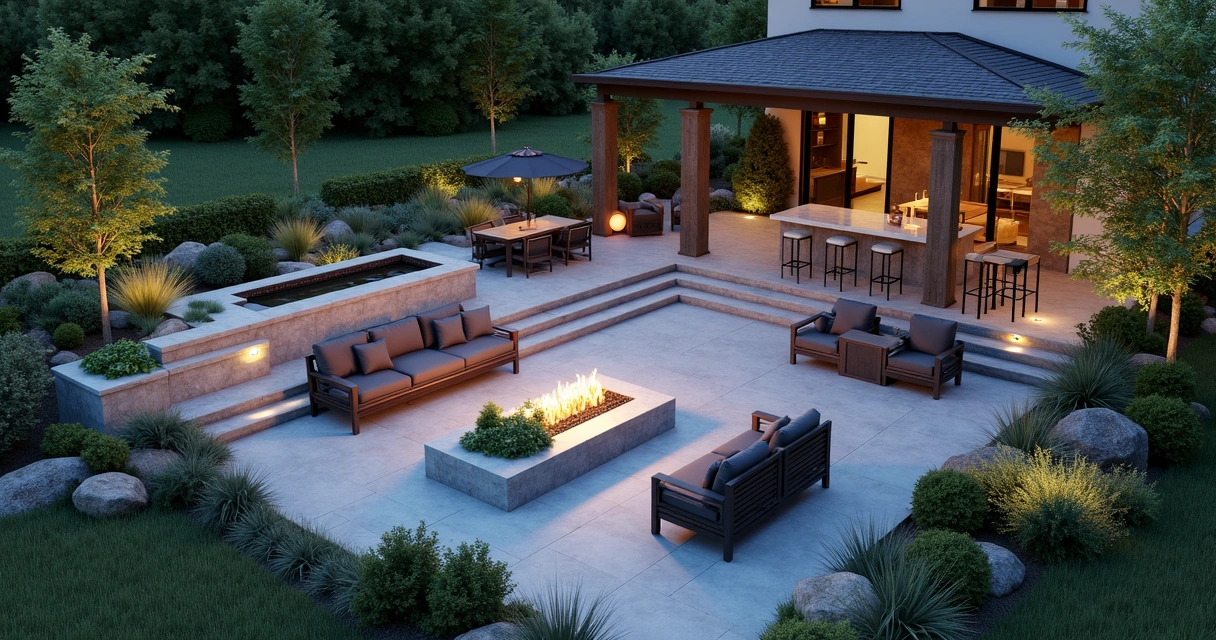
Common pitfalls to avoid
- Seeing only “best bits”: Sometimes, you’re shown only the most spectacular, high-budget spaces. Ask about smaller or more practical projects if these relate more to your site.
- Over-polished renderings: Unnaturally green grass or too-perfect lighting might look beautiful, but can be misleading about what’s actually possible.
- Missing real-life photos: If a portfolio is 3D-only, and there are no construction or “after” photos, it’s wise to press for more evidence.
- Lack of context: A space can be pretty in isolation—and frustrating in practice. Press for details about the property, climate, and user goals.
The Urban Oasis blog has more information about successful project delivery and landscape inspiration if you want to look further.
How to use a designer’s portfolio in your planning
Once you’ve seen a variety of landscape design examples, it’s time to use them. Save images that speak to you—even if you don’t know why at first glance. Jot down reactions and questions.
- What feeling do you want in your space?
- Are there layout ideas or features that consistently appeal?
- Does the designer seem to have solved challenges like yours before?
A good landscape partner will welcome this. They should be happy to talk through favorite images and tailor ideas more specifically to your lifestyle.
Your feedback shapes the next render.
Navigating the process: from portfolio to built space
If you feel confident about a designer based on their 3D landscaping portfolio, the next steps should bring clarity, not confusion. The Urban Oasis process includes:
- Initial consultation and discussion of project needs
- Site analysis and inventory
- First draft 3D visualizations
- Iterative feedback and revisions
- Approval and construction phase
Throughout, communication is emphasized, as laid out in multiple well-respected industry process guides (see design process research).
Final thoughts: your story, your landscape
So, what makes a 3D landscape design portfolio great? It’s more than eye-catching visuals. It’s honesty, detail, and an obviously client-centered approach. It’s the feeling you get that your story might become one of those pictures someday.
Urban Oasis dedicates itself to turning imagination into habitats—for family gatherings, quiet escapes, or vibrant commercial life. If you want to see how your outdoor space could be transformed, or just wish to browse more stunning 3D landscapes, start a real conversation.
Your outdoor dream begins here.
Ready to see what’s possible for your space? Take the first step. Fill in the form below and let’s turn your vision into the next featured story:
Frequently Asked Questions
What is a 3D landscape design portfolio?
A 3D landscape design portfolio is a digital collection of three-dimensional renderings, project images, and planning visuals that display a designer’s skills and previous work in outdoor environments. These portfolios often include before-and-after comparisons, layered models, real-world photos, and sometimes even interactive walk-throughs—helping you understand the style and process of the professional. They serve as both proof of expertise and inspiration for future clients.
How to create impressive backyard 3D projects?
The best backyard 3D projects start with clear goals and collaboration. Begin by collecting site measurements, discussing how you want your space to feel and function, and considering any special needs (privacy, sun, kids, or pets). A skilled designer then develops detailed models showing plantings, hardscapes, lighting, and furniture. The project is refined through client feedback and technical adjustments—until the digital version feels both beautiful and believable. Final touches, like realistic textures and phased plant growth, give extra depth.
Where can I find landscape design examples?
You can review landscape design examples through specialized contractor websites, digital portfolios, and curated project pages. For a wide variety, visit Urban Oasis’ portfolio of past projects and explore tailored backyard and commercial environments. Other good sources include landscape blogs, process guides, and idea galleries that reveal the planning, construction, and final result.
What should a landscape portfolio include?
A quality landscape portfolio should blend project diversity, before-and-after photos, detailed 3D renderings, and finished construction images. It might also demonstrate the design process (from sketch to final), include technical notes on materials and sustainability, and even contain feedback or testimonials. The strongest portfolios communicate not only visual skill, but comfort with communication and responding to unique site demands.
Are 3D landscaping portfolios worth the effort?
Yes, most clients and professionals agree that the investment in detailed 3D landscaping portfolios pays off. Research confirms higher satisfaction rates, fewer misunderstandings, and more efficient project planning when clients can see—in detail—what the end result will be. For designers, a well-crafted portfolio builds trust and sets clear expectations, making every step, from design to construction, much smoother.