
Picture yourself strolling through your perfect garden before a single shovel touches the earth. Or reviewing a plan and realizing—wait, that’s not quite what you had in mind. Those two moments, one immersive and lively, the other flat and schematic, show the broad gap between 3D and 2D landscaping designs.
Landscape design has come a long way. Homeowners like you now face a choice between classic 2D layouts and detailed 3D renderings. This article walks through both approaches, drawing from research, real-world examples, and the kind of experience you get when working with a team like Urban Oasis. We’ll help you see what to expect, what you might miss, and when each option fits your needs best.
By the end, you might just see your outdoor dreams in a new dimension.
The roots of landscape planning: 2D first, 3D now
Designers have used 2D plans for generations. Think of those big blueprints you unroll on a table—lines, labels, symbols. Every tree, patio, and path shown from above, like a map. There’s a charm to it, a sense of tradition.
But as technology grew, so did design possibilities. Digital tools unlocked 3D perspectives—suddenly, you can virtually “walk” through your future backyard, see sunlight shift, and spot how plants will look next to your pool even before planting a single seed. Urban Oasis, for example, thrives on offering not just classic plans, but auch immersive visualizations, tailored to your vision and budget.
Sometimes, a second look changes everything you thought you saw.
What’s the core difference between 2D and 3D landscape design?
Let’s get more practical. At its heart, the difference is how information is shown:
- 2D landscape plans: Birds-eye view, showing the layout from above with outlines, notes, and measurements. You see structure, placement, scale. But it’s mostly symbols and flat drawings.
- 3D landscape renderings: Perspective views that mimic what you’d experience in real life. You “see” height, depth, how shadows fall, and how all the elements interact—almost like a photo of your future yard.
I admit, the first time I saw a garden rendered in 3D, it felt like predicting the future.
How 2D plans work: strengths and limits
A 2D plan is straightforward. It looks much like an architectural floor plan. Paths are solid lines. Trees are circles or green blobs. Pools, decks, pergolas—all shown as flat shapes.
Designers love 2D for its clarity and speed. Contractors rely on it for measurements and technical precision. For instance, mapping sprinkler lines, wiring routes, or garden bed layouts is easier when everything’s visible on a single page.
But there’s a catch—interpretation. Not everyone “sees” what those symbols mean. You might understand that a circle represents an olive tree, but do you imagine how tall it will be, or its shade at 2pm on a summer day?
- Easy to print, review, and edit
- Perfect for technical details
- Can seem abstract to non-professionals
A line on paper is not a hedge in your garden.
The 3D landscape experience: immersion and clarity
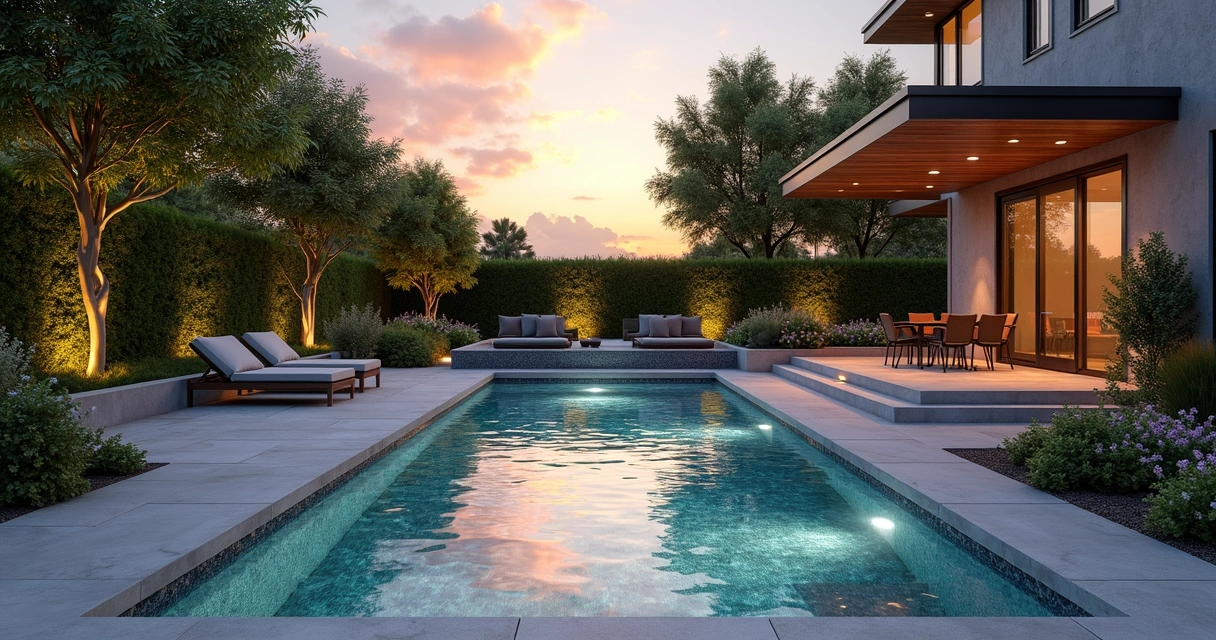
Now, imagine moving through your garden on a sunny afternoon—virtually. That’s what a 3D model delivers. Much more than just pretty graphics, it brings you into your future space. You see how stone pavers connect, where the pool sparkles, or how lush borders soften fences.
It’s not just about beauty. The National Center for Biotechnology Information reports that 3D visualization methods boost user satisfaction by up to 30% over traditional 2D design. That’s not a small bump—it’s a real change in how people “get” their project before it’s built.
- Gives you perspective, scale, and depth
- Reveals sunlight, shade, and seasonal impact
- Spot potential problems before construction begins
And for companies like Urban Oasis, 3D design makes it easier to adapt every detail to the client’s taste and the site’s conditions, no matter how unique or complex.
Side-by-side: practical scenarios and homeowner reactions
People react differently to 2D and 3D landscape plans. Sometimes, seeing is believing. Here are typical moments that show why the choice matters.
Reading the plan vs. feeling the space
- 2D: You look at the patio area, marked “5m x 6m”. Maybe it seems big; maybe small. Hard to tell.
- 3D: You see furniture, walkways, maybe even a barbecue—suddenly, you picture summer evenings and gatherings. The space feels real. You can judge if it fits your needs.
Predicting growth and seasons
- 2D: Tree symbols are always the same size and color. Seeing which areas get shade throughout the day is a guessing game.
- 3D: Virtual sunlight and time-of-day effects let you “see” how shadows move. You get to watch your garden grow on-screen, maybe even toggling between seasons.
Spotting design flaws before building
- 2D: Sometimes, a plan looks good on paper but feels awkward in real life—like a walkway that blocks the view, or a crowded patio.
- 3D: Immersive walkthroughs reveal awkward spots. You can walk the virtual garden paths, catch errors, and tune the plan before construction (and before spending big money).
What you see in 3D is closer to what you’ll get in reality.
Case study: the science behind seeing in 3D
Maybe this all sounds nice, but is it proven? Several studies suggest more than just a flashy presentation.
- The NCBI found a 30% higher satisfaction rate with 3D landscaping methods, and a big drop in visual “frame loss” (which means, smoother and more accurate pictures).
- For accuracy, 3D technology with AI support hit up to 88% accuracy in real environment modeling, compared to about 41% for old-school processes.
- The US Geological Survey reports $2 billion annual potential in agricultural planning by using 3D data—reinforcing that 3D designs have value beyond appearance. They guide drainage, planting, and paths more reliably than 2D mapping alone.
- Another study highlighted how 3D visualization aids soil and geological understanding, resulting in better planning and fewer surprises.
- 3D views even help people grasp depth and scale in historical landscapes, as shown in a study on classical Chinese gardens.
So, virtual walkthroughs aren’t just fun—they’re meaningful for outcomes and confidence.
Practical advantages of 3d over 2d for homeowners
Designers sometimes love their blueprints. But for most clients, immersive visuals change the process. Here is what homeowners gain:
- Better communication: Instead of “trust me, this’ll look great,” you get proof and precision. You can ask, “What if we move the deck?” or, “How about a hedge here?” and see the answer instantly.
- Accurate cost planning: With detailed visuals, contractors can better estimate materials and labor. No guessing if a slope is too steep or if lighting will be hidden by a shrub.
- Easier changes before construction: It’s always cheaper to shift in digital than in dirt. Swap plants, materials, or layouts virtually instead of costing more mid-build.
- Confidence in the result: Seeing helps you commit. You’ll know what you’re paying for, not just hoping for the best.
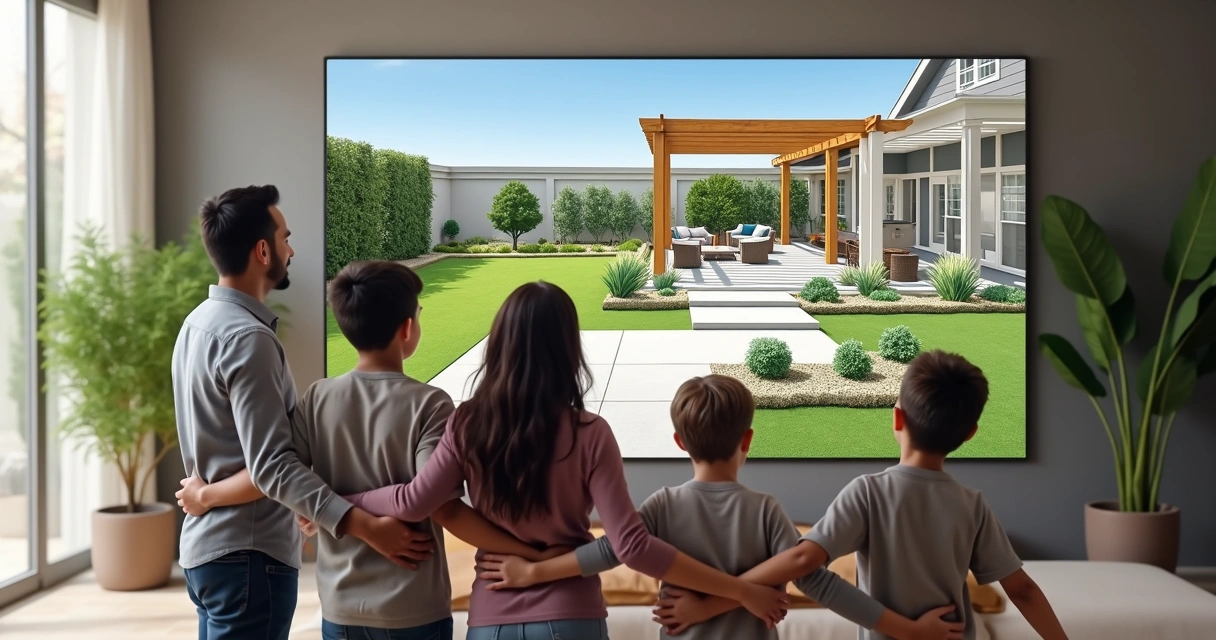
- Accessibility for all ages and backgrounds: Even kids or family members who struggle with blueprints can “walk” through the space and give feedback. It’s a real team decision.
When is 2D enough? where 3D is worth it?
Sometimes, simple is best. For smaller projects—adding a flower bed, a fence, a single path—a clear 2D plan may give all you need. Quick, readable, and often included at little or no extra cost.
But for major overhauls, new builds, or high-stakes spaces? 3D usually pays off. When you’re investing in a pergola, deck, pool, or intricate planting schemes, seeing it all in lifelike form is reassuring. Urban Oasis provides both options and can help you choose what fits your project and style.
The bigger the dream, the more you want to see it before you build it.
Costs: are 3d landscape plans more expensive?
It’s true: 3D rendering often costs more than a simple 2D drawing. That said, prices continue to drop as software and skills improve. The extra cost can be modest in relation to the overall landscape budget—especially compared to surprises or mid-project changes that cost thousands.
For most full-yard projects or commercial spaces, 3D planning covers just a few percent of the build cost. Urban Oasis, for instance, adapts the level of modeling to your preferences and budget, keeping the process clear with no hidden surprises.
Also, remember: what you save in fewer design changes and clearer communication can easily offset the upfront price.
Accuracy and details: how 3d brings landscapes to life
Are 3D visuals really that much more accurate? According to recent research, yes—they can represent slopes, soil, and spatial relationships far more faithfully than 2D. This isn’t only valuable for agriculture or parks; residential properties benefit equally from accurate grading, reliable irrigation, and blended plant groupings.
Plus, you can visualize future growth, material finishes, night lighting, or seasonal changes—features almost impossible to guess from a standard plan.
Virtual walk-throughs: not just a gimmick
There was a time when “virtual walk-throughs” sounded gimmicky. Now they’re common in everything from real estate tours to landscape design. Why? Because the human brain understands spaces better when you move through them at eye level.
By guiding your view through a virtual model, you can check privacy, spotlines, or sightlines, and get a real gut feeling about the space. Urban Oasis offers interactive previews, letting you “walk” pathways or test how outdoor living spaces line up with how you want to use them.
Some stand-out benefits:
- Check heights and barriers: Are railings too high or hedges too sparse? You’ll know instantly in 3D.
- View from inside your house: Does your new water feature look great through the living room window?
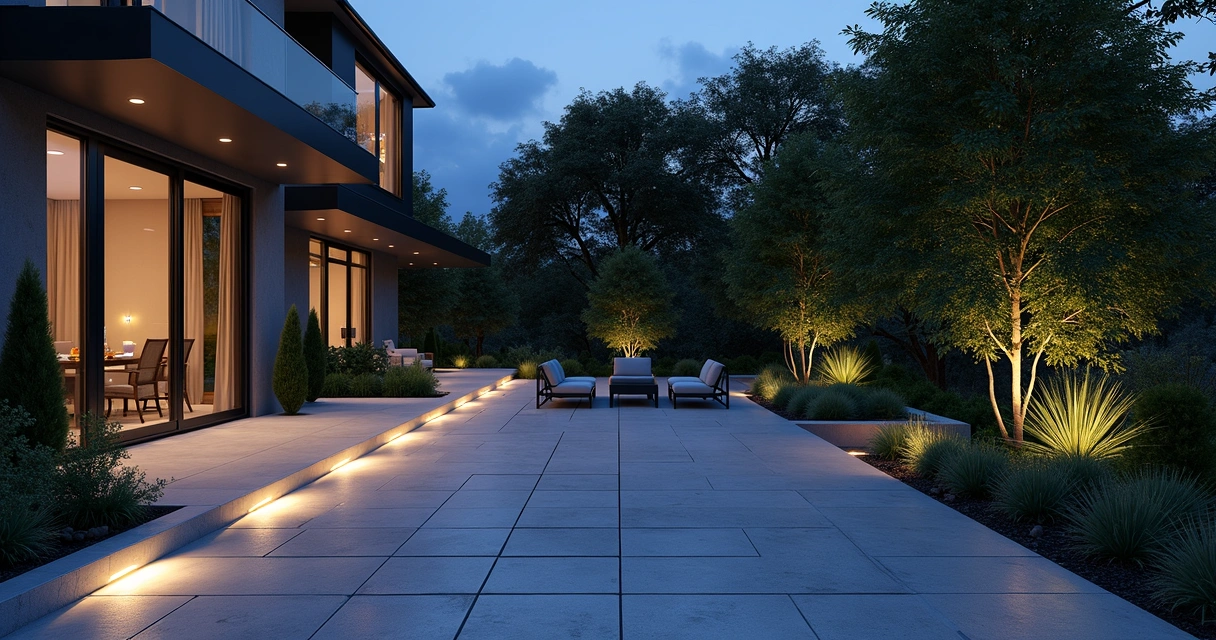
- Lighting and nighttime effects: Simulate dusk, dawn, and evening barbecue lighting, all long before the electricians arrive.
- Future-proof your space: Imagine bigger trees or seasonal changes. Would you still love your view in five years?
Walking through your dream landscape in pixels beats paging through blueprints.
How the process flows: step-by-step from idea to reality
- Initial consult and site analysisYour goals, needs, and site quirks—Urban Oasis makes a point to listen first.
- Concept drawingUsually a 2D “bubble diagram,” showing general spaces, traffic flow, and main features.
- Draft 2D planDetailed measurements, material notes, and technical info for permits and builders.
- 3D renderings and walk-throughs (when chosen)Now, things come alive—textures, plants, lighting, furniture. You review, give feedback, and adjust with confidence.
- Final review and approvalEverything is clarified before work begins.
- ConstructionThe plan becomes your new favorite space for relaxing, entertaining, or just enjoying a morning coffee outdoors.
This workflow is refined and flexible, just like you’ll find in the step-by-step guide to landscaping planning and benefits.
Practical uses beyond looks: how 3d supports sustainability and function
At first glance, design is about beauty. Dig a little deeper, and it’s also about sustainability, water use, shade, and long-term environmental impact. 3D planning makes these invisible forces clear. You can see where rainwater will run, which plants might shield windows, and how maintenance could change as trees grow.
The NCBI’s research shows 3D isn’t just a pretty face—it helps identify subsurface and structural features, meaning fewer surprises down the line.
Urban Oasis embraces this, suggesting low-maintenance, high-impact landscaping strategies that work with your site’s assets—soil, sun angle, wind, and all.
Personal experience: stories from the ground
I remember a couple who struggled to “see” the finished project on their first home. The 2D plan looked fine, but as soon as we switched to 3D renderings, their faces lit up. They could spot sightlines, change materials, and realize the pool was a tad too close to the dining area. Adjusting it took two clicks in the digital world, rather than expensive changes on-site.
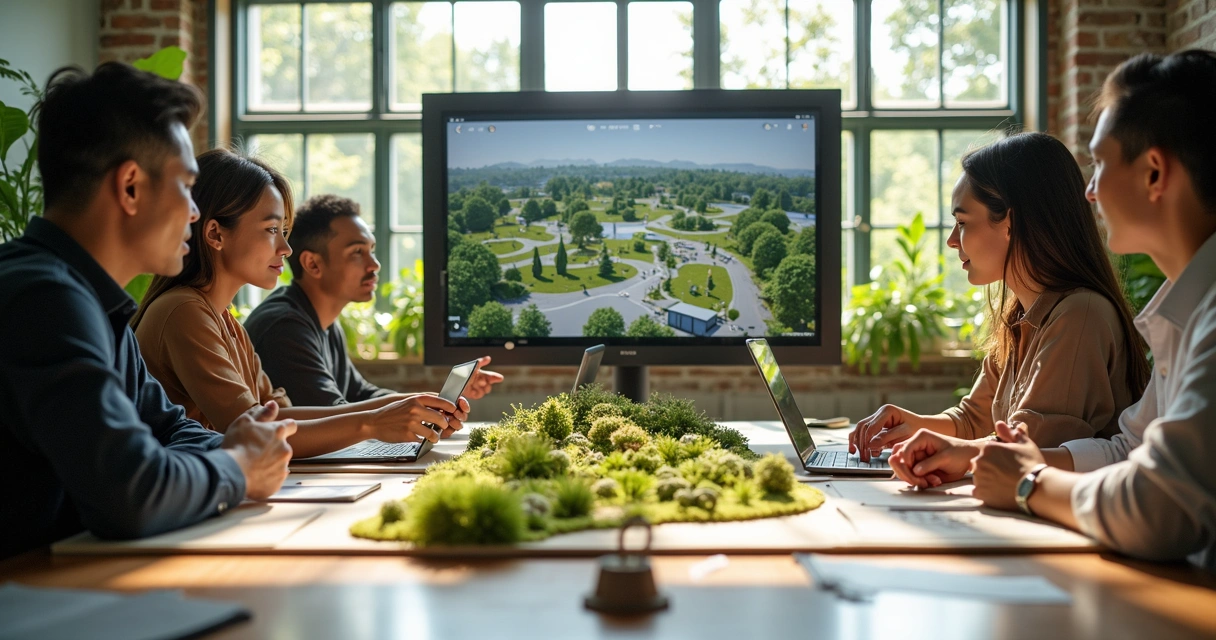
Or a commercial building manager who needed to plan for different ages and uses. The 3D fly-throughs helped her get buy-in from both older tenants (who needed wide, smooth paths) and younger families (who prioritized play areas). It became a group effort, one everyone could picture together.
Making your outdoor ambitions reality
2D or 3D—the right choice depends on your needs, project scale, and how you think visually. If you’re happy reading traditional plans, 2D might do the trick. But if you want to really “see” your new world, engage your family, avoid disappointment, and have a say in every detail, 3D renderings help bridge the gap from wishful thinking to actual results.
Urban Oasis has found that collaboration works best when everyone can see where the plan is headed. Visual tools make projects more personal, enjoyable, and predictable. Whether you want the simplicity of classic layouts, or the whole immersive experience, working with a team that listens and adapts matters.
For more ideas on shaping spaces that are both stylish and practical, look at how to design for entertaining outdoors in style and ways to ensure your yard succeeds in every season.
Maybe you’re already picturing your next project—deck, patio, pool, sports court, or simply a lush escape steps from your door. If so, why wait to see what’s possible? Urban Oasis invites you to imagine, review, and shape every detail. Ready to fill out a quick form and start your own journey? The best time to reimagine your outdoor space is now.
Frequently asked questions
What is the difference between 2D and 3D landscape designs?
2D landscape plans show your outdoor space from above—like a map—with flat layouts, clear labels, and measurements, but little sense of height or depth. 3D landscape renderings create lifelike visuals, including height, texture, and perspective, letting you see walls, slopes, shadows, and how everything fits together before it’s built.
Are 3D landscape plans more accurate?
Yes, recent research shows that 3D landscaping plans, especially those using artificial intelligence, are more accurate in rendering real-world features than traditional 2D plans. They help map slopes, surface changes, and even lighting effects more effectively, supporting better planning and fewer construction surprises.
How much do 3D landscaping designs cost?
Costs for 3D designs vary. A simple 3D rendering may add a small percentage to your total project budget, while more complex or interactive virtual tours can cost more. However, these costs are often offset by savings from clearer planning, reduced need for design changes, and better communication. Companies like Urban Oasis tailor 3D offerings to fit project size and budget.
Is it worth paying for 3D visual landscaping?
For most multi-feature projects or full-property renovations, 3D visualizations are worth the added expense. They provide confidence, help catch issues before they become costly, and ensure everyone is happy with the vision before breaking ground. Studies also point to higher satisfaction and accuracy rates for 3D planning compared to 2D.
Which visual landscaping tool is best for homeowners?
There are many visual landscaping tools, but the best one depends on your needs and the scale of your project. For most homeowners, working with professionals who offer high-quality 3D renderings—like those provided by Urban Oasis—ensures reliable, collaborative planning. For simple projects, a clear 2D plan might be enough. For more information, see the Urban Oasis overview on 2D and 3D designs.