
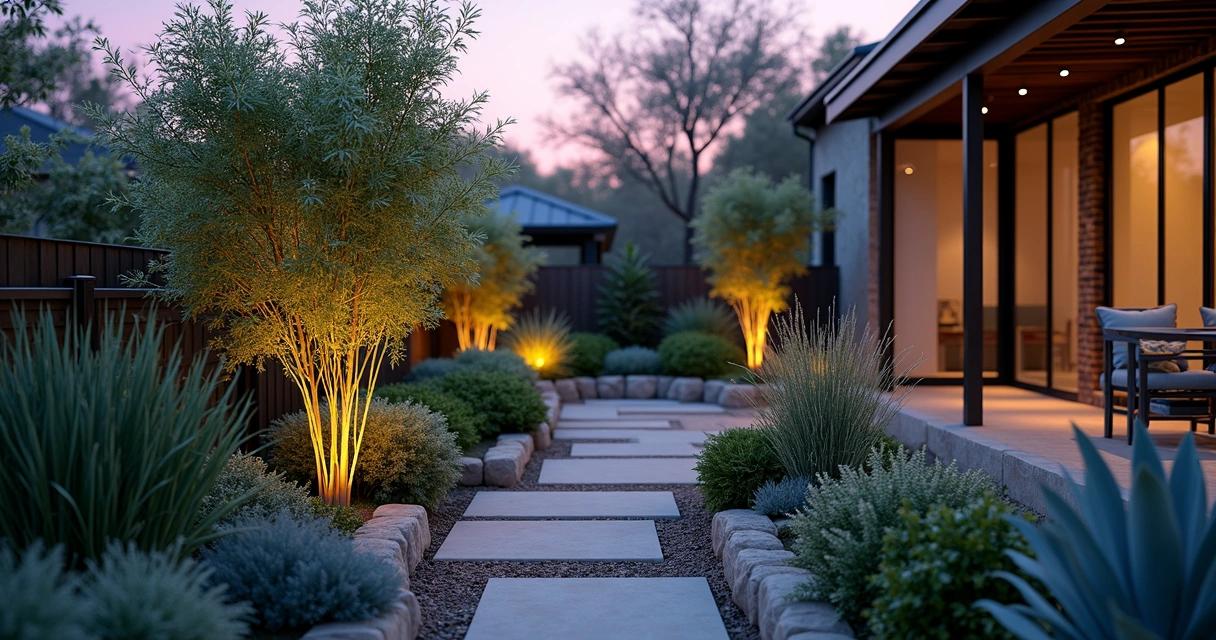
When nights in Austin become frosty, I notice every garden starts to look a little different. Some leaves droop, others color and curl, and a few hardy souls stand tall. It’s a yearly reminder: even the most local, robust plants need some attention to push through Big Bend’s cold snaps.
Through years of working with outdoor spaces and watching the climate’s fickleness, I learned firsthand that understanding which plants can thrive, and how to care for them in winter, is the secret to lasting, lively landscapes in Central Texas. After all, I believe that “Austin-tough” plants appreciate a little seasonal care, it keeps them thriving, season after season.
Today, I’ll focus on several of the most popular varieties in Austin gardens, detailing practical steps to protect them on cold nights. These tips come from my own experience, as well as the design and build process I follow at Urban Oasis, where we always match landscaping dreams with real-world conditions.
Why winter care for local plants matters in Austin
I’ve seen plants that everyone thought were near-invincible, only to find them wilted or stunted after two nights of unexpected frost. Many common garden plants across Central Texas are adapted to handle heat, but winter can trip them up.
Even adaptive species may struggle when temperatures drop suddenly, especially with wind or ice.
A good approach to winter care doesn’t just prevent damage. It supports new growth in spring, protects your investment, and helps urban landscapes look vibrant year-round. And with the rapid changes in Austin’s weather, a little knowledge goes a long way.
Understanding Austin’s climate challenges
Winter in Austin is a patchwork of mild days, cool rains, and the odd deep freeze. I’ve experienced years where a true cold snap lasts just two nights, and others where plants shiver for over a week.
- Freeze-thaw cycles: Days warm up, nights drop below freezing. This stresses plant tissues quickly.
- Low rainfall: Some winters see very little precipitation.
- Wind: Chilling and drying effects can do more harm than actual cold sometimes.
- Sudden drops: A mild week may lull you into inaction, and then an arctic front can hit without warning.
Central Texas gardens are exposed to all of these. So, how do you help your landscape plants through winter with care tailored to Austin?
Meet the stars: Six popular Austin landscape plants and what they need in winter
When people ask about reliable plants for Central Texas, I often point to a core group. Let’s get specific about what makes these winners, and what kind of protection, if any, helps them through the coldest stretch.

- Crossvine (Bignonia capreolata)
- Bamboo (many species, often Phyllostachys)
- Bird of Paradise (Strelitzia and Caesalpinia varieties)
- African Iris (Dietes vegeta and kin)
- Yucca (Yucca filamentosa, Yucca gloriosa)
- Silver Ponyfoot (Dichondra argentea)
Each one offers architectural lines, adaptability, and a reputation for low-maintenance appeal. But I find that even these tough species perform better when treated to a few simple winter tricks.
Crossvine: Colorful climber with a wild side
I’ve always loved crossvine for the splash of orange and red it gives even on the dullest winter day. With semi-evergreen leaves, it covers fences and arbors quickly, offering quick screening or a vertical accent.
Despite its resilience, crossvine is happiest with a little shielding on the coldest nights.
Winter care steps for crossvine
- Water thoroughly before the first real freeze. Moist soil protects roots far better than dry.
- If a hard freeze is coming (< 28°F overnight), drape frost cloth or an old sheet over the vine, securing at the base. Avoid plastic.
- After a freeze, avoid pruning right away. Wait until new growth shows in spring.
- Mulch roots with a thick layer (2-3 inches) in late fall for steady insulation.
Color thrives with preparation, not luck.
I share more about staging your plantings for unpredictable seasons at tips for cold-hardy Texas landscapes.
Bamboo: Soaring screens that need less than you think
Bamboo often feels unstoppable in our climate, and as a designer at Urban Oasis, I see it used for privacy and bold, contemporary looks. Still, below-freezing nights can surprise even established canes.
Bamboo is tolerant of cool weather, but young shoots benefit from simple winter care.
My tips for bamboo during cold snaps
- Water weekly in dry spells, even in winter. Dehydration is a risk during a long cold front.
- If winds are fierce, group canes together with soft ties, which reduces breakage and desiccation.
- Add a fresh mulch layer at the base before first major cold. It insulates shallow roots.
- For new bamboo or during historic freezes, wrap the base in burlap, leaving the tops uncovered.
Resist the urge to prune away any leaf scorch or browning canes until spring is truly underway. Bamboo can surprise you with its recovery, as my own projects have shown.
Bird of paradise: Tropical look, Texas adaptation
Bird of paradise gives that lush, exotic vibe so many Austin homeowners crave. There are two main types in landscapes, one true tropical (Strelitzia) and one drought-tough, sometimes called “Mexican bird of paradise” (Caesalpinia).
Tropical bird of paradise needs more winter attention than its hardy cousin.
My winter care routine for these beauties
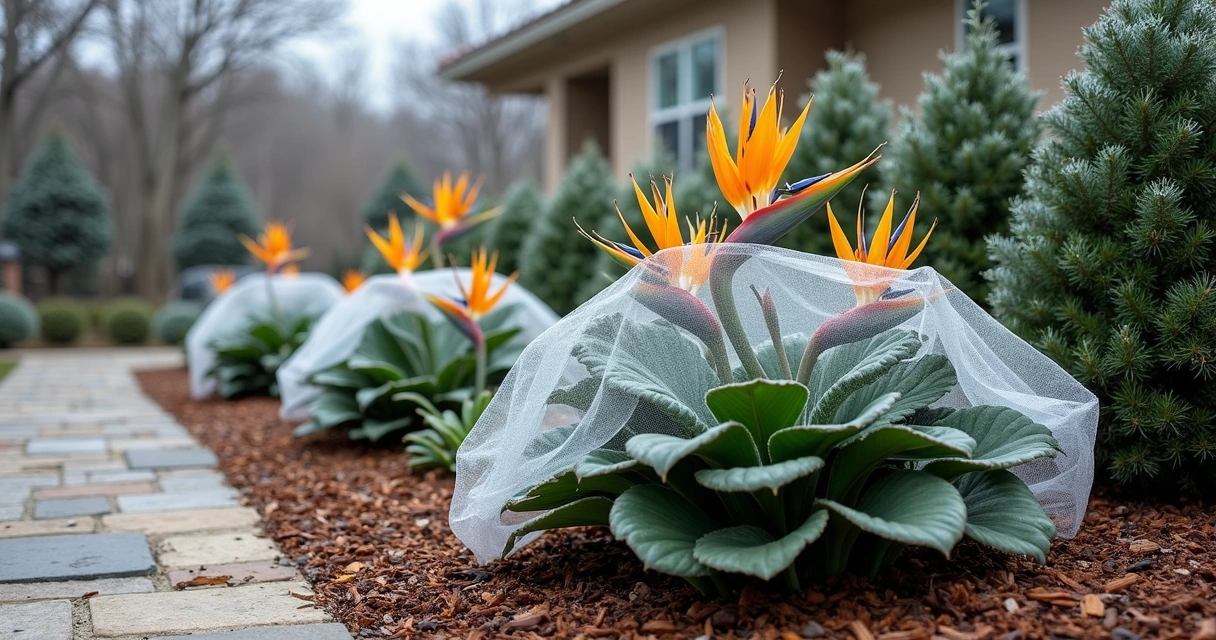
- If temperatures are forecast to hit 32°F or lower, cover young or exposed plants with frost cloth. Be sure covers reach the ground to block wind.
- For established Caesalpinia, watch for die-back and only cut it back in late winter, just before buds reappear.
- The Strelitzia prefers to come indoors or at least be containerized and moved up close to a warm wall for the coldest spells.
- Water sparingly in winter, soggy roots are more deadly than a chilly breeze.
I’ve had clients worry that a little leaf burn is the end, but usually it’s just a seasonal cosmetic hit. I always say, “Give it a few weeks. Spring works wonders.”
African iris: Subtle color, fierce survivor
African iris, or butterfly iris, is the backbone for many classic and modern landscapes in Central Texas. It’s not flashy, but it acts as a steady evergreen clump, handling both sun and partial shade.
African iris tolerates light frost but benefits from smart winter water management and mulching.
How I keep African iris thriving all winter
- Water only during dry spells, about once every 2-3 weeks if the ground isn’t frozen.
- Clear away fallen leaves to keep fungal issues at bay, especially after wet, chilly spells.
- Lay down mulch after the first frost, but not right against the crown, leave space for air flow.
- If a severe freeze threatens, gently bundle leaves up with string and cover loosely for overnight protection.
Sometimes the best defense for plants is simply keeping things steady and clean.
Yucca: The architectural hero
Yucca stands out in any Austin landscape with its spiky, upright leaves and tough-as-nails reputation. In my experience, it rarely needs fussing over, but there are still a few things you can do if an exceptionally rare freeze hits.
Yucca is built for Texas, but young or newly planted specimens endure freezes better with a few easy steps.
Protecting your yucca in winter
- For landscape Yuccas less than 2 years old, mound extra mulch at the base just before a freeze, keeping trunks dry.
- If a severe cold snap (several nights below 25°F) is expected, wrap the trunk with breathable fabric (no plastic!) overnight.
- Never let excess moisture collect around the crown or base.
- Remove damaged leaves in late winter, not immediately after a freeze.
With a little patience, even leaves that look a bit limp can perk right back up as the sun returns. I recommend reading through year-round landscape tips for methods you can use with yucca and beyond.
Silver ponyfoot: Soft, resilient, and a bit sneaky
Silver ponyfoot may look fragile, but under that silver sheen is an adaptable ground cover that’s right at home in almost every Austin garden I work on. Its main challenge in winter is soil moisture and exposure.
Silver ponyfoot shrugs off quick freezes but prefers not to stay wet or shaded for long periods in cold weather.
How to help silver ponyfoot in Austin’s winter
- Don’t overwater, water only when several weeks pass with no rain and the ground is dry.
- If you have heavy clay soil, lift mats gently in late fall and place a thin layer of decomposed granite before relaying.
- If a polar vortex is predicted, you can toss breathable fabric over large patches for insurance, but it’s rarely needed for mature, established ponyfoot.
- Rake away deep leaf piles so the silver leaves get maximum sunlight.
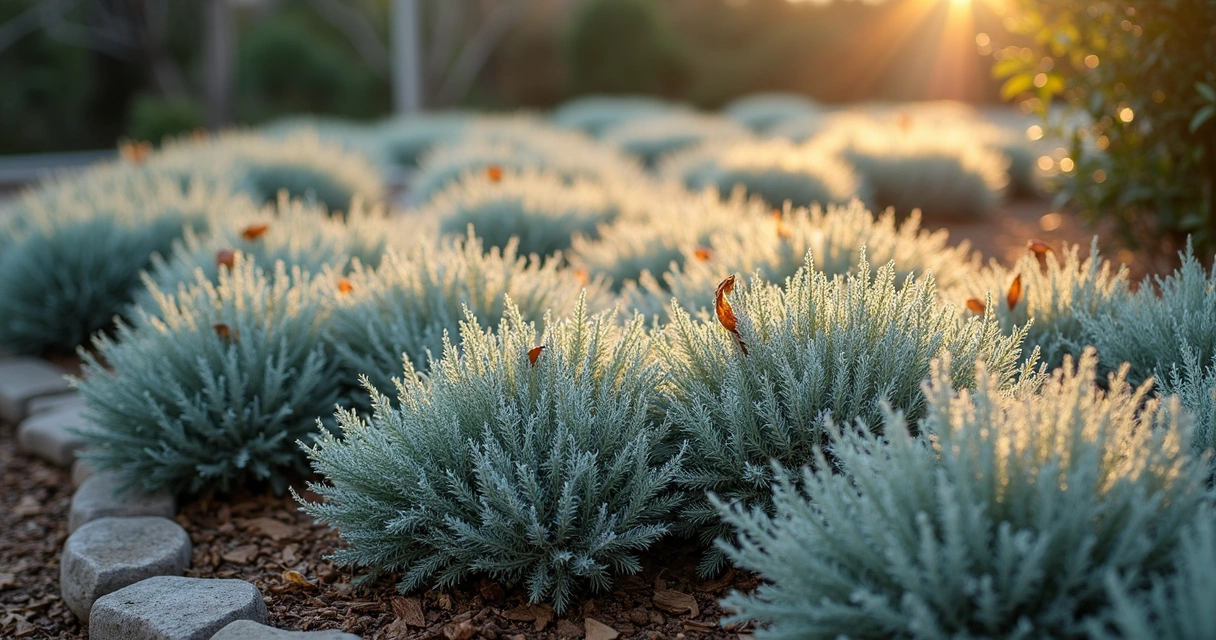
Silver ponyfoot is a background hero through Austin’s unpredictable winters. When in doubt, err on the dry side and let the coming sun do its job.
General winter care guidelines for Austin landscapes
Beyond species-specific advice, there are general strategies that I rely on to keep the gardens I design, and my own, looking their best until spring arrives:
- Water ahead of freezes: Moist soil holds heat, protecting roots much better than dry soil.
- Mulch at the right time: A layer of organic mulch moderates soil temperature and holds moisture. Apply in late fall, not when soil is already cold.
- Cover with the right materials: Use breathable frost cloth, old cotton sheets, or burlap for overnight protection. Remove covers in the day for light and air.
- Avoid late fall fertilizing: Mature growth hardens off better without a flush of late nutrients. Feed again in spring.
- Prune only when needed: Delay major pruning until you’re certain the risk of frost has passed.
Simple steps often mean the difference between damage and a healthy recovery.
I often suggest checking out this landscaping techniques guide for broader care strategies that fit Austin’s unique environmental swings.
Signs your plant is stressed and what to do
Sometimes, even with all the best precautions, plants will struggle after a hard freeze or period of unpredictable weather. I’ve observed a few common signs:
- Leaf discoloration (brown, black, or yellow patches)
- Drooping, wilting, or mushy stems
- Stunted or no growth in early spring
If plant tissues look mushy or rot sets in, remove only the damaged parts and wait before further pruning.
Many times, what seems like severe damage is temporary. Plants adapted to Austin can bounce back. For more information, I regularly reference the resources available from Urban Oasis’ plant knowledge section, my go-to for diagnosing problems and next steps.
A guide to cold protection tools and materials
I keep a small “winter survival kit” for my gardens. Even if you only use it once a year, you’ll be glad to have these nearby:
- Frost cloth (breathable and tough, the best investment I’ve made for delicate plants)
- Burlap or old cotton sheets (for larger shrubs or quick covers)
- Mulch (straw, wood chips, pine bark, or even leaves from your yard)
- Stakes, bricks, or stones (to secure covers during windy nights)
- Twine or soft ties (for bundling or supporting susceptible stems)
If a historic freeze appears on the horizon, I suggest preparing early and making sure your covers and tools are dry and ready for action. That five minutes of preparation can give you peace of mind once the wind starts howling!
What NOT to do in Austin winters
I’ve learned some things the hard way and have watched others do the same:
- Don’t use plastic directly on plants, it traps moisture and leads to rot.
- Don’t fertilize after early fall, tender new growth is sensitive to frost.
- Don’t let moist leaves or mulch touch the crown or trunk, it can foster fungal issues.
- Don’t remove all “damaged” foliage right away. Some browned leaves protect growth below.
- Don’t water late in the day during freezing weather; morning is best.
Tough love is good, but smart caution always wins out.
If you want a deeper understanding of mistakes to avoid, you might find this article on plant shock helpful.
When to cover, and when not to worry
I often follow this basic rule for Central Texas gardens:
- Cover any tender, newly planted, or subtropical species if temperatures are predicted to drop below 32°F.
- For established, woody or succulent plants, covers are rarely necessary unless a multi-day cold snap with temps below 25°F is predicted.
- Once spring buds break, covers become unnecessary. Focus instead on watering and feeding as new growth emerges.
Covering is most about preventing sudden stress, not about achieving perfect greenhouse conditions.
Timing, observation, and a bit of preparation carry a garden a long way.
Looking ahead: Austin gardens after winter
There’s something satisfying about peeling off covers and seeing healthy foliage ready for another year. I’ve found that selecting cold-hardy plants and adopting basic winter care pays off every single growing season.
Spring brings rapid growth and the opportunity to refresh mulch, trim faded leaves, and perhaps renovate stubborn patches. Honestly, seeing a thriving landscape after one of Austin’s unpredictable winters feels like a real reward for the care put in.
The Urban Oasis approach to resilient landscapes
At Urban Oasis, we balance technical know-how with the personal vision of each client. I’ve helped build landscapes where all these featured plants thrive, year after year, with nothing more than regular seasonal care and a close eye on the forecast.
If you want a landscape that flows with the seasons and fits your lifestyle, whether you’re worried about winter’s bite or just want beautiful, low-maintenance spaces, I’m always happy to share ideas. Whether you want tips, inspiration, or the expertise of a full installation, our team is ready to help your space reach its best.
Ready to create a winter-hardy, beautiful outdoor space you can enjoy every season? Fill out our quick form and let’s plan together.
Frequently asked questions
How do I protect Austin plants in winter?
Protection starts with watering before a freeze, mulching for insulation, and using frost cloth on the most sensitive species overnight. You should also avoid pruning right after a cold spell, and remove any plant covers during the daytime for sunlight and airflow. I always focus on keeping soil moisture steady and avoiding any fertilizer in late fall. This routine allows most plants to withstand even sharp cold snaps with less stress.
What are common Central Texas garden plants?
Some of the most recognizable and reliable plants in Central Texas are crossvine, bamboo, bird of paradise, African iris, yucca, silver ponyfoot, lantana, sage, rosemary, and Texas mountain laurel. These choices are favored because they mix visual interest, drought resistance, and strong temperature tolerance, just what an Austin landscape often needs.
When should I cover my landscape plants?
Landscape plants should be covered on nights forecast below 32°F, especially if they are young, tender, or subtropical. You can skip covering well-established hardy species unless the temperature is set to fall below 25°F for more than a night or two. Frost cloth, old sheets, or burlap work best for protecting growth without trapping moisture.
Which plants need most winter care here?
In the Austin area, tropical plants (like bird of paradise and citrus), young or recently transplanted specimens, and some ground covers (such as young silver ponyfoot) need the most winter care. Anything labeled as tropical or “zone 9 and up only” usually needs either covering, mulching, or moving indoors if possible. Most native and well-established perennials are quite tolerant once settled.
How often should I water in cold weather?
During cold weather, you only need to water established plants every 2-3 weeks if the winter is dry. The most important time to water is right before a predicted freeze, since moist soil provides better protection for roots. For new plantings or container plants, check moisture more often but avoid soggy conditions, which can be just as damaging as a freeze.