
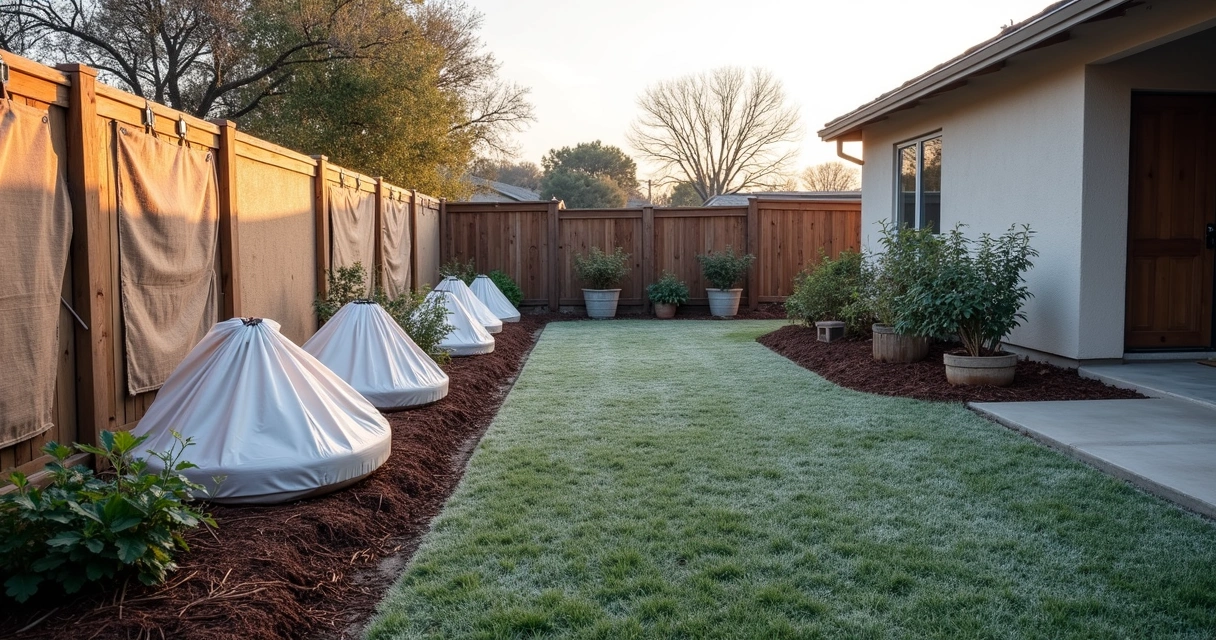
Winter in Austin brings surprises, and not always the cozy, hot-chocolate kind. I’ve seen how rapidly the mood can shift from mild to bitter cold, especially when a sudden storm drops temperatures below 32°F. These freezes rarely last long in our part of Texas, but even a few hours can do lasting damage to roots and the delicate tops of your favorite plants. I’ve learned the hard way that, if unprepared, a single freezing weekend can undo a year’s worth of nurturing and design. As someone passionate about transforming outdoor spaces through Urban Oasis, these harsh lessons have shaped my strategy for every winter season.
This article is for anyone in Austin who doesn’t want to gamble with their garden’s future, especially as forecasts hint at colder snaps even as, according to the City of Austin Climate Projections, average frost days continue to shift. I will walk you through clear, actionable steps to keep both roots and tops safe, show exactly what supplies you’ll need, warn you of old mistakes, and help you make every freeze weekend a survivable event for your landscape.
Understanding the unique winter challenges in Austin
I’ve gardened and advised clients here for decades, and there’s one truth I keep running into: Austin’s winters are unpredictable, but the damage is consistent. Most years, the city enjoys mild cold snaps—brief, not too harsh. But all it takes is one surprise front, some rain or ice, and everyone scrambles. Even more confusing: some plants will bounce back, while others (especially new plantings, or tender perennials) won’t stand a chance unless protected ahead of time. This uncertainty keeps me vigilant, and hopefully, it will do the same for you.
Roots in Austin’s limestoney soil are often shallow. That means they’re prone to cooling down quickly when cold weather hits. After Winter Storm Uri in 2021, I visited many devastated landscapes—official reports from the City of Austin after that storm confirm what I saw: species like huisache, red oak, crape myrtle, and lacebark elm (not to mention smaller perennials) were hit hard. The lesson? Both roots and tops of your plants must be protected once real winter arrives.
Protecting roots keeps the plant alive; protecting the tops keeps it beautiful.
Let’s start with a precise weekend plan, so you’ll know what to do whenever a freeze threatens your garden.
The freeze action plan for a weekend cold snap
When a freeze approaches, preparation is everything. Austin’s fast-changing weather means you may only have a couple of days’ warning, so I use this three-day action plan. This plan breaks down tasks by day—Friday, Saturday, and Sunday—so you don’t feel overwhelmed. And trust me, a prompt, well-sequenced approach works better than last-minute improvisation every time.
Step 1: Friday (24–48 hours ahead)
- Check the weather forecast for temperature drops below 32°F, especially with rain/ice predicted.
- Spread 2–3 inches of mulch around exposed roots and garden beds—but keep it several inches away from stems/trunks to prevent rot.
- Test the soil: if the top 1–2 inches are dry, water the plants. Moist soil protects roots by holding warmth longer, but never allow standing water, which can freeze solid and kill roots (especially in containers).
- Walk the yard and inspect drainage. Clear away wet leaves or blocks near drains so meltwater from ice can leave safely.
This prep makes Saturday’s job easier and keeps stress levels down. I typically carry a notepad and make a quick checklist, which brings a bit of calm to what can feel like a rush.
Step 2: Saturday (before sunset)
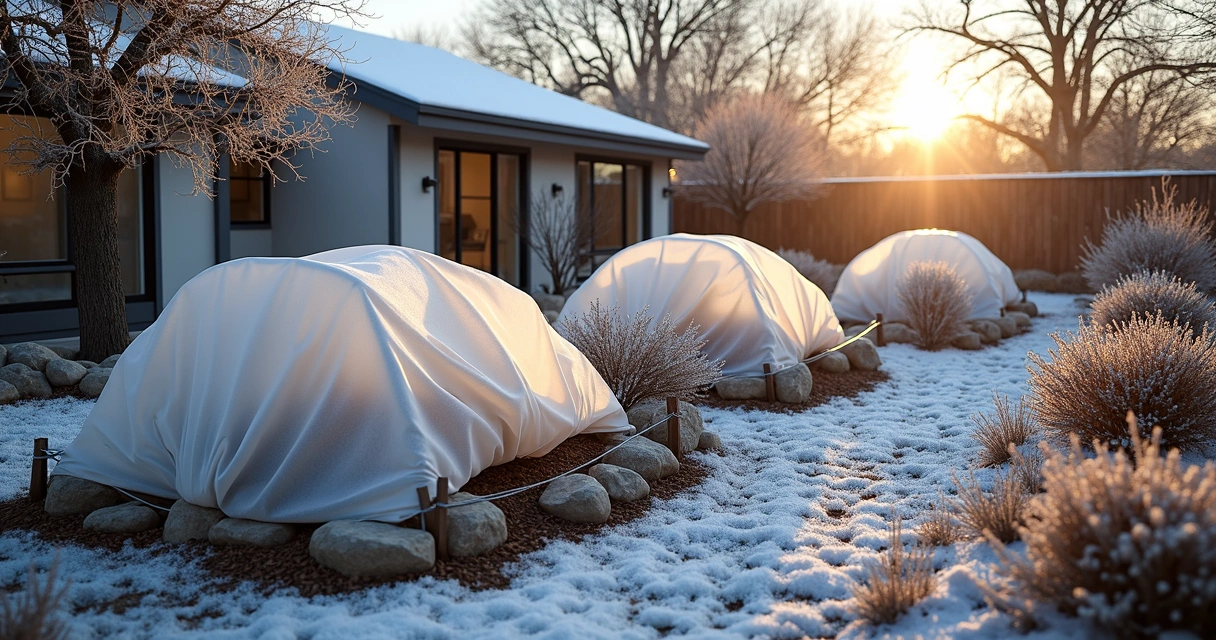
- Cover all cold-sensitive plants (especially annuals, tropicals, and recent plantings) completely, all the way to the ground.
- Anchor fabric or covers with stones, bricks, or earth staples. This prevents the cover from blowing away and seals warm air close to the ground.
- Move potted plants against a south or west-facing wall, onto a covered porch, or even inside a garage for the night if possible.
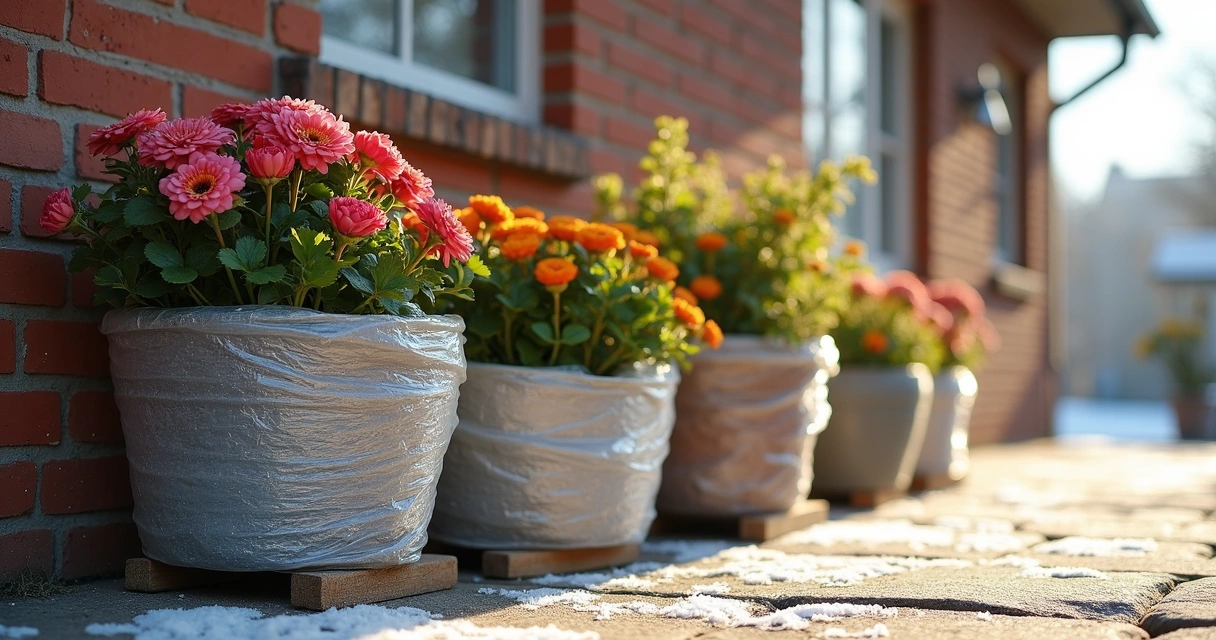
- Insulate the roots and sides of pots with layers of old towels, blankets, or straw.
- Set up stakes, hoops, or frames beneath covers so no cloth touches the plants’ leaves directly (this avoids ice burns if freezing rain comes).
Prepare covers before sunset. Darkness brings the frost.
Step 3: Sunday morning
- Vent or remove covers after the sun is up and frost has melted. Plants need light and air to prevent mildew, but covers can be re-applied at dusk if another freeze is coming.
- Check soil moisture a few inches deep—wind and cold can dry soil fast even without visible evaporation.
- Review for signs of wilting, mushy roots, or collapsed stems. Leave these alone for now; wait until spring to prune. Many plants will surprise you and regrow from the roots.
In my experience, having this clear schedule helps everyone—gardeners and their families—feel ready to act fast, knowing each step makes a real difference.
The freeze protection supplies checklist
Assembling supplies ahead of time saves your nerves when winter comes. Whether you’re planning on a big yard or just a few special container plants, this is my standard toolkit. I always store it in a weatherproof bin by the shed, labeled and ready to go. Based on my hands-on work with Urban Oasis and the City of Austin’s plant protection recommendations, here’s what usually works best:
- Frost cloth or commercial freeze fabric (enough for your beds and any sensitive shrubs or trees)
- Spare sheets, light blankets, or old towels (never use wool—it soaks up water and freezes hard)
- Burlap for wind barriers, or a tarp (as a top layer over covers, not direct contact with plants)
- Old tomato cages, plant hoops, or wooden stakes for frame support
- Clamps, clothespins, bricks, rocks, or landscaping staples to anchor edges tight
- Mulch (bagged pine bark, straw, or shredded native wood)
- Optional: bubble wrap to wind-proof pots or add extra insulation behind young trees
If you’re someone who enjoys organized lists, print this and use it as your own garden rescue kit. Strong planning beats last-minute scrambling, every time.
Why roots need extra care: Strategies for soil and containers
If I could only protect one part of a plant, it would always be the roots. They’re the hidden heart, and, especially in young or container-grown plants, the quickest to suffer damage from freezing. If the roots die, the whole plant is lost—even if the leaves look all right for days afterwards. Here’s how I safeguard them, and how you can too:
Mulching for root warmth
Mulch insulates the soil and keeps roots warmer than bare ground—by a surprising margin. Apply 2–3 inches over every garden bed and around the bases of trees, but keep mulch at least 2–4 inches away from trunks and plant crowns. This helps prevent rot and provides a buffer where the ground can “breathe.”
Added bonus: Mulch conserves moisture and blocks most weeds, reducing stress on recovering plants come spring. If you want more on the maintenance of mulch and successful landscapes year-round, the five top tips for year-round landscape care dive into this subject in more detail.
Special rules for new plantings and containers
Plants installed in the past 12 months do not yet have deeply anchored roots. This means they freeze more quickly, especially when cold wind or rain hits. For these, I recommend:
- Mulching even wider around the root zone (out past the drip line, if possible)
- Covering lower trunks or canopies—a wrap with burlap or insulated fabric works well for small trees
- For containers, group together and wrap sides as well as tops; don’t let them rest on cold concrete—raise onto wood or thick mats
Wet soil with a freeze can spell disaster for container roots.
Never let containers sit in saucers filled with water during a freeze. Lift them out and let excess drain well before cold weather settles in. The City of Austin’s winter guidance is clear: grouping pots together against the home or within a protected porch shields roots from wind and traps heat overnight.
Protecting the tops: Covers and wind barriers that really work
While roots bear the brunt of cold, the exposed shoots and leaves—especially on tropicals, citrus, or leafy perennials—can “burn” after even a couple hours below freezing. I once lost an entire stand of lantanas overnight because I trusted a thin plastic sheet alone, which stuck to the leaves and conducted the cold right through. Since then, I’ve become strict in my methods.
Using covers correctly
Covers must drape down to ground level, anchored along the edges, and—most importantly—never let fabric or plastic contact leaves directly. Use tomato cages, stakes, or lightweight frames to create a tent. The key is to trap ground heat rising overnight, not simply to block air.
- Frost cloth or spun-bonded fabric is best; it lets in air and light while holding warmth
- Old sheets or blankets work, but only as a temporary cover, and should be removed when the sun is up
- If using plastic, only lay it as a “roof” above other covers to repel rain/ice—never let it touch the plant itself
Building wind barriers
Cold wind from the north and northwest can dry and freeze exposed plants fast, especially on open patios or flat yards. I use sheets of burlap on stakes, or even makeshift plywood shields, to block the wind on the coldest side. For my own garden, I often anchor burlap several feet off the ground, providing a breathable wall that softens winter’s worst gusts.
Watering smart during Austin’s freeze events
It’s tempting to water plants lavishly before a cold snap, but that can do more harm than good. I water only if the top 1–2 inches of soil feel dry to my finger, and always choose midday for any irrigation—never late afternoon or evening.
Cold, soggy soil is a recipe for root rot. Instead, well-hydrated but not wet soil absorbs warmth during the day and holds it through the night. For containers, check drainage closely before the freeze—plants in standing water risk both broken pots and dead roots by morning.
Mistakes to avoid: What not to do when the freeze comes
After seeing too many cases of “freeze panic,” I want to save you from the most common garden errors in Austin:
- Do NOT fertilize in late fall or winter—feeding forces tender new growth that’s twice as likely to freeze
- Don’t prune during this season; exposed cuts are open doors for cold injury. Wait to see what survives spring.
- Never overwater right before a freeze. Soggy soil gets even colder than dry, and can suffocate roots.
- Do not use plastic directly against foliage. Only as an outer roof, never as a wrap or cover in contact with leaves.
- If you have new lawns, never walk on them when frozen—the grass blades can be crushed under your weight and die off once thawed
Special protection for new lawns, perennials, and groundcovers
New turf is particularly vulnerable before its roots set deep, so I always tell clients—skip the urge to fertilize or treat for weeds until you’re in the clear for spring. It usually takes one or two hard freezes to finish the season in Austin. As for groundcovers and perennials, your main defense is mulch. If extreme cold is coming, throw on a frost cloth at dusk, and remove in the morning to prevent mildew or soft rot.
Caring for trees and large shrubs
Established trees weather most cold spells without trouble, but young trees—especially those planted in the last season—are an exception. I wrap trunks and lower limbs in burlap when frost is in the forecast. For tall shrubs and trees, focus on protecting the root zone with extra mulch and make sure wind can’t get beneath protective wraps. After major storms like Uri, official city guides recommend checking trees for cracked limbs or bark splits before new growth resumes.
After the freeze: Post-event steps
Once the freeze ends, don’t rush to uncover everything. I check that the temperature is several degrees above freezing and make sure the sun is up and bright before peeling away mulch or covers. If a second night of frost is expected, I re-cover sensitive plants at sunset. Wait to prune until spring, as cold damage often appears later, and early cuts can make it worse.
Finally, monitor your soil moisture 2–3 days after the cold snap. Cold wind can dry soil without any visible signs, and roots stressed by both cold and drought will suffer. At this stage, I take quick photos and notes—marking which plants thrive and which struggle—so I know what to repair or replace when warm weather returns. I often advise this for Urban Oasis clients who want lasting, evolving landscape beauty.
Choosing the best plants for the coming years
I always remind friends and customers that prevention starts with picking the right greenery for Austin’s climate. The Grow Green program and resources like Urban Oasis reinforce the benefit of using native, climate-adapted plants—species that rebound quickly from temperature swings and occasional freezes. If you’re evaluating new plants, there’s an excellent guide to hardy plant choices for Texas weather swings that can be a lifesaver in planning future gardens.
Tracking your garden’s resilience over time
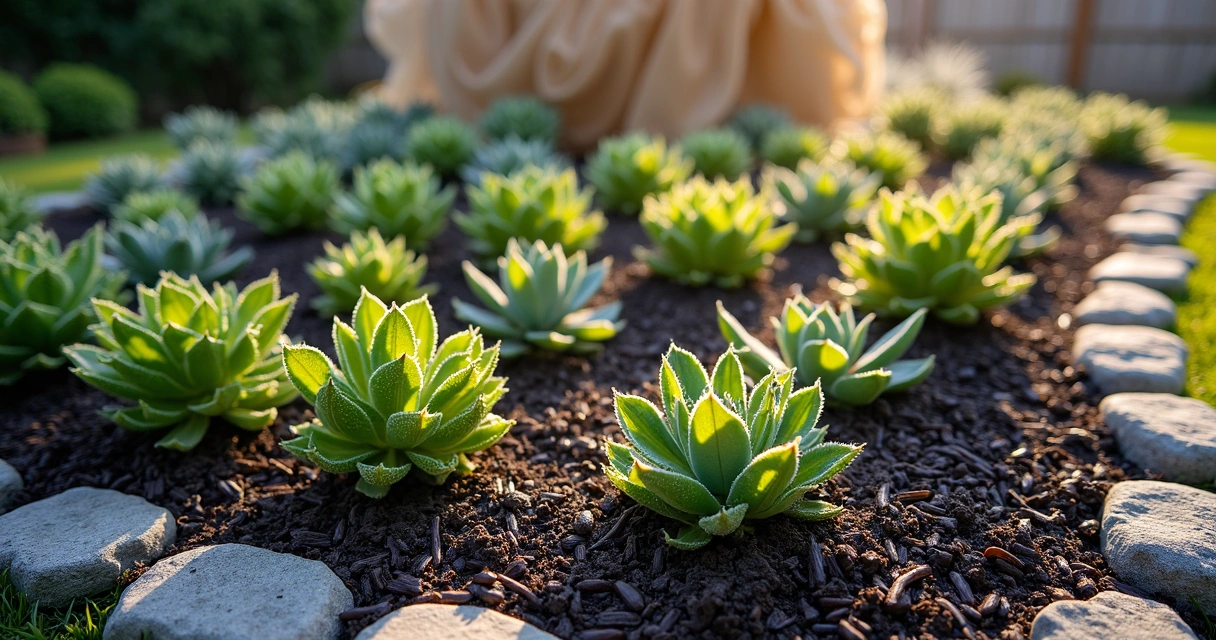
Keeping notes and photos of what survived each winter helps me (and my clients) make smart changes for the next season. Resilient plants deserve repeat planting; those that struggle may need deeper mulch, better wind protection, or even swapping them for a hardier variety. Through each winter, I’ve seen how Urban Oasis can support these assessments with their expertise in landscape monitoring and redesign.
For deeper reading on keeping lawns and perennial gardens low-stress through all seasons, check these strategies for impactful, low-maintenance landscapes. The better you know your own garden’s strengths and weak spots, the more confidently you’ll meet every freeze challenge in Austin’s changing climate.
The freeze protection year in review: A personal checklist
Over the years, my own garden journal has become a crucial tool. Every end of winter, I check:
- What covers, mulch, and insulation worked best?
- Which areas stayed too wet or too dry?
- Which plants sailed through without help? Which needed intervention?
- Did any new turf or recent plantings show damage?
- Do I need to order replacement frost cloth, mulch, or stakes for next year’s kit?
With this approach, every spring feels a bit like a reward—not just for beauty, but for the resilience built through smart decisions each winter. And that, for me, is the value of Austin freeze planning done right, especially as we walk into 2026’s climate with new lessons and more unpredictable weather ahead.
Want support as you design, update, or reinforce your garden and outdoor spaces? Urban Oasis stands ready to guide and help you create a landscape that thrives in every season—even Texas’ surprising winters. Use the form below and let’s prepare your space for both beauty and peace of mind, whatever the weather brings.
Conclusion: Solutions for every Austin garden
When I look back on the frosts and snowfalls that Austin has dealt with—punctuated by the dramatic damages and rare but memorable storms—I am always reminded how small, consistent actions are the real secret to protecting any garden. Protecting both roots and tops, with mulch, smart covers, and the right watering habits, is the difference between heartbreak and a thriving yard every spring.
These methods aren’t only for landscapes designed by professionals, but for every gardener who wants a vibrant, lasting outdoor space. If you’re eager to prepare your garden for whatever 2026 brings, and want expert, hands-on partnership, I invite you to connect with Urban Oasis. Let’s start crafting your winter strategy today—because peace of mind starts before the frost falls.
Frequently asked questions
What is the Austin Plan Freeze Protection?
Austin Plan Freeze Protection is a practical set of actions for shielding gardens and landscaping from freeze events common to our region, especially when temperatures fall below 32°F. This includes mulching and insulating roots, covering plant tops before sunset, grouping or insulating containers, and following a schedule based on weather forecasts. Adapting these steps for your property is what I recommend for long-term plant health in unpredictable Texas winters.
How does freeze protection help gardens?
Freeze protection helps gardens by shielding plant roots and tender tops from cold stress, which prevents cell damage and loss of entire plants after even brief freezes. With good insulation, wind blocking, and timed covers, plants are less likely to lose leaves, flowers, or die back to the ground. Healthier roots also lead to a stronger rebound come spring. I’ve seen well-protected gardens outperform neglected ones year after year, especially after harsh storms like those described by the City of Austin.
When should I prepare my garden for freeze?
Based on my experience, you should start preparations as soon as forecasts predict a freeze within 24–48 hours. Mulching, checking drainage, and gathering your supplies can start early, but covering sensitive plants should always be done before sunset the night before a freeze. Regular monitoring of forecasts and keeping your supplies ready ensures you won’t get caught off guard by fast-changing weather in Austin.
What are the best freeze protection methods?
The most effective freeze protection methods in Austin are mulching for root insulation, covering plant tops with frost cloth or sheets (never letting covers touch leaves), using frames to support covers, anchoring edges to the ground, blocking wind with burlap or other barriers, grouping containers for shared warmth, insulating pots, and watering only when soil is dry. Avoiding fertilizer and pruning until after the risk of freeze has passed keeps plants from producing tender, vulnerable growth.
Is freeze protection worth it for Austin gardens?
Absolutely. Even though freeze events are becoming less frequent in some climate projections, the impact of a single hard freeze can be dramatic and expensive for Austin gardens—especially for new plantings, lawns, or landscapes filled with non-native species. Taking the time to prepare is far less work and cost than replacing damaged plants. For anyone invested in their outdoor environment, strong freeze planning is always worth it. For those seeking more landscape advice and specific guidance, exploring the resources available from Urban Oasis is a great start.