
Visualizing your future outdoor space can be both thrilling and intimidating. These days, many homeowners and businesses crave a transformation that goes beyond planting a few shrubs or laying out some paving. A compelling 3D landscape design is now the gold standard, providing a lifelike preview of patios, decks, and gardens long before the ground is broken. But how do you find the right expert for this task? Let’s talk, step by step, about how you can actually choose a design specialist who delivers on expectations—and maybe even sparks a bit of awe.
Why 3D design matters in landscaping
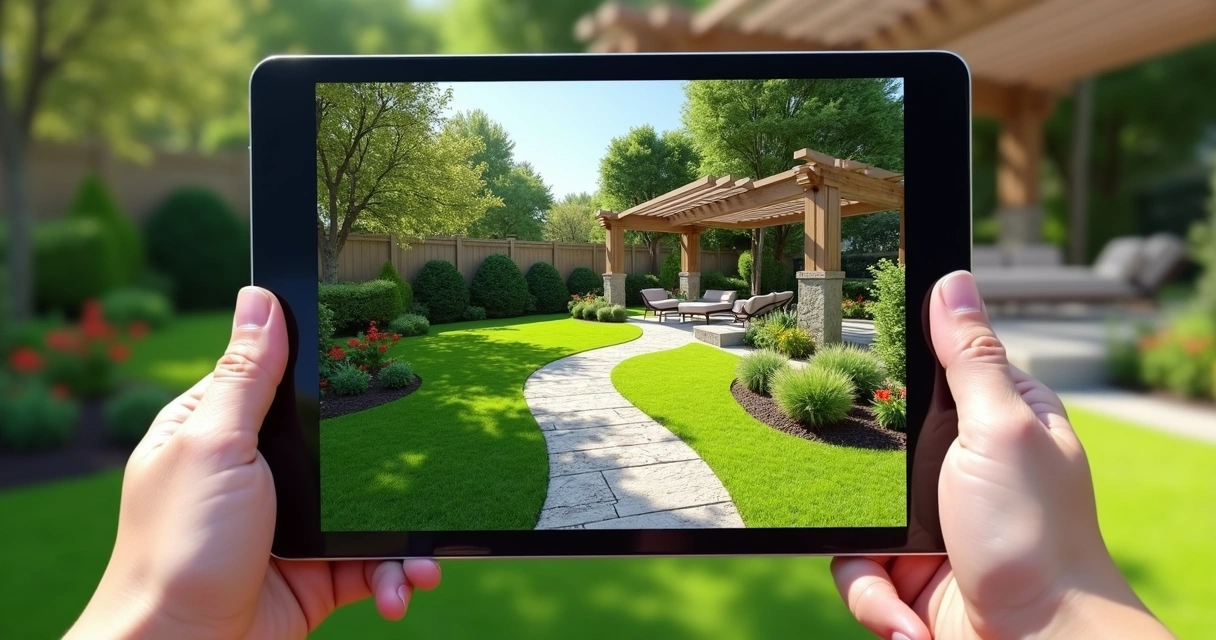
Even a simple sketch can show a plan, but nothing compares to the impact of a complete 3D rendering. You get to walk through your future backyard (or rooftop, or plaza) virtually—seeing shadows, flow, and detail as if you’re there. This isn’t just about fancy graphics. It allows for decisions about scale, materials, privacy, lighting, and function—without making expensive mistakes on site.
In today’s rapidly growing landscape industry, as reported by the U.S. Census Bureau, businesses and professionals are increasingly turning to technology and digital modeling to provide clients more certainty. According to the Journal of Environmental and Public Health, digital tools enable more objective, scientific decision-making throughout a project’s life. This shift gives you, the client, more control and better outcomes—if you choose your designer wisely.
See it before you build it—that’s the power of 3D.
What makes a 3D landscape designer different?
There’s the traditional landscape architect, who may use 2D plans, mood boards, and plant lists. Then there’s the 3D design expert, who builds hyper-realistic models that communicate not only beauty, but how the space will work for your lifestyle. The skill set is layered:
- Deep understanding of plant species and hardscape materials
- Experience with specialized 3D rendering software tools
- An eye for aesthetics and architectural integration
- Strong communication to convey ideas and listen to your needs
Landscape architects in the United States earn a median annual wage of $79,660, as seen in the U.S. Bureau of Labor Statistics data from May 2024—an indicator that this is a profession requiring both technical knowledge and creativity. Top-tier professionals don’t just design—they advise, plan, visualize, and turn abstract ideas into functional, beautiful places.
Visualizing the journey: from your idea to a living space
What actually happens when you decide you want to work with a 3D landscape design specialist? Here’s a rough outline, although each project will feel a bit different:
- Initial conversation: You discuss dreams, practical concerns, and budget.
- Site analysis: Measurements, photos, and an honest look at what’s possible for your property.
- Concept creation: Initial sketches or basic digital models for feedback.
- 3D rendering: A detailed visual, sometimes interactive, showing materials, lighting, and even future plant growth.
- Revisions: Your chance to request changes, add ideas, or shift direction.
- Final plans: Drawings and specs ready for building, often including both 2D and 3D elements.
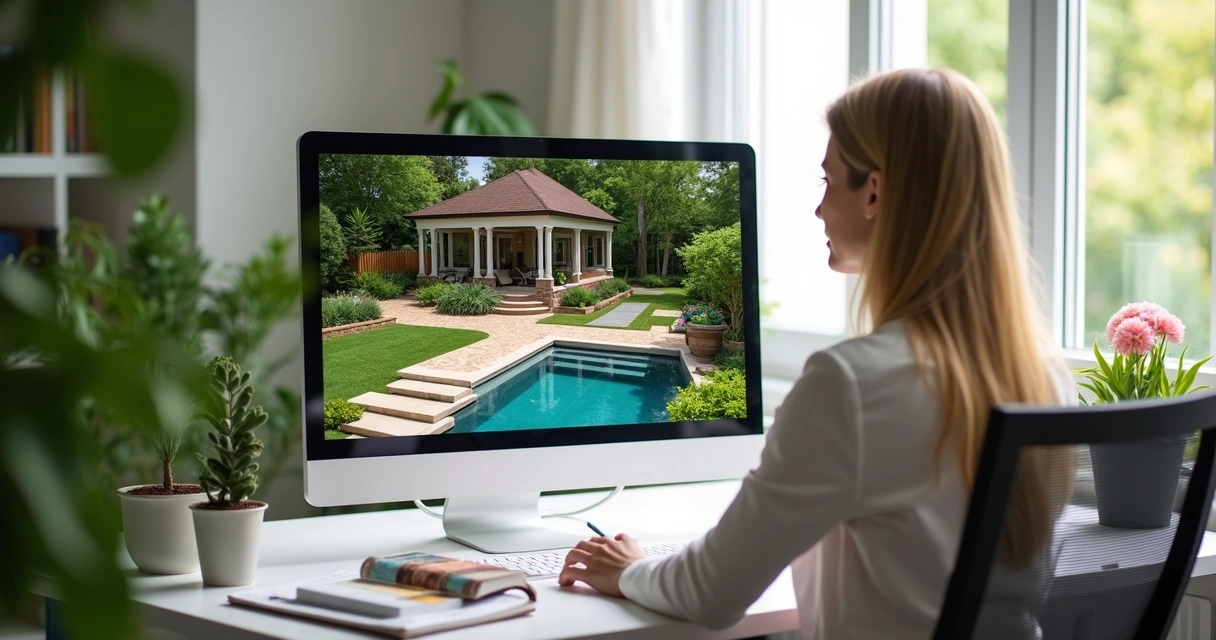
Companies like Urban Oasis have streamlined this journey to make collaboration clear and productive. You get to shape the outcome each step of the way, never losing sight of how your outdoor living area will really look once built.
What to ask before you hire a landscape design expert
Choosing the right partner isn’t about picking the first slick portfolio you see. It’s about knowing what to ask—so you avoid confusion and disappointment later. Here’s a list of essential questions (not all require lengthy answers):
- Can I see examples of recent 3D landscape design projects similar to mine?
- What design programs and rendering tools do you use? Are sample files available or interactive walkthroughs?
- How do you handle changes in scope or last-minute requests?
- What role do sustainability and local climate conditions play in your plans?
- Will you oversee project implementation or just provide the designs?
- How do you coordinate with builders, electricians, and pool contractors if needed?
- What is your typical timeline from concept to final render and approved plan?
- Can you provide references from previous clients?
- Do you include planting plans and maintenance recommendations as part of your service?
The right questions open the door to the right results.
Evaluating design portfolios: style, detail, and function
Portfolios are source of inspiration, but should also reveal how a designer adapts to different client needs—and how well they communicate through visual tools. A strong 3D portfolio will include:
- Wide variety of project types—from small courtyards to urban rooftops and commercial plazas
- Before-and-after images, ideally from real builds based on their renderings
- Examples showing both daylight and nighttime (lighting design is a subtle art)
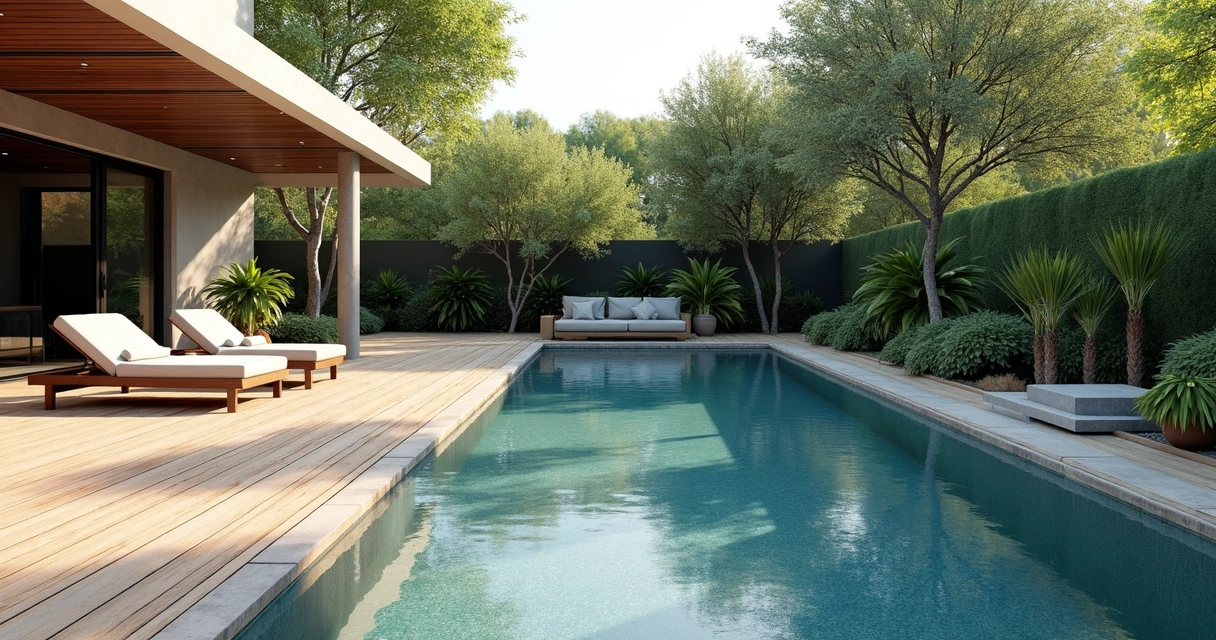
- Details such as plant growth simulations, water features in motion, and accurate textures
Take your time reviewing. It’s easy to be bedazzled by pretty surfaces, but a practical, people-centered design will show how furniture, traffic flow, and kid or pet spaces fit in. Several landscape project showcases highlight these elements—use them to hone your own preferences before a consultation.
The role of sustainability and technology in 3D landscape design
Modern landscape designers are expected to create not just something that looks good today, but thrives and stays resilient for years. This might mean using native plants, permeable pavers, efficient lighting, and weather-adaptive layouts. University of Florida research underscores that sustainable residential landscapes reduce ongoing costs and environmental risks.
The tools have evolved too. From augmented reality walkthroughs to integrated plant databases, technology helps make sure your plan fits your region’s climate, your household’s needs, and your long-term maintenance abilities. The Journal of Environmental and Public Health highlights how big data and digital visualization help both clients and professionals achieve greater satisfaction.
Design for tomorrow, not just for today.
Urban Oasis, for example, integrates these principles throughout their process, ensuring each design is as responsible as it is refined.
Comparing design philosophies: compatibility over trends
It’s tempting to chase Instagram-worthy trends—a spot for fire pits, oversized stone slabs, or a reflecting pool. Yet, the smartest approach is to find someone whose creativity matches your personality, not just what’s popular this year.
While interviewing possible designers, pay attention to their questions. Designers interested in your routines—how you use the space, what annoys you in your current yard, if you prefer morning shade or evening sun—are likely a better fit than those focused just on style. Consider reading about different landscaping techniques and benefits to see what resonates with your lifestyle and interests.
Compatibility shouldn’t mean surrendering expertise. The best 3D design professionals will add thoughtful suggestions and offer alternatives, even if you’re not sure what you want. The partnership should feel collaborative but guided—their job is to help you discover what fits, not just follow instructions.
Credentials and real-world experience
A strong educational background in landscape architecture, horticulture, or design is valuable. So is real-world proof. The Bureau of Labor Statistics notes high employment and competitive salaries in states with advanced markets, reflecting that established professionals are in high demand.
But beyond credentials, look for:
- Years handling projects of your type and scale
- Experienced with permits and local regulations
- Ability to work with diverse budgets, from modest to luxury
- Positive reviews and client testimonials specific to their 3D design process
- A history of successful builds where digital plans matched the finished space
Feel free to check industry directories, LinkedIn profiles, or client testimonials for extra reassurance. And don’t discount conversation. A great designer might have fewer years but a unique vision or work ethic that feels just right.
Understanding pricing and budgeting for 3D landscape design
The price for 3D landscape services can swing widely. Factors include lot size, complexity, time for revisions, and whether build management is included. Industry data shows the median wage for landscape architects is around $79,660—so skilled design time doesn’t come cheap. But, this investment protects you from costly errors and add-ons during construction.
Here’s a quick breakdown of what can influence your cost when you hire a 3D design specialist:
- Site visits and detailed measurements
- Multiple renderings or virtual reality walkthroughs
- Material and plant sourcing research
- Engineering or stormwater planning for larger projects
- Time for coordination with contractors and city officials
Some businesses prefer to quote per project, while others charge hourly or by the square foot. Expect transparency up front about fees, deliverables, and extra costs. If you’re unsure, compare offerings to see how they match up; sometimes the “better deal” provides less value in the end. Guides like the one at Urban Oasis’ services page can help you frame your expectations.
How to start: your first steps toward a better outdoor space
Ready to start the search for your landscape design partner?
- Write a brief description of your goals, needs, and wish-list items. Be bold (a pizza oven?), but realistic about must-haves versus nice-to-haves.
- Collect images and inspiration, not just from magazines but from spaces you’ve visited. Sometimes a friend’s tiny garden has a perfect idea.
- Create a simple drawing or photo collage of your space.
- Research techniques, materials, and trends on sites like this landscaping blog to get familiar with what’s possible.
- Contact two or three designers whose portfolios speak to you. Request an initial call or meeting to test communication and see who understands your vision.
- Trust your instincts on fit. Sometimes the conversation is more revealing than the drawings.
Every transformation begins with a single idea.
Red flags: signs to keep looking
- Poor communication or significant delays in replies
- No portfolio of 3D renderings or only stock images
- Vague or inflexible pricing structures
- Dismissal of your questions or preferences
- Lack of local plant or code knowledge
- Unwillingness to address maintenance or future-proofing
Don’t ignore gut feelings. If something feels off—or too good to be true—be cautious. A partnership with your landscape designer should feel collaborative and respectful.
Stepping into the virtual garden: seeing value in 3D
After all the research, interviews, and sample reviews, is it really worth hiring a 3D landscape design specialist? Studies and client feedback say yes. You get better cost control, more accurate planning, and most importantly, a plan that feels uniquely yours. Many clients find new possibilities in their outdoor space they wouldn’t otherwise imagine, from the way sunlight falls to the comfortable pathways in daily life.
The right design changes more than your yard—it shapes your experience.
Urban Oasis believes that blending technology, artistry, and close communication turns a simple backyard into a place you want to spend time—surrounded by thoughtful detail and crafted functionality. Their approach matches the industry trend: use every tool available to create exceptional environments without unnecessary guesswork or expense.
For more in-depth information about 2D and 3D solutions, you might find their overview of design offerings useful.
Conclusion: your best next move
Choosing a 3D landscape design expert isn’t just about perfect pictures. It’s about finding someone who hears what’s unsaid, sees around corners, and crafts a space that makes sense for how you—and those you care about—actually live.
When you’re ready to create an inspiring, functional, and sustainable outdoor place, a careful selection process pays off from the first sketch to the last planted tree. Urban Oasis stands ready to partner on this journey, making your project as smooth as possible and turning virtual renderings into vibrant, real-life spaces.
Do you want to talk specifics? It’s time. Share your ideas, see what’s possible, and let’s plan something remarkable together.
Ready to take the next step? Connect with Urban Oasis for your personalized outdoor transformation.
Frequently asked questions about 3D landscape design
What is a 3D landscape designer?
A 3D landscape designer is a professional with expertise in both creative outdoor planning and advanced digital tools. They create lifelike visualizations of future landscapes, using specialized software to model gardens, patios, pools, lighting, and more. This allows you to “walk through” your project virtually, adjusting features and aesthetics well before any physical work begins. The role often blends horticultural knowledge, architectural insight, and strong visual communication skills.
How do I choose a design expert?
Start by reviewing portfolios of completed 3D projects, not just static plans. Ask about their process, communication style, and how they integrate your feedback into designs. Check for credentials in landscape architecture or related fields, as well as testimonials from previous clients. Pay special attention to whether their finished builds reflect what’s seen in their renderings. Communication, transparency on pricing, and a collaborative approach are key factors—remember, you want a partner, not just a technician.
How much does 3D landscape design cost?
Costs vary based on project complexity, lot size, and what’s included in the design package. You might encounter hourly rates, project fees, or per-square-foot pricing. According to the Bureau of Labor Statistics, the median yearly wage for landscape architects is about $79,660, but design fees themselves are usually much lower unless full project management is included. Expect a few hundred to several thousand dollars, with transparent quotes before you begin. Always clarify what deliverables are included and if additional revisions cost extra.
Where can I find top 3D designers?
Start by searching for landscape professionals who showcase interactive or photorealistic 3D portfolios. Look for designers linked with reputable local businesses, or those who display a track record of real builds matching their visualizations. Online directories and references from friends or architects can help, but nothing replaces an in-depth conversation to assess compatibility. To understand services and see real-world solutions, review businesses like Urban Oasis and their project galleries.
Is it worth hiring a landscape design specialist?
Yes, especially if you have a complex space, strong aesthetic preferences, or a specific vision for how your outdoor area should function. Hiring a 3D landscape specialist reduces the risk of expensive mistakes and gives you a clear visual of what you’ll get before committing. It streamlines communication between you, builders, and other trades. Experts in 3D design also often have ideas and solutions you might not consider, leading to more satisfying and sustainable results in the long run.