

The patio is more than just a slab in your backyard. In Texas, it’s the stage for starlit barbecues, afternoon shade escapes, and all kinds of gatherings. Picking the perfect material for your covered patio matters, and if you’ve ever tiptoed outside barefoot in August or dried off rain-slick tiles after a summer storm, you know exactly why. Some choices can help your outdoor living space thrive, others… well, let’s just say, not so much.
This article guides you through flooring options for covered patios with Texas weather in mind, focusing on durability, style, and how much elbow grease they demand. Drawing from the expertise of Urban Oasis—a team known for transforming outdoor areas to fit real life—we’ll walk through the pros and cons of porcelain, natural stone, composite, and others, helping you imagine not just how the floor will look, but how it will feel all year round.
Great patio floors make memories last. Bad ones get replaced (fast).
Understanding Texas weather and patio flooring
Before discussing materials, let’s get a feel for what Texas weather throws at your patio. While nights can be gentle, the days can be something else—sweltering heat, torrential rain, and wild temperature swings.
- Intense sun: UV rays cook surfaces, fade colors, and crack brittle materials.
- Sudden rain: Water pooling, slip hazards, potential for rot or mildew.
- Wind-blown debris: Scratches, marks, and more clean-up.
- Humidity swings: Expansion and contraction leading to warping or shifting.
What you put underfoot must stand up to all of it, and, ideally, look as inviting as the day it was installed.
Factors to weigh before you choose
It isn’t just about color or price. Picking the right flooring for your covered patio means balancing the features that matter most to you and your family.
- Durability: Will it last years, or just until the next season?
- Maintenance: Are you ready to scrub and seal, or do you want something you can mostly ignore?
- Style: Does it suit your home, your gatherings, your taste?
- Comfort: Can you walk barefoot, or will you be hopping in the heat?
- Safety: Is it a slip-and-slide after storms?
- Budget: Not just upfront, but over time—maintenance and eventual replacement.
Don’t forget: What looks incredible in pictures may not handle the Texas elements as kindly as you hope. Sometimes, what seems like a compromise on style ends up being the material you love the most after a few summers.
Skilled contractors, like Urban Oasis, know that the conversation should cover all these points. They’ve seen families thrilled with a tile they once doubted, and others disappointed by trendy flooring that didn’t stand the test of time.
 Porcelain tile: style and resilience
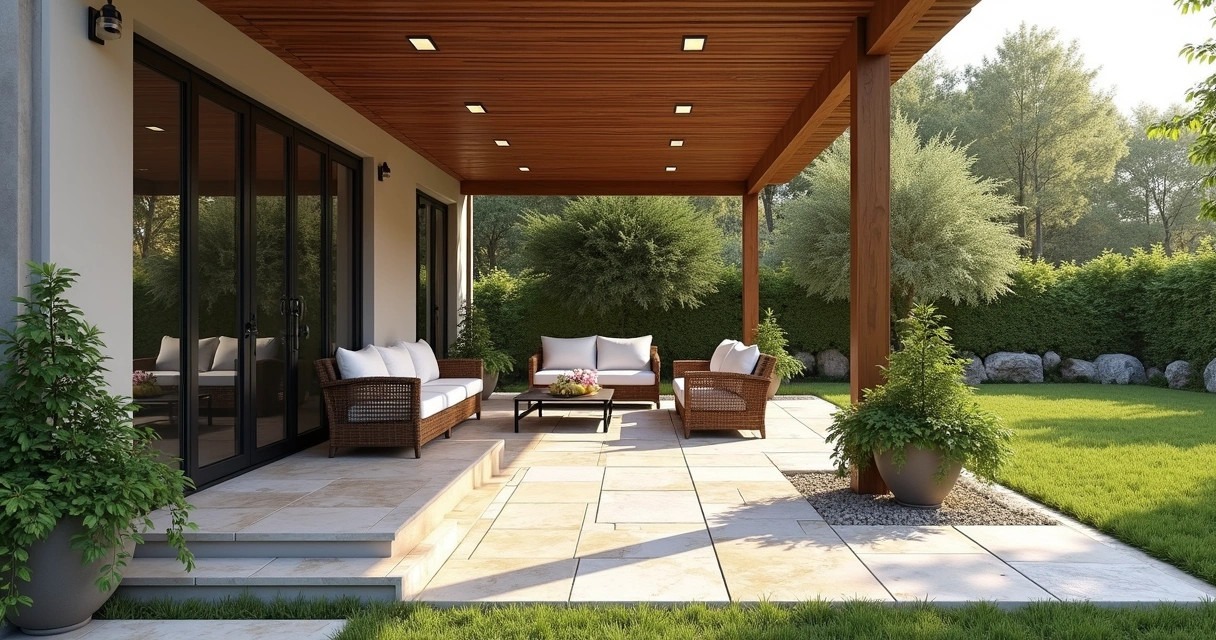 Porcelain tile: style and resilience
Porcelain tile has gained popularity for covered patios, especially in places where the climate isn’t always gentle. There’s a reason for that.
- Nearly impervious to water—no swelling, no stains.
- Resists fading and warping, even under blistering sun (as research on flooring for hot Texas summers shows).
- Comes in a dizzying array of styles, even versions that look exactly like wood or stone.
- Feels cool underfoot, even in intense heat—if shaded.
- Easy to clean—just sweep or hose off.
Still, porcelain tile isn’t entirely fuss-free. The right installation is crucial, and grout lines may need cleaning over time. Plus, some cheaper options can chip or become slippery when wet. For Texas patios, choosing a slip-resistant finish (often marked as “textured” or “matte”) is a good idea, especially if you plan on pool parties or have kids and pets.
Porcelain: Tough enough for Texas, pretty enough for your dream patio.
Urban Oasis often recommends porcelain for clients who want real versatility in style and a floor that stands up to Texas heat. Whether it’s a sleek modern look or something rustic, there’s probably a porcelain tile that fits.
Natural stone: classic beauty, unique character
Few materials feel as luxurious underfoot as natural stone. Slate, travertine, and granite are the leading choices, and each brings a little Texas soul to your outdoor living space.
- Slate evokes earthy colors—gray, green, even rusty reds. Its textured surface gives a sure step, and it stays comfortable in the sun unless it’s jet black.
- Travertine glows with creamy hues and “lived-in” warmth, fending off the harshest rays while resisting high temperatures. It’s a favorite for elegant backyard escapes.
- Granite stands out for raw strength, with plenty of color options. It’s as durable as patio stones get, but can be pricier and—let’s be honest—somewhat less forgiving if you trip.
But here’s the catch: most natural stones need sealing. You’ll have to keep up with it if you want to avoid stains and keep moisture out, as noted in guidance about stone patio flooring options. A slip-resistant finish is best for covered patios, even when shade is present. Still, many homeowners in Austin love the character and slight imperfections that only real stone delivers.
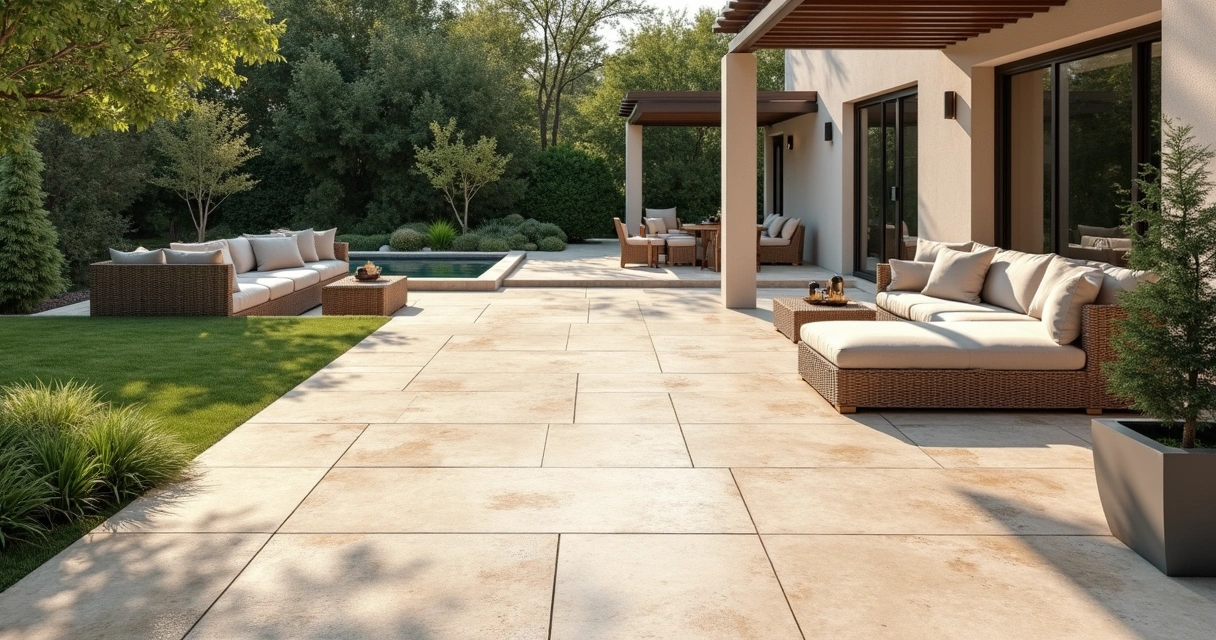 When Urban Oasis redesigns classic or historic homes, or when clients crave a unique “one of a kind” look, stone is often a top pick—even if it’s not the easiest on the wallet.
Composite decking: looks, comfort, and modern strength
Wood decking is beautiful but makes most Texans nervous—splinters, rot, termites, and faded boards. Now, there’s composite: a blend of recycled plastic and wood fibers that offers the warm look of wood with almost none of the usual hassles.
- Resists warping and fading thanks to UV-stable color.
- Won’t splinter, rot, or attract termites. Rain and humidity aren’t a problem (according to studies on outdoor flooring).
- Comes in a range of colors and grains—some fool even eager eyes.
- Stays comfortable on bare feet—temperature can rise, but typically cooler than treated wood.
- Needs only occasional washing, not yearly sealing or staining.
Composite isn’t completely perfect. Some varieties stain if grease or oil sits too long, and if installed without care, boards can bow or pull free at the edges.
For families who want the gentle comfort of wood without relentless upkeep, composite decking from a trusted source can deliver the relaxing patio you’ve always wanted—rain or shine. Urban Oasis often recommends it for homes where kids, pets, or heavy use are expected, especially when low-maintenance landscaping is also a priority, as discussed in sustainable landscape solutions.
Composite decking: Looks like wood. Feels like vacation.
Concrete pavers: strong, simple, and customizable
Some patios just need floors that can take a beating—and still look great. Concrete pavers are shaped blocks, available in various sizes and shades, that can create everything from modern grids to classic cobbles.
- Highly durable—can handle heavy furniture and major foot traffic.
- Customizable color, shape, and layout create endless styles.
- Edges allow for airflow and water drainage, reducing puddles.
- Easier to level and repair than gigantic poured concrete slabs.
- Stays relatively cool under moderate shade but warms up on hot days.
Be aware: even concrete pavers need regular sealing to keep out stains, especially from red wine, grease, or sap from trees above—a smart takeaway from studies on outdoor flooring. Over time, weeds can push through the joints if not properly installed.
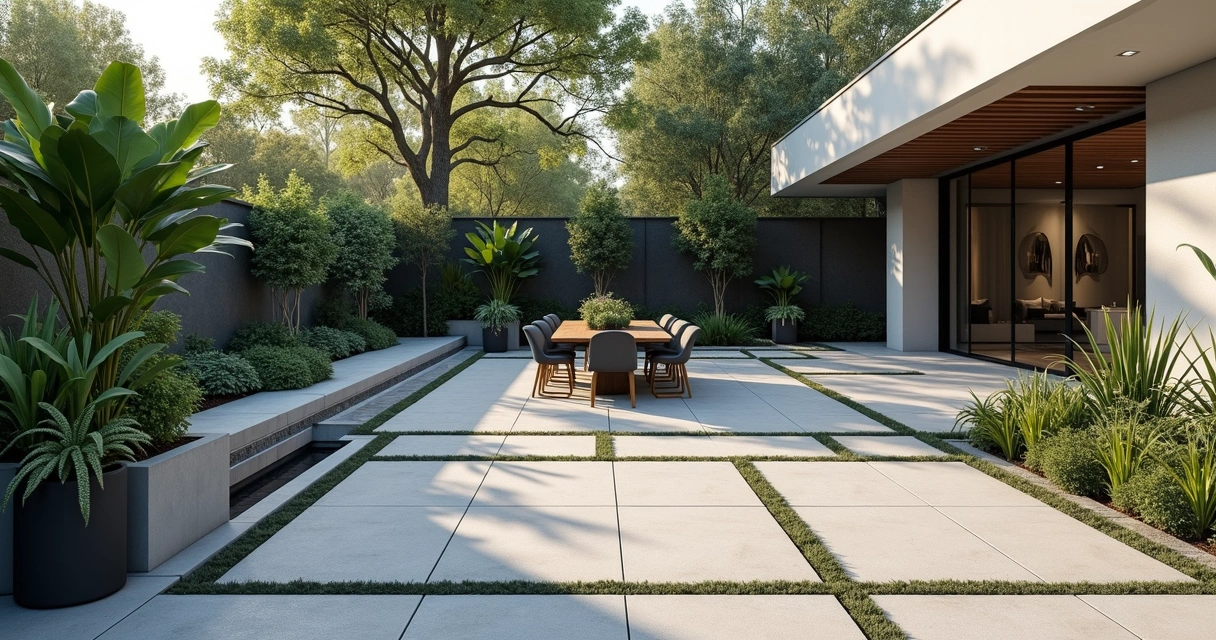 Urban Oasis suggests concrete pavers whenever a client wants reliable, affordable flooring that won’t go out of style. Blending shapes and shades, these pavers invite creative touches—a border here, a twist in the pattern there—that reflect your own spin on outdoor living.
Quarry tile: the underrated classic
While less well-known, quarry tile can be a silent hero on a Texas patio. Cut from natural clay and fired hot, these tiles are built for punishment.
- Unglazed and dense, meaning water runs off instead of soaking in.
- Slip-resistant, thanks to a naturally rough texture (insights on tile flooring).
- Built for busy spaces: think restaurants and industrial kitchens.
- Available in earthy, sunset-inspired reds, browns, and grays.
Not everyone feels drawn to quarry tile’s “no-nonsense” look, and choices in color can be limited. Still, where safety and all-weather performance matter most, it’s a material that will surprise you—standing up to storms, heat, and whatever else Texas throws your way.
Quarry tile: Tough, timeless, and ready for anything.
When Urban Oasis fits covered patios for restaurants, apartment communities, or homes with high foot traffic, quarry tile is sometimes the sleeper pick that wins over even skeptical owners.
Other considerations for texas patios
Slip resistance and safety
On any covered patio, rain or even morning dew can make surfaces slick. Materials with inherently textured surfaces—like slate, rough travertine, quarry tile, and some porcelain options—are a must. For smoother surfaces, adding anti-slip coatings can help keep friends and family upright, especially as Texas rain can show up with hardly a warning (details on slip-resistant surfaces).
Temperature, comfort, and shade
Shade from a patio roof makes a big difference, but not all floors handle heat the same way. Lighter colored surfaces—think beiges, grays, or soft browns—reflect rather than absorb sunlight, staying cooler even in a Texas August. Surfaces in full or partial shade remain welcoming well past noon.
Maintenance, cleaning, and upkeep
No outdoor flooring is zero maintenance, but some types ask a lot more of you. Sealing, cleaning, and inspecting tiles or pavers can extend their look and life. Natural stones require the most attention but give back beauty year after year. Composite needs barely more than a quick wash. Porcelain and quarry tile fall somewhere in between.
Design tips for patio perfection
Materials matter, but how you use them tweaks the atmosphere—modern, rustic, inviting, or bold. Here’s what designers often suggest for Austin’s outdoor living spaces:
- Choose larger tiles or pavers for a seamless, modern look; smaller units give texture and a cozy vibe.
- Mix materials for contrast—a stone edge with composite planks, or porcelain “wood” tiles set beside stacked stone planters.
- Consider subtle patterns: herringbone, basketweave, or even simple grid layouts that create movement for the eye.
- Add soft rugs, plants, or water features for comfort. Plants, especially, can cool the air and add color without much fuss.
If you’re curious, the Outdoor Living blog shares stories, before-and-afters, and seasonal tips that might spark fresh ideas.
For those wanting a classic Williamsburg brick look or a Florida Keys resort feel, the right material can be designed to match, especially with the help of experienced teams who see patios as canvases, not just slabs.
Urban Oasis: where vision meets texas weather
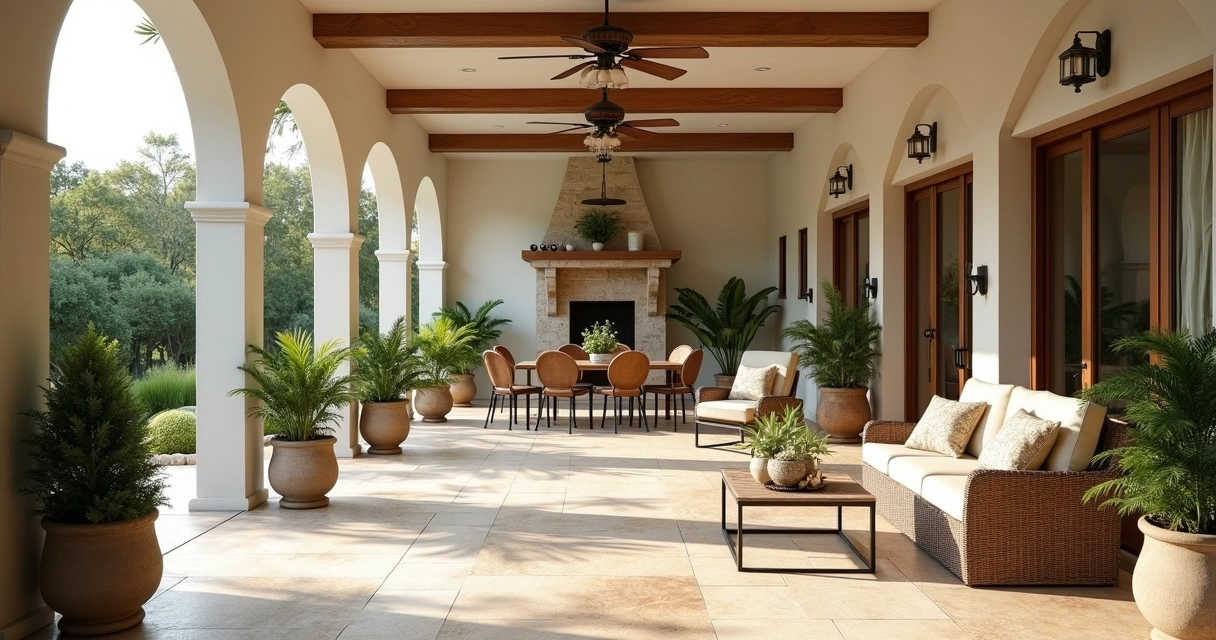 Urban Oasis: where vision meets texas weather
Urban Oasis specializes in creating outdoor spaces that blend homes with the rhythm of the Texas seasons. From initial idea to finished build, their approach—series of clear steps, collaborative planning, and precise construction—minimizes surprises and maximizes satisfaction. Whether you’re refurbishing a compact nook or restoring a huge veranda, their knowledge of modern materials and patio installation methods can clarify the process.
Bringing beauty and function together often means discussing not just the “what” but the “why”—Why porcelain and not stone? Why invest a little more for composite? Those conversations matter. At every step, the goal is a space you love, not just for a season, but for the years to come.
Ranking top patio flooring materials for Austin’s climate
Weighing all these options, it helps to stack them, side by side—with three biggies in mind: durability, style, and maintenance. This isn’t a quiz, just an honest look.
- Porcelain tile: Excellent for durability, style flexibility, and moderate maintenance. Rarely out of place and survives blazing heat.
- Natural stone: Stunning looks, very durable, but higher on maintenance and cost. If you love authentic imperfection, it’s hard to beat.
- Composite decking: Wins for ease of care and comfort, modern styles, and long life. Style is wood-inspired, so not for everyone.
- Concrete pavers: No-nonsense, sturdy, and endlessly variable for design. Middle of the road for maintenance.
- Quarry tile: Tough, practical, and slip-resistant, but limited style options. A sensible choice for high-traffic or mixed-use patios.
What’s “best” isn’t the same for everyone. Maybe you want elegance, or just a floor that survives kids on skateboards. Or maybe you need both. Consider your habits, your tastes, and how much work you want to put in—or avoid—after the flooring is down.
Designs that balance beauty, durability, and comfort, all while keeping local weather in mind, last far longer and bring more enjoyment. Teams like those at Urban Oasis often recommend reviewing detailed guides, like their year-round landscape tips, to make outdoor living worry-free.
Start with what you love. Finish with what lasts.
Final thoughts and next steps
Choosing patio flooring in Austin is a personal decision that won’t just impact how your outdoor space looks—it’ll affect how you enjoy it. The best patios blend reliability, style, and the ability to handle whatever Texas weather brings. Whether you prefer the clean look of porcelain, the charm of stone, or the resilience of composite or pavers, each comes with its own rewards.
If you’re ready to transform your covered patio—or you just want to see what’s possible—trusted partners like Urban Oasis can help you map out every detail, from first sketch to first sunset dinner.
Take the next step. Imagine your best outdoor moments, then make them real. Complete the form below and let the team at Urban Oasis bring your new favorite spot to life.
Frequently asked questions
What are the best patio flooring options?
The top flooring choices for covered patios in Texas include porcelain tile, natural stone (like slate or travertine), composite decking, concrete pavers, and quarry tile. Each option offers something different: porcelain shines for durability and style flexibility, stone offers unmatched elegance, composite decking needs little care but gives a wood-like look, pavers are customizable and strong, and quarry tile is practical and slip-resistant. The best fit depends on your style and how much maintenance you’re willing to do.
How does Texas weather affect patio floors?
Texas weather brings intense sun, heavy rain, and humidity swings, all of which can challenge any patio floor. Materials that withstand UV rays, shed water, and don’t swell or crack with temperature changes are best. Surfaces that stay cool and provide traction when wet will make patios safer and more enjoyable. Click for more information on floor durability in hot weather.
How much does patio flooring cost in Austin?
Prices range widely depending on material and installation. Basic concrete pavers and quarry tile might start around $8–$15 per square foot installed. Porcelain tiles and composite decking can run $15–$30 or more per square foot, depending on quality and patterns. Natural stone is usually the priciest, sometimes reaching $40 or more per square foot for premium options and labor. Keep in mind, maintenance and long-term durability also impact actual costs over time.
Is concrete good for Austin patio floors?
Concrete is a solid, budget-friendly option. Pavers offer better flexibility, making repairs and changes easier if needed. Both poured concrete and pavers are durable, withstand heavy use, and can be customized with staining, stamping, or special patterns. Just remember, both should be sealed routinely to keep stains and fading at bay, especially if your patio is uncovered or gets a lot of traffic. Take a look at hardscape design ideas for more inspiration.
Where can I buy patio flooring in Austin?
You’ll find a wide selection of tile, stone, composite, and paver options at many local suppliers and home improvement centers. But choosing the right material for your space and needs may require more guidance than aisles can provide. Urban Oasis offers patio flooring consultations, personalized design, and full installation services—helping match the right material to Austin’s unique conditions and your personal style.