
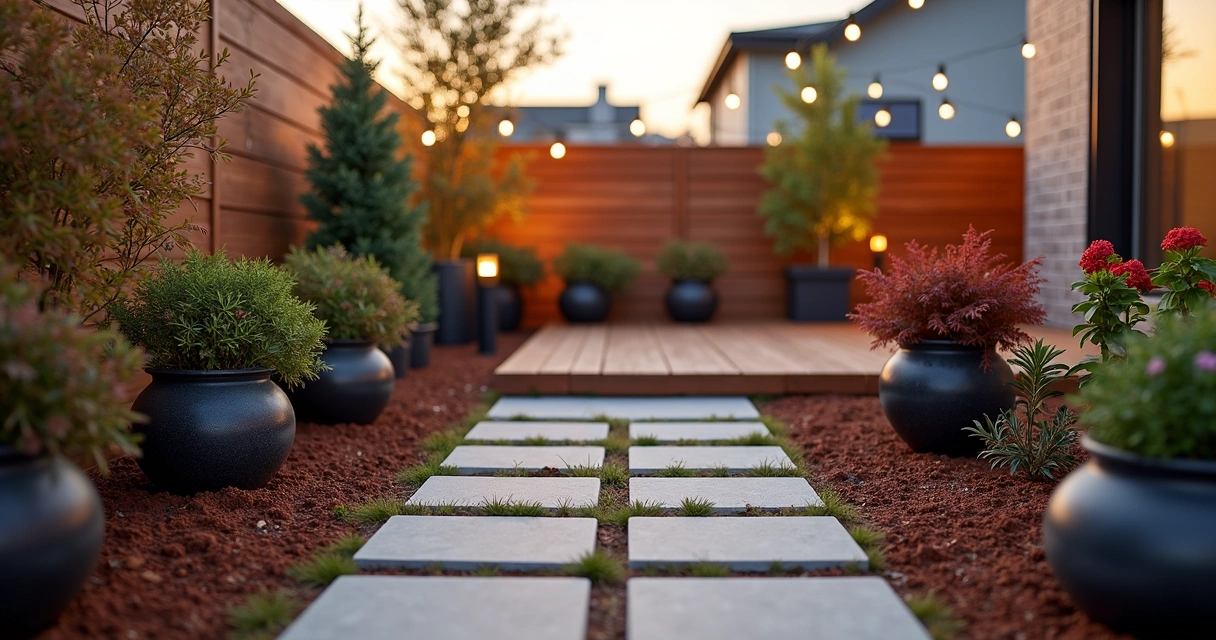
Winter in Austin tempts us to hunker down indoors, but with the right touches and a little creativity, the colder months can become some of the most beautiful and enjoyable for your outdoor space. In my years working with Urban Oasis and consulting with homeowners across the city, I’ve seen time and time again that remarkable winter transformations rarely depend on big budgets or massive overhauls. A handful of thoughtful, budget-friendly steps bring warmth, resilience, and long-lasting charm to even the simplest garden or patio.
I want to share what I’ve found works best when it comes to budget garden winter solutions in Austin. From strategic mulch and container groupings, to lighting, windbreaks, tough seasonal plants, and creative seating, these are ideas that require a fraction of the cost—and almost no hassle compared to a full renovation.
You don’t need a full makeover to feel at home in your garden this winter.
If you’re considering personalized guidance or tailored designs, remember Urban Oasis specializes in taking your vision and turning it into functional, modern, and welcoming outdoor spaces fit for all seasons.
Why winter upgrades matter in Austin’s urban gardens
Austin’s weather is famously unpredictable: pleasant one week, frigid the next, sometimes with a sudden cold snap that surprises plants and people alike. I’ve often walked into yards in December and January and found gardens looking tired or abandoned, but also bursting with opportunity.
Winter upgrades aren’t just about weathering a season—they’re a chance to claim your outdoor space as a year-round retreat. A few well-placed improvements keep your garden thriving, offer shelter for the plants you’ve worked so hard to grow, and give practical, instant improvements for year-round comfort and curb appeal.
- They extend plant life and garden vibrancy through Austin’s cool spells
- Enhance patio and deck usability, so you can entertain or unwind outdoors even in the cold
- Protect your investments (plants, pots, and surfaces) from ice, wind, and winter sun
- Raise the enjoyment and value of your space—without requiring a reno budget
Start with strategic mulching for warmth and style
Of all quick, budget garden winter upgrades, mulch is one I never skip. Adding or refreshing mulch isn’t just about looks—it helps insulate soil, keeps moisture stable, and staves off weeds that compete for nutrients when your plants need them most.
- Mulch acts like a warm blanket for your plants’ roots, protecting them from drastic temperature swings.
- It locks in precious warmth if a freeze is incoming, especially for perennials or tender root crops.
- Mulched beds stay visually tidy, giving texture and contrast to sparse winter landscapes.
I find hardwood, shredded bark, or natural leaf mulch all work well in the Austin climate. If you like a pop of color, consider pine straw or dyed wood chips (just be cautious about synthetic dyes). Spreading two to four inches around your garden beds and under shrubs is enough.
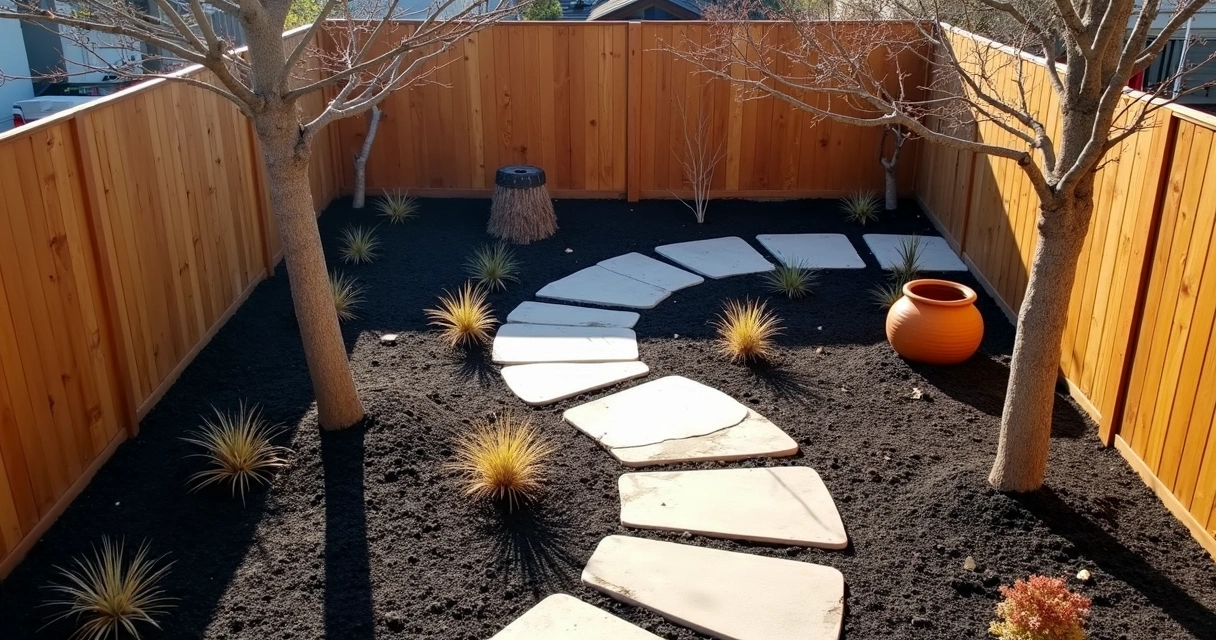
Applying mulch is quick, affordable, and often requires just basic materials and a rake. For a step-by-step guide to maintaining garden success all year, this article on key landscape tips is a helpful companion.
Play with container groupings and seasonal pops
When I help clients decide how to spruce up patios or small lawns without big investments, flexible container gardening almost always enters the conversation. Groupings of potted plants let you add texture, color, and shelter wherever you want it—and you can move them indoors if a deep freeze is forecasted.
- Cluster containers in odd-numbered groupings for natural visual appeal—try cacti, succulents, evergreen shrubs, or trailing ivy.
- Switch out summer-blooming plants for cold-tolerant varieties such as ornamental kale, pansies, violas, or dwarf evergreens.
- Use tall or wide planters to add height and dimension, turning empty patio corners into eye-catching nooks.
For a personal touch, I like to mix up my containers with natural materials—stick bundles, pinecones, or smooth river stones. These little additions can echo the season and add interest, even if winter means fewer flowers.
Need inspiration on using vertical space for maximum impact? The Urban Oasis vertical gardens guide walks through simple ways to create green walls or suspended container displays—ideal if square footage is tight.
Affordable lighting brings warmth and extends garden life
Shorter days in winter mean your backyard might be dark by the time you get home from work. For me, stringing up lighting is one of the most satisfying—and instantly transformative—budget garden winter upgrades.
- Solar or low-voltage LED string lights are quite affordable, flexible, and simple to install.
- Wrapping them around tree trunks, eaves, or fence lines casts warm glows and encourages use long after sunset.
- Battery-powered lanterns and outdoor candles also add ambiance and illuminate seating areas without wiring.
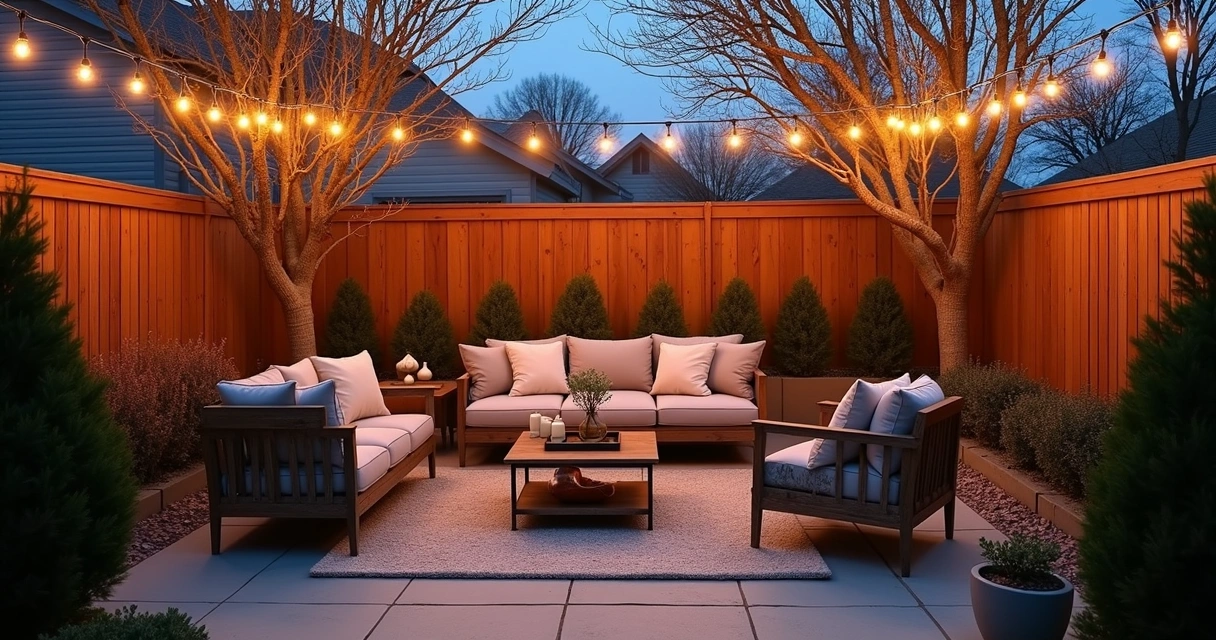
I’ve often seen friends and clients start using their patios much more once lighting goes up. Suddenly, chilly nights feel inviting, and that old garden corner glows with new energy.
Plant cold-hardy species and overwinter favorites
Gardening in Texas means always thinking a season ahead. When selecting what to grow or refresh as winter nears, prioritize plants that thrive in swings between cool, damp days and the random sunburst. I always recommend a mix of native, cold-tough species and container-friendly picks so you can rearrange as needed.
- Winter annuals like pansies, violas, snapdragons, and decorative cabbage survive Austin cold and keep containers lively.
- For structure, pick hollies, junipers, or yaupon in beds—they resist frost and add privacy.
- Don’t forget herbs like rosemary and thyme, which often go strong through Austin winters and give both fragrance and flavor.
Need plant-by-plant details? Have a look at the best cold-hardy plants list for unpredictable weather—it’s packed with options suited for Texas.
A quick note if you’re considering protective structures: although deep-winter greenhouses can be an investment, studies from the University of Minnesota Extension have shown that with the right set-up, they offer a positive return over time. Still, most homeowners get plenty of winter plant protection with row covers, cold frames, or even simple frost cloths over their favorite beds.
Low-cost ways to defend against wind and cold
It’s not always coldest temperatures that do the most damage—it’s sudden wind, sun, or rapid changes. I have helped many urban clients add small but mighty forms of protection for their plants, furniture, and guests. These usually cost very little and require only basic skills or materials from a home center.
- Use woven reed or bamboo screens to slow down chilly gusts without fully blocking sunlight.
- Repurpose old pallets or fencing panels to create a quick windbreak; attach them to existing fences or anchor upright in planters for stability.
- Temporary clear plastic sheets or acrylic panels can keep covered patios toastier, trapping heat from the sun during daytime.
I learned from experience that even a simple roll-up shade can increase how many sunny winter afternoons you spend outside. City gardens, especially those surrounded by buildings, tend to funnel wind—some strategic placements make all the difference.
Add warmth on a budget: Textiles and portable heat
One thing I love about winter patio makeovers is how easy it is to create comfort just with a few well-chosen layers. Outdoor cushions, water-resistant throws, and small area rugs encourage lingering, even when temperatures drop.
- Pick bold or seasonal colors to let your garden “pop” in winter’s muted palette.
- Store textiles in a weatherproof box or basket when not in use, so they stay fresh.
- Folded wool blankets or faux-fur throws drape nicely over benches and invite guests to settle in.
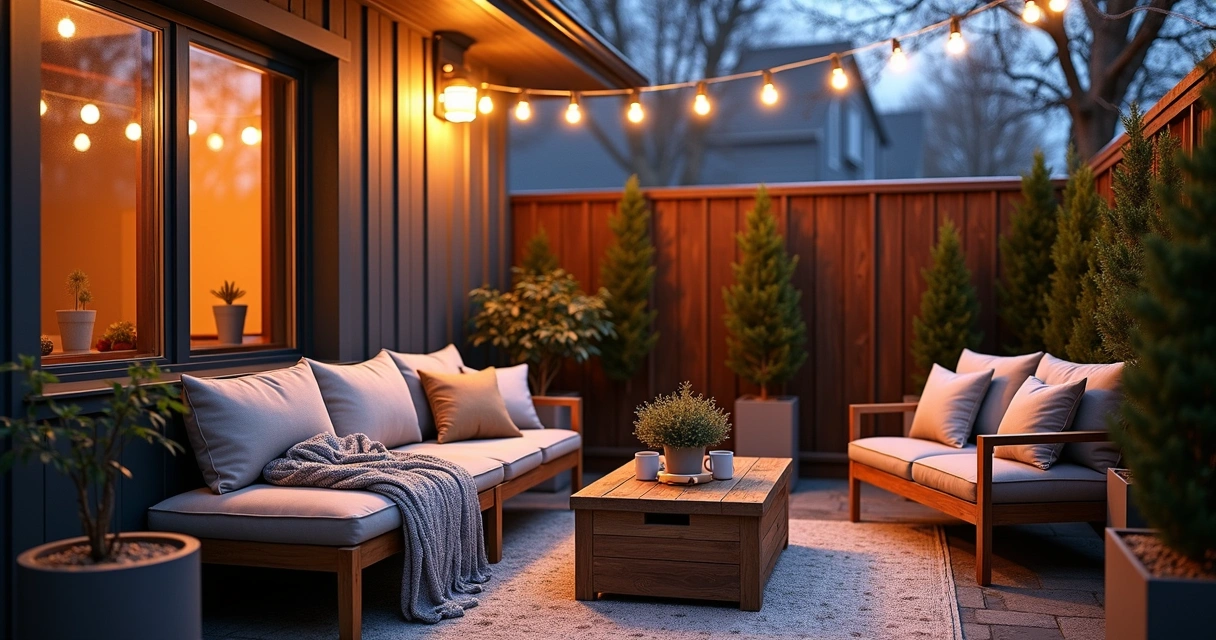
If you want to host friends or dine outside, portable heaters or tabletop fire bowls (always follow safety rules) lend plenty of localized heat. I see people get intimidated by the idea, but there are many affordable models specifically for Texas patios, including plug-in electric and small propane versions.
Build or upgrade simple features that work all year
Lasting value for your garden comes from features that serve you in every season, not just winter.
- Low-profile deck tiles snap together right over concrete or old pavers to freshen up without major work.
- DIY bench seating, using treated lumber or even upcycled bricks, creates gathering spaces where you want them.
- Adding a raised bed or two can make vegetable and herb gardens more accessible—and easier to manage when the next Texas summer returns.
Curious about features that cut down on future garden work? Take a look at Urban Oasis’s tips for low-maintenance, high-impact landscaping, which covers ideas that save time and still create eye-catching spaces.
Pay attention to irrigation and drainage
People often assume irrigation isn’t a priority in winter, but in my personal experience and in conversations with seasoned Austin gardeners, keeping an eye on moisture levels is key—especially if the season turns dry or windy. Cold-tolerant plants can still dry out, and roots need water for winter survival.
Even in cool weather, drought harms gardens.
A smart tip for patios: set up a simple rain barrel, and use the collected rainwater for your containers and beds. It’s inexpensive, gentle on water bills, and helps your plants stay hydrated without runoff. For more, I recommend following the practical year-round gardening advice at Urban Oasis’s lawn and gardening resources.
Smart soil and composting tweaks
Soil is foundational—it either powers your plants or slows them down. I’ve noticed that winter’s cooler temperatures are a great time to enhance garden beds with compost, leaf mold, or aged manure. This leads to improved spring growth without much work.
- Mix homemade compost into your beds or containers for a nutrient boost, following the season’s cleanup.
- Top-dress lawns and flower beds with a thin layer of compost to insulate roots.
- Use spent leaves or clippings as brown matter in your compost bin or pile for next season’s improvements.
According to studies from Oregon State University Extension, starting plants from seed and making your own compost is more cost-effective over time than buying nursery starts and commercial amendments.
DIY features: Budget-friendly projects for winter
Austin’s creative spirit shines brightest in backyard touches made by hand. Over the years, I’ve seen simple projects add real personality at almost no cost.
- Hand-painted stepping stones make garden paths playful and inviting, even in the grayest months.
- Build a bird feeder or bug habitat from scraps—this encourages wildlife and brightens winter outlooks.
- Craft a rustic trellis or support out of harvested branches, perfect for dormant vines or next year’s climbers.
Simple raised beds, DIY planters from salvaged materials, and custom wind chimes are some other ways to add character on a budget. Not only do these projects personalize your space, but they encourage regular time outdoors, tending, experimenting, and enjoying.
Create zones for different winter activities
A common challenge I’ve seen is homeowners feeling like their urban backyard has “just one purpose.” You can carve out zones for reading, grilling, gardening, even yoga, without huge changes—just by shifting furniture, hanging a privacy curtain, or using planters as borders.
- Dedicate a sunny corner for a bistro set and work-from-home afternoons, complete with a portable heater.
- Use large planters or a lightweight screen to shield a kids’ play nook from wind or neighbor’s view.
- Temporarily stake up a simple trellis for extra privacy or as a support for twinkling lights.
Each change, even if small, helps make winter outside time more practical and enjoyable—which is the real secret of lasting, affordable patio upgrades in Texas.
Encourage wildlife for a livelier winter garden
I get a lot of joy from reaching for a mug of hot coffee and seeing chickadees at the bird feeder, or noticing pollinator-friendly plants holding up through the cold.
- Set out bird baths with warmed water (add a small aquarium heater if needed) to welcome winter visitors.
- Keep a brush pile in a quiet corner to shelter beneficial insects and small wildlife—which helps your garden overall.
- Grow a patch of winter-blooming natives, or leave some ornamental grasses standing for birds to forage.
Drawing wildlife closer brings your space to life and builds a micro-ecosystem that will bounce back strong each spring.
How to make the most of your winter garden budget
If you want your dollars to stretch farther, prioritize the fixes and upgrades that impact plant health, comfort, and visual warmth the most. I usually suggest homeowners make a quick winter checklist:
- Mulch and cover exposed beds
- Refresh or cluster containers with cold-tolerant favorites
- Add or repair outdoor lighting for safety and style
- Layer in rugs, throws, and a portable heat source for the patio
- Choose at least one DIY or wildlife-friendly project for a personal touch
Combining just a few of these budget garden winter steps yields a noticeable difference—guests will feel it, and you will enjoy your garden in every season.
Why small upgrades create big satisfaction
After working with so many city dwellers, I’ve learned this: “small” changes can have the biggest impact on how you feel about your outdoor space. It’s not the amount you spend, but how thoughtful and consistent your choices are. Each affordable step can transform patchy winter yards into cozy, colorful refuges for you and your friends.
Remember, Urban Oasis was built on the idea that anyone should be able to unlock the potential in their outdoor spaces, no matter the season or the budget.
Conclusion: Austin winters don’t require a major renovation—just imagination
In my experience, the best gardens are the ones that welcome you year-round, despite unpredictable weather or budget constraints. Winter in Austin doesn’t mean your patio must stay dormant. With basic upgrades—mulch, containers, lighting, cold-hardy plants, and cozy textiles—your backyard turns into a retreat, just waiting to be enjoyed.
If you want inspiration that fits your unique space, or desire expert help to create a custom look and function for your patio or garden, talk with us at Urban Oasis. Let’s turn even the coldest months into a season you love to share.
Frequently asked questions: Budget garden winter Austin & affordable patio upgrades Texas
What are cheap winter garden upgrades?
Cheap winter garden upgrades in Austin include spreading a fresh layer of mulch for insulation, grouping cold-tolerant potted plants for easy rearrangement or frost protection, stringing solar or battery-powered lights, and adding cozy throws or outdoor cushions for patio seating. Repurposing old planters, using DIY windbreaks like reed panels, and crafting small wildlife shelters are also cost-effective, practical ways to winterize your garden.
How to protect Austin plants in winter?
To protect Austin plants, add mulch around roots, use row covers or frost cloths during freezing nights, cluster containers against walls for warmth, and prioritize tough, cold-hardy varieties for permanent beds. Windbreaks can guard against sudden gusts, while regular winter watering helps prevent roots from dehydrating. Temporary covers—like inverted buckets or sheets—shield tender plants when temperatures drop unexpectedly.
Where to buy affordable patio heaters in Texas?
Affordable patio heaters in Texas can be found at major home improvement stores, hardware shops, and local garden centers. Look for compact electric models, tabletop propane heaters, or portable infrared designs suited for small patios or decks. Always size your heater for the space and follow manufacturer safety guidelines for outdoor use.
Are winter container gardens worth it?
Yes, winter container gardens are very worthwhile in Austin—as they’re flexible, movable, and allow for quick color changes using annuals, herbs, or dwarf evergreens. Containers can be protected during freezes, rearranged for sun, and refreshed easily with each season, making them ideal for rental spaces or patios with limited planting areas.
How much do DIY garden upgrades cost?
DIY garden upgrades for winter in Austin can cost anywhere from $25 to $200, depending on materials chosen and project complexity. For instance, mulch and compost are inexpensive and high-impact, while basic lighting kits or portable heat add slightly more. Building small planters, benches, or windbreaks from upcycled materials can often be done with minimal expense and tools. According to Oregon State University Extension research, growing from seed and making your own compost are among the most budget-conscious choices available.