

Austin’s winters can be unpredictable. One week the sun blazes, the next an icy chill sinks in. In my years of shaping outdoor spaces, I’ve learned that garden success here demands more than luck. Whether it’s a sweeping residential retreat or a compact urban commercial setting, the right plant choices make all the difference. Reliable winter greenery and drought tolerance aren’t perks—they’re the backbone of a landscape that lasts. Austin’s unique climate calls for hardy shrubs and grasses that stand up to both heat and cold, providing structure, beauty, and resilience.
Whenever I walk clients through the design vision for their properties, plants are never just decorative. A Japanese holly beside a pathway gives a crisp edge. Clumps of little bluestem sway in January wind, their blue-gray blades glowing at sunset. These workhorses carry the season, saving water while keeping outdoor living spaces welcoming year-round. For Urban Oasis, this focus isn’t optional—it’s central to every project.
“Choose plants that love Austin’s climate, style and strength can coexist.”
If you’ve ever watched a rosemary hedge shrug off frost or admired the golden plumes of a switchgrass in December, you know: the right choices mean less stress and more beauty. Today, I’ll highlight my favorite tough shrubs and grasses for Austin’s urban landscapes—species I’ve relied on time and again when crafting sustainable, low-water oases that impress in every season.
Why cold-hardy matters for Austin landscapes
People often move here expecting endless summers, but reality is more complicated. Austin straddles USDA Hardiness Zones 8 and 9. Sudden cold snaps—notably the deep freeze in 2021—remind us that not every plant can survive a Texas winter. The challenge is clear: keep gardens green, even when the mercury plunges.
Cold-hardy species anchor outdoor spaces during unpredictable weather, reducing risk and replanting costs. In commercial lawns or urban pocket parks, replacing dead greenery after a freeze can be expensive and frustrating for everyone involved. Homeowners who focus on resilience avoid disappointment and get more value out of their investment.
According to information offered in the City of Austin’s Grow Green plant guide, using regional natives and adapted varieties ensures that landscapes demand less maintenance and watering—a critical point with ongoing drought conditions and watering restrictions. Austin’s climate is unique, and not every popular shrub from catalogs or northern gardens will thrive here, especially after two or three years.
What makes a shrub or grass “hardy” in Austin?
In my experience with Urban Oasis projects, plants prove their toughness by:
- Surviving hard winter freezes and temperature swings
- Greening up again in spring—without signs of heavy dieback
- Needing minimal supplemental irrigation in summer
- Delivering visual interest, form and/or color even when other plants fade
- Withstanding urban stressors: reflected heat, sporadic rainfall, heavy soils, and foot traffic
These survivors—both local natives and time-tested imports—form the backbone of every low-water, functional landscape I create. According to studies from the University of Texas at Austin, plants such as Mexican feathergrass and desert spoon illustrate how wise selection conserves water, requires less maintenance, and creates wildlife habitat.
Top cold-hardy shrubs for Austin
There’s a special pleasure in finding a shrub that stands up to everything Central Texas weather throws at it. Here are seven proven options, each offering unique value for Austin’s urban landscapes.
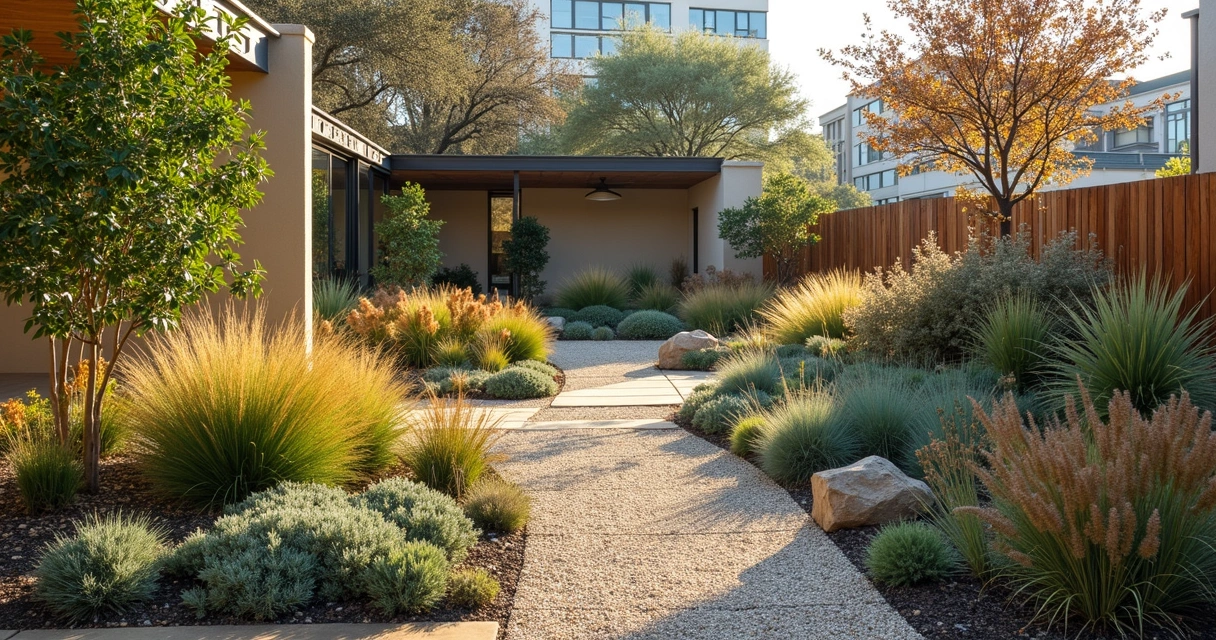
1. Yaupon holly (Ilex vomitoria)
Few natives are as versatile as yaupon holly. I use both upright and dwarf cultivars for foundation plantings, screens, and even bonsai. Their glossy green leaves persist through harsh winters, while female shrubs offer bright red berries that attract local birds. Yaupon holly adapts to sun or shade and shrugs off drought once established. I’ve seen it flourish in urban courtyards, tight borders, and expansive lawns.
2. Dwarf wax myrtle (Morella cerifera ‘Nana’)
Dwarf wax myrtle is a compact, semi-evergreen shrub with aromatic foliage. It’s particularly effective for softening hard edges in commercial spaces or framing patio paths. This species offers both privacy and year-round texture, excelling in a variety of soil types.
3. Texas sage (Leucophyllum frutescens)
Sometimes called “barometer bush,” Texas sage delivers soft, silvery foliage and bursts of purple blooms. Its tolerance for heat, rocky soil, and freezing temperatures make it ideal for those seeking resilient landscape structure. I love its cloudlike texture along sunny edges.
4. Agarita (Mahonia trifoliolata)
Agarita is a spiny, evergreen shrub that thrives in thin, limestone soils. Its blue-green leaves and yellow spring flowers give unique interest; red berries follow in early summer. Low maintenance, deer resistant, and perfect for wildlife-friendly plantings.
5. Dwarf burford holly (Ilex cornuta ‘Burfordii Nana’)
For neat foundation lines and clipped hedges, the dwarf burford holly has few rivals. It handles both sun and shade, forms dense dark-green mounds, and isn’t fazed by Austin’s rollercoaster weather.
6. Rosemary (Rosmarinus officinalis)
I often plant upright and prostrate forms. Both are cold-tolerant, evergreen, fragrant, and highly functional for kitchen gardens, borders, and “edible landscapes.” Their blue flowers and needle-like leaves also look great year-round.
7. Autumn sage (Salvia greggii)
Autumn sage brings hummingbirds and continuous color from spring to frost, with flowers in red, pink, or purple. Tough, drought-resistant, and cold-hardy, it fills gaps in garden beds and does especially well along hot driveways or patios.
For even more ideas on picking reliable, climate-appropriate species, my article on the best cold-hardy plants to survive Texas spring weather swings explores more seasonal options suited to Austin’s weather.
Top ornamental grasses for urban Texas landscapes
While shrubs build bones, ornamental grasses deliver movement and softness. Grasses thrive in hot, dry settings and stand tall through freeze and thaw. Their coppery plumes and architectural shapes are low-maintenance fixes for modern city gardens. The Oklahoma State University xeriscape garden plants list details many suitable species for dry regions like ours.
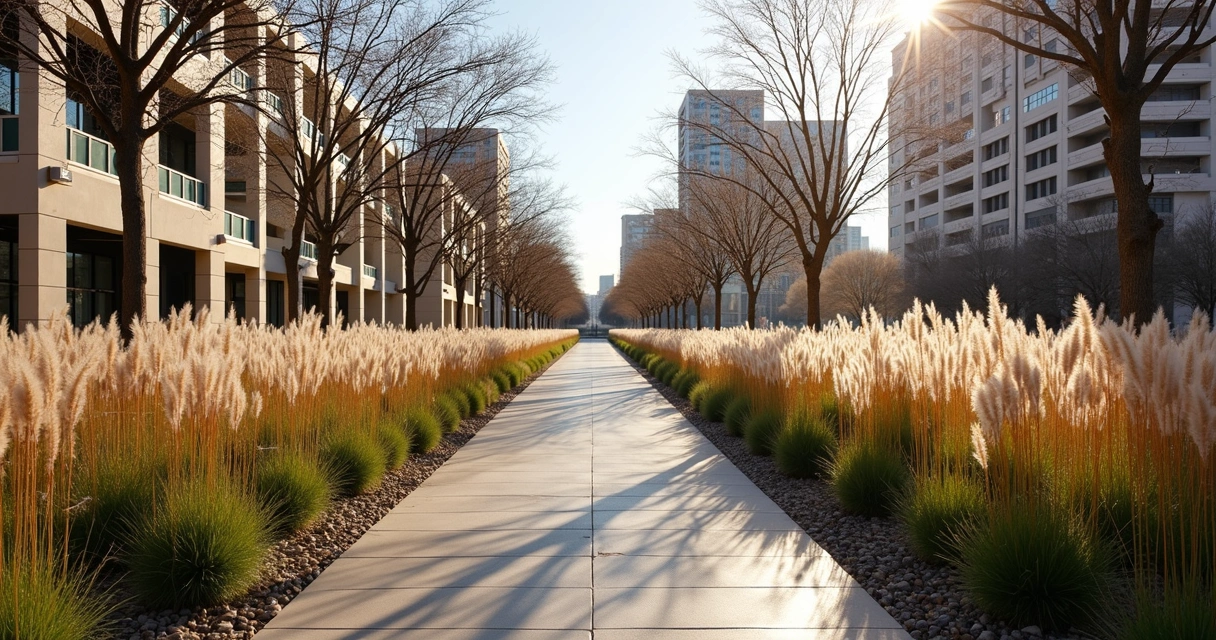
1. Little bluestem (Schizachyrium scoparium)
Native to Central Texas, little bluestem is a star for year-round interest. In summer, it forms blue-green clumps under full sun; in fall and winter, the foliage turns copper and orange. Little bluestem is ideal for sustainable lawns, meadows, and erosion control.
2. Gulf muhly (Muhlenbergia capillaris)
In autumn, masses of Gulf muhly send up clouds of pink-purple flowers—spectacular in groupings. Mold-breaking texture fits modern designs as well as traditional borders, and its drought and cold tolerance shine in both commercial and residential installations.
3. Mexican feathergrass (Nassella tenuissima)
Mexican feathergrass thrives with almost no irrigation, offering soft, waving blades that shimmer in sun and wind. It’s a top “no-mow” option. In my experience, this species holds up well to urban conditions and even reseeds gently.
4. Switchgrass (Panicum virgatum)
Tall, upright switchgrass delivers drama in large plantings. Its pale blue foliage and airy seed heads add vertical interest all winter. Switchgrass is a mainstay for low-maintenance, eco-friendly landscapes in Austin’s climate. It works well in rain gardens or urban stormwater projects.
5. Inland sea oats (Chasmanthium latifolium)
Best for dappled light or partial shade, inland sea oats give a woodland look with broad, bamboo-like leaves and graceful, nodding seed heads in late summer. Its winter structure is subtle but beautiful.
6. Blue grama (Bouteloua gracilis)
This fine-textured native grass performs beautifully as a grouped groundcover or in modern, geometric schemes. Blue grama is low-growing, cold-hardy, and tolerates foot traffic—wonderful for city gardens and pathways.
7. Sideoats grama (Bouteloua curtipendula)
Texas’s state grass, sideoats grama, withstands both summer heat and freezing winters. Upright stems have distinctive oat-like seeds. Useful for blends with wildflowers or as a low-water urban lawn.
For more inspiration using native and adaptive plants, pay a visit to the Urban Oasis plant ideas section or browse plant guides like the Grow Green plant guide recommended by the City of Austin.
How to combine shrubs and grasses for year-round urban appeal
Stunning landscapes don’t just survive winter—they shine in it. Here’s how I layer hardy shrubs and grasses to make outdoor spaces inviting every day of the year:
- Structural foundation – Place evergreen shrubs (yaupon holly, dwarf burford holly, rosemary) at the back or as “bones” along paths and patios to frame the landscape in all seasons.
- Seasonal transition – Blend in semi-evergreen and deciduous species (autumn sage, dwarf wax myrtle) to fill out the middle ground, providing blooms, fragrance, and winter resilience.
- Movement and color – Interweave native and ornamentals grasses (little bluestem, Gulf muhly, Mexican feathergrass) for soft, flowing lines, winter color, and wildlife habitat.
- Accent layers – Use groundcovers and perennial flowers at the front with similar hardiness (lantana, coneflower, and inland sea oats).
Austin’s best landscapes balance form, color and motion throughout the year.
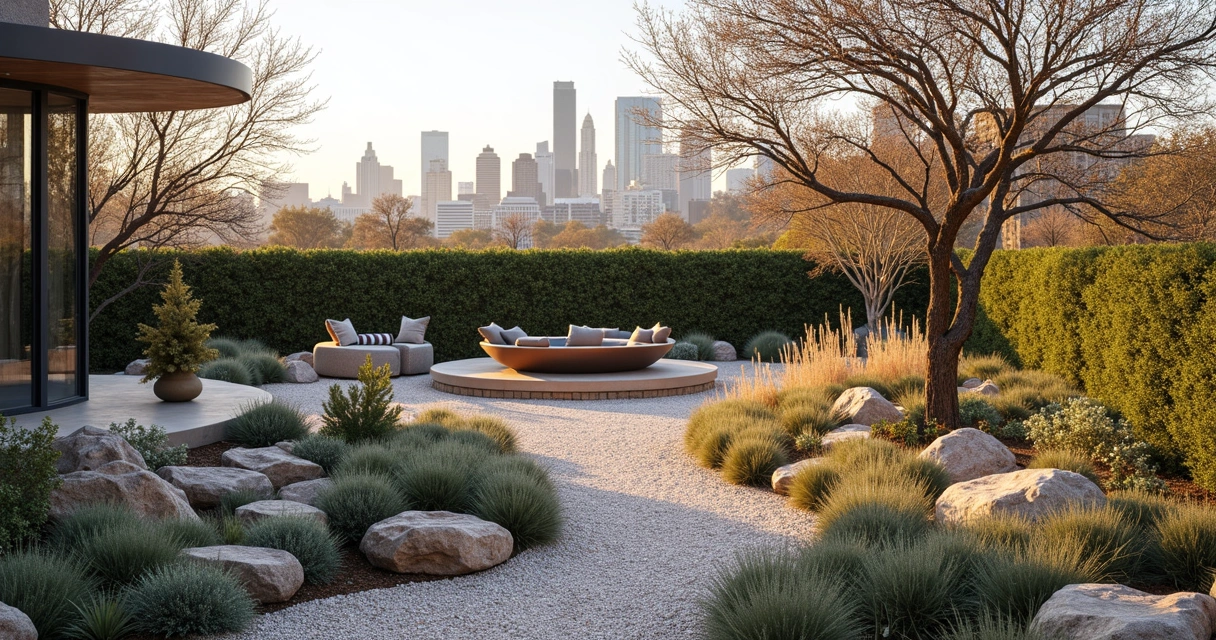
Realistically, every project—from a cozy backyard retreat to a shared condo green roof—should begin with a question: what do you want your outdoor space to look like next January? I often talk new clients through this process at Urban Oasis, blending the goals of year-round style, low maintenance, and responsible water use. Great design means less effort and more enjoyment.
Benefits of cold-hardy, low-water species for Austin
There are so many practical and aesthetic rewards for focusing on plants adapted to local winter swings. In my own work, I see:
- Resilient gardens that look neat and lush year-round, with minimal risk of “die-off” after cold snaps
- Lower long-term watering bills, thanks to species that thrive on rainfall alone after establishment
- Less fertilizer and pesticide needed—these plants cope with native soils and resist common pests and diseases
- Sustainable landscapes that support pollinators and birds, especially when using a “layered” mix
- More time to enjoy your space, as maintenance drops compared to thirsty, tender plants
Research from Texas A&M AgriLife Extension found that investing in tough perennials and shrubs for fall planting is the most reliable way to ensure success—plants root deeply and arrive at spring ready to grow, not just survive.
And for those thinking about budget, a landscape that ages gracefully—with few replacements—pays for itself in both dollars and personal enjoyment. Smart water planning starts with the right plant palette.
Winter color and form: Extra-bonus picks
While my main list covers the standouts, I want to mention a few lesser-known species that impress for color and texture even at the coldest times.
- Plumbago (Ceratostigma plumbaginoides) – Dies back above ground but returns every spring with brilliant blue flowers and red fall foliage. Low-maintenance and perfect for border fronts.
- Red yucca (Hesperaloe parviflora) – Despite its name, not a true yucca; tough, evergreen, and sends up dramatic coral flower spikes in early spring. Looks good by rocks or modern hardscapes.
- Desert willow (Chilopsis linearis) – A small tree or large shrub, blooming with orchid-like pink/lavender flowers through summer. Handles urban soils and snaps back from late freezes.
Seasonal appeal never needs to come at the expense of resilience. For broader context on keeping your space thriving no matter the calendar, take a look at Urban Oasis resources on year-round landscape success and low-water landscaping ideas.
Tips for planting and care: Setting your hardy landscape up for success
Even a hardy plant needs the right start. Here’s how I help Urban Oasis clients and friends get the best out of every shrub and grass:
- Plant in autumn or early winter to allow roots to establish before summer stress
- Use plenty of compost in planting holes and mulch 2–3 inches deep around bases
- Water deeply—but less often—during the first year, then gradually reduce irrigation
- Space for air flow; good drainage is more critical than you might think—especially in clay or compacted urban soils
- Prune in late winter or early spring; grasses can be cut to 4–6 inches high to encourage fresh growth
- Watch for lingering ice or pooling water after storms, both of which can stress roots
Right plant, right place, right prep—if you follow this, your Austin landscape will thrive in every season.
If you’re looking for further information on creating sustainable urban gardens, Urban Oasis maintains a collection of ideas and inspiration in the landscaping section, where you’ll find project highlights and advice tailored for our unique city climate.
Conclusion: Pairing style with strength in Austin’s climate
Every time I drive past a garden still lush in February—a rosemary hedge green and thriving, or little bluestem glowing rusty red—I feel a sense of satisfaction. Hardy plants do more than outlast frost; they bring continuity, structure, and calm to city life, whatever the weather. These species, especially when combined carefully, allow Austinites to enjoy beautiful spaces with less work and less worry.
If you’re ready to create that kind of outdoor sanctuary—one that’s as strong as it is stylish—Urban Oasis is here to help. With deep local experience and a passion for sustainability, our designs put Austin’s best-adapted, cold-hardy shrubs and grasses to work for you.
“The right landscape feels good every month, not just in spring.”
To learn more about how we approach climate-appropriate urban landscapes, or to discuss your personal garden goals, I invite you to fill out our contact form. Start the journey to an outdoor space that stands out in every season.
Frequently asked questions
What are the best cold-hardy shrubs for Austin?
Some of the most reliable cold-hardy shrubs for Austin include yaupon holly, dwarf wax myrtle, Texas sage, agarita, dwarf burford holly, rosemary, and autumn sage. Each provides year-round color, structure, and resilience against both winter freezes and summer droughts.
Which grasses grow well in urban Texas landscapes?
Top performers for urban Texas spaces are little bluestem, Gulf muhly, Mexican feathergrass, switchgrass, inland sea oats, blue grama, and sideoats grama. These grasses are drought-tolerant, thrive in local soils, and maintain visual appeal from summer through deep winter.
How do I care for hardy plants in Austin?
Plant hardy species in fall or early winter, mulch well, and water deeply but infrequently during establishment. After the first year, reduce irrigation. Prune shrubs after risk of frost and cut back ornamental grasses in early spring for lush renewed growth. Check for drainage and avoid waterlogged conditions.
Where can I buy cold-hardy plants in Austin?
You can find many cold-hardy and native plants at local nurseries specializing in Texas-adapted species, including those listed in the City of Austin’s Grow Green guide. For tailored design and sourcing, you may also consider reaching out to landscape specialists with experience in urban Texas conditions.
Are cold-hardy shrubs worth planting in Austin?
Yes, cold-hardy shrubs help future-proof landscapes and reduce maintenance costs. They recover quickly from weather extremes, keep outdoor spaces attractive and functional throughout the year, and support wildlife—all while conserving water.