

On sunny afternoons, when the air outside begins to shimmer with heat, we start to seek islands of coolness. These retreats—sometimes public, sometimes private—act as a gentle balm against relentless summer temperatures. Maybe you’ve noticed them: shaded gardens outside city buildings, tree canopies stretching above community parks, lush plantings softening playgrounds and patio corners. They don’t just offer relief from the sun. They remind us a well-designed outdoor space isn’t just about looks—it can change how we feel, breathe, and even enjoy our cities.Within this article, we’ll wander through the possibilities of cooling center landscaping. We’ll explore how thoughtfully chosen plants, shade strategies, and layout choices come together to create real, lasting comfort. Whether you’re planning for a public refuge or hoping to turn your own patio into a personal oasis, the right greenery can make all the difference.
Shade can feel like a gentle hand on your shoulder.
Sometimes, it truly is that simple.
What makes an outdoor spot a “cooling center”?
Maybe you’ve walked through a city park on a blistering day and noticed certain clusters of people. They’re not scattered at random. Instead, they gather where the grass is softer, the breeze seems to linger, and leaves filter the sun. These are the places—intentional or not—that offer a break from the heat. Professionals and designers have a name for such spots: cooling centers.
In a traditional sense, cooling centers refer to public buildings open during extreme weather events, inviting people inside for air-conditioned relief. But the concept has shifted, especially as cities respond to rising heat waves and people search for comfort outdoors. Today, cooling centers might mean shaded plazas, tree-draped patios, or green pockets scattered through urban developments. Here, “cooling center landscaping” refers to the careful crafting of these outdoor green spaces to maximize comfort and usability, especially when the sun feels unyielding.
Why cooling matters: more than comfort
Too much heat isn’t simply uncomfortable—it’s dangerous. As cities trap warmth between pavement and walls, the so-called “urban heat island” effect can boost daytime temperatures by several degrees, leading to higher health risks, environmental strain, and even economic losses. Vulnerable populations, like children, the elderly, and outdoor workers, feel these effects first. A study about community efforts in Detroit reveals how green investments can help moderate temperature swings, lower pollution, and suit the needs of people at risk. The call for outdoor cooling strategies has never been louder.
- Health: Prolonged exposure to extreme heat increases the risk of heat stroke, dehydration, and other medical emergencies.
- Equity: Not every household has reliable air conditioning. Public cool zones help bridge the gap, offering relief where it’s most needed—sometimes in the simple, green shade of growing trees.
- Sustainability: Thoughtful planting does more than cool the air. It reduces energy consumption, slows the drain on city resources, and supports environmental goals.
How plants help lower outdoor temperatures
You might ask—can a patch of greenery really make a difference on a sweltering day? Science says yes, and the answer is both practical and poetic. Trees, shrubs, vines, and grasses offer a unique set of “cooling tricks,” working together to reshape microclimates.
- Shade: The physical barrier of leaves intercepts direct sunlight, preventing surfaces from heating up.
- Evapotranspiration: As plants draw water up from the soil and release it through their leaves, the surrounding air gently cools down—like natural air conditioning, without the hum.
- Airflow moderation: Layered planting systems interrupt hot winds, encouraging gentle breezes and swirling pockets of comfort.
Research into natural cooling with shade trees has found that mature canopies can lower local air temperatures by several degrees, reduce nearby cooling costs, and increase overall outdoor comfort. The key is plant selection and thoughtful placement—and sometimes, a bit of patience for those leafy giants to grow.
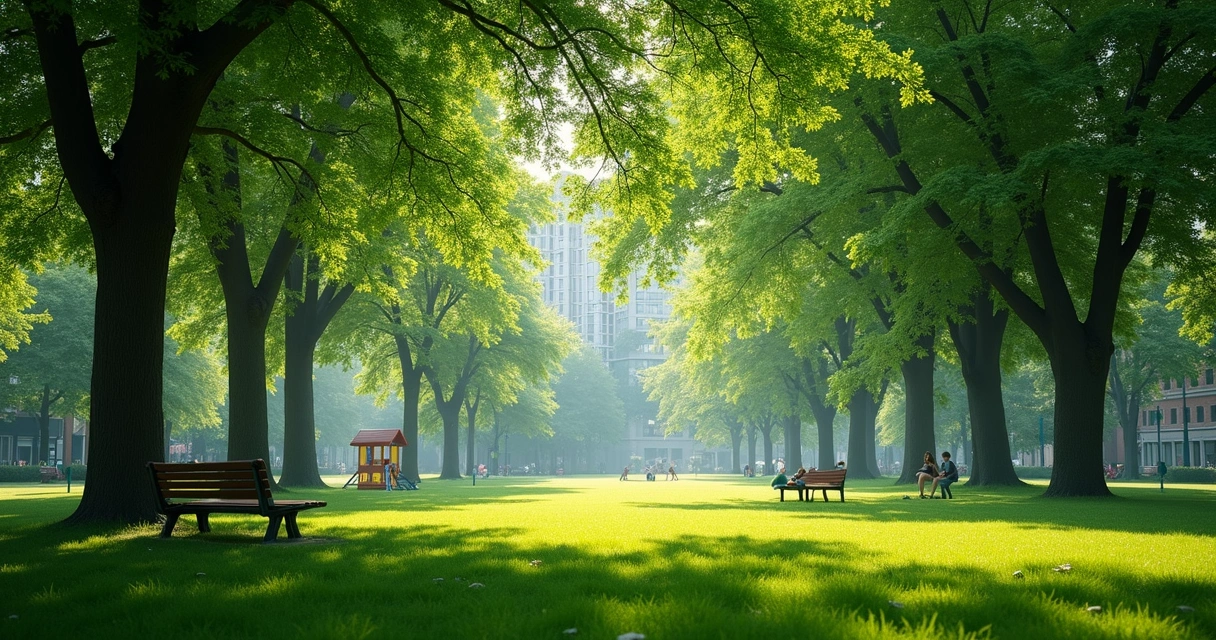
 Understanding the best plants for cooling
 Understanding the best plants for cooling
Not every plant is equal when it comes to casting shade or tolerating the hot, dry conditions typical of cooling spots. Success often depends on matching species to local climate, soil, and available water. Yet, some general guidelines can help.
Trees—the architecture of shade
If you close your eyes and think of comfort on a hot day, odds are there’s a tree overhead. Maybe it spreads like a green umbrella or stands tall and upright. Either way, trees remain the heavy lifters in most heat relief gardens. Their broad, spreading crowns block vast swathes of sun, and many “drink” enough to create a soft, humidified microclimate underneath.
- Maples: Loved for their broad leaves and fast growth. Varieties like Japanese maple also bring sculptural interest and color.
- American hornbeam and redbud: These trees are smaller, safer near structures, and admired for seasonal blooms and tolerance of urban conditions.
- Sycamore: With mottled bark and expansive crowns, they are true natural “awnings.”
The small to mid-sized, non-invasive species recommended for residential shade have proven to lower surface temperatures while reducing risk of root damage.
Shrubs, groundcovers, and climbing vines
Trees may be the stars, but shrubs, vines, and dense groundcover do vital work in creating wall-like shade, cooling breezes, and softer soil temperatures. Options abound, with many adapted to regional extremes.
- Crepe myrtle: Loved for flowers and drought resistance, crepe myrtles work as both small trees or large shrubs.
- Native grasses: They act as living mulch, covering and cooling soil, and some even dance in the wind, enhancing the sense of movement.
- Climbing vines: Species like grapevine or hardy ivy can cloak fences or pergolas, turning hard surfaces into living shade curtains.
In some cases, these secondary elements offer “spot shade”—comfort in corners where a tree can’t reach, or in yards with limited space.
Perennials and annuals in containers
It’s easy to forget the comfort a pot of lilies or a bowl of lush ferns can bring to a sun-soaked patio. Even smaller plantings, used creatively, amplify the cooling effect. Grouping planters allows flexibility; you can move them to block heat as needed or cluster them where people gather.
If you want more suggestions for low-water and practical plant mixes, you can visit the Urban Oasis collection of plant guides where a range of options for sunny, dry, and shaded sites are covered.
Design ideas for shaded refuge
So, you’ve chosen the right plants. Now what? Making these green assets work their magic depends heavily on smart design choices.
Locating refuge spots
Look for places people naturally linger—a favorite walkway, a cluster of benches, playgrounds, or entrances to public buildings. Imagine the route someone might walk between home, work, and park. Focus your plantings where they’ll have the biggest impact.
- Outdoor dining and meeting areas should be shaded first. People want to gather, chat, or simply rest without the discomfort of direct sun.
- Children’s play zones need overhead protection for safe play during peak sun hours.
- Paths and waiting areas (such as bus stops) also benefit from nearby greenery.
As pointed out in discussion about which garden zones benefit most from shade, thoughtful zoning can make a small green space feel much larger and cooler.
Plant placement and layering
How and where you plant makes all the difference. Try to use a layered effect.
- Tall trees at the south and west provide protection from afternoon heat.
- Shrubs and vines fill in around seating zones, walkways, or fences.
- Low groundcovers help reduce “baked soil” that radiates warmth back upward.
- For very tight spaces, vertical gardens often bring the same relief in a smaller footprint, as highlighted by our recent urban vertical gardens guide.
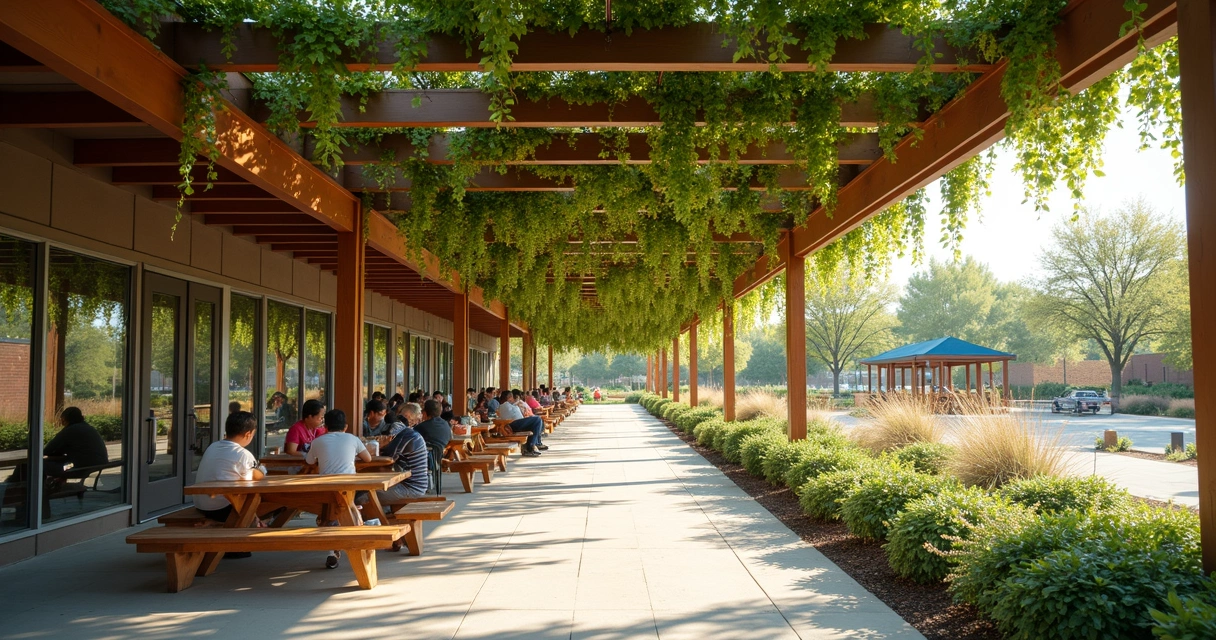
If budget allows, adding pergolas or trellises woven with living vines increases both the visual comfort and the cooling effect—the trick is in designing with flexibility and the future in mind.
Green roofs and innovative surfaces
 Green roofs and innovative surfaces
Sometimes the solution isn’t just on the ground. Green roofs are proven to slash heat island effects, sometimes lowering surface temperatures by up to 56°F and reducing nearby air temperatures by 20°F. This not only cools the building below, but turns otherwise unused rooftop space into a green retreat for visitors or employees.
You can combine container gardens with lightweight groundcovers for these rooftops, creating year-round usability with less water than traditional turf.
Water features and sensory comfort
Heat isn’t just about temperature—it’s about how we experience it. Water features, even simple fountains or misting systems, add a sensory layer to outdoor cooling. The sound of trickling water calms the mind, while evaporation gently drops the air temperature.
When paired with shade trees and lush foliage, even a small fountain can make a world of difference.
Stories in shade: real-life transformations
Sometimes, we all need a real story to imagine what’s possible—how a barren sun trap can turn into a true outdoor haven.
City park to shaded refuge
In Eastern Coachella Valley, California, community leaders faced an urgent problem: oppressive summer heat, little public shelter, and unsafe environments for children. A shade equity master plan was born, adding trees, canopies, and green corridors to parks and schools, especially in mobile home communities lacking air conditioning. Over time, the change was not just visual. It meant safer outdoor play, healthier families, and a sense of pride for neighborhoods now rich in trees and flowers.
Urban office with a living roof
In one downtown complex, hot summer days used to mean empty courtyards and overheated rooftop patios. After a green roof retrofit and layered garden design, these spaces became a lunchtime favorite. Employees now eat in comfort under the gentle shade, surrounded by pollinator-friendly blooms and cascading vines. Energy bills dropped—so did stress levels and absenteeism. People linger, talk, connect.
Residential patio dreamed alive
A family wanted to turn their plain backyard into a gathering spot. Urban Oasis laid out a plan that wove in fast-growing native trees, low-water shrubs, and a string of vertical planters against a sun-baked wall. With each passing year, the space becomes more lush. Birthdays, barbecues, quiet afternoons—they all happen here now. Every new leaf feels like a little promise kept.
A single season of growth can build the kind of cool, leafy comfort some spaces dreamed of for years.
Water-wise and low-maintenance cooling
There’s a concern—a reasonable one—that adding greenery to fight the heat means adding more water use. Yet, cooling center landscaping doesn’t have to depend on thirsty, fussy species. Many drought-tolerant trees, grasses, and vines thrive in tough conditions with minimal care.
For those interested in specifics, these low-water landscaping ideas for sustainable yards demonstrate how to combine function, comfort, and beauty without excessive irrigation. Strategies include:
- Focusing on native and adapted plant species.
- Building deep, healthy soil with mulch to lock in moisture.
- Grouping plants by their water needs—so the thirstiest are near each other, and the hardiest get less attention.
- Automating irrigation where possible or leaning on regular hand watering in small gardens.
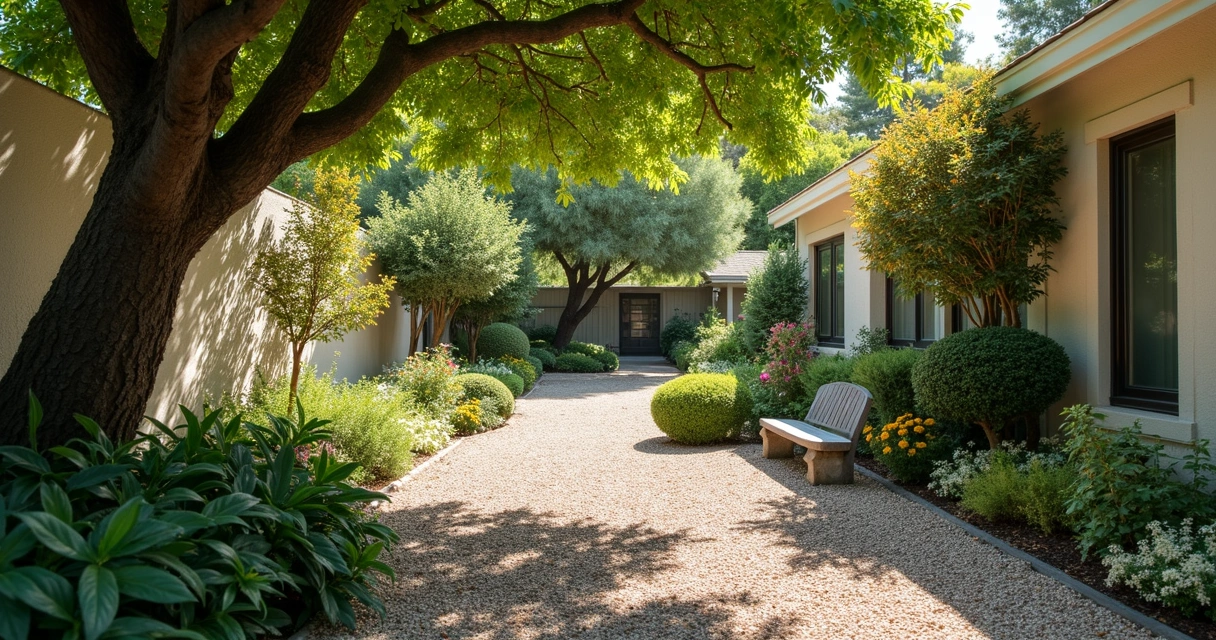
- Using permeable pavements and gravel paths to reduce reflected heat and encourage rain absorption.
Simple strategies for less upkeep
Families and caretakers often worry: will this sort of garden eat up weekends with pruning and cleaning? Not necessarily. Many shade trees and shrubs can be grouped as low-maintenance, especially once established. The low-maintenance, high-impact landscaping approach offers ideas for mixing permanent green features with things like mulch, boulders, or hardscape, so you get lasting results with minimal fuss.
Timing and long-term growth
 Timing and long-term growth
Good landscapes aren’t built overnight but they do reward patience. Planting in fall or early spring encourages strong roots, and using a mix of fast-growing and slower species helps you get some shade quickly, while future-proofing for the decades ahead. If the idea of waiting for trees to grow worries you, remember even young saplings cast surprising relief their first summer.
Community, climate, and cooling: a bigger picture
Community cooling spots are about more than personal comfort. Generous shade trees, lush groundcovers, and leafy pergolas can help close inequity gaps—offering dignity and comfort to anyone, no matter their means. According to multiple initiatives aiming for shade equity and zero emission cooling, public investment in outdoor greenery leads to safer neighborhoods, improved air quality, and even increased property values.
A single tree can make a corner of the world feel kinder.
Urban Oasis works on these principles every day—building places where people want to gather, relax, and recover from the rush of life. Sometimes, the solutions are simple. Conversation over a picnic table, a cool bench under vines, a child’s laughter safe in leafy shade.
Top plant picks and practical combinations
While every climate and site is a bit different, some plant combinations have proved their worth in cooling center landscaping. Below are a few groupings that balance aesthetics, water needs, growth speed, and shade:
- Quick shade and resilience:Eastern redbud, crepe myrtle, and native ornamental grasses.
- Good for small urban parks and tiny yards.
- Lush, layered comfort:American sycamore or maple for canopy, underplanted with hydrangea, ferns, and low-growing hostas.
- Perfect for community green corridors or seating areas near buildings.
- Minimal water, maximum shade:Serviceberry and hackberry paired with sedges, yuccas, and drought-hardy perennials.
- Excellent for hot, dry regions or places with tough soil.
If you prefer something even simpler, try a vertical garden with attached irrigation—especially for side yards or high-walled patios where planting space is tight. More details are found in our vertical gardening guide.
Keeping comfort through every season
 Keeping comfort through every season
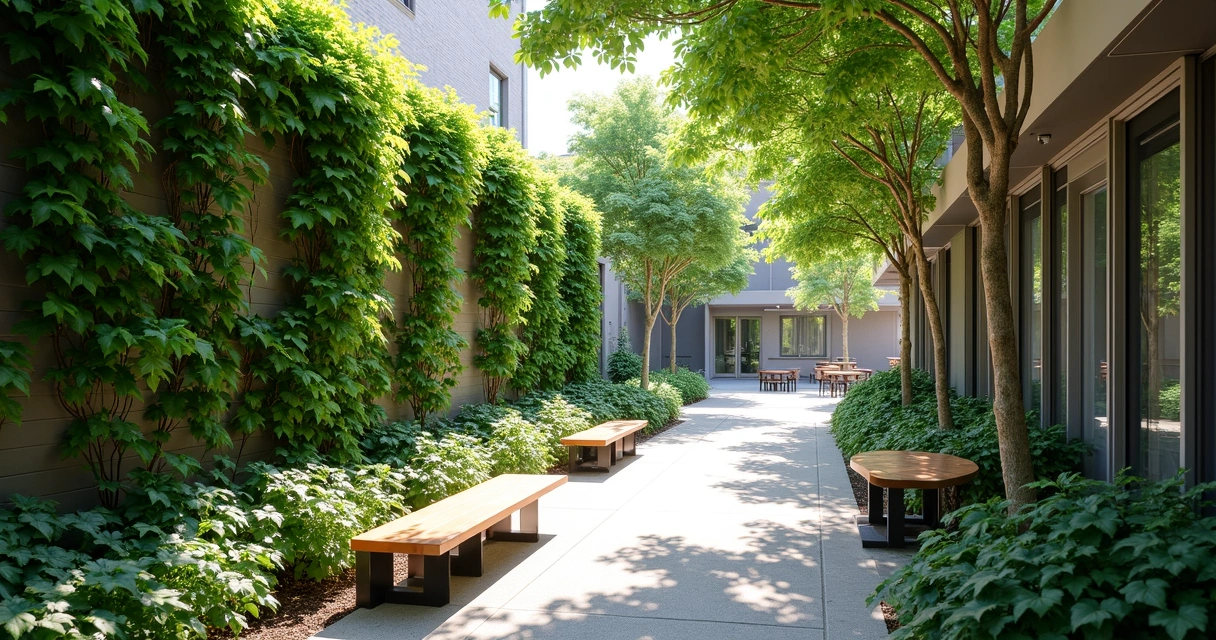
Once the peak heat has passed, cooling center gardens shift roles. Deciduous trees drop their leaves, letting in winter sun; evergreen plantings keep a fresh look even in colder months. By mixing plant types, you ensure interest and relief from January through December. Following a few year-round landscape success tips helps you plan for changing needs and keep every spot feeling just right.
- Choose multi-season interest: berries for birds, bark for winter texture, and perennial blooms.
- Adjust watering and care as the weather shifts.
- Check structures like pergolas or green roofs for damage after storms.
If you invest a little time in spring and fall, your green “cool zone” will be ready for whatever the weather brings next.
Conclusion: cooling landscapes are for everyone
Outdoor cooling centers—whether public parks, schoolyards, company courtyards, or your own backyard—offer far more than a break from the sun. They are, in a very real sense, a quiet promise. A promise that comfort, health, and natural beauty belong to everyone, not just a lucky few. Every tree branch, every patch of shade, every cool breeze under a leafy vine makes daily life more bearable.
At Urban Oasis, our passion is helping people find these moments of comfort. If you’re ready to reimagine your own outdoor space for heat relief, fill out the form below and discover how simplicity and greenery can intertwine in your life. The first step to a more comfortable tomorrow could be as close as a consultation away.
Frequently asked questions
What is cooling center landscaping?
Cooling center landscaping refers to the thoughtful planning and planting of trees, shrubs, vines, and other greenery around outdoor gathering spots to create shaded, cooler environments. These spaces act as community “heat refuges”—public or private outdoor areas that provide relief during hot weather by minimizing the effects of direct sun and reducing ambient temperatures. This approach can be applied to parks, plazas, patios, schoolyards, residential yards, or wherever people need a break from the heat.
What plants are best for cooling centers?
The most effective plants for cooling centers are typically shade trees with wide canopies (like maple, American hornbeam, sycamore, or crepe myrtle), drought-tolerant shrubs, dense groundcovers, climbing vines, and native grasses. These species are chosen for their ability to thrive in local climates, reduce reflected heat, and provide shade. Often, a combination of different heights and textures works best to layer shade and cooling benefits. Native and adapted plants need less water and maintenance, making them practical for sustainable landscapes.
How does landscaping help heat relief spots?
Landscaping cools heat relief spots in several ways: large trees block direct sun, vines and shrubs create shady walls, groundcover prevents heat from radiating off the soil, and all plants contribute to cooling the air through a process called evapotranspiration. This combination can lower local air temperatures by several degrees and create pockets of comfort even on the hottest days. Careful placement near places where people rest, play, or walk makes the cooling effect especially noticeable.
Is it expensive to landscape cooling centers?
The cost to landscape cooling centers varies greatly depending on the project’s size, plant choices, and features like pergolas or water elements. However, many practical solutions—using smaller trees, drought-tolerant species, and strategic placement—can be budget-friendly. Maintenance costs are often lower with native or low-water plants. Over time, these investments can pay off through energy savings, reduced heat stress, and increased usability of outdoor spaces. Urban Oasis often works within the client’s desired budget, tailoring the solution to fit both needs and resources.
Where to find examples of outdoor greenery?
You can see a wide variety of outdoor greenery projects and plant inspiration in the Urban Oasis online plant guide. For broader design strategies and ideas suited to different climates, exploring community parks, innovative green roof projects, and city shade initiatives offers fresh inspiration. Many public gardens also offer examples of creative, beautiful heat-relief planting.