

There’s something magnetic about the draw of open air, a smell of grilling food weaving through conversation, and the feel of friends gathered under the glow of lights that sway just a little in the evening breeze. For those wanting to savor more moments like this, creating a covered outdoor dining space—especially in places like Austin where weather brings surprises—can mean meals and memories all year long, not just a lucky few weekends each spring.
Whether your outdoor space is a narrow patio, a sprawling backyard, or even a small balcony, covered dining designs present both a comfort and a canvas. Designs tailored to the local climate, thoughtful shading, and the right furnishings don’t just expand your living space—they invite you to linger outside more often. With a combination of function, imagination, and attention to detail, even ordinary areas can capture that unmistakable sense of relaxed, open-air entertaining.
“Good design makes you want to stay just a little longer.”
Let’s walk through ideas, layouts, and design guides to help inspire a space as inviting as it is practical. All with a focus on creating that perfect backyard dining layout, giving every evening the feeling of a special occasion—no matter the season.
Why covered outdoor dining spaces matter all year
Dining outdoors is wonderful. Until it isn’t—because heat bakes the seat cushions or a sudden thunderstorm chases everyone inside. That’s where a covered setting makes the difference. Not just for comfort, but for flexibility. You control light, shade, and even privacy. Want to keep your table set for a week? Go ahead. Thinking about a rainy morning breakfast under a pergola? Absolutely.
Strong sunlight can fade finishes and make summer lunches a challenge. When you build with coverage, you protect both your guests and your investment. Retractable awnings, fixed patios, or modern pergolas offer customizable levels of protection, as shared in guides on patio designs that actually get used year-round. Some options—like pergolas with louvered systems—let you adjust exposure to weather or shade with the push of a button.
And beyond the practical, covering your entertaining area gives a sense of room. It makes your backyard feel like an extension of your home, someplace ready for milestones, lazy brunches, or quick weeknight dinners. Urban Oasis champions this approach, blending aesthetics and construction for environments you want to use no matter the forecast.
Before design: think about your space and how you’ll use it
Pause before the plans begin. Who will gather here, and why? Is this a cozy spot for family meals, or a place to host groups of friends? Sometimes, people realize later that what they really want is a flexible layout—something that can shrink for quiet dinners or expand for celebrations. These questions shape not just the size or shade of your covered patio dining design but every layer, from lighting to flooring.
Take a look at your backyard canvas
- Measure the footprint—be realistic about usable space.
- Check sun patterns and wind direction. Is direct afternoon sun an issue? Where does rainwater pool?
- Think about views. Sometimes, turning a table ninety degrees changes everything.
- Consider existing trees, fences, or buildings that can provide partial shade or act as windbreaks.
Many Austinites find unique personalities in their yards—sometimes a giant oak becomes a natural canopy, sometimes it’s a simple stone wall that anchors the scene. Urban Oasis often begins with what’s already there, sculpting around features instead of overwhelming them.
Decide how you want to entertain
- Casual or formal? Family-style meals at a big table, or a mix of lounge chairs and bar seating?
- How many people? Plan for your largest group, but make sure the space also feels comfortable if it’s just two of you.
- Connection to the kitchen. Should the dining area be right outside the back door? Or is a “destination” space, perhaps deeper into the yard, more your style?
Sometimes, people only realize after building that they wish their grill or bar was a little closer. A layout that flows well makes everything—from refilling drinks to serving dessert—just easier.
Choosing the right cover: options for every style and season
The heart of a covered outdoor dining space is, of course, the cover. Your choices affect not just style, but how you use your dining area year-round. Manufacturers have gotten creative, with patio covers now ranging from minimalist retractable awnings to pergolas with all the comfort of a room without walls. According to recent studies, options like retractable canopies, covered patios, and enclosures are all adaptable for seasonal use.
- Pergolas: Whether traditional wood or sleek aluminum, pergolas can be left open or topped with adjustable louvers to control light and water. Some louvered pergolas even motorize, letting you open up under blue skies and close up fast when rain appears (see ideas here). Urban Oasis often recommends these for clients wanting the best of both worlds.
- Retractable awnings: Great for flexibility. Extend for shade or rain, close at night for stargazing (more inspiration).
- Sail shades: These are fabric canopies stretched between posts or from the house, offering modern looks and quick, effective shelter from sun and quick passing showers.
- Fixed patio covers: Think of these as open-air roofs—attached to the house but with posts instead of walls. Often finished in wood or aluminum for durability. They last and mesh well with existing architecture.
- Pergolas with retractable canopies: Combining best elements of pergolas and awnings. Retract for sun, slide closed for summer showers.
 Designing your backyard dining layout
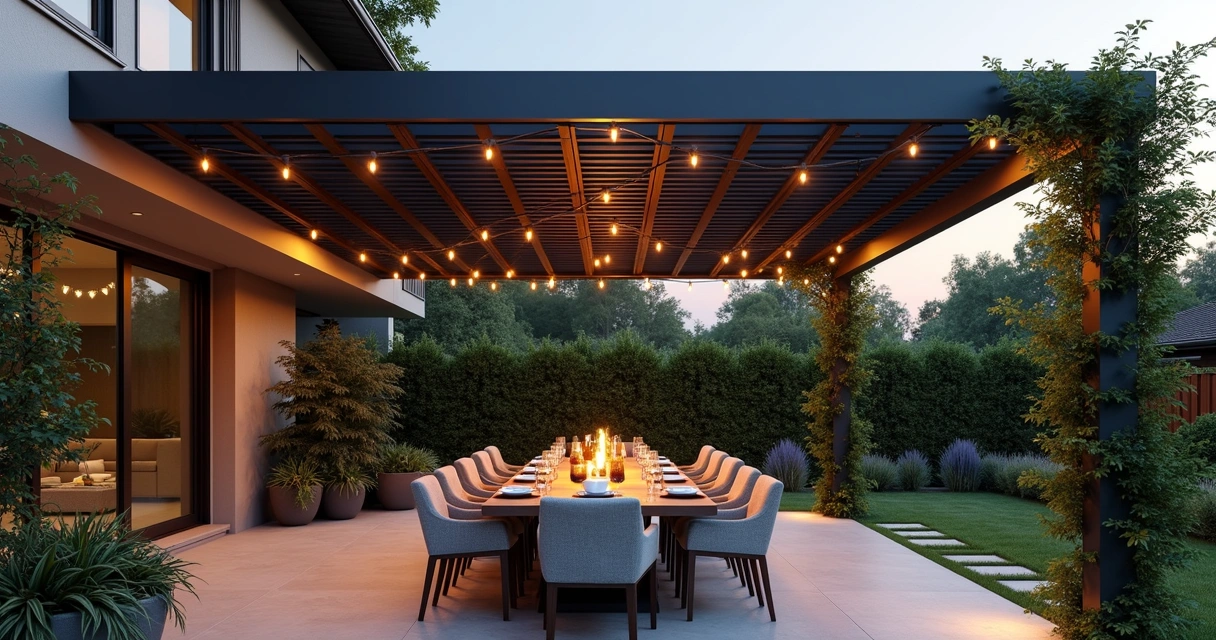 Designing your backyard dining layout
Now, imagine the first dinner you host in your new space. Where does everyone sit? Where do you put serving platters or fresh lemonade? Every successful outdoor dining area in Austin starts with a layout that encourages gathering—and keeps the flow natural.
Table placement and traffic flow
- Leave at least 3 feet around your table for walking, scooting chairs, and circulating guests. If children or grandparents will visit, more room is better.
- If space is narrow, try a long rectangular table parallel to your home. For larger patios, round or oval tables can soften lines and encourage more conversation.
Some people forget to think about where the sun will be when they gather for dinner. A table bathed in sunlight at 6 p.m. can be a problem in July. Urban Oasis always maps sun angles to protect diners without making the space too dark.
Mix up seating (why not?)
- Pair a bench on one side of your table with individual chairs on the other. Benches slide away when not in use and seat more kids or spontaneous guests.
- Add a couple of deep-cushioned chairs at each end for after-dinner lounging—as suggested in recent advice on outdoor entertaining.
- Suppose you want more adaptability. Stackable chairs or a few tucked-away stools come in handy when family grows or neighbors pop in.
Add nearby surfaces
- A console table along a wall or fence acts as a buffet or a spot for drink pitchers.
- A side cart—on wheels—makes for easy transport from kitchen to patio.
“Small details, like a serving station just out of the way, keep the main table uncluttered.”
Furniture for lasting style and comfort
Not all outdoor furniture is made equal. Weather in Austin swings from sun-scorched to chilly and damp. Durability is not only a question of material, but of how pieces are constructed. According to the latest outdoor entertaining guides, furniture made of teak, aluminum, and expertly woven wicker tends to perform well outdoors. Heavy, well-made tables resist strong winds; chairs with drainage don’t trap water.
Choosing dining sets
- Aluminum: Lightweight, will not rust, and blends with modern design. Powder-coated finishes resist scratching.
- Teak: Beautiful, ages to a silvery patina. It’s a classic for Austin’s climate, but needs seasonal cleaning.
- Synthetic wicker (resin): Resists mold, won’t splinter, and handles rain well.
- Concrete or stone tabletops: Durable and striking, but heavy. Plan to place where you want them—they won’t move easily.
Comfortable seating matters just as much. Many outdoor dining spaces in Austin upgrade to thick, weather-resistant seat cushions, as recommended in outdoor living guides. Look for quick-dry foam and fabric rated to block UV rays. Removable covers are easier to clean, too.
Sustainable and stylish touches
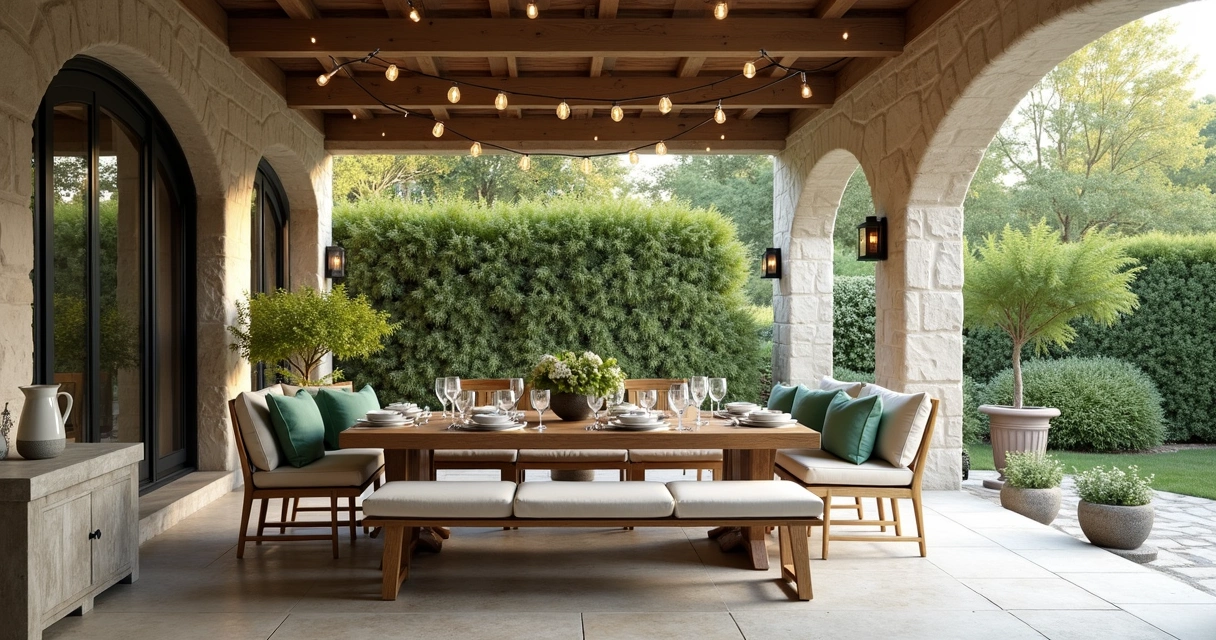 Sustainable and stylish touches
Urban Oasis often integrates recycled composite decking, eco-friendly finishes, and locally sourced materials into their design and construction. These details not only make for a more responsible project—they add authenticity and character. Plus, sustainable choices hold up better in the long run against the local elements.
Tips for mixing comfort and function
- Pile up deep seat cushions and pillows. Keep extra blankets nearby for cool evenings.
- Choose tables and chairs that work for both eating and relaxing; some sets are designed to linger, not just sit up straight.
- For extra versatility, check out modular seating or chaise lounges nearby for an after-dinner nap.
Bringing in shade: ideas and inspiration
A good outdoor dining experience in Austin leans heavily on how you manage the sun. Too much exposure, and no one stays for dessert. Too little, and you lose that golden hour magic. Combining different types of shade gives the most control and comfort.
- Retractable awnings and canopies let you decide day by day how open the space feels. According to recent outdoor advice, these give the flexibility to adapt quickly to changing forecasts.
- Pergolas with operable louvers, highlighted by experts in covered patio design, deliver immediate shading or allow sun through when you want it most.
- Shade sails create instant visual energy and can fit odd-shaped spaces. Mix sizes and shapes for more coverage.
- Natural shade: Tall trees or thick vines can cool the air by several degrees. Urban Oasis often designs with both “built” and “planted” coverage in mind, shaping shade that matures beautifully.
“The best outdoor shade moves with the day—not against it.”
Flexible backyard dining layouts
Adjustable layouts matter almost as much as the shade. Consider stackable chairs, extendable tables, or benches with built-in storage. Recent guides on outdoor dining area layouts suggest including things like water features nearby or a small herb garden for color and scent. Movable planters, too, help reconfigure the space as needed. Really, flexibility is nearly always a win.
Lighting for atmosphere and function
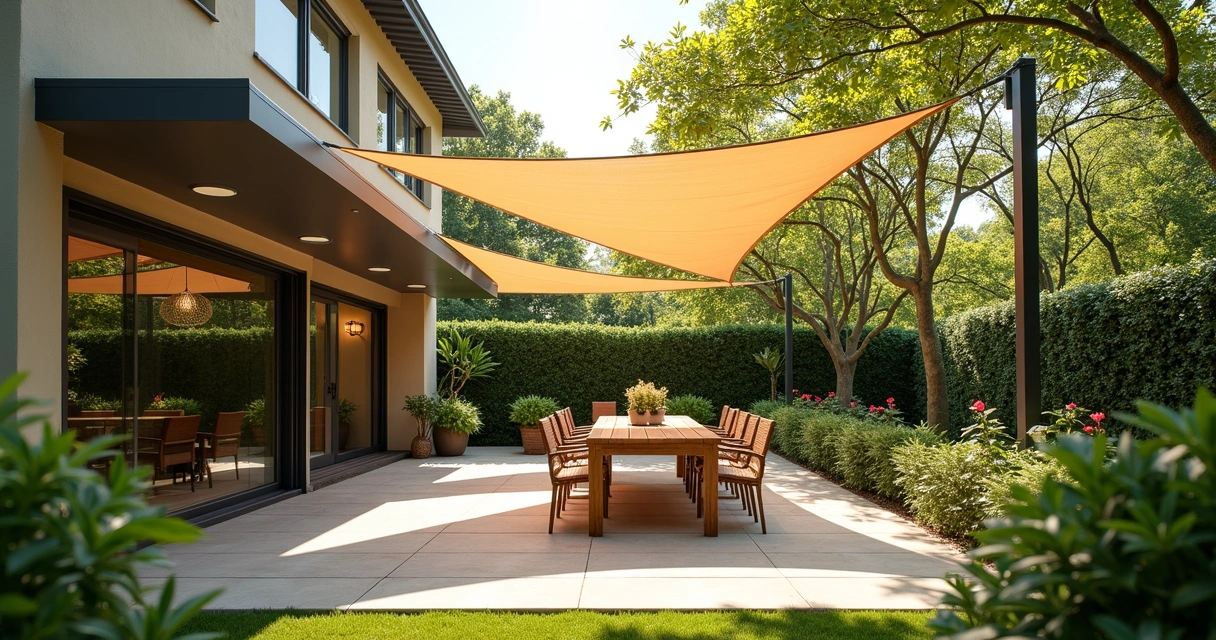 Lighting for atmosphere and function
Lighting sets the tone. Subtle, layered touches create warmth and invite guests to linger. You’re not just lighting a room; you’re setting the mood under the stars.
- String lights are a classic—draped from beams or woven through pergolas. They provide soft, ambient light, especially good for conversation.
- Lanterns and portable lamps create islands of light, perfect for evening meals without overpowering the view.
- Recessed lighting in covered patios offers gentle illumination without glare. Consider dimmers for fine-tuned mood control.
- Wall sconces attached to the house or fence highlight walkways and set boundaries.
- Candles or fire features bring flicker and intimacy. Even a handful of votives on the table transforms a space.
I sometimes think lighting brings the magic. I remember one evening, sitting with close friends in an Austin backyard, the food nearly forgotten while the glow from overhead bulbs mixed with the scent of night-blooming jasmine. Moments like that linger long after the plates are clear.
Decor, plants, and details that make it yours
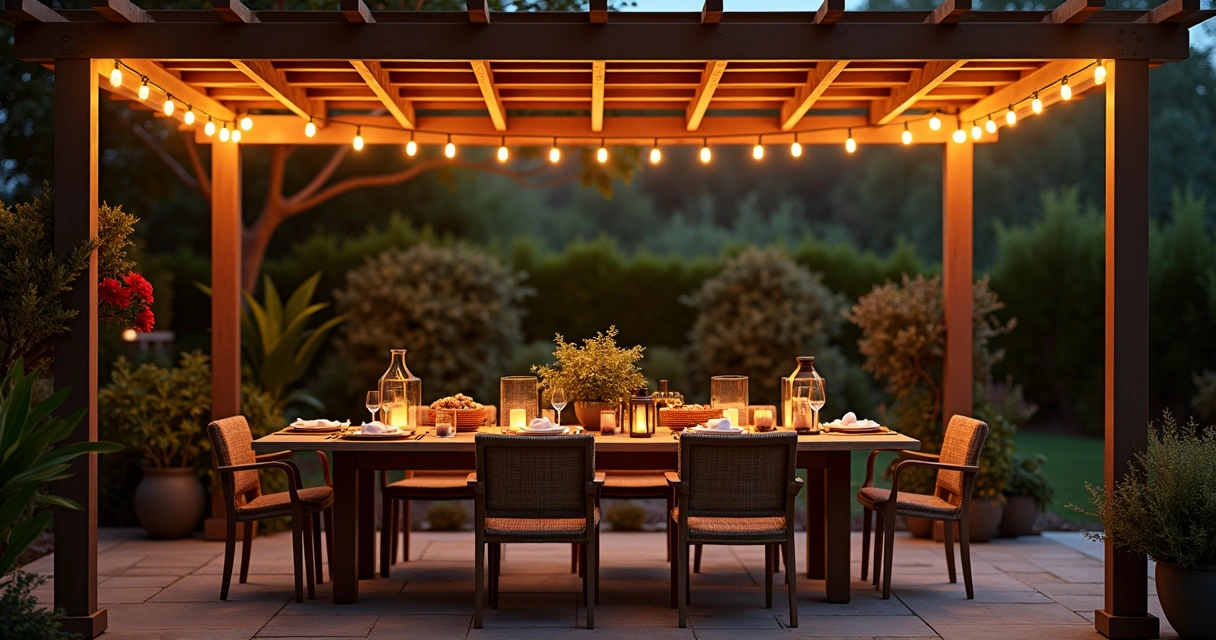 Decor, plants, and details that make it yours
Even the best-designed covered patio can feel generic without the finishing touches that show your style. “Natural elements matter,” as highlighted by designers working on courtyard garden projects. Greenery softens the hard lines of decks and stone, herbs add scent, and even vegetables can be tucked into borders. Urban Oasis has often built vertical gardens or trellised plant walls for clients with smaller spaces, turning an extra wall into a living backdrop.
- Vertical gardens make even narrow patios feel lush and inviting.
- Potted plants and herbs double as decor and fresh ingredients—think basil and rosemary within arm’s reach.
- Outdoor rugs define zones and add texture. Choose low-pile, weatherproof options for easy cleaning.
- Personal items: lanterns, a favorite grill, hand-thrown pottery—these are what guests will notice.
- Built-in storage under benches or sideboards keeps the space tidy and cushions dry.
Sometimes, just a row of twinkling lights along a fence or a bright, patterned pillow makes a place feel like it’s truly yours. Browse some of Austin’s latest outdoor living trends for more inspiration on making your outdoor dining area unique and welcoming.
Thinking ahead: temperature and weather solutions
A covered outdoor dining area doesn’t have to sit unused in January or August. People in Austin know—mornings might be hot, evenings cold. That’s where thoughtful planning comes in. Install ceiling fans or wall-mounted oscillating fans under the cover to keep air moving when the heat spikes. For cooler weather, outdoor-safe propane or electric heaters tuck into corners. Fire pits and fireplaces add warmth and focal points—and arguably, a little drama. Urban Oasis sometimes suggests built-in options for a seamless look and steady, reliable heat.
- Retractable screens or transparent panels block wind and driving rain, making it possible to host even on unpredictable days.
- Outdoor curtains offer another layer of control—plus privacy, if you have nearby neighbors.
It’s worth checking Austin building codes if you want fixed structures or electrical work—permitting can affect timelines. Professional companies, like Urban Oasis, handle all requirements from design through final inspection, sweeping away one more headache from the process.
Case study: transforming an Austin backyard
A family in south Austin loved their long backyard, but the space between the house and pool was underused. They wanted a dining spot for everyday meals, but also a place to host birthday parties and neighborhood gatherings. After meeting with Urban Oasis, the plan grew to include a louvered pergola, a teak dining set, and built-in planters along the edges. Retractable shades faced the west to cut afternoon glare, string lights crisscrossed above, and the ground was resurfaced in composite deck boards. The result? Outdoor meals became routine, birthdays more memorable, and the whole space finally felt like it belonged.
Projects like these, and the insights from pergola design experts, show how a thoughtful build can change the way you live at home. For those exploring new builds, a custom patio installation tailored to your dining habits and style can bring every meal outdoors—rain or shine. If you want more pointers on entertaining in style, check out the full design guide for outdoor gatherings.
Putting it all together: turning ideas into reality
Covered outdoor dining areas aren’t just about seats and ceilings. They’re about stretching the boundaries of home, extending comfort, and writing new stories. You start with big ideas—maybe you see dinners with friends that last late, or breakfast in the soft morning light. By paying attention to shade, flow, furniture, and all the small details, you shape a space that matches your life right now.
“The best outdoor spaces are the ones that people actually use.”
The path from planning to the first shared meal can feel overwhelming at times, but with help from design and build professionals like Urban Oasis, every step—consult, design, approve, build, enjoy—becomes easier and more satisfying. As trends in Austin’s property value growth show, outdoor entertaining areas are more than a luxury; they’re part of the future of home living here.
If you’re ready to create your covered patio or want advice on the perfect outdoor dining setup for all seasons, Urban Oasis would love to help you get started. Fill out the form below and let’s start designing together—your year-round retreat is only a step away.
Frequently asked questions
What are popular outdoor dining designs in Austin?
Austin homeowners gravitate toward covered patios, modern pergolas with motorized louvers, and flexible spaces that connect directly to the kitchen or living room. Open-air pavilions and patios topped with retractable awnings or shade sails are common, offering shelter while staying airy. Rustic wooden tables paired with mix-and-match seating, built-in planters, and layered string lighting create a relaxed, inviting vibe. Many residents incorporate natural shading using mature trees, and spaces often feature essentials like fans, heaters, and weatherproof furniture—making the outdoors comfortable year-round. Inspiration can be found in contemporary projects and on local design trend guides.
How to make an outdoor dining area weatherproof?
Start with a sturdy, water-resistant cover: fixed patio roofs, pergolas with adjustable slats, or retractable awnings. For protection from wind or heavy rain, add retractable screens or transparent panels. Choose furniture made from weatherproof materials (teak, aluminum, high-quality resin wicker) and use quick-dry, UV-blocking cushions. Store extra blankets and seat pads in built-in containers or waterproof boxes. Add outdoor-safe light fixtures and consider heating options, such as propane heaters or built-in fire features. Regular maintenance—cleaning and resealing surfaces—also boosts longevity. Urban Oasis incorporates these principles into every project to maximize use throughout the year.
Is it worth it to cover my outdoor dining space?
For most homeowners, the answer is a clear yes. Covered outdoor dining spaces not only increase comfort and enjoyment but also extend the time you can use the area across seasons and weather conditions. Studies show that homes with quality covered patios or pergolas see increased property value and improved curb appeal (read more about year-round use here). A well-designed cover invites more frequent entertaining, protects your investments in furniture, and creates an inviting environment for guests or family. Plus, with professional planning, it becomes a true extension of your home.
How much does a covered patio cost in Austin?
Costs vary depending on materials, features, and size. A simple wood pergola or basic awning can start from around $4,000–$8,000, while custom-built covered patios with premium finishes, lighting, fans, and integrated seating can range from $12,000–$40,000 or higher. Motorized louvered systems, built-in fire features, and extensive landscaping can raise the cost further. Permits, site preparation, and professional design also factor in. For precise estimates, a personalized consultation with a specialist like Urban Oasis is best—they assess your site, needs, and style to provide a tailored quote.
Where to find the best outdoor dining builders?
Top outdoor dining builders pay attention to local climate, materials, and your individual needs. Urban Oasis is a leading choice in Austin for those seeking personalized, sustainable, and stylish outdoor living solutions. Their team brings design, project management, and hands-on construction expertise, plus close attention from the first call to the last detail. Those interested can explore inspirational projects or fill out the lead form above to connect directly and start planning a standout entertaining space.