
You’re standing at the edge of a freshly purchased investment property in Austin. It’s early morning, and the street is quiet except for the chirp of birds and the low hum of someone starting their car a block away. You look down the driveway, across a threadbare patch of grass overtaken by weeds and see a faded front porch, a twisted mailbox, and a crumbling pathway. Maybe you wonder: how much does any of this matter, really? Will buyers or tenants care if the hedges are trimmed or if the path is neat? If you choose to overlook curb appeal, will your investment still perform?
The answer, sometimes hidden under expense reports and ROI calculations, lies in the psychology of first impressions, local Austin trends, buyer behavior, and the hard numbers connecting outdoor design with property returns. On a city block in Austin, where both housing demand and competition can feel intense, the look and feel of the front yard carries outsized influence. And for investors, flippers, and developers eager to boost rental rates or sales prices, it’s rarely a question of “Why improve curb appeal?” but rather, “How quickly and decisively can we do so?” This article unpacks why front yard decisions—often overlooked—matter so much, and how they can change the game for your investment property.
A beautiful first impression is sometimes the best investment you’ll ever make.
How the front yard shapes value in Austin
In Austin’s lively property market, the phrase “location, location, location” gets repeated often. But next to location, first impressions built by thoughtful front yard design come close as kingmakers of perceived value. An inviting entrance might not fully fix a tired structure or dated kitchen, but it sparks curiosity, raises expectations, and can set a home apart on a crowded street.
Front yard improvements are more than cosmetic. Studies have long shown that curb appeal, whether through neat landscaping, updated walkways, or eye-catching features, can bring a real uplift to perceived and actual property value. The City of Austin’s Property Profile tool makes it crystal clear how these property features feed into local value assessments and tax appraisals. When the front yard is fresh, dynamic, and harmonizes with Austin’s style, it signals care throughout the home.
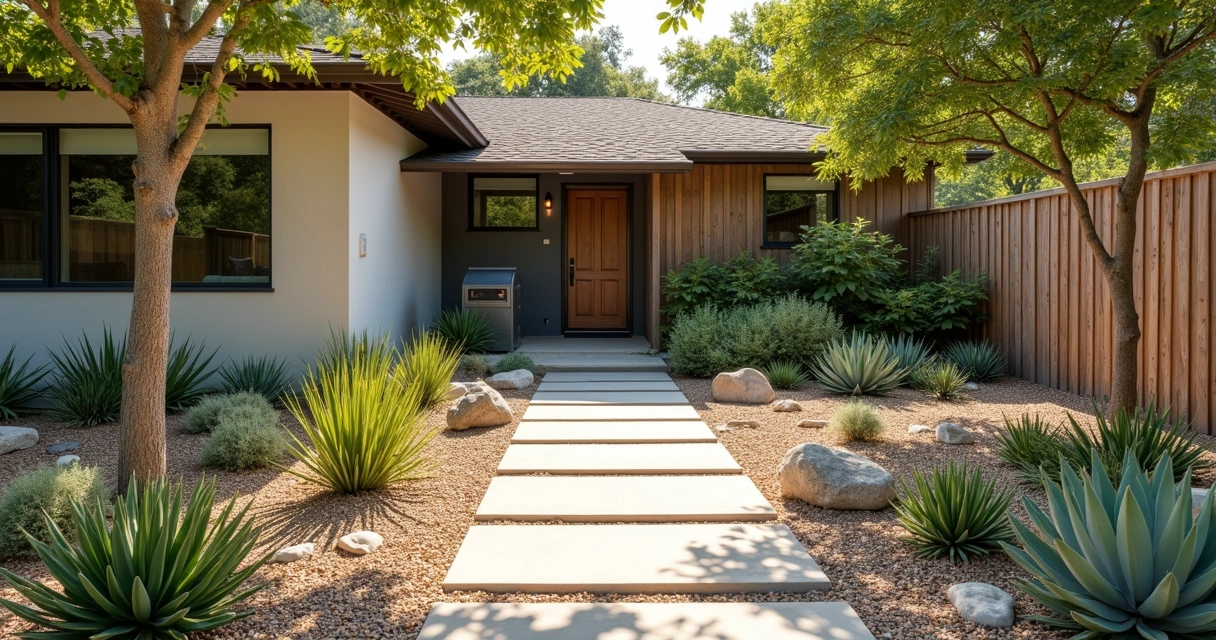
Austin is changing fast. Neighborhoods once dominated by modest bungalows now balance sleek new builds, stylish remodels, and carefully staged exteriors. For those acquiring, renovating, or renting out properties, adapting the front yard—often with sustainable, low-water landscaping—can become a smart, strategic move. It’s about aligning with the tastes and expectations of modern Austinites, many of whom value eco-conscious design just as much as traditional greenery.
There’s a growing recognition that the time and resources poured into curb appeal rarely go unrewarded. Instead, in the buzz of open houses, the flash of “for rent” signs, and the scroll of online listings, a standout yard grabs attention. And in Austin, attention is a currency.
Understanding the numbers: front yard upgrades and ROI
Let’s talk about what’s measurable. The ROI for exterior upgrades in Austin often rivals, or sometimes exceeds, interior renovations. According to national reports and data sourced from local Austin trends, professional landscaping can return between 100% and 150% of the investment at resale. This is not hype—it is evidenced by survey after survey of both real estate professionals and home buyers.
But what about Austin specifically? Researchers at the University of Texas at Austin examined land value trends from 2013 to 2019 and noted that the micro-level features like fresh landscaping or outdoor upgrades play an outsized role in offsetting factors such as increased Airbnb activity, which sometimes correlates with slower gains in land value. Their findings reinforce that a visually compelling, well-maintained exterior helps steady and sometimes boost perceived value even when macro-trends are shifting.
The yard outside often tells the story of the home within.
When flippers ask: “If I spend $10,000 on front yard improvements, will I see that back?” The answer, in Austin’s case, is a likely yes—especially if you focus on universal upgrades like plant beds, sustainable features, modern hardscaping, and a clean, inviting entryway. It’s about appealing to a wide range of buyers and renters without over-personalizing.
Which yard improvements bring the biggest return?
- Drought-resistant landscaping. This is big in Austin, where water conservation and climate resilience matter.
- Updated walkways and paths. Cracked concrete is an instant turnoff, while clean pavers or natural stone invite people in.
- Landscape lighting. Nighttime curb appeal matters, especially for evening showings or drive-bys.
- Fencing and border definition. A freshly painted or new fence can make even a basic yard feel orderly and secure.
- Feature installations. Think: simple pergolas, benches, or even stylish house numbers.
For developers working on multiple homes, these quick enhancements can often be sourced in bulk or installed with economies of scale—further boosting ROI.
First impressions and buyer psychology
There’s something subtle at play in the front yard—less about dollars and more about emotion. Imagine for a moment a buyer pulling up for a viewing. If the yard feels chaotic, overgrown, or poorly maintained, their first association is stress. If instead, the grass is trimmed, flowers are blooming, and there is a gentle path leading to a shaded porch, they arrive in a mindset ready for pleasure. I’ve heard from agents who say buyers sometimes decide how they feel about a house before they step through the door.
That tiny reaction—sometimes no more than a flicker of excitement or relief—creates a mood that shapes the entire showing. It affects what they notice or overlook inside. In Austin’s neighborhoods, where diverse vibes compete (think Tarrytown’s established feel vs. East Austin’s fresh creativity), your front yard is a chance to signal the lifestyle that comes with the keys.
People remember how a place made them feel the first time they saw it.
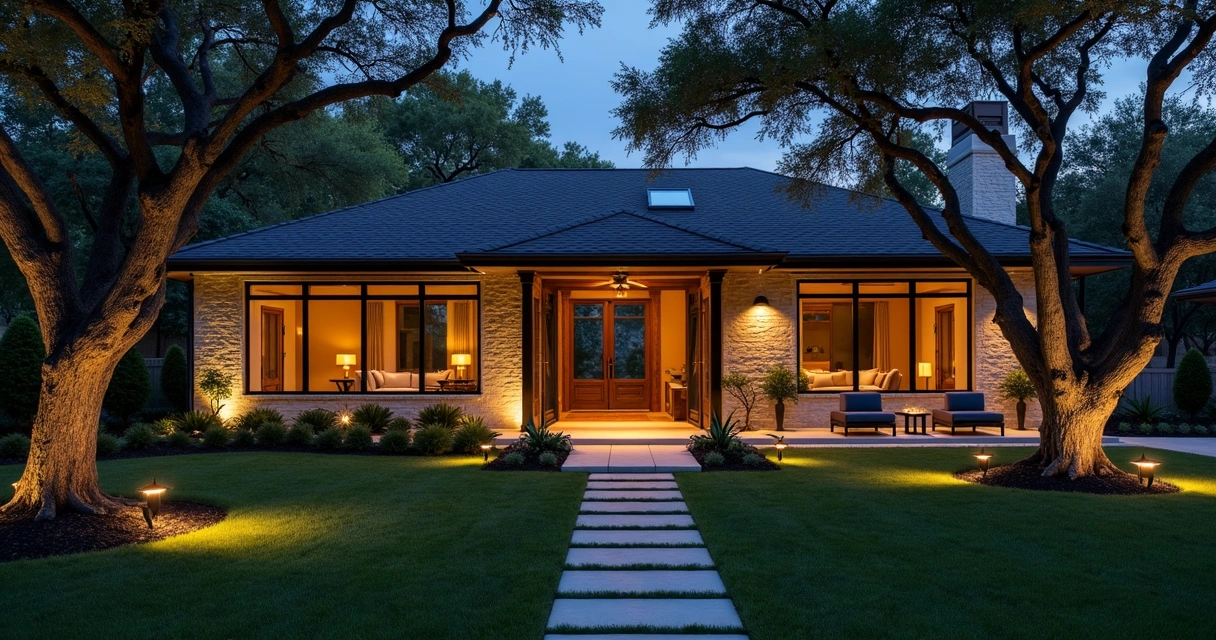
For investors, especially those flipping homes, harnessing that initial feeling offers a rare and cost-effective way to move buyers along the “yes” path. And when working with teams like Urban Oasis, who understand experiential design from consultation to construction, these moments become deliberate rather than accidental.
Trends influencing front yard value in Austin
Austin’s character—part rugged Texas, part tech-forward metropolis—sits at the intersection of tradition and innovation. Local buyers and renters often seek exteriors that blend native Austin charm with modern convenience. This influences what works in a front yard (and what doesn’t).
Ecological landscaping is popular
Austin’s semi-arid climate punishes thirsty lawns and rewards low-maintenance, ecologically resilient yards. From buffalo grass to crushed granite mulch, from rippling beds of Texas sage to steel-edged planters, local buyers see these features as attractive and sensible. Recent low-water landscaping ideas are a perfect fit when planning for both appeal and long-term upkeep.
Outdoor living now starts at the curb
Previously, “outdoor living” focused on back patios or hidden courtyards. Today, many buyers want inviting, usable spaces in the front yard—think shaded patios near the entryway, benches, or even small gathering zones under large live oaks. Urban Oasis has worked with clients who turn the yard’s front third into a flexible social hub, blurring the boundary between private and public in a way that feels both modern and neighborly.
Year-round usability matters
Austin’s mild winters and long warm seasons mean front yards must look inviting in March, July, and December alike. Ditching fussy, seasonal plants for perennials and evergreens ensures curb appeal doesn’t drop with the temperature.
For deeper insight into these evolving expectations, you can find inspiration in Austin’s top outdoor living trends boosting property value.
Authenticity and character count most
A front yard isn’t meant to look like every other yard on the block. While neatness and order always help, a memorable property often includes small, authentic touches—a single tree, a sculptural piece, colorful wildflower beds—that connect with local history or the original vision of the space.
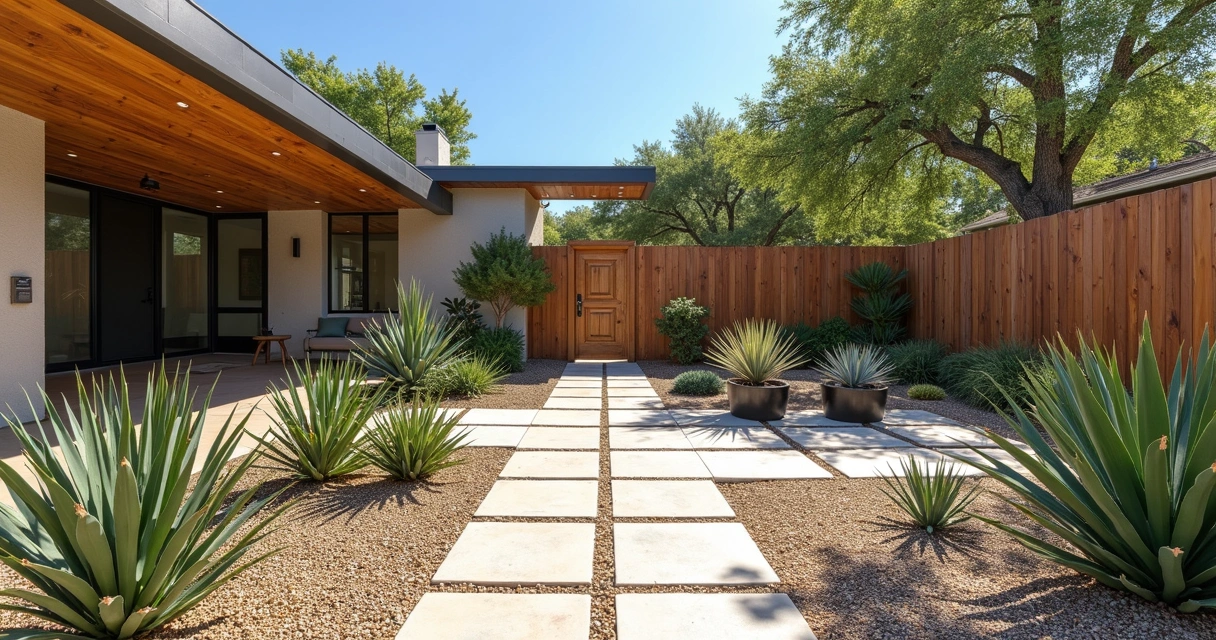
Of course, as with any trend, it’s easy to overshoot—having a plan rooted in experience helps find the balance.
Staging your exterior: practical outdoor staging tips for Austin investment properties
Staging isn’t just for interiors. The process of preparing your property for showings and listing photos must start at the curb. Here’s how seasoned investors and designers accomplish that in Austin:
- Clean up the basics. Power wash hard surfaces. Repair broken fencing, hardware, or mailbox. Ensure house numbers are visible.
- Green up, but don’t overplant. Pots with native flowers at entries, neatly trimmed grass or turf, and weed-free beds create a sense of care.
- Refresh mulches and borders. Dark mulch, granite, or stone along beds offers contrast that pops in photos and at showings.
- Add or update lighting. Test at dusk. Well-placed solar fixtures can highlight pathways and special plantings for very little cost.
- Furnish the porch or entry area. A rocker, bench, or outdoor art adds a welcoming touch.
- Inject character, carefully. One bold planter, carefully selected art, or even a painted door provides personality without risk.
Real-life feedback from Austin buyers and tenants suggests that small outdoor staging efforts, like tidying up and adding attention-grabbing foliage, make listings stand out. Staged outdoor spaces photograph far better, driving up online engagement and private showings.
For flippers in Austin, all these touches are well-covered in the step-by-step landscaping guide on techniques and benefits. Even quick improvements can pay dividends.
Staging as a story
I remember a client once described their post-project open house as “the busiest ever—people taking selfies by the porch!” That’s what a staged, photogenic front yard does: it creates a space people want to be seen in, and that desire turns shoppers into buyers.
A front yard should make someone stop, look, and imagine their life here.
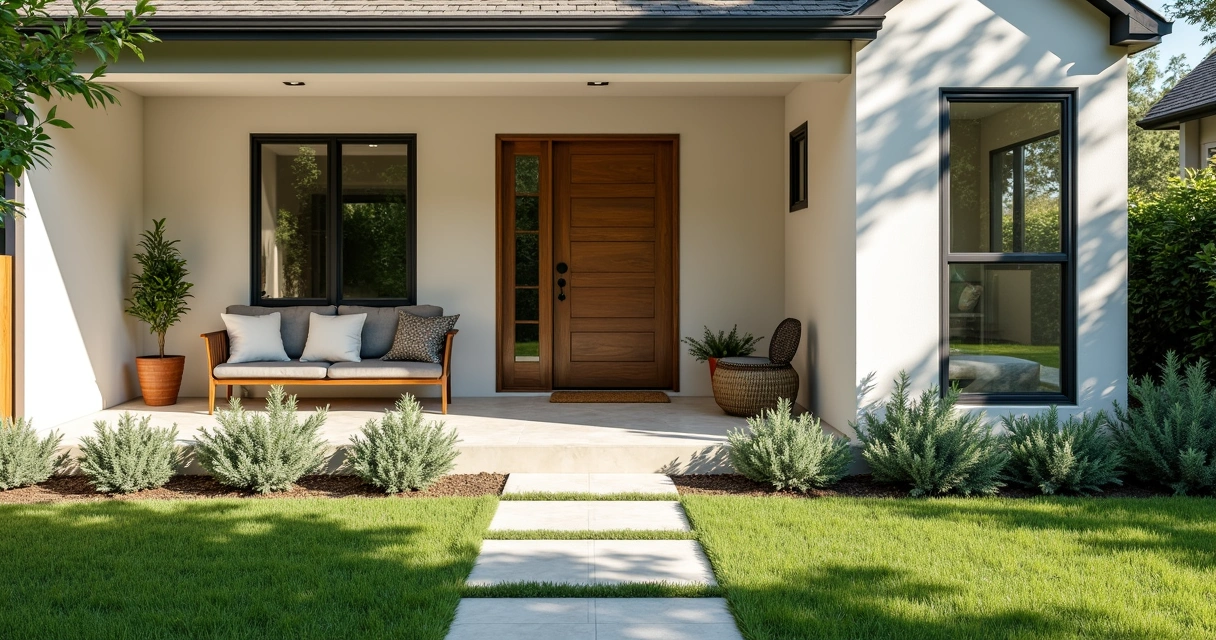
It’s a little detail, but sometimes details close the deal.
How the Austin market rewards curb appeal
Austin is a story of neighborhoods, each with their own rhythm and architectural leanings. Yet across the board, the pattern repeats: homes and buildings with sharp curb appeal not only sell faster, but often spark bidding wars or above-asking sales. For rental properties, an eye-catching yard can help cut vacant days, shorten lease-up periods, and maybe even warrant slightly higher rents, since people “feel” the value before even seeing the amenities.
What about short-term rentals? According to data from the University of Texas at Austin, the spread of Airbnb listings has sometimes had a cooling effect on land value in certain Austin areas. However, properties boasting stand-out exteriors and amenities maintain better resilience in shifting markets, as curb appeal keeps demand strong even when the broader numbers shake things up.
You can see what works by spending half an hour scrolling listings filtered for “highest price” or “most viewed.” More often than not, the homes topping those lists feature neat, unique, and memorable front yard designs.
Curb appeal and buyer satisfaction
- Homes with strong front yard presentation are more likely to receive positive reviews, even for rentals.
- Buyers tend to report higher satisfaction post-purchase when they first fell in love with the outdoor entry.
- Upkeep is easier to market: drought-tolerant landscapes mean less maintenance worries for future owners.
When you invest in curb appeal, you aren’t just chasing a number—you’re securing a quicker, smoother turn on your investment and happy, engaged buyers or renters.
What to avoid in front yard design for Austin properties
Even good intentions can go off track. Some common mistakes undermine all the hard work and funds poured into outdoor spaces. Here’s what to sidestep, based on feedback from Urban Oasis clients and local Austin experience:
- Ignoring water restrictions. Overwatering is wasteful, might break municipal rules, and usually turns buyers off.
- Choosing fussy, high-care plants. Out-of-town designers sometimes recommend thirsty turf or temperate-climate flowers that struggle (and die) in Texas summers.
- Over-decorating. Too many statues, art pieces, or clashing themes cause distraction instead of delight.
- Leaving old, broken hardscape in place. Patchy walkways, crooked mailboxes, or rusty gates send a message: “deferred maintenance lives here.”
- Neglecting night-time appeal. Many buyers, especially working professionals, will first see your home after sunset.
Simplicity, cleanliness, and a touch of local flair serve Austin investors best. If you’re looking for more guidance on what works citywide, browsing comprehensive local landscaping resources can provide a steady stream of ideas, pitfalls, and inspiration.
How Urban Oasis can help investors achieve standout outdoor spaces
For investors pressed for time or experience, bringing in specialists who know how Austin’s microclimates, design ethics, and buyer expectations interact is often the best money spent. Urban Oasis, for example, has built a process that begins with genuine listening—asking what the client wants, how the property will be used, and the budget. From there, it’s about smart design, close project management, and keeping sustainability top of mind so your property stands the test of time.
Whether building out patios, choosing native plant palettes, or selecting materials that weather both storms and heatwaves, the right partner makes choices easier. Ultimately, with clear communication between investor and designer (and perhaps one or two well-timed on-site visits), getting the most impact from a front yard is less about luck and more about process.
Conclusion: front yard, fast returns
An Austin investment property’s front yard is not a set-and-forget patch of green. It’s a visible, powerful, and surprisingly high-leverage tool. Whether you’re flipping, developing, or seeking reliable rental performance, improving curb appeal is a strategic move. It shapes perceptions, attracts more interest, and helps listings outperform the ordinary.
More than anything, it’s about story. The yard tells prospective buyers “This is a place you can trust. This is a space you want to come home to.” At Urban Oasis, we’ve seen these transformations over and over: the weekend project that leads to a bidding war, or the simple tidying-up that bumps a rental from overlooked to fully booked.
Front yard investment is not a gamble in Austin—it’s a smart step toward lasting returns.
Ready to shape your own success story? If you want your investment’s first impression to work as hard as your budget, reach out to the team at Urban Oasis. We’re here to help Austin property owners and investors create welcoming, modern, lasting outdoor spaces. It starts with a conversation. Let’s imagine what’s possible together.
Frequently asked questions
What is curb appeal for investment homes?
Curb appeal refers to the overall attractiveness of a property’s exterior as seen from the street. For investment homes, this includes landscaping, walkways, lighting, entry design, and even small touches like house numbers. In Austin, curb appeal often features clean hardscaping, native plants, modern lighting, and a welcoming walkway or porch. The goal is to draw in buyers or renters, sparking interest before they even see the interior.
How does front yard design boost ROI?
A well-planned yard increases perceived value and marketability. By investing in landscaping, modernizing pathways, and enhancing outdoor living areas, property owners in Austin can expect higher sale prices or rental rates. These features typically cost less than major interior renovations while still delivering significant returns, as buyers and renters often make decisions based on first impressions created at the curb. Strong front yard design can also reduce time on the market and lead to higher satisfaction.
What are top outdoor staging tips?
Some of the best outdoor staging tips for Austin investment properties are: power-washing surfaces, repairing any visible damages, adding fresh mulch or stone borders, using drought-tolerant pots or flowerbeds by the entry, installing soft landscape lighting, furnishing the porch with a simple bench, and adding just one or two accents for personality. The idea is to create a clean, welcoming, and photogenic look that helps buyers or renters connect with the property.
Is landscaping worth it in Austin?
Yes, landscaping tends to offer excellent returns in Austin—often recouping 100% or more of the initial investment at resale. Sustainable and low-maintenance landscaping, especially with native Texas plants and water-wise features, is particularly valued given the local climate. Making the yard both good-looking and easy to care for is a winning combination for investors looking to quickly increase property appeal and value.
How much does front yard makeover cost?
Front yard makeover costs in Austin can range from a few thousand dollars for basic cleanup and planting to $10,000 or more for comprehensive upgrades with lighting, hardscaping, and new patios or structures. The price depends on yard size, design complexity, material choices, and whether you need to address irrigation or drainage. Many investors find that even modest updates provide noticeable returns compared to other renovation options.