

Over the past several years, I’ve witnessed a dramatic change in how businesses use their outdoor spaces. Patios aren’t seen as simple add-ons anymore. They’ve become dynamic environments that influence guest experience, traffic, and even revenue. With 2026 on the horizon, the need for high guest turnover is key—especially for restaurants, hotels, and cafes. Getting patio design right is both an art and a science.
This article is a practical guide from my own journey in helping transform commercial patios into functional, modern, and profitable settings. Drawing from my experience with projects like Urban Oasis, I’ll walk you through what truly works when designing outdoor spaces for swift guest rotation—without sacrificing comfort or style.
Why guest turnover matters in patio design
In my view, prioritizing high guest turnover in patio design is about finding balance. You need guests to feel comfortable, but you also want them to come and go smoothly for the business to thrive.
High turnover means more people served per hour, which translates to greater revenue and better use of your space.
According to recent industry insights, well-designed outdoor spaces can boost hospitality revenue by attracting more customers and increasing their spending per visit. Elements like attractive layouts, comfortable seating, and a visually cohesive aesthetic have a measurable impact.
Each seat on your patio equals a potential revenue stream. The faster those seats turn over (while keeping guests happy), the better your bottom line.
Understanding the 2026 patio guest
Let me share a trend I’ve noticed. In 2026, guests expect more than just a chair and table. There’s a growing demand for outdoor environments that feel social, healthy, and digitally connected. According to my experience, people want spaces that offer:
- Quick access for busy lifestyles
- Personal space and privacy, even in crowds
- Easy movement for groups, servers, and strollers
- Weather protection without killing the vibe
- Power outlets and reliable Wi-Fi
- Sustainable features and appealing greenery
Urban Oasis embraces these needs by designing patios that combine visual appeal with practical details—always adapted to the client’s lifestyle and budget.
Key principles of high-turnover patio design
In my work, I always return to a few guiding principles when designing patios for commercial use. These principles help create patios that encourage a steady, comfortable flow of guests.
- Functional layout for smooth circulation: Guests, staff, and furniture need to move without bottlenecks or blocked paths.
- Flexible furniture arrangements: Modular tables and stackable chairs help adapt space for rush hours or quieter periods.
- Clear zoning: Separate dining, waiting, and lounge areas reduce crowding and confusion.
- All-weather adaptability: Shading, heating, and windbreaks keep the patio open more days of the year.
- Memorable ambiance: Lighting, greenery, and decor set your patio apart in guests’ memories.
I find that following these principles helps maximize every square meter. You can learn even more about designing for outdoor entertaining by checking the ideas at designing outdoor spaces for entertaining in style.
Functional layout: The cornerstone of rapid turnover
I’ve noticed that when commercial patios get busy, poor layouts are quickly exposed. A well-planned layout can handle pressure while still feeling open and inviting. These are the layout elements that matter most:
- Traffic flow: Wide aisles and uncluttered walkways make it easy for guests and staff to move between tables, entrances, and service points.
- Table placement: Avoid tight corners and awkward dead zones. Each seat should be accessible.
- Hosts and service stations: Position these where lines or groups won’t block diners.
- Waiting areas: Designate a space for guests to wait without crowding the main patio.
- Accessibility: Ensure there are smooth paths and ramps for all users.
In practice, I use both digital plans and physical markers on-site to test and tweak the flow before construction begins. If you want more depth on practical patio installation, Urban Oasis’s own patio installation services section is a helpful place to study these elements in action.
Furniture: The secret weapon for speed and comfort
The right outdoor furniture makes or breaks guest turnover. From what I’ve observed, you need a good mix of three things: durability, flexibility, and comfort.
- Lightweight and stackable: Staff can reconfigure settings quickly as group sizes shift.
- Modular tables: Combine or separate them as needed for couples, families, or solo guests.
- Weather resistance: Materials like powder-coated metal, teak, and HDPE stand up to sun and rain with little fuss.
- Sloped or perforated surfaces: Water drains so you can seat guests fast after cleaning or rain.
- Functional comfort: Guests should feel welcomed—but not so “at home” that they linger for hours during peak times.
The sweet spot is furniture that’s easy to move and easy to clean, but still looks stylish and feels welcoming.
I recall one project where switching to modular seating increased our patio’s capacity by 20%—without feeling overcrowded.
Weather solutions that keep guests moving
Weather can be your friend or worst enemy on a commercial patio. I always recommend versatile solutions that shield guests from sudden rain, wind, or intense sun, but don’t bottle them up.
- Retractable awnings: Easy to open or close, extending usable hours and seasons.
- Freestanding umbrellas or pergolas: Offer quick shade and visual definition.
- Radiant heaters and wind barriers: Subtle but powerful upgrades for year-round comfort.
- Fans and misting systems: Vital for hot regions, keeping guests refreshed when things heat up.
- Outdoor-rated lighting: Ensures safety and ambiance into the evening.
Smart weather features can reduce table “down time” and support a stable flow of new guests throughout changing conditions.
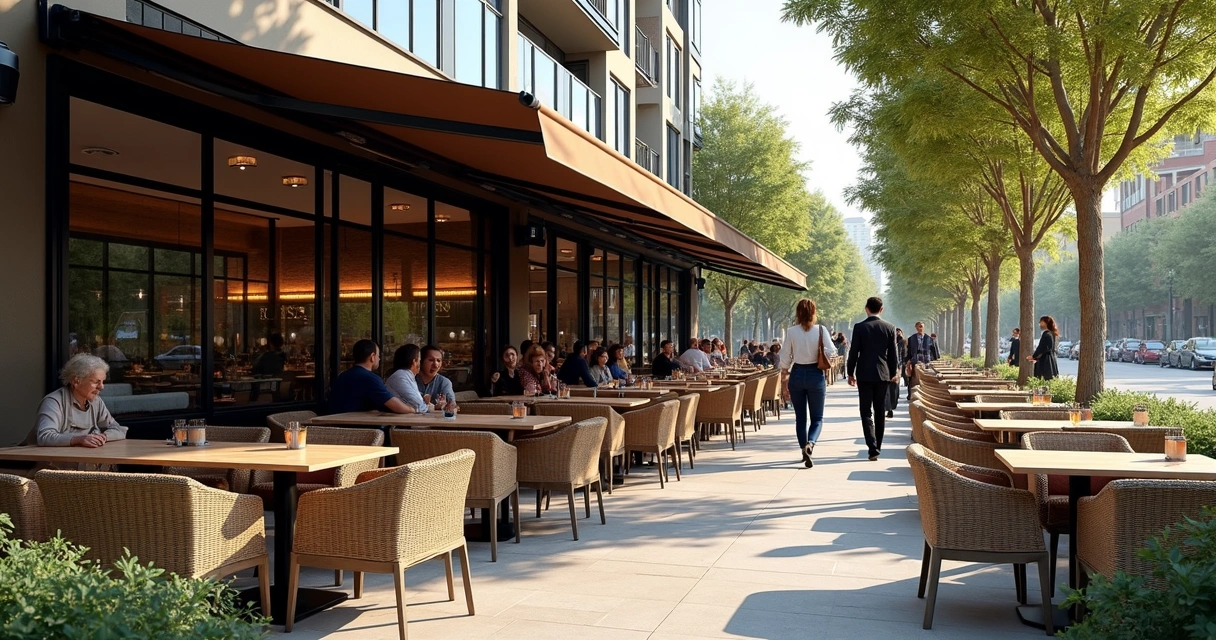
Flexible zoning: Making every square meter count
Breaking up your patio into clear, usable zones is one tip I always give clients at Urban Oasis. Defined zones remove confusion and bottlenecks, making turnover almost effortless. For example:
- Dining zone: Regular tables for meals, spaced for smooth service and quick reset.
- Lounge zone: Softer seating for drinks and waiting customers, helps keep dining tables free.
- Bar or pickup zone: Counter-style seating enables fast, casual visits with minimal linger time.
- Private booths/corners: Still in demand for micro-events or quick breakout meetings.
When these zones are marked with planters, screens, or flooring changes, guests “read” the space intuitively. They know where to go and what to expect, so they move in and out faster.
What about technology?
When I talk to business owners today, technology is always on the agenda. In 2026, guests expect seamless access to Wi-Fi, mobile ordering, and even digital signage. Here’s how I see technology boosting turnover:
- Mobile ordering and QR menus: Speeds up ordering and payment, especially during peak times.
- Table locators: Staff can find guests fast, reducing delays.
- Reservation and queue systems: Manages rushes and minimizes wait time confusion.
- Ambient audio: Adjusts to crowd levels without becoming intrusive.
- Smart lighting and sensors: Optimize comfort by adjusting brightness or shade as needed.
When technology is invisibly integrated, guests spend less time waiting and more time enjoying.
For example, after adopting QR-code payment, a cafe I worked with saw its average turn time drop by five minutes per table. That may not sound dramatic, but over a day, it adds up to whole new seatings.
Sustainable design for patios in 2026
More businesses—and their customers—demand environmentally responsible solutions. I believe sustainable features do more than help the planet; they signal quality and modernity to guests.
- Native or drought-resistant plants reduce water use and maintenance needs.
- LED lighting and solar-powered features lower energy costs.
- Permeable pavers aid rainwater management and reduce puddles.
- Recycled or sustainably sourced materials in furnishings and decor.
- Local stone or wood for authenticity and low carbon footprint.
At Urban Oasis, we always consider these factors. They expand a patio’s appeal to eco-conscious guests, and often qualify for rebates or incentives.
Visual appeal and ambiance
Looks matter—sometimes more than we admit. Guests want to post photos, recommend the space, or simply remember a positive vibe. There are a few elements I always suggest for a memorable patio:
- Plush greenery, vertical gardens, or potted displays
- Statement lighting (think string lights, lanterns, or modern sconces)
- Accent flooring or outdoor rugs to differentiate zones
- Color-coordinated furniture and planters
- Local art or textures for a sense of place
For inspiration, I often turn to examples in Urban Oasis’s recent patio projects, where signature visuals build a brand and maximize guest flow.
Adaptability for peak times and events
If there’s one thing I’ve learned, it’s that patios rarely operate the same way every day. Flexibility is the ace up your sleeve. Consider:
- Removable partitions or planters to quickly enlarge or shrink zones
- Extra storage: On-site spots to stow extra seating or event gear
- Pop-up bars or counters for special occasions, then clear again
- Mobile heaters or fans that adapt to fluctuating weather
The best patios are “shape-shifters”—ready for breakfast crowds, lunch meetings, happy hours, or private parties.
Patio surfaces: Safe, stylish, and durable
Don’t overlook the ground. Slippery or uneven surfaces slow turnover and create trip hazards. In my practice, I recommend:
- Non-slip pavers (porcelain, textured stone, or treated wood)
- Uniform levels—avoid unnecessary steps
- Drainage channels or sloped surfaces to prevent puddling
- Color and surface choice for comfort underfoot and visual warmth
Good flooring feels safe and looks fresh, supporting a positive guest experience at every step.
You can keep up with new surface trends and more ideas from top outdoor living trends shaping Austin and other forward-thinking markets.
Staff workflow: Not just for guests
Every time I’ve worked on high-turnover patio projects, I prioritize staff experience as much as guest comfort. Efficient patios consider:
- Short distances from the kitchen or bar to tables
- Easy access for clearing and setting tables
- Storage for quick resets of furniture or supplies
- Clear sightlines for managers to monitor flow
- Discreet paths for bussers to minimize disruption
Lighting for function and flair
Lighting is about both mood and movement, especially after sunset. In my experience, the best patios use:
- Directional lights at pathways, steps, and service stations for easy movement
- Glare-free fixtures to make transitions safe
- Accent lights for greenery and focal points
- Dimmable solutions to adjust to time of day or event type
Proper lighting invites guests in, guides them, and helps staff work faster—even as the atmosphere changes hour by hour. 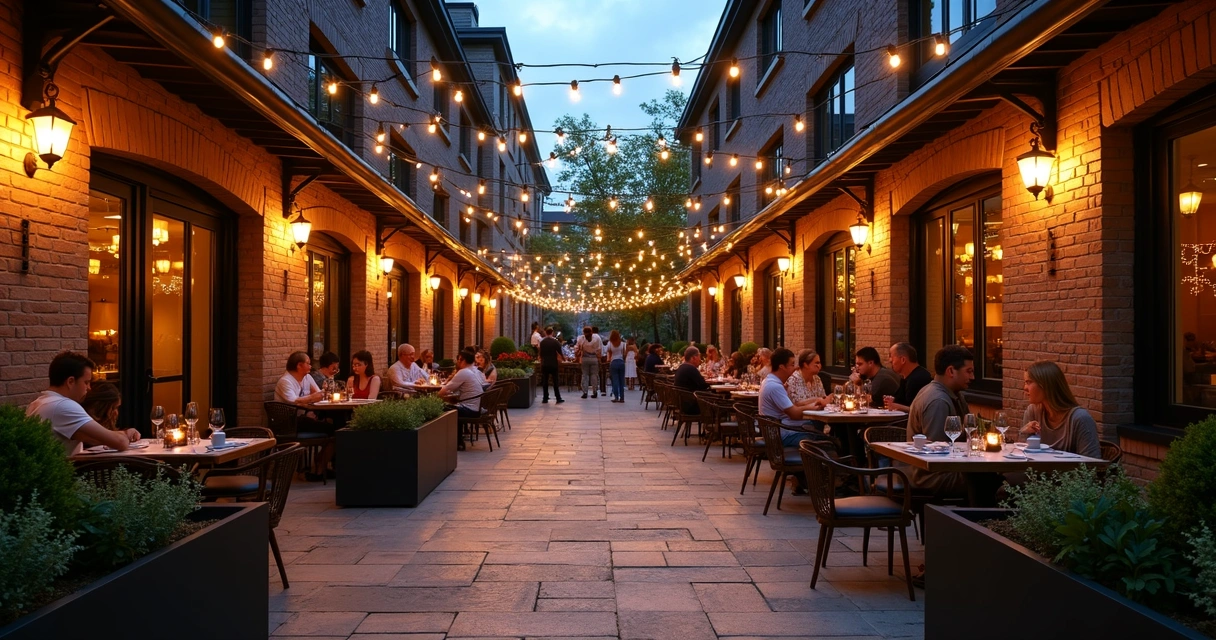
Greenery and biophilic elements
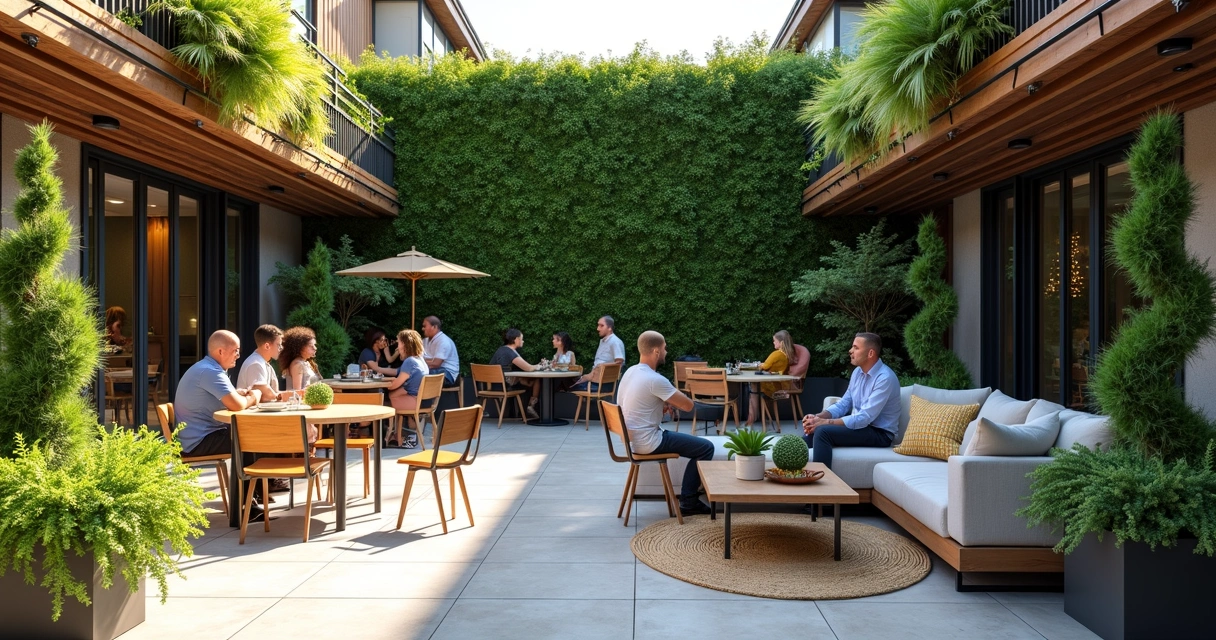
Year after year, I see guests respond positively to plants and natural textures. Biophilic design—bringing in greenery, water, and natural materials—boosts both ambiance and guest dwell time.
- Potted trees or vertical green walls divide zones and add freshness
- Planters used as gentle guides for traffic direction
- Native flowers and grasses for low-maintenance color
- Integrated water features for soothing background sound
Living features can boost patio comfort, make spaces feel private, and give a clear brand signature.
Best practices for maintaining patios with high guest volumes
Keeping a busy patio in shape is a daily effort. I’ve seen that the most reliable patios succeed because of regular checks and quick responses to wear and tear.
- Schedule daily cleaning at off-peak hours, focusing on tables, surfaces, and walkways
- Set a calendar for deep-cleaning furniture and pressure-washing floors
- Choose furniture and decor that are easy to sanitize
- Inspect weather features after each season and repair fast
- Rotate plantings to keep foliage fresh and interesting
- Train staff to spot and report issues early
Consistent care keeps first impressions strong and reduces costly downtime for repairs.
Key patio styles for 2026: What’s ahead?
From my conversations with architects, clients, and hospitality pros, here are trends I expect to shape commercial patios heading into 2026:
- Mixed materials (stone/wood/metal blends for layered visual interest)
- “Hybrid” seating: blending booths, high-tops, and classic tables
- Multi-use features: storage benches, planters that double as dividers
- Earthy color palettes: sand, olive, slate, and natural woods
- Durable, eco-friendly flooring and furniture
- Discreet technology: built-in speakers, subtle lighting, wireless charging
- Biophilic accent walls and water elements
I encourage you to keep an eye on the latest outdoor living updates for ideas that boost both turnover and appeal as expectations shift.
Case study: Urban Oasis patio project
To make these principles tangible, I’ll share a snapshot from one of Urban Oasis’s recent commercial patio designs. The goal: boost guest turnover for a busy urban restaurant, without sacrificing the unique atmosphere.
- We started with a digital flow map, identifying bottlenecks at the entrance and around the host station.
- Zoned the space into clear “dining,” “lounge,” and “bar” areas with planters and textured deck surfaces.
- Installed modular, weather-resistant seating—staff could flip configurations in under 10 minutes for groups of any size.
- Retractable awnings and radiant heaters pushed the usable patio hours to nearly 11 months per year.
- Added performance LED lighting for after-dark dining and subtle safety guidance.
- Wi-Fi and subtle speakers were hidden in planters for ambiance and guest convenience.
The result? Table “turn” times dropped by nearly 15% in the patio’s first season. Sales during patio peak hours rose by over 30% compared to the previous year. Guests shared hundreds of positive social posts highlighting both comfort and speed.
Conclusion: Creating patios that work—for business and guests
In my experience, designing commercial patios for high guest turnover in 2026 is about something simple: caring equally for comfort, efficiency, and style. You want a space that brings people in and lets them move naturally, feeling cared for at every step.
Great patio design is not just about filling space—it’s about crafting an environment that grows your business, one satisfied guest at a time.
If you’re ready to turn your outdoor area into a vibrant, functional, and profitable patio, Urban Oasis is here to help. Take the first step toward your ideal space: fill out our project form below and see what’s possible for your business.
Frequently asked questions
What is high guest turnover patio design?
High guest turnover patio design is a strategy where every feature of the patio—layout, furniture, technology, and atmosphere—is arranged to welcome more guests and help them move smoothly through their visits, increasing seatings per hour while maintaining comfort.This approach makes it possible to maximize revenue, especially during busy periods, without sacrificing style or guest satisfaction.
How can I maximize patio seating capacity?
You can maximize patio seating by using tables and chairs that can be moved or stacked, zoning different areas for dining or lounging, and avoiding fixed furniture that limits flexibility. Careful planning of pathways and service routes is important to prevent crowding. I also suggest modular setups that can expand or shrink as traffic changes.
What are the best materials for patios?
The best patio materials are those that combine durability with visual appeal and low maintenance. In my experience, non-slip pavers (like porcelain or textured stone), weather-resistant woods (such as teak or composite), powder-coated metals, and UV-stable plastics are reliable choices. Choosing sustainably sourced and easy-to-clean materials adds to long-term value.
How much does a commercial patio cost?
Costs depend on size, selected materials, features (like awnings or heating), and the complexity of design. A small patio may start from several thousand dollars, while larger or feature-rich installations can reach into the tens of thousands or more. Investing more up front on quality materials and flexible infrastructure usually pays off through lower maintenance and higher guest turnover. If you want a more precise quote, I recommend reaching out to Urban Oasis to discuss your specific goals.
Is outdoor heating worth it for patios?
Yes, outdoor heating often extends your usable patio season significantly, which increases turnout and revenue. Radiant heaters or infrared systems can create a comfortable environment even on cooler days or evenings, keeping guests seated longer and permitting more seatings across the year. In colder climates, this can be a game-changer.