

The skyline isn’t just for gazing at anymore. Rooftop gardens are becoming the gathering spot, the peaceful retreat, the most coveted “room” in many condominiums. If you’ve ever stood on a bare rooftop and imagined a lush escape surrounded by city views, you’re not alone. The push to bring nature back to urban residential and commercial spaces is just gaining pace.
But designing a shared condo rooftop garden? That’s a little more involved than putting a few pots out and hoping for the best. Between resident needs, building codes, budgets, climate, and maintenance, it’s a balancing act. In 2025, it’s not just about what looks good, but what’s practical, sustainable, and inviting to everyone who uses the space.
I’ve watched these rooftops go from afterthoughts to the centerpieces of modern living. With the right approach, they can be sustainable, engaging, and refreshingly tranquil. Companies like Urban Oasis have seen firsthand what’s possible when creativity, practicality, and thoughtful design come together.
This guide walks step by step through creating a rooftop garden that adds value, meets community needs, and stands out in the city. Whether you’re a condo board member, property manager, or simply a resident fueled by green dreams, each section below will give you something real to work with. If ever you feel inspired, don’t hesitate to start your journey with Urban Oasis:
Why rooftop gardens matter more now than ever
Staring out over concrete, you might wonder if a garden really changes much. But rooftop gardens do far more than just decorate—they transform. They cool buildings, help manage stormwater, reduce noise, and improve air quality. Perhaps more subtle, they become gathering points for conversation, reflection, and even celebration.
“A shared garden isn’t just a space, it’s a reason for people to come together.”
These benefits aren’t just wishful thinking. According to recent research from the CDC, urban rooftop gardening has a measurable impact on personal development, emotional and physical well-being, and social inclusion—especially in city environments (urban rooftop gardening was associated with improved personal development, physical and emotional well-being, sense of purpose, social inclusion, and interpersonal relations among individuals with intellectual disabilities or mental health disorders).
It’s no surprise condo communities want in. 2025’s trends? A stronger focus on mental health, sustainable features, and flexible social spaces. Rooftop gardens are often at that intersection.
Balancing ambition and reality: first steps in rooftop garden design
Mood boards and dreamy renders are fun, but every rooftop starts with a deep look at what’s possible. Here’s how to start smart:
- Talk to the people: Get input from residents early. What do they want? A quiet retreat, a vibrant social hub, a food garden, or all three?
- Survey the space: Measure the area, noting sun, shade, wind, and views. Look for obstacles: AC units, vents, access doors. Each one will shape design choices later.
- Check regulations: City codes often dictate what you can—and can’t—do. Condo rules and insurance may require specific materials or limit load capacity.
- Consult with professionals: A conversation with a rooftop garden specialist like Urban Oasis or a structural engineer is vital. Lightweight soils, drainage, and walkways all need to be considered for safety and durability.
The foundation? Know your environment, community, and legal landscape.
Understanding users: making space for everyone
Shared condo gardens aren’t just private sanctuaries. They serve people with very different needs and preferences. Plan for:
- Children: Safe play areas, soft edges, and non-poisonous plants. Think sandbox, raised stepping pads, or green maze paths. Visibility for supervising adults matters, too.
- Gardeners: Planter boxes at different heights. Consider group beds for herbs or even veggies. Tool storage and water access can turn a wish into a reality.
- Entertainers: Flexible seating, shading structures, and space for group meals or yoga classes all encourage social life. Find real good insights about designing for entertaining.
- Solitude seekers: Plants that buffer sound, hidden alcoves, and comfortable benches let introverts escape for a while.
One garden, many purposes. Sometimes, you have to compromise, but simple choices—like movable furniture or adjustable planters—make a big difference.
Safety and structure: getting it right from the start
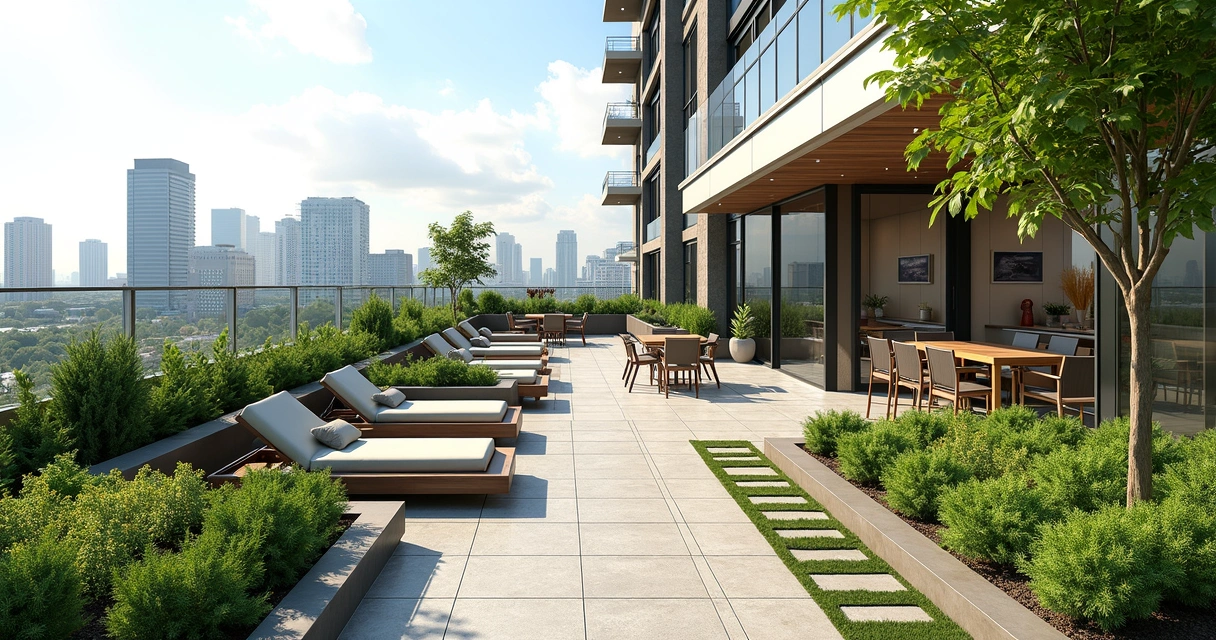
It’s tempting to focus on plant lists and furniture, but before that, the hidden structure matters most. No rooftop is alike, and most weren’t designed for extra weight. Here’s what to discuss with your design-construction team:
- Weight: Soil, water, people, and planters add up. Check load-bearing limits carefully. Raised beds or modular systems are often best for minimizing weight.
- Waterproofing: Gardens are wonderful, but leaks are catastrophic. Water barriers, proper drainage, and even root barriers keep the building protected.
- Wind: Rooftops are wind corridors. Tall plants, umbrellas, and partitions need firm anchoring. Use windbreaks, screens, or plant dense hedges for privacy and safety.
- Access: Stairs or elevators must be safe, unobstructed, and accessible to residents with mobility challenges. Railings should be high enough to prevent accidents.
- Lighting: Evenings can get dark quickly. Soft LED path lights are low-maintenance and energy efficient. Solar lights work well, too, but make sure they get enough sun.
Start with structure. Elegance comes later.
Creating a layout: flexibility is key
It’s easy for rooftop gardens to become overloaded or too empty. The sweet spot is a layout that feels full of possibilities but uncluttered. Think “modular.”
- Moveable seating: Benches and chairs that can be rearranged. This adapts to groups or solitary users as needed.
- Pathways: Easy-to-clean pavers or decking mark off social areas, garden beds, and walkways. Curved paths add softness; straight lines make a space feel longer.
- Zones: Use planters, screens, or pergolas to divide space gently. Visual cues like a change in flooring or clustered plants hint at where one activity ends and another begins.
- Shading: Shade sails, retractable awnings, or pergolas are almost required for sunny rooftops. Place seating near the edge for views, but tuck at least some away from the direct sun.
Best practice: less is more
Trying to fit in every possible feature can backfire. Instead, focus on 2–3 main uses and do them well. That way, the garden feels intentional, not crowded or random.
Plant selection for 2025: beauty, reliability, and biodiversity
Choosing plants with care is half the battle. In 2025, “set and forget” isn’t enough, but neither is a high-maintenance jungle. What works?
- Native species: Pick local plants that can withstand the extremes—sun, wind, and occasional drought. Native plants attract pollinators and generally need less water and effort. Guides like this landscaping guide offer great options.
- Evergreen structure: Sculptural shrubs and grasses provide visual interest all year round. Mix in flowering perennials and annuals for color pop.
- Edibles: Herbs, salad greens, and dwarf fruit trees can be grown in containers. Residents love picking their own basil or strawberries. Just remember: shared gardens mean shared responsibility.
- Climbers and vertical gardens: These make great use of vertical space. Modular green walls can also improve insulation. Here’s more about how to start a vertical garden quickly.
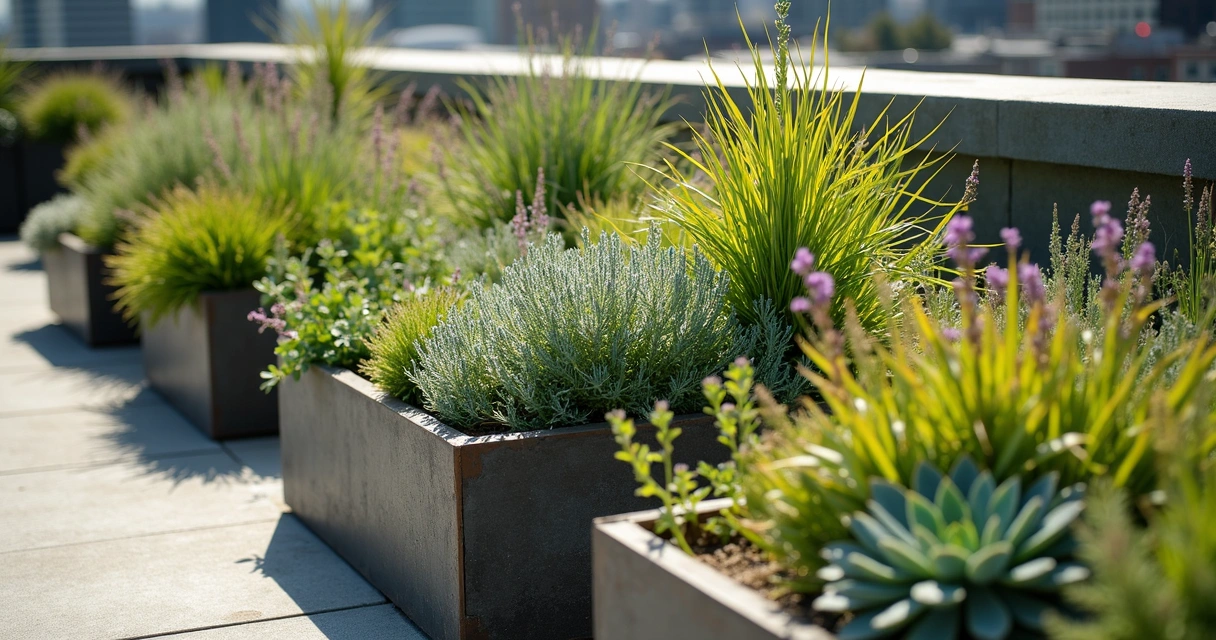
One last reminder: Check city regulations on allowable species and avoid invasive plants.
Designing for all seasons
Plan so the garden feels alive in January and July. Use:
- Plants with interesting winter bark or berries
- Four-season perennials like ornamental grasses
- Container gardens that can move indoors when needed
Furnishing and finishing touches
You’re almost there. With soil, plants, and pathways in, it’s the details that make a rooftop garden truly magical. Start with materials:
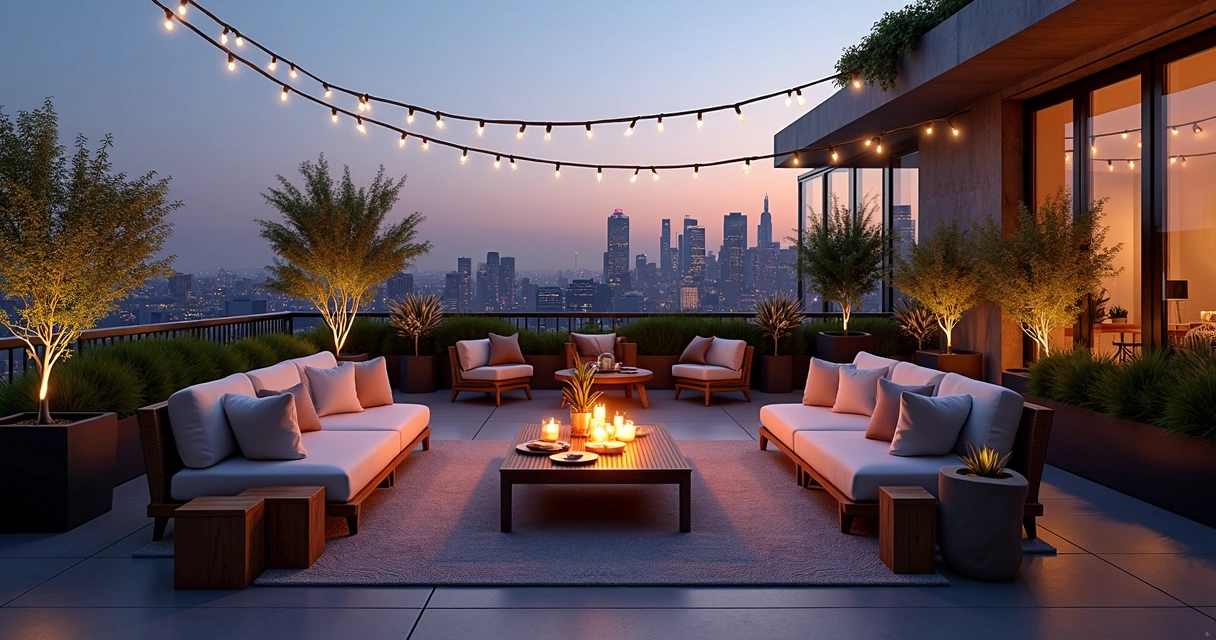
- Outdoor-grade furniture: Choose pieces that weather sun, wind, and rain. Powder-coated metals, resin weaves, and treated timbers last longer.
- Modular elements: Flexible items—like stackable chairs, folding tables, or rolling planters—help adapt to different group sizes and events.
- Lighting: Layer in deck lighting, string lights, or lanterns. Lighting creates nightlife, ambiance, and essential safety.
- Water features: Small fountains or reflective bowls bring tranquility without adding a lot of weight. Keep it simple.
- Artwork and screens: Sculptures or art panels offer privacy and serve as conversation starters.
Details that connect people
It may be a little unexpected, but sometimes people connect more around a shared herb garden or a mural than at an official event. Leaving room for resident-led projects—like seasonal plant swaps or art installations—gives a sense of ownership and pride.
Accessibility and inclusivity: a garden for all
Accessibility should never be an afterthought. In a shared condo setting, everyone deserves to participate:
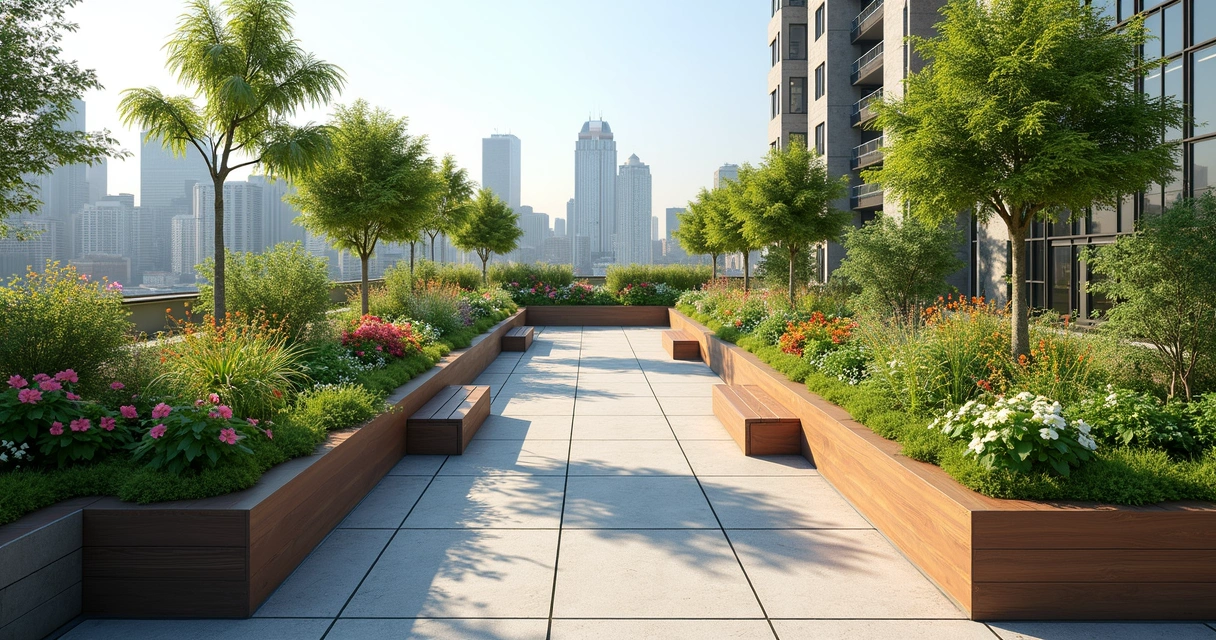
- Paths: Ensure walkways are wide enough for strollers and wheelchairs. Use slip-resistant materials.
- Planters: Raised beds at different heights let all ages and abilities take part in gardening without bending or straining.
- Seating: Include benches with armrests, shade options, and easy access from the entrance. Portable benches allow for quick layout shifts.
- Wayfinding: Use clear path markers, contrast in surfaces, and even subtle scent cues from plants.
Low-maintenance does not mean boring
One worry is gardens gobbling up resources—time, money, and water. But with planning, rooftop spaces can stay vibrant without constant oversight. A great place to start is by checking out some ideas for low-maintenance landscaping.
- Install self-watering planters or drip irrigation. It may cost more upfront, but saves on time and water later.
- Pick hardy perennials and slow-growing shrubs.
- Use mulch to conserve water and cut back on weeds.
- Plan a shared calendar for communal garden days. Residents can sign up, making it easy to pitch in without one person feeling responsible.
Routine doesn’t have to be dull. Try rotating plant themes (succulent season, salad week, tulip times). Sometimes routine is what brings the garden alive for everyone.
Eco-friendliness and sustainability in 2025
With city heat rising and water costs climbing, environmentally smart designs shine. Some strategies for the next year:
- Rainwater collection: Collect runoff in barrels or cisterns for watering plants. This cuts bills and keeps the landscape green.
- Native and xeriscape plants: Reduce water, fertilizer, and pest control needs.
- Solar lighting: It’s efficient and doesn’t rely on the grid.
- Recycled materials: Use recycled pavers, reclaimed wood for seating, or upcycled pots for a unique and sustainable vibe.
- Pollinator-friendly species: Bees, butterflies, and birds all find a home, building rooftop biodiversity.
Pioneering companies like Urban Oasis encourage integrating sustainable features as standard—not as an “extra.” Choosing sustainability lowers long-term costs and leaves a legacy the whole building can be proud of. You’ll find additional strategies in the lawn and gardening guides on the Urban Oasis blog.
The human factor: building community on rooftops
It’s not all about plants and benches. Shared condo gardens thrive when people feel included in the process and decisions. Encourage:
- Resident input: Host regular design or feedback sessions. Even a digital suggestion box can spark new ideas.
- Events: Hold seasonal gatherings—spring planting, fall harvests, movie nights—that let people feel the garden belongs to them.
- Art projects: Murals, mosaic benches, or rotating sculpture spots bring personality.
- Volunteer hours: Some buildings create monthly teams to manage watering, pruning, and cleanup. It works best with simple, rotating roles.
Well-being and mental health benefits
In 2025, mental health is front and center. Studies show connecting with nature—even in small doses—significantly improves anxiety and social connection among urban dwellers. It’s more than landscaping; it’s life-giving.
“A garden on your roof can elevate your spirit, not just your space.”
Budgeting, funding, and long-term care
Finances shape every big project. Rooftop gardens don’t have to be luxury-only; smart planning stretches any budget. Typical costs break down into:
- Structural assessments and design consultation
- Materials (soil, planters, furniture, pavers)
- Plant stock and irrigation
- Lighting and shading structures
- Labor and installation
- Maintenance supplies and services
Ways to stretch funds?
- Phase the project (start small, add features over time)
- Engage residents in setup to lower labor costs
- Apply for local greening or biodiversity grants
- Shop sales, reclaimed materials, or community plant exchanges
- Partner with a company like Urban Oasis for bulk pricing or creative solutions
Once built, keep the routine as simple as possible, so no one feels overwhelmed by endless tasks. Resident-led maintenance groups often work well, especially with a simple guide or calendar.
Step-by-step: the design and build process
Here’s how Urban Oasis typically turns a blank roof into a thriving garden (though every project has its quirks and surprises):
- Initial consultation to learn resident goals, walk the space, and review budget or regulatory constraints
- Concept sketches and feedback sessions—sometimes several rounds until the main features click
- Technical assessment (structural, wind, sun, water, and access)
- Detailed design plans: planting lists, layout, lighting, and feature selection
- Final approval and permit submission
- Site prep and installation—often in phases
- Resident orientation (maintenance tips, communal tools, event ideas)
- Ongoing check-ins or service visits, if desired
Process, communication, and adaptability are everything. Surprises happen—gusty winds, tight delivery spaces, that one rare plant a resident must have. The team’s flexibility is as important as their design chops.
Bringing it to life in 2025
The best condo rooftops aren’t grown overnight. But with a thoughtful and flexible design, sincere community involvement, and the right mix of features, your rooftop can become a source of pride and pleasure. Picture an evening watching the sunset over the city, surrounded by flowers, fresh herbs, and laughter—it’s more than just design. It’s foundation, connection, daily joy. If you’re ready to see what an Urban Oasis could mean for your building, fill out the form to start the journey:
Conclusion
Designing a shared condo rooftop garden in 2025 means blending practical structure, inclusive and flexible space, sustainable choices, and genuine community-building. It’s about giving people a new way to connect—not only with nature, but with one another. While trends shift and technology advances, nothing replaces the feeling of belonging a green rooftop can bring. Whether your vision is for quiet relaxation or lively gatherings, start with thoughtful planning, draw inspiration from experienced teams like Urban Oasis, and the rewards will go far beyond just good views. If your community is dreaming of the perfect rooftop, reach out to us and let’s create your urban sanctuary together.
Frequently Asked Questions
What is a shared condo rooftop garden?
A shared condo rooftop garden is a green space built on the roof of a condominium complex, designed for use by all residents. It often includes plants, seating, and sometimes features for play or entertaining. These gardens help connect people, add beauty and function to what’s usually otherwise unused space, and improve environmental conditions—making the rooftop a true extension of the home.
How to design a rooftop garden space?
Designing a rooftop garden starts with understanding what your community wants and what your rooftop can safely support. Start by gathering resident input, consulting with professionals like Urban Oasis, and checking structural limits and city regulations. Create zones for different uses (like relaxing, gardening, or playing), pick plants that suit your climate, and include comfy, durable furniture. Plan for easy maintenance and safety, and always leave room for nature and community creativity.
Is it worth it to build one?
Yes, in most cases it is. Rooftop gardens offer a whole host of benefits: better wellbeing and social connection (as confirmed by these health studies), increased property value, lower energy bills from extra insulation, and a chance to enjoy nature without leaving home. The key is planning carefully so costs and care remain manageable. With the right design, the returns can be felt in both tangible and intangible ways.
What plants grow best on rooftops?
Plants that thrive on rooftops tend to be tough, not fussy. Native grasses, succulents, herbs, small shrubs, and drought-resistant perennials work well. If the garden gets shade, ferns, hostas, or certain flowering annuals can also do beautifully. It’s best to avoid large trees, invasive species, or anything with expansive roots. For more ideas, check landscape guides from Urban Oasis or read their tips on resilient plant choices.
How much does a rooftop garden cost?
Costs vary based on size, complexity, and local regulations. A small roof deck with planters might be attainable for a moderate budget, while larger projects with custom features, irrigation, and structural upgrades cost more. Typical ranges can start from a few thousand to tens of thousands, but phasing the project or working with experienced professionals like Urban Oasis can help stretch budgets further and avoid costly mistakes. Maintenance and upgrades should also be considered in long-term planning.