

July in Texas. The sun beats down uncompromisingly, shadows shrink, and the air, packed with dry heat, seems to shimmer atop driveways and lawns. Even those who claim to love summer find themselves watching the clouds for any sign of rain. Soil, if unprepared, cracks open and grass soon follows in surrender. But strangely, you’ll see some landscapes remaining green, almost as if they’re quietly resisting the drought with no extra effort. What’s their secret? More often than not, it’s what’s happening below the surface—good soil preparation.
If you’re building an outdoor haven or curating a place where family and friends will gather—like the spaces Urban Oasis crafts—you need soil that looks after itself, even under the harshest July sun. It’s completely possible. Many are blending old traditions with fresh science, aiming for the kind of ground that holds tight to its moisture without constant watering. This article is your guide for building that foundation, from compost to biochar, and from choosing plants that laugh at drought, to creating layouts that work with the climate, not against it.
Understanding texas drought and your soil’s limits
Before reaching for mulch or digging in compost, let’s consider what you’re up against. The Texas summer means extremes: stretches of dry, wind-blown days, high temperatures, and sometimes nights without any dew at all. Soils here are challenging—sand in some counties that drains like a sieve, heavy clay in others that locks up water in the wrong places. The goal is to coax your piece of earth to hold water longer but still drain well enough to avoid rot or salt buildup. Sometimes that’s just a matter of tweaks. Other times, it’s a total rebuild.
July’s weather isn’t forgiving. But adjusting your soil in advance will pay off for years. Soil is alive. Treat it like an ecosystem, not just dirt underfoot. You’ll notice the difference. So will your plants, pets, and whoever comes by for lemonade.
The link between organic matter and water holding
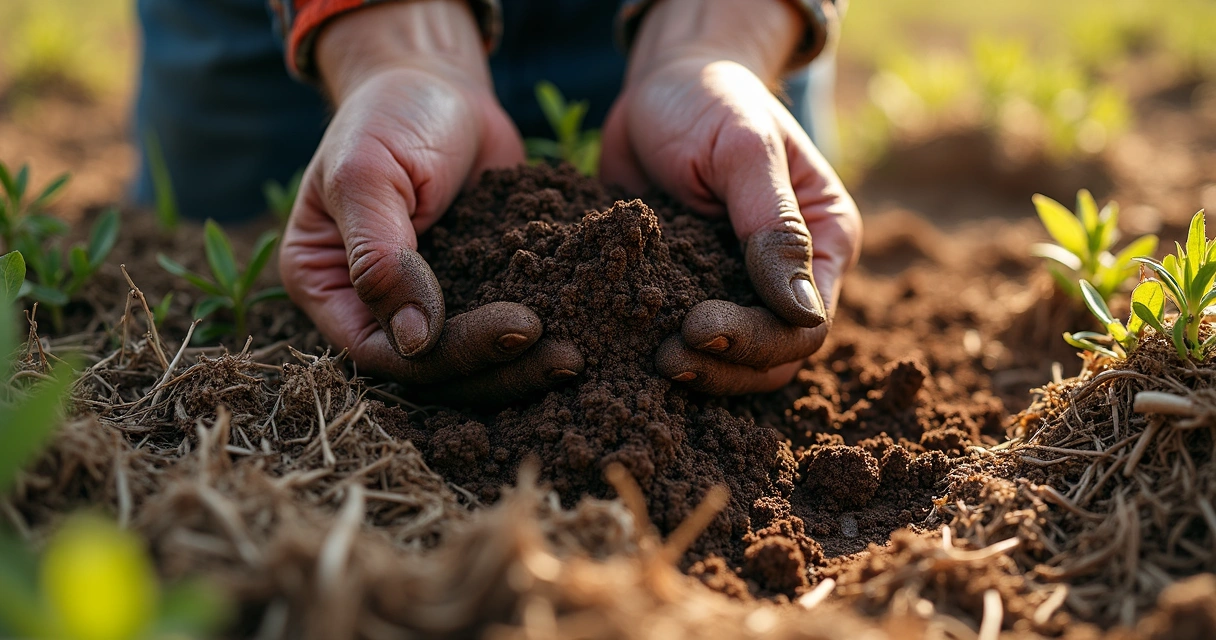
One lesson that comes up again and again: high organic matter is the backbone of drought-ready soil in Texas. Decaying roots, compost, shredded leaves—these all break down to create humus, that dark, crumbly stuff that smells faintly sweet. It acts like a sponge. According to research from South Dakota State University Extension, organic amendments elevate moisture retention and infiltration. Simply put: more composted stuff means your soil holds more water, for longer.
- Compost: Regularly add well-decomposed compost. It rebuilds soil structure and supports beneficial micro-organisms.
- Manures: Well-aged animal manures provide nitrogen while beefing up soil resilience during drought spells.
- Leaf litter and grass clippings: Instead of throwing these in the trash, return them to your beds and borders.
I’ve seen backyards go from dusty to lush in a single season with enough compost—not overnight, but give it time, and the transformation is remarkable.
Amplifying drought resistance with biochar
There’s a quiet revolution happening in the world of sustainable landscaping: biochar. Created by baking organic material (like wood or nutshells) in the absence of oxygen, it looks a bit like chunky charcoal. But unlike grill coals, biochar’s porous structure turns your soil into a moisture bank.
- Biochar increases the holding capacity of sandy soils.
- It makes clay soils less sticky, more airy, and easier for roots to push through.
- Once in place, it stays for decades, continuing to trap and gently release water and nutrients.
Many professionals, including the teams at Urban Oasis, have started recommending biochar as a supplement in areas where regular compost can’t keep up. It doesn’t take much—a 1-2 inch layer raked into the top few inches of soil—but the results? Noticeable in a single drought season.
The case for mulch: nature’s own moisture blanket
Mulch isn’t just about looks. It’s about protection. When you add a layer of mulch, you keep sunlight from scorching the ground, reduce evaporation, and preserve root-zone moisture. Studies reported by Agriculture.Institute show that organic mulches (like wood chips, straw, or leaves) can significantly reduce evaporation while building the soil underneath. Even some unconventional mulch materials, like human and pet hair mats, have been proven to decrease soil evaporation by up to 71% and reduce irrigation needs by almost half, according to the Matter of Trust Chile foundation.
- Organic mulches: Wood chips, bark, shredded leaves, grass clippings, straw.
- Inorganic mulches: Gravel or pebbles—good in xeric designs, less help to the soil food web but long-lasting.
- Specialty mulches: Human and pet hair mats are a wild card, but shouldn’t be ignored if available.
Spread mulch two to four inches deep, but keep it away from direct contact with woody stems or trunks. Mulch piles against bark can lead to rot. I’ve seen this mistake made by even the most enthusiastic gardeners—a little space around the base makes all the difference.
Soil structure: the building blocks beneath the roots
When you press a clump of your soil, does it fall apart instantly or form a sticky ball? Soil that is either too loose or too compacted sheds water or keeps it locked away from roots. The ideal? A crumbly, textured blend—think of chocolate cake—where roots and water can easily maneuver.
- Clay soils: Add gypsum or expanded shale, plus compost, to keep them from becoming bricks during drought.
- Sandy soils: Build up with compost and biochar for moisture retention.
- Testing for structure: Moisten a handful and squish it. It should hold together lightly but break apart under gentle pressure.
Building structure often means avoiding tilling, especially deep or frequent tillage. Studies on no-till methods in Iowa and elsewhere suggest that reducing disturbance lets organic matter accumulate and increases the number of natural soil aggregates—those irregular clusters that help trap both water and air.
Top strategies for moisture retention in july
Let’s get a little more practical here. If you took a walk through the kind of outdoor living space Urban Oasis designs, you’d find layers—not just in the landscaping, but in the soil itself. These layers, both visible and invisible, are the backbone of every drought-resistant landscape.
- Mature compost and regular top-ups:
Every three to six months, especially after major rainfall (and every July), top-dress soil with a half-inch of mature compost. This encourages worm activity and improves water absorption.
- Apply organic mulch generously:
No bare spots—keep all plant beds, pots, and borders covered in at least two inches of mulch. Keep an eye on how quickly it decomposes as summer heats up.
- Think about your planting choices:
Xeric plantings are a subtle art. Choose tough, water-wise perennials—many Texas natives qualify—so even if the rain skips a few weeks, the garden’s structure doesn’t collapse. Pair succulents, ornamental grasses, and deep-rooted shrubs to create layers above and below ground that fight water loss. More about plant choices can be found in the Urban Oasis guide on low-water landscaping.
- Biochar integration, especially in sandy soils:
Add one-half inch of biochar blended with compost to vegetable beds and areas prone to drying out. Water in deeply to help biological activity colonize the new material.
- Tweak irrigation once, not all the time:
After your soil is set up, you can often reduce watering frequency. Irrigate deeply but less often to encourage roots to grow downwards, rather than skimming the surface.
- Avoid heavy tilling:
Once organic matter and amendments are in, keep tilling light or shift to no-till practices for year-on-year improvements in water retention.
Xeric plant pairings: the right roots for the right soil
Xeric plants—those that naturally require little water—aren’t all cactus or stonecrop. There are countless native Texas plants, tall native grasses, ground-covering herbs, or small trees, all of which look spectacular and hardly flinch at a drought. Planting these in combination, rather than monocultures, helps maximize water savings, provides habitat for pollinators, and gives your landscape dimension even when water is scarce.
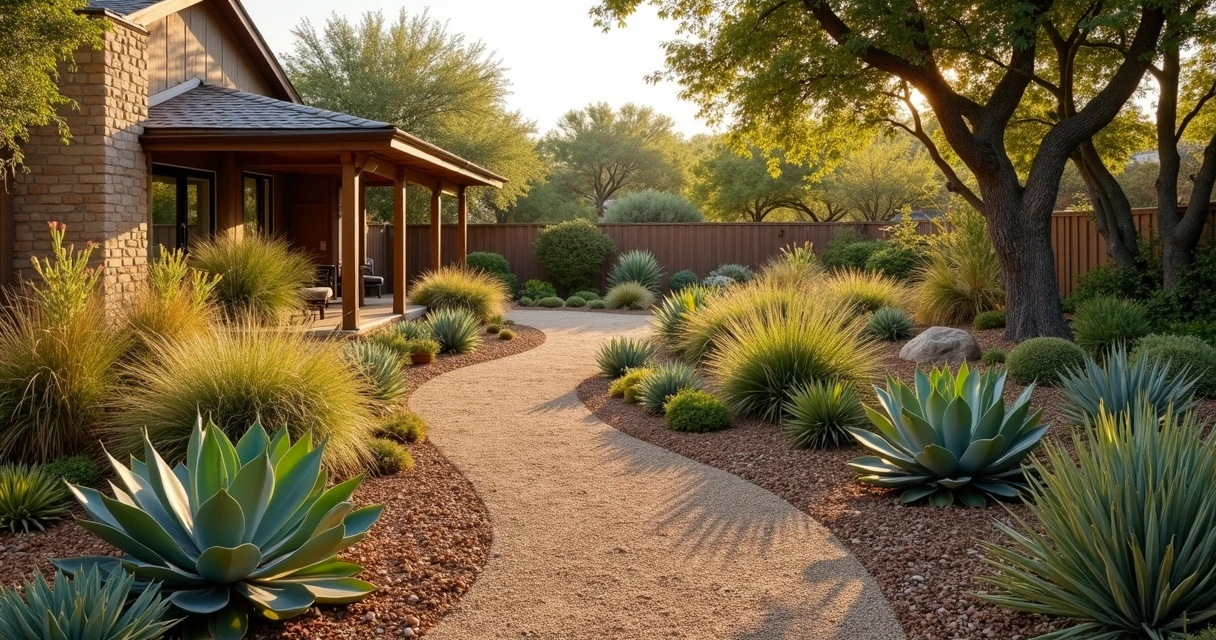
- Deep-rooted perennials: Purple coneflower, blue grama, Turkish cap, Texas lantana.
- Grasses: Little bluestem, switchgrass, sideoats grama.
- Herbs: Rosemary, oregano, thyme—many Mediterranean herbs do well in Texas heat.
- Shrubs and small trees: Yaupon holly, desert willow, Texas mountain laurel.
Mixing these creates an “ecosystem” effect where taller plants shade the soil for smaller ones, and root systems at different depths reduce competition for water. For design inspiration and a deeper understanding of long-term benefits, Urban Oasis shares detailed tips in their landscaping guide.
Mulching techniques and materials: what works and what to avoid
It’s tempting to think “mulch is mulch”—but the results say otherwise. Let’s clarify what commonly works well for Texas summers:
- Pine bark nuggets or hardwood chips: Slow to break down, great for ornamental beds, but avoid piling them against trunks.
- Shredded leaves and grass clippings: Free if you collect your own. Add them in thinner layers to keep air moving.
- Straw: Cheap, but sometimes brings weed seeds. Excellent in veggie beds if kept slightly moist.
- Gravel and decomposed granite: Vital in xeric beds but provide zero organic matter. Best combined with organic mulch in planting pockets.
Water saved at the roots is the water you don’t pay for later.
Stay away from dyed wood chips, synthetic materials (except where absolutely low maintenance is required), and fine sawdust, which can leach nitrogen.
No-till and minimum disturbance methods
The idea behind no-till is simple: every time you dig or turn over the soil, you break up the delicate channels created by worms, roots, and beneficial soil life. When you stop disturbing, these networks grow more complex year after year, storing both air and water where plants need them most. The Climate Technology Centre & Network classifies no-till, reduced till, and conservation tillage as core soil moisture conservation methods, especially for drought-prone regions.
- Switch from full digging to surface planting for annuals and perennials alike.
- If adding amendments, layer them on top—let rain and worms do most of the mixing.
- Cover-cropping during off-seasons maintains living roots and microbial activity.
For a full breakdown of tactics, the Urban Oasis year-round landscape success tips cover more ways to build up drought-resilient soil without overworking your garden.
Integrating water-efficient design with soil care
There’s a kind of satisfaction that comes from pairing the right soil with intentional design—the sort Urban Oasis is known for. Drought resistance isn’t just a matter of soil science. It’s about the whole landscape: how beds are shaped, where shade falls, and where water drains after a heavy downpour.

- Curved, raised beds: Hold moisture longer and prevent erosion during rare rains.
- Strategic shade: Layer trees and large shrubs on western and southern exposures to reduce afternoon soil burn.
- Rain gardens and swales: These collect runoff and let it absorb slowly, recharging deep soil layers rather than letting precious water escape.
Placement matters as much as “what.” Look for more design cues by browsing Urban Oasis’ landscaping articles.
Biological soil life: mycorrhizae, worms, and micro-helpers
Soil isn’t built just from amendments. It transforms through the life that pulses through it, invisible to the naked eye. Harnessing biological soil boosters is the difference between merely surviving a drought and thriving through it.
- Mycorrhizal fungi: These threads connect roots to water and nutrients that would otherwise be out of reach. Inoculate soil where possible (especially when planting perennials or trees).
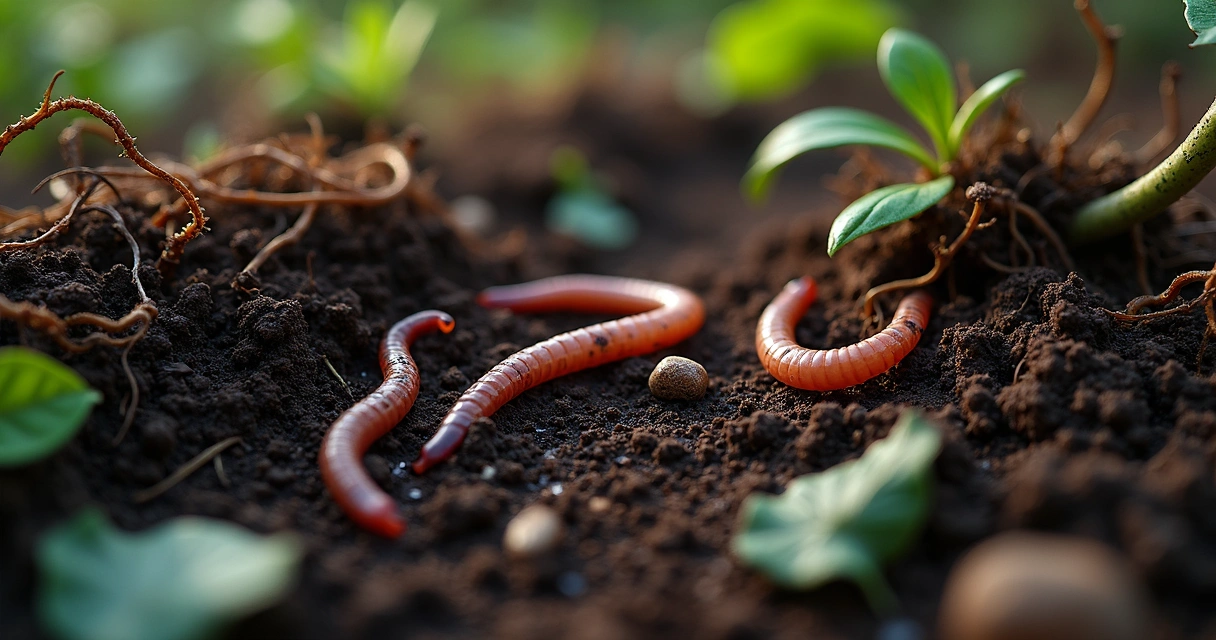
- Earthworms: Their tunnels aerate soil, help break down compost, and leave behind moisture-rich casts. Adding compost gives them a home.
- Beneficial bacteria and microfauna: These speed up decomposition, fight off pathogens, and build soil “glue” that traps water.
The more life you feed into your soil, the more effortless drought resistance will eventually feel.
When to prepare: july’s deadlines and windows
You’re not too late for summer changes, not by a long shot. July preparation focuses on protection and maintenance rather than heavy amendment. Even so:
- Top up mulch whenever bare soil appears—this alone can prevent disastrous moisture loss.
- After any rainfall, scratch in a quarter-inch of compost or biochar while the ground is soft—this helps bind moisture deeper for coming dry spells.
- If replanting or overhauling a section, water deeply once, then shift to your new schedule. Plants adapt quickly in warm soil.
Look, the season’s heat won’t wait, but a string of good soil habits will outlast any single dry summer.
The role of ongoing care and observation
Soil isn’t static, and neither is drought. Some years will be punishing, but every season you feed your soil, it grows stronger, more “automatic” in its resilience. Here’s what’s always valuable:
- Assess soil texture every few months—maybe when you see weeds getting tougher than usual.
- Keep adding organic matter. Even tiny amounts of compost or mulch keep things moving in the right direction.
- Shift irrigation to deeper, less frequent soaks, especially after establishing drought-resistant soil blends.
- Keep learning—new techniques and materials are always on the horizon. Urban Oasis’s lawn and gardening articles share fresh solutions throughout the year.
There’s a rhythm to caring for soil that takes time but rewards you quietly, every day you walk barefoot on earth that bends, not breaks, under a Texas sky.
Conclusion: building your own oasis, soil first
Drought isn’t just an inconvenience in Texas July—it’s the rule. Making soil that keeps its cool, holds every drop, and supports plants through the toughest stretches might sound daunting. But with habits like layering compost, blending in biochar, choosing the right mulch, and planting for the climate, you turn challenge into reward. Even better, every change you make now outlasts one season. Whether your aim is a private patio, a community space, or the next family barbecue, the right soil foundation is what keeps the oasis green—no matter how long the drought holds on.
If you think it’s time to start, or want help designing your own outdoor retreat that truly works with Texas weather, Urban Oasis would love to walk you through it. Share your ideas or questions with us and bring your vision to life.
Frequently asked questions
What is drought-resilient soil in Texas?
Drought-resilient soil in Texas is soil that can absorb and retain water even during the dry, hot stretches of summer. This kind of soil typically contains high levels of organic matter (from compost and decayed plants), sometimes includes amendments like biochar, and always supports a strong biological community (worms, fungi, and microbes). It drains well enough to avoid waterlogging after storms, but still keeps water available for plant roots far longer than bare or sandy soils can.
How to prepare soil for water scarcity?
Start by adding plenty of finished compost or other organic amendments to your soil. Incorporate biochar and apply mulch to cover bare spots and reduce evaporation. Avoid frequent deep digging—letting the soil structure develop naturally means better retention. Pair these strategies with drought-tolerant plants and a careful irrigation schedule that prefers deep, infrequent watering. Over time, these practices transform your soil into a more stable, moisture-retentive foundation.
What are the best soil amendments for drought?
The top amendments for dry, drought-prone soil include:
- Compost—improves structure and water-holding capacity.
- Biochar—traps moisture and nutrients, especially in sandy soils.
- Well-aged manure—provides both nutrients and organic matter.
- Organic mulches—to shield soil from sun and keep in moisture.
- Gypsum or expanded shale—for heavy clay, to improve drainage and break up compaction.
These amendments, used together, give the best shot at lasting drought resistance.
Is it worth it to build drought-resistant soil?
Absolutely. Healthy, drought-ready soil means less money spent on irrigation, fewer plant losses during extreme weather, and a more beautiful, self-sustaining yard all year. It’s not always quick—and the process can take months or even years for the full effect—but each improvement builds on the last. With projects like those guided by Urban Oasis, you see both immediate and long-lasting results.
How can I maintain healthy soil during drought?
The biggest maintenance task is keeping soil covered, either with mulch or living plants. Keep adding compost, refresh mulch after heavy storms or excessive heat, and resist the urge to over-water—deep, rare watering encourages deeper roots. Watch soil texture, add amendments as needed, and choose plants well-suited to dry summers. Most of all, remember: healthy soil is a year-round commitment, but it gives back to you every growing season.