

Transforming outdoor spaces in Austin is about more than design – it starts with understanding the behavior of plants in our unique climate. I’ve seen, time and again, that knowing what thrives here means patios that impress neighbors and nourish your own sense of calm. But how do we create year-round beauty and function as seasons change? The answer lies in the thoughtful blend of evergreens, deciduous shrubs, and annuals, woven together in a way that fits the heart of Texas.
When you understand plant behavior, you control how your garden performs through winter.
I want to walk you through how each plant type works, why they matter for Austin patios, and, just as important, how you can combine them for the vibrant, dynamic outdoor living Urban Oasis is known for.
Understanding the building blocks: What are evergreen, deciduous, and annual plants?
Before I started landscaping, I used to lump all green plants into one mental bucket. But as I worked with Urban Oasis on various residential and commercial outdoor projects in Austin, I quickly realized: the differences between evergreen, deciduous, and annual plants shape everything you can do in a yard or patio. Here’s how each group works:
Evergreen plants: The constant heartbeat
Evergreens are the loyal backbone of a patio’s year-round display. They keep their leaves (or needles) through all seasons, giving you color and privacy even when cold spells arrive. I’ve had clients pause in winter, surprised by how lush their space looks thanks to well-chosen evergreen plants around Austin.
- They provide structure and backdrop during all seasons.
- Popular examples for patios: holly, boxwood, yaupon, and juniper.
- Some are perfect for hedging, low groundcovers, or dramatic pots.
Choose evergreens to ensure your patio never feels bare, even at the lowest point of winter.
Deciduous shrubs: The drama of change
Deciduous shrubs are the artists of the season in Texas. They shed their leaves in winter, but come alive again in spring and summer, often with flowers, berries, or brilliant fall foliage.
- They mark the passage of time, signaling new growth or restful pause.
- Great examples in our region: American beautyberry, Mexican plum, crape myrtle, and flameleaf sumac.
- Some offer dramatic shape when bare – creating stunning winter silhouettes.
Deciduous plants create anticipation and celebrate change through textures, blooms, and bold seasonal color.
Annuals: The flexible spotlight
Annuals grow fast and complete their life cycle in a single season. I’ve relied on them many times to fill pots and edges with color when the perennials are quiet or to refresh a patio for a party or special gathering.
- You get fast impact, but must plant new ones each year.
- In Austin winters, focus on pansies, violas, snapdragons, and ornamental kale.
- In warm seasons, you have a vast palette: marigolds, petunias, zinnias, vinca, and more.
Annuals bring instant brightness and allow you to play with new themes or color combos each year.
Why balance matters: Combining plant types for continuous interest
When I meet with Urban Oasis clients, I often notice a common pattern: enthusiasm for spring color, but a bit of uncertainty about keeping things appealing the rest of the year. Mixing evergreen, deciduous, and annuals means:
- You always have structure, even in January.
- Each season offers visual change and texture, not just a single wild burst.
- Plants support each other: evergreens hide gaps when deciduous ones drop leaves, while annuals fill the color gap when some perennials are quiet.
The smartest gardens do not look the same in July and January.
It’s this smart seasonal mix that we strive for at Urban Oasis, and each client’s preferences shape the style of their patio.
The Austin challenge: Weather patterns, soil & local quirks
Austin’s climate does not follow the classic four-season rhythm. Instead, we get hot stretches, ice storms, sudden freezes, and spring floods that put plants to the test. Here’s how this influences the best plant mix:
- Temperature swings: Winter temperatures can plunge from 70°F to 25°F in days.
- Soil type: Clay soils hold water. Rocky soils drain fast. Each affects plant roots and suitability.
- Rain cycles: Some years bring drought, while others surprise with flash floods.
- Sun intensity: Patios can be shaded, full sun, or transition zones, impacting what thrives.
I always tell people: “Plants that look great on social media won’t all survive a Texas summer or sudden ice storm. Prioritize proven performers.” For more context on how Austin’s climate affects your choices, check out these tips on year-round landscape success.
Choosing evergreen plants that work for Austin patios
Selecting evergreen plants for Austin patios is both a science and an art. I find that the right evergreens not only offer longevity, but also add a calm rhythm to the outdoor design. Here are a few guidelines based on my experience:
- Match plant scale to patio size. Dwarf yaupon for small beds; upright junipers for privacy.
- Mix leaf shapes for interest: contrast fine needle foliage with broadleaf holly or ligustrum.
- Consider drought tolerance; Texas summers are not forgiving.
Some versatile evergreens I often use:
- Japanese boxwood: Low hedge, always tidy.
- Dwarf yaupon holly: Native, reliable, needs little water.
- ‘Kentucky’ viburnum: Larger, denser green leaves, easy to shape.
- Juniper varieties: Groundcovers (like ‘Blue Rug’), or upright for vertical drama.
For patios with containers, you can add ‘Soft Caress’ mahonia or foxtail fern to keep the green alive all winter.
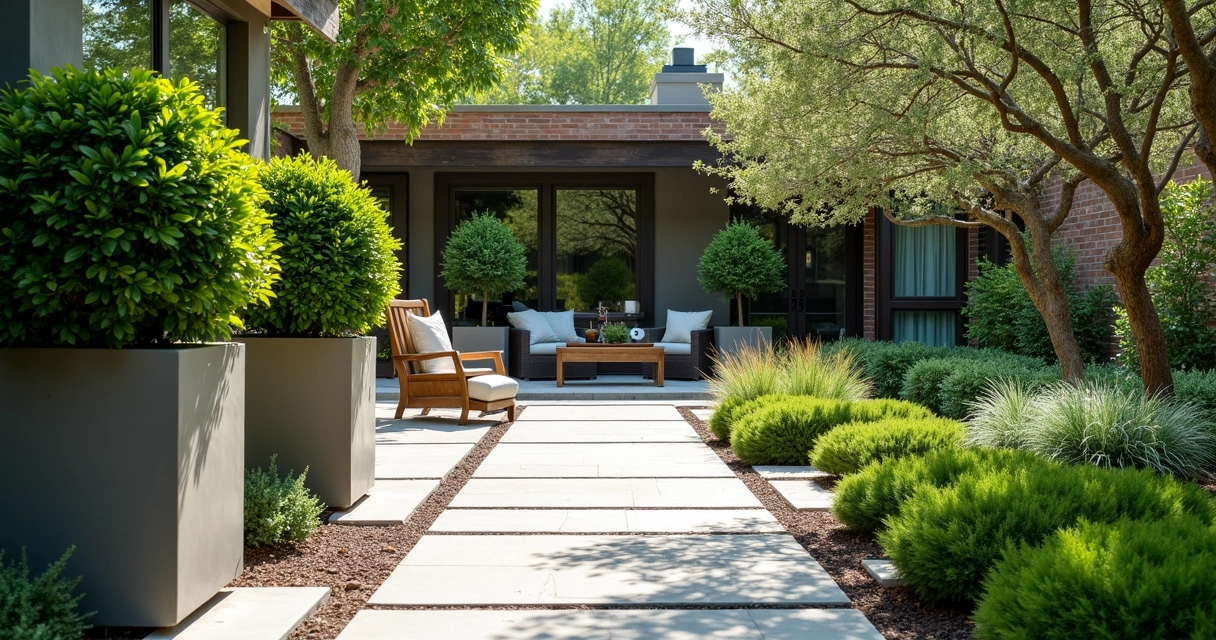
Choosing the right evergreens means your patio provides privacy and green structure long after most other plants pause.
Spotlight on deciduous shrubs for Central Texas
I have learned that the “off-season” for deciduous shrubs isn’t a setback – it’s a design feature if you plan it properly. Their changing forms bring almost theatrical variation to patios, while their rest period often draws extra light to the space.
- American beautyberry: Shade-tolerant, purple berries attract birds in fall.
- Crape myrtle: Summer blooms, winter exposes sculptural bark and limbs.
- Flameleaf sumac: Stunning red fall color, low water needs.
- Mexican plum: Fragrant spring flowers, silvery bark stands out in winter.
Place deciduous shrubs where you want both privacy in summer and filtered winter sunlight. Their seasonal leaf drop helps reduce water needs in the colder months too.
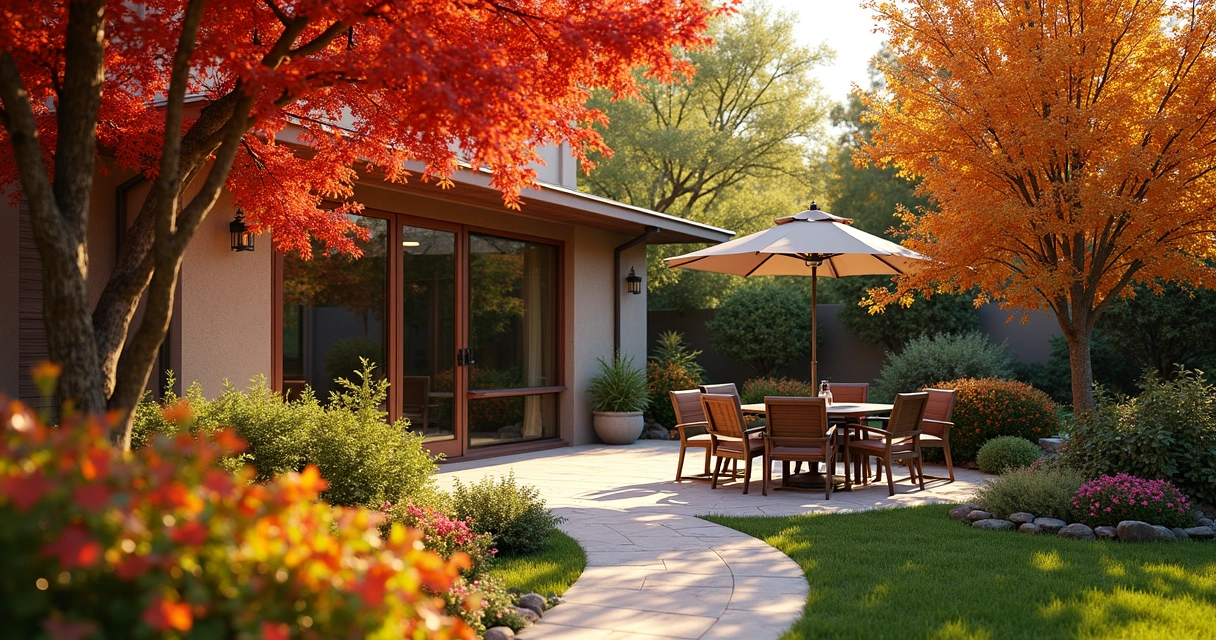
To learn more about Texas-adapted shrubs and trees, you might want to visit the guide to cold-hardy plants for Texas weather swings.
The magic of annuals: Transforming patios season by season
I can’t overstate the value of annuals for changing patio moods. One year, I had a client who wanted their outdoor dining area to look festive throughout the winter holidays. With pansies, violas, and snapdragons tucked into containers, the space glowed even when trees were bare.
- Go for cool-season flowers: Pansies, violas, snapdragons, dusty miller, ornamental kale, and cyclamen do well in Austin’s mild winters.
- Choose bold colors or subtle pastels, depending on your home’s palette.
- Rotate your annuals seasonally, creating spring, summer, fall, or winter color shifts with minimal cost.
Annuals make patios feel curated, fresh, and personal – they’re the quickest way to welcome change.
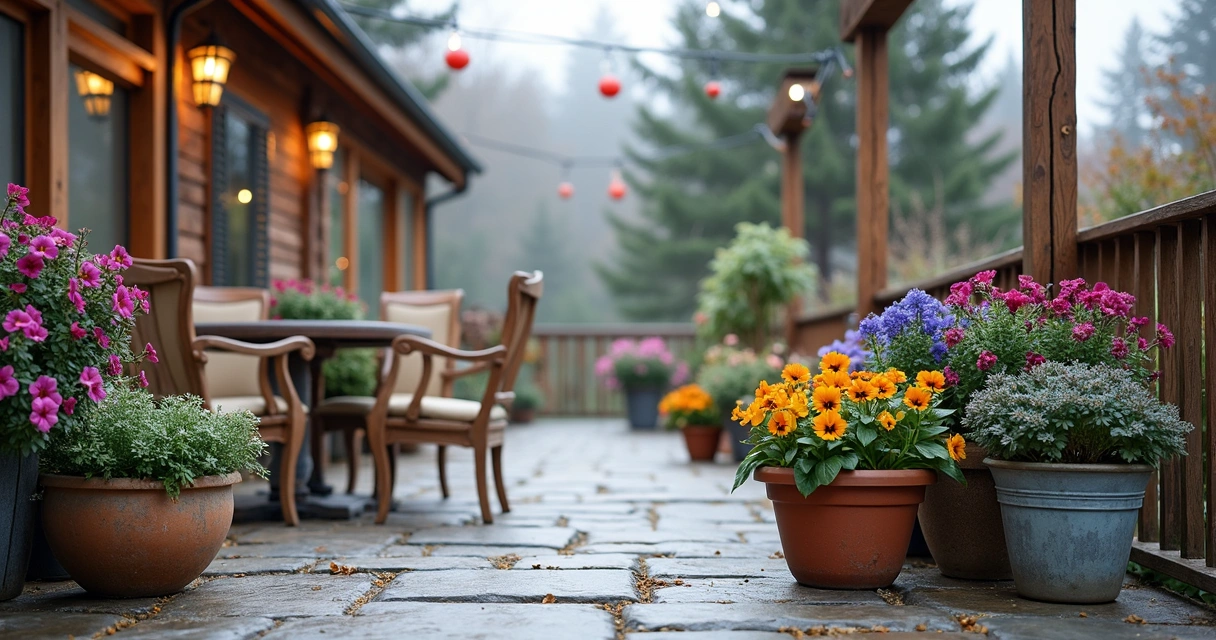
For more detail on plants that survive Austin’s unpredictable cold snaps, I often consult the Urban Oasis blog plant selection resources.
Designing your smart seasonal mix: Practical steps for Austin patios
When I help a client plan their seasonal patio, I like to start with a few simple questions:
- What’s your favorite season for entertaining?
- Do you prefer leafy privacy or open sunlight in winter?
- How often do you want to update color?
- Are you most drawn to flowers, berries, or dramatic foliage?
Those answers help me tailor the mix. Here is a method I often follow, which you can apply at home:
- Start with structure: Choose 2-3 evergreen species for your backbone. Use them for privacy screens, foundation beds, or as anchors in large containers.
- Add change-makers: Insert 1-2 types of deciduous shrubs or small trees. Position them where their fall color or sculptural winter form will be seen from your main patio.
- Seasonal color pops: Tuck annuals into unused spaces, pots, or as edging – change them 2-3 times a year for a seasonal refresh.
- Edibility and pollinator appeal: If you enjoy herbs or want butterflies, work in rosemary, thyme, native milkweed, or lantana.
The aim is to create patterns and rhythm, not just scatter color randomly.
Popular plant combinations and layout ideas
Over the years, I’ve seen certain combinations create lasting impact. Here are a few Austin-proven ideas:
- Evergreen bones + flowering edge: Boxwood hedges behind a border of pansies or alyssum. The hedges provide height, while the low annuals change color as seasons do.
- Bold vs. soft: Use upright juniper or Italian cypress for vertical accent, with fluffy annuals like petunias or sweet alyssum spilling from pots at their base.
- Winter brightness in containers: Fill patio pots with a base of heuchera (semi-evergreen foliage), snapdragons, and pansies for a rich textural mix.
- Wildlife friendly: Plant crape myrtle and American beautyberry together. When leaves fall, birds come for the berries, and the exposed branches add sculptural beauty.
Each layout should fit the size and sun pattern of your patio. If you’re working in an urban space or need low-water ideas, I recommend reading about low-water landscaping for Texas yards.
Maintenance tips for your seasonal plant mix
A good plant combination helps reduce overall work. But from what I’ve seen, the following practices make patios last and look fresh:
- Mulch well, but not against stems: Keeps moisture in and winter weeds out.
- Use drip or soaker systems: Save water and send it directly to the root zone.
- Prune evergreens lightly in late winter: This keeps shape and encourages new growth just as spring kicks off.
- Remove spent annuals promptly: Make way for new color or let foliage cover gaps.
- Feed annuals with a slow-release fertilizer: Especially if growing in containers with soilless mix.
Smart maintenance means you spend more weekends enjoying your patio, not troubleshooting dead spots.
Sustainability: Local choices and water-wise planting
Urban Oasis always puts emphasis on sustainability. Many of our projects use native and adapted plants that need less water and fewer chemical treatments – a big plus in Austin’s fluctuating climate. Here’s what I suggest if you want an evergreen or seasonal display that’s also eco-friendly:
- Favor plants listed as drought-tolerant and deer resistant.
- Use drip irrigation and update it to match plant groupings.
- Swap out high-thirst summer annuals for species proven in Texas, like narrowleaf zinnia, angelonia, or Mexican mint marigold.
To understand more about how technique meets sustainability, visit this guide to landscaping techniques and benefits.
The right plants save water, time, and money.
Matching plant choices to your style and needs
Every patio has a different heartbeat – some are for parties, others for quiet mornings with coffee. I always recommend stepping outside at several times of the day and week, noticing how light and activity flow through your space.
- Privacy-seekers: Layer evergreens like ligustrum or dwarf yaupon for screens, then soften their edge with low deciduous shrubs or spill-over annuals.
- Entertainment hubs: Go bold with flameleaf sumac behind a sea of pansies or violas for a welcoming, photo-ready space.
- Minimalists: A row of architectural evergreens, dotted with discreet winter blooms, keeps maintenance nearly effortless.
- Nature lovers: Mix berry-producing shrubs with native annual color for pollinators and birds year-round.
It’s not about having every possible plant – it’s about a layered mix that fits your taste, budget, and climate.
Design inspirations and next steps
With every project at Urban Oasis, I see the most satisfaction when a client pauses mid-winter or early spring, surprised at the ongoing beauty outside their window. The smart seasonal mix doesn’t just survive – it keeps your patio inviting, expressive, and ready for every gathering or quiet moment through the year.
If you feel ready to rethink your patio, I invite you to share your ideas with me or the Urban Oasis team. We will work together from that first consult to the finishing touch, creating a space that feels personal and never goes dormant.
Fill out the form below for a tailored plant selection and design plan for your Austin space, and let’s shape an outdoor retreat that performs beautifully in every season.
Conclusion
Blending evergreen, deciduous, and annual plants is the roadmap to a year-round Austin patio that inspires in every season. With the right choices, your outdoor space stays green in winter, explodes with fresh growth in spring, shifts into vibrant fall tones, and always has room for change. In my experience, the smartest approach is one that matches your lifestyle, your home, and the weather that only Texas delivers.
If you want a hands-on partner to help you translate these principles into your own backyard or business patio, Urban Oasis is ready. From plant selection to sustainable installation, we’ll help you enjoy your space – no matter the month or the temperature. Ready to start your project? Reach out and let’s build your perfect patio escape together.
Frequently asked questions
What are the best evergreen plants for Austin?
Some of the best evergreen choices for Austin patios include Japanese boxwood, dwarf yaupon holly, juniper varieties like ‘Blue Rug’ or upright types, and ‘Kentucky’ viburnum for larger spots. These provide year-round color, require moderate care, and are tough enough to handle Austin’s heat, freezes, and drought periods. Choosing plants proven to thrive here will give your patio lasting structure and less seasonal bare spots.
How do I care for deciduous shrubs in Texas?
Caring for deciduous shrubs like crape myrtle, American beautyberry, or Mexican plum is simple if you follow a few steps. Prune lightly in late winter to shape the plant and remove dead wood. Mulch around the base to hold soil moisture. In summer, deep water once a week if rainfall is low. Enjoy their winter structure when the leaves drop, then feed with compost or a slow-release fertilizer early spring to spark lush regrowth.
What annuals thrive on Austin patios in winter?
Cool-season annuals that flourish through Austin’s winters are pansies, violas, snapdragons, ornamental kale, dusty miller, and cyclamen. They handle light frosts and keep blooming in sunny patio spots. Plant them in containers or garden borders from October into early December for months of color until late spring.
Is it worth mixing evergreens, shrubs, and annuals?
Mixing evergreen plants, deciduous shrubs, and annuals ensures your patio has layers of color, shape, and interest in every season. This approach means you always have green structure, seasonal drama, and the ability to refresh with new blooms or color themes year-round.
Where to buy patio plants in Austin?
You’ll find quality patio plants at local nurseries, garden centers, and plant fairs throughout Austin. For those who want help pairing the right mix for their patios, Urban Oasis provides plant selection and installation services, ensuring you get combinations that truly work in Central Texas conditions.