
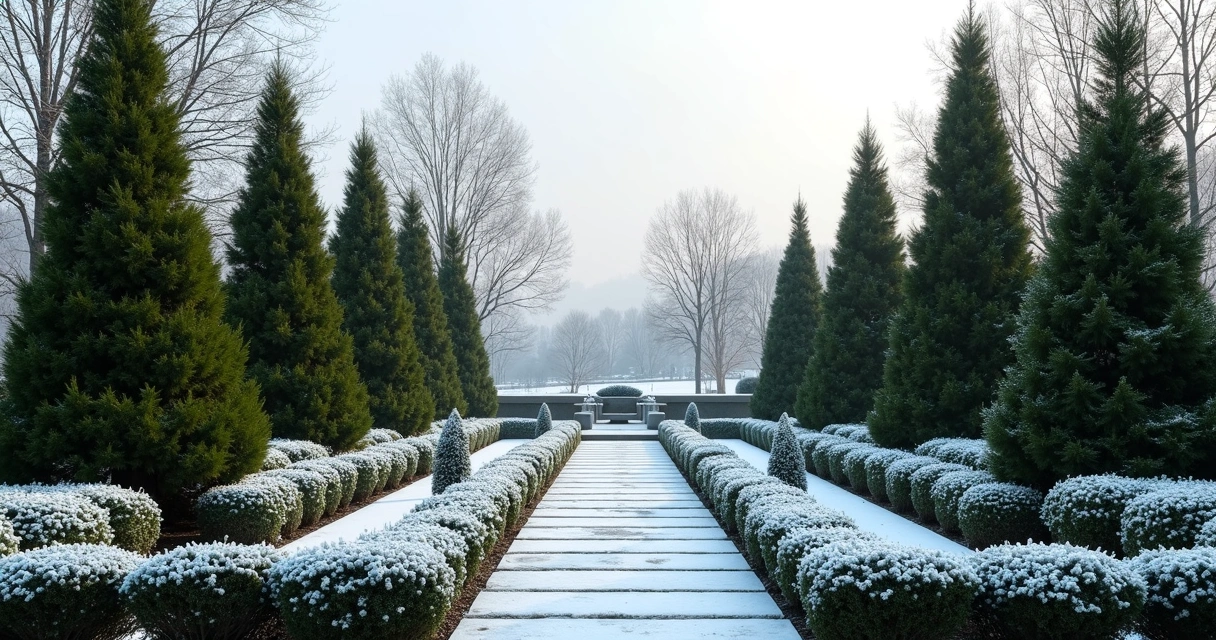
Inside every winter landscape lies an untold story. The trees and shrubs that remain, sturdy and green, tell of memories preserved, quiet resilience, and hopes for spring just out of reach. In Austin and other sun-drenched regions where seasons play differently, evergreen plants do more than fill a gap. They become anchors, both visual and emotional, the backbone of structure in gardens, patios, and social spaces, no matter how bare the month.
Let’s wander through the role of evergreens: how they steady the rhythm of design year-round, why they matter for city dwellers and wildlife, and the thoughtful way Urban Oasis weaves these reliable shapes into tranquil, modern spaces. The chill of winter doesn’t remove beauty. Sometimes, it just makes the essentials stand out more.
The quiet power of winter structure
Winter is often misunderstood as the season of emptiness in the garden. While the spring blush and autumn blaze catch our attention, winter’s appeal comes from its structure — the bones of a space. It’s in the outline of a clipped shrub, the deep green of a pine, or the silhouette of a well-placed holly that catches pale morning light.
Structure gives winter gardens their certainty.
In regions like Austin, colder spells are gentle compared to northern climates, but the principle holds: when summer’s lushness is gone, structure is what’s left. Evergreens fill out those lines, offer height, roundness, and screens against the wind. They are the frame waiting for flowers to return, standing strong.
Winter landscape structure: what it really means
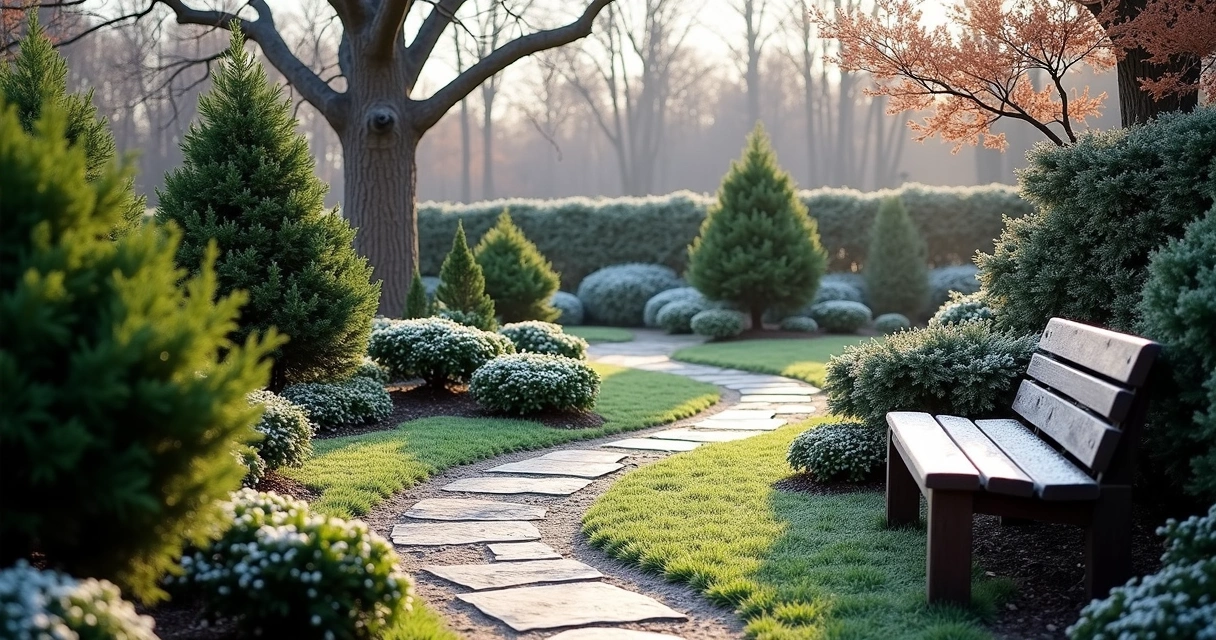
The term “structure” might sound more at home in architecture than in gardening, but in landscapes, it simply refers to the solid elements that define spaces. Paths, pergolas, decks, and — crucially — plants with year-round presence. Trees, upright shrubs, and hedges act as walls and dividers outdoors, guiding the eye, creating enclosures, or letting outdoor rooms breathe.
- Tall evergreens set boundaries and shield from wind. Pines, junipers, or hollies, their shapes matter as much as their color.
- Mid-sized shrubs flexibly group around patios and walkways, drawing attention and guiding guests.
- Low groundcovers soften stone, edge garden beds, and bridge spaces left open by dormant perennials.
For Urban Oasis, landscape structure is never rigid. It adapts to how each family or business spends time outdoors, maybe stretching shade along a pool for summer or offering winter privacy near the hot tub, always connecting design with practical comfort.
Why do evergreens stand out so much in winter?
When leafy oaks and maples pull in for a long nap, evergreen trees and shrubs don’t just endure; they become more visible. With little competition from flower beds or bright autumn leaves, their clean lines and textured foliage suddenly speak the loudest. Gardens that feel overgrown in July become, perhaps surprisingly, calming and ordered in winter because of them.
Winter is the evergreens’ moment.
Research highlighted in a University of Massachusetts Amherst study points to another reason they matter: evergreens enhance species diversity in city gardens and help capture rainwater and shelter wildlife, all year long. Yet they’re still underused, which leaves urban winter landscapes missing critical depth and year-round interest.
Evergreen trees and shrubs: steady, reliable, and never boring
Let’s paint a picture. It’s a crisp January morning. The wind is biting just a bit. You look outside and, while the grass is dull and the beds are empty, there’s still shape, order, and calm. Large live oaks maintain their dense canopies. Juniper screens block unwanted street views. Waxleaf ligustrum, neat and clipped, frame the front walk.
These winter champions come in many forms. Not all are towering pines. In Austin, popular evergreens for landscape structure include:
- Loblolly pine, tall, elegant, and perfect for shade and screening
- Eagleston holly, dense, shiny leaves; great as a clipped hedge or focal point
- Yaupon holly, native, resilient, with interesting berries for wildlife
- Arizona cypress, soft blue-green foliage, stands out against yellows and browns
- Southern wax myrtle, feathery, aromatic leaves, tolerant and flexible
- Juniper species, from upright to spreading, essential for variety
That list barely scratches the surface. We pick each species carefully at Urban Oasis, with strong attention to the way it will function for winter landscape structure as well as how it meshes with client style. If you want further ideas on tough, attractive evergreens, our guide to cold-hardy plants for Texas breaks down more options.
The role of evergreens in year-round design
Evergreen trees and shrubs aren’t just a seasonal fix. They are the backbone of designs that look good no matter the date, remaining undimmed while everything else cycles through highs and lows. Their green color shifts subtly as light changes, but they are always there, providing calm, anchoring views, and setting a consistent tone.
Colorado State University Extension points out (evergreen selection and placement advice) that considering the right plant for the right spot is important: full sun, room for roots, and a good match of moisture needs. Grouping similar evergreens, like drought-tolerant varieties together, creates not just a visually harmonious space but a resilient one as well.
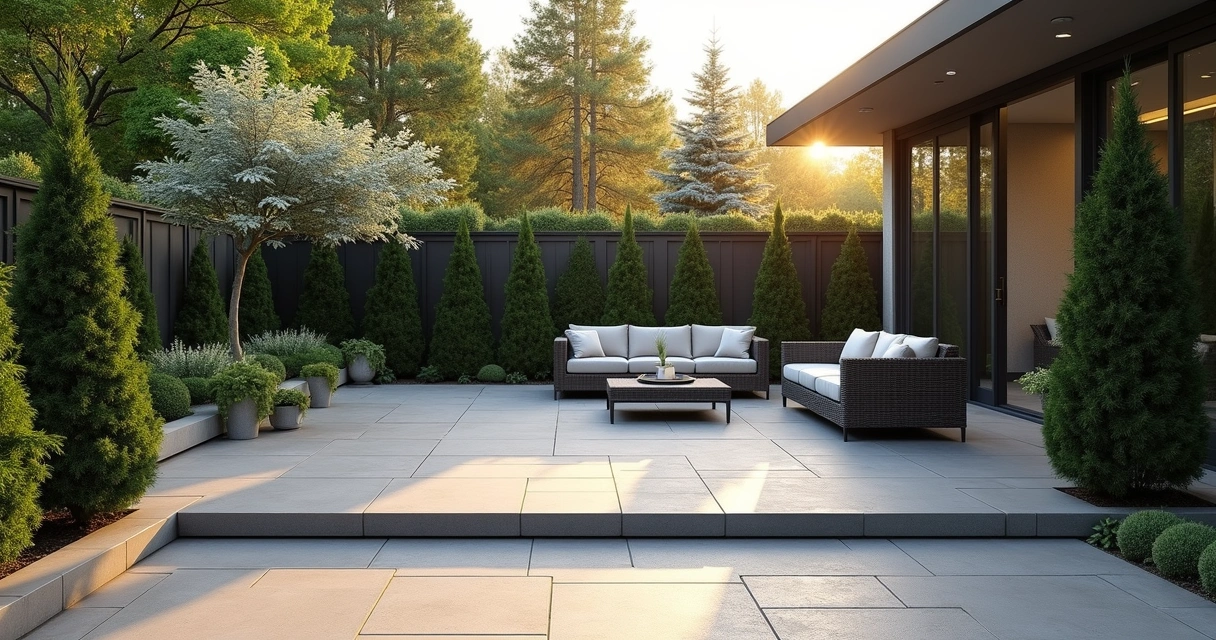
Evergreens make year-round design possible. In spring, they serve as a backdrop for flowering bulbs. In summer, cooling shade. In autumn, they hold strong while most colors change. And in winter, they are the shape itself, deeply reliable, quietly bold.
Why wildlife depends on evergreens in winter
Not only people crave continuity. Songbirds, pollinators, even small mammals all find refuge in the shelter of evergreens when the weather turns. This is especially pressing in urban gardens, where options shrink as temperatures drop.
Research from the U.S. Fish and Wildlife Service shows that evergreens act as vital winter habitat, offering food and safe nesting spaces. Retaining leaves and needles, even during freezes, means that evergreens are a living lifeline for creatures whose other shelters are bare or gone.
If you’d like to deepen your understanding of plant-wildlife interactions, the U.S. Geological Survey shares insight into conifer-dominated ecosystems and the dramatic decline in longleaf pine savannas. Their work reminds us that planting evergreens isn’t just for aesthetics, it’s a foundational act that supports many living things, especially during scarce winter months.
Adapting evergreens for Austin’s unique conditions
Central Texas comes with swings, mild one afternoon, an arctic snap the next, then rain, hail, and back again. Choosing reliable plants for year-round design means knowing the climate and working with its quirks rather than against them.
Evergreens for Austin need heat tolerance, intermittent drought resilience, minimal fuss, and maybe a willingness to accept an occasional freeze. Urban Oasis gently nudges the plant palette towards species proven locally. For homeowners eager to reduce workload, our article on low-maintenance, high-impact landscaping provides specific examples of shrubs and trees that suit both busy lives and long-range design.
Here’s a quick rundown of what to look for:
- Choose varieties that thrive in USDA Zones 8b–9a (Austin’s climate)
- Seek out native species for lowest maintenance and best wildlife impact
- Pay attention to soil drainage and space: cramped roots struggle, especially in tough winters
- Plant in autumn or early winter, giving roots a head start for summer’s extremes
Plant early, plan for the long view.
Design principles: how evergreen anchors shape living spaces
Frankly, a landscape is more than its plants. But evergreens are what give that “ahhh” feeling in winter, the sense of boundary, continuity, and quiet beauty. Modern outdoor design, like the projects at Urban Oasis, leans into a few key ideas:
- Contrast, Use different shades of green, mix needle and broadleaf foliage, and set soft shapes against hardscape textures.
- Rhythm and repetition, Anchor a pathway or wall with a series of uniform shrubs. Space them just wide enough for a feeling of openness, but regular enough to give order.
- Scale, Choose some evergreens for drama (think tall Italian cypresses or wide-spreading live oaks) and others for intimacy (small boxwoods by a door).
- Layering, Place tall evergreens at the back, mid-sized in the middle, and groundcovers upfront. Layering makes everything look fuller and adds depth, especially in winter when sunlight is soft and low.
Each structural plant becomes a building block, sometimes stepping forward as a focal point and sometimes quietly holding space. For a more detailed approach, the Landscaping Guide: Techniques and Benefits covers a stepwise method for blending evergreens into any style or layout.
Practical strategies for adding evergreens to any garden
There’s no single formula, and maybe that’s a relief. The artistry lies in working with what you have, the amount of space, sunlight, soil, and your personal taste.
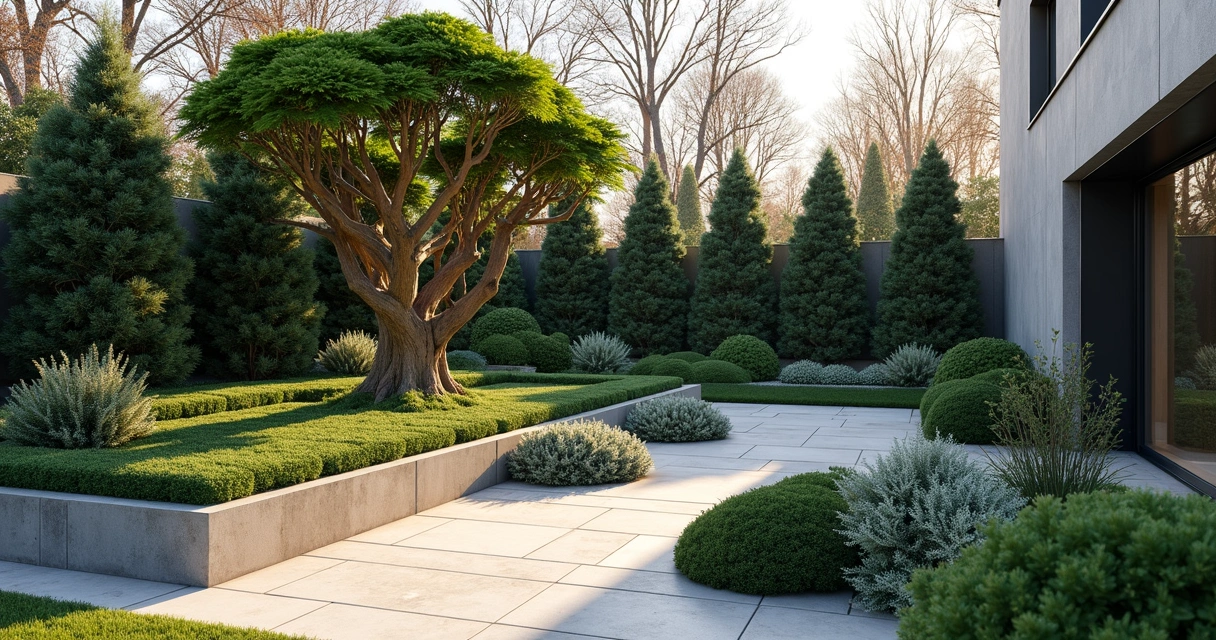
- Start with boundaries and privacy. Use tall evergreens to screen out unwanted views or wind from the north and west. Group in odd numbers for a more natural effect.
- Add depth with mid-height shrubs. These draw the eye in and can soften both building facades and outdoor seating edges.
- Fill with low mounds or groundcover. This avoids winter “blank” spots and unifies large planting beds.
- Combine textures. Pair needle-leaved junipers with broadleaf hollies, or fluffy yews with glossy ligustrum, to keep the garden visually rich even on gray days.
- Think about wildlife. Place berry- or cone-bearing evergreens within view of windows or patios for added enjoyment, the birds will come.
Don’t forget: placement matters almost as much as species. According to guidance in evergreen planting guides, give trees room to expand, avoid crowding near fences, and allow light to penetrate so lower branches stay full.
Evergreen plants Austin: top picks for resilience and beauty
If you’re refining your winter landscape structure in Austin, here’s a selection of evergreens that combine strong form with longevity and low care:
- Ash juniper (‘cedar’), native, aromatic, and drought pioneering.
- Eastern red cedar, dense, good for privacy; beautiful blue berries in winter.
- Live oak, huge canopy, ancient presence, the most iconic tree in Central Texas.
- Dwarf yaupon holly, formal, ideal for tidy hedges, evergreen even in tough years.
- Arizona cypress, unique blue color, striking shape, minimal maintenance.
- Eagleston holly and Nellie R. Stevens holly, popular for their dense, round habit and glossy leaves.
- Japanese blueberry, dark leaves, upright shape, standout trunk architecture.
This list is just a starting place. You can branch out into smaller shrubs, architectural succulents, and even decorative conifers, each adding their own signature. The right plant for your space always depends on sun, soil, water, and what you want to see outside every day.
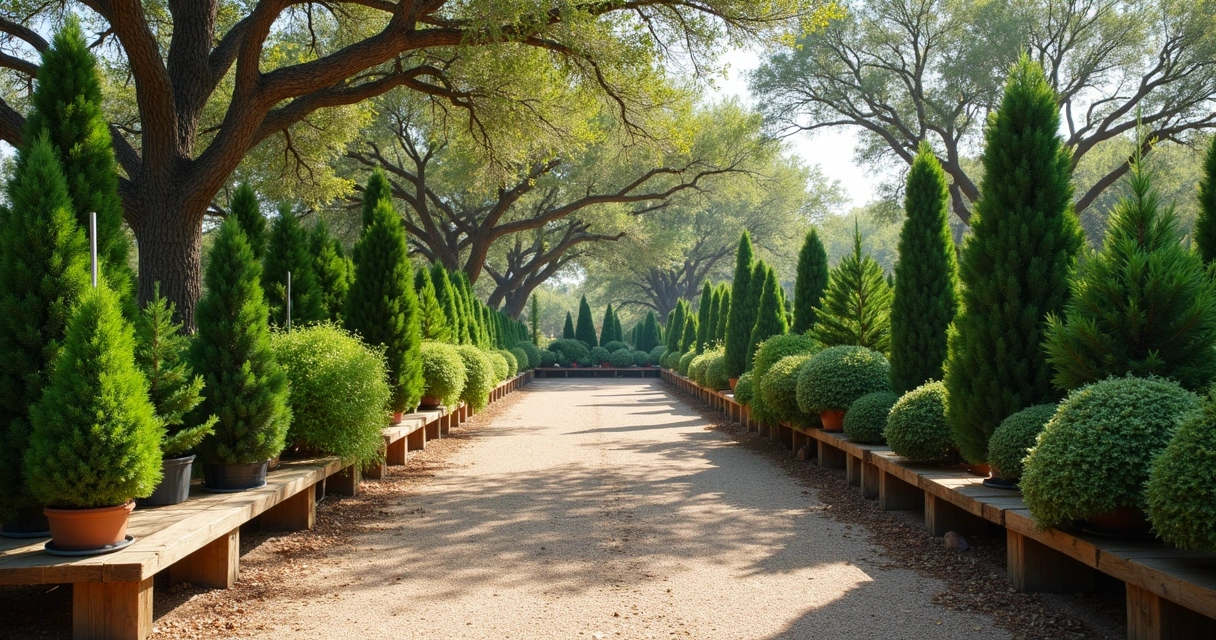
Urban oasis: shaping outdoor rooms for all seasons
Outdoor design isn’t about chasing trends. It’s about crafting a backdrop where life happens, fireside winter gatherings, early spring garden walks, or summer parties around the pool.
Urban Oasis’ focus has always been on building spaces that remain inviting no matter the month. From landscape plant palettes and custom decks to laid-back patios bordered by lush borders, we balance softscape and hardscape so each strengthens the other. Evergreen anchors are woven into these projects, providing the bones of both privacy and beauty for winter and every other season.
Sometimes, that means planting a new screen of hollies to make an urban courtyard feel miles away from the city. Other times, it’s about using low-growing evergreens for seating nooks that stay green through January and beyond. For practical planning tips on keeping your garden interesting all year, see these year-round landscape success strategies.
Embracing winter: what makes great structure lasting?
The magic is in the details. Pruning for shape, underplanting with groundcovers, and mixing evergreens with winter-blooming perennials keeps things looking intentional. A slight shift here, a tucked-in shrub there — these moves reinforce not only the physical boundaries, but the emotional ones. There’s peace in looking out and seeing something stable, even when everything else is dormant.
Of course, mistakes happen. A holly outgrows its spot. A cedar browns on one corner. That’s alright. Year-round design is forgiving, always offering chances to adapt, update, and personalize further. Austin’s climate is, after all, unpredictable. But with thoughtfully placed evergreen plants, winter won’t ever mean “bare” or “bleak” again.
Conclusion: structure, shelter, and green through every season
Evergreens shape winter’s silence into something rich and welcoming. For families and businesses in Austin, they provide the strong lines and subtle comforts that turn outdoor areas into living rooms, not just for the summer, but for every dip and peak in the calendar. At Urban Oasis, we believe that winter landscape structure and year-round design aren’t just trends — they’re a gentle way of caring for both people and place, quietly resilient, always inviting.
Ready to give your own space a calm, structured beauty that endures every season? Start your Urban Oasis project today by filling out the form below. Our team will work with you to design an outdoor environment that’s modern, practical, and yours, every month of the year.
Frequently asked questions
What are the best evergreen plants for Austin?
Some top performers for Austin include live oak (a classic, long-lived shade tree), ash juniper (tough and native), Eastern red cedar, Arizona cypress, Eagleston holly, Nellie R. Stevens holly, dwarf yaupon holly for tighter spaces, Southern wax myrtle, and Japanese blueberry for architectural flair. Always match your choice to your garden’s sun and soil conditions for best results. For more lists and inspiration, look through our plant guides.
How do evergreens help winter landscape structure?
Evergreens keep gardens defined when most other plants fade, providing constant color, height, and form. Their shapes create borders, screen views, and maintain visual interest throughout the dormant season. Trees and shrubs can anchor paths, frame patios, and soften hardscape features, ensuring your outdoor living spaces never feel abandoned in winter.
Is it worth adding evergreens in winter?
Absolutely. Planting evergreens in autumn or winter lets roots establish before hot weather returns, giving you a head start. Winter landscape structure relies on these plants for privacy, beauty, and wildlife shelter when other options are limited. Studies confirm (urban evergreen benefits) their importance for diversity, stormwater management, and city wildlife, especially during colder months.
How can I design for year-round interest?
Begin by mixing evergreens with flowering shrubs and perennials that peak in different seasons. Layer heights, textures, and colors for continual interest. Use structural plants – trees, large shrubs – as anchors, and fill gaps with lower evergreens and groundcovers. Add seasonal bulbs, grasses, or winter branches for moments of surprise. For a practical blueprint, see these year-round design tips.
Where to buy evergreen plants in Austin?
Local nurseries and garden centers are your best bet for regionally adapted shrubs and trees. Some landscape contractors, like Urban Oasis, also supply and plant evergreens as part of project installations, ensuring the plants fit your design and site conditions. Always ask about the plant’s suitability for Austin’s climate.