Ever catch yourself looking at your backyard or business patio and thinking, “If only this space could change—soon”? If your days are full already, dreaming of a complete outdoor transformation starts to feel impossible. There’s that classic feeling: too many ideas, but not enough time. It’s a tension most people don’t like to admit, but it’s real. So, what happens when time is short and ambition is high?
Modern outdoor design doesn’t have to be dragged out over months and months. In fact, with the right strategies, the journey from concept to construction can be surprisingly swift. Urban Oasis has made this fast-track approach one of their core methods—helping both families and business owners go from idea to reality without delay.
When time is scarce, clarity counts more than ever.
This article shares the methods proven to speed up outdoor planning. Whether you work on a project team or you want to revamp your own space on a tight deadline, you’ll find solutions to help you push forward. From template-based design to rapid-fire team collaboration, we dig into the core techniques that help outdoor projects stay on track and avoid stalls.
Why outdoor projects stall: the common bottlenecks
It might seem obvious—complex projects take more time. But time isn’t just lost in the actual building. It often slips away in meetings, indecision, endless revisions, and waiting on materials. Even projects with simple goals, like installing a deck or landscaping a courtyard, can get stuck. Why? Let’s break down the key stumbling blocks:
- Unclear design goals. Teams or families have trouble aligning on what they want, so ideas keep shifting.
- Too many options. Without limits, looking through materials or layouts becomes overwhelming.
- Slow decision-making. Waiting for approvals—especially when multiple people are involved—causes project creep.
- Poor communication. When everyone is not informed at each step, confusion reigns. Mismatched expectations are common.
- Late surprises. Design revisions, unexpected constraints, and unavailable materials slow things down.
Urban Oasis, through every outdoor project, faces these realities. The key to acceleration is not skipping steps—it’s reframing how each step is done.
The fast-track mindset: what it means and who needs it
Fast-track planning isn’t about shortcuts. It’s about setting a pace that keeps progress steady and avoids unnecessary complexity.
There are a few groups who benefit most from “designing on the move”:
- Construction firms with full project pipelines
- Business owners with time-sensitive commercial upgrades
- Families eager to transform their spaces before a big event or season change
- Anyone discouraged by slow design timelines but unwilling to sacrifice quality
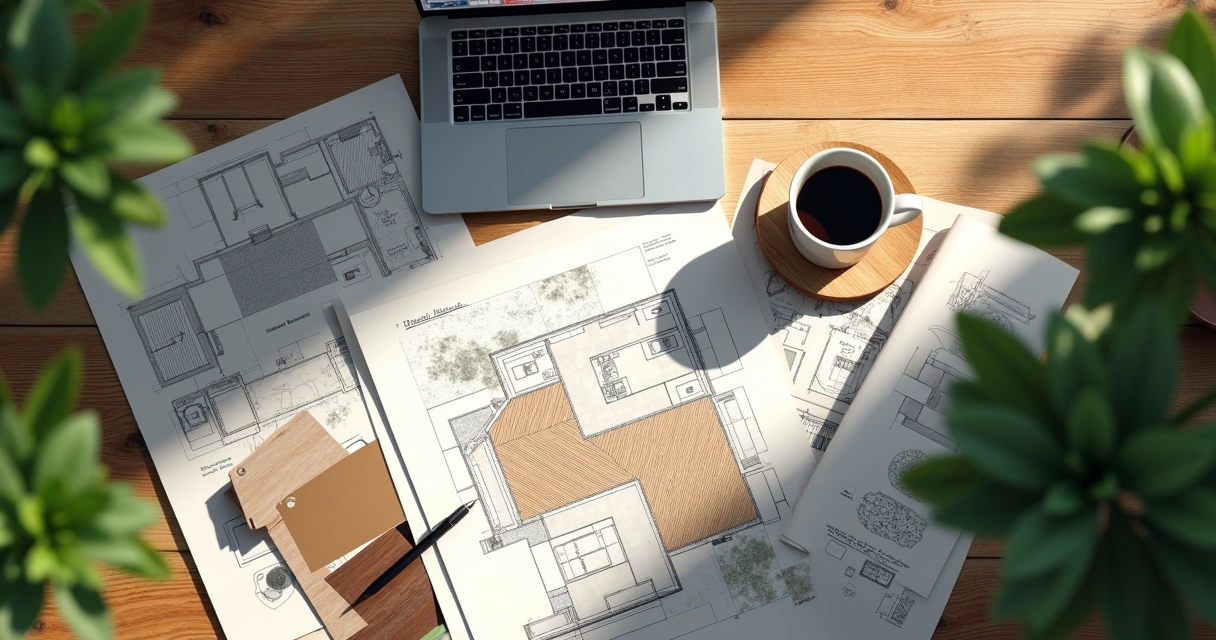
This style of planning focuses on decisions up front, structured templates, and material choices that are ready to source immediately. Often, having clear visualizations (2D/3D designs) helps everyone picture the direction—and quickly spot problems before they become setbacks.
Core strategies for accelerating outdoor design
Start with a sharp, focused briefing
Sometimes people jump into the design, then circle back with all their wishes and requirements after it’s already in progress. That’s a recipe for delays. The fastest projects always begin with a tight brief—a summary of what the client wants, what must be included, and what is flexible. Urban Oasis relies on this approach from day one.
A good brief is a compass in a storm of options.
Try starting with these questions:
- What is the main use for the space—relaxation, entertaining, family, business?
- How many people should it comfortably host?
- Are there must-have features (pool, deck, covered seating)?
- What’s the realistic budget—and what’s an “ideal, but negotiable” spend?
- When does the project need to be finished?
Bringing clarity to these questions puts everyone on the same page. Less backtracking, more forward motion.
Template-based design: your fastest friend
Here’s the secret: not every outdoor space needs to be invented from scratch. High-quality design templates speed up the decision process. They act as a menu—clients can see proven layouts, identify what resonates, and then add their personal touches.
At Urban Oasis, the template approach means you spend less time reinventing the wheel. Templates can be adapted, mixed, or combined with custom elements, but their major advantage is limiting the swirl of endless, open-ended possibilities.
- Patios with built-in seating and zones for firepits or dining
- Decks with modular levels for flexible gathering spaces
- Landscaping plans that use tried-and-true plant combinations
- Pergola structures that fit most standard lot sizes
- Clear pool and play area layouts that keep safety and aesthetics balanced
While some worry templates lead to “cookie-cutter” designs, the opposite is often true: a strong template creates freedom, because the basics are solved.
 Pre-approved material palettes
 Pre-approved material palettes
Material selection is one of those areas where time disappears fast. A world of options—woods, pavers, tiles, plants, lighting, hardware. If every choice starts from zero, weeks can vanish just comparing samples.
Fast-track projects use material palettes: pre-vetted collections of finishes, surfaces, and plants that work well together and are proven to be quickly available. Urban Oasis curates selection boards tailored to client budgets and the style of the space.
Less choice, more momentum.
Some palettes will feature sleek, modern woods and neutral-toned pavers; others mix reclaimed brick, bold colors, or lush, drought-tolerant plants. Pre-approval means the supply chain issue is virtually eliminated—what you see can be ordered, and it fits the design.
How to build a time-saving palette
- Limit the options for each category (for example, a shortlist of 3–5 paver stones)
- Ensure all options are in local stock or can be shipped quickly
- Group items by mood board—modern, classic, sustainable, family-friendly, etc.
- Include alternatives for price or availability changes
This approach prevents paralysis—a common side effect of too many choices. Teams spend more time building, and less on browsing catalogs.
Rapid collaboration—removing the waiting game
Nothing drags a project like waiting for a reply, a sign-off, or a last-minute design change. Fast projects have streamlined communication. Small, direct teams, with clear roles and a single person who can make final calls.
Some useful practices include:
- Daily or bi-daily check-ins when key phases are active
- Feedback gathered in one platform (not scattered across hundreds of emails or chat apps)
- Visual updates—photos, drawings, or 3D renders—to keep everyone aligned
- Immediate escalation of roadblocks, not waiting until the next meeting
The fastest team is the one that talks the most.
Urban Oasis uses project management tools to track progress, comments, and decisions—leaving a visible trail so nothing gets lost. Sometimes, even a phone call beats another email thread.
Pre-staged construction and prepping for speed
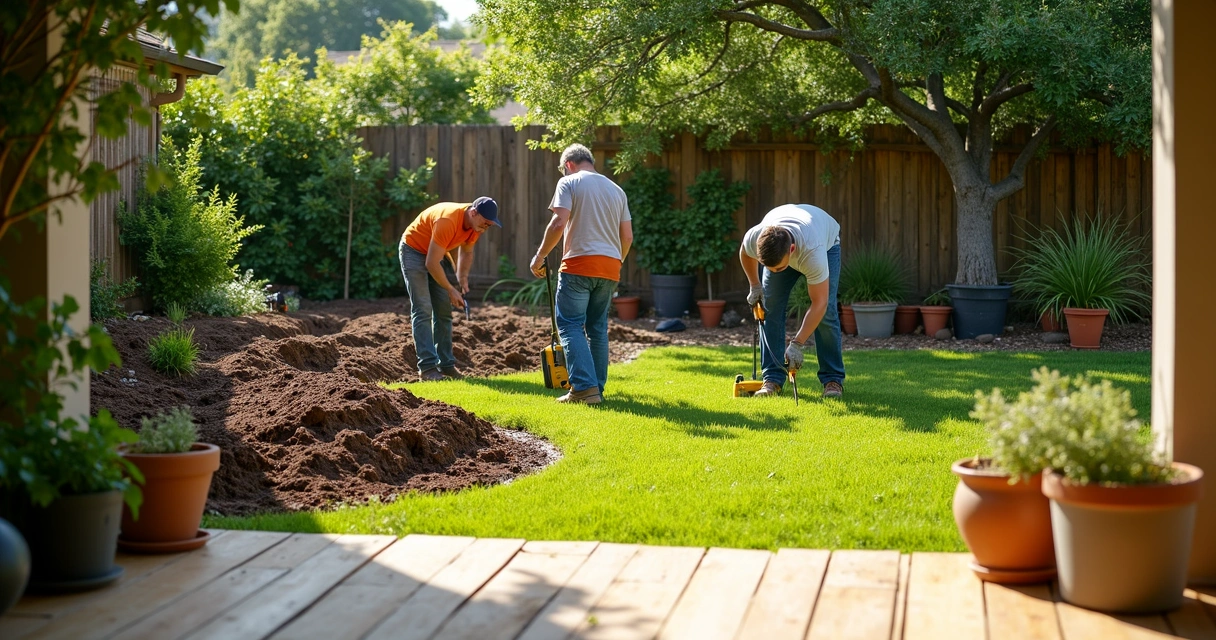
Once design and material choices are locked in, construction can move quickly—but again, only if stages are planned up front. Pre-staging is about getting everything ready: materials, pre-fab elements, even permitting paperwork. In fast-track scenarios, outright delay is prevented when crews prepare every phase ahead of time.
For example, having the deck footings formed while waiting for the last bit of pavers to be delivered. Or, landscaping beds cleared and soil prepared days before the new plants arrive.
- Order long-lead materials at the very beginning
- Stagger work crews so no one is idle
- Use pre-built or modular elements where feasible
- Schedule inspections early to avoid permitting lags
 If every step is lined up, the project flows. People notice. The sense of energy and momentum is easy to feel.
Using visualization to save decisions—and surprises
One huge time sink: redoing construction work because the design was misunderstood. Early visualizations, like 2D or 3D renderings, pay for themselves in saved hours and stress. Clients can “walk through” the space virtually, spotting issues or dislikes before construction kicks off. Urban Oasis makes these visuals part of the standard process, especially for fast-track jobs.
This is also where color palettes, sun/shade patterns, and furniture placement can be tested in advance, minimizing change orders (which are both expensive and slow).
Features that simplify and speed up planning
 Features that simplify and speed up planning
Let’s talk about the outdoor elements themselves. Some features are simply easier and faster to plan (and build) than others. Here’s where the quick wins come in:
- Decks and patios with modular construction
- Pergolas with standard sizing
- Pre-cast planters and retaining walls
- Landscape lighting kits with plug-and-play design
- Above-ground pools with wrap decks
- Ready-to-plant beds using low-maintenance, hardy plant selections
If you’re looking for ideas that balance speed with bold style, check out low-maintenance, high-impact landscaping solutions and how they’ve changed the look and feel of tough spaces.
And patios remain a classic—fast to install, but when designed well, they add beauty and expand living space too. Urban Oasis offers practical tips on patio installation for fast makeovers.
The art of saying “good enough”—and when to reconsider
A personal confession: sometimes, in the rush to finish, it’s tempting to just say “that’ll do.” There’s peace in being done, but regret if the space never truly works. Fast-track design isn’t about ignoring details—it’s about focusing effort on the biggest impact and letting go of perfection on the tiny extras.
Does the space feel good to walk through? Is it easy to care for? Does it reflect your main style wish—cozy, minimal, bold, playful? If so, you’re probably ready to hit “go.”
The best outdoor spaces are the ones that are used, not the ones that are endlessly planned.
Still, there should be one final honest review before you start building. Show the plans, look at the visualizations, and ask: is there anything we’ll regret NOT finishing? If the answer is clear, make the change now, not after construction.
The payoff: speed does not mean settling
Let’s squash the myth that rapid planning equals a generic result. In our experience at Urban Oasis, the happiest clients are those who get to enjoy their upgraded space sooner, with the confidence that every detail was considered. With template options, thoughtful palettes, and upfront decisions, you actually get more “you” in your design.
Some of the most striking outdoor transformations in Austin have come out of tight timeframes—where everyone agreed on vision, process, and priorities from day one. Curious what’s trending? See the top outdoor living trends making properties shine locally.
The next step is yours
 The next step is yours
If you want to move quickly—from blank space to beautiful—Urban Oasis is ready to help you build your plan. Fill out the form below, and our team will walk you through how fast-track outdoor design can deliver what you really want (without the waiting). Start your journey to a fresh, modern, and functional space today.
Frequently asked questions
What is fast-track outdoor planning?
Fast-track outdoor planning is a method of designing and building exterior spaces with an intentionally quick timeline. It’s structured to make major decisions early, use proven templates and material palettes, and streamline communication so projects move from idea to construction much faster than traditional planning. Urban Oasis uses this method to deliver impressive outdoor transformations in record time.
How to plan an outdoor space quickly?
Quick outdoor planning starts with a solid, focused brief that outlines project goals, must-have features, timeframe, and budget. Use template-based layouts for patios, decks, and landscaping, and select materials from pre-approved palettes. Keep team communication tight, rely on clear visualizations like 2D or 3D renderings, and stage construction phases so nothing is left to the last minute. Having a clear vision and reliable processes—like those at Urban Oasis—makes the biggest difference.
Are fast-track designs expensive?
Not necessarily. Often, fast-track designs save money by avoiding repeated changes, lengthy consultations, and material delays. Choosing from curated templates and pre-approved materials streamlines budgets. However, as with any project, custom features or complex structures can add to the cost. The key is setting clear expectations early and picking options that fit your financial plan—something Urban Oasis incorporates into their process.
What are the best quick planning tips?
Some tips for planning outdoor spaces quickly include: limit choices by using templates and ready-to-go palettes; write a clear client brief up front; communicate daily if possible; visualize the design in 2D or 3D; and stagger construction so each stage is ready as soon as materials arrive. Also, don’t get lost in perfection—focus on the features that matter most for immediate use and enjoyment.
Where can I find fast-track planners?
You can find fast-track outdoor planners by searching for firms or designers who specialize in streamlining design-build processes and offer template-based planning. Urban Oasis is dedicated to this method and serves clients looking for efficient, stylish outdoor transformations. To connect directly and discuss your project, just fill out the quick form above and their specialists will follow up promptly.