
When a construction company prepares to transform an outdoor area, from a simple green space into a welcoming extension of life and business, the role of a landscape partner becomes clear. But, the search for this collaboration can be confusing and a bit daunting. Everyone promises “quality” and “experience.” Yet, what really makes a landscape partner dependable?
Through years of working on diverse outdoor spaces, we’ve found that methodical screening makes all the difference. A structured approach, asking pointed questions, can quickly reveal whether you’re dealing with a true professional—one who will uphold your reputation and deliver something remarkable for your clients, just as Urban Oasis does for its own partners.
This article lays out seven targeted questions that local construction companies—or in reality, anyone seeking a landscape collaborator—should ask when considering a partnership. We’ll walk through their meaning, why each matters, and what to listen for in their answers.
You’ll also find a practical checklist so you can decide, quickly and confidently, on the right partner for your project.
The right questions reveal more than any sales pitch ever could.
Before you begin: the weight of the right partner
There’s no shortcut to trust. Landscape projects can last weeks or months, touching much more than the earth—they shape perceptions, influence daily habits, and must stand the test of time. The wrong choice can stall timelines, create embarrassing results, or result in extra costs chasing after corrections.
Companies like Urban Oasis understand this. With every new outdoor transformation, they know partnerships are built not only on skill—but on clear methods, transparency, and alignment with client dreams. You want a landscape partner who believes in those same priorities.
 The seven screening questions that matter
 The seven screening questions that matter
1. can you show a portfolio reflecting projects like ours?
It’s tempting to be wowed by beautiful photos, but a true portfolio does more than showcase pretty gardens. The best partners, like those at Urban Oasis, can walk you through images and discuss how each project solved a challenge, merged with the client’s style, and respected the original vision.
What you want to see:
- Variety but relevance: Decks, patios, pergolas, pools, and commercial landscapes like your project.
- Before-and-after shots: These give you a sense of real transformation.
- Details on materials and process: Not just the end result, but a story of how it came to be.
- Adaptability: Photos and explanations about budgets, unique constraints, and how they tailored solutions.
When you look at portfolios, consider reviewing collections like the past work featured by Urban Oasis. This kind of curated documentation helps you connect the contractor’s experience with your specific needs.
A portfolio isn’t about pretty pictures. It’s a promise of what they’ve already delivered.
2. can you provide references from recent projects?
References are more than a checkbox. They’re your window into how the company behaves when things go smoothly—and when trouble arises.
Ask for at least three references from the past 18 months, preferably for jobs comparable to yours. Past clients can offer insights about:
- Punctuality: Did the team start and finish on time?
- Communication: Were questions, concerns, and changes addressed promptly?
- Satisfaction with results: Did the finished space meet or even exceed initial expectations?
- Problem solving: How did they handle surprises or mistakes?
A good partner won’t hesitate. In fact, they’ll encourage you to call their references.
One of Urban Oasis’s advantages is their focus on long-lasting relationships and open communication—something their references are often excited to confirm.
3. what licenses and insurance do you carry?
This is non-negotiable. Licenses prove legal compliance and some level of professional knowledge. Insurance—especially general liability and worker’s compensation—guards you and your client from financial risk if the unexpected occurs.
Ask for documentation, not just verbal claims. At minimum, they should provide:
- State or municipal licenses for landscaping, construction, or specialty work required locally
- Proof of insurance (liability and worker’s compensation)
If licenses or certificates aren’t available for inspection, consider it a red flag. Companies that operate in good faith, like Urban Oasis, are transparent about compliance for your peace of mind.
If they cut corners on paperwork, where else are they cutting?
4. how do you approach client communication throughout projects?
Some clients want daily updates. Others prefer weekly summaries. Regardless, you deserve a process where you’re never left wondering what’s happening on-site.
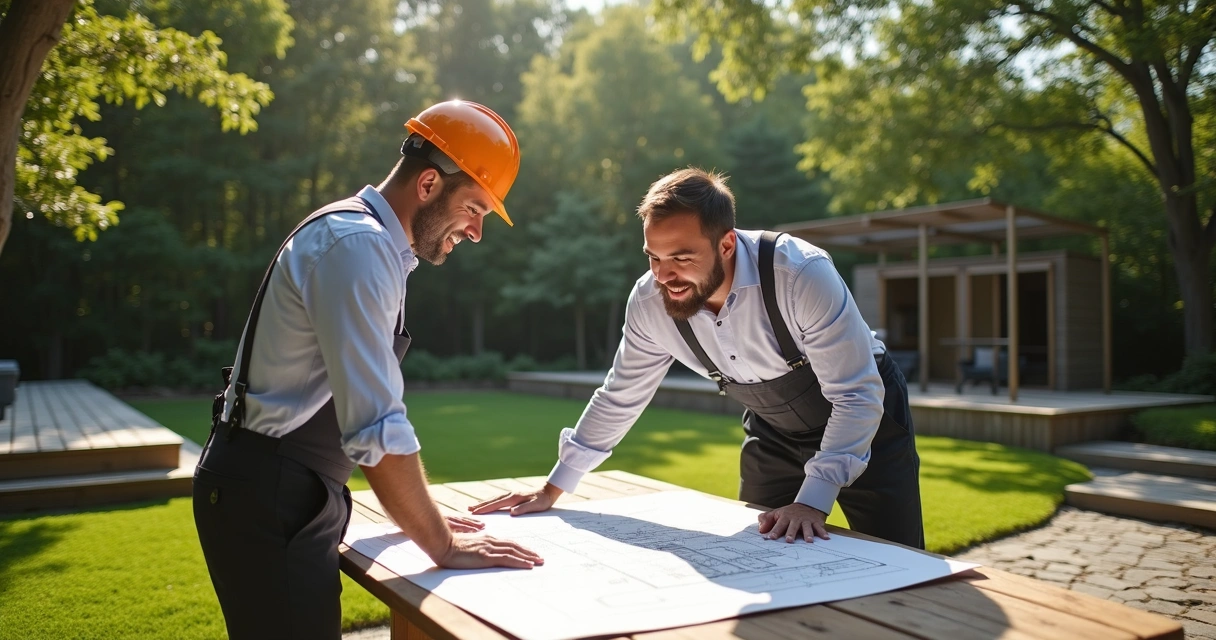 The best answers to this question will be detailed. Look for:
- A primary contact: You have a go-to person, not a nameless office email.
- Regular check-ins: Scheduled reports, photos, or on-site walkthroughs.
- Transparency in changes: They outline how change requests are managed and documented.
- Respect for your workflow: Integration with your team, flexibility in meeting times or communication tools.
In Urban Oasis’s process, this is not just about efficiency. Good communication strengthens trust, reduces surprises, and keeps everyone moving in the same direction.
Silence is the enemy of progress.
5. what is your step-by-step project process?
Process may feel boring at first glance. But behind every stunning patio, vibrant lawn, or glimmering pool is a structure that makes things possible.
Ask candidates to outline their process, preferably from initial consultation through design, approvals, construction, and follow-up after completion. Expect details like:
- Initial evaluation: Site visit, measurements, client goals
- Concept proposal: Mood boards, sketches, sample materials
- Project timeline: Estimated start and completion dates
- Approval milestones: When and how you review/approve concepts and budgets
- Construction phase: Phases of work, site management plans, safety measures
- Post-completion: Final inspection, maintenance recommendations, warranty (if available)
If the answer feels vague, or you sense they’re winging it, dig deeper. A partner like Urban Oasis presents a clear, repeatable method—one rooted in experience, not guesswork. For more insights on establishing strong landscaping practices, review the essential tips for landscape success all year.
6. how do you ensure quality and handle warranties?
Outdoor spaces endure the elements and heavy use. Mistakes in planting, construction, or material selection may take months to reveal themselves. Reliable landscape partners will explain how they select suppliers, train crews, and inspect work at each stage.
Inquire about:
- Material sourcing: Where do they obtain plants, wood, stone, or other key materials?
- Work standards: Do they follow industry guidelines and local codes?
- Supervision: On-site manager or random check-ins?
- Warranty: What is covered (and not) after project completion?
Good companies, like Urban Oasis, offer straightforward warranties and guidance on landscape maintenance. You’re not just partnering for the build—you need to know you have support if problems emerge, even after payment clears and the tools are packed away.
Good partners stand by their work, even when no one’s watching.
7. how do you manage timelines and coordinate with other trades?
Landscaping is rarely a solo act. Schedules overlap—concrete pours wait on fence installations, pool work must end before lawns go down. Reliable partners respect the domino effect on site and know you depend on precision.
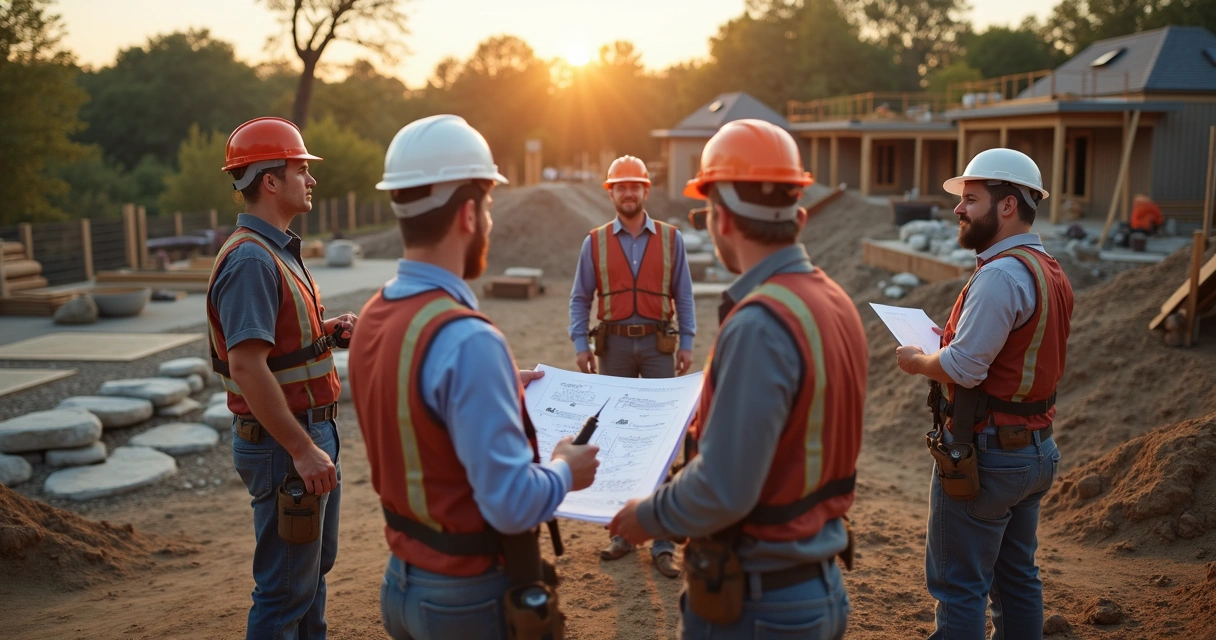 Here’s what to ask:
- Timeline estimates: Not just rough guesses—expect a detailed schedule with clear phases.
- Contingency plans: What happens if weather, material delays, or changes interrupt progress?
- Collaboration: How do they coordinate with other contractors (plumbers, electricians, etc.)?
- Tracking tools: Digital calendars, daily logs, group chat? Fight vague promises with precise questions.
Look for answers that match your pace and style. If you rely on digital scheduling, so should your partner. Urban Oasis, for example, embraces transparent scheduling, which helps everyone stay on track—no more guesswork about where things stand.
Checklist for hiring landscape partners
If you only take one thing from this article, let it be a habit: Use a checklist. It keeps emotions and sales pitches at bay and pushes you to focus on facts.
- Portfolio reviewed—work similar in type and scale to your project
- References contacted and feedback was positive
- Licenses and insurance provided and verified
- Clear communication plan established
- Step-by-step project process described and understood
- Quality control and warranties detailed in writing
- Timeline and coordination practices explained
- All fees and payment schedules explained, preferably in advance
Tick every box, or at least understand where risks may still live. Some might argue that’s a lot to ask, but shortcuts here only lead to costly regrets down the road—you can count on that.
Signs of a reliable partner, beyond the checklist
The screening process is only the start. Trust builds through small markers—quick replies, punctual site visits, realistic talk about setbacks, and clear documentation.
The team at Urban Oasis, for instance, commits to transparency in every interaction, whether it’s reviewing plan revisions or discussing sustainability choices with clients. There’s a reason they’ve earned a reputation for bringing vision and process together.
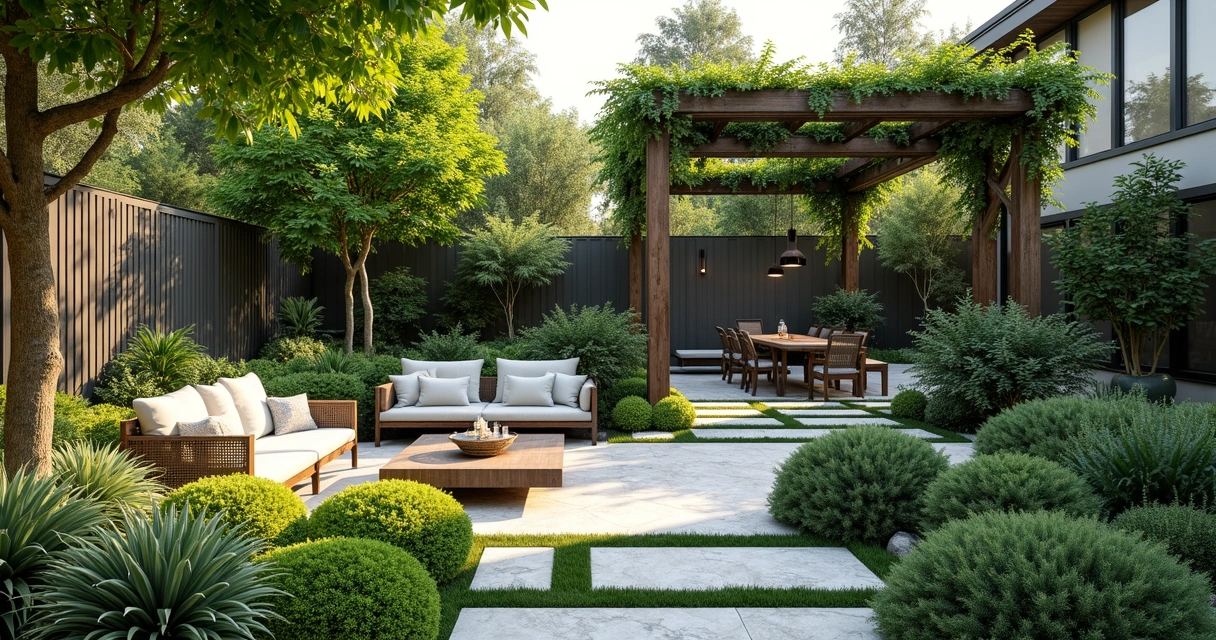 For even more understanding of various landscape techniques and their long-term impact, the comprehensive landscaping guide by Urban Oasis is recommended reading. It’s practical, focused on both beauty and function, and sheds light on how the right methods produce results that last.
What to watch out for: red and yellow flags
The following warning signs deserve more than a passing glance:
- Reluctance to provide references or incomplete portfolios
- Missing, expired, or unverifiable licenses and insurance
- Vague or shifting timelines with little written documentation
- One-size-fits-all project plans with no interest in your goals
- Unclear answers about quality control or warranty terms
- Slow, inconsistent, or confusing communication
While one slip might not spell disaster, a pattern should give you pause. The stakes are too high for guesswork.
Building a lasting partnership, not just ticking boxes
The very best landscape contractors grow as your projects grow. They adapt, innovate, and remain committed long after the ribbon is cut. Urban Oasis, for example, maintains ongoing relationships, offering advice for seasonal care and necessary upgrades as a property evolves.
If you treat the process like a partnership search and not just a quick transaction, the benefits compound: fewer headaches, lower costs, and outdoor spaces that just work—visually, practically, and financially.
For a full menu of outdoor transformation possibilities, explore the wide range of services that Urban Oasis brings to every project.
The last step: your next move
Picking a landscape partner is a turning point for any construction project. When you choose wisely, you gain not just a vendor, but a true collaborator—someone who doesn’t just deliver a finished product, but elevates your entire project from start to finish.
If you’re ready to experience a meticulous, creative, and honest approach, Urban Oasis welcomes you to connect. Fill out the form below to share your vision. Let’s see what we can achieve together—beautiful, lasting spaces that reflect your values and wow everyone who visits.
Your dream project deserves a partner who gets it right, down to the smallest detail.
And for continued insights, inspiration, and expert advice on new trends, maintenance, and practical landscaping guidance, don’t forget to visit the Urban Oasis landscaping blog.
Frequently asked questions
What is a landscape partner?
A landscape partner is a professional or company specializing in designing, building, or maintaining outdoor spaces. They often collaborate with construction companies, architects, and homeowners to realize the full potential of gardens, patios, decks, pools, and other exterior features. Unlike a one-off contractor, a landscape partner offers ongoing support, from conception to upkeep, ensuring the project thrives for years. Urban Oasis, for example, acts as a landscape partner for those seeking reliable, high-quality results tailored to individual needs.
How to find reliable landscape partners?
To find a dependable landscape partner, start by asking for a detailed portfolio with projects similar to your own. Check references from recent clients and insist on proof of proper licensing and insurance. Gauge their communication habits by discussing project timelines and process transparency. It’s useful to review how they coordinate with other trades and handle quality control. The checklist provided in this article can guide your evaluation—focus on facts, not just promises. Learning more about a company like Urban Oasis by checking their project galleries and services can also help inform your decision.
What questions should I ask landscapers?
You’ll want to ask:
- Can you show projects like mine in your portfolio?
- Could I contact some recent clients for references?
- Do you have up-to-date licenses and insurance?
- How will you communicate with me throughout the project?
- What set process do you follow from start to finish?
- What steps do you take to ensure quality and back up your work with warranties?
- How do you set project timelines and work with other contractors?
These questions dig below the surface to reveal a landscaper’s true capability, transparency, and fit for your needs.How much do landscaping services cost?
Costs for landscaping vary widely, depending on the project’s size, the materials used, design complexity, and the level of aftercare involved. Smaller projects might start in the low thousands, while comprehensive outdoor renovations involving decks, patios, pools, or custom features can run much higher. It’s helpful to ask for detailed, line-by-line estimates in advance and ensure potential partners explain what is and isn’t included. Urban Oasis always strives to match budgets with client expectations and offers solutions tailored to financial requirements.
Where to find the best landscapers?
You can find skilled landscapers by seeking out professional companies with proven track records, rich portfolios, and strong client feedback. Reviewing detailed client stories, documented project galleries, and checking their capability to manage various outdoor features is a good start. Urban Oasis, for instance, shares past successes on their website, which can help you gauge the quality and variety offered. Connecting with landscape professionals through these channels increases your chances of finding the right match—one who shares your vision and standards.