

Step outside in July, just as thunder rolls over the Texas skyline. Maybe you’re watching from a porch swing—clouds gathering, air thick, the promise of relief and danger rolled into one. Then it starts: rain so hard it ricochets off pavement, pooling in minutes. Yards transform, water racing downhill, plant beds overwhelmed. No landscape in Texas is really immune to these sudden, wild summer storms.
But there’s a way to outsmart them. This article is all about that—plant beds built to survive floodwaters as fierce and fast as any July has ever hurled at your home or business. Along the way, you’ll see why companies like Urban Oasis are drawn to solving exactly these challenges in outdoor design, where beauty and resilience share the spotlight.
Why Texas summers demand more from your landscape
Let’s be honest: Texas weather doesn’t do half-measures. In summer, heat bakes the ground until it’s bone hard. Then, almost on a dare, thunderstorms let loose—fast, drenching, and often overwhelming for standard backyard plantings.
This flash-flood pattern matters. The rain runs down clay-rich soils, pooling on hardscapes, overwhelming drains, and sweeping away whatever isn’t anchored. Traditional beds—those lovely rectangles filled with shallow-rooted ornamentals or standard lawn—barely stand a chance. Floodwaters scour mulch, expose roots, and leave behind a soggy mess.
Nature’s tests are sudden. Your garden needs to be ready.
What makes a plant bed survive flooding
Not all plant beds are equal. Some fall apart in heavy weather, while others shrug off water like an old cowboy’s raincoat.
- Structure is everything. Raised beds shed water better than flat plots. Above-grade mounds reduce root rot.
- Soil is your hidden weapon. Loose, permeable mixes drain fast—key when fighting floodwaters.
- Deep roots win. Plants with long taproots anchor soil and find moisture even when surface flows vanish.
The science backs it up: green stormwater infrastructure, like rain gardens and bioretention areas, can reduce stormwater overflows by up to 31% and slow down the rush. Even small changes—like switching soil type or adjusting bed height—tip the odds in your favor.
How raised mounds shield your garden
Rain always seeks low ground. Raised mounds flip the script, sending water away from the center of your plantings. There’s a reason you see this design in Texas parks, pavilions, and expertly managed properties.
- Faster drainage. Mounds drain faster, meaning roots won’t drown.
- Less erosion. Water spreads around, not through, the heart of your bed.
- Protection for roots. Elevated beds reduce the risk of root rot in heavy weather.
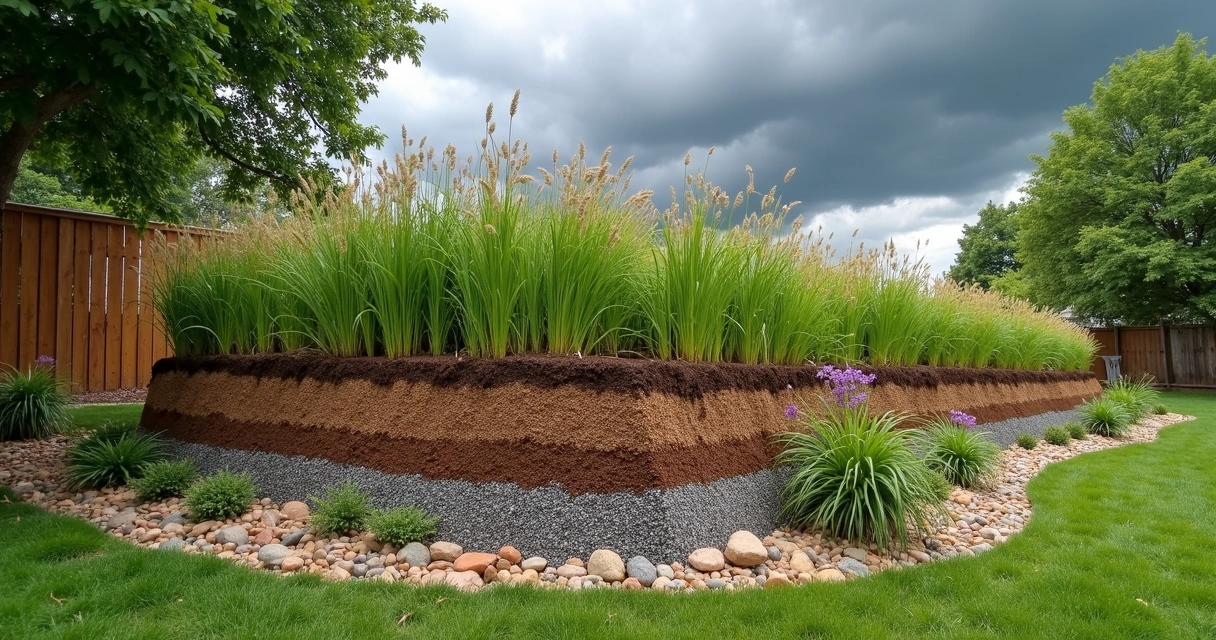
Urban Oasis often incorporates raised design in both residential and commercial spaces. Think of it like investing in the foundation of a house: you don’t see what it’s stopping, but when a flash flood hits, you’ll see the difference.
Building your own raised bed: the essentials
- Choose the right spot—pick a place where water tends to flow, but ideally not in the lowest depression (unless you’re creating a rain garden on purpose).
- Shape your mound—aim for 8-18 inches above surrounding grade, with gentle slopes on sides for stability and drainage.
- Add layer upon layer—start with a base of gravel or broken stone for quick drainage. On top, add a mix of sand, compost, and native soil.
- Tamp lightly—too much compression and you’ll defeat drainage; too little and it’ll slump after rain.
- Top with mulch or gravel—this curbs surface runoff, keeps soil in place, and gives roots breathing room.
When you—and your soil—are ready, the next step is often overlooked: choose your plants with the floods in mind.
Permeable soil—the secret beneath the surface
Clay-heavy soil is common in Texas. Unfortunately, it’s about as welcoming to rainfall as a tin roof. Instead, beds built to hold their shape need blends that breathe.
- Mix in sand or angular aggregate—creates air pockets and drainage pathways.
- Add compost for structure—keeps the soil loose and feeds plants.
- Double-check pH—a balanced mix is better for tough flood-resistant natives.
Scientific studies have shown permeable structures work: permeable pavements can cut runoff by up to 93%. Similar principles apply in your plant beds. If the soil acts like a big sponge, you get time—time for water to drain, roots to breathe, and your landscape to recover.
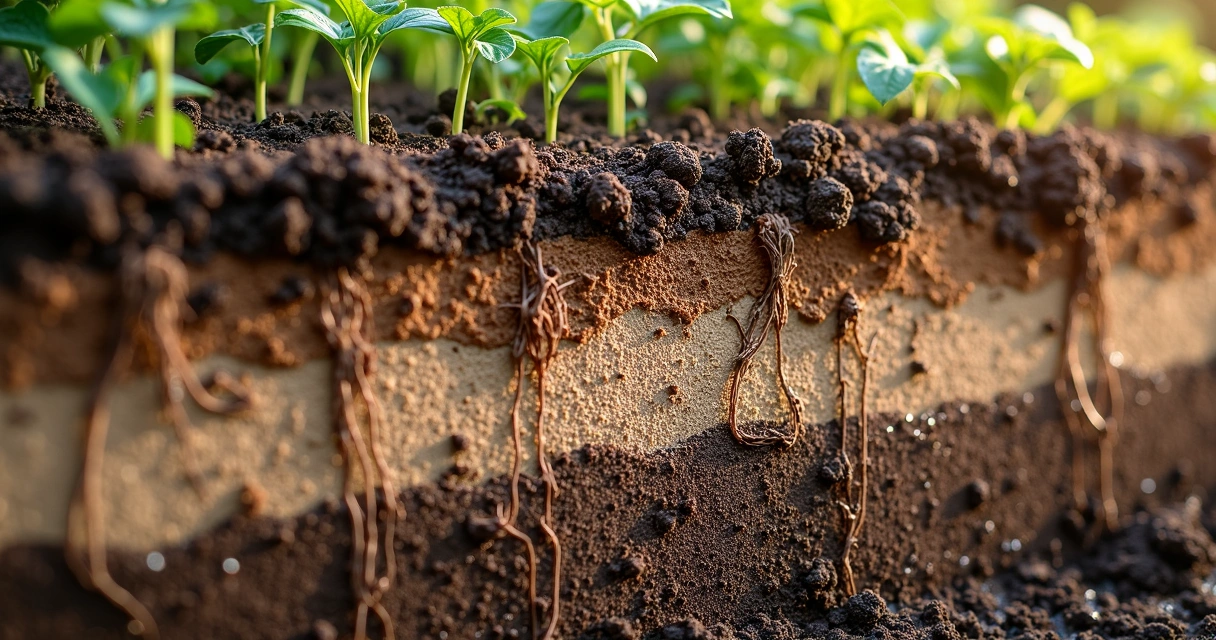
Urban Oasis frequently revisits the soil blends they use, balancing structure and fertility for each site. In this way, every detail—from below ground up—contributes to a more resilient landscape.
Deep-rooting native plants—the frontline defense
Not all plants care for a Texas summer downpour. Some collapse, others thrive. Natives with long taproots hold soil in place and keep growing even after soaking.
- Eastern gamagrass: Powerful roots, handles both flood and drought.
- Switchgrass: A foundation grass, deep and tough.
- Black-eyed Susan: Wildflower beauty, sneaky-strong root system.
- Inland sea oats: Does well along creeks, great for stabilizing beds.
- Turk’s cap: Handles shade and sun, feeds pollinators despite water stress.
Incorporate these with confidence. They’re the backbone of adaptive Texas plantings and have earned their place shielding properties large and small. Deep-rooted natives stitch the garden together, bridging dry spells and torrential rain with equal stubbornness.
Rain gardens—nature’s answer to flooding
Sometimes, the best thing you can do isn’t fight the flood, but guide it. Rain gardens are shallow basins placed where runoff pools, filled with deep-rooted plants and fast-draining soil.
A rain garden turns a flood into a show.
- Slows water down—gives soil time to absorb rainfall that might have swept away mulch or plants.
- Improves infiltration—roots act as tiny channels, helping water sink in.
- Creates habitat—pollinators and songbirds flock to these vibrant patches.
According to the Low Impact Development program from Texas A&M AgriLife, integrating green infrastructure like rain gardens directly in Texas landscapes can visibly reduce local flooding risks and improve stormwater management.
How to create a rain garden bed
- Pick a spot downhill from your house, but at least 10 feet away from the foundation.
- Dig a gentle basin, 6-18 inches deep, shallow in the middle and sloping to the edges.
- Layer with gravel at the bottom, cover with a sandy/loamy mix, and finish with native mulch.
- Plant with natives accustomed to wet and dry swings—bluestem, goldenrod, sedges, and more.
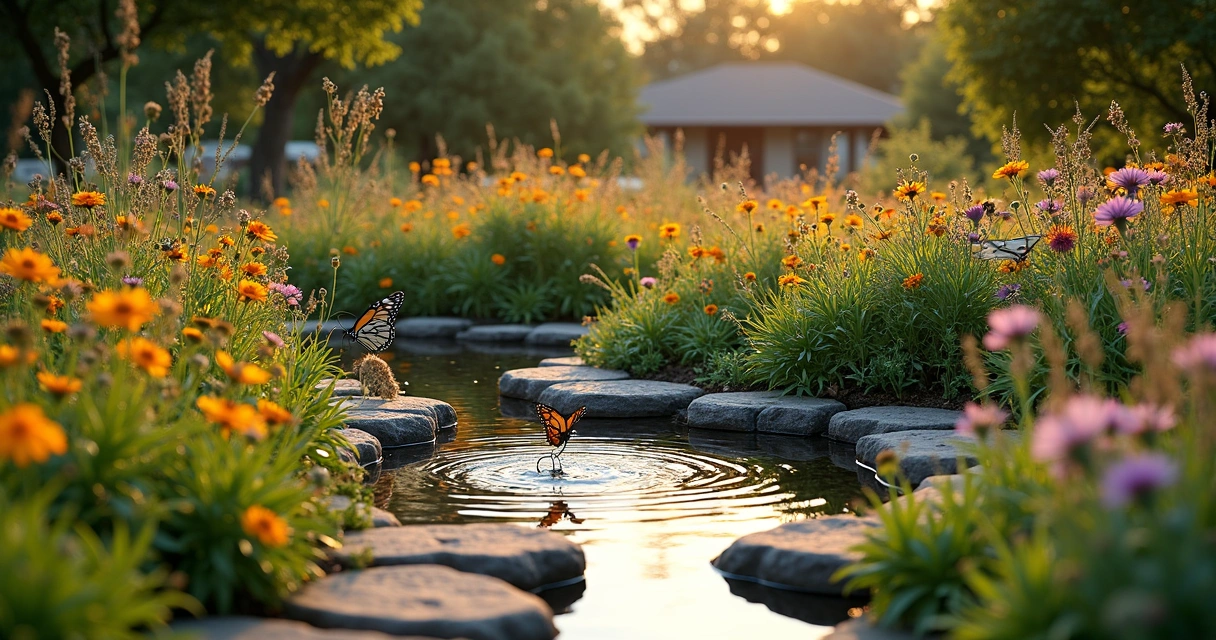
Projects like Urban Oasis often blend rain gardens with permeable patios and decks to control flow and add beauty. Smart design is as much about redirecting water as it is about filling space.
Mulch and hardscaping—the finishing touch
Let’s not forget: surface materials change everything. Organic mulch keeps soil loose and slows runoff. Stone mulch, gravel paths, and even permeable pavements cut runoff, as studies from Texas A&M AgriLife Research and Extension Center at Dallas have shown.
- Pine straw or shredded hardwood mulch—absorbs and disperses water so soil below can soak it in slowly.
- Permeable flagstone, pavers, or gravel walks—let rain through, guiding overflow away from root zones.
- Edge beds with stone or recycled plastic border—prevents the whole mound from washing away in a single afternoon.
These materials don’t just look good—they’re functional, helping plant beds survive summer weather swings. Interested in year-round strategies? There’s more to love in this guide to landscape success in every season.
Cover crops—nature’s living armor for open soil
Perhaps the only thing more effective than mulch is something alive and growing. Cover crops add roots to empty spaces, hold soil through big rains, and build up organic matter over time.
- Clover and rye: Quick to cover bare soil, great for blending into bed edges in off-seasons.
- Vetch: Fixes nitrogen, supports soil structure, and recovers fast after floods.
- Native wildflowers: Keep things beautiful while working to hold soil between main perennial plantings.
Research from Texas A&M AgriLife Extension Service shows cover crops improve infiltration and strengthen the resilience of both home gardens and working landscapes during flash floods. Whether it’s a small patch in a backyard or a broader swath on a commercial property, these green allies make a difference.
Real-life backyard—when a storm tests your beds
There are few better teachers than a Texas thunderstorm. I once watched a neighbor’s modest backyard transform overnight—new beds, raised high, braced with native stone and filled with a sandy loam- compost blend. A week later, the storms arrived. Water rushed down the slope, but instead of carnage, the beds drained clean, plants barely battered. The difference? Clear planning, good structure, and nature’s own helpers in the roots.
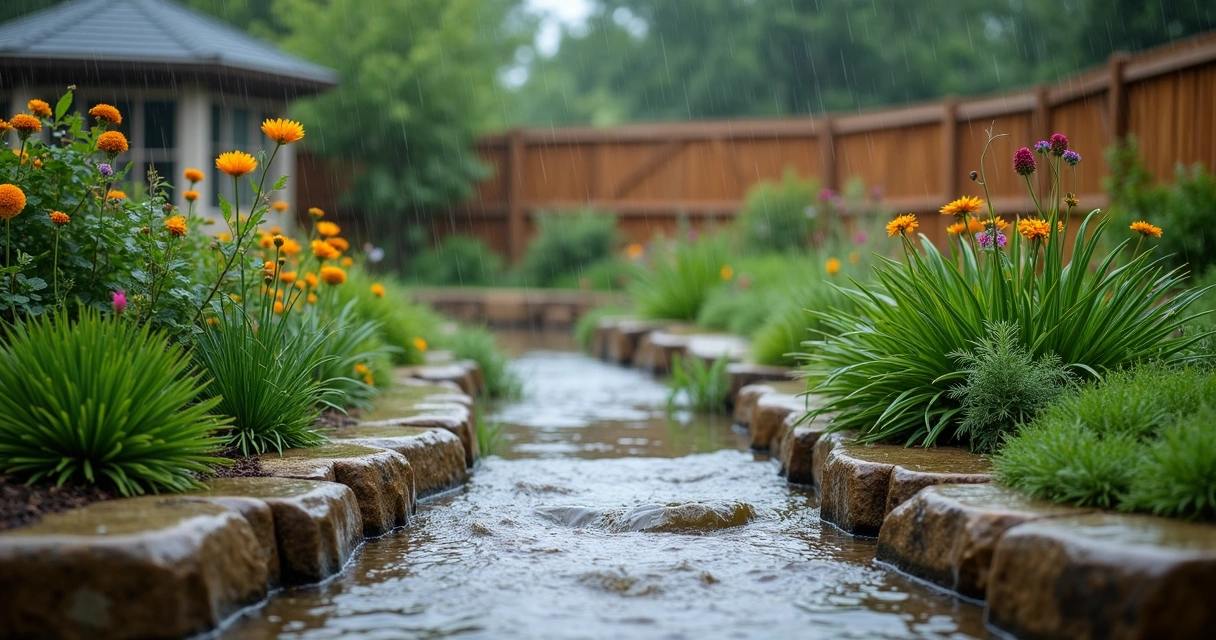
These are the kinds of solutions Urban Oasis aims to bring to property owners who want both style and resilience.
Planning ahead—matching your budget and lifestyle
You don’t have to overhaul everything at once. Choosing where to start matters more than doing it all at once. Some want rain gardens; others prefer raised beds or just adding more deep-rooted natives over time.
- Low-water plantings double as both flood- and drought-resistant elements.
- Building in advanced techniques—from soil amendments to smart irrigation—boosts both flood survival and day-to-day enjoyment.
- Getting input from professionals (like Urban Oasis) saves headaches down the line, ensuring that your hard work holds up year after year.
Common mistakes to avoid in flood-resistant landscaping
- Flat beds at low points: These quickly turn to swamps or lose topsoil when floods hit.
- Poor soil prep: Clay-heavy, compacted soils stifle roots and invite root rot.
- Shallow-rooted non-natives: They typically won’t stay put through storms.
- Skipping mulch or edge barriers: These stand between your hard work and disaster.
It’s okay if things aren’t perfect the first season. Adapt, swap planting locations, and expand as you learn. That’s a wisdom applied daily at Urban Oasis, where the process is shaped by both experience and each client’s needs.
Looking ahead: urban landscapes and green infrastructure
The future of Texas landscapes—residential and commercial alike—leans heavy into what scientists are discovering about urban green infrastructure. Systems combining plants, soil, and permeable materials mimic nature’s way of absorbing and filtering water.
According to reports by Texas A&M AgriLife, bioretention—beds, mounds, rain gardens—can reduce overflows and delay peak stormwater flows, making them a quiet but steady ally in the fight against flash floods.
Urban Oasis integrates these findings, staying grounded in both technical knowledge and the everyday needs of Texans.
Final thoughts—your next steps toward flood-resistant beauty
Every storm is a test, but not a sentence. With raised mounds, permeable soil, and deep-rooted natives, you build not just a garden, but a living buffer against chaos. Beauty isn’t lost—it’s enhanced by resilience. If you’re ready to shield your outdoor space and still enjoy its pleasures, there are paths both practical and imaginative.
Flood-hardy gardens stand proud, even after the rain.
If you want expert hands guiding your project, or a conversation about custom solutions for your home or business, Urban Oasis is ready to help convert every drop of challenge into lasting style. Fill out our form below and let’s create an outdoor space that welcomes the storm—but doesn’t bow to it.
Frequently asked questions
What is flash flood-resistant landscaping?
Flash flood-resistant landscaping uses special design, soil, and plant choices to help outdoor spaces survive sudden downpours. It means building raised beds or mounds, using fast-draining soil, and choosing plants with deep roots. These techniques help water soak in, reduce runoff, and keep your garden looking good even after a summer storm. When done well, this approach mimics natural flood-control strategies, turning risky weather into just another part of your garden’s life cycle.
Which plants survive Texas flash floods best?
Plants with deep roots that can handle both very wet and very dry spells perform best. Examples include eastern gamagrass, switchgrass, inland sea oats, black-eyed Susan, false indigo, and even sturdy native wildflowers like goldenrod. Many Texas natives are adapted to extreme weather swings, so they’re less likely to be uprooted or smothered during heavy rain. For a detailed list, see guides in the Texas plant resources.
How do I build raised plant beds?
Start by picking a site with decent sunlight but not in a spot where water constantly pools. Build mounds 8-18 inches above the ground, sloping the sides gently. Use a base of rocks or gravel, then a blend of sandy soil, compost, and native soil. Top off with mulch or gravel. Edge the bed with stone or other sturdy material to prevent it from washing away. Raised beds drain better and keep roots from drowning—just be sure to stick with the plan for soil structure.
Is flash flood landscaping worth the cost?
For most Texas properties, it pays off over time. The cost of repairing beds after a big storm, or constantly replacing washed-away plants, adds up quickly. Raised mounds, quality soil, and the right plants limit expensive problems down the line. Plus, this approach can boost home value and looks great year-round. The investment is especially wise in high-risk or flood-prone areas—much less stress, fewer repairs, more peace of mind.
How can I protect my garden from floods?
Build raised beds or mounds, use permeable soil blends, and prioritize plants with deep roots. Add mulch to keep the ground in place and use stone or strong edging materials to defend against erosion. Rain gardens can catch and slow runoff in low spots. If you use paths or patios, choose permeable materials to help water sink in. Thoughtful design—from rain gutters to planting choices—helps every part of your landscape resist the next Texas storm.