
Every winter, I watch as Austin’s gardens brace for unpredictable freezes. One year, my neighbor’s cherished lemon tree nearly didn’t make it, while another’s flowerbeds looked untouched by the cold. Their secret? Smart, simple winter protection. A small investment in covers and mulch can mean big savings in plant replacement come spring. Let me explain how these basic tools, when used correctly, can help any home or urban garden weather Texas’ wild winter swings, with a few stories and tips I’ve picked up along the way.
Why Austin gardens need winter protection
Austin’s climate can be confusing: warm December afternoons, then a sudden frost overnight. I’ve seen so many people underestimate these swings and lose beloved plants after a single cold snap. Unlike parts of the country that freeze and stay that way, here the challenge lies in these unpredictable dips, followed by warm recoveries.
What makes it tricky? Our average last frost date is around February 25, though hard freezes may come earlier or later, according to the Travis County extension office. Some seasons, it’s a one-off. Other years deliver repeated cold surprises. If you like tropicals, succulents, citrus, or newly planted beds, they’re all at risk when air chills to freezing or below, even if only for a night or two.
For commercial and residential projects, Urban Oasis often sees the difference effective winter protection can make: less time replanting, lower maintenance costs, and gardens looking beautiful all year. Who wouldn’t want that?
Understanding freeze damage in urban Texas gardens
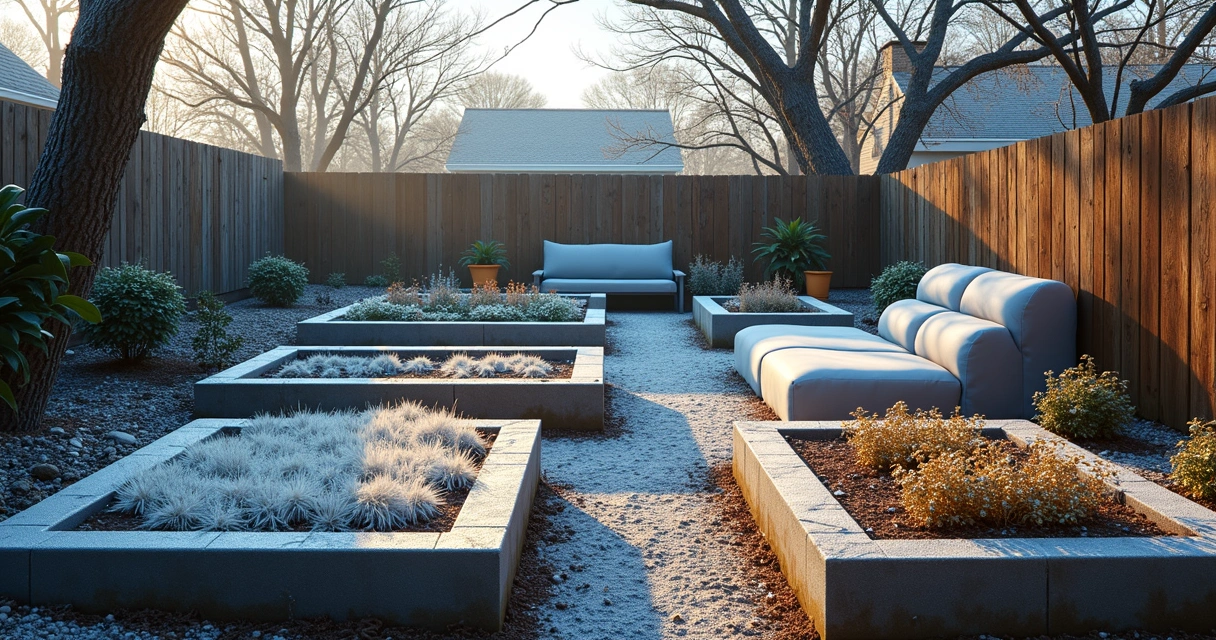
Not all cold weather is the same—knowing the difference can help you plan. I remember feeling mystified the first time: Why did some of my plants blacken while others survived untouched? The answer is all in how, when, and how fast temperatures drop. Here’s what to watch for:
- Light frost: 29–32°F. Tender leaves suffer first; roots are mostly fine.
- Moderate freeze: 24–28°F. Non-hardy annuals and unprotected shrubs may die back.
- Hard/killing freeze: 24°F or lower. Roots of many plants, including shrubs and small trees, are at risk, especially if soil is dry or exposed (extension research).
I once experimented with covering half my garden with cloth and the other half with only mulch during a surprise cold front. The difference was stunning. The covered and mulched plants looked as if winter hadn’t touched them, while the others wilted or got discolored overnight.
The basics of frost cloth: how, when, and why
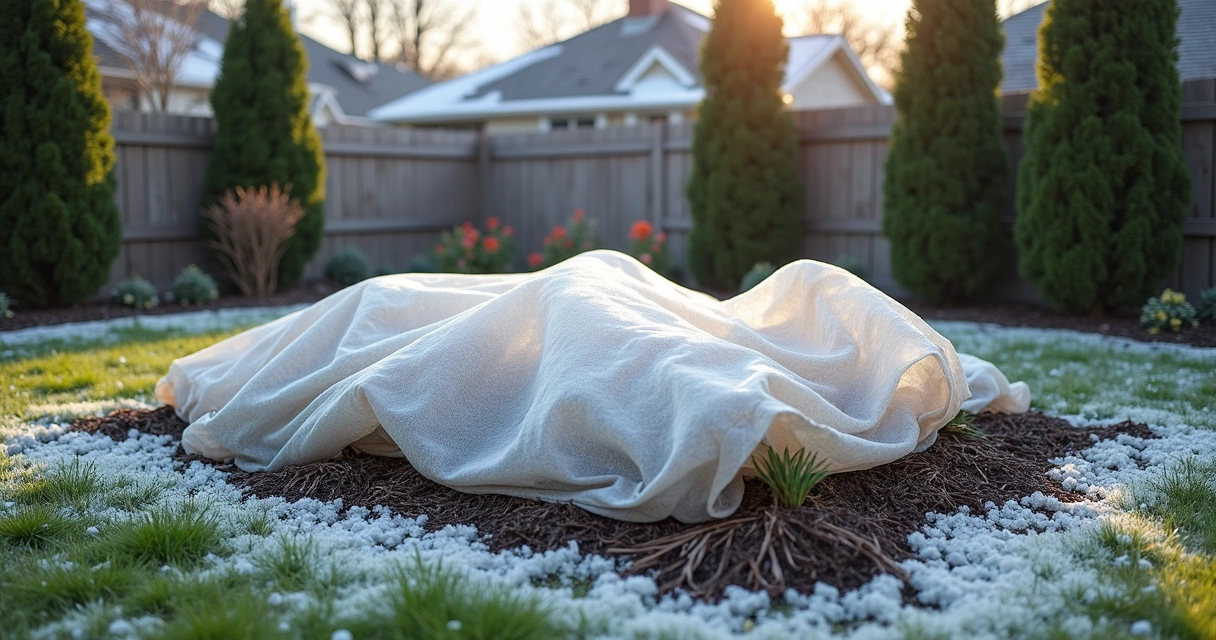
Frost cloth is one of those tools I wish I’d discovered sooner. It’s essentially a lightweight, breathable fabric that traps a pocket of warmer air around your plants. Unlike plastic sheeting, which sometimes does more harm than good by trapping moisture and burning leaves, frost cloth lets air and some light through, making it perfect for repeated use during unpredictable Texas winters.
How does it work? According to extension studies, frost cloth can increase the air temperature around your plants by 6–8°F. That margin often means the difference between a wilted bed and a thriving bed come March.
- Lightweight, reusable, and easy to store
- Keeps most frost and ice off leaves and buds
- Reduces soil heat loss overnight
- Perfect for vegetables, young perennials, tropicals, and small trees
You can almost think of frost cloth as a blanket—one your plants will thank you for.
Proper use of frost cloth in Austin
I’ve learned to keep a stash ready by the door during winter, not only for my kitchen garden, but for my favorite tropical plants too. Here are a few tips:
- Cover before sunset to trap soil heat, and secure tightly to prevent wind from blowing it off.
- Remove in the morning as temperatures rise above freezing, especially if it’s sunny, to prevent overheating (plants can suffer under constant cover).
- Support the cloth with hoops, stakes, or tomato cages to keep it from weighing down tender stems.
- Never use plastic directly on plants; if you only have plastic tarps, add a layer of cloth or old sheet first.
On large patios and in professionally designed spaces, like those done by Urban Oasis, frost cloth solutions can be integrated into the landscaping plan from the start—making it even easier to protect tender features year after year.
Mulch for winter protection: more than just decoration
When most people think of mulch, they think of weed control or summer moisture. Winter, however, is when mulch quietly does some of its best work. I’ve visited many Austin gardens that simply look “sleepy” in winter but, beneath the mulch, root systems are snug and protected from Texas’ wild cold fronts.
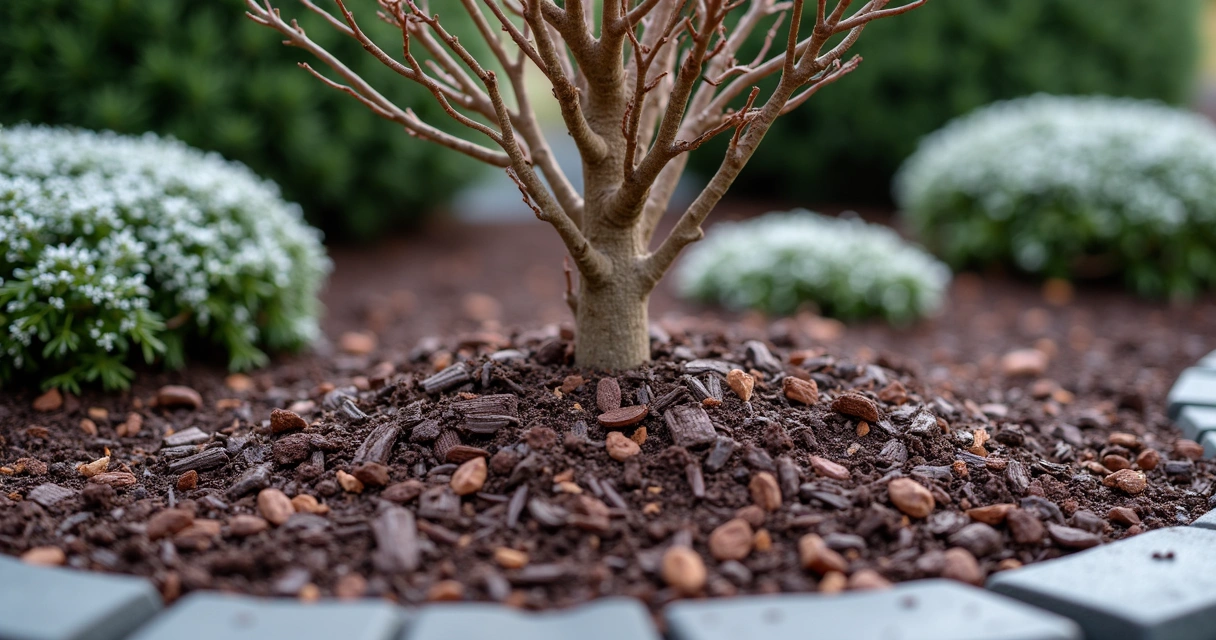
Mulch acts as an insulating layer, slashing rapid temperature swings at the soil surface. That lag means roots have a much lower risk of freeze damage, especially during nights when the air drops below 28°F. A well-mulched bed will not warm up as fast, but that’s a good thing if a sudden warm spell hits—plants stay dormant longer, avoiding premature sprouting and damage by the likely late frosts that follow (see detailed horticulture recommendations).
There’s a right and wrong time, though, for winter mulch:
- Wait for the first hard frost before applying a thick winter mulch (“killing frost” signals true dormancy)
- Apply 2–4 inches around perennials, trees, and shrubs; avoid direct contact with the stems and trunks
- Remove or thin out deep winter mulch by early March (around the 1st) to prevent fungus and let new shoots push up easily
Mulch keeps warmth in the soil, shelters roots, and prevents wild temperature swings that can spell trouble for your garden.
Types of mulch best for winter
Several mulches work well for winter in Texas gardens. Personally, I like to use what’s on hand—fall leaves, pine bark, or a good hardwood chip. Each has a slightly different effect, but they all insulate. Avoid using straw that could harbor weed seed, or mulches that can get soggy and pack down, smothering roots instead of protecting them.
For more about what’s safe and how to spot problems like “slime mold on mulch,” which I once found after a wet spring, check this helpful guide on mulch troubleshooting.
Why water matters before a freeze
This may sound odd, but watering plants before a hard freeze can make all the difference. Moist soil holds heat longer than dry, so the roots and trunk stay protected. The Texas A&M Forest Service notes that a good soak—especially for new trees—can mean improved survival after multiple cold nights.
Never let soil dry out before a freeze.
Of course, this only works if the soil isn’t frozen already. Light watering a day ahead adds insurance without waterlogging roots. I’ve seen many garden beds recover beautifully in spring just from this simple trick. If you travel often, consider asking a neighbor or arranging for automatic irrigation just to keep soil moisture even.
Step-by-step: building your winter protection toolkit for Austin
I’ve developed my own checklist for the start of every Austin winter. These are the materials and steps I recommend, based on long seasons, many cold mornings, and a bit of trial and error. Urban Oasis takes a similar approach for large and small clients:
- Gather materials in advance
- Frost cloth (enough to cover all tender beds and young trees)
- Stakes, hoops, bricks or rocks for anchoring
- 2–4 inches’ worth of mulch (wood chips, bark, shredded leaves)
- Watering can or hose for pre-freeze irrigation
- Labels/tags for plants needing extra care (I neglected this once and lost some rare salvias!)
- Old sheets or blankets as backup for unexpected events
- Watch the weather
- Frequent checks from mid-November through March
- Record upcoming freeze warnings (often 12–24 hours’ notice)
- Water thoroughly if a freeze is forecast
- Focus on newly planted trees, tender perennials, and container beds
- Install or spread mulch after a true “hard frost”
- Keep mulch a few inches away from stems and trunks to avoid rot
- Deploy frost cloth before sunset, anchor well
- Ensure there’s some air space between cloth and plant tops
- Remove coverings in the morning
- Let light and air back in to prevent heat buildup
- Repeat as required through the winter
- Inspect beds for pests, fungi, and water needs regularly
This toolkit works for homes, rooftop gardens, patios, and commercial landscapes throughout Austin and Central Texas.
For more detailed monthly garden planning, I recommend checking out the year-round landscape tips shared by Urban Oasis, which were a big help to me my first winter caring for fruit trees.
Special considerations for urban gardens and commercial spaces
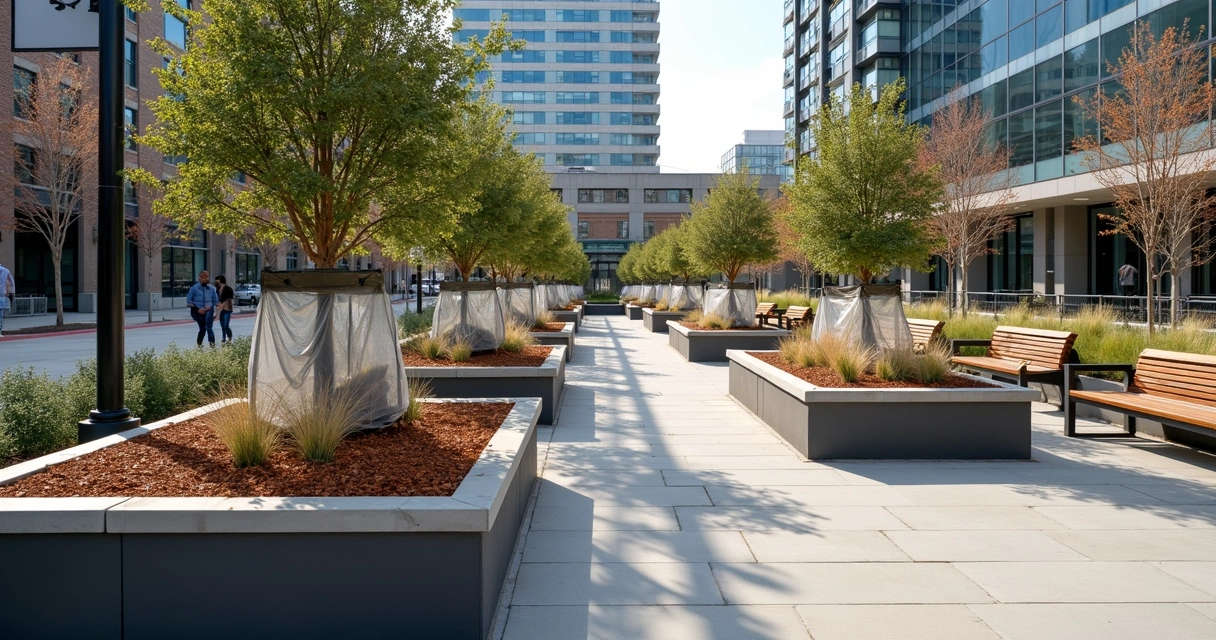
Urban gardens come with extra challenges—wind tunnels between buildings, heat-reflecting concrete, limited root space, and sometimes, strict appearance standards. In high-traffic commercial landscapes, protection methods can’t look “messy” or interfere with use. For projects supported by Urban Oasis, solutions must be easy to install and remove, blend into the overall design, and value sustainability.
I’ve worked with clients who wanted invisible freeze protection for courtyard trees, as well as those who loved the look of natural mulch paired with evergreen underplantings. In both cases, we focused on keeping roots protected and crowns insulated, especially for exposed planters, turf edges, and potted specimens.
- Use dark-colored frost cloth for less visibility on patios and public spaces
- Low-growing evergreens or shrubs can double as wind blocks
- Mulch beds with bark that matches the design palette for a clean, cohesive look
- For raised beds or rooftop gardens, pay special attention to insulation under soil and around container sides
Every year, I notice that gardens with careful, permanent design features—geared from the start toward Texas winters—recover faster and need less ongoing work. Urban Oasis leads with this philosophy, adapting solutions to each client’s budget, space, and maintenance expectations to extend the beauty of outdoor areas long after the holidays.
Case study: winterizing a residential patio with Urban Oasis
Last winter, I worked with Urban Oasis on a residential patio project in north Austin. The clients had just installed a beautiful deck, new citrus trees, and flower beds but were worried about another hard freeze. Here’s how we set up their freeze protection toolkit:
- Chose frost cloth with reinforced edges for easy anchoring over loungers, rose beds, and citrus trees
- Recommended a natural cedar mulch for all garden beds and beneath potted shrubs
- Installed sturdy hoops in advance for quick cloth deployment when a freeze was forecast
- Taught the clients to water deeply the afternoon before a cold snap, especially for the young shade tree
- Left a checklist and storage bin by the back door to stash supplies for emergency use
Despite two hard freezes, the garden came out of winter lush and green. The owners later told me they saved hundreds, since they didn’t lose a single plant—proving once again the value of being ready, rather than just hoping for mild weather.
If you manage beds with tricky plants or want advice tailored to your space, take a look at this guide on plant shock and care after freezes.
Common mistakes and how to avoid them
Through the years, I’ve noticed gardeners—myself included—making routine mistakes that cost time and money. Here’s what to watch out for if you want maximum protection with minimum fuss:
- Leaving mulch piled against trunks and stems, causing rot or fungal issues
- Applying mulch before plants are fully dormant (wait for a true hard frost!)
- Using solid plastic sheeting directly on plants, which can cause as much harm as frost itself
- Forgetting to anchor covers, resulting in wind loss during the worst of a front
- Not watering ahead of dry, cold snaps—dry roots freeze much faster than moist ones
- Allowing cloth to stay on during warm, sunny days, risking unnecessary heat and disease
- Failing to remove deep mulch in spring, causing stems to rot or sprout poorly
Winterizing your garden is not about spending a fortune—it’s about spending wisely on what matters most.
If you’re still curious about zone-appropriate plant choices that stand up to Texas cold, I recommend reading about the best cold-hardy plants for Texas landscapes, which can further reduce your winter workload.
When to remove winter protection
Timing matters. As days get longer and average nighttime temps stay above freezing (usually by mid- to late February in Austin), I begin thinning mulch from emerging perennials and removing frost cloth for the season. Growth can be sudden—sometimes in a week or less! Leaving insulation too long can delay green-up and cause unwanted fungal problems.
Uncover your garden after the risk of hard freezes has truly passed, bearing in mind swings in late winter weather, then feed and water as usual. Your investment will be repaid by lush, resilient, and beautiful beds—ready for another year of Austin gardening adventure.
Useful resources for further learning
For gardeners and outdoor space lovers who want more detail, I’ve found these resources helpful year after year:
- Urban Oasis: Lawn and gardening advice for Austin
- Monthly planting and freeze dates for Austin
- Research on root and tree winter protection
- Help for mulch issues in spring
- Landscape care guidance for all seasons
For a glimpse into the winter-to-spring transition, explore local gardening blogs and connect with Austin-based outdoor living specialists to keep your freeze toolkit up to date.
Conclusion: Your winter protection pays back in springtime beauty
I’ve seen the heartbreak of frost-damaged gardens, but also the striking success that comes from just a few hours of preparation. If you want your Austin garden to bloom and thrive after winter, don’t overlook the value of frost cloth, smart mulching, and good watering habits. Whether your outdoor space is compact, sprawling, or somewhere between, the right freeze toolkit saves money, time, and stress—setting you up for success all year.
Urban Oasis is here to help if you’re ready to create an outdoor space that resists winter’s toughest moments with grace and style. If you want advice on the best winter-protection solutions for your patio, lawn, or commercial garden, fill out the form below. Let’s make sure the next time a Texas freeze threatens, you’re ready—and your plants are safe.
Frequently asked questions
What is frost cloth for Austin gardens?
Frost cloth is a porous, lightweight fabric designed to protect outdoor plants from cold temperatures and frost in Austin’s variable climate. It traps heat while still allowing air and moisture to pass through, making it much better for plant health than plastic coverings. In my experience, having a supply of frost cloth ready makes responding to freeze warnings quick and easy. When properly installed, it can raise the air temperature around plants by several degrees, often saving sensitive beds from winter damage.
How does mulch help in Texas winters?
Mulch acts like an insulating blanket for your garden’s soil, protecting roots from freezing temperatures and rapid temperature swings. It keeps soil temperatures steadier, slows soil evaporation, and prevents early bud break that leaves plants vulnerable to late frost. After a killing frost, a 2–4 inch layer of hardwood or bark mulch spread over the root zone in Texas gardens keeps roots safer from freeze damage and reduces maintenance in spring.
Where to buy freeze protection supplies in Austin?
Gardeners in Austin can find supplies like frost cloth, mulch, stakes, and watering cans at most local garden centers, farm supply stores, and hardware shops specializing in landscaping. Many urban gardeners also order cloth rolls and professional-grade mulch online, especially if they want larger quantities or specific products for their unique garden designs. Urban Oasis can recommend options that fit your garden’s needs and style preferences.
What are the best freeze protection tips?
The most effective freeze protection strategies for Austin gardens include watering before a freeze, using frost cloth to cover vulnerable beds, applying mulch after hard frost, and uncovering plants promptly after temperatures rise. Pay attention to weather alerts, anchor all covers securely against wind, and inspect beds after each event. These simple steps help gardens recover quickly and save money otherwise spent replacing damaged plants.
Is winter mulch necessary for urban gardens?
Yes, winter mulch is highly recommended for urban gardens in Texas. Even container plants and raised beds in city environments benefit from an insulating mulch layer, which keeps roots from freezing, blocks weed growth, and supports soil moisture levels during cold, dry periods. Winter mulch also means greener, healthier growth as soon as temperatures warm up in spring.