
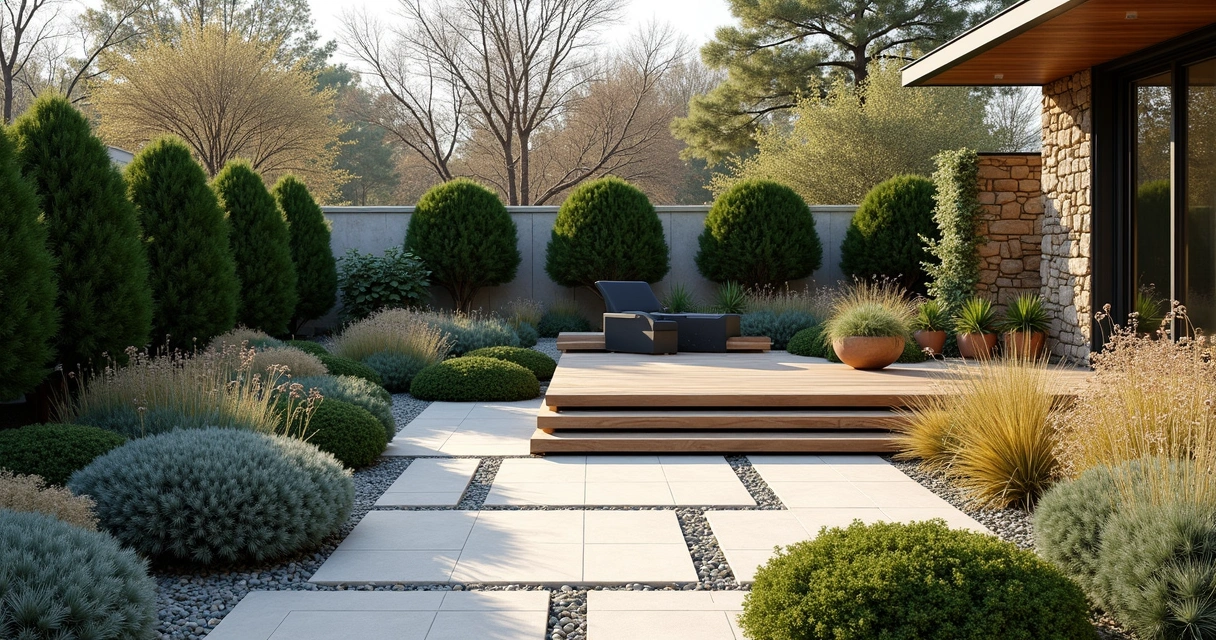
When I think about winters in Central Texas, what strikes me is this: they are unpredictable, dramatic, and often misunderstood. One year might be gentle, with misty mornings and fleeting chills; the next could bring a cold snap that reminds us nature has the final say. I’ve spent years helping people create gardens that don’t just survive our cold spells, but look effortlessly beautiful through every season. A cold-hardy garden in Central Texas isn’t luck. It’s the thoughtful result of structure, texture, and color, designed to shine no matter the month.
With the right planning—and respect for what our weather brings—a well-designed landscape here does more than endure. It flourishes with less worry and brings pleasure every single day. In Austin and beyond, I’ve learned that a landscape built for every season stays elegant and effortless all year.
If you’re ready to invest in a space where beauty never takes a season off, I want to guide you through the most rewarding approaches I know for garden design in winter in Texas, focusing on choices that bring cold-hardy structure and evergreen vitality—with the least stress for you.
Understanding Central Texas winters: the real risks, the real opportunities
The first step in garden design here isn’t choosing plants. It’s understanding what you’re up against. On paper, a winter in Austin or Waco may sound mild—and most days, it is. The challenge comes not from deep or months-long freezes, but from sudden, unpredictable drops in temperature. For gardeners there’s one certain fact: cold snaps will catch you off guard if you aren’t prepared.
- Typical freeze dates: Most areas see their first frost in late November and the last around early to mid-March, based on long-term National Weather Service records for Dallas–Fort Worth and Waco (National Weather Service normals for Dallas–Fort Worth, winter summary for Waco).
- Severe cold is rare, but real: Waco’s record low is −5°F (Jan 31, 1949), while periods with below-freezing temperatures can last several days, such as the infamous 205-hour freeze in February 2021 (National Weather Service information for Waco, TX).
- Freeze swings vary: On average, there are about 29 icy days a year, but some years have just a handful. Others, you might see 50 or more. Flexibility is key.
From my experience, the greatest regret people have is planting with an “average winter” in mind. I prefer to prepare for the extremes. That way, both garden and gardener relax.
The right choices mean less covering and less worry.
Planning for year-round beauty: mixing structure, texture and color
It still amazes me how a beautifully designed garden can stand out in winter. Most people think of flowers first, but winter highlights everything that’s been quietly working behind the scenes: structure, texture, and the play of evergreen foliage. A garden that is truly built for all seasons depends on balance and smart anchors, not just blooms.
Why structure matters more in winter
Think of structure as the bones of your garden. When the roses are bare and the perennials sleep, it’s the shapes of shrubs, the bold lines of pathways, and the outline of trees and pergolas that draw the eye. At Urban Oasis, I take care to place these anchors first, because in winter, it’s structure that carries the entire landscape.
Texture: subtle, rich, and surprisingly powerful
Texture creates visual interest in winter by using contrast—smooth next to rough, spiky against round, and shiny leaves partnered with those that are soft or fuzzy. Lavenders beside boxwood, agaves paired with ornamental grasses—these contrasts keep a landscape from feeling flat or dull.
Color: more than just blooms
While flowers tend to be the main attraction in spring and summer, winter color comes in many forms. Evergreen shrubs provide reliable green year-round, while bark, berries, and even seed heads can offer subtle touches of color all winter. In my projects, a splash of red from holly berries or the golden hue of ornamental grasses can transform a gray day into a visual treat.
Simple ways to mix structure, texture, and color for a four-season look
- Layer evergreen and deciduous plants for continuous coverage and interest.
- Use boulders or weathered wood for natural structural accents—permanent, and striking in every season.
- Add walks, patios, and decks that draw the eye and invite winter enjoyment. Projects like those I take on at Urban Oasis always include these elements for lasting beauty.
Choosing cold-hardy plants for reliable winter interest
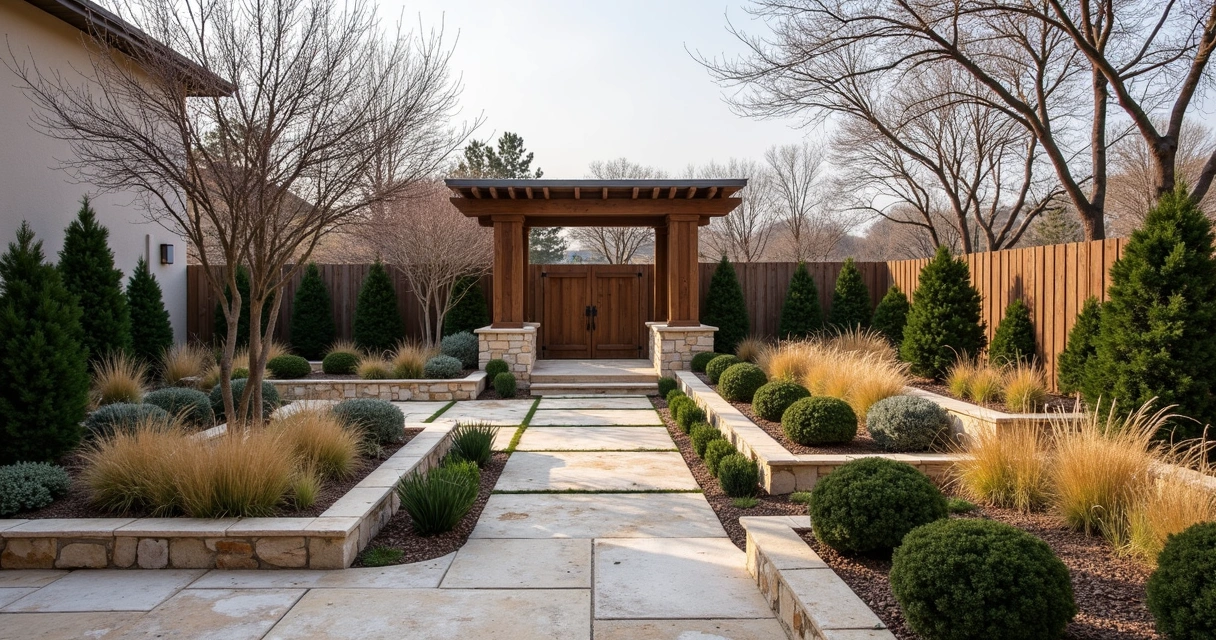
Resilience is the foundation of low-stress gardening in Central Texas. Cold-hardy landscape designs don’t just include plants that can “survive” a freeze; they highlight those that shine even when temperatures drop. Over the years, I’ve found that the right mix will be beautiful, no matter what January brings. For an in-depth starting point, I always encourage people to look at dedicated guides to success through temperature swings, such as cold-hardy plant recommendations for Texas gardens.
Evergreen shrubs: the real stars of winter garden design in Austin
If you want to ensure year-round structure and color, evergreen shrubs are your best ally. I consider them my secret ingredient for stress-free landscapes. In my experience, these varieties have never let me down for cold resilience, easy care, and style:
- Yaupon Holly (Ilex vomitoria): Native, tough, and available in both upright and weeping forms. The females bear bright red berries that light up a garden in winter.
- Japanese Boxwood (Buxus microphylla var. japonica): Low shearing needs and a reliable green backdrop for any border.
- Wax Myrtle (Morella cerifera): Fast-growing and aromatic, these create privacy and robust green structure.
- Texas Sage (Leucophyllum frutescens): Grey-green foliage with occasional purple blooms, thriving in limestone soils.
- Cherry Laurel (Prunus caroliniana): Dense, versatile, and rarely affected by cold snaps.
- Mountain Laurel (Sophora secundiflora): West-facing slopes love this shrub, and the grape-scented blooms are a spring treat after a strong winter showing.
- Nandina (Nandina domestica): For foliage variety, nandina stuns with greens, reds, and golds in cooler temperatures.
Reliable perennials and groundcovers
While evergreens anchor the landscape, perennials and tough groundcovers fill the gaps, soften the edges, and add a layer of year-round interest. My go-tos for Central Texas include:
- Liriope: Tolerant, evergreen, and excellent as a border in the cold months.
- Autumn Sage: Withstands a light frost and displays color well into the winter.
- Gulf Coast Muhly Grass: Its delicate winter seed heads seem to float, catching the low sun.
- Ajuga reptans: Groundcover that keeps its glossy leaves all year.
Evergreens keep winter green. Grasses show off their shine in the cold.
Smart use of hardscape: decks, patios, and permanent features
Plants aren’t the only focus in a four-season landscape. Every winter, I see how hardscape brings a layer of comfort, even when flowers sleep. Paths, patios, garden walls, and decks at Urban Oasis projects offer reasons to venture outside, even during a Central Texas chill. These structures frame evergreen shrubs, showcase texture, and help blur the line between indoors and out.
How hardscapes add winter beauty and function
Whenever I design with freeze-tolerant materials—limestone, stained concrete, steel, or native hardwood—I know that patios and pergolas will stand strong, without cracking or discoloring in cold spells. Raised beds not only protect plant roots, but also bring interest and neatness to a dormant space.
- Paths built from gravel or flagstone dry quickly after freeze-thaw cycles.
- Low seat walls invite gatherings by fire pits, even on a brisk January evening.
- Pergolas offer support for twinkling winter lights and frame evergreen vignettes.
How to protect your garden from freeze stress
I learned long ago not to trust the forecast alone. Most winters are forgiving, but a single arctic blast can test an unprepared landscape. A few simple steps, practiced every year, have saved countless plants for me and my clients:
- Mulch deeply around roots of trees and shrubs in late fall. This shields from rapid freeze-thaw cycles.
- Water thoroughly ahead of cold fronts—moist soil protects roots better than dry soil.
- Invest in quality frost cloth or burlap for tender plants. Avoid plastic, which traps moisture and can lead to rot.
- Bring containers and tropicals onto covered patios or inside when a hard freeze is forecasted. Even a small shift helps.
- Clear leaves and debris that may harbor moisture and disease.
Take small actions; protect what you want to last.
For more details on defensive gardening and efficient winter prep, I always recommend reading guides such as year-round landscape success tips; these have saved me many headaches over the years.
Winter interest: moving beyond evergreens
Designing a cold-hardy landscape in Central Texas, it’s easy to become focused on what survives. But after all these years, I think about what looks magical after the freeze. In my gardens, I like to add three categories for extra winter artistry:
- Berries: American beautyberry, possumhaw holly, and pyracantha fascinate hungry songbirds and people alike.
- Bark: Crepe myrtles, river birch, and Texas persimmon reveal beautiful trunks when leaves are gone—gray, cinnamon, or almost black.
- Seed heads: Coneflowers, little bluestem, and sideoats grama provide wildlife food and catch light in the low sun.
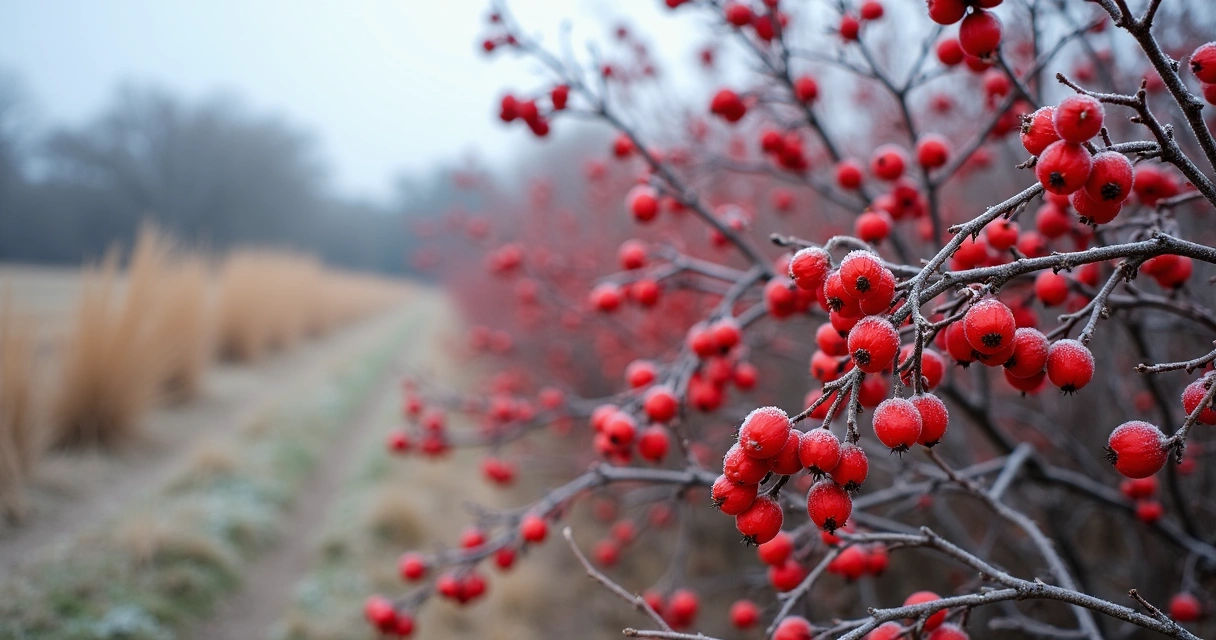
The most memorable landscapes are those where small touches—sparkling berries, interesting bark, ornamental grasses—catch the eye even on cold, gray days. Birds, bees, and people all appreciate a garden that isn’t barren in winter.
What about winter flowers in Texas?
I am sometimes met with surprise when I suggest winter flowers, but it’s true: several resilient varieties thrive in the mild Austin winter, especially during years of gentle cold. Pansies, violas, snapdragons, calendula, and ornamental kale not only endure, but brighten garden beds, decks, and patios.
- Pansies and violas handle morning frost and look vibrant even on chilly afternoons.
- Snapdragons planted in late fall can bloom with every warm spell.
- Kale and cabbage add silver and purple hues, combining beauty and, sometimes, kitchen value.
For more inspiration on low-maintenance, high-impact plantings beyond the coldest months, I suggest browsing dedicated plant collections like those in the Urban Oasis plant selection gallery.
Winter flowers remind us that every garden can surprise.
Low-maintenance choices: why less is often more
Low-maintenance isn’t about minimizing design or color. In my experience, it’s about making smart choices: choosing plants and structures that work with Central Texas winters instead of fighting them makes a landscape easier to manage, more beautiful, and – most importantly – less stressful to live with year-round.
- Drought and cold-tolerant plants mean fewer replacements after harsh weather.
- Mulch and groundcovers reduce weeds and watering needs throughout winter.
- Strategic hardscape placement keeps outdoor spaces accessible even after a freeze.
If you’re seeking more ideas on simple garden strategies that pay off during winter, there are helpful references in guides to low-maintenance, high-impact landscaping as well as broader discussions in year-round gardening resources.
Embracing sustainability in winter landscapes
Thoughtful garden design means more than just curb appeal. With every cold-hardy planting or water-wise plan, I find myself considering how each choice affects my clients and the local ecology. At Urban Oasis, caring for the environment is just as meaningful as caring for beauty:
- Native and adapted plants require fewer resources—less water, fewer chemicals, and reduced replacement rates.
- Dense plantings and groundcovers reduce erosion from heavy winter rains and buffer against temperature swings.
- Preserving leaves as mulch means fewer landfill runs and healthier soil.Sustainability blends long-term beauty and long-term value.
How I create cold-hardy gardens from first idea to final flourish
I believe process makes all the difference—especially for a stress-free winter garden. Whenever I start a cold-resilient design with a client, our steps are simple, open, and tailored to personal style and needs:
- Consultation: I visit, listen, and assess the site’s winter microclimates. Every landscape has its own quirks, and listening at this stage shapes everything.
- Concept and layout: I prioritize winter structure, plan evergreen anchors, and block out key textures and color groupings for year-round impact.
- Plant selection: Together, we choose cold-hardy shrubs, ornamental grasses, perennials, and (if wanted) winter-blooming favorites. I also factor wildlife, pets, and kids into the selections.
- Hardscape integration: Decks, patios, raised beds, and paths go into the plan—always with winter in mind so nothing cracks, shifts, or weathers badly after a freeze.
- Construction and installation: My team crafts each piece with communication and care, so the winter garden unfolds as planned.
- Post-build care: I check in after the first hard freeze, reviewing coverage, mulching, and giving advice on seasonal tweaks.
With each project at Urban Oasis, my reward is knowing clients see their gardens as a source of joy—not anxiety—no matter what winter brings. That is what creates True All-Season Beauty.
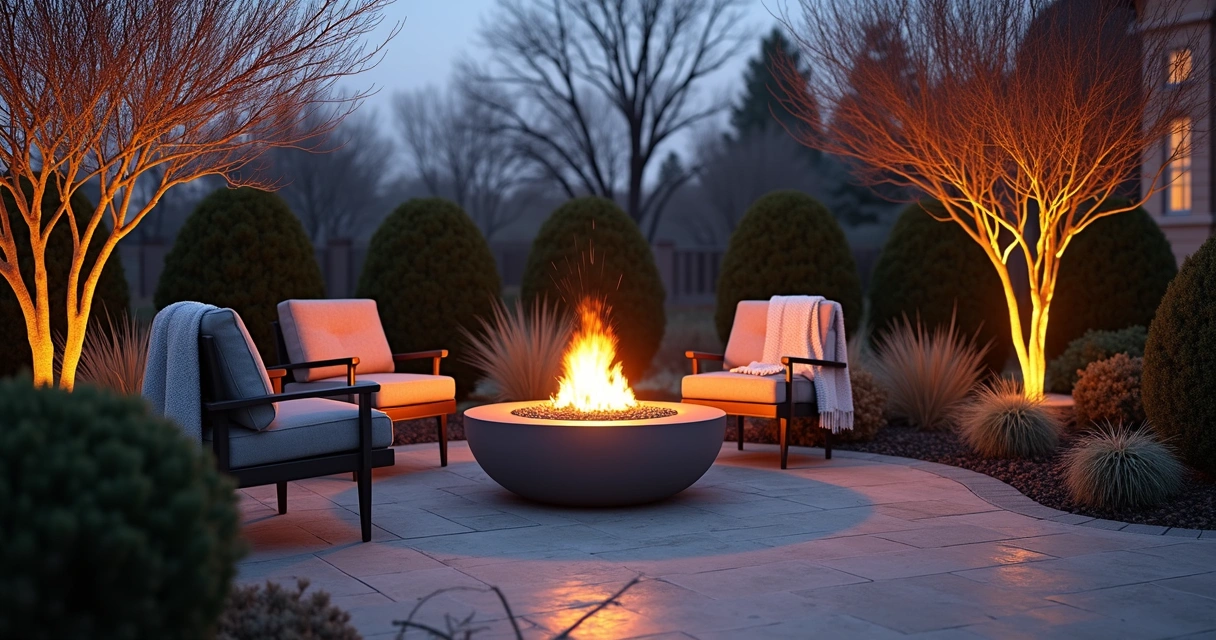
Conclusion: your garden, your winter retreat
Every winter brings its own surprises, but with smart structure, textural variety, and careful planting, your landscape can be a place of peace and pleasure from the first frost through the last. After helping so many Central Texas families and businesses, I know this is possible for anyone willing to plan for both beauty and resilience.
As you imagine a garden where winter feels welcoming, where evergreens stand proud and thoughtful touches shine against the cold—think of what the right plan could bring to your daily life. My team at Urban Oasis loves creating these inviting, low-stress spaces in Austin and throughout Central Texas. If you’re ready for your own four-season retreat, let’s talk about making it happen together.
Frequently Asked Questions
What are the best cold-hardy plants for Texas?
Some of the best plants for Texas winters include yaupon holly, wax myrtle, Japanese boxwood, mountain laurel, and Texas sage. These thrive through hard freezes and recover quickly after rare extreme cold snaps. Perennials like gulf coast muhly grass, liriope, and ajuga also hold up well to the typical winter cycles in Central Texas. For more inspiration, check this expanded list of recommended cold-tolerant plants.
How can I protect my garden in winter?
Start by adding mulch around the roots of trees and shrubs to insulate from temperature swings. Water your plants ahead of cold fronts, as moist soil holds heat better than dry ground. Use frost cloth to cover sensitive plants on the coldest nights, and bring any containers or tropicals indoors or onto covered patios. Removing leaves and debris helps prevent rot and disease during wet winters. Consistency is key: don’t wait until the last minute to prepare.
Which evergreen shrubs grow well in Austin?
The most reliable evergreen shrubs for Austin include yaupon holly, wax myrtle, Japanese boxwood, Texas sage, cherry laurel, and even certain types of juniper or mountain laurel. Each brings steady color, privacy, and structure through all seasons, making them a top choice for winter-focused landscapes. Their adaptability to local soils and resistance to unpredictable freezes makes them mainstays in my design work.
Is it worth planting winter flowers in Texas?
Absolutely—Texas winters are mild enough that flowers like pansies, violas, and snapdragons can offer months of color with minimal fuss. They handle frost and occasional ice with grace, and brighten landscape beds, patios, or entryways. While they may need a little extra water in dry winters, their payoff in visual cheer is hard to beat. Winter also lets you experiment with bold foliage from cabbages and kale.
How do I design a low-maintenance winter garden?
Focus on a foundation of evergreen shrubs, native or adapted groundcovers, and hardscapes that allow for easy access and care year-round. Choose drought- and cold-tolerant plants, lay thick mulch, and avoid overplanting with tender varieties that need fussing. Group plants by their water and freeze needs for easy seasonal adjustments. If you want to dig deeper, explore these practical low-maintenance strategies for Texas gardens.