
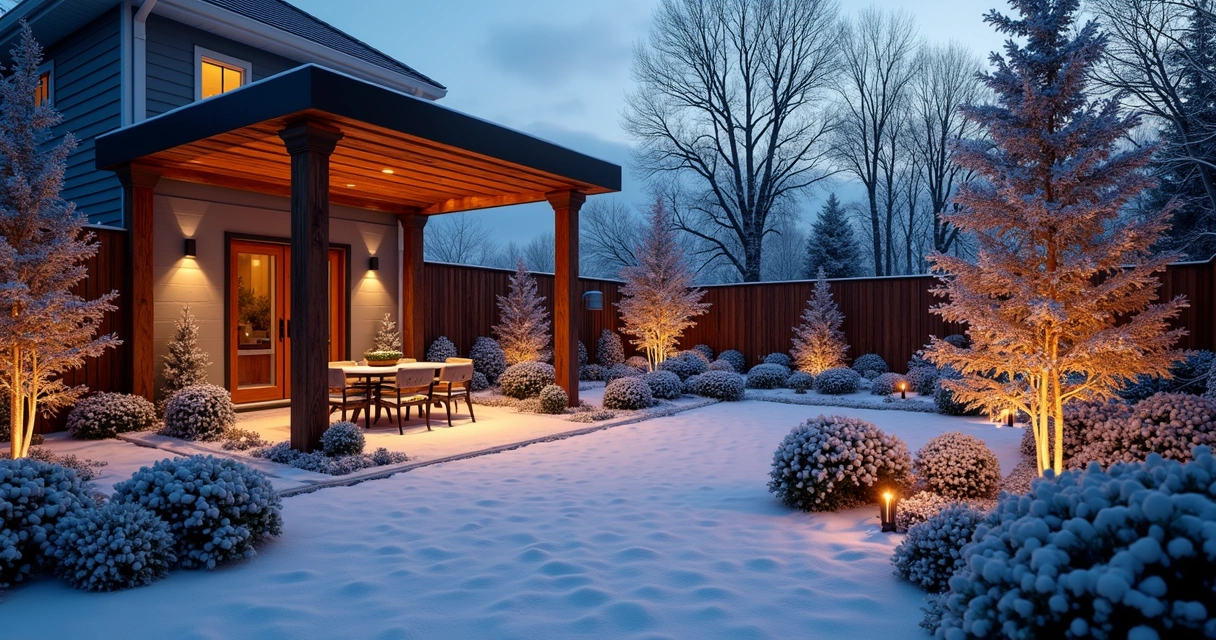
The arrival of winter often signals an end to outdoor gatherings, garden parties, and late sunsets. But it doesn’t have to. Winter landscapes—bare branches, quiet patios, dormant lawns—don’t have to fade into darkness. Instead, the right lighting can bring out warmth, comfort, and life, creating a haven to enjoy even the shortest days and the coldest nights.
Let’s step into the world of seasonal lighting for winter gardens. Discover how light transforms not just spaces, but feelings too. With a considered approach rooted in sustainability and design, as practiced by Urban Oasis, you can invite magic, safety, and utility into your cold-weather outdoor life.
Why winter garden lighting matters
Picture stepping outside in the Texas chill after sunset, a cup of something hot in your hand. The air feels crisp, but your path is softly illuminated. Bare trees cast gentle shadows on the ground. The patio glows, not from the sun, but from layers of carefully chosen lights. In Austin and beyond, lighting during winter serves more than one purpose.
Light shapes space—and mood.
Extended usability under shorter days
In winter, the sun sets early. That reality limits how much time you spend outdoors. Studies from NCBI show occupants rely on artificial lighting for up to six hours per day during winter, far more than in brighter seasons. A smart lighting plan invites you to sip, stroll, and gather late into the evening, transforming your garden into a usable room.
Enhancing mood and well-being
Research such as seasonal variations in light exposure linked to health and well-being among older adults highlights how light impacts mind and body. Greater light exposure can boost mood, help regulate sleep, and encourage activity outside—even when temperatures drop. It’s less about extravagance, and more about preserving quality of life through the season.
Visual interest year-round
Think of the bare garden or patio. Sudden, striking shadows on a brick wall; the gleam of frost on pavers; the architectural bones of shrubs and pergolas picked out by spotlights. Winter gardens receive about one-third as much sunlight as they do in mid-summer. With a well-planned setup, you can create focal points, layer color and texture, and ensure your garden is never dull.
Design principles for seasonal garden lighting
Garden lighting, especially in winter, requires a shift in strategy. The best installations—like those delivered by Urban Oasis—combine creativity and practicality to balance aesthetics, safety, and efficiency.
Layering light for atmosphere and function
No single fixture can do everything. A garden that feels welcoming and usable after dusk includes a mix of several lighting types:
- Ambient lights provide the base layer, making the area feel broadly illuminated. These might include integrated fixtures in decking or wall-mounted sconces.
- Task lights aim specifically at pathways, stairs, or outdoor kitchens—where you need clarity and safety.
- Accent or feature lighting highlights particular plants, structures, or artworks, adding drama or softness as needed.
The interplay between these layers is what gives an outdoor space its warmth and charm on a cold evening.
Sustainability and efficiency
Electric lighting must be chosen with care, both for the environment and your utility bill. Today’s low-voltage LED fixtures not only provide better coverage, but also consume less energy—something Urban Oasis prioritizes for both commercial and residential clients.
Supplemental LED lighting, according to studies, can even improve plant growth during short daylight days. Different colors, such as red light, enhance stem elongation and biomass, encouraging robust gardens even as temperatures fall.
Blending form and function
Lighting isn’t just practical. It’s expressive. A soft wash can make a concrete wall look warm. Fairy lights can transform a bare tree into a living sculpture. Uplighting brings out the hidden beauty of even the simplest planting beds. Urban Oasis is known for integrating lighting with decks, pergolas, and hardscaping, ensuring lights are part of the design rather than an afterthought.
Types of garden lighting for winter
There’s no one right choice; the combination depends on site, style, and budget. But here’s a look at the creative possibilities.
Path and step lighting
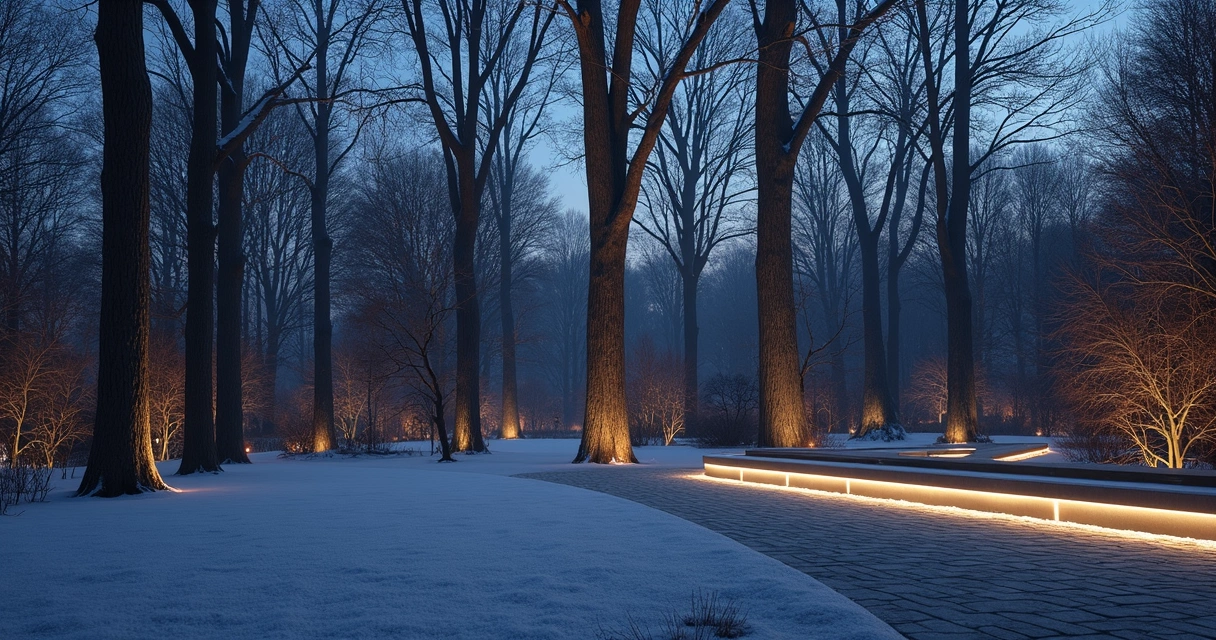
No one wants to stumble on frozen steps. Low-level lights bordering walkways, driveways, and stairs keep everyone safe and make the garden inviting even after dark. These fixtures can hug the ground in a way that feels discreet and modern, matching Urban Oasis signature style.
Accent and uplighting
Point-source spotlights beneath trees create bold silhouettes, giving structure to winter landscapes. Place uplights at the base of architectural shrubs, statuary, or water features for drama and contrast. This draws the eye and creates a layered effect, especially when much of the garden’s foliage has receded.
String lights and festoon
There is something almost magical about string lights. Wound through deciduous trees or draped over pergolas, they add softness and intimacy to even the coolest outdoor room. Warm white tones can mimic candlelight, offering comfort and a festive air without feeling seasonal.
Deck and patio lights
Recessed fixtures set into deck steps or patios are both subtle and practical. These mark boundaries and give off enough light for entertaining or relaxing while blending into the structure by day.
Spotlights and wall washers
More intense sources can highlight vertical surfaces—think stone, brick, or even living walls. Wall washers bathe surfaces in washes of color or gentle white, making them pop in an otherwise dark yard.
Solar fixtures and eco-smart controls
For sustainability, consider integrating solar fixtures where possible. While less reliable in the North, they often work well in many parts of Austin due to more consistent winter sun. Pair this with timers, dimmers, and smart controls, and you can create an outdoor environment that responds to time of day and occupancy patterns, saving both energy and hassle.
Planning your winter outdoor lighting
Where do you begin? Every garden is unique. But here is a step-by-step approach, echoing the process used by Urban Oasis to help clients turn ideas into beautiful, functional space:
- Assess your site and needs. Look at walking paths, patios, entryways, and spots you use most after dark. Does your space feel too stark or unwelcoming? Where do you want to draw attention?
- Consider safety. Start with places where slips are more likely, like steps, patios, and outdoor kitchens. A well-lit entrance creates a warm welcome.
- Highlight features and focal points. Decide which trees, shrubs, pergolas, or art pieces deserve their own spotlight. Even a dormant plant can cast a striking silhouette and become a centerpiece in winter.
- Layer your lighting. Avoid “flooding” the entire garden with one type of fixture. Mix low-level path lights with accent spots, ambient deck lighting, and decorative string lamps for variety.
- Select fixture types and colors. Warm tones (2700-3000K) feel cozier and are kinder to winter eyes. Want to emphasize structure or contemporary edges? Try cooler whites or even subtle hints of color, keeping in mind studies on supplemental LED lighting and plant growth where different spectrums affect not just looks, but living things.
- Think ahead to controls and maintenance. Timers, motion sensors, and smart switches save you effort and money. And don’t forget: choose weatherproof—and if possible, downlight styles that reduce glare and sky wash.
Creative seasonal lighting ideas for warmth and style
Here are some winter garden lighting ideas, fitting for Austin’s climate and adaptable for any outdoor setting:
Emphasize vertical interest
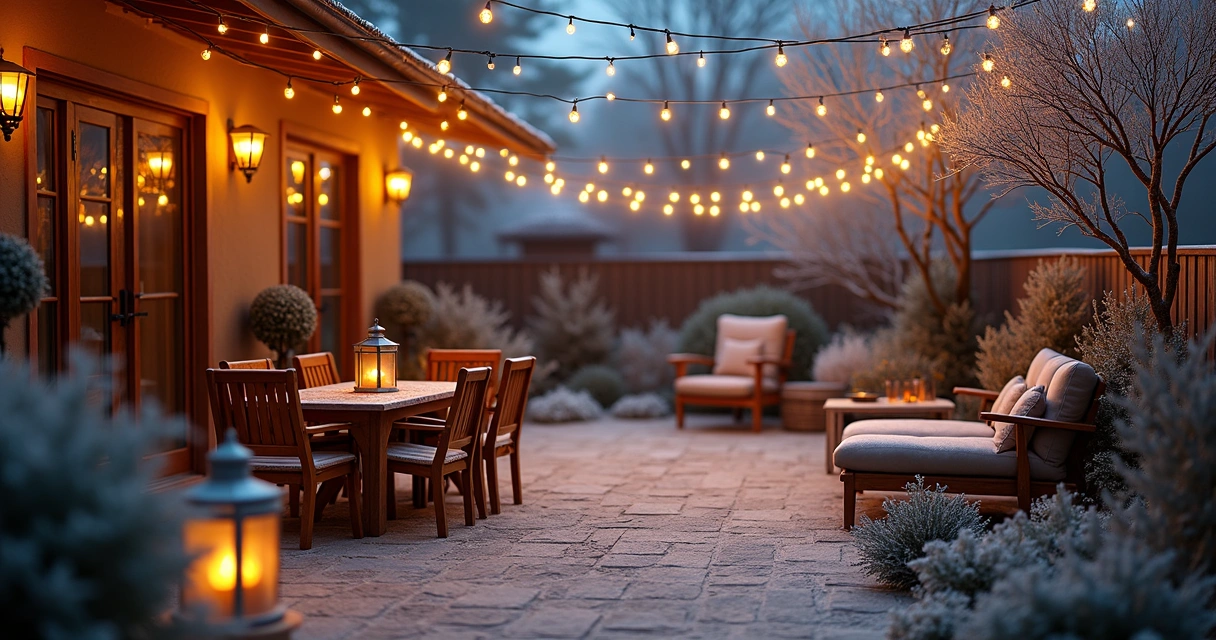
With leaves gone, your eye travels differently—up the trunk of a tree, along the edge of a pergola, or across bare fences and walls. Vertical strip lights or uplighting beneath trees can turn even the simplest forms into living artwork.
Layers and textures with shadow play
By mixing hard and soft light, you create interesting shadows. A pattern from a lattice fence, the lacework of twigs, or the crisscross of paving stones—all come alive, offering contrast and rhythm that isn’t obvious by day.
Lighting for winter gatherings
Austin’s weather can swing from brisk to mild. When you want to entertain in style, illuminate your outdoor dining or lounge zones with pendant fixtures, clusters of lanterns, or embedded step lights. As shared in tips on designing outdoor entertaining spaces, the right lighting invites people to linger.
Firelight and modern alternatives
While actual open flame isn’t needed or wanted by everyone, mimic its warmth by using amber bulbs, flickering LEDs, or glass-encased “candle” fixtures. These introduce a feeling of coziness and intimacy, and in some cases, are even safer when used near plants or furniture.
Festive color: more than just holidays
Add a subtle pop of color with RGB LED strips hidden beneath railings or along garden beds. Choose wintry blues or icy violets—not the obvious reds and greens—for an elegant seasonal look that lasts all winter, not just through December.
Lighting and plant care in winter
Seasonal lighting isn’t just for people. It impacts plants, too. During Austin winters, daylight hours dip and the intensity of natural light drops by about two-thirds, according to the University of California ANR.
Integrating supplemental lighting—like red-tinted LED spotlights—can bolster both the look of your garden and the health of overwintering plants. Research by the USDA suggests that plants such as citrus can thrive with carefully applied light and heat. It’s a nice bonus: what’s beautiful for you might benefit your garden too.
Maintaining and adjusting your winter lights
The days grow shorter, but they don’t stay short forever. As the seasons shift, consider changing your lighting schedule or even swapping out bulbs for different tones. Clean fixtures after storms, trim back nearby branches, and check weatherproofing to keep everything running as planned.
For those who prefer simplicity and durability, low maintenance hardscaping ideas can reduce the amount of work while delivering high impact, as explained in this resource.
Integrating lighting with landscape planning
Effective outdoor lighting is never an afterthought. To elevate your winter outdoor design, start with a holistic view that takes into account plant selection, structure placement, and overall vibe. At Urban Oasis, design starts at the consultation, moving through project development, client feedback, and hands-on construction. This full-circle process makes sure every light is placed where it matters most.
Even plant choice and layout matter in an integrated approach. For inspiration on pairing cold-hardy plants and lighting—vital for gardens that need to endure both the chill and the Texan heat swings—visit the suggested plant ideas to survive spring weather swings.
And if you’re just starting out or wondering what styles fit with year-round garden life, an overview like this guide on lawn and gardening can help set your vision.
Adapting lighting for Austin’s winter climate
Austin doesn’t see snow dumps every winter, but cold snaps happen, and daylight fluctuates. For this reason:
- Choose weather-resistant fixtures. Make sure connections are protected from sudden rain or ice.
- Adjust timers seasonally. As the days grow longer or shorter, a simple tweak keeps everything working as intended.
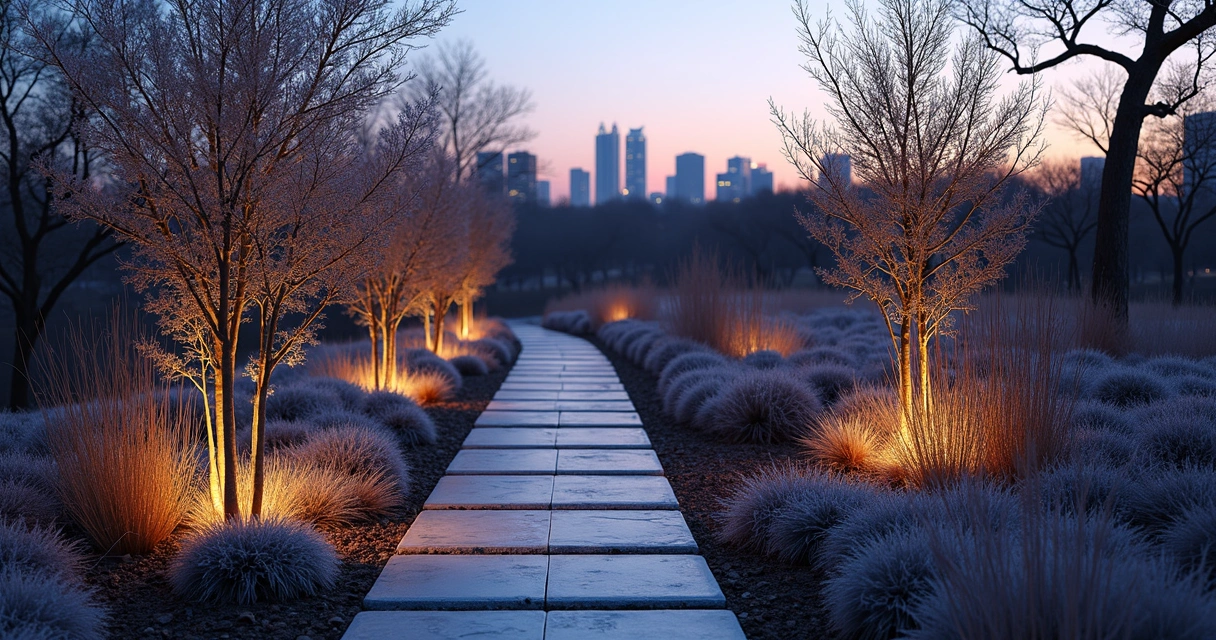
- Pick lighting that flatters dormant landscapes. Even browns, grays, and greens of winter can feel vibrant under the proper light. Use it to highlight forms, not just flowers.
Curious about which landscape strategies work throughout the year? There’s a practical overview at year-round landscape success tips.
Bringing people together: lighting as connection
It’s easy to think of garden lighting as technical—watts, lumens, and color temperatures. But, at the end of the day, it’s about people. Winter can keep us apart, but a softly lit garden draws us out, invites company, and makes the darkest nights a little warmer.
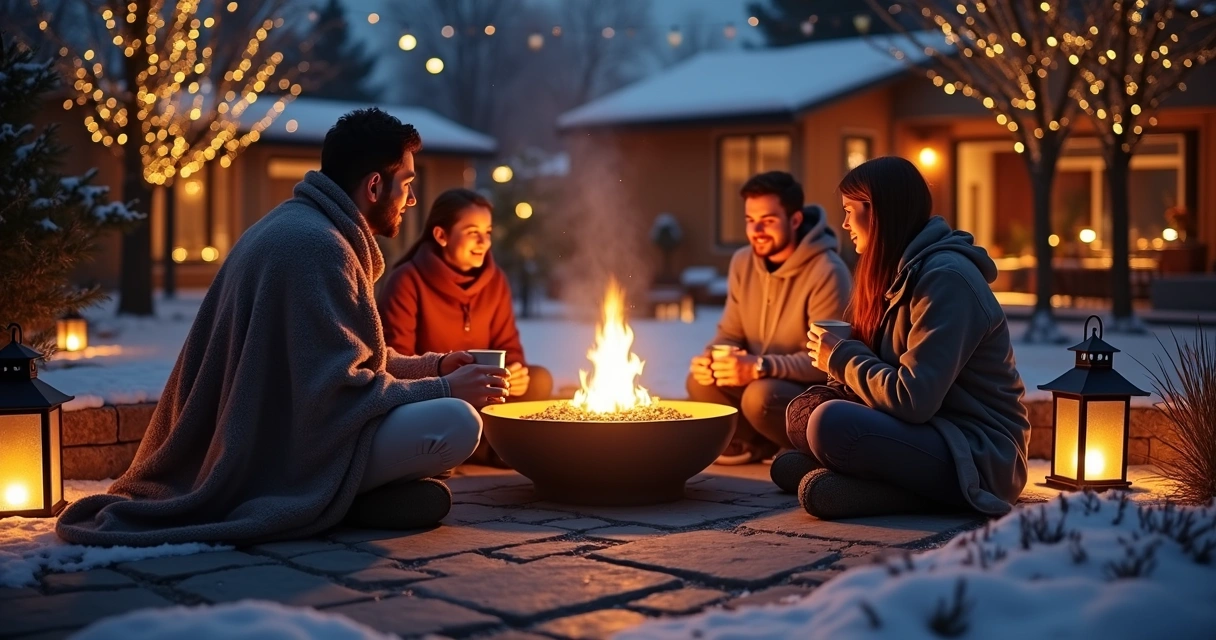
The experience of stepping out and finding comfort outside is transformative. Lighting isn’t just for looks—it’s for living. And with services like those provided by Urban Oasis, it moves seamlessly from thoughtful plan to nightly pleasure.
Your winter garden can glow—with warmth, welcome, and style.
Ready to begin your own outdoor transformation this winter? Whether you want to add a single string of lights or rethink your whole outdoor environment, the Urban Oasis team can craft a plan that matches your pace and personality. Discover how garden lighting in Austin, and other seasonal landscape ideas, can bring joy, comfort, and function—even on the coldest nights.
Are you ready to see your winter garden in a new light? Fill out our form to start your Urban Oasis project and receive a personalized consultation. Partners in design, partners in bringing warmth to winter.
Frequently asked questions
What are the best winter garden lights?
The best lights for winter gardens combine durability, energy efficiency, and visual appeal. Low-voltage LEDs are a top choice—they use little power and last a long time, even in cold weather. Path lights and uplights are great for highlighting features, while string and festoon lights add atmosphere. Choose fixtures rated for wet, cold, and sometimes icy conditions, as Austin’s weather can be unpredictable. Warm color temperatures (2700K to 3000K) work well to provide a cozy feel.
How do I light my garden in winter?
Start by lighting paths, stairs, and entrances for safety. Use uplights to create shadows and drama on bare trees or structural plants. String lights under pergolas or along fences can add festivity. Consider solar options if you get enough sun, but in most cases, wired or battery-powered LEDs offer reliable performance. Layer different lighting types—ambient, task, and accent—for a garden that feels welcoming, even without leaves or flowers.
Is seasonal garden lighting worth the cost?
For many, yes. Adding lighting to your garden extends its use, boosts curb appeal, and can even support mood and health through the winter, as seen in seasonal light exposure research. Energy-efficient LEDs and smart controls keep running costs low. When integrated as part of a long-term landscape plan, as Urban Oasis recommends, it can actually add value to your property and daily life.
Where can I buy outdoor lights in Austin?
There are several reputable sources for purchasing fixtures locally and online. Focus on outdoor and landscape specialty stores for the widest range of weather-resistant, efficient fixtures compatible with the local climate. You may also consult with a professional garden and landscape company like Urban Oasis for a custom plan that covers both selection and installation tailored for your space and needs.
How to choose lighting for a winter landscape?
Think about how you use the space: Do you walk the garden at night? Host gatherings? Just want relaxing views from inside? Choose lighting based on specific tasks, then add layers for visual interest. Pick warm white tones for comfort and focus on highlight features like paths, patios, and dramatic plant forms. Make sure fixtures are weather-rated, and use smart timers or dimmers to balance appearance and efficiency.