

Texas summers are long and dry. In July, rain can feel like a rumor. Saving every drop matters, and that’s where graywater gardens step in. Imagine your shower water starting a second life, giving relief to your thirsty outdoor plants. It’s not only clever—it may be a small act of defiance against drought.
This article will walk through everything a homeowner needs to know: how graywater irrigation works, the rules that keep it safe, the plants that thrive, and how you can make your landscape just a little more resilient. Whether you’re dreaming of a lush backyard, or want to keep your business’s patio green, there are ways—simple and practical—to reuse water, even when the heat is relentless.
Urban Oasis is about transforming outdoor spaces for genuine, lasting comfort. Sustainable landscaping can start with the water you already have—yes, even from your morning shower.
Why graywater matters: a second chance for every drop
Graywater is not just leftover water. According to studies in the horticultural technology field, untreated wastewater from showers, bathtubs, bathroom sinks, and washing machines makes up to 60% of a typical home’s wastewater. That’s water with some soap, dirt, and bits of skin, but nothing too dangerous if used right. Blackwater, from toilets or kitchen sinks, is strictly off limits.
Texas laws allow graywater for outdoor irrigation, but with clear safety standards. While it sounds simple—catch your shower water, water the plants—there’s nuance in doing it right, especially once July arrives.
Give water a second life—it pays you back twice.
Graywater irrigation in the texas summer: why now?
July’s record-high temperatures hit lawns and gardens the hardest. Sprinklers work overtime; municipal water bills soar. But most people ignore the water disappearing down their shower drains.
- Droughts aren’t rare. Texas regularly faces water restrictions, especially in peak heat. Graywater systems make your yard less dependent on city supplies.
- Plants feel the stress. You might see crispy leaf edges, slow growth, or patchy lawns. Using shower water, with some nutrients left in, can help revive or sustain them in these toughest months.
- Soil loves moisture diversity. Graywater isn’t just about reclaiming liquid. The mild organic matter and traces of soap (from biodegradable products) can actually enrich your soil if balanced correctly. It’s not a miracle, but it’s something.
Of course, not everything about graywater irrigation is positive. It takes some work, thought, and a willingness to accept a little imperfection. Systems need to meet legal requirements (set by Texas Commission on Environmental Quality), and paying attention to plant signals is non-negotiable.
 Understanding the rules—and why you should care
 Understanding the rules—and why you should care
Let’s start with the boring stuff. Safety matters. Texas has clear codes regarding graywater, and breaking them can mean fines or worse.
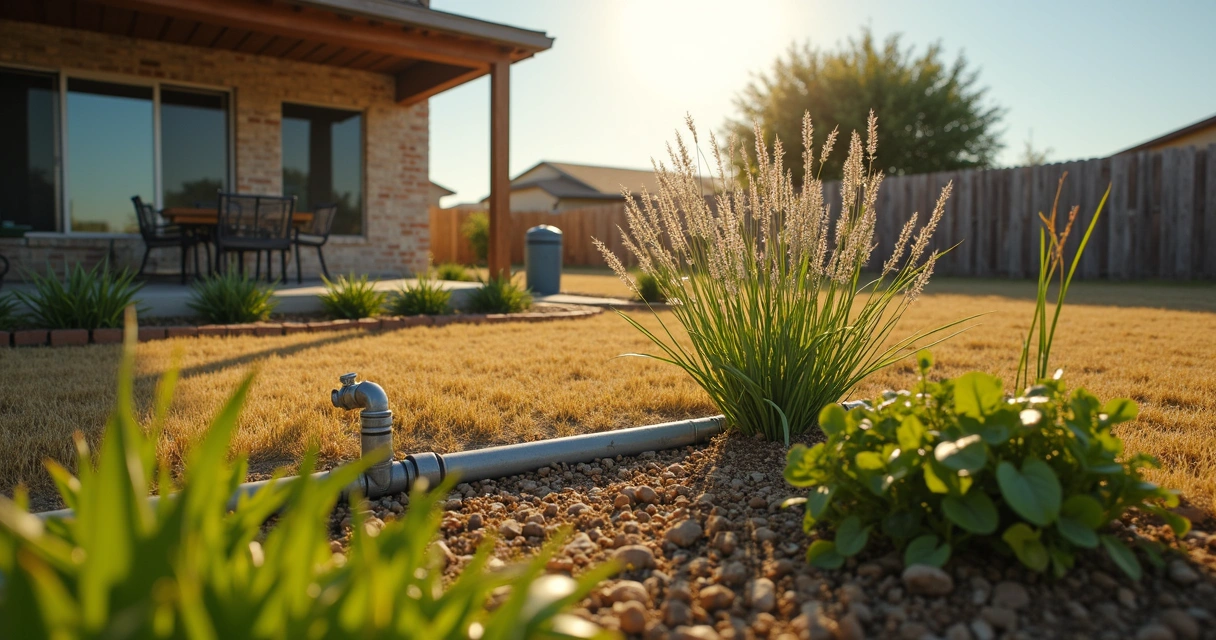
- Graywater comes only from showers, bathtubs, sinks (not kitchen), or laundry machines. No toilet water, ever.
- Use biodegradable, phosphorus-free soaps. This helps avoid soil buildup and root damage.
- Direct-contact irrigation forbidden. No graywater directly on edible parts of plants or areas where children may play.
- System requirements:Pipes must be clearly marked (usually purple).
- Graywater irrigation should be subsurface (below mulch or soil), not sprayed overhead.
- Collected water must not pond or run off your property.
- Systems need to meet TCEQ design rules and stay 50 feet from water wells.
You don’t need a special permit for small, simple graywater setups irrigating less than 400 gallons a day, which is generous for most homes. But if in doubt, check Texas regulations from TCEQ.
Setting up a graywater system for your urban yard
There are fancy, engineered systems and DIY setups, but let’s focus on practical options that a typical homeowner or small business can manage.
Gravity-flow systems
These are the simplest. If your bathroom or laundry is near a garden or a side yard, gravity can carry water from the drain to mulch basins or soaker hoses.
- No pump needed. Cheaper to install, less likely to break.
- Best for single-story or slope-side houses. No uphill runs.
- Must drain into covered, mulched basins for plant irrigation—never pooled on the surface.
Pumped systems
If your source is lower than your garden, a small graywater pump can move water uphill or longer distances.
- More flexibility in where to send the water.
- Needs electricity and more maintenance.
- Still direct only to non-edible landscape plants.
Both systems should use filters or hair traps to reduce clogging. Manual diverter valves allow you to switch the flow back into the sewer if chemicals or bleach get into your shower or laundry water.
Tip: Set up your valves to be accessible—July is not the time you want to be crawling behind appliances to turn things off or on.
Sizing and scheduling: how much water is enough?
- Estimate your daily graywater production. A 10-minute shower uses roughly 20 gallons. A family of four could produce 60 to 80 gallons (showers, bathroom sinks) in one day.
- Apply water slowly. Don’t pour all at once. Spread over root zones, and shift areas each day to let the soil breathe.
- Don’t overwater. Texas clay soils, especially in urban yards, drain slowly. When the ground is saturated, pause graywater use for a day.
Small changes in water habits add up—especially in peak heat.
Plant guidelines for drought graywater irrigation
Not all plants love graywater. Choosing the right ones ensures your landscape thrives, not just survives.
- Native and drought-hardy favorites: Consider red yucca, gulf muhly, agave, Texas sage, lantana, and ornamental grasses. These species tolerate occasional salts and soaps better than thirsty exotics.
- Trees: Live oak, cedar elm, desert willow, and Mexican plum respond well, especially if water is applied at the dripline beneath mulch.
- Shrubs and groundcovers: Autumn sage, rosemary, trailing lantana, and turk’s cap are good candidates, adding color and texture year-round.
- Avoid graywater for: Edibles where water touches the harvest, shade-loving ferns, acid-loving azaleas, and anything in pots without drainage.
More on these low-water choices can be found in our ideas for sustainable Texas yards. These plants all handle the quirks of drought and the unique qualities of repurposed water.
System tips for july irrigation
 System tips for july irrigation
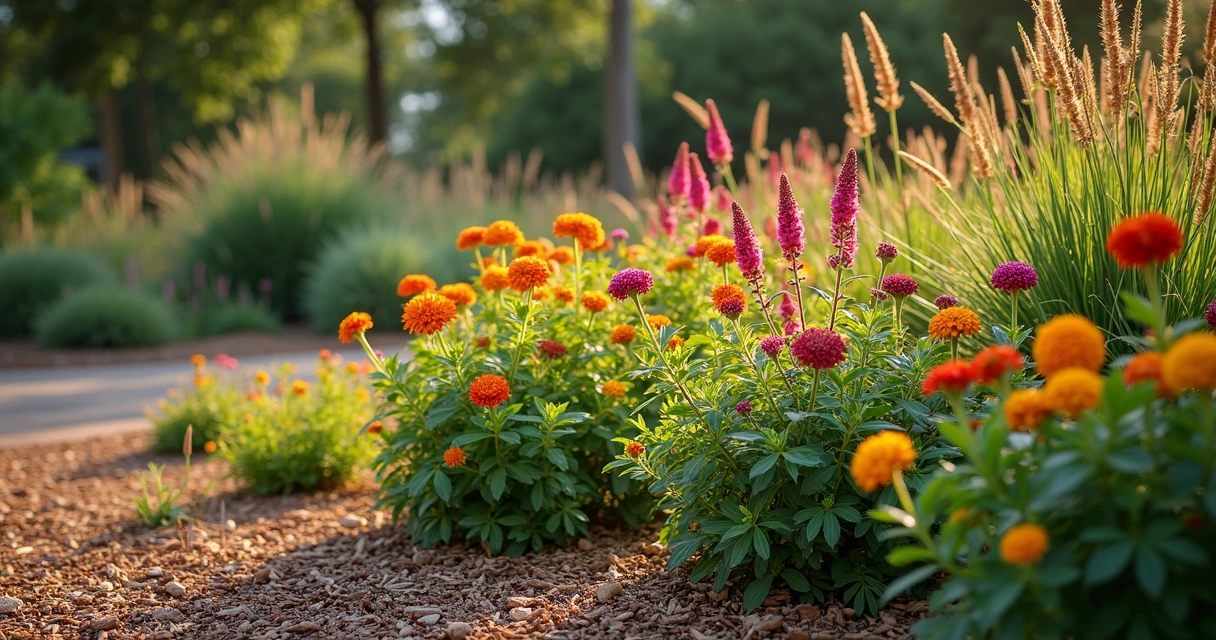
- Mulch thickly. Keep at least 3 inches of mulch above irrigation lines and plant roots. This holds moisture and buffers temperature swings.
- Rotate watering areas. Don’t hit the same spot every day. Spread the benefit—and stress—across the landscape.
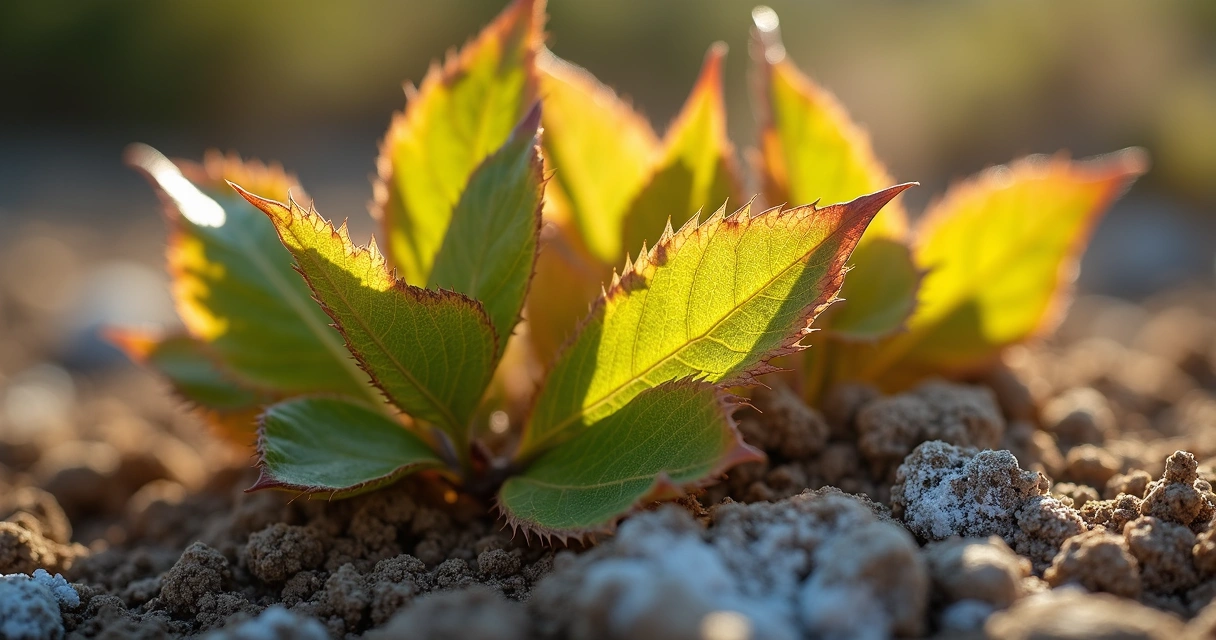
- Monitor for salt buildup. Look for white crusts on soil, yellowed leaf edges, or stunted new growth. Pause use, flush with rain or hose water occasionally if troubles appear—you can find more tips in our guide on plant stress and recovery.
- Time applications early or late. Mornings and evenings are safest for applying graywater, avoiding quick evaporation and giving plants time to absorb moisture before peak heat.
Plants love cool roots—even in summer’s oven.
How to keep your soil healthy and safe
Graywater doesn’t just hydrate. It also brings in a low level of soapy residue and organic debris—think dead skin cells, hair, fabric fibers. Usually harmless, these bits can slowly change your soil’s structure. Some worry about salts and chemicals, but with the right balance, the benefits are often noticeable.
- Choose soaps wisely. Liquid, biodegradable, sodium-free soaps pose the smallest threat to soil health.
- Rotate graywater with rain or hose water every few weeks, especially in spots where salts may concentrate.
- Watch for trouble signs. According to soil monitoring practices for graywater use, if you notice poor plant vigor, changes in leaf color, or a salty smell, pause irrigation and flush the soil gently.
Keep things as natural as possible. Let the plants and soil tell you if something’s off.
Plant stress—how to spot the warning signals
You might do everything right and still see odd changes. Plants stressed by heat and graywater tend to show subtle signs:
- Pale or yellow leaves, starting at the tips
- Leaf scorch or dry, crispy margins
- Slow new growth or wilting, even with moist soil
- Unusually stunted blooms or heavy leaf drop
- White or gray crust along the soil surface (possible salt buildup)
Not all stress is from water issues—it could be pests or disease, or just July’s cruelty. But regular checks, as explained in advice for landscape success, help you step in before things get serious.
Practical steps for beginners: your july graywater checklist
 Practical steps for beginners: your july graywater checklist
- Start with one fixture. Connect a single shower or bathroom sink. Simpler is safer for learning.
- Use a three-way diverter valve. Make switching easy between sewer and yard, especially if you use harsh cleaners or host guests.
- Install a hair and lint filter. These cost little, and keep lines clear.
- Designate plant zones. Only irrigate non-edible, mature shrubs, trees, or hardy perennials.
- Check the weather. Pause your system before heavy rain—rainwater works better when available.
- Inspect soil and plants weekly. Look for early signs of stress and salt.
- Mulch deeply and replenish as needed.
- Follow all local rules. Review the full TCEQ guidance before major changes.
Simplicity pays off. Urban Oasis always encourages taking it one step at a time—systems can grow as your confidence and needs do.
In drought, every healthy plant is a quiet kind of hope.
Maintenance—keeping graywater safe and steady
Like any system, graywater setups need care, particularly during intense summer months.
- Monthly cleanouts. Filters get loaded with hair, lint, and residues. Quick rinses and checks each month avoid bigger problems.
- Check valves and pipes for leaks. Water is precious—don’t let it escape underground.
- Mulch refresh. Replace lost or compacted mulch to shield soil from Texas heat and slow down evaporation.
- Flush lines periodically with clean water to prevent clogging and salt buildup.
It’s not a chore, really, if you add it to your regular yard rhythm. When you’re out refilling bird baths or trimming back spent blooms, a quick check here and there can make all the difference.
Expanding your graywater system—cautious steps
If your landscape grows, expand slowly. Adding a laundry source or a second bathroom may triple output—but it triples management too. Try adding zones one season at a time.
Always watch your results, adjust, and consult local landscape experts or the TCEQ guidelines for more complex plans. You can also get advice through resources outlined in the graywater conservation guidelines, which provide tips on safe plant selection and application.
Worries and real experiences—missteps along the way
No strategy is foolproof. Some families find their first graywater efforts leave a patchy lawn because their soil drains poorly. Others forget to switch off their system, flooding favorite plants after a laundry day with too much detergent.
Even in a business or public setting, as Urban Oasis sometimes finds, people are learning together—neighbors might notice purple pipes and wonder if they should try it, too.
- Sometimes roots balk at a sudden change. A new graywater-fed bed might lose a few leaves or shed last year’s branches before rebounding. That’s normal—give plants time.
- Be patient with the odd looks or questions. Graywater gardening isn’t the county fair’s hot topic, but it is catching on.
Texan graywater gardens—the bigger picture
 Texan graywater gardens—the bigger picture
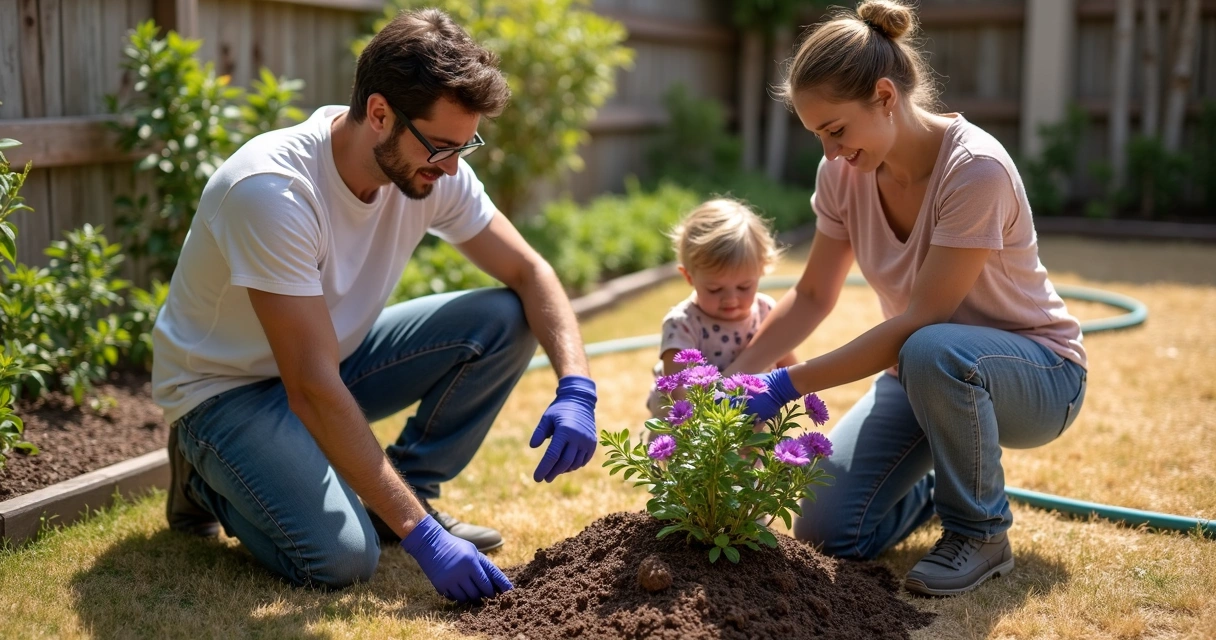
In Texas, landscapes are shaped as much by water as by sun and soil. Reusing graywater is not perfect, but it’s possible, practical, and oddly satisfying. Each time you redirect a shower’s worth of water, that’s less demand on strained cities, less stress for your own plants, and perhaps a small ripple for change.
If this feels a little overwhelming, you’re not alone. Even for experts like the team at Urban Oasis, each yard is unique, every season different. Solutions aren’t one-size-fits-all, but there’s always a beginning—especially when water is at stake.
Even if your landscape is already designed for low-water needs, graywater irrigation can be the next step for more functional outdoor spaces. If you want more support with selecting plants or installing professional-grade systems, the Urban Oasis team is ready to help you build or rethink your sustainable dream yard.
Ready to transform your outdoor space with water-saving strategies? Reach out to Urban Oasis—let’s turn your water into something you can see and enjoy.
If you are interested in discovering more about smart yard solutions or sustainable gardening approaches, you may find more articles in the lawn and gardening resource section helpful.
Fill out the form and start the conversation about your graywater garden—because together, we can make your Texas landscape thrive, even in peak heat.
Frequently asked questions
What is graywater landscaping in Texas?
Graywater landscaping in Texas uses reclaimed water from showers, bathroom sinks, bathtubs, and washing machines for irrigating outdoor plants. This approach is regulated to prevent water waste and protect health, focusing on drought-resistant, non-edible plants. By following state rules, homeowners and businesses can lower water bills and keep yards alive during droughts.
How to use shower water for gardens?
To use shower water (graywater) in your garden, set up a simple diverter valve that sends water from your shower drain into subsurface irrigation lines or mulch basins—never directly on leaves or food crops. Only use biodegradable, non-toxic soaps. Spread water slowly under mulch to keep soil moist without causing runoff or standing water. Rotate which sections of the yard you irrigate and always follow local and state safety rules.
Is graywater safe for Texas plants?
If used as directed, graywater is generally safe for most Texas-adapted ornamental plants, trees, and drought-resistant shrubs. Avoid applying graywater to edible plants or acid-loving species, and limit use if you notice salt buildup or signs of plant stress. Using high-quality, plant-safe soaps and alternating with regular water if necessary will help keep most Texas plants happy. Always monitor your landscape closely, especially during peak summer heat.
What are the rules for graywater use?
In Texas, graywater may come only from showers, bathtubs, bathroom sinks, or washing machines. No toilet, kitchen, or dishwasher water is permitted. The water must irrigate landscapes using subsurface methods, stay on the user’s property, and never pond or flow into neighboring yards or storm drains. Pipes should be labeled (usually purple), and systems must be kept at least 50 feet from wells. Edible crops must not touch graywater. Permits aren’t needed for small systems, but larger or more complex installations may have stricter requirements. Review the full guidance from the Texas Commission on Environmental Quality for specifics.
Does graywater help during Texas heatwaves?
Yes, reusing graywater for irrigation is especially helpful during Texas heatwaves, when rainfall is scarce and municipal water use is restricted or expensive. Graywater provides an extra moisture source for hardy landscape plants, helping them cope with extreme temperatures while reducing stress on city water supplies. It’s not a solution for every yard, but it’s increasingly common as more people look for long-term, sustainable practices.