

If you’ve stepped outside lately and felt like you’re walking into an oven, you’re not alone. Each July, as temperatures soar into triple digits, entire neighborhoods hunker down, desperate for ways to beat the heat that never quite relents. That’s where thoughtful yard design steps in—with smart choices and a touch of creativity, it becomes possible to transform even sunbaked yards into tranquil retreats. Let’s talk about designing for extreme heat, shaded escapes, materials that don’t scorch your bare feet, and what it means to cultivate a real haven right where you are.
Urban Oasis has spent years reimagining outdoor spaces, and lately, the challenge of relentless summer heat isn’t going anywhere. More than ever, people are asking: how do I keep my yard comfortable when the sun won’t quit? That’s what this journey is about—finding cool where others only feel heat, building beauty that lasts when other gardens wilt away.
Designing a cool yard isn’t just about comfort. It’s about thriving through the hottest days of the year.
Understanding the triple-digit challenge
July brings high summer. Every year, more cities break their heat records, and according to a recent Climate Central analysis, most schoolchildren in the biggest U.S. cities now attend classes in zones where the temperature is at least 8°F warmer than the surrounding rural areas. That’s the urban heat island at work—concrete, asphalt, and buildings trap and radiate heat back into the air. Your yard feels it too.
It can be tempting to just give up and stay inside with the air conditioning, but people crave nature. We want a spot to enjoy the sky at dusk, to watch the kids play, to feel the breeze in the shade—even on the hottest days. The key is not fighting the heat directly, but shaping your landscape so it works with the climate, not against it.
What is heat dome landscaping?
Before you jump in, a little context helps. ‘Heat dome landscaping’ isn’t just about tough plants or sprinkling gravel everywhere. It’s a layered approach—melding plant selection, materials, shade structures, water use, and even color choice to create outdoor spaces that stay comfortable, functional, and frankly, beautiful, while the heat blazes on. At Urban Oasis, we find that the best solutions usually blend several ideas together, never relying on a single fix.
In short, it’s about crafting a place where you want to be, even when the city feels like it’s melting.
The science: why some yards feel hotter than others
This isn’t only about aesthetics. The Buildings journal explored how landscaping affects heat retention. One discovery: urban shade from trees and other structures can drop peak temperatures by as much as 5°C (9°F) compared to open, treeless areas. In addition, surfaces like traditional asphalt and dark mulch can radiate punishing amounts of heat back upward—while reflective surfaces and light colors send more sunlight harmlessly away.
Airflow matters as well. A crowded yard with blocky fencing can feel stuffy, trapping heat and humidity. In contrast, a design that channels breezes keeps air moving over patios and seating areas, making evaporative cooling more effective. Little things add up until, suddenly, the outdoors is inviting again.
Shade comes first: structure and living canopies
Ask anyone who’s lived through a Texas summer, or even a hot July up north—they’ll tell you, real relief starts with real shade.
- Trees: Mature trees with broad, dense canopies act like living umbrellas. Species such as live oak, red maple, and Chinese pistache are stars—slow to establish, but worth the wait. They intercept direct sunlight and block radiant heat reflected from patios and walls. According to studies on urban tree cover, tree shade landscapes can even help prevent heat-related illness and deaths during the fiercest summer seasons.
- Pergolas and arbors: Not everyone can plant a forty-year-old oak. Pergolas, outfitted with slatted or latticed roofs, deliver shade faster. Train climbing vines over them—like wisteria, grape, or evergreen jasmine—and you create a cool, dappled retreat. A thoughtfully placed pergola over a seating area or outdoor kitchen makes evenings outdoors possible again, even if you don’t have decades for trees to grow.
- Shade sails and awnings: For fast and flexible protection, tensioned fabric sails block out intense sun. These come in pale, reflective colors for extra heat deflection. They’re a designer’s shortcut, and admittedly, sometimes they look a bit modern—so blend with natural elements where possible.
Every shaded inch is a step closer to comfort.
Materials that keep their cool
If you’ve ever walked barefoot on a dark deck, you know how much material choice matters. In high heat, the wrong surfaces become untouchable. The right surfaces feel almost fresh under your feet, even late in the day.
- Light-colored paving: Pale stones, pavers, and tiles reflect sunlight. Travertine, limestone, light concrete—these are much cooler than blacktop or red brick. Research on reflective surfaces shows that these materials can meaningfully reduce ambient yard temperature, making patios and walkways more pleasant.
- Reflective mulches: Gravel, crushed white granite, or even coarse sand can serve as mulch around trees and garden beds. Unlike bark or dark mulch, these bounce heat away and keep the soil underneath cooler, giving roots a break.
- Decking materials: Composite decks in pale hues hold much less heat than traditional wood or painted options. Poured concrete in a light finish also does well, especially when combined with open-jointed or spaced designs to let heat escape.
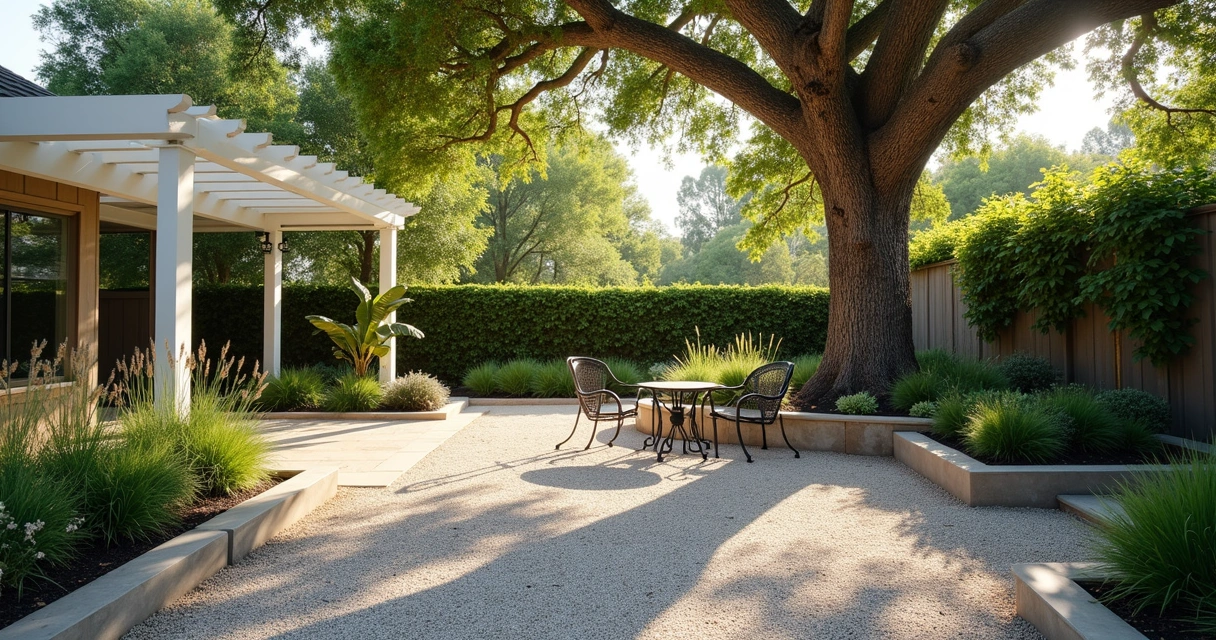
A cool surface changes everything—suddenly it’s barefoot season again.
Heat-resistant planting: finding beauty and endurance
Plants don’t just survive in a heat dome landscape—they defy it with resilience and color. Choices matter, though. At Urban Oasis, we often recommend heat-tolerant perennials and drought-smart natives that keep thriving when others falter.
- Ornamental grasses: Fountain grass, blue fescue, and muhly grass add motion, soften hardscapes, and refuse to wilt in the midday sun.
- Succulents and cacti: Agaves, yuccas, and prickly pears demand little water and shrug off even prolonged heat. Their forms are dramatic and sculptural.
- Flowering perennials: Black-eyed Susans, purple coneflower, Russian sage, and blanketflower contribute reliable color. These have deep root systems that tap moisture others can’t.
- Heat-defying shrubs: Texas sage, abelia, loropetalum, and oleander stay fresh through drought and sun, offering year-round foliage and seasonal flowers.
Choosing the right mix means you get a tapestry of color and texture that looks nearly effortless, even as temperatures spike. Urban Oasis often adapts planting lists to blend client preferences with proven survivors, always aiming for beauty that doesn’t wilt under pressure. For inspiration, this resource highlights both heat and cold resilient plants to serve as a starting point.
Surroundings that support plants
It sounds odd, but the layout of beds, borders, and even stone walls influences how well plants cope with heat. Raised planters with deep, insulating soil keep roots cool. Mulching thickly—especially with light gravel—preserves soil moisture. Drip irrigation and timed soaker hoses focus water at the roots, reducing waste and avoiding scorch on leaves. If you’d like more specific tips on plant recovery after stress, you might find plant care advice after shock especially useful following a nasty heatwave.
Tough plants. Smart care. Oases don’t happen by accident.
The power of water in hot yards (even without a pool)
You don’t have to dig a massive pool to tap water’s cooling effect. Water, even in small doses, can refresh a landscape and its users—through psychological relief, actual humidity drop, or both.
- Fountains and bubblers: They aerate and cool local air. Placed strategically, a small fountain can drop temperatures in its immediate zone, making nearby seating areas much more inviting after sundown or during hot afternoons.
- Misting systems: These fine spray devices along pergolas or patios cool the air instantly, letting evaporative action carry heat away before it ever reaches you. They’re surprisingly efficient and can be set on timers, but pick models built for extreme heat.
- Ponds or reflecting basins: Still water features don’t just look cooling—they are. Water absorbs heat, reducing nearby air temperature. Even a tiny reflecting pool amplifies shade and sky, giving your garden visual depth and a break from baked surfaces.
Water means comfort—in the right place, it’s pure magic.
Managing layout: airflow, patterns, and the cool zone
What’s the point of a beautiful yard if it stays stifling at 7pm? Physical design—the specific layout of trees, beds, patios, and walls—has an enormous effect on how hot or cool your outdoor space feels.
- Orientation: Create main use zones on the northeast or east sides of your house, where morning light warms but afternoon sun passes overhead or is blocked by structures.
- Airflow: Position features to channel breezes—e.g., gaps in fences, rows of ornamental grass as windbreaks, and sited pergolas that don’t shut out the prevailing wind direction. Stale air feels hotter.
- Plant massing: Grouping plants in tiers—tall trees, medium shrubs, low-groundcover—maximizes shade and plays with light and shadow. This “layered shade” sidesteps the baking effect of unbroken hardscape.
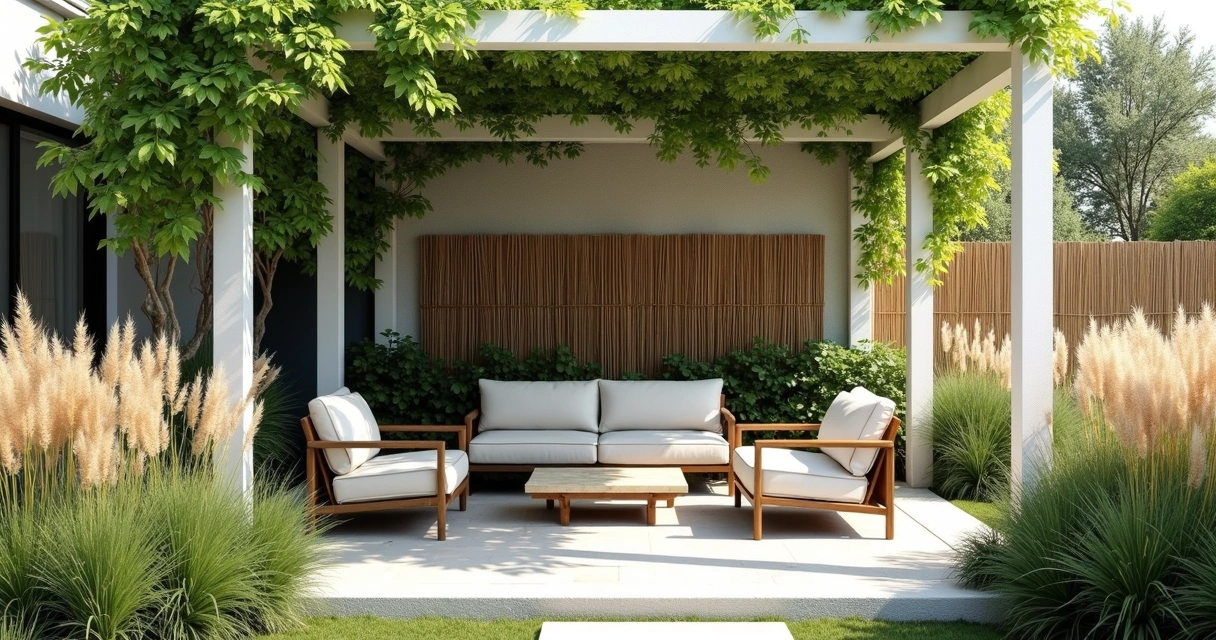
Airflow is your silent ally. Even a little breeze brings relief.
Real-world example: cooling a modern urban yard
A family in Austin recently approached Urban Oasis to transform their scorched, urban backyard. Temperatures were hitting 104°F (40°C) by noon, and their former grass patch had turned crispy-brown by July. The budget was moderate—enough for both new planting and a shaded seating area. Here’s how we worked with them, step by step:
- Shaded structure first: We built a louvered pergola, finished in a soft sand color to reflect sunlight, sited to shade the most-used patio edge throughout the hottest part of the day.
- Light-reflective surfaces: The old, dark flagstone path was swapped for pale pea gravel bordered with poured concrete garden edges. These cooled rapidly after sunset, so the yard stayed walkable into the evening.
- Tough planting: Garden beds filled with Mexican feather grass, coreopsis, dwarf yaupon holly, and agave. Between, we placed mulch in a mix of crushed quartz and river rock.
- Water and air: We installed a bubbling birdbath, not just for ambiance, but to anchor the new shade zone and subtly lower air temps nearby. Privacy fencing with wide slats gave them airflow without sacrificing seclusion.
The result? Kids kept their shoes off. Parents lounged in the shade well past six. Every time the sun touched part of the garden, it was a part specifically chosen for low use—meaning their yard served them, not the other way around. This is the thinking behind low-maintenance, high-impact designs: you get comfort without endless chores.
Thinking long-term: sustainability and future-proofing
Building for heat isn’t a one-time fix. It’s setting the yard up for future resilience. Droughts will come. So will surprise rain. The smartest landscapes handle those swings with grace.
- Rainwater harvesting: Rain barrels and simple swales (shallow trenches) collect runoff, letting you water beds during heat waves. Even small amounts go a long way, especially with smart plant selection.
- Soil health: Healthy soil, rich in compost and organic matter, holds water far longer. Make this an annual ritual—mulch, amend, lightly till in humus—and watch plants become less sensitive to sudden temperature spikes.
- Local adaptation: Copy what local wild spaces do. In Texas, for instance, native plants and deep-rooted perennials define survival. For those curious, check out strategies for low-water yards here.
- Flexible zones: Don’t be too rigid—a yard that’s all hardscape struggles to adapt. Built-in beds, movable shade, and water features can be reconfigured over time as your needs or the climate shift.
A heat-wise yard today is a gift for all the weird weather tomorrow brings.
Maintenance for the hottest months
When the sun won’t quit, routine care matters more. But you don’t want a maintenance headache. Here’s how to give your yard the support it needs without stealing all your free time:
- Watering: Deep, infrequent watering encourages deep roots. Early morning or very late evening is best—less evaporation means more water gets to the plants.
- Mulching: Refresh light gravel or stone mulch twice a summer. If you use compost or bark (in shaded beds), keep it a couple of inches thick for max moisture retention.
- Pruning and tidying: Remove dead foliage and overgrown limbs to promote airflow and cut down on pests. Prune flowering shrubs post-bloom to keep them tidy but don’t overdo it mid-summer, as plants can be stressed.
- Inspect and adjust: Watch for signs of plant distress or soil compaction. If you see wilting at noon that resolves by dusk, that’s often normal. Prolonged droopiness (especially in the early morning) may mean roots are struggling—adjust watering or add more shade. For more, this guide offers more year-round landscape tips.
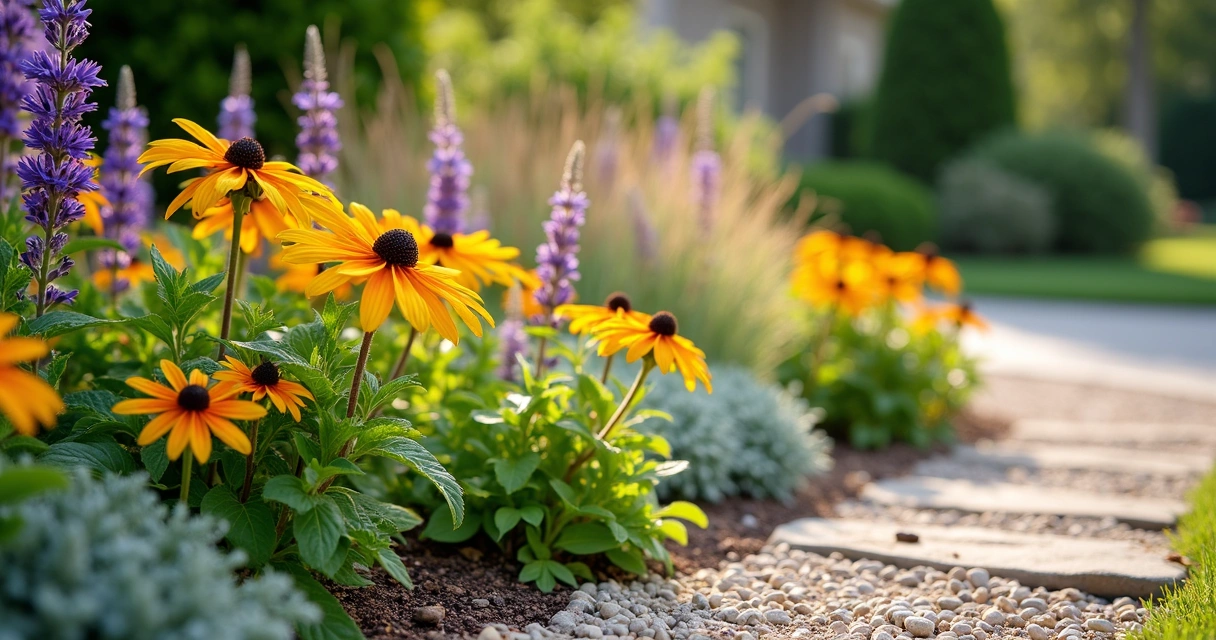
Psychological relief: how design shapes how hot you feel
Not all relief is physical. There’s a strange psychology to heat—yards that look cool, with green plants, blue water, and airy layouts, feel cooler before you even check a thermometer. The play of light and shade (dappled, not harsh), the sound of water, the breeze moving leaves—this tricks your mind into relaxing, giving you a genuine sense of comfort.
Consider textures too: soft cushions, flowing fabrics, stone pavers that stay cool to the touch, and shade that moves as the sun does. A garden is never static—it’s a living, changing retreat that gives something new with every season, if you let it.
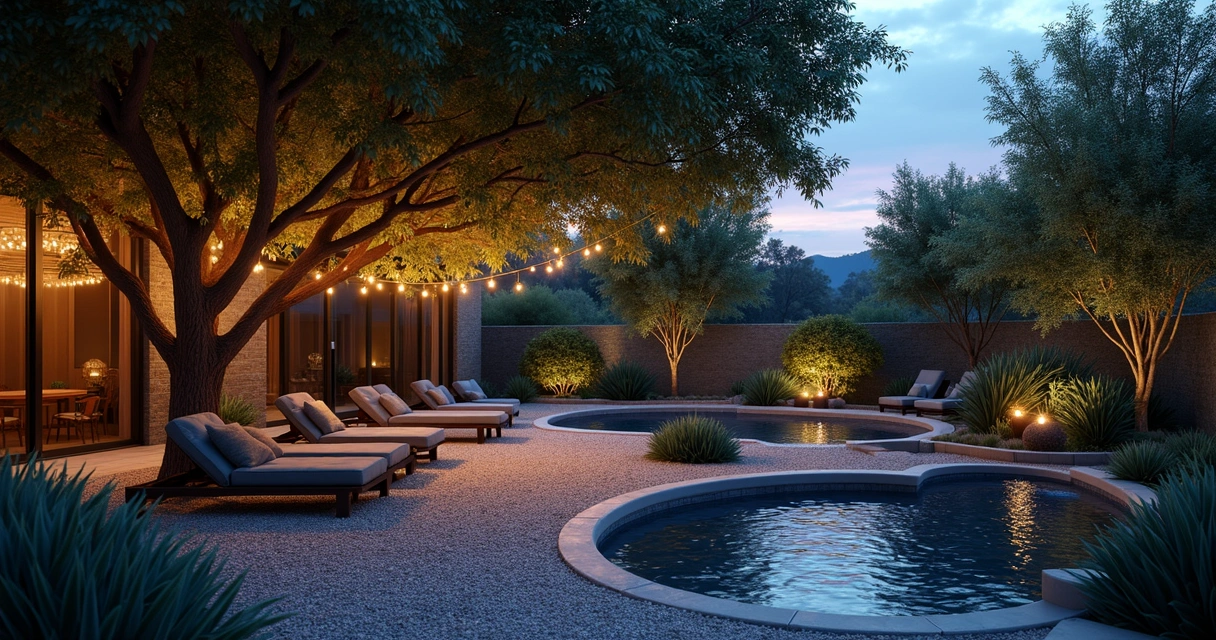
Cool is a feeling as much as a temperature.
If you’re ready for your own heat-ready retreat
No one can promise to make July disappear. But you can absolutely shape a yard that stays beautiful and usable, even when the sun seems set on making you retreat inside. Whether you dream of a lush shaded garden, a modern patio with just a touch of green, or a resilient family zone, there’s a solution that can fit your style, budget, and climate.
Urban Oasis takes pride in blending technical knowledge with close attention to our clients’ lives. We’ve seen firsthand how a smart landscape design relieves stress and opens up days that would otherwise be spent hiding indoors.
Your yard should keep you cool—with the right help, it will.
If you’re ready to start your own transformation and see just what your outdoor space could become, talk to our team. Whether you want fresh ideas or a full reimagining, we’re here to help. Fill out the form below and let’s create your personal oasis—one that stands strong against even the wildest summer.
Frequently asked questions
What is heat dome landscaping?
Heat dome landscaping is the practice of designing outdoor spaces—yards, gardens, patios—specifically to function well in regions that experience extreme, prolonged heat episodes often described as ‘heat domes.’ This method includes using shade structures (like pergolas, trees, and awnings), heat-resistant and drought-tolerant plants, reflective ground materials, strategic airflow planning, and water features to help control temperature and keep the area comfortable and functional. It’s a growing field as more regions face hotter summers each year.
How can I keep my yard cooler?
Several techniques work together to cool down a yard. You can add shade from trees, pergolas, or shade sails, use light-colored paving and reflective gravel to bounce sunlight away, and plant heat-tolerant shrubs and groundcovers that insulate the soil and provide cooling evaporation. Keeping seating areas on the east or shaded side of the house also helps. Integrating small water features and choosing layouts that encourage breeze flow are also powerful cooling strategies. Even layout matters—channel airflow rather than trapping it behind solid fences. Over time, these elements work together, quickly shifting the microclimate right where you spend the most time.
What plants survive extreme heat best?
Some of the toughest plants for extreme heat include ornamental grasses (like blue fescue and Mexican feather grass), succulents and large cacti (agave, yucca, prickly pear), flowering perennials (black-eyed Susan, coneflower, Russian sage, blanketflower), and shrubs such as Texas sage, abelia, and dwarf yaupon holly. These plants tend to have deep or fleshy roots, reflective or small leaves, and built-in drought defense. Native plants from your local climate will almost always do best. More ideas are at our plant selection resource.
Is it worth it to redo landscaping?
If your current yard bakes you indoors for much of the summer, or if maintenance seems like a losing battle, then yes—redesigning can be worth it. A well-designed, heat-ready landscape saves water, lowers utility bills (by shading buildings), reduces yardcare chores, and lets you enjoy outdoor living longer. It’s not only about comfort; it often adds to property value and can be a personal source of pride and serenity. Urban Oasis has seen many clients rediscover their outdoors after making a few critical design changes, especially with low-maintenance and high-impact approaches.
How much does heat-resistant landscaping cost?
Costs span a range depending on your choices: a few hundred dollars for targeted planting and simple shade sails, to several thousand or more for mature trees, custom pergolas, full patio revamps, and specialty materials. Upfront investments in features like automated irrigation, efficient shade, and sustainable surfaces tend to pay off by lowering water and maintenance bills in the long run. Most people start with the most-used area—like a patio or entry space—and build from there. Urban Oasis works to match solutions with budget and lifestyle, ensuring your investment pays off for summers to come.