

Imagine looking outside and seeing your dream landscape. The sun falls gently across swaying grasses, a custom deck invites you outside for coffee, and friends gather under a modern pergola. Yet, that picture-perfect scenario rarely just happens. You need a strategy—a plan that lines up with what you want from your property, both now and years from now.
Let’s walk step by step through what it means to intentionally shape your landscape, so it delivers on your goals, whether you’re relaxing at home, boosting resale value, attracting tenants, or just creating a personal retreat in Austin’s bustling environment. Along the way, you’ll see how Urban Oasis approaches this process, weaving in sensible ideas from universities and respected research without resorting to high-pressure decisions or questionable advice.
Shape the outdoors. Shape your future.
Understanding property goals before designing
If your landscape project isn’t anchored to a clear vision, you can end up with a good-looking but underwhelming result. Much like building a home without knowing whether you want an open kitchen or a dedicated office, planning outdoor spaces without clear goals leads to frustration or waste. Are you looking for curb appeal, rental income, family fun, or a low-stress retreat? Maybe it’s all of these.
According to landowner goals assessment forms and studies from the University of New Hampshire, clarifying your intentions upfront helps ensure each feature, plant, and structure adds purpose—not just decoration. Here’s how to find your “why” before starting any design.
- Ask yourself: What will make my life better outside?
- Will I sell soon, rent, or stay for the long run?
- Do I want to attract guests, increase privacy, or showcase native plants?
- How much time am I truly willing to spend on maintenance?
- What’s my ideal budget, including a “must-have” and “nice-to-have” list?
This exercise sounds simple, yet it’s often skipped. At Urban Oasis, we regularly help clients articulate these goals through our initial consultation process, creating clarity that drives every step forward. You don’t need a spreadsheet, just honesty about your ambitions, constraints, and lifestyle. And don’t be afraid to include more than one goal. Multifunctional landscapes almost always maximize value and satisfaction.
Assessing your site: what you have shapes what’s possible
The next key stage is to take a close look at your property. It’s not just your lawn or garden bed—think about every slope, sunlit corner, mature tree, and quirky detail. If you get this step right, you’ll waste far less money and effort correcting mistakes later. An assessment guide from the University of Tennessee stresses how boundaries, existing roots, local soil, drainage, and microclimates strongly influence success.
In Austin and across central Texas, unique soil and climate patterns can challenge designers. Take note:
- Where does water collect after rain?
- Which spots get the morning or the relentless afternoon sun?
- What plants already thrive without much care?
- Is there rock or hardpan lurking just below surface?
- What views do you want to highlight or hide?
I’ve noticed that owners sometimes overlook street noise, wind tunnel effects between buildings, and even “empty” corners perfect for creative features. Urban Oasis frequently conducts thorough site walks, documenting photos, soil samples, and micro-environments that become central to project decisions.
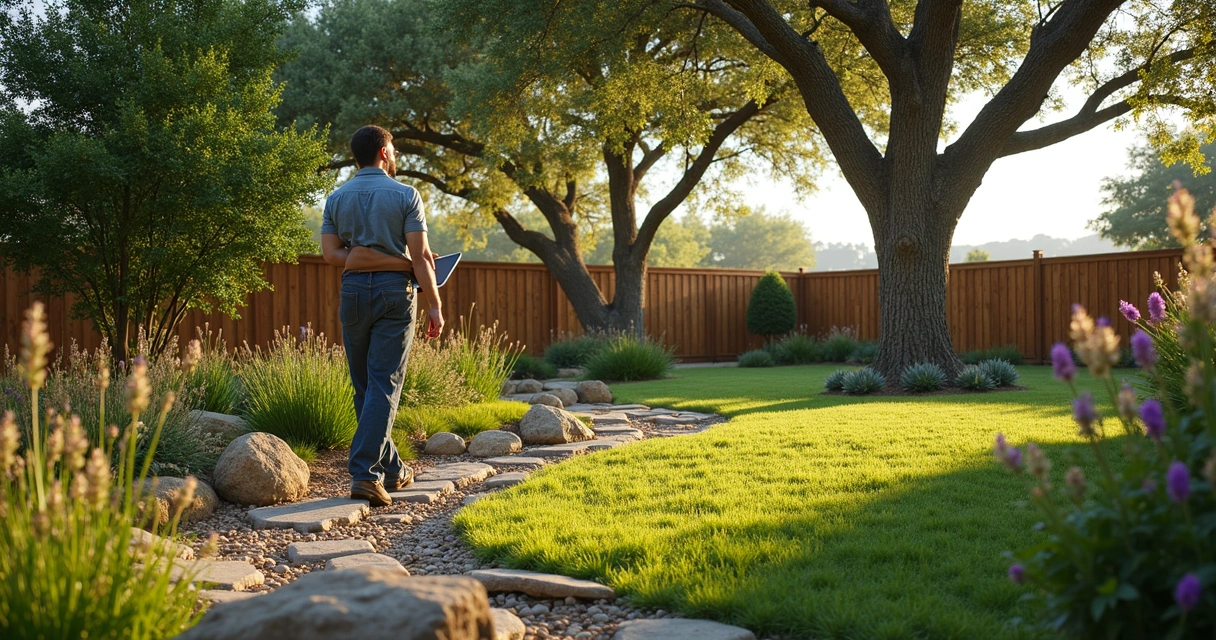
Of course, you can also map things out yourself or use an online tool, but don’t skip this critical stage. Your land tells its own story—listen carefully, or you’ll be fighting against it for years.
Identifying what makes sense for resale, rental, or lasting enjoyment
Most landscape projects are really investments in the future. But how do you decide what upgrades are likely to bring the biggest reward? Sophisticated landscape design can deliver remarkable returns when it comes time to sell, according to Virginia Tech research. Properties with rich, varied plantings and intentional layout stand out on the market. Outdoor upgrades can also attract quality tenants and boost rental income, especially in Austin’s competitive housing environment.
Your property goals might fall into a few main categories:
- Short-term resale: Focus on upgrades that offer strong return, such as curb appeal, functional outdoor spaces, easy-care gardens, and shade structures.
- Long-term enjoyment: Invest in quality materials, mature trees, and features like patios, decks, and water elements.
- Rental property appeal: Add elements that maximize durability, minimize care, and encourage outdoor socializing (think pavilions, grills, and fire pits).
- Eco-conscious priorities: Favor native plantings, drought-tolerant lawns, and certified sustainable products.
True, every property and owner is different. You might want something specific, like a space for a future pool or a play zone that converts as kids grow. Urban Oasis designers spend time teasing out these details, so solutions fit today and tomorrow.
Budgeting smarter: where to invest for maximum outdoor ROI
If you want the space to feel personal and impressive without overspending, be practical about where to focus funds. According to Virginia Tech research on property value and landscaping, even small increases in the complexity and scale of your landscape can sway buyers and raise market value.
A well-placed tree can be worth more than a feature wall.
Here’s a quick rundown of features that typically offer solid returns, especially when you keep future flexibility in mind:
- Simple, clean patios or decks built with durable materials
- Native, low-maintenance plantings chosen for local climate
- Outdoor lighting for ambiance and safety
- Defined gathering spaces for entertaining or relaxation
- A welcoming entry or walkway with integrated greenery
- Quality fencing or screens for privacy and security
Of course, luxury features like swimming pools or full outdoor kitchens can make sense if your goals and neighborhood support them, but always calculate the likely return on investment for outdoor upgrades before committing.
You might be surprised how often a modest feature—like a bench tucked under a shaded tree, or a well-lit patio—delivers more lasting value than an ornate custom structure that no one actually uses.
Designing for Austin’s climate and lifestyle
Austin’s weather poses both opportunities and challenges. You get long, sunny stretches but also punishing droughts and flash storms. If you’re planning a project here, you need to pay close attention to resilient plant choices, water-saving strategies, and shade creation. At Urban Oasis, we integrate these priorities at every stage of planning for our clients.
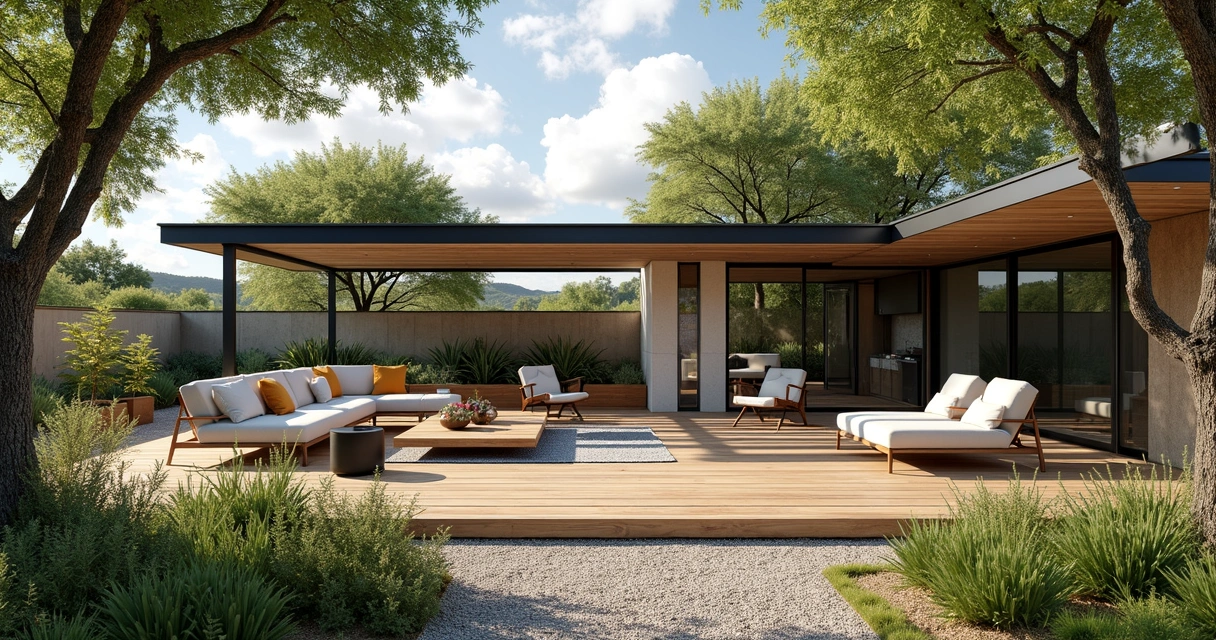
Consider:
- Drought-tolerant lawns or “no-mow” turf
- Rain gardens or bioswales to collect runoff
- Native trees for energy-saving shade
- Natural stone or recycled materials for hardscapes
- Multipurpose patios that double as sun or rain shelters
This attention to climate-appropriate design isn’t just about sustainability or compliance—it’s about making your outdoor space pleasant, welcoming, and usable most of the year. You’ll find many practical strategies to blend style and function in our landscape techniques and benefits guide.
Balancing beauty with upkeep: considering maintenance now, not later
Something about a lush garden or dramatic water feature just calls to us. But if you pick a design that demands constant trimming, fertilizing, or irrigation, it’s likely you’ll grow tired (and resentful) fast. At Urban Oasis, we remind clients to balance “wow factor” with upkeep.
- Do you want a showcase garden, or mostly fuss-free plants and hardscape?
- Is it realistic to handle weekly mowing or pruning, or do you need very low maintenance?
- Could smarter irrigation, automatic lighting, or programmable water features lower your burden?
Our guide to low-maintenance, high-impact landscaping may spark ideas as you weigh your preferences. The goal isn’t just to make your yard look good right after installation—it’s about making sure it still looks great years down the line, without demanding all your weekends (unless, of course, you want it to).
Making choices that last: materials, plants, and core features
Every project, no matter how simple, relies on decisions about materials and plants. Get these wrong, and even clever designs can disappoint. It’s tempting to chase trends or fancy materials, but sometimes classic choices suit the property and market far better. Urban Oasis recommends focusing on quality, local compatibility, and adaptability, especially for those planning to rent or move in the near future.
For plants, native species or well-adapted varieties perform much better, need less upkeep, and rarely surprise you with unexpected problems. Hardscape materials like decomposed granite, natural stone, and rot-resistant decking tend to age gracefully. Apply similar scrutiny to lighting, irrigation, fence materials, and furniture—think of your landscape as a set of interlocking investments.
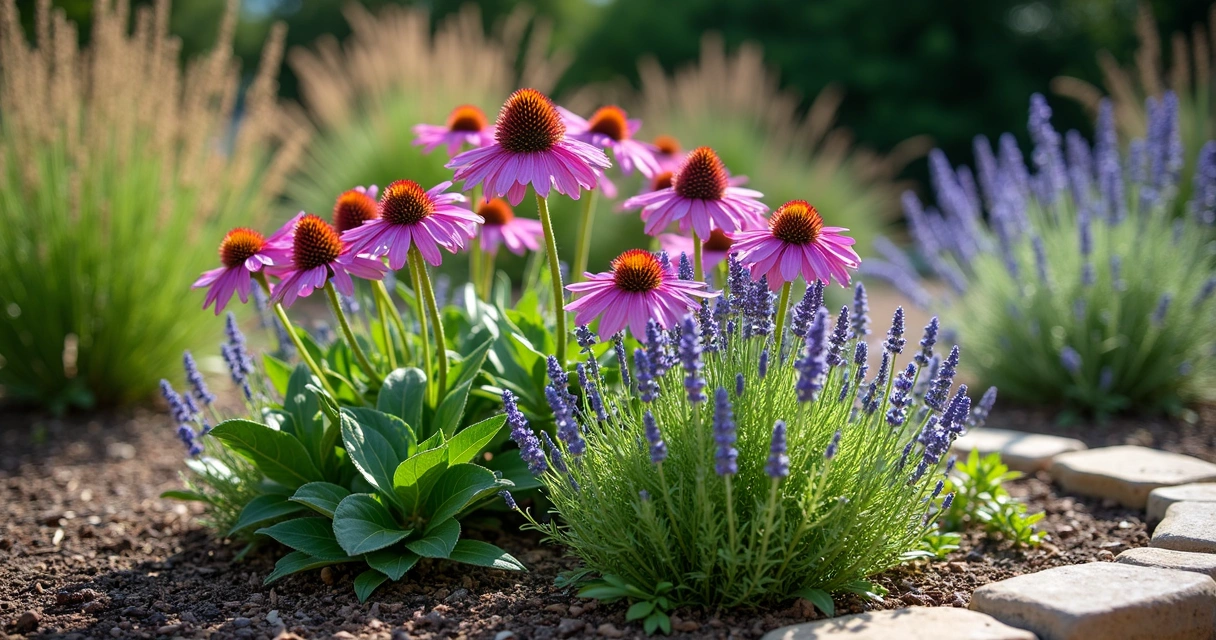
Read more about choosing materials and plants that stand the test of time in our overview of year-round landscaping tips, which covers lasting impact and resilience.
Mapping out your strategy: creating a phased design plan
Few homeowners or investors execute their entire landscape remodel at once. Budget, time, and priorities usually mean working in stages. This is especially relevant for new builds, growing families, or properties under renovation.
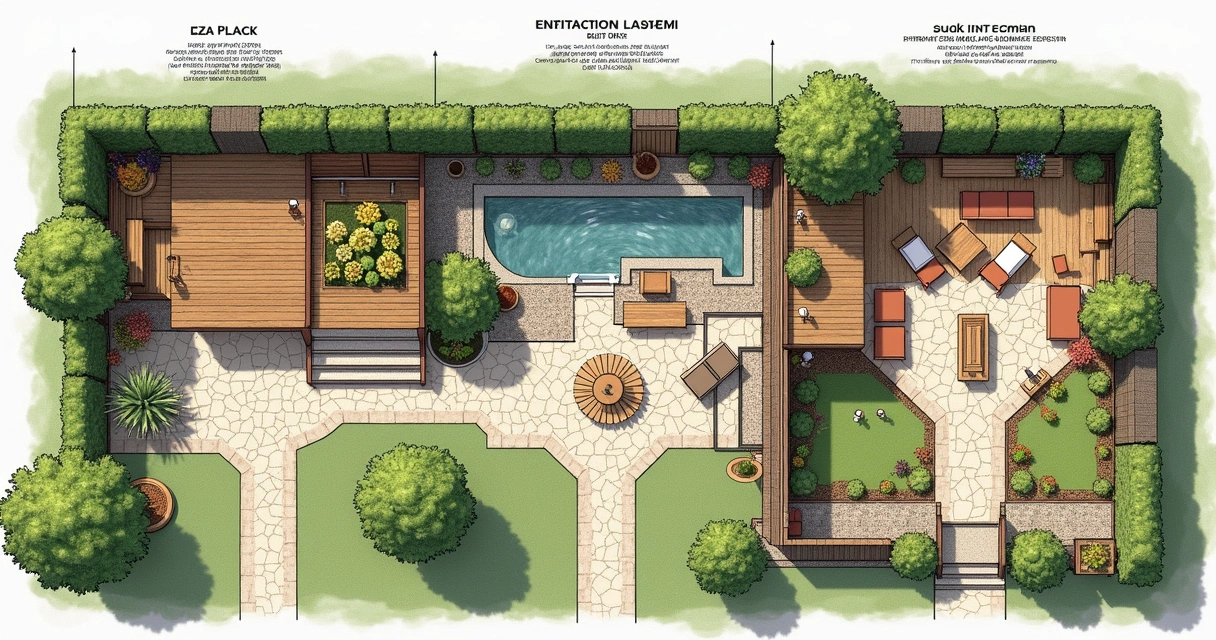
Create a phased plan that aligns with your biggest needs first (like drainage or layout), then gradually layer in details. A popular Austin property design strategy is to start with major hardscape and infrastructure, then phase in plantings, furniture, and finishing touches as budget and vision allow. This makes the project more affordable and avoids costly rework later.
- Start with essentials: Grading, drainage, decks, and fences
- Add core features: Patios, seating, pathways
- Finish with details: Lighting, specialty plantings, art, or water features
If you’re unsure about how to break up the project or set priorities, Urban Oasis walks clients through a stepwise plan, always keeping resale timing, rental cycles, and family needs in view. This incremental method reduces stress and lets you enjoy each improvement fully before moving to the next.
Staying flexible: reviewing, adjusting, and revising your plan
Even the best-laid plans sometimes meet a surprise—unexpected roots, changes in code, or a sudden shift in rental demand. Stay open to recalibrating as you discover new property quirks or as your goals shift over time. Urban Oasis incorporates client feedback, seasonal observations, and even inspiration from client trips or Pinterest boards to adapt plans as needed.
Your landscape is never truly finished—it evolves as you do.
Loop in your installer or designer early and often for advice. It’s far easier to update a plan before concrete is poured or trees are planted, so don’t hesitate to speak up if your priorities or lifestyle changes during the design-build process.
Choosing a contractor or partner with shared values
Deciding who will bring your landscaping plan to life can be a big decision. Your property is personal, and you want a team that listens, communicates transparently, and shares your vision of functional, stylish outdoor living. That’s why Urban Oasis emphasizes a transparent process, from the first consultation to ongoing check-ins, sustainability, and clear communication.
If you’re just beginning or want to better understand the current landscape design environment in Austin, our insight into outdoor living trends showcases features and upgrades that are shaping the region’s most desirable homes. For even more ideas or practical how-to guidance, our landscaping blog section collects what’s working for property owners across Austin and beyond.
The value of documentation: building your long-term land management plan
It might sound formal, but writing down your landscape plan—or even just a detailed outline—makes it much more likely you’ll stay on track. As Oregon State University experts on creating land management plans have shown, having a concrete plan helps you prioritize actions, communicate with designers or tenants, and makes it easier to maintain or update the property as life changes. You don’t need architectural blueprints, but capturing goals, budgets, timelines, and personal preferences in writing gives clarity and peace of mind as your project unfolds.
Why a landscape design plan is worth it—even if you’re not selling soon
There’s a common misconception that investing in landscaping only makes sense right before selling. In fact, outdoor improvements often deliver benefits immediately and for years, including improved comfort, lower utility costs (through shade and wind breaks), and just plain joy. Plus, your yard is always on display, creating first impressions for visitors, renters, and neighbors.
Urban Oasis provides experienced guidance no matter your timeline or ambition, helping you build a plan that enhances your life and your property portfolio.
Conclusion: your landscape, your legacy
Landscape planning that stands the test of time is less about perfection and more about intention. Aligning your outdoor vision with property goals—whether for investment, family, or quiet enjoyment—brings clarity and satisfaction. It lets you build a personal retreat, boost market value, and ensure your outdoor improvements pay off for years to come.Are you ready to start crafting a thoughtful, flexible plan for your property in Austin or beyond? Let Urban Oasis guide you from the first conversation through every milestone. Fill out our form and take the first step to turning your goals into a living, growing reality.
Frequently asked questions
What is landscape planning for property goals?
Landscape planning for property goals means matching your outdoor design choices to your unique needs—whether that’s boosting curb appeal, making your rental stand out, or maximizing backyard enjoyment. It’s about shaping every detail, from plants to patios, around what really matters to you. By combining a clear vision with solid site assessment and thoughtful investments, you ensure outdoor changes support both everyday use and long-term value.
How to increase home value with landscaping?
You can increase home value by focusing on upgrades that buyers or renters love: attractive entryways, native and low-upkeep planting, well-designed patios, and quality pathways. Studies, like those from Virginia Tech, show that sophisticated landscaping with varied plantings and good structure can raise perceived value substantially. Focusing on first impressions, easy maintenance, and multi-use spaces delivers the best results.
Is it worth it to invest in outdoor upgrades?
Most of the time, yes. Outdoor upgrades improve daily enjoyment and often deliver a solid return on investment for resale and rental. Research-backed advice says even moderate investments in outdoor space pay off through higher property value, increased rental rates, or faster sales. Prioritize upgrades that offer lasting benefits—shade for comfort, hardscapes for usability, and smart plant selections can all add immediate and long-term value.
What are the best ROI landscape improvements?
The improvements that tend to deliver best ROI include: patios or decks built with durable materials, native plantings, usable walkways, energy-efficient outdoor lighting, and inviting gathering spaces. Privacy features and climate-appropriate upgrades, like xeriscaping for Austin’s environment, also rank high. Simple changes often go further than lavish features—think a welcoming entry, mature shade tree, or well-defined social area.
How do I start an Austin landscape design?
Begin by clarifying your goals: resale, rental, or long-term retreat. Assess your site’s features—sun, soil, slopes, and existing plants. Note your budget and the time you can devote to care. Research climate-appropriate plants and practical upgrades, or consult a company like Urban Oasis, which handles initial consults and comprehensive planning. For more tips and inspiration, explore our landscaping resource hub. A phased plan tailored to Austin’s climate and your goals gives the best results.