
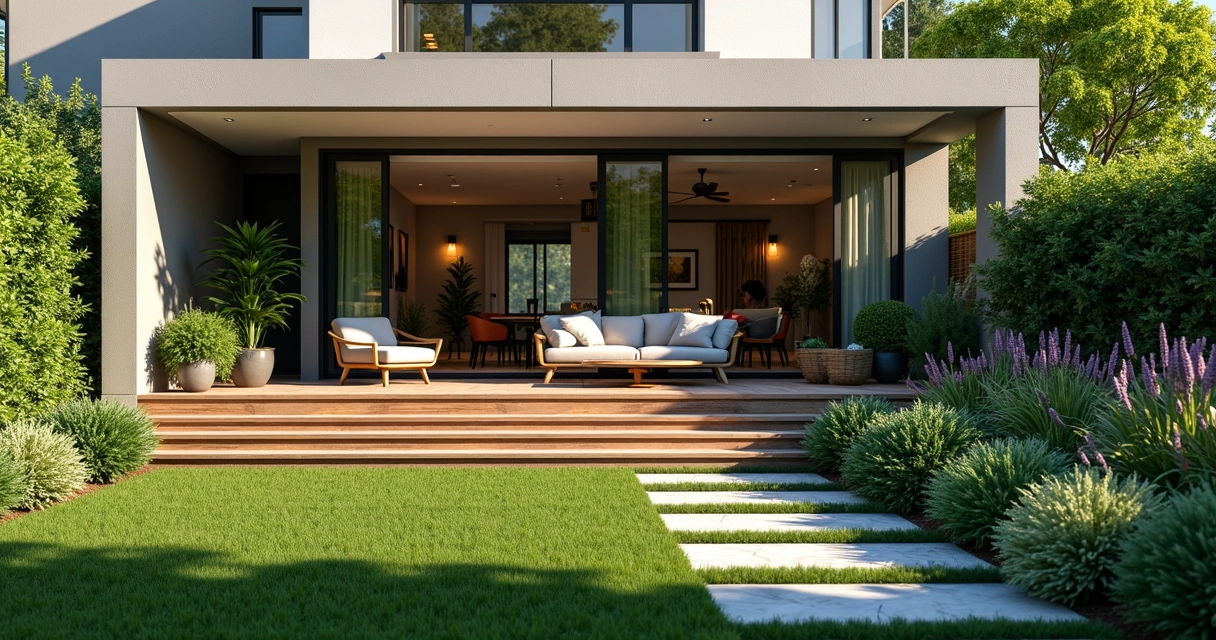
In the fast-moving world of Austin rentals, catching the eye of prospective tenants often takes more than just a fresh coat of paint. Maybe you’ve had that feeling—one of those quick, initial reactions as you walk up to a house or apartment, the moment when you judge if a place feels inviting or not. Curb appeal sets the stage, and these first impressions can be surprisingly powerful. But does refreshing outdoor spaces truly make a difference for landlords, short-term rental hosts, and property managers?
The answer is yes, and perhaps much more often than most imagine. Landscape investments—not just planting new shrubs, but thoughtfully enhancing the entire outdoor experience—bring real returns. They draw in the right residents, justify higher rents, and actually increase property value. What’s more, smart upgrades often reduce maintenance headaches for both owner and occupant.
Let’s take a closer look at the practical steps, the science, and a few stories behind transforming rental outdoor areas into true value generators.
Why curb appeal means more for rentals
Curb appeal is that moment when someone glances at your property from the sidewalk or driveway and quietly wonders, “Could I live here?” Studies have shown that the outside look of a property shapes rental decisions, rental rates, and reviews in ways that are sometimes hard to measure, yet deeply felt.
For rentals in Austin, where outdoor living is nearly a year-round activity, the stakes are even higher. Potential tenants—from young professionals to families—love the idea of gathering in attractive, functional outdoor spaces. Landlords who invest in landscaping often see:
- Shorter vacancy periods
- Higher rental offers and willingness to pay
- Increased pride and care from tenants
- Positive online reviews and referrals
Several studies, such as those discussed in a PLoS One assessment of land conservation return on investment, confirm that thoughtfully placed landscaping can yield returns from below-average to quite impressive levels, depending on location and ecosystem services offered.
First impressions are hard to change—outdoor appeal is your first handshake with a future tenant.
Modern landscaping projects, like those completed by Urban Oasis for both residential and commercial properties, blend low-maintenance thoughtful design with the kind of features that tenants notice right away—think decks, patios, pools, and native plant beds.
How landscaping increases property value and ROI
A quick fix rarely brings long-term value. The trick for real estate investors and rental property owners is finding upgrades that pay off—economically and functionally—over months and years.
The University of Florida has published a useful tool to estimate return on investment for landscape enhancements tailored to residential and rental uses. Their model shows that even small changes like swapping out patchy grass for native plants or adding a compact patio can raise a property’s value anywhere from 5% to 20%, with especially strong effects in competitive markets like Austin’s.
USDA analysis of environmental investments also reports unusually high returns for projects that prioritize sustainability and long-term ecological health—a reminder that green investments often keep paying dividends far beyond their initial cost.
Beyond raw dollars, there are side benefits for landlords and hosts:
- Lower water bills through drought-resistant plants
- Reduced need for irrigation and mowing
- Lower risk of tenant damage or neglect
- More screening and privacy that renters prize
- Improved drainage and fewer mud problems
If you’re curious about the specific trends that are working in Austin right now, you’ll find lots of ideas in the article about top outdoor living trends that are boosting property value in Austin.
The numbers: what studies say about outdoor ROI
Let’s pause for just a moment here. There’s always some skepticism about whether these investments are “worth it.” But looking at publicly available studies might help calm some doubts.
- According to research compiled by the U.S. Geological Survey, accounting for ecosystem and outdoor living benefits leads to clear, measurable economic gains for property owners. These benefits go beyond property lines, affecting community standing and area-wide demand.
- A nationwide survey led by the University of Washington’s conservation ROI analysis shows that targeted outdoor enhancements—such as adding shade trees, functional seating, or pollinator beds—can move a property up in renter and buyer rankings quickly, especially in thriving metro regions.
- Studies such as those referencing return-on-investment models for landlords show that even minor improvements can outpace other common investments, like kitchen or bath upgrades, in terms of dollar-for-dollar effect on price and occupancy rates.
ROI isn’t just for the inside of the house—outdoor upgrades work just as hard.
Choosing landscaping upgrades that work for rentals
Rental landscaping needs to be tough, attractive, low-maintenance, and adaptive to changing tenant lifestyles. But the options sometimes feel a bit overwhelming.
To help sort the choices, here’s a practical framework for deciding what to prioritize:
- Know your maximum budget and local code requirements. Park projects here if costs could spiral or if the city has restrictions—like Austin’s rules around water-efficient landscaping.
- Evaluate who your renters are (or who you want to attract). Are they families who might use a yard for kids, singles who host parties, or pet owners?
- List pain points and recurring headaches: Is the lawn brown every summer? Does rain pool by the walkway? Do tenants complain about maintenance or safety?
- Think about how renters use the space and what “feels nice.” Sometimes it’s lighting or privacy, sometimes a mini herb garden or shaded deck.
Over years of designing outdoor spaces for Urban Oasis clients, this sequence often uncovers upgrades that save money for years. Here are the improvements that have real staying power for rentals in Austin:
Low-maintenance native planting
Drought-tolerant grasses, yuccas, lantanas, and sage look beautiful all year with little extra water or fertilizing. These choices make a big visual impact but invite fewer weeds, less mowing, and much lower seasonal costs. Local plant options also detoxify and cool the outdoor environment.
Functional patios and decking
Adding a stone patio or composite deck instanly creates “outdoor rooms” for gathering, relaxing, or dining. These surfaces are easier to clean, less likely to be neglected, and more universally appealing to renters than grass alone. Learn more about these types of projects from the Urban Oasis landscaping collection.
Simple, stylish fencing and screening
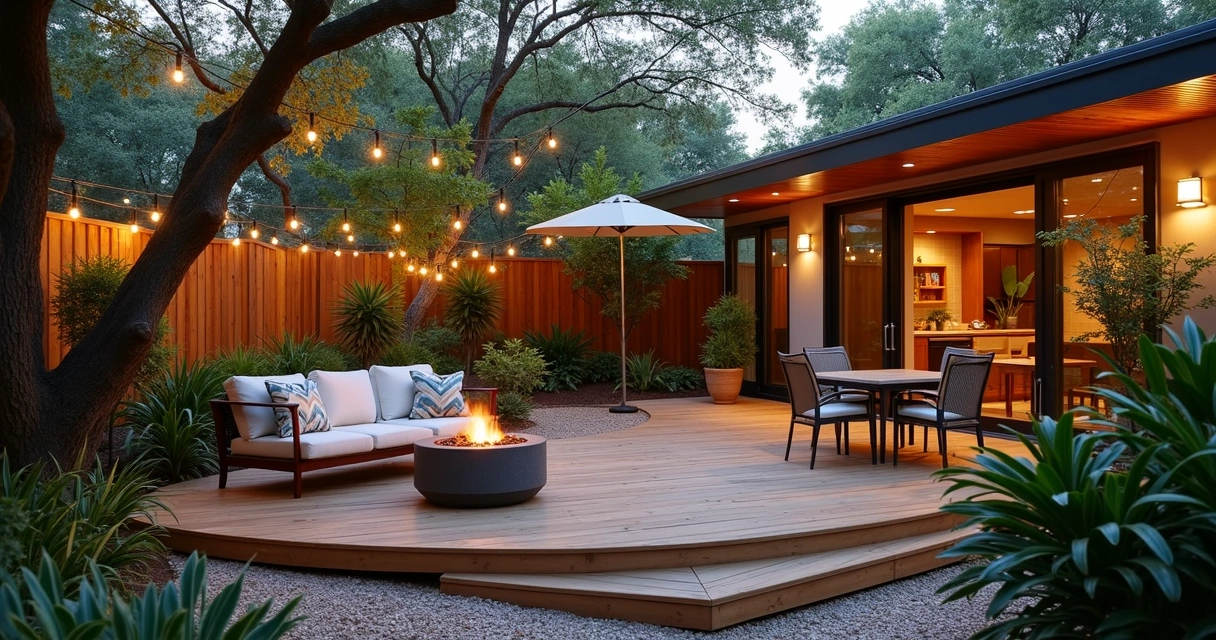
Privacy is a basic desire for most renters. Well-designed fencing or green screens (like fast-growing bamboo or trellis vines) help create a sense of quiet sanctuary, block out traffic or neighbors, and raise perceived value. Good fences also mean lower risk of disputes or noise complaints.
Outdoor lighting upgrades
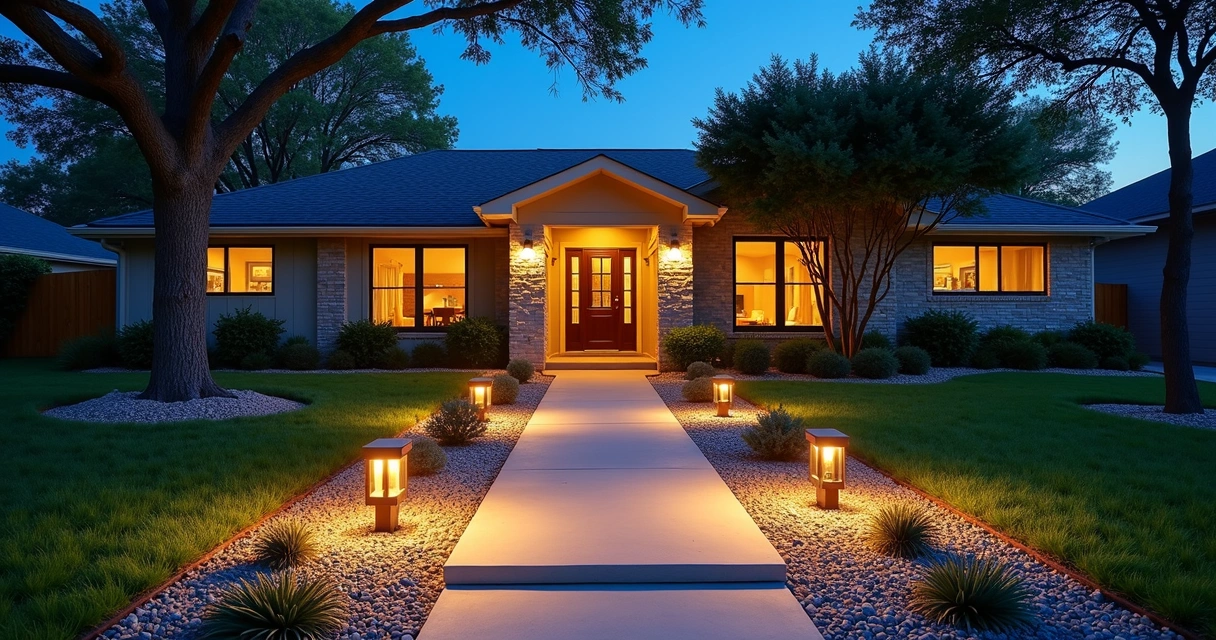
Lighting at pathways, patio edges, and entries works on two levels: it appeals visually and it feels safer. Solar-powered paths or motion-sensor lights cut electricity bills while making renters feel at home and reducing accident risks.
Artificial turf and gravel beds
Sometimes grass just doesn’t stand a Texas summer. Artificial turf or loose, attractive gravel beds provide green or clean looks without irrigation costs. Many Urban Oasis clients who manage multiple rentals have switched to these approaches to save effort and money over time. Check out more advice about low-maintenance outdoor options in this guide to high-impact, low-maintenance landscaping.
Tough plants, tidy spaces, and practical upgrades always beat high-maintenance fancy features.
Automated irrigation systems
Nearly hands-off irrigation—using Wi-Fi-enabled smart timers, rain sensors, or drip systems—lets even remote landlords ensure that the property stays green and alive on autopilot. These systems reduce waste and can save a lot in water costs, especially over hot Austin summers.
Adding features that make a rental stand out
Sometimes a single outdoor feature shifts the whole “vibe” of a property. For families, play zones help. For young professionals, a small grilling nook or fire seating becomes a social hub. Landlords should focus on broad appeal, durability, and flexibility. Many of these ideas are both affordable and reversible, if needed for future tenants:
- Pergolas or covered patios: A bit of shade transforms an ordinary space into a year-round outdoor room.
- Bistro lighting: Overhead string lights instantly boost visual warmth and nighttime utility.
- Small edible gardens: Renters appreciate unique spaces, even a few raised herb boxes or fruit trees.
- Fire pits: Gatherings happen around fire, even in mild Texas winters. Portable options mean less risk if a tenant changes.
- Sport spaces: A small patch for cornhole or bocce, or a basketball goal, is a worthwhile upgrade for family-focused properties.
But, maybe you’re already thinking, “That sounds great. But how much will these actually cost?” Let’s look at the numbers.
How much should you spend on landscaping rentals?
There’s no universal answer, but experts generally recommend landscaping investments of about 5-10% of the property’s current value. Why? Anything below that may have little impact; anything above could offer diminishing returns, unless it’s a luxury or specialty niche rental.
Breaking it down for the Austin market, the average landscaping upgrade might cost:
- Basic curb cleanup: $800 – $1,500
- Patio or deck addition: $3,000 – $8,000
- Artificial turf or native beds: $2,000 – $7,000
- Automatic irrigation: $1,000 – $4,000
- Lighting package: $500 – $2,500
There are many variables (property size, access, terrain), but for most mid-priced Austin rentals, a total upgrade budget around $5,000 to $10,000 can bring a wow factor and deliver real ROI. For those working with Urban Oasis, transparent project management and careful sourcing keep surprises at a minimum through every phase, a difference clients often cite in reviews.
The exact ROI will vary, but the University of Florida ROI model (see above) suggests that these investments often yield more consistent returns than most single indoor upgrades, particularly in areas with high rental competition.
Landlord mindset: balancing long-term value with tenant turnover
Especially in short-term rental markets, there’s an urge to go all out on trendy outdoor features. But resist the temptation to install anything that requires constant attention or specialty skills—tenants change, interest levels can fade, and what’s perfect for one might annoy the next. Instead, focus on:
- Durability over temporary appeal
- Designs that look great even when minimally maintained
- Features that are safe, accessible, and easy to clean between tenants
- Functional layouts that can be adapted for a new resident with minor tweaks
Sometimes, being a little less fancy—but more robust—wins out in the long game. Urban Oasis projects highlight this balance: bringing together technical skill, sustainable practices, and ongoing support so the landlord or property manager isn’t left struggling if a few shrubs don’t make it through a hard summer.
If you want ideas by property type—condos, duplexes, multi-unit or single-family—with specifics on layouts, structures, and quick-wins, this landscaping guide on techniques and benefits is a useful resource.
Success stories: a few Austin landlord transformations
Sometimes the best way to understand “why” is by seeing “what happened”—so, a glimpse into three real improvements, all managed by Urban Oasis:
- South Austin duplex: Outdated, patchy yard swapped for a flagstone courtyard, native sages, and bistro lights. Result? Raised market rent by $350/month and cut vacancies to a week between tenants.
- Central Austin single-family: Noisy street, always-on-view yard. Added bamboo screening, smart irrigation, and raised deck. Now booked solid as a short-term rental with reviews raving about the outdoor “peace and privacy.”
- Northeast Austin four-plex: Worn-out lawn replaced with gravel lounging pads, communal fire circle, and hardy low-water beds. Tenants spend more time outside; owner reports less trash and yard complaints.
You don’t have to overspend or install every trendy amenity—the real secret is to know what matters in your market, and then make those upgrades consistent, sturdy, and simple to care for for both owner and renter.
Austin-specific trends: what works best right now?
Beyond the classic upgrades, some ideas are unique to Austin’s rental landscape. Here’s what’s catching on right now:
- Pollinator gardens. City incentives for native plantings mean less watering and happier renters who love butterflies and bees.
- Rainwater harvesting barrels. It’s not just good for the environment—tenants like lower water bills, too.
- Edible landscaping. Kids, families, and even singles enjoy picking their own herbs, berries, and citrus.
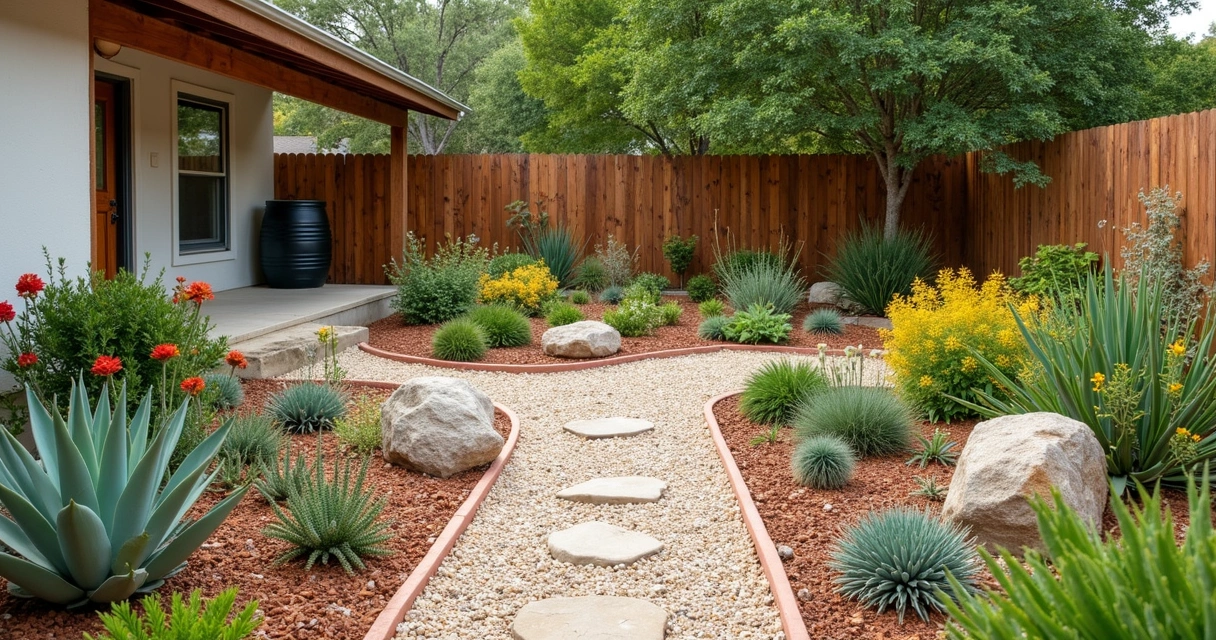
- Flex-use courtyard spaces. Gravel or paved areas that work equally well for play, pets, yoga, or dining.
For perspective on how these trends pay off and which are easiest to install, browse ideas in Outdoor Living inspirations curated by Urban Oasis.
Steps to transform your rental’s outdoor space
Here’s a roadmap to getting started—without blowing your budget or your weekends on DIY fixes that barely last a season:
- Walk your property line to line, looking at it through a new renter’s eyes. Jot down strengths, eyesores, and “wish I could fix” notes.
- Set a realistic upgrade budget (include a reserve for minor repairs).
- Define must-haves and dealbreakers—your answers might surprise you.
- Contact a landscape designer or contractor (like Urban Oasis) for an outdoor assessment and proposal. Reasonable up-front planning often avoids future headaches.
- Get quick wins first: clean up, prune, mulch, fix lighting, fix paths, re-seed or apply fresh gravel, then tackle bigger projects in stages.
- Document your upgrades—photos for listings, before/after for future tenants. Great marketing isn’t just for the inside!
There really is no need to tackle everything at once. Even a few improvements can yield out-of-proportion returns.
Even small enhancements can turn a “maybe” into a “must have” for new tenants.
The real beauty? Outdoor upgrades are such an honest kind of improvement. People see them, use them, feel better about where they live. Rental profits follow naturally.
Sustainable choices and the future of rental landscaping
One growing movement is toward sustainability: permeable paving, rain gardens, pollinator habitats, and all the small choices that work with, not against, local climates. As public research from the USDA Economic Research Service shows, sustainable outdoor choices yield strong returns for owners and the community, making it a win-win scenario.
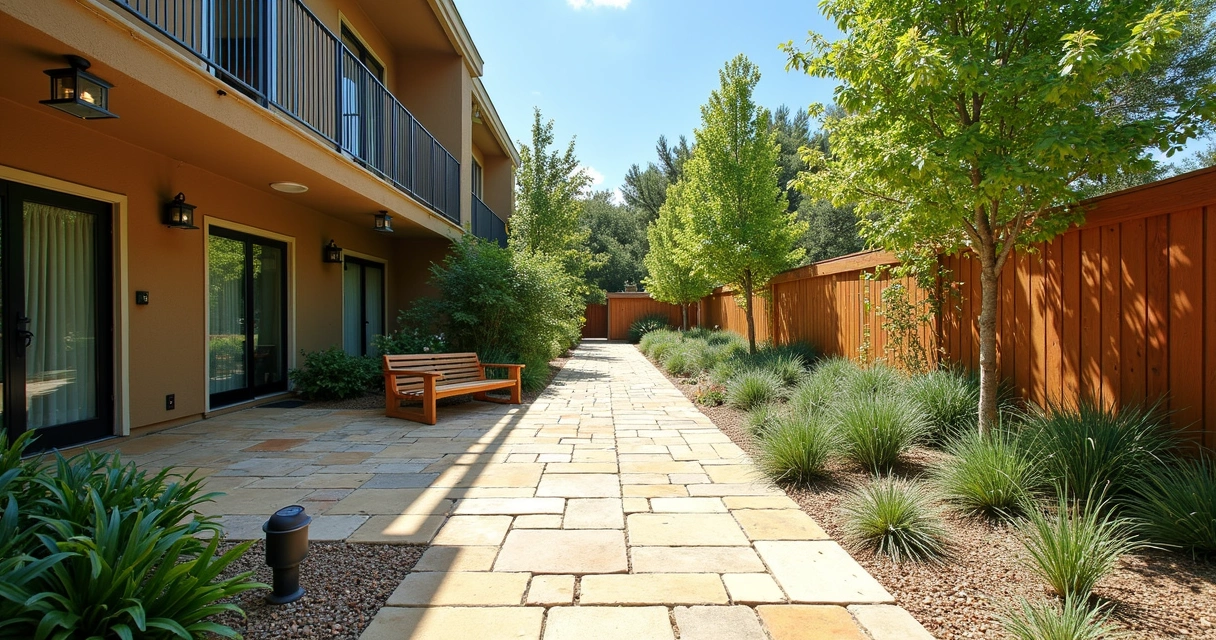
Projects completed with sustainability in mind—such as those offered by Urban Oasis—help keep costs down for both landlord and tenant while boosting overall property value. Water bills shrink, the city smiles on your efforts, and your tenants mention it in glowing reviews. In a city where outdoor living is a daily part of life, this attention to both durability and stewardship signals long-term thinking, and that’s attractive to investors, buyers, and renters alike.
Conclusion: landscape your way to more valuable rentals
Landlords and hosts in Austin (and cities like it) don’t have to choose between profit and beauty. With careful planning, a few smart investments, and the right sustainable touches, you can transform what feels like “just the outside” into the secret weapon that fills rentals quickly and keeps tenants happy for the long haul. Even a minor curb appeal boost can lift your listing from overlooked to unforgettable, often producing better returns than you’d expect for the investment involved.
Urban Oasis specializes in handling this journey—from concept to construction, with ongoing support—to ensure every detail works for your property, your tenants, and your bottom line. Discover the difference of practical expertise, seamless communication, and genuine respect for both budget and style. Your next higher-value, easy-to-manage rental might be just a few stone pavers and native plants away.
Ready to stand out in the Austin rental market? Invest outside as well as in.
Start your journey toward enhanced rental value with an outdoor transformation today. To learn more, fill out the form below and see how Urban Oasis can design a modern, sustainable, and renter-friendly outdoor space tailored to your needs.
Frequently asked questions
What are the best landscaping ideas for rentals?
The top ideas for rental landscaping focus on durability, low maintenance, and broad appeal. Think native plants for Austin’s climate, automated irrigation, simple gravel or artificial turf beds, compact patios or decks, outdoor lighting, and privacy fencing or screening. Raised planters or small edible gardens are a nice touch for making a rental feel welcoming without adding upkeep stress. Smart, functional features like these offer strong returns and are easy for tenants to enjoy without extra work.
How can I boost curb appeal in Austin?
You can instantly improve curb appeal in Austin by adding drought-tolerant landscaping, pruning overgrown areas, freshening mulch or gravel, and installing simple, modern lighting. Accent features such as planters, bistro lights, or trimmed native hedges draw the eye and make a property look cared for. A clear path from street to entry, with well-defined edges and pops of color, can dramatically increase that all-important first impression.
Is landscaping worth it for rental properties?
Yes, landscaping investments are often worth it for rentals. Studies from sources like the University of Florida show that even minor outdoor enhancements can increase property value and rental income. Well-chosen outdoor upgrades help attract better tenants, shorten vacancy periods, boost online reviews, and reduce ongoing maintenance calls. The right improvements can pay for themselves within just a few lease cycles.
How much does landscaping cost in Austin?
Landscaping costs in Austin can range widely depending on project scope. Simple cleanup and curb appeal projects may cost $800 to $1,500, while small patios or native garden installations are usually in the $2,000 to $8,000 range. More complex builds with decks, irrigation, and lighting might run $10,000 or higher, especially for larger properties. Pricing is influenced by material choice, access, and the quality of design and installation.
Where to find landscaping services for rentals?
For landlords and rental hosts in Austin looking for reliable landscaping, Urban Oasis offers tailored services focused on low-maintenance, high-impact outdoor enhancements. Our process covers everything from initial consultation through design, approval, construction, and ongoing support. By working with us, you can ensure your rental’s outdoor space is attractive, sustainable, and easy to maintain, fitting both your vision and your budget.