
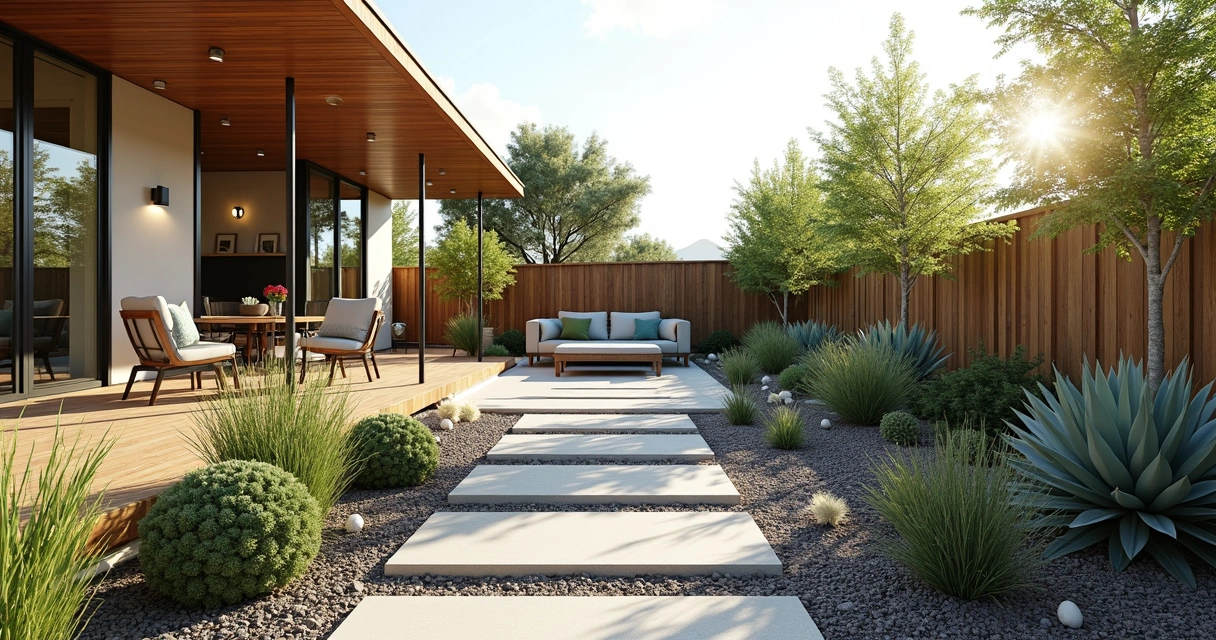
Life sometimes feels like it rushes by. You step outside on a Saturday morning, mug in hand, and gaze at your backyard. You picture easy, effortless beauty—flourishing green, vibrant color, somewhere for the kids to play and the adults to unwind. But not a weekend (or a fortune) wasted on yard work. That vision? It’s possible, and maybe much simpler than you think.
If you’re a homeowner or landlord with a packed schedule but big outdoor dreams, this guide is written with you in mind. We’ll walk through real-world, practical solutions that blend smart design, high-impact plants, energy-saving choices, and the know-how that Urban Oasis brings to every project. If you want a stunning, stress-free space, you’re not alone—over half of all homeowners have invested in some landscape upgrade recently, spending about $3,250 on average, according to a University of Florida study. But more important than the price is how you design for the life you want. Let’s make your yard work for your lifestyle, not the other way around.
Why low-maintenance landscapes make more sense than ever
There’s a reason ‘easy yard upgrades’ and ‘low maintenance landscaping ideas’ are some of the top searches for outdoor improvement. Time, energy, and water are all in short supply. Studies like those by the University of Florida show that most people want results that last, without a constant drain on their weekends.
- 60% of homeowners care for their own landscaping, spending 5–6 hours a month on upkeep.
- More than half renovated or installed new outdoor features in the last 5 years.
- Lawn care alone can eat up more time and money than any flower bed or patio space.
A beautiful yard shouldn’t be a second full-time job.
Combine this with growing concerns over water usage and climate resilience, and it’s no wonder new approaches are replacing the classic ‘big green lawn’ thinking. Low-upkeep doesn’t have to mean bland. In fact, with the right plan, outdoor spaces managed by Urban Oasis can look just as lush and welcoming—maybe even more so—than traditional high-care gardens.
Rethinking what a modern, functional landscape means
Picture your future outdoor area. What do you see? Maybe it’s kids tossing a ball on a soft patch of synthetic turf, or a quiet corner with shade trees and a book. Perhaps a sleek paver patio that never grows weeds, or a border of flowering shrubs that look after themselves. There are almost infinite combinations, but smart, simple, and striking options share a few key ideas:
- Minimizing repetitive tasks (mowing, trimming, watering all summer long)
- Grouping plants with similar needs together (sometimes called hydrozoning)
- Swapping out grassy expanses for patios, decks, or groundcovers
- Choosing regionally adapted, hardy plants
- Investing up front in the features you’ll enjoy now—and that won’t create headaches later
Biggest time-wasters in most yards: and how to avoid them
- Large lawn areas—The single highest maintenance item, according to experts at the University of Missouri Extension.
- Poor plant choices—Thirsty or finicky species mean more work, pruning, and worry.
- Inefficient watering methods—Sprinklers that hit driveways, or hand-watering pots daily, can be exhausting.
- High-traffic or cluttered layouts—Complex beds and scattered furniture need frequent cleaning and reorganizing.
- Neglected hardscaping—Loose stones, weedy joints, or warped decks make “relaxation” impossible.
But here’s the good news: almost every yard has untapped potential for transformation. Urban Oasis specializes in addressing these core pain points, turning chore-heavy yards into clean, curated, and joy-giving spaces.
Step one: build your outdoor priorities around your real life
Before tearing up turf or planting anything, pause to consider how you—and everyone who shares your home—want to use the space. Do you crave a peaceful retreat? Play area? Entertaining deck? Zero-hassle curb appeal? A mix? Getting clear about priorities shortens the to-do list and simplifies decisions.
- How many hours each month are you willing to spend outside working (not relaxing)?
- Do pets or children need soft ground and open spaces?
- Would you rather have an impressive garden for guests, or maximum privacy for yourself?
- Are there any accessibility needs for yourself or family members?
The answers shape your master plan—and help Urban Oasis tailor recommendations, so you’re not stuck with features that create stress, not joy.
Next: shrink the lawn, gain freedom
There’s a reason university research calls lawns ‘the most demanding’ landscape feature. According to University of Missouri Extension, reducing turf sections and replacing them with low-care groundcovers, pavers, or mulch brings big dividends:
- Less mowing, edging, and fertilizing
- Lower water bills and fewer irrigation system hassles
- Room for creative features—like bistro patios, edible gardens, or modern decks
If you’re not ready to quit grass entirely, selectively keeping only flat, central zones as a ‘green rug’ works well. Let the rest transition to something friendlier.
Choosing smart, low-upkeep planting combinations
Stunning gardens do not demand hour-by-hour care. Picking the right plants is a powerful shortcut, especially when you choose species adapted to your region’s climate and soil. EPA’s WaterSense program highlights that native and low-water plants dramatically cut both watering and pruning chores.
- Native trees and shrubs—such as redbuds, oaks, or native hollies—handle weather extremes and need little attention once established.
- Drought-tolerant perennials—lavender, Russian sage, daylilies, and coneflowers give long color and come back every year.
- Mass-planting one or two species—rather than a “collector’s garden”—keeps the look modern and limits required care.
Experts from Mississippi State University Extension often recommend groundcovers, such as mondo grass, creeping thyme, or sedum, which fill space, block weeds, and never need mowing.
Choose plants that thrive, not just survive.
Looking for more ideas? Urban Oasis compiles advice and species lists for Texas low-water landscaping ideas and other regions with climate-smart designs that don’t require constant hands-on care.
Hardscaping: patios, decks, and structure that work for you
If grass used to be king, patios and decks now reign for those with busy lives. These surfaces offer outdoor living without the weekly need for trimming or tending. Whether it’s natural stone, composite decking, or a grid of pavers, these elements fit many budgets and styles. Urban Oasis frequently creates modern, inviting hardscapes that:
- Require only minimal cleaning each season
- Host gatherings, furniture, or outdoor cooking stations
- Allow rainwater to drain or soak in, if installed well
- Frame focal points like fire pits or water features (that look good year-round)
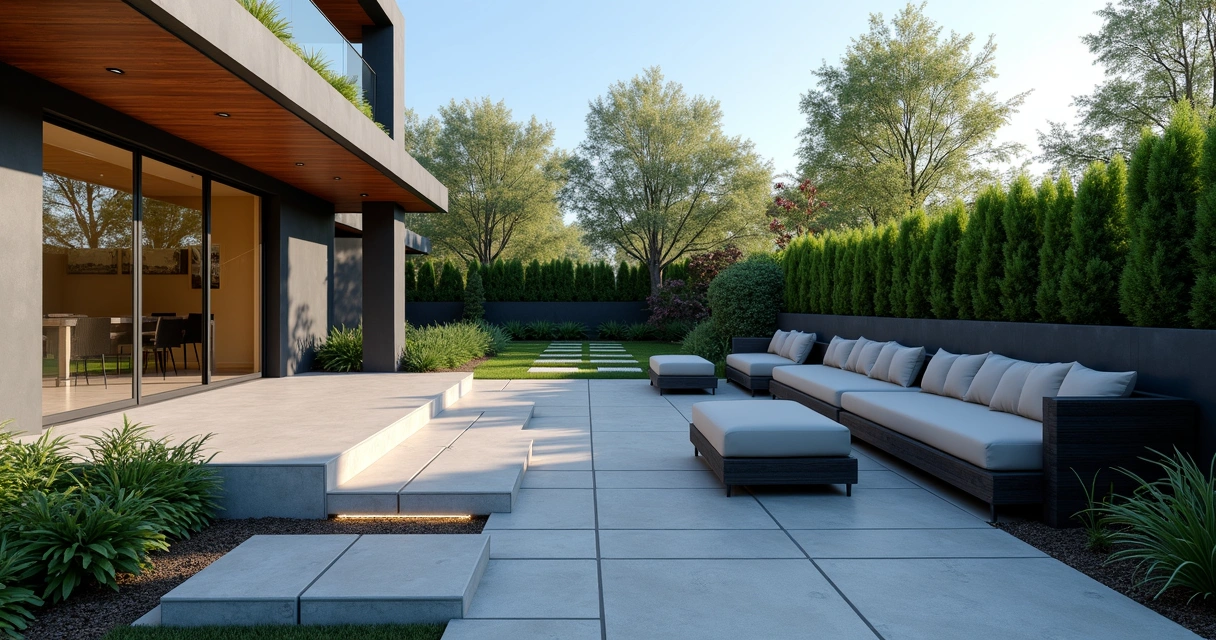
A few favorite ‘easy-maintenance’ upgrades include:
- Stone or brick patios—swept clean with little trouble, and weed growth is easily tamed with a sand or polymer fill between gaps.
- Composite decks—never need staining and resist rot.
- Well-designed walkways—limit mud and keep traffic off planting beds.
If you’re starting from scratch or updating a tired area, you can check Urban Oasis’s detailed landscaping guides for inspiration and tips on making outdoor ‘rooms’ that fuse beauty and simplicity.
Groundcovers: a smarter alternative to wall-to-wall grass
For a long time, the ‘perfect’ lawn was a status symbol. Now, more homeowners see things differently. Easy-care groundcovers, carefully planted, offer green coverage without the relentless cycle of mowing, fertilizing, watering, and worrying about brown spots. Some choices thrive in full sun, others part shade. Urban Oasis often recommends:
- Creeping thyme—fragrant, drought-tolerant, and attractive but never too tall.
- Mondo grass—loved for its texture, and never asks for a mower.
- Sedum or stonecrop—absorbs heat and shrugs off dry weeks.
- Liriope or monkey grass—tidy, weed-choking, and evergreen.
Groundcovers fill spaces—and your weekends—with less hassle.
You can see more high-impact, low-overhead ideas for groundcovers in Urban Oasis’s overview on low maintenance, high impact landscaping.
Mulch: the humble timesaver with serious style
Look at top landscapes almost anywhere, and you’ll see mulch at work. Sometimes it’s finely ground pine, sometimes crisp river rock, sometimes a sleek black rubber mix. However it looks, good mulch works wonders:
- It suppresses weeds
- Keeps soil moisture locked in
- Buffers plant roots from heat and cold swings
- Brings definition and polish—without adding more plants to care for
Organic options do break down over time and need periodic refreshing, but a fresh layer just once or twice each year is usually enough.
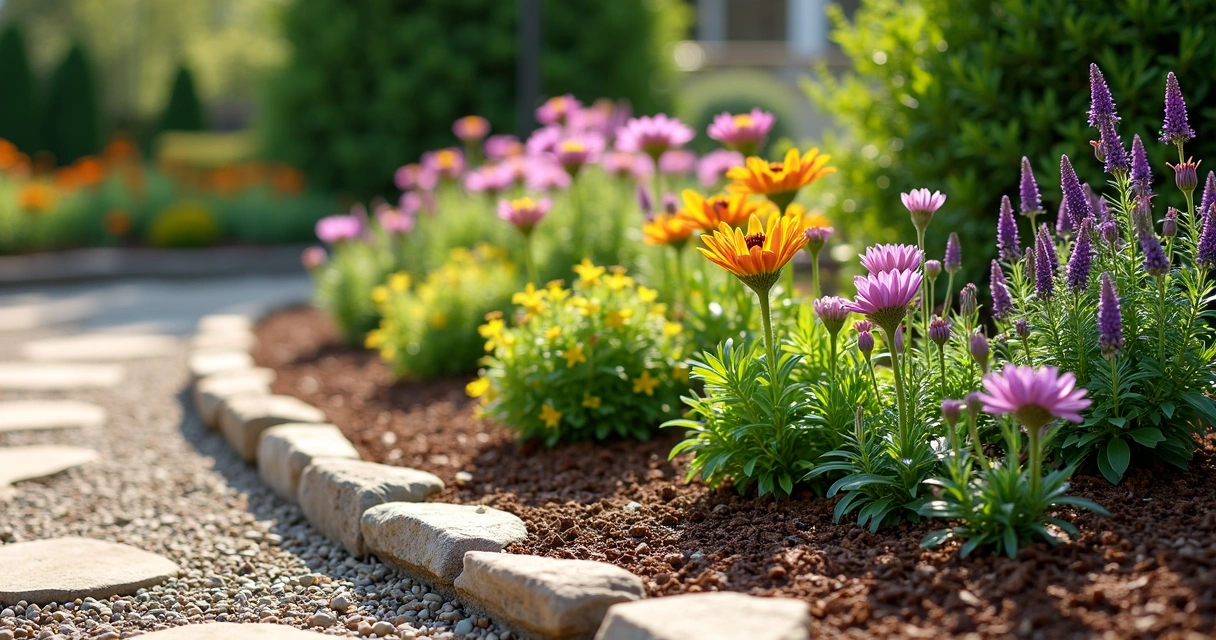
Groups and zones: smarter layouts for less work
A common problem? Scattering thirsty plants and drought-tough ones together, which either kills the strong or wastes gallons on the needy. Urban Oasis often recommends grouping plants with similar needs together, in so-called ‘hydrozones’. Here’s why:
- You waste less water and fertilizer
- Drip or soaker systems can be set efficiently, running unattended
- Pruning and trimming become less frequent
This approach also produces a visually striking effect, with lush ‘islands’ of color or texture, surrounded by mulch or walkways.
Irrigation tips: automating the toughest task
Manual watering eats up time—especially during peak summer. Consider these upgrades if you can:
- Drip irrigation—delivers water directly to roots under mulch, with almost no waste.
- Smart controllers—adjust schedules with the weather and can sometimes be managed from your phone.
- Rain barrels and soaker hoses—for resourceful, budget-friendly solutions that reduce both bills and effort.
Need more guidance? The EPA recommends regionally appropriate, low-water use strategies for the best results.
Water less, enjoy more.
Energy savings and comfort: trees, shade, and wind breaks
Low-maintenance design isn’t just about saving water or skipping chores. A well-placed shade tree or a row of tall shrubs can slash energy bills, block harsh winds, and cushion noise from neighbors or busy roads. Research by the U.S. Department of Energy points out that smart landscaping can save up to 25% on household energy use.
- Deciduous trees on the south and west sides block summer sun, but allow warmth through in winter.
- Evergreen screens or fences on the north side keep chilly winds at bay.
- Wide, shade-casting canopies reduce heat in patios and driveways, protecting surfaces for longer life.
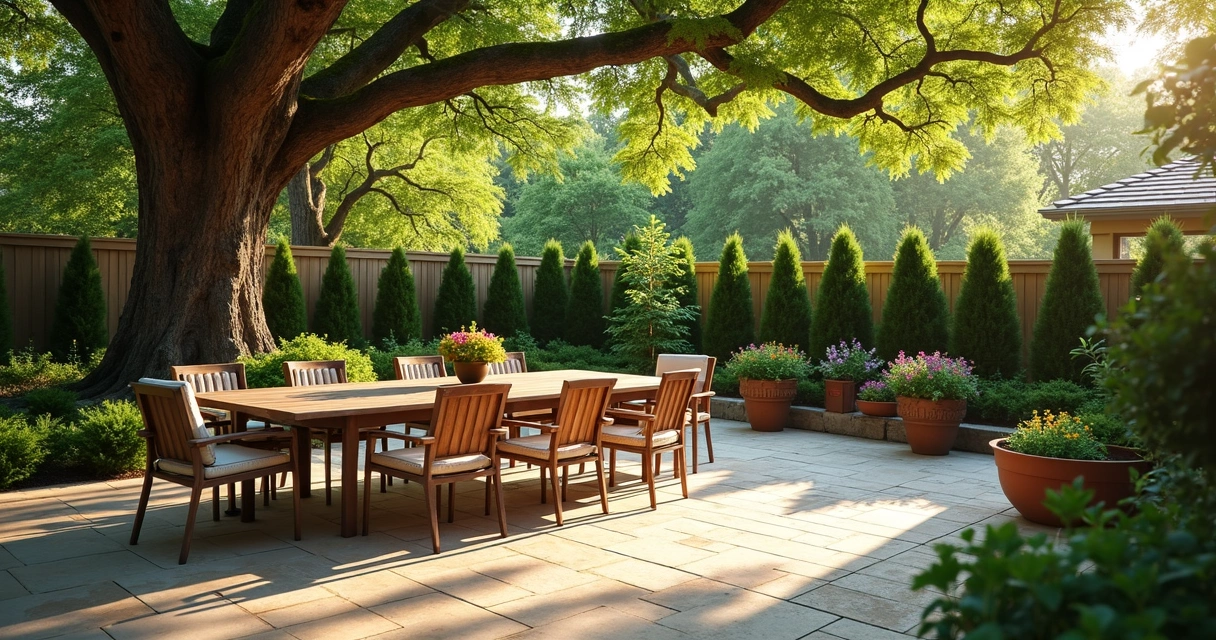
If you need privacy or sun control but don’t want upkeep, Urban Oasis can recommend fast-growing natives or install trellises and pergolas for instant, lasting results.
Features worth your investment: decks, pergolas, and more
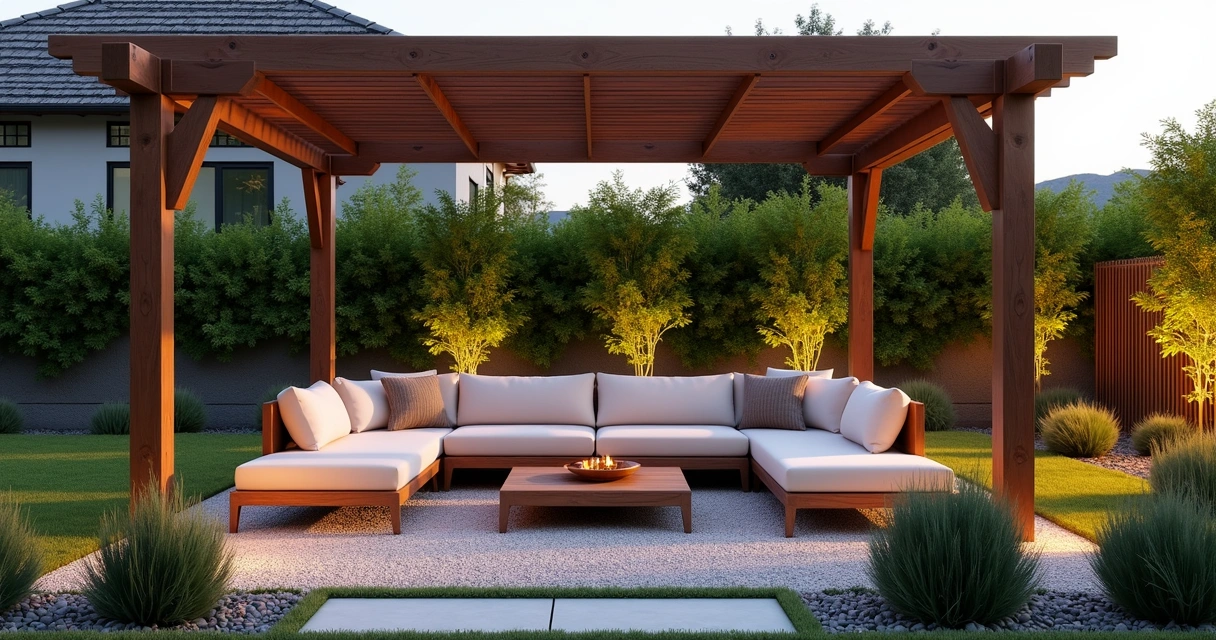
Permanent structures stand out for their staying power. Adding a pergola, modern deck, or even an upgraded fence transforms both the look and the function of a landscape, making entertaining and relaxation easier and cleanup less frequent.
- Pergolas and shade sails—offer instant retreat from the sun, and never need clipping or watering.
- Decorative screens—made from metal, wood, or composites, these block unwanted views with zero maintenance needed.
- Simple water features—small, recirculating fountains add sound and movement; new models use little energy and minimal cleaning.
The case for professional support in landscape design
If you’re after a ‘set it and enjoy’ space, a pro can save you both time and money (and lots of frustration). Urban Oasis, for example, handles everything from concept to completion:
- Initial consultation to clarify goals and budget
- Smart design with clear visualizations
- Experience with regional plant palettes and modern hardscapes
- Attention to details like drainage, soil prep, and irrigation that limit future effort
- Close follow-up and transparent communication throughout
It’s not always obvious, but sometimes the lowest-cost route up front (such as DIY installations or bargain materials) can mean greater expenses in repairs or wasted weekends in a year or two.
Curious to see more options and examples? Browse Urban Oasis’s collection of landscape projects and ideas anytime—or reach out directly to kick-start your own, no-pressure conversation about your yard.
When to splurge, and when to keep it simple
Everyone’s budget is different, but a few decisions usually deliver a strong return on your investment:
- Upgrading patios and decks—they last far longer than plantings, and set the tone for your yard
- Automatic irrigation—removes the most repetitive task
- Quality soil and mulch up front—means happier plants, fewer weeds, from the start
- Good outdoor lighting—improves safety, extends enjoyment into the evening, and with today’s LEDs, adds no maintenance effort
On the other hand, you don’t need to break the bank for everything. Swapping one section of turf for groundcover, or adding a single group of shrubs for privacy, pays off right away. Most of all, begin with one area—you can always grow your easy-care design year after year.
Putting it all together: a sample plan for a stress-free yard
Here’s one possible way you might break down a standard suburban backyard with the low-stress, high-reward approach in mind:
- Central patio—stone or composite, with a table for meals, easily cleaned by hosing off in a minute or two
- Border beds with evergreen shrubs—require only once-yearly trimming
- Pockets of colorful perennials—like coneflowers and daylilies for continuous blooms (per Mississippi State Extension recommendations)
- Drip irrigation and mulch everywhere—limits both watering frequency and weeding
- Accent features—a pergola, simple fountain, or series of solar lights
- Minimal turf zone for play/pets—no more mowing half the yard
This is a flexible foundation. Urban Oasis often takes these elements and adapts them for local conditions, budgets, and tastes, ensuring every client gets a unique yet manageable result.
Small steps, big impact: the easiest upgrades to start with
If a full overhaul feels daunting, start small. The trick is to focus on actions with the biggest return for the least ongoing effort. Here are five moves almost anyone can make this season:
- Mulch flower and shrub beds to stop weeds before they start.
- Replace one corner of grass with a groundcover—and see how much less you miss mowing it.
- Invest in a good hose timer or soaker hose for beds—make watering automatic, even with basic tools.
- Group container plants in a single spot—arranging pots together means less time spent hauling water everywhere.
- Prune trees and shrubs in late winter—one major tidy-up means less fuss in spring and summer.
Thinking sustainably—saving water and supporting local ecosystems
Choosing plants adapted to your climate and region isn’t just good for your schedule. When you swap out thirsty annuals and finicky imports for ‘right plant, right place’ species, you use less water, need fewer chemicals, and help local wildlife thrive. The EPA recommends native and low-water selections not only to save time, but also to support biodiversity and sustainability.
Less water, more beauty, healthier planet.
Urban Oasis puts sustainability at the heart of every outdoor design, showing that low-upkeep yards can be both modern and deeply responsible.
Year-round ease: landscape planning for all seasons
Don’t just think about your yard in summer. Or after a big storm! A landscape that isn’t a burden will keep giving, even as the leaves fall or the days shorten. Urban Oasis covers this ground in more detail in their post on year-round landscape success tips, but here’s the core idea: balance evergreen structure, seasonal interest, and strong surfaces, so no single season demands full attention.
- Mix evergreen and deciduous plantings for year-round interest
- Install pavers or stepping stones to keep pathways tidy during wet months
- Prune and tidy during off-peak months (often winter is best time to shape up for spring)
- Use containers filled with cold-hardy plants for winter color
Last thoughts—your vision, made simple
Designing a modern, low-upkeep yard is about freedom. Freedom to spend weekends on what matters, not endless chores. Freedom to have a party at a moment’s notice, or step out alone and recharge in peace. With the right strategy and a partner like Urban Oasis, it truly is possible for anyone.
Don’t let your yard own you. Own your outdoor space.
Ready to turn inspiration into action—and a beautiful, easy-to-care-for yard into your reality? We invite you to discover the difference Urban Oasis can make. Start by filling out the form below, and together, let’s create a landscape that lives up to your lifestyle—and leaves your weekends free for what you love most.
Frequently asked questions
What are easy landscaping ideas for beginners?
Focus on projects that give the most satisfaction with minimal upkeep. Try adding a mulch layer to plant beds, swapping patches of grass for low-growing groundcover, and planting clumps of perennials like lavender or coneflowers. Creating a simple gravel or stone walkway helps define spaces and keep mud away. Using large containers for plants instead of traditional beds can cut down on weeding and watering. You’ll find even more beginner-friendly tips in Urban Oasis’s landscaping guide meant for all skill levels.
How can I save time on yard work?
Shrink your lawn, choose native and drought-tolerant plants, and use thick mulch over open soil. Set up drip irrigation or hose timers to automate watering. Instead of a scatter of pots and random shrubs, group similar plants together—they’ll be easier to tend and water. Regular, simple cleanups (a quick rake or sweep once a week) keep the yard pleasant without extra hours lost to bigger overhauls. Research from University of Florida shows most homeowners invest just 5-6 hours a month, but targeted design can lower that further.
What plants need the least maintenance?
Groundcovers like mondo grass, sedum, or creeping thyme are low effort and block weeds effectively. Shrubs such as native hollies, boxwoods, or wax myrtle need just annual pruning. For blooms, daylilies, coneflowers, and lavender stand out—they return each year and shrug off dry spells. And remember, according to EPA guidelines, native species not only require less water and fertilizer but also live longer and stronger in the local climate.
Is low-maintenance landscaping budget-friendly?
Yes, but with a twist. Some upfront costs (like new patios or extensive mulching) do require investment, but low-care plantings and groundcovers reduce ongoing expenses for water, fertilizer, and equipment. Swapping even modest lawn sections for pavers or drought-tolerant beds makes a noticeable difference right away. University studies suggest typical outdoor upgrades run about $3,250, but smaller, phased projects or material upgrades can work within nearly any budget over time.
How do I choose outdoor features for busy lifestyles?
Start with your main priorities: relaxation, play, privacy, or entertaining. Then pick features that fit—such as decks or patios with durable materials, simple pergolas for shade, or gravel zones that never need mowing. Automation is also helpful—drip irrigation, smart timers, and outdoor lighting on sensors all save time. Consulting with experts such as Urban Oasis helps match your ambitions to your actual habits, ensuring the result is both beautiful and easy to maintain. For fresh ideas and visual inspiration, Urban Oasis’s portfolio covers a spectrum of low-upkeep options.