
For more than twenty years, I have observed a fascinating evolution in how Texans approach their outdoor spaces. One element always remains a point of pride in our communities: pools built not just for relief from the heat, but as true extensions of home and lifestyle. In the heart of Texas, where summer stretches long and gatherings often happen under open skies, masonry pools offer something uniquely enduring. But what does it really take to build one by 2026, and how do you keep it looking and functioning at its peak year after year? After overseeing projects with Urban Oasis and working alongside clients who demand the best, I want to share what truly matters for anyone considering a masonry pool in Texas.
The appeal of masonry pools in the Texas climate
I think one of the first questions to ask is, why masonry? Pools constructed from concrete and other masonry materials have been the gold standard for decades—from the grand resorts in Dallas to private homes in Houston. There’s a reason for that. These structures are known for their robust nature, resistance to the region’s shifting soils, and ability to take on almost any shape or finish that suits your property.
Masonry pools are custom-built in place, using steel-reinforced concrete or shotcrete, providing a solid base that can withstand both heavy use and Texas weather extremes.
While fiberglass models do fill a niche—for quick installation and lower up-front expense—I’ve consistently seen clients gravitate toward masonry when long-term value and personal expression matter most. If you’re looking for hard data or a bit of inspiration, check out the masonry project gallery from Urban Oasis to see the creative flexibility masonry brings to different landscapes.
Benefits of concrete and brick pools
Clients often ask me what makes concrete and brick pools such a popular investment. My answer is rooted in both aesthetics and practicality. Here’s what sets these pools apart:
- Unlimited design freedom: You aren’t bound by pre-sized molds. If your lot is sloped or irregular, or if you want a specific curve, tanning ledge, or integrated spa, concrete and brick can make it happen.
- Longevity: A well-built masonry pool can last decades. The structure resists cracks and leaks, especially when the ground has been properly prepared for local conditions.
- Finishing options: From classic tile mosaics to sleek plaster or aggregate finishes, there’s no shortage of customization. You can evoke Mediterranean blue or a natural pond with just a choice of surface color.
- Added property value: Homebuyers in areas like Austin and San Antonio often regard masonry pools as premium features, boosting curb appeal and negotiation power if you ever sell.
- Adaptability for add-ons: Whether you want fire features, waterfalls, or lighting systems, the sturdy walls of a concrete pool can support complex installations now or in the future.
I like to compare this to buying a tailored suit versus off-the-rack. Fiberglass pools might be quicker, but you lose that personal touch and resilience.
The construction journey: Step by step to your pool
Building a masonry pool is not an overnight process. Each phase matters, and the right choices upstream can prevent years of frustration later. I always remind clients of the importance of working with experienced professionals—cutting corners during construction is rarely worth the savings.
Ground assessment and excavation
It all starts with a deep dive into your property. Soil conditions in Texas can vary dramatically—some neighborhoods have stable clay, while others wrestle with shifting sands or underlying rock. This first step is non-negotiable. Urban Oasis emphasizes thorough site analysis before breaking ground, which minimizes surprises along the way.
A strong pool begins with solid ground.
Excavation follows, carved precisely according to your plan. Every inch matters; slight misjudgments can impact water volume, safety, and long-term durability.
Steel rebar skeleton and plumbing
After excavation comes the layout of the steel rebar “skeleton”—the grid that gives a concrete pool its strength. Plumbing lines for drains, returns, skimmers, and any water features are carefully routed at this point. Oversights here might cause leaks or flow problems later, so every connection is tested thoroughly before moving on.
- Rebar should be corrosion-resistant, as Texas groundwater can be reactive.
- Insist on pressure testing all pipes before concrete is poured.
- Smart plumbing layouts now can save you headaches as regulations and technology change in the future.
Concrete application and curing
Whether using gunite or shotcrete, concrete is pumped directly onto the steel framework and shaped immediately. This is hands-on work, demanding skill and speed.
Good concrete work gives your pool its staying power.
Curing is the silent hero of this phase. While it might not be the most exciting week of construction, allowing several days for the concrete to set makes it much less likely to develop cracks or weak points over the years. If you want to see different concrete solutions in action, visit Urban Oasis’s masonry services page for examples.
Waterproofing and finishing
Texas summers can be relentless, so top-notch waterproofing cannot be overlooked. Sealing comes next, typically with special coatings or membranes. Then comes the visual transformation—tile, plaster, aggregate, or stone finishes. You might opt for glass tiles that shimmer under the sun, or a natural stone coping cut to fit your design.
You can find more about these choices and their impact at the pool services section of Urban Oasis.
Understanding costs: What affects your bottom line?
No project is ever “one size fits all.” I’ve seen pool budgets soar or shrink on the back of just a few decisions. Here’s what drives the price when planning your pool:
- Size and depth: The bigger and deeper, the more excavation, material, and labor required—which means a higher price tag.
- Shape and features: Freeform shapes, integrated spas, and special features like infinity edges or fountains cost more due to custom engineering and finishes.
- Site accessibility: Tight backyards, steep slopes, or rocky soil can double the difficulty and time of a build.
- Finish materials: Premium tiles, stones, and imported finishes command a premium themselves.
- Permitting and engineering: Local codes and any required structural upgrades are not to be underestimated in Texas cities and counties.
In 2026, the average masonry pool in Texas can start around $60,000 for a basic design and easily reach $150,000 or beyond for high-end projects with unique finishes and tech-heavy upgrades.
Fiberglass pools, in contrast, may save you money up front, but they cannot compare with the personalized features and durability of a well-constructed masonry pool. I see this reflected in project results documented at Urban Oasis’s Oasis Project, where clients have elected both classic and creative elements that simply aren’t possible with a prefab shell.
Customization: Bringing your vision to life
This is where my job becomes truly collaborative. The design possibilities with masonry pools are almost endless:
- Organic or geometric shapes tailored to your garden layout
- Beach entries, sun shelves, and built-in seating
- Colorful mosaics or subtle aggregate finishes for a luxury feel
- LED lighting for night ambiance
- Automated covers, integrated spa zones, swim-up bars or fire features
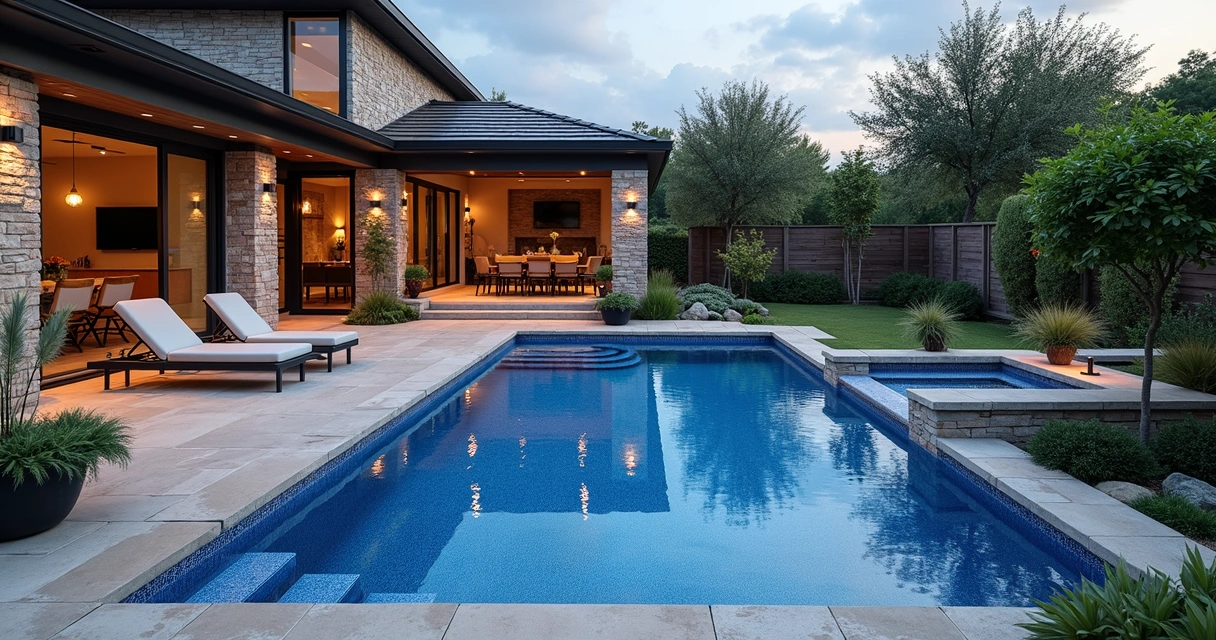
Every custom choice will influence your pool’s personality, which adds real value if you ever wish to entertain or sell. But customization also carries maintenance implications. Certain finishes, for example, may require more frequent cleaning or special water care routines. During my time with Urban Oasis, I’ve been part of projects where smart customization paid off not only visually, but in long-term ease of care.
Comparing with fiberglass pools: Pros and cons
It’s tempting to go for fast installation and lower costs with fiberglass, but these pools have clear boundaries:
- Limited shapes and sizes—what you see in the catalog is what you get
- Shorter useful life compared to a properly maintained masonry pool
- Repairs to the shell require full draining and can be highly visible
- Masonry pools can be refinished, upgraded, or even resized to an extent, which is rarely possible with fiberglass models.
If you have a unique backyard or want a personalized entertainment area, masonry consistently comes out on top for flexibility.
Solving common issues: Leaks, cracks, and how to prevent them
Concrete is strong, but not invincible. Over the years, I’ve seen the most preventable problems in masonry pools stem from rushed builds or skipped quality checks. Most notably:
- Poor waterproofing: Skipping or underestimating waterproofing layers is a recipe for future leaks.
- Improper curing: Shortened cure times leave weak spots that may crack under pressure changes.
- Inadequate engineering for soil type: Texas’s shifting clay is notorious, and steel reinforcement has to be designed accordingly.
- Neglected plumbing checks: Even a small leak can drive up costs if not caught early.
Prevention starts with hiring professionals who understand local ground and climate challenges.
If you want a sense of what goes into quality construction and repairs, I recommend browsing the portfolio at Urban Oasis’s masonry projects.
Maintenance for long-term performance
A pool is a living system, and Texas’s sun and wind are relentless. From my own experience, regular care makes all the difference. Here’s my approach:
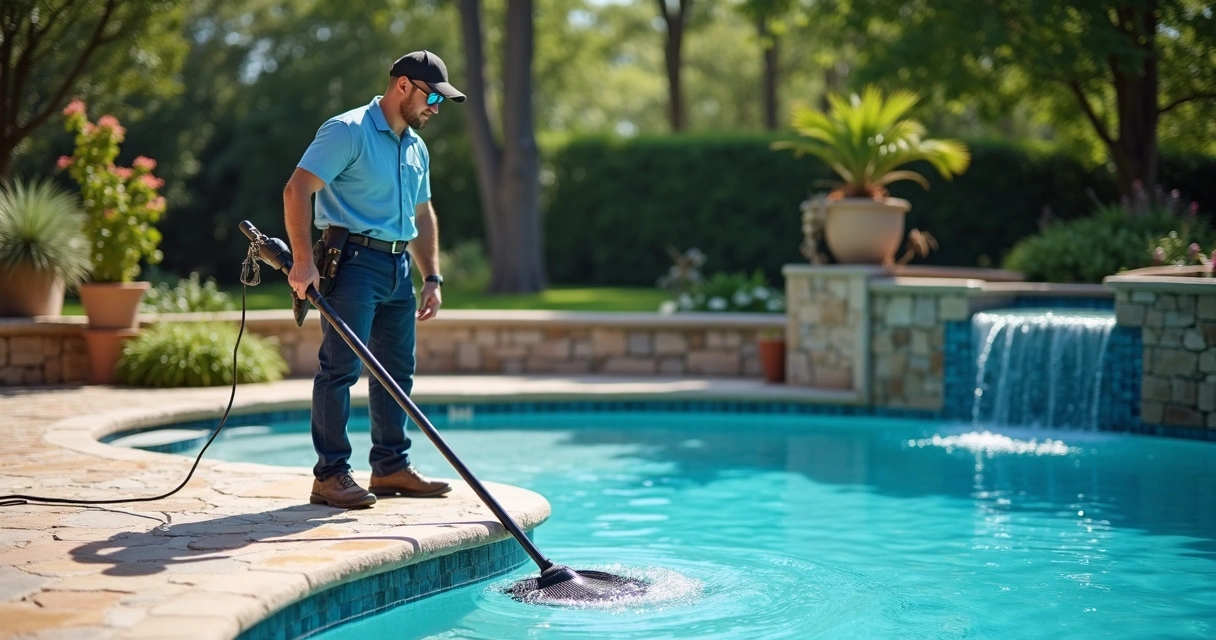
- Weekly skimming and brushing: This prevents algae, stains, and surface etching.
- Regular filter cleaning: Dirty filters strain the pump and reduce water clarity.
- Consistent chemical balance: Texas heat evaporates water quickly, so pH can swing—test often and adjust as needed.
- Surface inspections: Catch small cracks or tile issues early, before they become leaks.
- Annual professional check: I never skip this. An expert with a trained eye can spot issues behind the scenes.
Good maintenance habits will extend your pool’s service life by years, keep water healthy, and reduce repair costs down the road.
If you want help from experts who understand both pool mechanics and the local climate, the installation team at Urban Oasis provides guidance and regular service.
Why professional expertise is non-negotiable
I’ve seen too many “cheap” builds end up costing double because shortcuts were tempting at the start. Working with thoroughly trained, insured builders is not just a suggestion—it’s a safeguard. From architectural design through the last tile, teams like Urban Oasis maintain strict oversight, using local experience for every climate-driven challenge.
Peace of mind is priceless.
Professionals also handle permits, inspections, and keep projects on a schedule. They stand behind their work if anything goes wrong after installation, giving you support now and into the future.
Conclusion: Investing in decades of enjoyment
Over years of designing and managing outdoor sanctuaries, I’ve become convinced: masonry pools, built right, don’t just upgrade a property—they create lasting value, joy, and connection. Yes, the costs can be significant. The process demands patience and careful planning. But in return, you get a backyard feature that can host laughter, relaxation, and beauty for decades.
If you’re ready to turn your vision into a destination, Urban Oasis offers experience in adapting every pool to both your dreams and your budget. It’s never too early to start planning for a pool that will shape your summers and memories for years to come. Would you like a personalized assessment and project guidance?
Fill out the form below and let’s create your perfect space together.
Frequently asked questions
What are masonry pools made of?
Masonry pools are mainly constructed from steel-reinforced concrete or shotcrete, which forms the shell, often finished with materials like plaster, tile, or stone. The steel gives it structural strength, concrete creates the waterproof basin, and the chosen finish offers both beauty and additional protection.
How much does a masonry pool cost in Texas?
Construction costs for a masonry pool in Texas vary widely based on size, shape, materials, and features. Most projects in 2026 start around $60,000 for simple designs and can exceed $150,000 for customized pools with advanced finishes or add-ons. Unique features like custom lighting, waterfalls, or automation will increase the price.
Are masonry pools good for Texas weather?
Yes, masonry pools are well-suited for Texas’s intense sun, temperature swings, and shifting soils. When properly engineered, their concrete structures adapt to local ground conditions and endure weather extremes. Good waterproofing and regular maintenance further ensure a long lifespan.
How do I maintain a masonry pool?
Regular maintenance includes weekly skimming and brushing, keeping filters clean, balancing chemicals, and inspecting surfaces for early signs of cracks or leaks. A professional annual checkup helps identify deeper issues and ensures your investment remains in top shape. Consistent care keeps water inviting and the pool structure strong.
Where can I find the best pool builders in Texas?
For quality, custom outdoor environments and pools, I recommend working with skilled teams such as Urban Oasis, who understand both regional conditions and the art of pool construction. You can learn more about their tailored approach and recent projects at their dedicated pool services page.