

Stepping outside in July, the sun presses down, the air stands still, and yet—some gardens are bursting with color. What’s their secret? It usually isn’t daily watering or constant worry; it’s the strategic use of heat-hardy perennials and shrubs naturally at home in Texas.
When Urban Oasis helps clients transform outdoor spaces, we know that plant selection often means the difference between a yard that flourishes and one that fizzles out. Texas summers can be harsh (that’s being polite), but a well-chosen mix of local species can handle even weeks of triple-digit temperatures. These aren’t just survivors—they’re beautiful, inviting, and so low-fuss that even in record heat, you can relax instead of racing to rescue with the hose.
Why choose native perennials for hot Texas summers
Some landscapes seem to breeze through the hottest stretch of summer. The secret? They rely on plants that evolved to handle it. Shrubs and flowers native to Texas adapt over centuries, developing tools like deep roots, waxy leaves, and even seasonal dormancy to outlast the sun’s intensity.
- They waste less water. Many local perennials require less irrigation once established, saving time, money, and resources.
- They’re tough. Disease, pests, unpredictable cold snaps—natives can handle all three.
- Wildlife loves them. Birds, butterflies, and bees depend on indigenous greenery and flowers for survival in tough months.
If you want a landscape that’s sustainable and genuinely Texan, they’re the obvious choice. Urban Oasis makes a point to use these species in our low-water landscaping projects—they really do make long-term care simpler.
Easygoing summer standouts: heat-resilient Texas natives
For most people, the real test is how a plant looks when the thermometer climbs past 100ºF. Here are several perennials and shrubs proven by botanical gardens, local experts, and real-world use to flourish in these very conditions.
Long-blooming flowers for color and pollinators
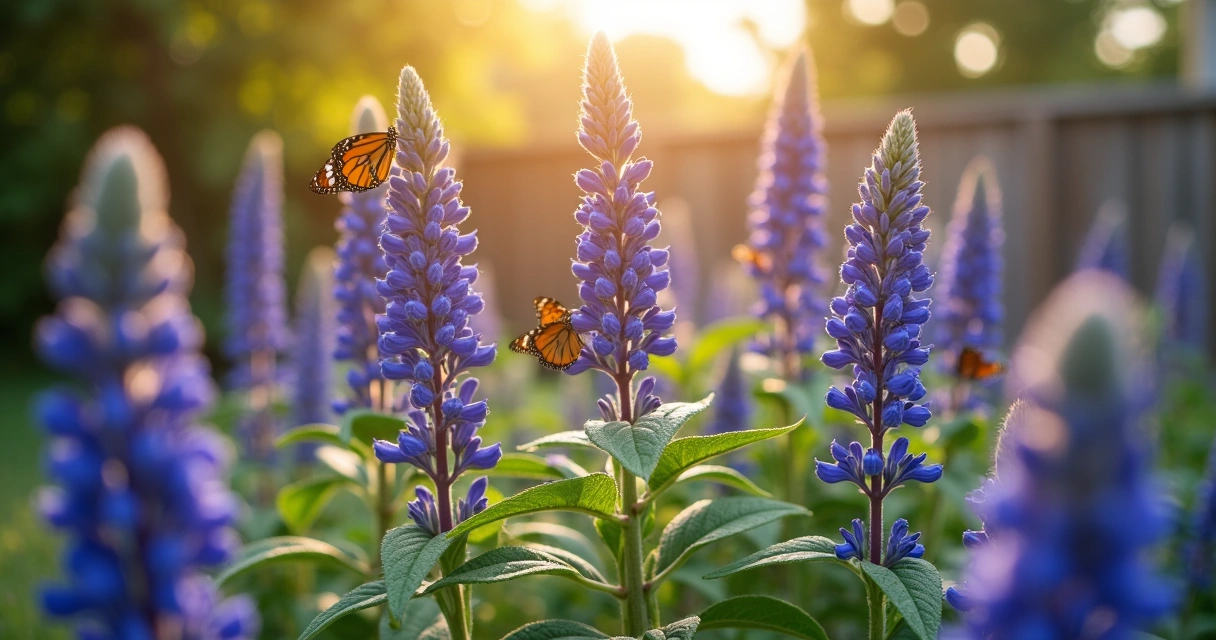
- Mealy Blue Sage (Salvia farinacea): With blue-violet spikes from late spring through autumn, this perennial forms lush, low mounds. It handles sun, heat, drought, and humidity with grace. George W. Bush Presidential Library’s Native Texas Park showcases it as a top performer, blooming for months without regular care.
“Blue sage endures when softer imports wilt.”
- Rock Rose (Pavonia lasiopetala): This small shrub splashes pink blossoms almost all summer, even in dry soils and reflected heat. Samantha Elkinton at the Lady Bird Johnson Wildflower Center singles it out for Central and North Texas yards reliant on minimal upkeep.
- Gregg’s Mistflower (Conoclinium greggii): Lavender-blue tufts attract clouds of butterflies. It works especially well at the front of beds or in containers, where poor soil or skipped waterings aren’t a problem. Recommended by local plant experts across the region.
- Texas Blazing Star (Liatris punctata var. mucronata): Upright purple blooms sway in the hottest wind. These spiky flowers store energy in deep roots, making them almost unbothered by drought.
 Turk’s Cap (Malvaviscus arboreus): Shade, harsh sun, clay soil—it seems nothing fazes this compact shrub. Scarlet red flowers attract hummingbirds right through autumn.
- Firebush (Hamelia patens): Highlighted by Texas A&M AgriLife Extension Service, firebush erupts in vivid orange and red from June into November, rarely needing extra water unless the soil is bone-dry. Overwatering should be avoided according to AgriLife Extension’s drought advice.
 Turk’s Cap (Malvaviscus arboreus): Shade, harsh sun, clay soil—it seems nothing fazes this compact shrub. Scarlet red flowers attract hummingbirds right through autumn.
Tough, relentless color—no matter the sun.
- Shrubby Boneset (Ageratina havanensis): White sprays of flowers fill the fall air with fragrance, often even when little else is left in bloom.
- Velvet Leaf Mallow (Allowissadula holosericea): Softly fuzzy leaves set this plant apart. It’s both durable and quietly ornamental, a real win for underused corners or the edges of wide pathways.
Drought-tolerant ground covers and foliage options
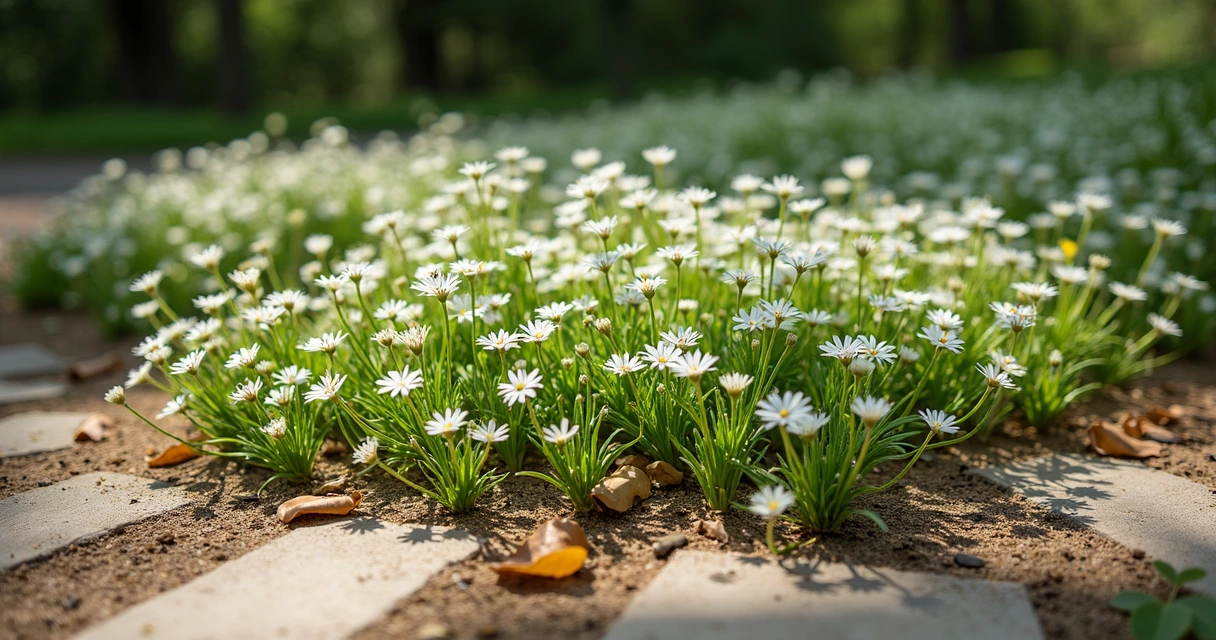
- Texas Frogfruit (Phyla nodiflora): Ground covers are often overlooked, but Texas Frogfruit deserves attention. According to the Native Plant Society of Texas, this semi-evergreen perennial tolerates both flooding and drought, thriving as a soft mat of pollinator-friendly white blossoms. It’s adaptable enough for both gardens and commercial projects—Urban Oasis often suggests it for problem areas that need something tough yet visually soft.
- American Beautyberry (Callicarpa americana): While more known for its jewel-toned fall berries, this shrub’s drought tolerance and shade toughness make it perfect for larger residential spaces. It’s striking even when little else is in fruit.
 American Beautyberry (Callicarpa americana): While more known for its jewel-toned fall berries, this shrub’s drought tolerance and shade toughness make it perfect for larger residential spaces. It’s striking even when little else is in fruit.
Low-maintenance means real freedom
Too many people think a Texas garden is doomed unless you water every day or settle for cacti and gravel. The reality is, with the right mix of local perennials and shrubs, you’ll spend summer mornings sipping coffee on your deck instead of dragging hoses at sunset. With routine soil checks, occasional pruning, and a little mulch, most of these native selections are almost set-and-forget (see these five practical landscape tips).
Of course, there are times when even the toughest plants show stress, especially during a record heatwave or one of those surprise cold snaps. If you start to notice weird wilting, droopy leaves, or sudden color loss, don’t panic—plants express shock in different ways, and adaptation is normal. There’s guidance for handling it here: how to help plants in shock.
Where to discover more options
Experiment. Tinker. The best way to build a garden that works is to mix species, keep notes, and not be afraid of the occasional loss or surprise volunteer seedling. If you need inspiration, Urban Oasis’s Texas plant resource library highlights what works in a range of settings and soil types. For cold-tolerant options that won’t drop dead at the first front, there’s a list of spring survivors to browse as well.
If you want to read about some expert guidance for both Central and North Texas, there’s a quick summary of top picks for resilience from regional specialists.
Conclusion
Some Texas gardens look their best at summer’s worst. Maybe that’s an accident—most of the time, though, it’s the quiet power of native perennials and shrubs. These plants are sturdy, vivid, and, perhaps most importantly, forgiving.
True relaxation starts with a landscape that thrives on its own.
Ready for something lasting and beautiful, even when the forecast is relentless? The team at Urban Oasis is passionate about crafting sophisticated, functional outdoor environments that thrive through every Texas season, not just spring’s green rush. Curious about how your own yard, patio, or shared space could come to life with minimal hands-on care? Fill out our form and take the first step toward a garden that matches your style—and the climate.
Frequently asked questions
What are the best summer plants for Texas?
Some of the top choices for hot, dry Texas summers include Mealy Blue Sage, Rock Rose, Turk’s Cap, Firebush, Texas Blazing Star, Gregg’s Mistflower, Shrubby Boneset, and Velvet Leaf Mallow. These perennials and shrubs bring consistent color, minimal care needs, and are well adapted to local soils and wildlife.
How to care for native Texas plants?
Most local perennials need full sun or partial shade, a few deep waterings to establish roots, and occasional pruning to maintain shape. Once established, they rarely need extra water—mulch around roots helps retain what’s there. If stress or leaf loss occurs during unusual weather, give the plant time to recover and avoid overwatering. For more on helping plants through stress, see this resource on plant shock.
Where can I buy native Texas plants?
Check local nurseries, plant sales hosted by native plant societies, and sometimes even big-box garden centers with a regional focus. Nurseries often carry varieties like Mealy Blue Sage, Rock Rose, Firebush, and others mentioned in native parks and botanical displays. Ask staff for advice about sourcing genuine Texas selections, since plants grown locally usually adapt fastest.
Do native Texas plants need much water?
Once established, most regional perennials and shrubs require little irrigation. Weekly to ten-day intervals may be enough in peak heat, or even less if mulched and planted in the right site. In fact, overwatering is a surprisingly common cause of decline—Firebush, for instance, needs water only when the top inch of soil dries out, according to recent research by Texas A&M AgriLife Extension Service.
Which flowers survive Texas summer heat?
Flowers like Mealy Blue Sage, Rock Rose, Turk’s Cap, Gregg’s Mistflower, Texas Blazing Star, and even Texas Frogfruit are designed for months of high temperatures and midday sun. They’re easy to blend into both ornamental borders and wildflower patches, and their color lasts when other annuals have faded.