

Urban living brings a certain charm—vibrant city streets, the hum of life around every corner, and a patchwork of green spaces squeezed wherever possible. Yet, one challenge never quite fades away: noise. Honking cars, sirens, rattling trains, and steady city chatter echo into gardens and patios, making tranquility feel a little out of reach.
But what if your outdoor space could serve as a cocoon? Somewhere the city soundtrack fades, and you can hear yourself think. That’s where noise-reducing fencing steps in—not just as a boundary, but as a gentle hush enveloping your little patch of peace.
Why city gardens need sound control
Maybe you’ve experienced it yourself—trying to sip morning coffee on your balcony, but instead, you’re met with relentless street noise. I know the feeling. Sometimes it seems impossible to escape, even on a lazy Sunday.
Silence is not golden. In a city, it’s rare enough to be priceless.
Noise can get under your skin. According to reports from the World Health Organization, chronic exposure to environmental noise impacts wellbeing—disturbing sleep, raising stress, and even nudging up blood pressure. So, it’s not just about comfort. Reducing outside noise matters for your health and your happiness.
If you’re dreaming of an outdoor space that feels genuinely restful, soundproofing should be part of the vision. Whether you’re reading the latest bestseller or hosting a barbecue, a little peace and quiet goes a long way.
Understanding how noise travels into your garden
Sound moves in mysterious, but ultimately predictable ways. Before picking a solution, it helps to understand what you’re up against.
- Direct noise—like traffic or voices, moves in a straight line and bounces off solid surfaces.
- Reflected noise—ricochets from walls, windows, or even nearby buildings, sometimes reaching your garden through a sort of echo.
- Environmental sources—think wind amplifying highway noises, or rain drumming on rooftops, adding their own layer.
Your garden’s position—between tall buildings, behind a low hedge, or on a busy avenue—will determine just how much work your fencing needs to do.
What makes fencing noise-reducing?
Not all fences hush the city’s roar. A picket fence is beautiful, sure, but noise slips right through. Effective noise-reducing fencing relies on three main concepts:
- Mass: Heavier materials absorb and block sound better.
- Density: Tightly packed matter leaves less room for sound waves to pass.
- Height and continuity: The taller and more unbroken the barrier, the more noise it can stop in its tracks.
It seems obvious once you think about it, but it’s amazing how much difference a few details can make. That’s the sort of thinking Urban Oasis brings to all outdoor projects—melding visual appeal with practical solutions.
 Top materials and designs for reducing city noise
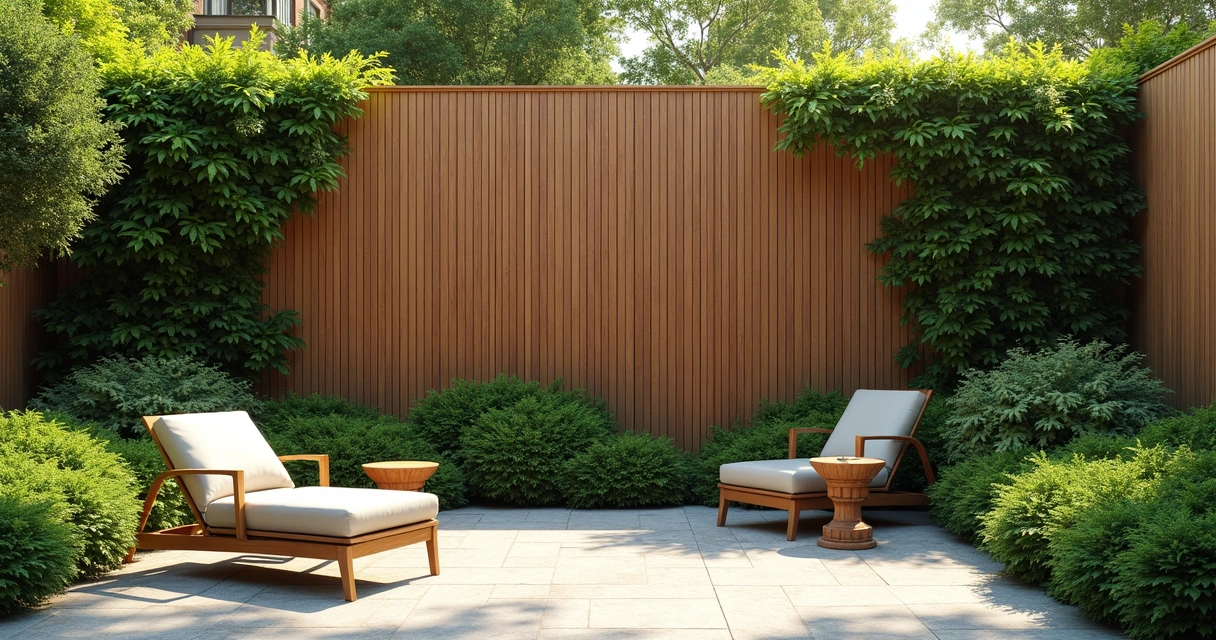 Top materials and designs for reducing city noise
Solid wood fencing
When people think of fencing, wood often comes to mind first. But not all wood barriers are equal for sound control. According to suggestions from Homes & Gardens, a solid, tight-fitting fence at least 6 feet high reduces chaos better than loosely spaced pickets.
- Boards should be thick (minimum 20mm).
- No gaps—sound slips through even tiny cracks.
- Overlap or tongue-and-groove designs work best.
Treat the fence for moisture, and consider adding double layers if space allows. The resulting barrier combines classic style with serious hush.
Composite and vinyl fencing
Composite fences—made from a mix of recycled wood fibers and plastics—are dense, durable, and resist warping. The tight, rigid structure is surprisingly effective for noise reduction. Vinyl has similar properties and long-term resilience, especially in damp or hot climates. Plus, both materials demand less maintenance, matching the philosophy behind low-maintenance, high-impact landscaping work.
Metal fencing—smart when layered
You might not picture metal as quiet, but steel or aluminum sound barriers, when filled or paired with mass-loaded vinyl, can stop noise in its tracks. Research on garden soundproofing suggests steel fencing with filled panels is extremely effective—though it does create a modern, industrial look, not everyone’s taste.
Gabion sound walls
Gabion walls—wire cages filled with rocks or gravel—not only look striking but also absorb and reflect sound. Their irregular, porous structure traps noise like a hidden sponge. Studies on gabion sound insulation in urban gardens highlight their unique ability to dampen traffic and city clatter, while adding textural interest to any fence line.
Strong, silent, and unexpectedly beautiful.
Living noise barriers
Sometimes, nature is the best engineer. Guides from Livingetc recommend evergreen hedges for reducing sound and improving privacy. Plants like laurel, holly, or yew provide year-round coverage—their dense foliage absorbs high-frequency noise and softens hard lines.
Pairing a solid fence with a living barrier creates the ultimate double act—visual green relief and a softer, muted auditory atmosphere.
Added layers: combining materials for better results
 Added layers: combining materials for better results
No single solution works for every city garden. Noise is crafty, after all. Often the best results come when you layer sound barriers:
- Fill wooden fences with dense insulation—like mineral wool—for extra mute power.
- Mount mass-loaded vinyl behind slats or panels; this flexible barrier absorbs sound without major bulk.
- Add hedges or climbing plants along a solid fence for another layer of sound absorption.
- Pair gabion walls with evergreen screening to blend performance with greenery.
Layers boost silence—each one muffles more noise.
You might even consider custom solutions like those developed by AcoustiGuard or flexible sound-dampening panels such as Acoustifence® as described by Acoustiblok.
Urban Oasis often works with a mix of approaches, blending concrete, wood, and green elements for a seamless look that’s practical too. If landscape masonry forms part of the foundation, check our masonry solutions for ideas that fit your project.
Key features for effective noise-reducing barriers
- Height matters: Aim for fences at least 6–8 feet high. Noise travels above low barriers, so taller is better, within local codes.
- Continuous coverage: No gaps or holes—sound will always find a way through.
- Ground contact: Ensure fences meet the ground, sealed with boards or plantings to block noise sneaking underneath.
- Sturdy posts and structure: Rattling panels transmit noise. A solid build is not only safe—it’s quieter, too.
It’s easy to focus on materials and forget the building process matters just as much. Urban Oasis, for example, ensures careful installation—every board and post in its place, no rattling or warping allowed.
Designing for both peace and beauty
A fence is more than a mute wall. In a city garden, it defines the border between personal sanctuary and outside world. But just as important: it sets the mood for your whole outdoor space.
With the right design, soundproof fences become architectural features—blending rich wood, cool stone, lush greenery, or modern steel into a backdrop for relaxation.
- Smart planting plans combine sound reduction with a tapestry of color and texture, softening harsh lines.
- Clever hardscapes—like retaining walls, patios, and paths—add depth and further shield your space from city sounds. Check ideas for retaining walls that offer both beauty and function.
Sometimes you want the fence to vanish behind cascading vines; sometimes it becomes a statement in itself. In my opinion, the best outdoor spaces always walk that line.
Installation: practical advice for your project
 Installation: practical advice for your project
Even the best fence will let in noise if it’s not installed right. So here are a few thoughts—real-world, learned mostly the hard way:
- Double-check all local regulations for fence height and placement. You really don’t want to build six months of peace and then redo it for compliance.
- Invest in solid footings—deep, well-set posts anchor the fence and keep everything tight for years.
- Always seal the base—no open gaps between ground and boards where sound escapes.
- For advanced soundproofing, think of installing two fences a few inches apart and filling the gap with dense insulation or even just soil and plants.
Sometimes, you’ll want professional help—especially for more complex structures that combine materials, layers, or electrical work (maybe garden lighting through your fence?). Urban Oasis supports clients from design to installation, focusing on both strong construction and subtle details that matter in the long run.
Costs and value—does it pay off?
A peaceful garden isn’t free—but how do you weigh the costs and the calm? Noise-reducing fencing can cost more, especially with heavy timbers, complex designs, or custom stonework. Adding living barriers, gabion walls, or professional installation bumps up the price.
But here’s a thing: real estate agents and renters often agree—a quiet outdoor area is a rare, sought-after luxury in busy urban neighborhoods. That means your investment may not only feel good—it could improve your home’s value, too.
Plus, there’s the value you feel, every day, each time you sit down for breakfast and—almost—can’t even hear the city at all.
Conclusion: active steps toward peace and privacy
Taming city noise sometimes seems impossible, but the right fencing can buffer your garden in ways that feel almost magical. Whether you fall for the rugged charm of gabion walls, the quiet strength of composite, or the lush shield of evergreens, there’s a solution—and a look—to fit every space.
Urban Oasis approaches every project as a collaboration. Want to reclaim your quiet? Or imagine your garden with both privacy and beauty? Take that first step. Tell us what kind of peace you seek.
Ready to hear only the sounds you love?
Fill out our form and begin the gentle transformation of your outdoor space—one fence panel or hedge at a time.
Frequently asked questions
What is noise-reducing fencing?
Noise-reducing fencing is any outdoor barrier specifically designed to block, absorb, or diffuse unwanted sounds—usually traffic, voices, or city activity—so your garden or patio feels quieter. It’s different from normal fences by focusing on materials and construction that lessen how much sound passes through.
How does noise-reducing fencing work?
Noise-reducing fences work by using mass (heavy, thick materials) and density (no gaps, tightly built) to stop sound waves. Some designs, like gabion walls or hedges, actually absorb some of the noise, while solid fences reflect it away. The aim is to create a barrier tall and sturdy enough so sounds are blocked, deflected, or muffled before they reach your outdoor living area.
Which materials block noise best?
Solid, dense materials work best—such as heavy timber, concrete, brick, or composite panels. Metal fences can also be effective if they are filled or layered with soundproofing materials like mineral wool or mass-loaded vinyl (as seen with Acoustifence®). Gabion walls with stones are very good for their absorption and mass. Dense evergreen hedges also help, especially when combined with solid fencing.
How much does noise-reducing fencing cost?
Costs vary a lot depending on materials, size, and design. Basic wooden sound fences start at a moderate price; composites and high-performance panels cost more. Adding stone, gabions, or custom work will increase expenses. Living barriers are often cheapest to plant, but take a few years to fill in. The total price can range from several hundred to several thousand dollars, but many find the return in peace and value worth it.
Is noise-reducing fencing worth it?
Most people who install noise-reducing fencing say yes—they find more privacy, relaxation, and enjoyment in their garden. It can boost property value in cities, lower stress, and simply make being outside nicer. While the expense is higher than a basic fence, the rewards—years of quieter mornings and calm evenings—are hard to put a price on.