
A tired patio. A backyard you long to enjoy but avoid. Or maybe an empty outdoor area filled only with possibility—and uncertainty. For many people, creating an appealing and functional outdoor space feels just out of reach.
If you’ve ever wondered how to turn concept into reality, the answer might surprise you. Technology brings this closer than ever before, through the online landscape design process. With 3D models, collaborative tools, and expert guidance, you can actually see your future garden, pool deck, or rooftop oasis—before a single shovel hits the dirt.
See your dream space before it’s built.
In this article, we’ll break down each phase of creating a custom 3D outdoor design online, based on industry research, practical experience, and the real approach used by Urban Oasis and others shaping modern spaces. Whether you dream of a calming garden or an outdoor kitchen for lively gatherings, this guide is your companion from first thought to finished vision.
Why 3D design for outdoor spaces?
Advances in landscape technology have changed how people imagine, plan, and build their outdoor spaces. It’s no longer just hand-drawn sketches or flat plans. Today, 3D visualization methods—supported by research like this NCBI study—reduce frame loss and boost user satisfaction by over 30%. It simply feels more real, tangible, and interactive.
- You get to explore every corner of your future space.
- You can request changes and see instant results.
- Uncertainties about size, structure, and style fade quickly.
Even platforms as robust as the U.S. Forest Service rely on 3D modeling for visual resource analysis. If it works for planning landscapes on a large scale, just imagine bringing that clarity to your very own backyard.
With teams like Urban Oasis, these techniques ensure communication is clear and outcomes match expectations, from the first meeting through final construction.
The main steps: overview of the online landscape design process
What does the journey look like for someone seeking an online 3D landscape plan? While every project has its quirks, the typical path is clear and logical. Here’s an overview:
- Initial consultation and discovery
- Site information and needs assessment
- Concept development and visual brainstorming
- Design revisions and client feedback loops
- Detailed 3D modeling and final presentation
- Preparing for construction and next steps
I’ll guide you through each part, with practical examples and insights from the world of landscape design—and a special look at the Urban Oasis process.
Starting point: assessing your needs and vision
Every project begins with you. There may be an existing outdoor area, or only an idea. Either way, your goals and preferences shape everything that follows.
Typically, the first interaction with a landscape designer—whether via web form, email, or video call—covers questions like:
- What do you want to use the space for? (Relaxing, parties, swimming, gardening…)
- What styles do you like? (Modern, rustic, tropical, minimal…)
- What’s your budget and your timeline?
- Have you seen inspiration images you love?
Some design studios, such as Urban Oasis, use a streamlined project process to clarify these ideas right from the start.
Your story is the blueprint.
Oddly enough, people sometimes overlook telling their own story. Don’t. Your daily routines, wishes, and frustrations are key to designing a space that fits not just your property, but your life.
Gathering site information: photos, measurements, and more
Next, your designer needs to understand your property. Without visiting in person, this usually means you’ll need to share:
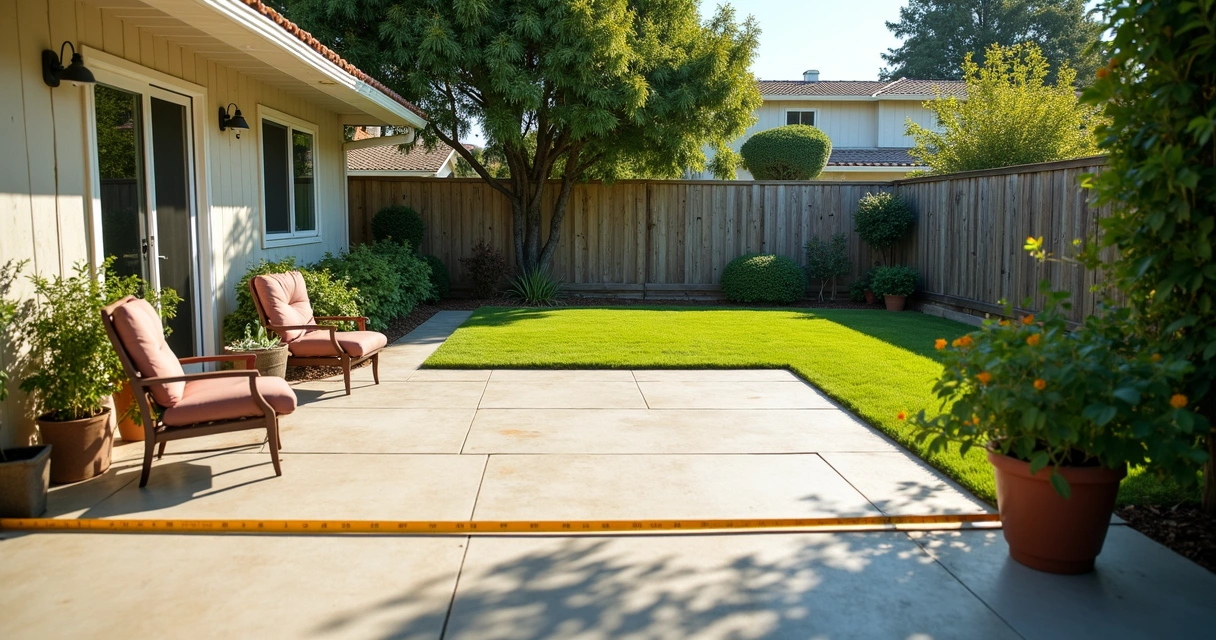
- Photos of the space (wide shots, details, and different times of day)
- Basic sketches showing property lines, walls, existing trees, and features
- Measurements of total area, elevation changes, or unique obstacles
- Any legal constraints, easements, or planning requirements
Not sure how to do this accurately? Designers often offer guides, examples, or even remote video walk-throughs to help. A quick sketch on graph paper, marked-up photos, or a simple hand-measured diagram are usually enough to get started.
Digital technologies, such as computer-aided design (CADD) software, have streamlined this part of the process. According to the U.S. Bureau of Labor Statistics overview on landscape architects, these digital tools make it easier to produce accurate site models and share visual plans with clients.
Online consultation: turning raw information into ideas
With your needs and site information in hand, it’s time for the initial online consultation. Whether through email, chat, or (most often) video call, this is where ideas start to become visible.
- Designers may ask further questions as they look at your photos and plans.
- You’ll discuss sunlight, privacy, how you enter/leave the space, and what you want to see.
- Inspirational images from the web or magazines can help refine your taste and vision.
In some ways, this stage feels a bit like therapy for your property. It’s honest, a little vulnerable, and opens possibilities you may not have thought of before.
A good question opens new doors.
The best designers do more listening than talking at this stage. The focus is on hearing what means the most to you, unearthing memories or hopes you attach to the outdoors, and finding areas of excitement and concern.
First concepts: the visual brainstorm
At this point, the online landscape designer creates a batch of initial sketches or concept boards. Sometimes these are “mood boards” containing images, textures, and color palettes; other times, they’re rough 2D layouts or simple 3D models.

The goal isn’t to finalize the design, but to experiment: Should the pool sit near the deck, or would a sunken lounge feel better? Where do seating and plants overlap—or clash? These first looks set the stage for fine-tuning the direction.
Often, you’ll give feedback here, talking about likes, dislikes, and new inspirations that come up after seeing the rough sketches. Urban Oasis, for example, incorporates multiple rounds of concept review so you always feel part of the creative process—a strategy that’s also covered in their 2D and 3D design approach.
Imagination needs room to breathe.
Design refinements: feedback, tweaks, and details
Once you settle on a direction, the designer refines the plan. This is where 3D tools really start working their magic—according to NCBI research on 3D spatial data visualization, the process involves building detailed models, simplifying for clarity, and rendering crisp, lifelike images you can review and amend.
Expect to:
- See virtual “fly-throughs” or interactive models of your future space.
- Review materials, plants, lighting, and furniture in realistic views.
- Give specific input—move a pergola, swap paving stones, add a small fountain.
- Spot potential issues, like awkward pathways or shade conflicts, before they ever happen.
Designers may use screen sharing or web-based viewers to help you view the 3D space from every angle. Some systems even allow you to adjust elements live or click between different material options.
Details turn visions into living spaces.
Here, the logic of online 3D design really helps: You can collaborate from anywhere, at any time, without the need for multiple in-person meetings or long waits for redrawn sketches.
Final presentation: your future space in high-definition
When all tweaks are done, you receive the complete 3D landscape plan—usually as high-resolution images, interactive models, and sometimes video walkthroughs.
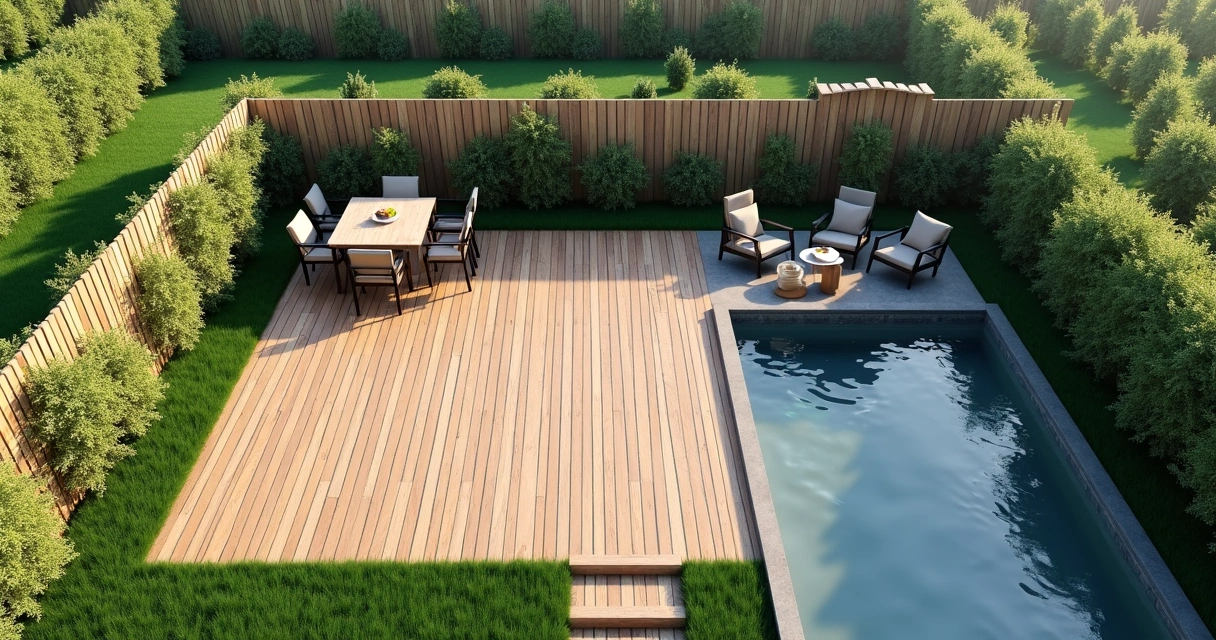
This is your chance to see exactly how your choices come together. Most clients feel a wave of relief (and excitement) at this stage—the anxious guesswork is over.
- You’ll get files that you can share with friends, family, or building teams.
- Some designers prepare “planting lists,” schedules, and blueprints for smooth execution.
- The package may include step-by-step construction instructions or recommendations for local contractors if you aren’t working with a full-service team.
If working with Urban Oasis, you can expect direct communication throughout and a clear guide to landscaping techniques that ties the design to real-world choices.
You know what you’re getting—before you get it.
Tech behind the scenes: how 3D models really work
At the heart of the process are powerful digital tools: CADD, GIS, remote sensing, and now real-time rendering powered by edge computing. According to NCBI research on edge computing in landscape design, processing 3D landscapes can now take place locally—right on the designer’s devices. This speeds everything up and means you don’t waste time waiting for email chains or renderings.
In fact, the step-by-step process outlined by the NCBI article on urban landscape visualization also highlights just how structured modern workflows have become:
- Data collection (photos, site scans, or drone footage)
- Simplification (turning raw info into clean, easy-to-view models)
- Processing (optimizing visuals for exploration and changes)
- Rendering (producing final high-res images for review and use)
If that sounds technical, don’t worry. The upshot is a smoother, clearer, faster process for clients—like you.
Construction prep: turning designs into a living landscape
With 3D plans in hand, you’re not left on your own. Most design teams, including Urban Oasis, support you in transitioning from digital plans to real-world results. Preparation for construction usually involves:

- Coordinating with building professionals or local contractors
- Ordering materials, plants, and special features
- Scheduling project steps to minimize interruption
- Setting up quality checks and progress reports
Having a crystal-clear 3D model can avoid common mistakes—incorrect layouts, wrong plant types, or clashing features—making construction faster and less stressful.
And, as the designing outdoor spaces for entertaining tips show, it’s at this point you can start planning events, gatherings, and quiet moments in your future oasis.
From pixels to pavers—your dream starts taking shape.
What makes a successful online landscape design?
Looking back, a few core factors shape results:
- Clear communication. This isn’t just about speaking, but about listening, reflecting, and responding to your needs. Teams like Urban Oasis put a premium on this, guiding you gently through choices and changes.
- Flexibility. Great design is collaborative. Many clients discover new wishes or realizations during the process, and your designer should be open to pivoting and adapting.
- Transparency about timelines and costs. Knowing what happens next (and what the budget means) avoids disappointment and helps everyone enjoy the process.
- Sustainability and context. Your landscape needs to “work”—for your environment, climate, and lifestyle. A designer’s knowledge ensures your plan has staying power.
In the end, the process is as much about partnership as plans.
Design isn’t just making things look good. It’s building trust along the way.
Common questions and troubleshooting
Most people find online landscape design smoother than expected, but a few stumbling blocks sometimes pop up:
- Struggling to measure or photograph the space? Ask for sample layouts or check out a landscaping resources page for detailed how-tos.
- Worried the design won’t feel “real”? Insist on seeing true-to-scale models and ask for “before and after” examples from past projects.
- The first concept misses the mark? Don’t panic. It’s completely normal, and several rounds of edits are expected—remember, you can always iterate until it feels right.
The majority of clients actually report greater satisfaction (see the NCBI study on visualization effectiveness) with 3D methods than with older hand-drawn plans.
The human side: collaborating from a distance
It might sound odd, but working online can be intensely personal. You may meet your designer only on screen, yet still feel heard and understood. Sharing photos of your home, talking about your routines, admitting to past landscaping “mistakes”—these are all part of the journey.
With teams like Urban Oasis, frequent updates, open communication, and digital previews mean you’re always in the loop. Sometimes, the process even unearths fresh ideas or forgotten wishes, brought to life in 3D clarity.
Distance vanishes when understanding is strong.
And don’t forget, every step comes with the chance to pause, reflect, and confirm—no rush, no surprises.
Next steps: from design to reality with Urban Oasis
You now have a clear roadmap for what it means to work through a modern, online 3D landscaping process. The journey starts with your dreams, moves through collaboration and creativity, and ends with a vision you can actually walk through—virtually and, soon enough, for real.
A company like Urban Oasis lives these principles, supporting every phase—helping you relax, entertain, and fall in love with your own outdoor space again. You don’t need to be an expert, a gardener, or even particularly creative. Just curious, willing, and ready to imagine life outside.
Ready to have your outdoor space reimagined, using the practical and personal approach described here? Fill out the form below and let’s talk. The space you’ve been wishing for is waiting.
Frequently asked questions
What is the online landscape design process?
The online landscape design process is a collaborative sequence of steps done remotely between you and a professional landscape designer. It typically begins with a consultation to understand your needs and goals, followed by collecting site information, brainstorming ideas through mood boards and concepts, refining those ideas with your feedback, and finally producing realistic 3D models. The designer guides you with visuals, regular communication, and clear plans—allowing you to view and adjust your design before any construction begins. Many design teams, such as Urban Oasis, use this process to ensure your space is both beautiful and practical without requiring in-person meetings.
How do I get a 3D landscape design?
To get a 3D landscape design, start by reaching out to a reputable landscape design company or studio offering online services. You’ll be asked to share information like site photos, measurements, and your preferences for style and use. The designer will create early concepts, invite your feedback, and refine them into a high-resolution 3D model that you can review and approve. After final tweaks, you receive detailed plans for implementation. Urban Oasis and similar firms provide structured steps and support to help you every stage of the way.
How much does 3D landscaping cost online?
Online 3D landscaping can vary in price depending on the size of your space, complexity of the design, and your expectations for detail. Simple projects may start at a few hundred dollars for basic layouts and visualizations. Larger or more detailed projects, especially those involving custom features or premium consultation, may cost several thousand dollars. Some designers offer tiered packages based on deliverables. It’s always smart to clarify your needs and budget early in the conversation so your design team can suggest the right level of service.
Is online 3D landscaping worth it?
For most homeowners, online 3D landscaping is absolutely worth it. Studies show 3D visualization leads to increased satisfaction by helping you make informed choices and spot potential issues before building starts. Remote collaboration saves time, adds flexibility, and often reduces costs associated with repeated site visits. Clients can see their dreams come alive and make changes early, preventing surprises and ensuring the end result matches their expectations. The advantages—clarity, customization, and convenience—consistently prove valuable for those looking to invest in their outdoor spaces.
Where can I find the best 3D designs?
The best 3D designs are delivered by experienced teams with a clear, transparent process and a strong record of collaborative projects. Look for designers who show plenty of examples, respond promptly, and involve you throughout concept to completion. Urban Oasis provides both inspiration and support, with a gallery of past work and an open-door policy for new inquiries. For more design ideas and techniques, explore trusted resources and guides on landscaping, including the informative articles on the Urban Oasis blog, which covers a wide range of outdoor transformation topics.