
Imagine stepping outside to a space that feels perfectly designed just for you. Lush greenery, purposeful patios, that outdoor kitchen you’ve always pictured—it looks and feels exactly how you want. For more and more homeowners, visualizing these dreams before a shovel even touches the soil is possible through a 3D landscape design. But how exactly do you order a tailored 3D rendering for your backyard from anywhere in the U.S.? Let’s walk through each stage, from your first idea to the moment your project is ready to begin.
See your dream backyard before it’s built.
Ordering a custom 3D landscape model is not just about pretty pictures. It’s about getting clarity, confidence, and something you can share with friends or family long before decisions become costly. If you’ve ever wondered how to make your backyard project less of a gamble, you’re about to discover a process that places you in control. Projects like Urban Oasis specialize in bringing these visual dreams to homeowners looking for sophistication—all with a clear, collaborative process.
Why a 3D design changes the outdoor experience
Picture talking with a designer about a deck or garden but realizing you’re not seeing the same thing. That’s common. Written descriptions, 2D sketches, even mood boards help, but they don’t always make things clear enough. That’s when a custom backyard design 3D rendering becomes powerful.
A few reasons more people now want to buy landscape renderings:
- Better visualization: 3D designs show the future space from multiple angles. You can see sunlight across your patio in the morning or how a pergola shades you at dusk.
- Fewer surprises: When the project starts, you know what you’re getting. The shrubs, the pool, even the placement of pathways.
- Faster decisions: It’s much easier to select materials, approve plans, or suggest changes once you see a lifelike model with accurate colors and textures.
- Family involvement: Everyone, even those less familiar with design, can quickly offer feedback.
The demand reflects a shift in expectations. According to U.S. Bureau of Labor Statistics data, landscape architects increasingly use technology to serve clients more effectively—with median annual wages at $70,630 in May 2020 and stable employment forecasts. The need for skilled visualization only grows in this market.
When you order a 3D landscape design, you’re not only making planning easier. You’re aligning your investment with your true lifestyle—and avoiding the heartbreak of a final outcome that’s less than you hoped. Now, how do you actually order one?
First steps: Think about your dream backyard
Before you reach out to any designer, it’s helpful to think through what you want. This can be the fun part, even if you’re not sure about every detail. Walk around your current backyard. What works? What feels awkward? Are there areas left unused? Jot down what you notice without judging—sometimes the best ideas start as random thoughts.
- Is there a style or mood you prefer? (For example, modern, natural, playful, cozy, or formal?)
- Specific features—like a fire pit, water element, shaded dining area, or sports court?
- How do you want to use the space: entertainment, relaxing, playtime for kids, gardening, or maybe all of these?
- What’s the sunlight pattern? Some spaces are shaded all morning, others get blazing sun at noon.
- Do you want native plants? This trend, as research from Montana State University shows, continues to influence American landscaping.
- Any privacy concerns from neighbors or nearby streets?
- A sense of budget, even a ballpark, helps you and your designer focus energy where it matters.
Don’t worry if you haven’t answered every question. A good design process helps clarify things later.
The key details to collect
Here’s what almost every 3D landscape project needs before starting:
- Property measurements: This includes your lot’s boundaries plus footprints of the house, driveway, existing decks, patios, and any outbuildings.
- Photos: Take shots from different angles of the backyard, including wider views and close-ups of any challenges (like slopes or drainage spots).
- Existing plans (if any): If you have a survey, construction plans, or anything your builder left behind, gather these. They help the designer avoid avoidable errors.
- Inspirational images: This can come from magazines, Pinterest, or just other yards you admire in your area.
- Notes about the neighborhood: For example, building code limitations, homeowners association rules, or neighborhood trends (such as most yards having privacy fences).
Clear notes help you get exactly what you want.
Finding your 3D design partner
Having your ideas ready, it’s time to look for a professional who can turn your dreams into a lifelike rendering. For the most success, focus on:
- Technical skills: See their past work. Is it the level of realism you want? Do the spaces look inviting?
- Communication: Will they listen? Are questions answered quickly? Is the process clearly explained?
- Sustainability awareness: Are they open to eco-friendly options or water-wise plant suggestions?
- Local awareness: Even if you’re working remotely, a good designer will understand U.S. climate zones, popular plant materials, and local regulations.
- Straightforward pricing: It should be easy to understand the costs for your project (fixed fee, by the hour, or phase-based).
Projects like Urban Oasis, specializing in both residential and commercial spaces, offer a clear process—consultation, design development, revisions, and careful communication until you’re happy. For more on their holistic approach or to review samples, visit the Urban Oasis 2D and 3D design services.
How to order a custom 3D design, step by step
Here’s a road map, whether you’re in Florida, California, or somewhere between:
- Initial inquiry: Go to the designer’s website. For Urban Oasis, you’d use the simple inquiry form:
- Discovery call or email exchange: You’ll share brief goals, list features, and explain preferences. The designer may suggest a call or video meeting to clarify your vision and answer questions.
- Share site details: You’ll send measurements, photographs, any plans you have, and those key notes you created earlier.
- Receive a proposal: Before work begins, expect a design proposal that outlines the deliverables, number of revisions, timeline, and cost. It’s usually a fixed fee, but occasionally hourly or per phase.
- Design development: The designer builds your backyard model. Midway, there’s sometimes a draft review, letting you give feedback before final touches.
- Revision process: Changes are made to suit your notes. This ensures that your finished render matches your intent—from materials to layout.
- Receive the final 3D rendering: You get high-resolution files (sometimes animated flythroughs or virtual walkthroughs). At this point, you’re ready to show your family, meet with contractors, or start shopping for furniture.
Step by step, you move from idea to clarity.
One significant advantage: You can complete this process entirely online. All communication, file sharing, and approvals happen remotely. This means you don’t need to live near the office of Urban Oasis (or any reputable provider) to order 3D landscape design.
What do 3D renderings really show?
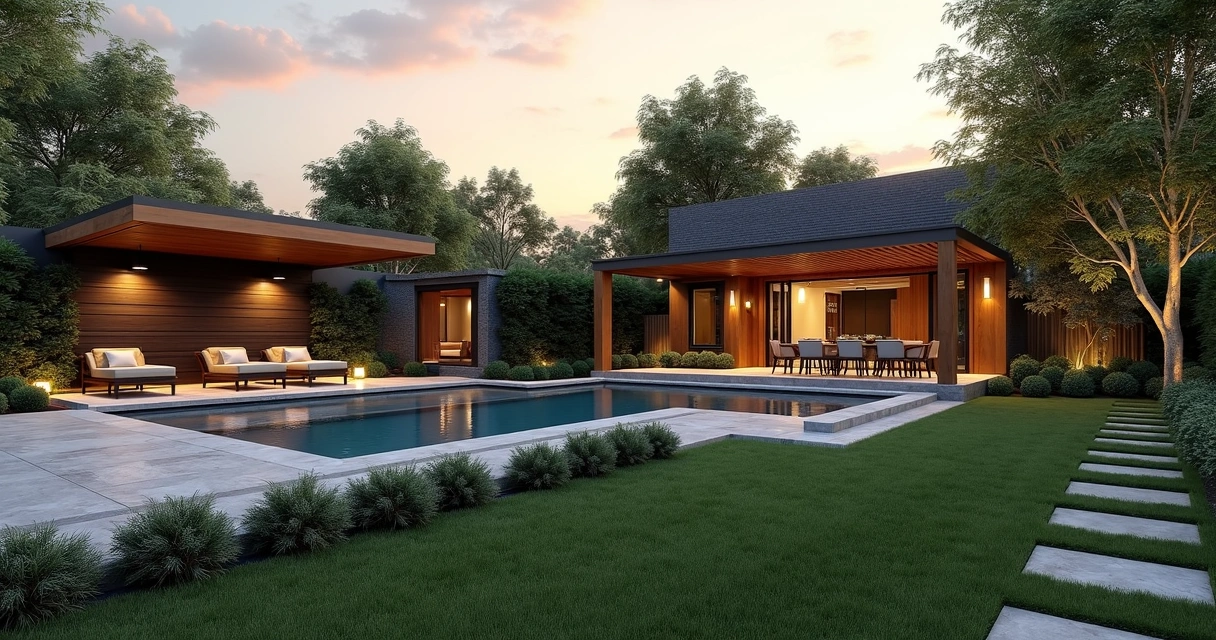
A good 3D design is more than a “pretty picture.” A custom backyard design 3D often includes:
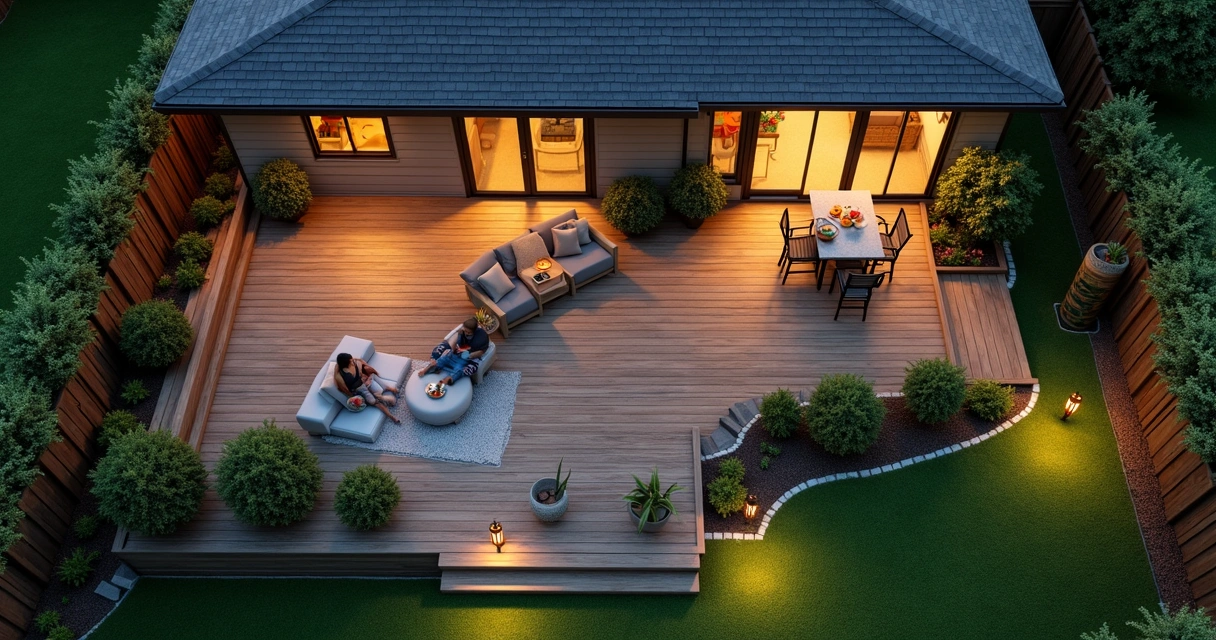
- Bird’s-eye (top-down) views of your whole property, showing layout and big features.
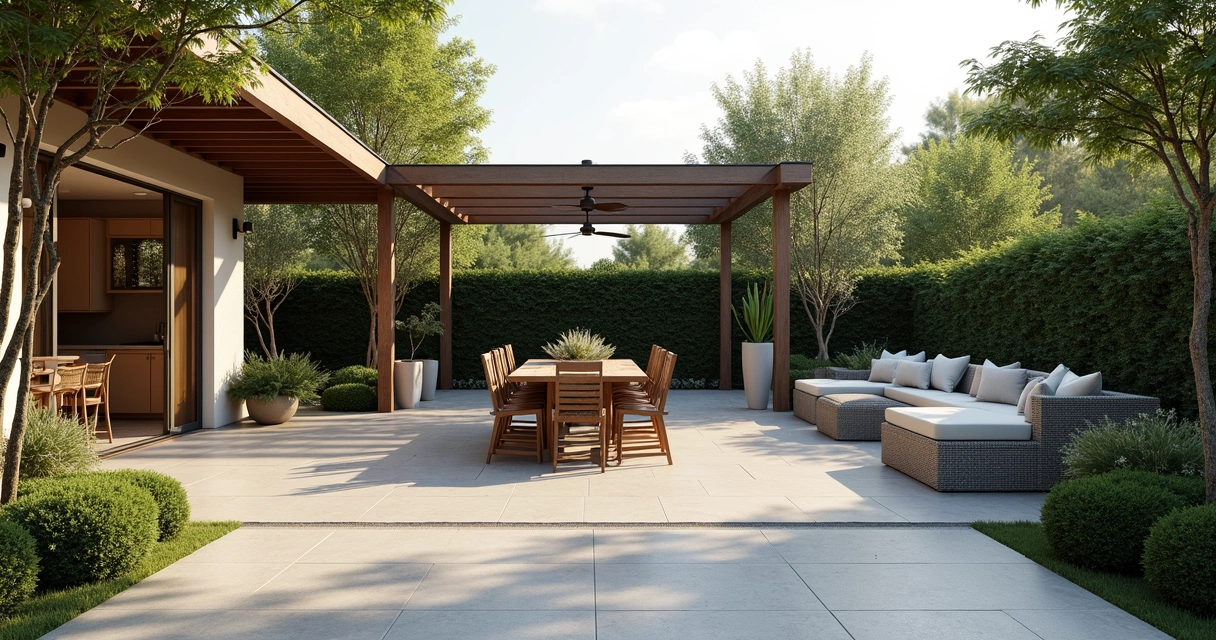
- Eye-level perspectives from multiple directions, as if you were walking through the space.
- Lighting and shadows at different times of day.
- Specific details: Plant size and placement, the style of decking or patios, pool shapes, even texture and color of pavers.
- Seasonal variations: Some advanced renderings can preview spring, summer, autumn, and winter conditions.
- Realistic materials and finishes, even furniture placement, to help you plan the last details.
Urban Oasis, for example, adapts their renderings to the latest landscape science strategies set forth by experts like the U.S. Geological Survey. These strategies seek harmony between ecological principles and personalized outdoor living, making it possible to plan landscapes that work for your family and local environment.
How sustainable and practical is 3D design?
One of the biggest misconceptions about custom 3D backyard design is that it’s just about looks. It’s not. A practical design solves drainage, privacy, and sun exposure issues—all while showing eco-smart solutions, like using less water or native plants to support local wildlife. The University of Florida study found that 80% of the U.S. population now lives in urban areas, where smart outdoor planning can improve quality of life.
3D designs help you visualize sustainability features, such as:
- Rain gardens or permeable paving
- Bioswales for stormwater
- Drought-tolerant landscaping
- Plant selection that attracts pollinators
- Efficient lighting or irrigation placement
Function and beauty can—and should—work together.
Of course, not everyone needs every feature. Sometimes, it’s just smart to see how a simple path works or where extra shade helps most. That’s where custom design makes a difference.
Working with a designer remotely—how does it feel?
Ordering a 3D landscape model from a distance might feel strange at first. You’re trusting someone you may never meet. Yet, this approach is gaining traction, especially as technology improves and more work happens online. With Urban Oasis, the process is designed for close communication at every step, even in remote projects.
Expect regular email updates, screen-shared presentations, and digital folders for all drawings and feedback. Most clients—even those apprehensive at first—find that working with a design team remotely is comfortable and effective. It simply requires clear communication and shared goals.
For more inspiration on modern outdoor entertaining or functional upgrades, see outdoor spaces for entertaining in style and browse previous landscape projects.
How to review, approve, and apply your 3D design
Receiving your design is a big moment. Here’s what to do next:
- Examine every angle. Take your time exploring each image, making sure key features—steps, pool placement, decks—match your needs.
- Invite feedback. Show household members or friends to get other perspectives. Sometimes, what you love might need a practical tweak.
- Test ideas virtually. Imagine walking through the space. Ask: How would you use different zones at different times of day? Where will the sunlight hit in the evening?
- Prepare your contractors. The detailed drawings will help them plan with you, spot trouble, or even estimate costs more accurately (you might also visit Urban Oasis services to see how this step fits into construction).
- Save your files. Keep backups. These will be useful if you want to evolve your space later.
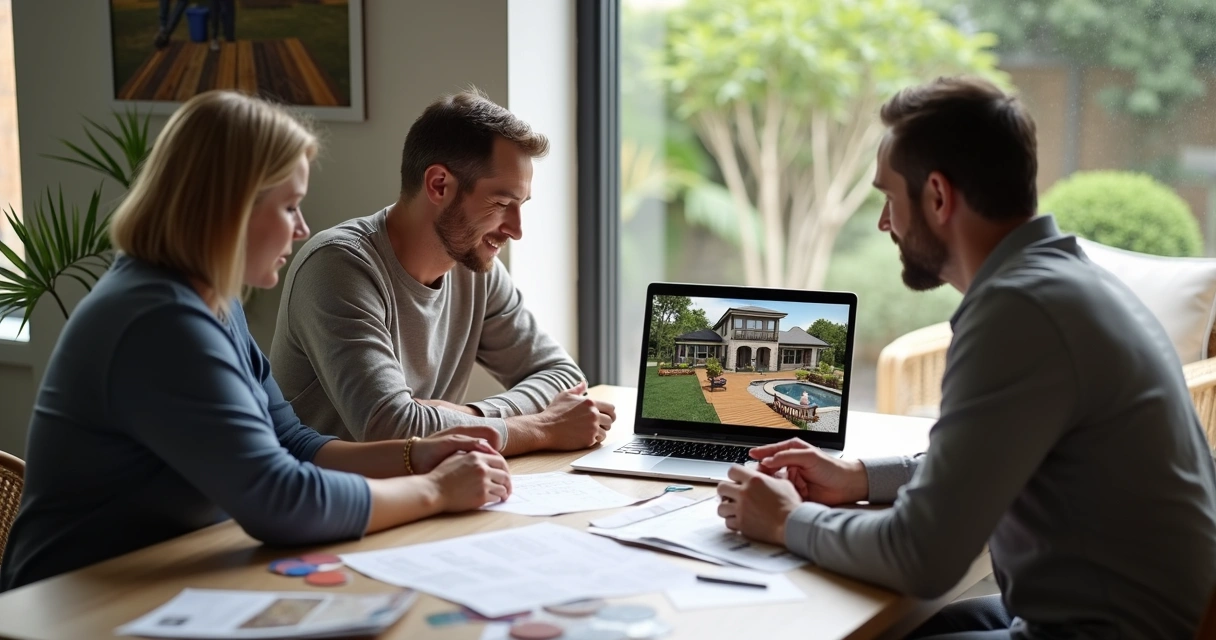
A 3D model is a foundation for action, not just an idea.
After you approve: Next steps
With a custom backyard design 3D in hand, you’re ready to move toward reality. If you’re working with Urban Oasis, the team helps guide construction—selecting materials, timing, budgets, and ongoing communication. Even if you’re partnering with builders of your choice, a detailed 3D visualization makes everything easier. You’re less likely to face delays, confusion, or disappointing surprises.
For more on transitioning from design to build, you can review landscaping blog tips, or follow industry research like the 3D Elevation Program that’s shaping smarter land planning nationwide. Across residential and commercial sites, clarity at the start leads to better outcomes.
Common mistakes and how to avoid them
It’s tempting to make decisions quickly once you see a beautiful 3D rendering. Here are a few pitfalls to sidestep:
- Assuming everything fits “as shown:” Always trust the measurements, not just the images.
- Ignoring local rules or permitting: Pin down codes or HOA rules early, since you don’t want surprises during construction.
- Skipping the budget talk: A design should reflect what you really want to spend, not an unrealistic wish list.
- Dismissing practicality: Make sure the design fits your maintenance habits and climate.
Every great design balances inspiration with reality.
Ready to order your backyard 3D design?
Designing the perfect outdoor escape is easier than ever. Homeowners across the U.S. are discovering how to order 3D landscape design that aligns both with personal taste and the particulars of their site. You get to see it, change it, and fall in love with your future yard—before building even starts.
At Urban Oasis, collaboration is the foundation of every project. Our team guides you step by step, blending visuals, sustainability, and honest communication. If you’re curious about costs, timelines, or just want to brainstorm, fill out the form below and start your journey. Together, we can create an outdoor space that feels entirely your own.
For a full view of our process, visit our 2D and 3D design service page, browse finished outdoor projects, or dive into all our available services.
Frequently asked questions
What is a 3D landscape design?
A 3D landscape design is a digital model that lets you see your outdoor project before any construction starts. It uses advanced software to turn measured layouts, plantings, and materials into photorealistic images or interactive walk-throughs. You get a clear sense of how things will look—shapes, colors, features, and even seasonal changes—making it easier to envision, tweak, and approve the final plan.
How do I order a custom 3D design?
Start by gathering your ideas and any measurements or site details available. Then, contact a professional designer or landscaping company (for example, Urban Oasis) using an online inquiry form or phone. After a discussion about your needs, you’ll send property information, share wish lists, and receive a proposal with schedule and cost. Once you approve, the design team creates your 3D model. Review it, request revisions, and, when you’re happy, approve the final rendering.
How much does a 3D backyard rendering cost?
The price varies with the complexity and size of your yard, the number of revisions, and design details. Most residential 3D renderings range from a few hundred dollars to a couple thousand. Some designers charge flat rates for set packages; others bill by the hour or project phase. It’s always good to ask for a clear quote before work starts, so there are no surprises along the way.
Is it worth it to buy landscape renderings?
Many homeowners find it absolutely worthwhile. A 3D design helps you see—really see—how your investment will turn out. It can save money by helping avoid mistakes or last-minute changes during construction. Plus, you get something concrete to share with contractors or family. For those unsure, the peace of mind and ability to make precise decisions tends to outweigh the upfront cost.
Where can I find the best 3D designers?
Look for professionals or design studios that showcase past 3D projects and have good client communication. Trusted companies like Urban Oasis offer both design quality and hands-on guidance throughout the process. Explore portfolio galleries on their websites, read about their process, or fill out their inquiry forms to begin. Checking client reviews and making sure the designer matches your style can also help you find the perfect fit.