
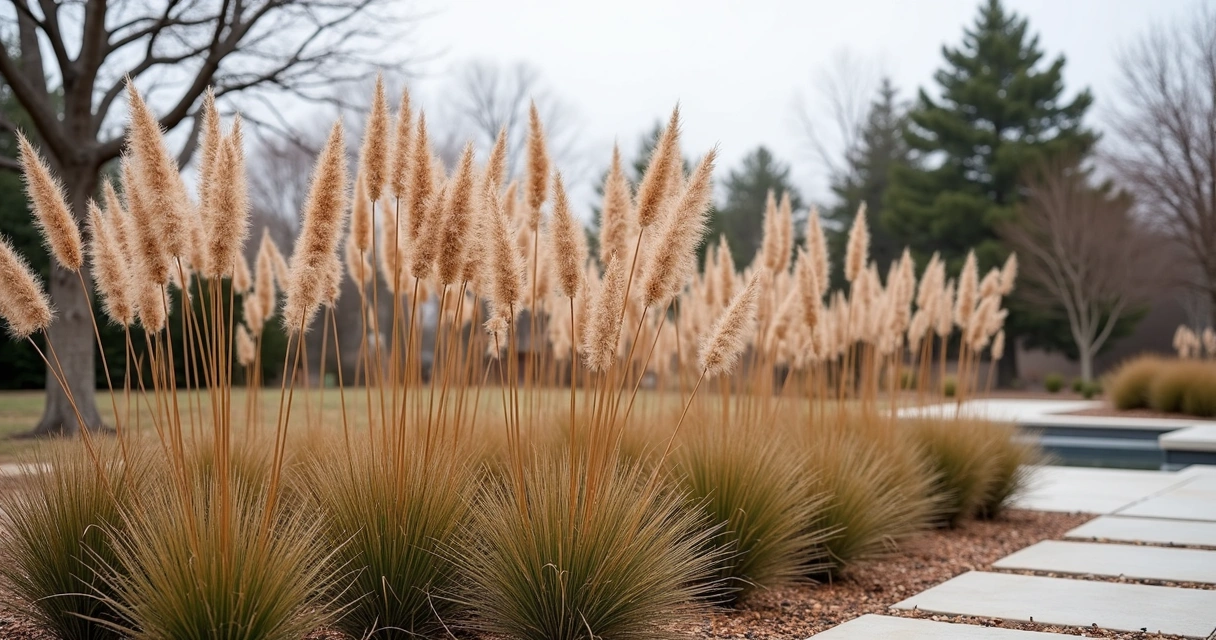
In Austin, when the summer blaze gives way to cool, crisp winter mornings, gardens can suddenly look still and empty. Beds that overflowed with color and foliage seem to shrink. But there is a group of plants that transforms these sleepy landscapes into scenes full of soft movement and subtle charm: ornamental grasses.
These grasses don’t just survive winter. They thrive, bringing light, shadow, and texture to outdoor spaces when most others have receded. The way they catch sunlight at dusk, how their plumes sway in a cold breeze, the gentle sound their leaves make—each detail adds something irreplaceable to any seasonal design, especially in a region as unique as central Texas.
For projects like Urban Oasis, which specializes in transforming outdoor areas into personal retreats, these plants are more than just background. They are statement pieces. They create rhythm and flow that’s felt as much as seen. But not all grasses are created, or behave, the same. Let’s walk through the world of ornamental grasses Austin loves, and see how you can turn your winter garden into something unforgettable—without a riot of flowers or constant pruning.
Why ornamental grasses fit winter in Austin
Winters in Austin don’t bring deep snow but offer cool nights, light frosts, and plenty of dry days brightened by low, slanting sunlight. This climate shapes what thrives in the dormant months, and ornamental grasses naturally match the rhythm of the Texas seasons. Unlike perennials that vanish almost wholly underground, hardy grasses keep their structure upright, carrying their texture through months of chill and wind.
- Persistence: Their stalks and seed heads often remain attractive well through the cold, fading gently in caramel and silver without collapsing into mush.
- Movement: Every breeze sets them in motion, giving gardens a kinetic quality many other plants simply can’t provide.
- Wildlife: Many native types, as documented in the Grow Green program’s plant guide, offer food and shelter for birds—even in January.
- Low-key care: For those aiming for low-maintenance landscaping with high visual impact, grasses win every time.
And if you have seen a patch of Little Bluestem shimmering on a frosty morning, you might agree: Grass is not just for summer.
It’s true that Austin’s wild weather swings can stress delicate plants, but cold-hardy selections ensure that ornamental grasses keep the garden lively, no matter what surprises a Texas winter may throw your way.
Grasses keep gardens alive, even while everything else rests.
Texture, movement, and the magic of winter light
What happens when the world slows down? For many, it’s a chance to appreciate details that summer’s chaos obscures. In the garden, winter light is sharp and angled, revealing new shades and textures on every blade and plume.
- Feathery plumes catch backlight and look almost translucent at sunrise and sunset.
- Stiff, upright stalks draw dramatic lines through beds, adding structure where it used to be hidden by flowers.
- Cascading seed heads shift with even a slight breeze, throwing shadows and dancing in the winter wind.
But more than just visual delight, Texas A&M AgriLife Extension Service highlights native and adapted ornamental grasses are also:
- Drought-tolerant, needing little water during drier winters
- Attractive to birds and butterflies, supporting winter wildlife
- Visually engaging with persistent character throughout the year
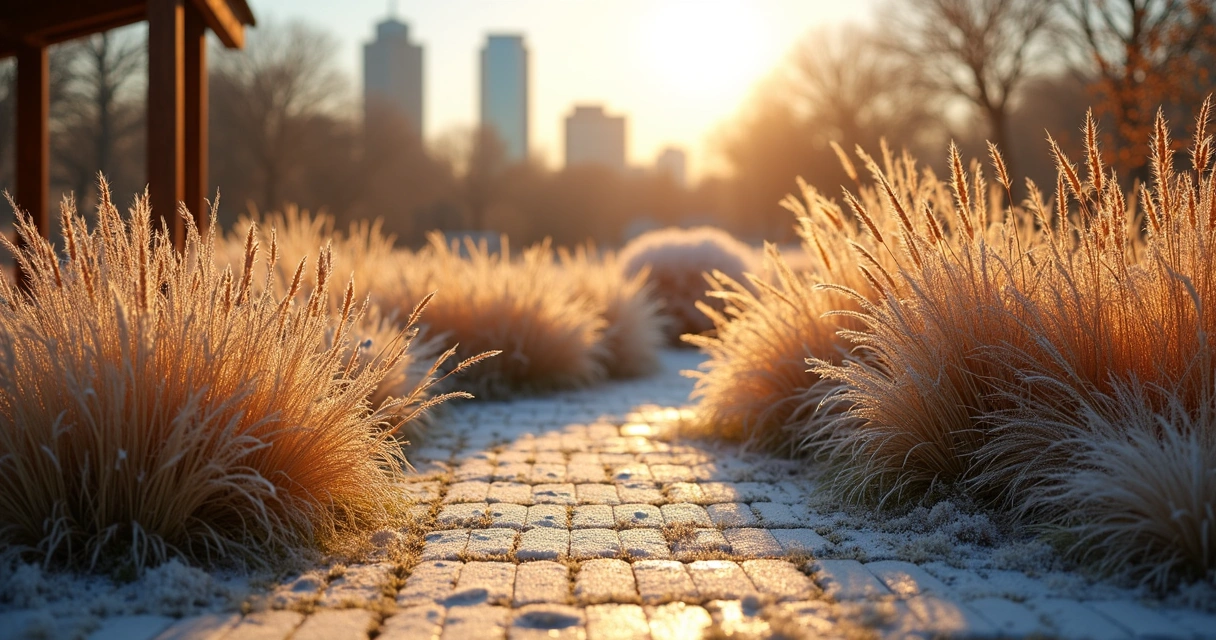
These are the moments that prompted designers at Urban Oasis to integrate them as a backbone for winter gardens. Instead of empty edges and dormant beds, their projects feature swaying plumes, crisp forms, and a play of light that lasts through the coldest month.
Best types of ornamental grasses for Austin’s winters
Not every grass fits every garden. Choosing what works depends on sun, soil, and your goals for winter appeal. So, let’s run through some of the top grasses for Austin-area landscapes. Most of these species are included in the Texas A&M AgriLife recommended plant list—a resource Urban Oasis regularly uses for their customized landscapes.
Gulf Muhly (Muhlenbergia capillaris)
Few plants cause people to pull over for a closer look like Gulf Muhly. Come October, these grasses burst into vivid pink mist, but their appeal lingers as winter fades to wispy tan plumes. Drought-tolerant and content in lean soils, Gulf Muhly fits well in both residential Entryways and larger commercial beds.
Little Bluestem (Schizachyrium scoparium)
This Texas native brings blue-green blades in summer, shifting to copper and mahogany as autumn arrives. The slender stalks hold their color and shape well—even after frost. In windy winter weather, these tufts sway with a quiet drama that pulls the eye across any garden. Colorado State University Extension notes its impact for fall and winter beauty, indoors and out.
Inland Sea Oats (Chasmanthium latifolium)
Perfect if you have a shadier landscape. The broad, arching leaves and dangling seed heads create gentle movement and interesting shadows. Even by January, the flattened “oat” plumes persist, providing food for birds and adding depth to shade gardens.
Texas Wintergrass (Stipa leucotricha)
This one is the iconic cool-season option. According to research by Texas A&M, it remains upright and green in winter, offering rare color when other natives fade. It reaches 18-42 inches and works beautifully in more naturalistic or prairie-inspired plantings. Its resilience is key in gardens that need year-round interest.
Pink Muhly (Muhlenbergia reverchonii and relatives)
Another showstopper known for its rich pink clouds, though the autumn burst gives way to muted winter hues that still catch the light. Easy to care for and suitable for mass plantings, Pink Muhly holds structure well into the coldest months.
Lindheimer’s Muhly (Muhlenbergia lindheimeri)
A taller, denser form of Muhly with upright, blue-green foliage and airy, feather-like plumes. It’s deeply adapted to central Texas, handles drought and cold equally well, and provides excellent cover for winter birds.
Bamboo muhly (Muhlenbergia dumosa)
With fine, bamboo-like foliage, this species delivers a light, airy feel—great for screening or dividing spaces. The green hue persists well into winter, especially in milder years. It’s a favorite for softening hard lines in more modern outdoor living areas.
Planning for winter texture in seasonal design
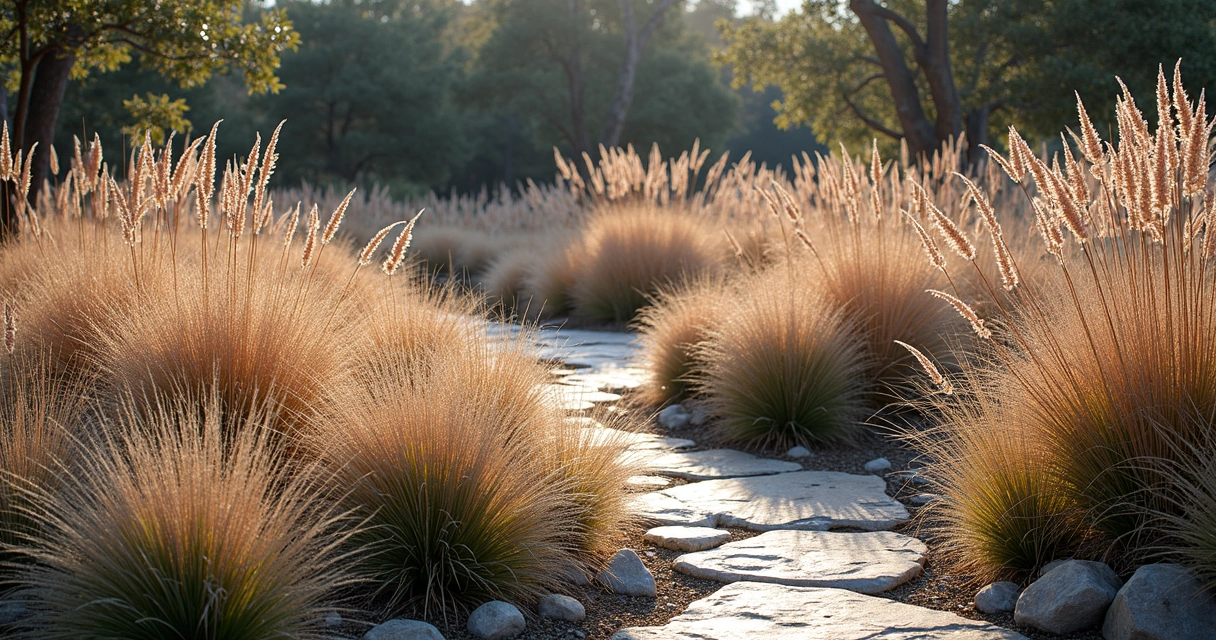
Grasses can be the canvas, border, or accent in a design—sometimes all three. But planting for winter impact takes a little forethought.
- Group in odd numbers: Planting in clusters or drifts (three, five, or more), creates rhythm and avoids a “soldiers-in-a-row” effect.
- Mix textures: Pair fine-leafed grasses with broad-leafed evergreens for contrast. Or let fluffy plumes rise above tough, spiky agaves.
- Vary heights: Layering tall, upright grasses like Lindheimer’s Muhly behind lower-growing ones brings depth even when colors fade.
- Leave seed heads through winter: Resist early trimming—these provide key movement and food for wildlife and look stunning when rimed with frost.
Urban Oasis approaches every outdoor space as an extension of the client’s life, whether that’s for entertaining or quiet mornings with coffee. The grasses they introduce aren’t haphazard—they reflect modern style with practical ease, especially for anyone interested in water-wise outdoor spaces.
Design is not just how it looks; it’s what it does for you, even in winter.
Native grasses: beauty that works year-round
There’s been a quiet revolution in Austin gardening circles, with a shift from thirsty, high-maintenance lawns to smart, layered plantings. A big part of that shift is using native ornamental grasses—not just because they’re resilient, but because they fit the local rhythm. According to Texas A&M, most grasses need very little care, remain beautiful for years, and support both birds and butterflies season after season.
- They adapt to poor soil;
- Need minimal water once established;
- Hold up in Texas heat, but don’t mind a freeze;
- Add autumn and winter structure when others fade.
Homes and commercial spaces benefit from planting beds, corners, or long borders with a mix of natives like Little Bluestem and Texas Sideoats Grama. These fit seamlessly into plant-forward designs that are easy to maintain and make the most of every season.
How to add movement and visual interest during dormant months
Winter might be a quiet time for many landscapes, but movement never leaves a garden with grasses. One chilly morning, I stepped outside—coffee in hand—and watched as early light filtered through frozen plumes, each blade quivering slightly with the breeze. No color explosion. Just a living painting, changing with every breath of wind.
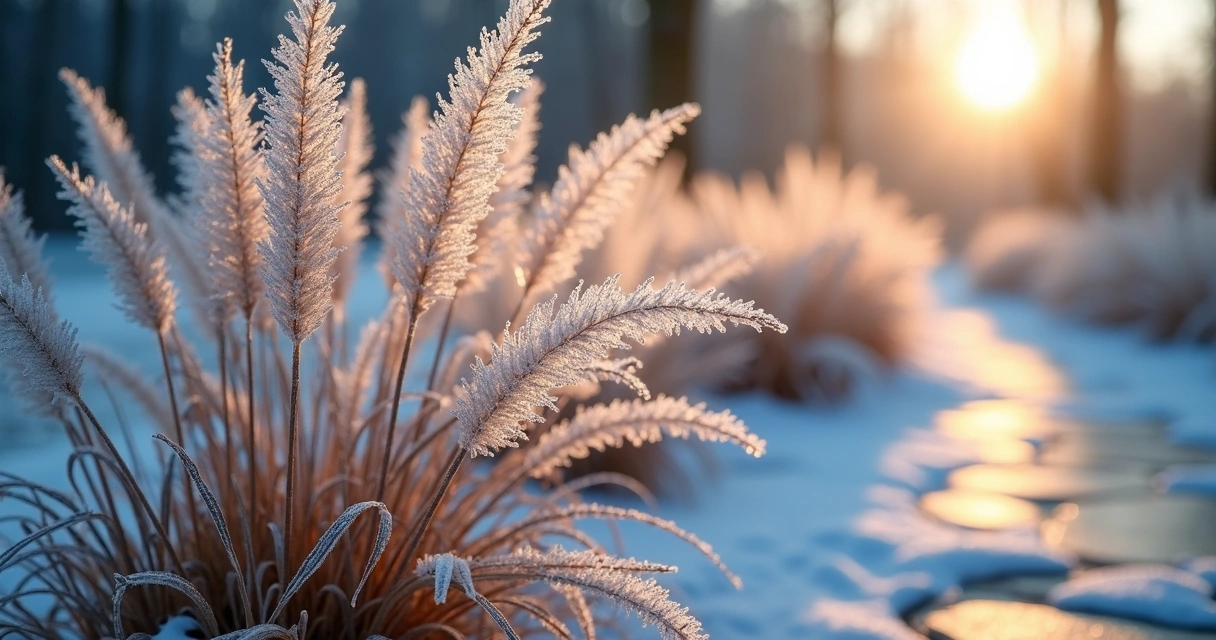
What creates that effect? It’s the physical structure—slender stems, soft plumes, and rigid blades—that never truly stand still. Wind, even when gentle, bends them back and forth, drawing the eye across the garden. Seed heads persist above frost or light snow, shadows shifting with every subtle change in sunlight.
- Gulf Muhly produces clouds that ripple at the merest touch.
- Little Bluestem’s upright stems change colors daily as light passes.
- Inland Sea Oats swing gracefully, scattering seeds for small birds mid-winter.
Movement makes these plants special, but with the right planning, you can also use their persistence for winter sculptures—leaving old foliage and seed heads in place until late winter’s arrival. Some may say it’s messy. Yet ask any bird that takes shelter or a visitor captivated by shimmering seed heads, and you’ll hear: this is beauty you don’t have to fuss over.
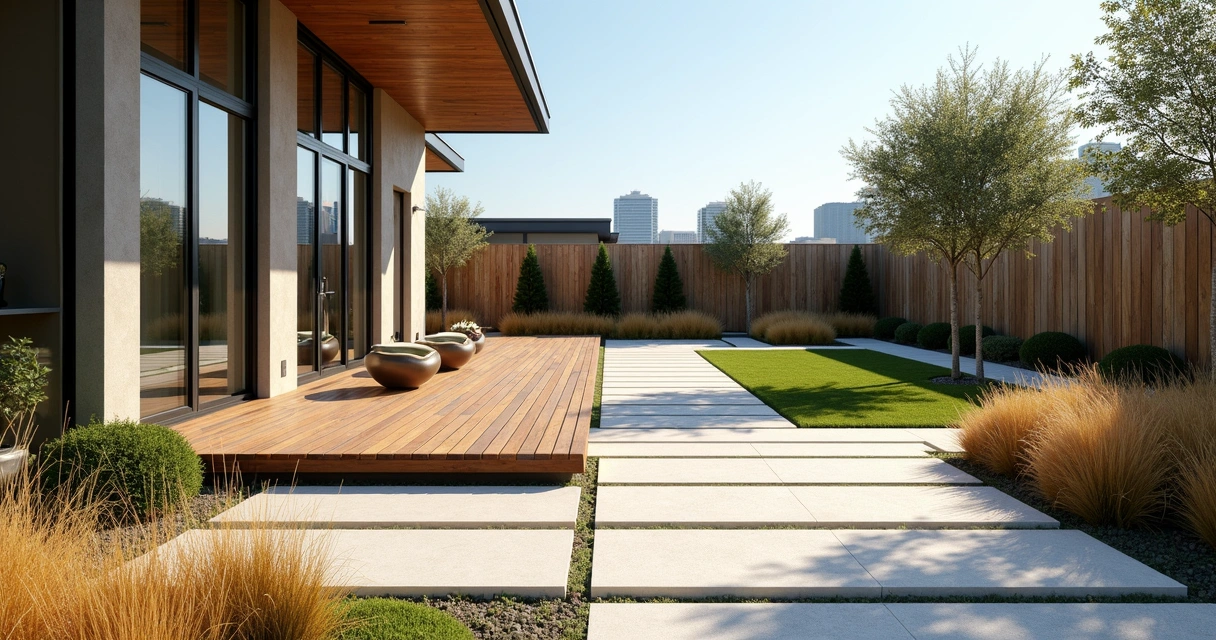
When and how to plant for best winter results
The first step is picking the right species for your space—sun, shade, and soil preferences matter. Guidance from Colorado State University Extension and the Texas A&M AgriLife Extension both emphasize that fall and spring are the best times to plant, giving roots time to settle before the toughest seasons.
- Prepare the soil: Most ornamental grasses in Austin want well-drained soil. Break up heavy clay and mix with compost if needed.
- Space carefully: Give them room to spread without crowding. Grasses get bigger each year—think ahead.
- Water deeply at planting: Even drought lovers need their first drink.
- Mulch but don’t smother: Keep mulch away from the crowns to avoid rot.
- Resist cutting back in fall: Leave aboveground growth until late winter. The faded foliage adds winter drama and protects crowns from sudden temperature swings.
If you work with designers like those from Urban Oasis, each plant is chosen with your lifestyle and maintenance preferences in mind—whether you want a wild, prairie look or more tailored modern lines. The goal is simple: transform even the smallest yard into an oasis that’s full of life, sound, and movement, every month of the year.
Low-care routines and true sustainability
People sometimes think “ornamental” means fussy, but the opposite is true. After the first growing season, most grasses:
- Need little additional water—just occasional deep soaks in drought
- Rarely require fertilizer, especially if soil preparation was thoughtful
- Just one annual cut-back, best done in late winter or early spring before new growth appears
- Pest and disease-resistant, rarely if ever needing chemicals
Leaving stems and foliage up over winter is more than just a stylistic choice. According to the City of Austin’s conservation program, untrimmed grasses support beneficial insects, provide shelter for overwintering creatures, and protect their own crowns during the odd freeze. This gentle approach fits the sustainable vision at the core of Urban Oasis projects and aligns beautifully with local ecological goals.
Less maintenance. More beauty. Better for the world around us.
If you’re curious about stretching your reach with water-wise and resilient native options far beyond grass, the guide at Urban Oasis’s low-water landscaping ideas is a great next step for a truly sustainable yard.
Stage by stage: a winter with ornamental grasses
Early winter
Plumes and seed heads reach their peak. Morning frost glistens on tops; shadows appear longer. Wildlife begins to forage, and the dry movement feels almost musical—like windchimes without the metal.
Deep winter
Colors fade to copper, silver, and straw, but structure remains. Against clouded skies or rare snow, the shapes pop even more. Flocks of birds investigate for shelter or seeds. There’s no need to intervene; just observe the living sculpture.
Late winter
By now, old foliage may look a little worn. This is the time for a cleanup cut, just as buds underneath start to swell. Almost immediately, new green pushes through, promising a repeat performance.
This cycle repeats, year after year, with less water, less fuss, and a lasting beauty that gets richer every season. Whether your garden is measured in acres, feet, or pots on a balcony, these plants give back far more than they take.
Conclusion: weaving texture and movement into every winter garden
Austin gardens never truly sleep. With the right ornamental grasses, they remain alive—full of texture, sound, and subtle color—when the rest of the yard has gone quiet. Whether it’s the way sunlight plays on a fountain of Gulf Muhly or the calm structure of Little Bluestem, each plant adds something real to outdoor spaces.
This is more than decorative. For those who want an outdoor space you can appreciate year-round, ornamental grasses deliver. They ask for little and give back in movement, visual interest, wildlife habitat, and a sense of quiet wonder that is, perhaps, the heart of winter gardening.
Ready to fill your outdoor space with texture, movement, and a little magic this winter? See how Urban Oasis can help you create your own retreat—and let’s turn winter into something you look forward to every year. Fill out the form below to get started with your personalized garden design, tailored to everything Austin’s changing seasons bring.
Frequently asked questions
What are the best ornamental grasses for Austin?
Great choices for Austin’s climate include Gulf Muhly, Little Bluestem, Lindheimer’s Muhly, Pink Muhly, Texas Wintergrass, and Inland Sea Oats. These are drought-tolerant, survive cold snaps, and add structure and movement to both sunny and shady gardens. Each has its own style, color, and use—so you can match the plant to your landscape’s needs as recommended by the Texas A&M statewide plant list.
How do ornamental grasses add winter texture?
Ornamental grasses keep their form above ground all winter. Their plumes, seed heads, and upright stems create patterns of light, shadow, and movement not seen in most winter plants. Even when colors fade, the structure stands out—making beds interesting, lively, and full of visual cues, as noted by Colorado State University Extension.
When is the best time to plant grasses?
Fall and early spring are the best times to plant ornamental grasses in Austin. The cool weather helps roots establish without heat stress. Summer planting is possible with care, but fall gives the roots a head start for winter and lush growth the next season. This matches guidance from Texas A&M AgriLife Extension Service.
How to maintain ornamental grasses in winter?
During winter, leave the grasses standing. Their old foliage, stalks, and seed heads add texture and shelter wildlife. Wait until late winter or very early spring to cut them down, just before new growth starts. Otherwise, these plants need little water, no fertilizer, and almost no attention.
Where to buy ornamental grasses in Austin?
Ornamental grasses are widely available at local nurseries that focus on native or adapted plants. Choosing grasses suited for Austin’s climate, as suggested in the Grow Green plant guide, is the best route. If you want a custom selection and expert installation, Urban Oasis can work with you to pick, source, and plant just the right grasses for your landscape vision.