

Austin’s sun is generous, but so are those sultry summer afternoons when everyone wants shade. That’s why the debate between patio covers and pergolas pops up in almost every backyard conversation. Choosing the right shade solution becomes bigger than just home improvement. It’s about how you want to live, entertain, and find refuge outside your own doors.
Is there a simple, one-size-fits-all answer? Not really. But your decision can be better informed—and more inspired—when you see how these two outdoor structures actually work in Central Texas. Especially when you have experience-driven partners like Urban Oasis guiding you, who have shaped some of the city’s favorite relaxation spots.
Create cool spaces. Make gathering natural.
Here’s a realistic comparison, packed with practical details, lived experiences, conflicting opinions, and just enough technical know-how to let you imagine sipping ice-cold tea under your own perfect shade.
Understanding backyard shade solutions
Before comparing specific structures, it helps to know what shade solutions are out there. Austin homeowners dream of backyard escapes where heat and glare don’t get in the way. The most popular choices? Patio covers and pergolas—each one represents a distinct approach to comfort, shelter, and style.But what truly sets them apart after a few months of use? And how do they each react to Austin’s weather, culture, and way of living? That’s where the story gets…well, more interesting.
Basic definitions
- Patio cover: A permanent or semi-permanent roofed structure that extends from (or sometimes stands near) your home. Usually solid or partially solid overhead, it’s all about providing protection from sun, rain, and sometimes even wind.
- Pergola: An open, airy framework featuring vertical posts or pillars and a roof made from cross beams or slats. Rather than enclose you, a pergola invites filtered sunlight and dappled shade, creating ambience and visual drama.
So the real question is not just patio cover or pergola, but what kind of experience are you after?
 Why shade structures matter in Austin
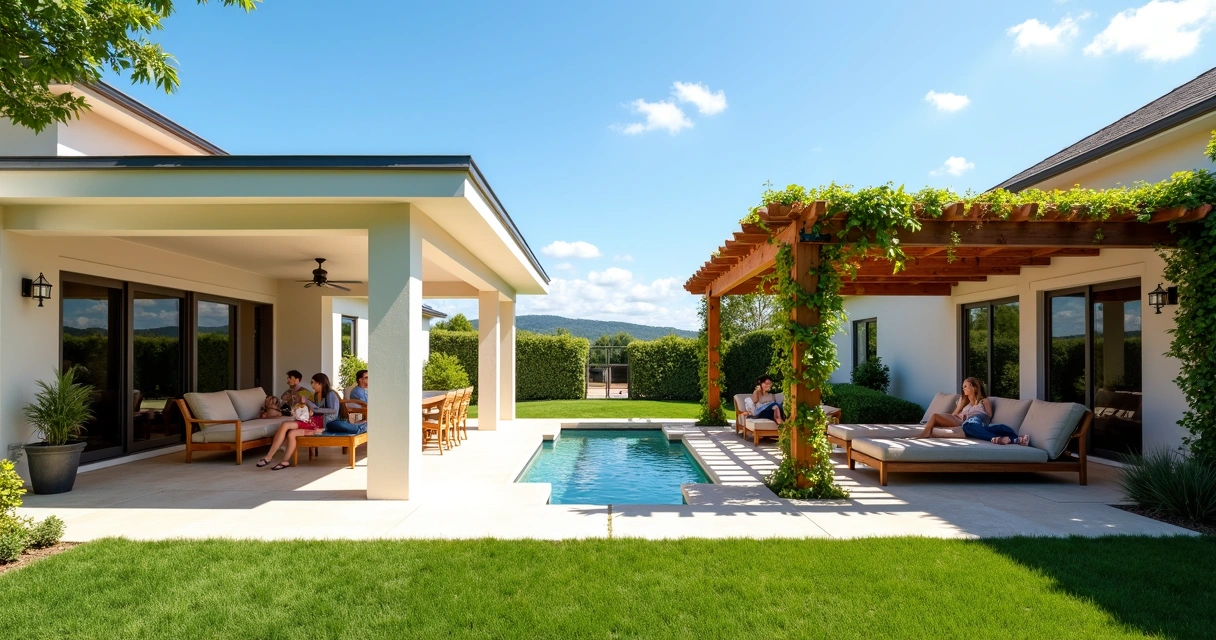 Why shade structures matter in Austin
Head outside anytime after May, and the Central Texas sun is impossible to ignore. With an average of 228 sunny days each year and long stretches of 95°F and above, having backyard shade isn’t just a luxury. It’s the difference between loving your outdoor space and rarely using it.But Austin’s weather delivers surprises too. One week, bone-dry sunshine; the next, pop-up thunderstorms and high winds. A good shade structure supports your lifestyle, extends your living space, and adapts as the weather changes.
What most Austinites look for
- Protection from UV rays and heat
- Friendly to outdoor entertaining and dining
- Year-round usefulness—not just one season
- Boosting home value and curb appeal
According to expert advice for Austin’s climate, solid-roof patio covers provide better rain and UV protection, while pergolas are often chosen for more filtered light and elegant design. Some homeowners want pure performance; others long for beauty and ambiance. Many want both.
Patio covers: features, pros, and tradeoffs
Structure and design
A patio cover is often attached directly to the back or side of your house, extending your sheltered footprint. Typical materials? Aluminum, wood, engineered composites, and sometimes steel. Some are flat, others are gently sloped or arched.
- Solid roof panels: Total shade and true rain shelter
- Lattice or slatted options: Some sunlight peeks through but still cuts the harshest rays
- Can be integrated with ceiling fans, lighting, or even skylights
Urban Oasis crafts patio covers that take both shade and architectural flow into account. Some projects use decorative columns or match the home’s exterior; others go for strong contrasts. The point? It’s hard to “outgrow” a well-designed cover.
Advantages of patio covers
- Complete sun protection: Even in mid-July, the space remains comfortable
- Rainproof: Impromptu storms won’t dampen your evening
- Functional for grilling, dining, and kids’ play year-round
- Potential for increasing home value: Studies suggest that well-integrated outdoor structures can pay for themselves in resale (patio covers can help boost value in Austin)
- Customizable add-ons: Think fans, recessed lighting, outdoor heaters
Even Austin’s wildest summer storms are no match for a strong patio cover.
Tradeoffs and practical concerns
- Cost: Higher than some shade options, especially for large or elaborate designs
- Can feel enclosed: If natural light and open sky are what you crave, a solid cover is…well, solid
- Permitting and installation time: Permanent structures often require city approval and experienced hands—check with your builder about Austin codes and deadlines
- May limit plant growth underneath: Shade-loving plants thrive, but sun-seekers do not
In case you’re mulling over beautiful covered patios, you’ll find inspiration and practical tips in the Urban Oasis patio installation guide.
Pergolas: features, appeal, and compromises
Structure and design
A pergola feels lighter than a solid-roof cover. Its signature? Cross beams or slats overhead, with no solid roof. The framework can be classic cedar or redwood, modern powder-coated steel, or even durable composites for less maintenance.
- Open to the sky, but tames glare: Sunlight filters through the slats, casting ever-shifting shadows beneath
- Can be freestanding or attached to a structure
- Incredible opportunities for climbing vines and hanging plants
- Highly customizable look and footprint (explore 25 unique ideas here)
Benefits of pergolas
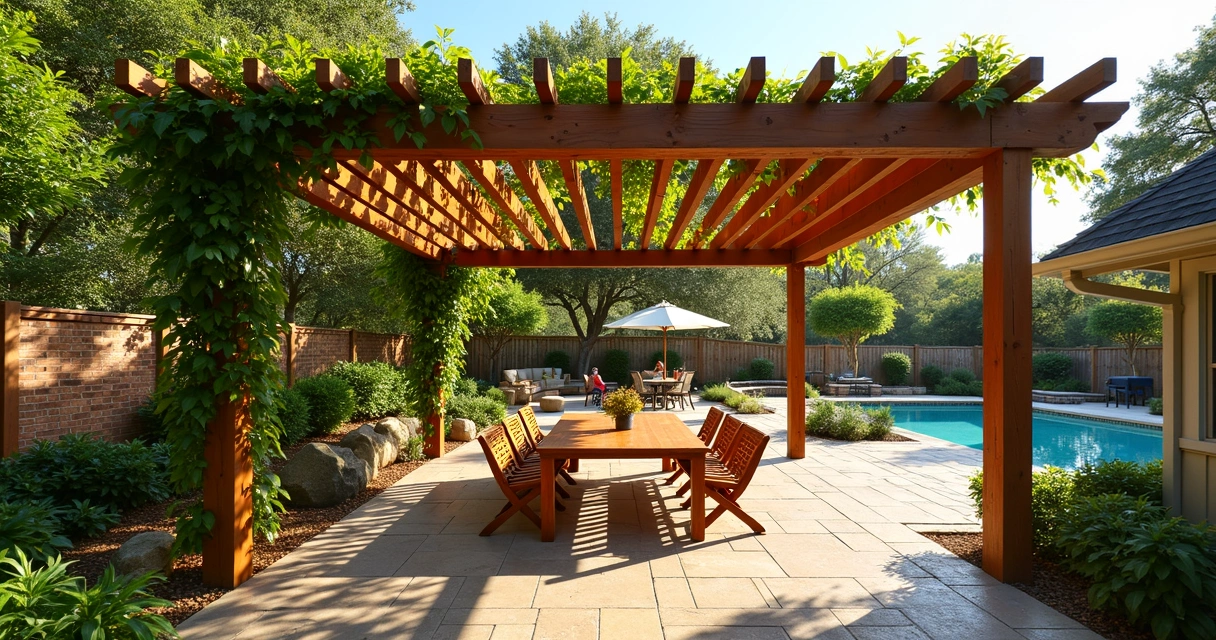 Benefits of pergolas
- Open, airy atmosphere: You’re “outside” but a little more comfortable
- Stunning design potential: Pergolas are statement pieces that boost curb appeal
- Support for plants and décor: Hanging baskets, string lights, grapevines, wisteria—if you can dream it, you can hang it
- Greater flexibility on placement: Freestanding models can go anywhere in the yard, not just by the house
- Usually lower cost than a solid patio cover, though upper-end options are significant investments
A pergola lets the sky in—even if there are a few clouds.
Compromises and notes of caution
- Sun and rain come through: Great for filtered shade, much less ideal for major storms or deep summer heat
- Less protection for furniture and grills: Cushions and cooktops can get wet or sun-faded without covers
- Maintenance varies: Wood needs resealing, vines need trimming, hardware needs checking—composite and metal reduce this but raise the price
- Not always the best for those needing deep shade at all times (discover more about the different features)
Urban Oasis often pairs pergolas with lush landscaping or integrates them into pool design. That way, you create a retreat that’s both functional and photogenic.
Side-by-side: how do they compare for Austin homes?
So, still thinking in terms of “pergola vs patio cover”? Or does it now feel more like a style-and-purpose choice? Here’s a look at how both stack up for real-life Austin living.
Comparing comfort and coverage
- Patio covers: Block almost all sun and rain. You can host a party in July—even if a sudden summer downpour hits. Great for deep seating sets, luxury grills, and “outdoor rooms.”
- Pergolas: Filter sun, allowing warmth and natural light. Some days, the play of light through the beams is magical; on the hottest afternoons, it can still feel warm. Rain usually passes through, so plan furniture and events accordingly.
Installation and cost
- Patio covers: Require foundation or posts, sometimes involve tying into your roof—costs are typically higher for permanent or elaborate designs. According to regional experts, expect both budgeting and permitting to come into play.
- Pergolas: Often more affordable upfront; installation can sometimes be done faster, especially with freestanding designs. Premium materials and complex layouts still add to price.
Design flexibility and visual impact
- Pergolas: Win in terms of visual flair and personalization—painted colors, mixed materials, combinations of greenery and lights.
- Patio covers: Often designed to blend seamlessly with your house, becoming a true extension. In the right hands, though, they can be bold and unique.
Maintenance and durability
- Patio covers: Built for weather; with the right materials, they last decades with minimal fuss. Cleaning, maybe a repaint or spot repair, but low drama overall.
- Pergolas: Wood needs more frequent care. Metal and composite cut the maintenance, but even they benefit from periodic checks. Austin’s humidity and sun can be tough on exposed finishes.
How these choices shape Austin lifestyles
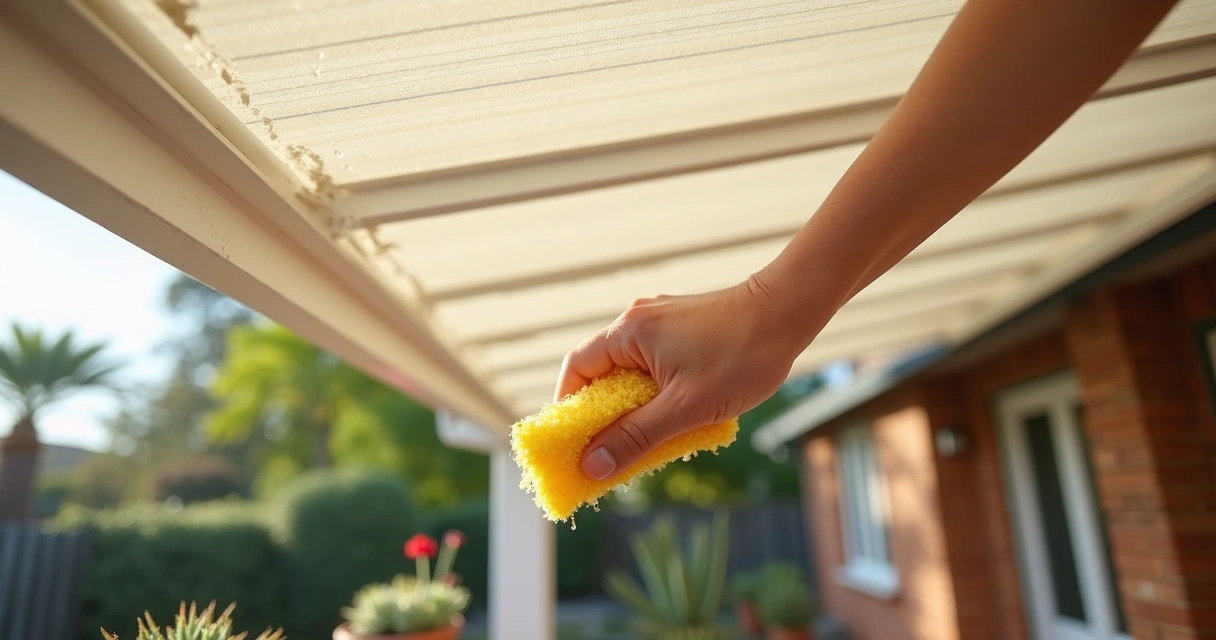 How these choices shape Austin lifestyles
You’ve probably seen the difference in everyday life—a neighbor’s outdoor grilling station that’s always ready, rain or shine, thanks to a sturdy patio cover. Or the charming backyard on the other side of the street, where morning coffee under a vine-twined pergola just feels… lighter.Either can transform your experience of home. But how, exactly, do they change what you do outside?
- Patio covers: Best for homeowners who entertain in all seasons. If you crave the predictability of deep shade, cool breezes, and shelter, this is for you. Your furniture lasts longer; your events don’t get canceled when a typical Texas thunderstorm rolls through.
- Pergolas: Perfect if you want to feel connected to the outdoors. Maybe your routine involves “golden hour” cocktails, cozy Sunday brunches, or reading in dappled sunlight. Pergolas shape atmosphere—they aren’t always about total utility.
Both encourage living outside more than you expect. Ask anyone who’s installed a quality backyard structure with Urban Oasis—the space seems to pull people together, almost without trying. That’s probably the real win.
Blending patio covers and pergolas: hybrid ideas for Austin shade
Sometimes the best solution isn’t either-or—it’s both. Austin gardens often feature paired structures: a solid-roofed patio for meals and parties, with a nearby pergola for lounging (or the kids’ play space, or a hot tub retreat). You can even build a covered area that opens into a pergola “room,” letting the design flow from full protection to open air.
Outdoor living designers at Urban Oasis noticed this pattern in emerging living trends that boost Austin home value. A truly flexible backyard supplements one kind of shade with another, so the area changes with sunlight, seasons, and mood.
- Ideas to mix both worlds:Start with a patio cover off the back door, then let it “flow” into a pergola for garden seating
- Frame a pool with partial pergola shade and nearby covered patio for all-weather dining
- Blend modern and rustic by using metal for one structure and cedar for the other
Making your decision: budget, aesthetics, and long-term thinking
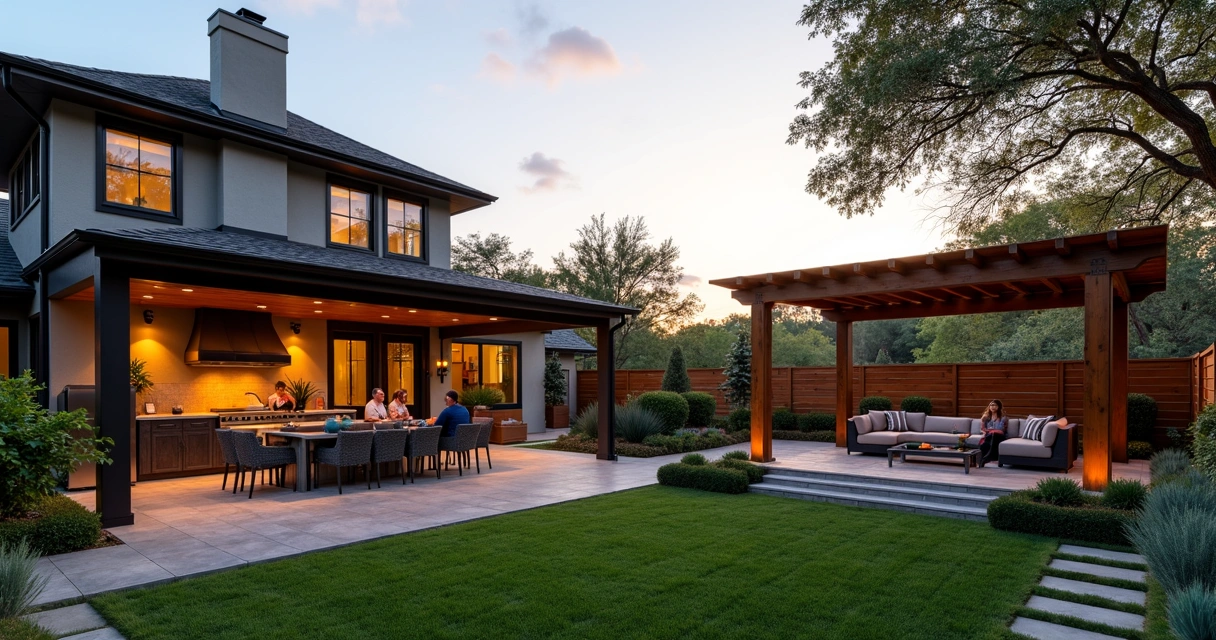 Making your decision: budget, aesthetics, and long-term thinking
- Start with your true needs: Do you dream about all-day cookouts or romantic twilight dinners? Is rain cover a must, or do you just need hot midday sun softened?
- Think about style “fit”: Some homes call out for an attached patio cover that feels like a natural extension. Others want a pergola that sets the mood, a visual accent to a unique landscape design.
- Weigh up-front cost with maintenance: What saves money now might ask for more care later. Sometimes it’s worth increasing your budget to enjoy years of easier use.
- Consider resale impact: Multiple studies confirm that smart outdoor upgrades pay off, especially those that add practical square footage and memorable gathering spaces.
- Plan for future flexibility: Leave space for a future outdoor kitchen, seating expansion, or garden build-out. Shade structures can, and should, grow with your life. Get ideas for entertaining-ready spaces here.
Dream up the life you want—then set the shade that matches it.
Feeling stuck, or not sure what matches your budget and taste? Urban Oasis offers a step-by-step process: initial consult, creative design, careful revision, expert building. Whether you want something that blends right in, or stands out as a bold focal point, the right partner makes every detail easier.
Bringing it all together: a realistic summary
If you find yourself searching for the “best” option, you’ll quickly realize that “best” is personal. One neighbor swears by their solid patio roof—they can grill all year, greet sunrise in comfort, let kids spill in and out of the house. Another wouldn’t trade their airy, light-dappled pergola for anything—it’s a haven for feasts, gardening, or losing track of time with a good book.
What matters most is how you want to feel and what experiences matter to you. Some Austinites even start with one and add the other as life changes.
Urban Oasis guides you through every step, taking care with your goals, style, budget, and even future plans. Ready to see your backyard become the most-loved room of your home? Fill out our form, imagine the possibilities, and let’s design the outdoor space you’ve always wanted.
Frequently asked questions
What is the difference between patio covers and pergolas?
Patio covers and pergolas may look similar, but their purpose and design are different. A patio cover offers a solid or partially solid roof, blocking sun and rain entirely, transforming your patio into a true outdoor room. Pergolas, on the other hand, use open cross beams or slats and don’t have a solid roof. You get filtered sunlight, partial shade, and a strong design element. Patio covers give you weather protection, pergolas give atmosphere and style. If you want to see more detailed comparisons, here’s a trusted regional breakdown.
Which lasts longer in Austin’s climate?
In general, solid patio covers built with quality materials—like aluminum or pressure-treated woods—hold up longer under Austin’s combination of sun, humidity, and storms. Pergolas made from cedar, redwood, or composites can also last for years, especially if you keep up with maintenance, resealing, and checking for weathering. The durability of both depends on build quality, material, and occasional care. Most homeowners find patio covers ask for less frequent maintenance than pergolas.
How much does a pergola cost in Austin?
Costs can swing from a few thousand dollars for a simple, smaller wood pergola, up to $15,000 or more for a large, customized design with premium materials and lighting. Features like attached seating, integrated planters, or high-end finishes can increase that number. On average, many Austin homeowners spend between $3,000 and $8,000 for a mid-range, attractive pergola that really elevates a backyard. For expanded inspiration and pricing details, Urban Oasis offers ideas and options that fit a range of budgets.
Is a patio cover or pergola better for shade?
If you want total sun protection—even at noon in July—a solid patio cover will always provide more shade than a pergola. Patio covers allow for all-day, all-weather use. Pergolas create partial, dappled shade and a beautiful accent, but during the hottest hours or a heavy rain, they don’t offer the same coverage. However, some people prefer lighter shade for plant growth or atmosphere, in which case a pergola is perfect. It’s about your priorities: full shelter or a lighter, open-air vibe.
Where can I find custom patio covers nearby?
For Austin-area residents, Urban Oasis designs and builds custom, high-end patio covers tailored to both your property and lifestyle. With deep experience in local codes, climate, and style preferences, the team delivers results that mix function and beauty. Begin your project by checking the patio installation service page and fill out their lead form for a personalized consultation.