

When the last golden rays of autumn slip away and the garden falls a bit quieter, many people assume pollinators have all but vanished. But walk outside just after a cold snap in Austin and you might notice something surprising—a flash of movement, the hum of a bee, or an unexpected bloom sparkling with frost. Winter is, perhaps, quieter, but it is not without life.
This guide is for those who want to keep the heartbeat of the garden alive, even as the season edges into chill. The story is really about hope, resilience, and tiny wings in a sleeping world.
Why pollinators matter all year
People often think of pollinators, such as bees and butterflies, as creatures of summer. But according to Smithsonian Gardens, nearly 90% of flowering plants need animal pollinators for fertilization—sometimes as early as midwinter. In Austin, native bees can emerge on sunny days, hungry and searching for nectar.
It’s about keeping the garden doors open when others have closed for the season.
Why bother? Well, pollinators don’t take the whole winter off. Bumble bees, for instance, can fly even in chilly weather. Some small butterflies might wake if conditions are right. These creatures, subtle but vital, are part of what keeps both wild and urban spaces vibrant. And Austin’s mild winters offer opportunities to support those that don’t hibernate the whole season.
Understanding winter pollinator activity in Austin
Austin straddles climatic lines. Some years, winter is mild, and gardens see scattered flowering. In others, cold spells grip the city, restricting bloom. Understanding these swings helps in designing outdoor spaces that consistently offer food, no matter the weather.
- Native bee species: Several local bees, including small mining bees and bumble bees, emerge during the mildest winter days.
- Butterflies: Mourning cloaks and sulfur butterflies are sometimes active, especially in urban microclimates that retain warmth.
- Other pollinators: Hoverflies and beetles may appear when the thermometer climbs above 50°F.
For a deeper look at the logic of designing spaces that succeed year-round in unpredictable Texas weather, the 5 essential tips for year-round landscape success offer practical insight for sustained color and activity.
The challenge of providing food in the lean months
Winter’s biggest problem for pollinators? The shortage of flowers. When few plants are in bloom, bees and butterflies can struggle to find food. According to Oregon State University Extension Service, black-tailed bumble bees begin to forage as early as January, making early winter nectar sources especially helpful.
If you plant nothing now, you may find no bees later.
The key to a winter-ready, bee-friendly garden isn’t just about what you plant in June. It’s about layering blooms so that something is happening, even if it’s subtle. That’s the secret to supporting local pollinator health and, ultimately, biodiversity.
Choosing winter-blooming plants for Austin gardens
Designing a winter bee-friendly garden in Austin means balancing hardiness with long-blooming varieties that shrug off frosts. Here are some top winter flower choices, along with a touch of storytelling about how they fit in the landscape.
Texas mountain laurel (Sophora secundiflora)
This native evergreen brings lavender flower spikes that sometimes start as early as late winter. It’s fragrant—think grape soda—and irresistible to big bumble bees.
Henbit (Lamium amplexicaule)
Frequently considered a weed, henbit is one of the first sources of nectar for bees in January and February. Its delicate purple flowers give a wild, casual feel to the garden and fill a unique gap in pollen supply.
Carolina jessamine (Gelsemium sempervirens)
This vine offers buttery yellow blooms from late winter into early spring. With a twining nature, it softens fences, pergolas, and trellises, all while attracting early bees and even hummingbirds.
Elbow bush (Forestiera pubescens)
Flowering sometimes as early as January, this underappreciated native shrub offers yellow-green blooms, a welcome meal for small native bees. Its fine twigs move in the winter wind, giving structure and food when little else is available.
Oxalis (Oxalis spp.)
While not native, oxalis naturalizes across many Austin gardens and opens bright yellow or pink flowers on mild winter days. Pollinators flock to it when not much else is popping.
Winter honeysuckle (Lonicera fragrantissima)
A non-native with creamy, lemon-scented flowers that thrive from January into March. Ideal for bees looking to shake off dormancy on sunny afternoons.
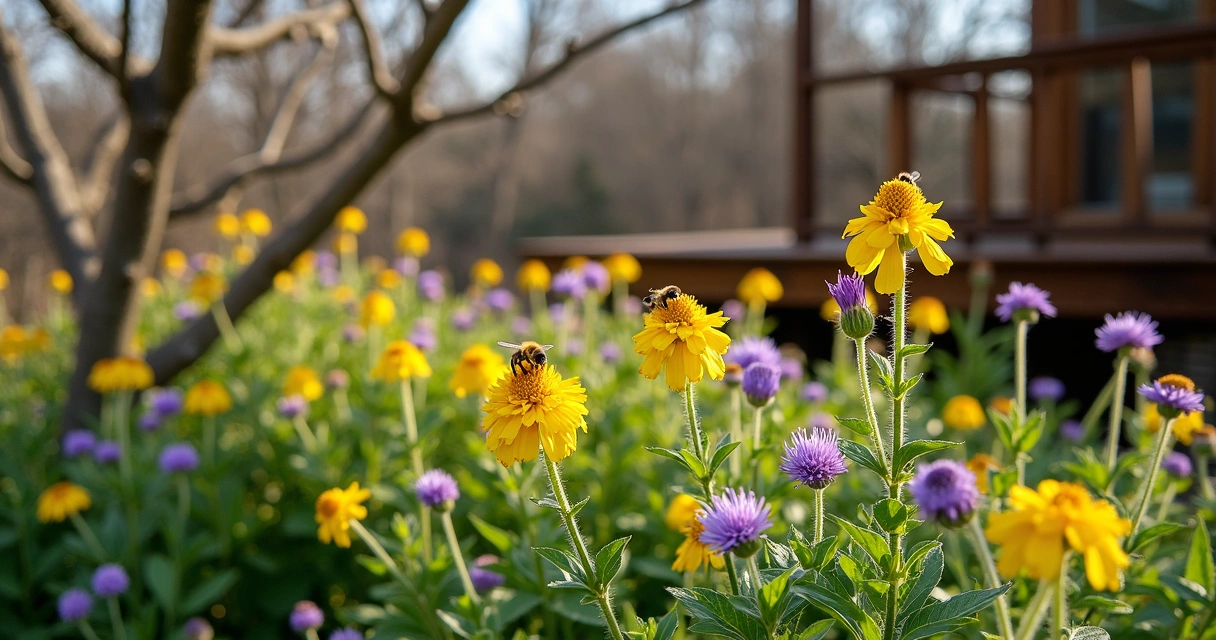
Planting for pollinators: more than just flowers
The lesson, if there is one, is that bee-friendly gardens are not just about planting “any” flowers. It’s about planting the right flowers, in the right way, at the right time.
- Layered bloom times: Select a sequence of plants so something blooms in every month, even in early December and January.
- Grouping: According to the U.S. Forest Service, planting in clumps is more effective for attracting pollinators than scattering single stems throughout a garden bed.
- Native plants: Focus on species that evolved alongside Austin’s climate and pollinators for the most reliable winter food sources.
- Wild corners: Leave some leaves and brush—they shelter overwintering pollinators and allow native bees to nest and hide.
The role of structure in a pollinator garden
At Urban Oasis, transforming outdoor spaces often means thinking in layers—not just blooms, but structure and flow. A garden might have:
- Stone or gravel paths to warm up on sunny days, attracting bees
- Raised beds planted near south-facing walls, where warmth encourages earlier flowering
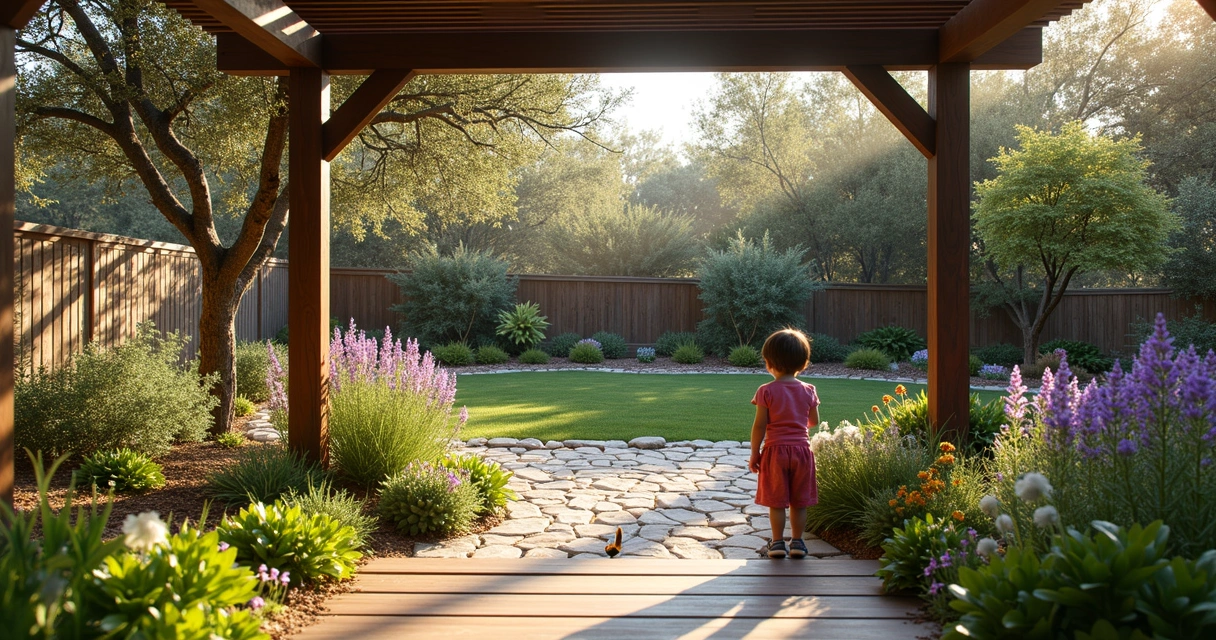
- Pergolas and decks to add protected spots for observing pollinators on brisk winter mornings
Designing for pollinators is as much about the human experience as the insect one. For ideas on layout and structure, take a look at our landscaping techniques and benefits guide.
Low-maintenance winter gardens
Austin’s winters are, admittedly, unpredictable. Cold one week, then warm the next. This is why a thoughtful winter garden chooses plants that don’t require constant care, but will surprise you with resilience and bursts of color when you’re least expecting it.
There’s something a bit magic about stepping out on a gray January day and finding a patch of pink or yellow alive with bees. Even better when the maintenance is minimal. For inspiration in keeping the effort low but impact high, our guide to low-maintenance, high-impact landscaping walks through plant combinations, mulch strategies, and layout tips that work across seasons.
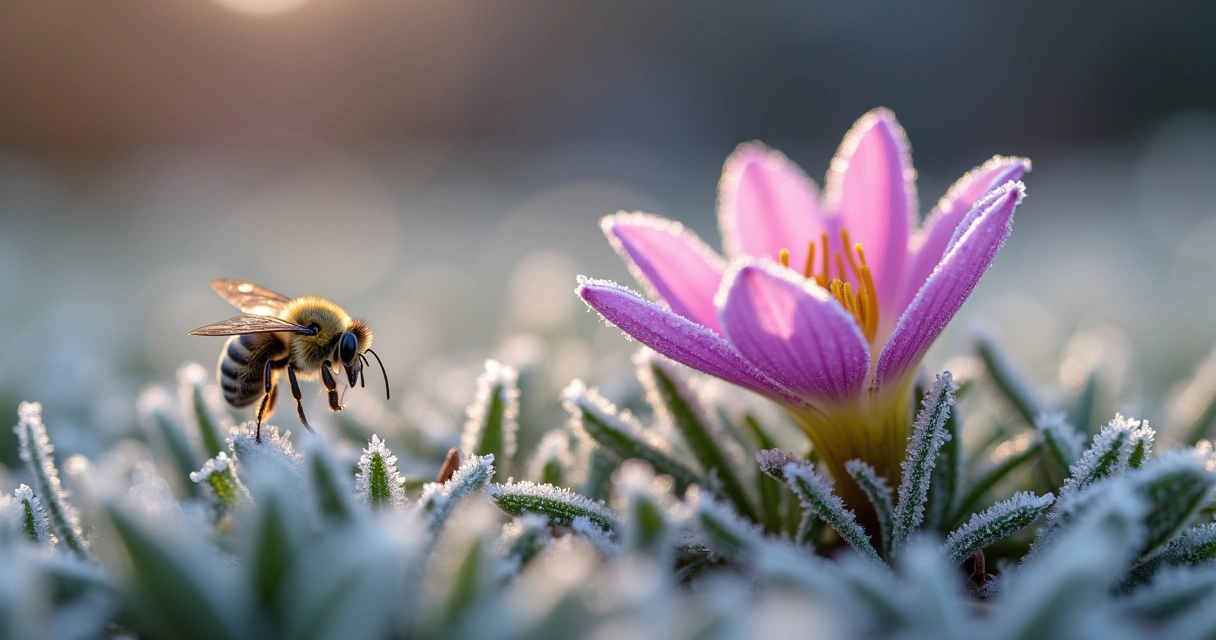
Winter garden design: blending aesthetics with ecology
There’s no rule that says pollinator plants must look wild or unplanned. Some gardeners worry about “messiness,” especially in the dormant season. But with the right palette and structure, a pollinator-supportive garden can look as polished as any formal bed—even more so when the surprise of a winter bloom is built into the design.
For Urban Oasis clients, the process usually starts with priorities:
- Do you want color right outside the kitchen window?
- Would a deck bordered by flowering rosemary or nectar-rich Mexican bush sage work as a focal point?
- How about a tucked-away corner, where overgrown winter jasmine buzzes with life?
A garden is not just a space, but a sequence of small, living stories. Some are quiet. Some have wings.
Shapes, lines, and textures play as much a role as flower color. Broad-leaved salvias contrast with delicate yarrow, while clusters of rosemary keep the air fragrant and culinary dreams alive—even in January.
Focal points for winter interest
- Decorative rocks or boulders that store and reflect heat, helping flowers bloom sooner
- Evergreen shrubs for greenery and structure
- Raised planters or containers filled with winter-blooming annuals at eye-level
- Paths edged with native grasses, catching frosty sunlight and drawing attention to low-key pollinator activity
Pergolas, decks, and pollinator observation
It’s easy to miss winter pollinators if you only visit the garden in the afternoon. A pergola or covered patio can serve as a winter garden “outpost,” perfect for warm drinks and quiet mornings. Imagine sipping coffee while watching the first bee of the year land on a fresh blossom.
Creating a year-round bloom sequence
One of the hidden joys of designing bee-friendly spaces is playing with bloom times. In Austin, proper sequencing ensures something is flowering every month—feeding local pollinators and providing ongoing beauty.
Here’s a sample winter-to-spring bloom sequence for local gardens:
- December: Rosemary, winter honeysuckle, calendula (in containers)
- January: Elbow bush, oxalis, early henbit
- February: Carolina jessamine, mountain laurel (on warmer years), dandelion
- March: Texas redbud, primrose jasmine, red-flowering quince
This approach makes use of both natives and adapted ornamentals. It’s not purely functional; the goal is charm in every corner. Take the example from the US Forest Service Research and Development scorecard, which measures how well plants support bee populations in challenging climates. The lessons feel universal—pick blooms for every moment and you’ll never have a quiet garden.
Adding overwintering habitats and homes
Flowers are half the story. Overwintering spots are vital for native bees and other pollinators. Many bees hunker down in hollow stems, leaf piles, or loose soil until the season warms. Some strategies:
- Leave some perennial stems uncut until spring; solitary bees nest inside
- Pile fallen leaves in a quiet corner for butterflies and beetles
- Avoid turning soil where ground-nesting bees might shelter
- Add small patches of bare earth for digger bees
Winter is the secret season for bee survival. If you think a garden should be perfectly neat, well, perhaps just once let a corner run wild and see what wakes up come March.
Bee-friendly gardening practices for winter
Winter maintenance means striking a gentle balance between cleanup and conservation. Here’s what tends to work—in my experience and through consensus among experts:
- Go easy on pruning: Wait until late winter to tidy up most perennials. You’ll protect overwintering insects and caterpillars.
- Skip harsh pesticides: Most pollinators are extra sensitive during colder months; avoid systemic chemicals, especially near blooming plants.
- Mulch smartly: Use leaves or pine straw as mulch, leaving gaps for soil-nesting bees.
- Water wisely: Even winter-blooming plants may need drinks during extended dry spells.
If you’re still learning what species work best for these goals, cold-hardy plant lists are a helpful reference for adding the most resilient, wildlife-supported bloomers to your plans.
Combining beauty, utility, and sustainability
When a garden balances the needs of people and pollinators, it benefits both. Gorgeous spaces don’t have to sacrifice wildlife support. Urban Oasis strives to create outdoor living areas that pulse with color and life, even in the off-season.
- Decks for winter gatherings, fringed with rosemary and mountain laurel, so you’re never far from a bee or a bloom.
- Sustainably chosen native plants, tailored to clients’ aesthetics, lifestyles, and, yes, the unpredictable budgetary moments winter sometimes brings.
- Hands-on consultation to match design ideas with sustainable approaches for pollinators, water, and year-round ease.
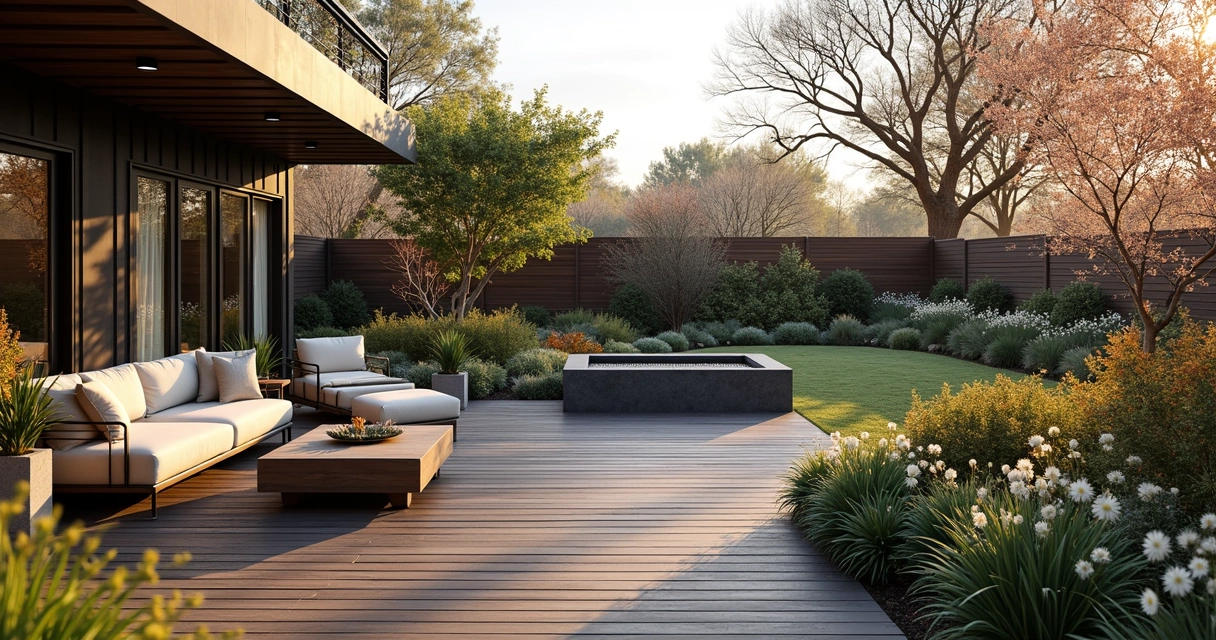
Story of a winter garden: a little perspective
I remember a February day a few years ago—cold, mist clinging to everything—when I stepped out to the side yard to examine the beds. The rosemary, in full bloom, was thrumming with bees. They moved slowly, but with determination, hunched against the cold, each one a little testament to the subtle drama taking place in our sleeping city. It reminded me: gardens don’t rest entirely, and neither should our care for pollinators. The work you do now, in sleepy months, echoes in spring and summer abundance.
Resources for even more inspiration
Ready to plan your own pollinator paradise—even in winter? You might want to check out extra resources from Smithsonian Gardens’ pollinator garden project and explore practical tips at US Forest Service pollinator guidance. Or browse Urban Oasis’s own lawn and gardening topics for more ideas on sustainable design, seasonal care, and the pleasures of a living landscape.
Planting for winter pollinators is about curiosity, compassion, and sometimes about taking a chance. It’s also about building a space you’ll return to, again and again, all year.
What you plant now shapes the spring—sometimes in ways you can’t predict.
Conclusion: ready to bring your garden to life?
If you’re dreaming of seeing your winter garden abuzz with life, shimmering with unexpected color, and serving up vital food for bees and butterflies even in the quietest months—start planning now. Urban Oasis can help design a space that’s beautiful each season, practical for your needs, and supportive of Austin’s wildlife. Fill out our simple form below for a personal consultation and let’s create a living landscape that inspires you all year long.
Frequently asked questions
What are the best winter pollinator plants in Austin?
The top winter-blooming plants for pollinators in Austin include Texas mountain laurel, rosemary, Carolina jessamine, elbow bush, oxalis, and winter honeysuckle. These offer reliable nectar and pollen in the coldest months, attracting native bees, butterflies, and even the occasional hoverfly. Choosing native species ensures better survival and greater utility for local pollinator species.
How to attract bees to my garden in winter?
To attract bees in winter, provide steady flowering with plants that bloom early, like rosemary and henbit. Group flowers in larger, visible clumps, and leave undisturbed corners of the garden for nesting and shelter. Avoid pesticide use and leave some perennial stems standing, which can host overwintering bees. South-facing raised beds or planters can encourage earlier blooming and more pollinator activity in Austin’s mild winters.
Where can I buy winter-blooming plants in Austin?
You’ll find winter-blooming plants for pollinator gardens at local nurseries, garden centers, and community plant swaps in Austin. It’s wise to seek out native plant varieties adapted for Central Texas to maximize their winter hardiness and pollinator value. Visiting a nursery that specializes in native or adapted plants can help you choose the right mix for your garden’s specific conditions.
Do winter blooms help local pollinators?
Yes, winter blooms are very helpful for local pollinators. Even limited flowering offers essential food when little else is available. According to research from Oregon State University Extension Service, plants like elbow bush and henbit are food sources that allow early bees to survive and thrive in the resource-lean months, building stronger populations for spring.
How to maintain a bee-friendly garden through winter?
Maintain a bee-friendly winter garden by resisting the urge to over-tidy. Leave seedheads and stems standing until late winter, keep leaf litter in selected spots, and skip non-selective pesticides. Water plants during droughts and refresh mulch sparingly, allowing bare soil patches for ground-nesting bees. Regular observation helps—you’ll notice which flowers the bees prefer and can adjust your plantings accordingly for the next year.