
Imagine transforming your outdoor space, seeing every plant and patio in fine detail, and deciding on that dream pool or cozy fire pit—all without a single face-to-face site visit. Sounds unlikely? Actually, with modern 3D landscaping technology and a virtual landscape design service, it’s happening every day across the country. What seemed far-fetched just a few years ago is emerging as a preferred, flexible, and even more accurate way to reimagine gardens, backyards, and commercial exteriors.
How do landscape designers get the details right? How can you really know what your future outdoor space will look like before the first shovel hits the dirt? Let’s walk through the story of remote 3D landscaping, why it’s seeing such rapid adoption, and most importantly—how it can work for someone just like you.
Technology puts your dream space within reach—no matter where you live.
The shift to digital landscape design
For a long time, designing a landscape was something you did with rolled-up blueprints and lots of in-person meetings. Clients expected designers to walk the grounds and make sketches on-site. It felt necessary—how else could someone understand the slope of a yard or the view from the living room window?
But 3D visualization tools, laser-accurate mapping, and powerful remote collaboration platforms have changed the landscape—literally and figuratively. New studies reveal tangible benefits: for instance, research on 3D visualization methods in landscape architecture finds that these digital tools can reduce errors and increase client satisfaction by over 30% compared to traditional approaches.
This leap forward isn’t about making design easier for designers. It’s about creating a smoother, more interactive experience for clients who want to:
- Preview designs in realistic 3D “walkthroughs”
- Get clear, detailed visualizations before making costly commitments
- Collaborate from anywhere, anytime
- Access expert designers from outside their immediate region
Remote design breaks down barriers of distance, time, and even imagination.
How remote 3d landscape design works
At first, the idea of designing an outdoor space without ever setting foot on the site feels risky. But let’s break down how these services achieve accurate, custom results every day. Companies like Urban Oasis have fine-tuned the process, combining technology, communication, and design expertise. For a closer look at how this unfolds, you can check their process for 2D and 3D landscape designs.
Step 1: gather your site data
It starts with you. You share basic information—property address, dimensions, sun orientation, existing features, and a wish list. Usually, you’ll provide photos taken from different angles, a survey or plot plan (if you have it), and sometimes even drone images. Mobile apps now make capturing precise measurements a breeze. Clients can use their phones to take panoramic scans or video walkthroughs, which designers can stitch together to build incredibly accurate models.
Step 2: virtual interviews and clear communication
Without a site visit, good conversation becomes even more valuable. Designers set up video calls, ask thorough questions, and review your images together. They might ask about how you want to use the space: are you thinking of big parties or quiet evenings outside? Would a water feature soothe you after work, or would you rather have a sport court for the kids? This back-and-forth is where your priorities shape the design, even before any sketches are made.
Step 3: digital modeling and 3d rendering
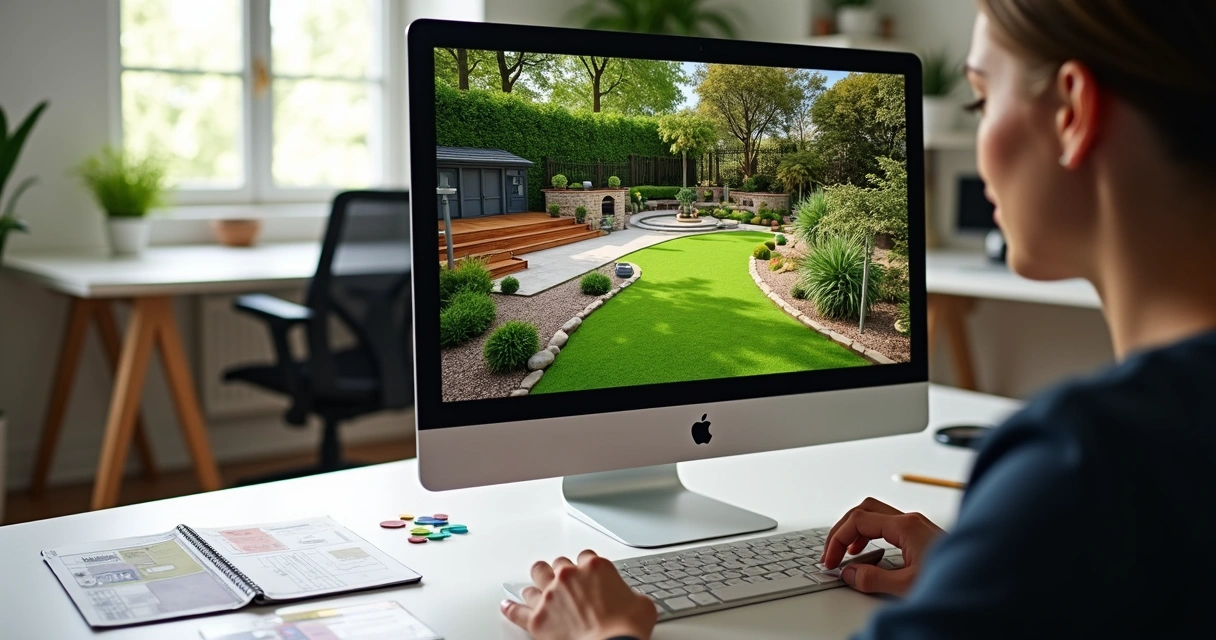
This is where the “magic” of remote work happens. Once data is collected, designers use advanced software to create a highly accurate model of your property. They incorporate topography, buildings, and existing landscaping. Plants, hardscape elements, lighting—each is placed with precision. You get a 3D visualization that lets you “walk through” your new yard from your computer or phone. In fact, visualization tools are so realistic, studies like urban garden landscape visualization using GIS and remote sensing show these approaches overcome nearly every limitation of traditional design, especially for more complex or urban sites.
Step 4: collaborative revisions
Design is rarely finished on the first try. You’ll review the model and provide feedback—move the barbecue closer to the patio, add more shade, rethink the plant palette. Interactive meetings let you see changes in real time. Some services even offer VR tours, further immersing you in the future space. The entire process is built on clear dialogue.
Step 5: final plans and construction guidance
When you approve the design, you get detailed plans, plant lists, and even irrigation or lighting layouts. These documents are as accurate as if someone had spent hours with a tape measure on-site. If construction or installation is included, contractors can work from these plans—or your local provider can follow them too.
You can see and tweak every detail—before the dirt starts flying.
Accuracy and reliability of remote design
Understandably, many homeowners wonder: is virtual landscape design really as reliable as on-site planning? Surprisingly, in some ways it’s even better for certain projects. Here’s why:
- Data is more precise. Digital measurement tools (like LiDAR, GIS, and photogrammetry) allow for millimeter-accurate mapping that can beat old-fashioned tape measuring. Research in ecological landscape design with 3D roaming technology found that digital tools are especially powerful in capturing site complexities and translating them into actionable plans.
- Visualization leaves less to chance. When you see your design from every angle in 3D, with real-world light conditions and plant growth simulated over time, surprises fade away. You know exactly what you’re getting.
- Communication is documented. With recordings, emails, and visual notes, every suggestion and concern is tracked. This transparency actually prevents misunderstandings that might slip through in more casual, in-person visits.
It’s not that remote design is “better” in every single case. But it’s genuinely reliable—sometimes even more so for urban, suburban, or unique spaces where logistics make repeat on-site visits tough. For more general insights on landscaping benefits, take a look at this comprehensive guide on landscaping techniques.
Human touch in a digital process
People sometimes worry that relying on technology for home and garden design removes the human element. The opposite tends to be true when the designer is experienced. Tools like 3D modeling or virtual meetings turn into bridges, not barriers:
- You talk more often, not less, since communication isn’t limited to a once-a-week visit
- Feedback is immediate, shared “face-to-face” without travel constraints
- Design becomes a true collaboration, not just a hand-off
The right designer listens first, then builds—wherever you are.
Urban Oasis is an example where human connection is put first, whether the project is down the block or on the other side of the country. Every step, from initial sketches to final construction advice, is shaped by client input and open dialogue, adapting to your style and budget all the way.
Technology and sustainability in modern landscape design
Today’s digital tools aren’t just for show. They support sustainability in landscape design, letting homeowners and businesses make environmentally conscious decisions. Research into computer vision and green roof design shows that interactive 3D and VR models do more than look pretty—they help you experiment with native plants, eco-friendly materials, shade patterns, and stormwater solutions long before anything is built.
This careful planning means you can reduce water usage, minimize maintenance, and ensure your new landscape fits your region’s unique climate needs. In fact, digital design and remote collaboration can sometimes avoid waste by preventing “guesswork builds” and the expensive re-dos that can happen with old-school trial and error.
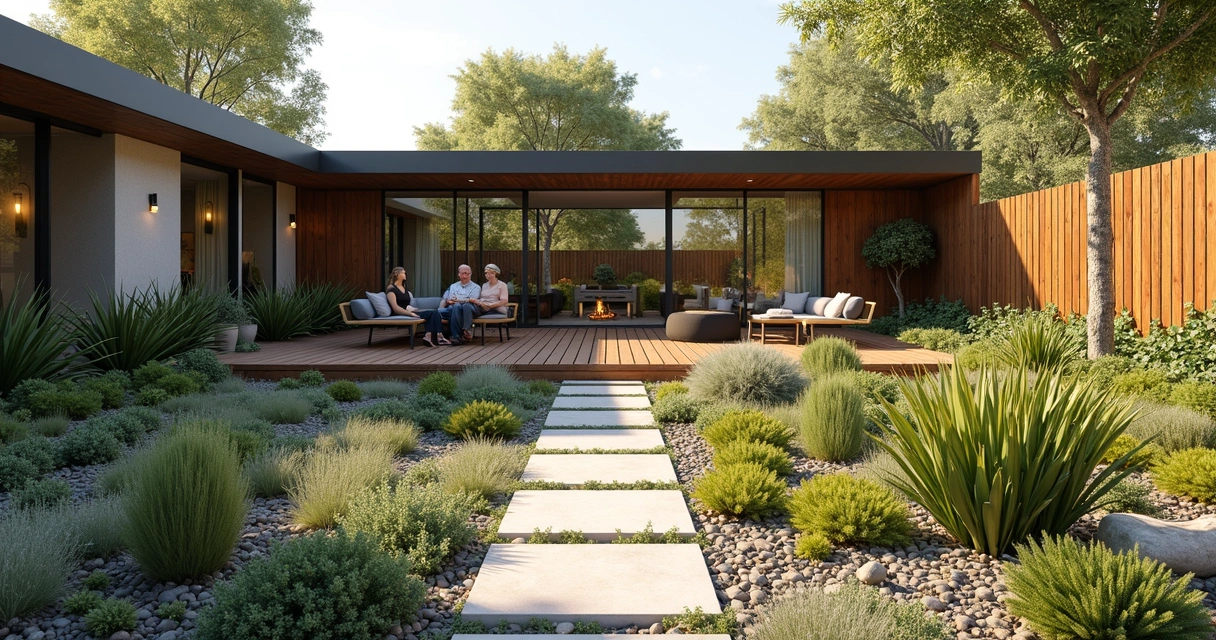
Projects like those led by Urban Oasis often prioritize sustainable choices, helping clients balance luxury with environmental awareness. Each virtual landscape design becomes a chance to build not just for beauty, but for a greener future. For more ideas on entertaining in modern, eco-friendly spaces, see this article on designing outdoor spaces for entertaining in style.
What about unique or challenging properties?
Some properties are trickier than others—think steep slopes, oddly shaped lots, or tight urban spaces hemmed in by tall buildings. These used to demand a designer’s personal site walk. But remote 3D landscaping has special strengths for such scenarios:
- Topographic mapping tools make capturing grade changes and property lines easy, regardless of shape or size.
- Simulation of privacy, wind, and sunlight lets you test different solutions where site lines or exposure are a concern.
- Complex zoning or drainage restrictions are easier to review virtually before expensive mistakes are made on-site.
Technology turns complexity into opportunity.
For those researching difficult terrain or creative possibilities, checking out a collection of landscape ideas can open up new avenues and spark innovative approaches you might never have considered.
Client stories: from consultation to completion
Let’s put it in personal terms. Urban Oasis has worked with clients across the country who never had a designer step onto their lawn until installation day. Remote meetings shaped every step—site photos sent by phone, 3D models shared online, and design reviews by video conference. For example:
- One homeowner in a mountain town wanted a low-maintenance retreat that matched the natural scenery. Using a drone scan and dozens of smartphone photos, the designer pieced together a precise 3D model. The client received a VR walkthrough and approved each version with feedback. The final space needed almost zero changes during installation.
- A small business sought an inviting customer patio, but their city lot came with tough restrictions. Remote 3D design revealed how to work within the setbacks and still deliver a show-stopping first impression. City permits were even easier to submit with detailed virtual plans.
Not every project is simple. There are pauses and detours—maybe a sudden change in planting preference, or a request to add a feature halfway through. But the remote workflow keeps things moving, often with fewer delays than traditional approaches.
The limits of no site visit landscape design
No method fits every single case. Sometimes, remote design does hit a wall. Maybe:
- The property lacks any existing plan, survey, or reliable measurements (though this is rare with today’s tools).
- Unique local factors exist—like endangered habitats, protected trees, or underground utilities that aren’t mapped yet.
- The client simply prefers in-person meetings out of habit or comfort.
Most often, these issues are tackled early, before much work begins. Urban Oasis and many other firms begin every engagement with a candid assessment: can this be done remotely, or would a site visit actually save time and money in the long run? The good thing is, with current digital tools, those “deal breaker” cases are becoming fewer each year.
What clients need to make remote landscape design work
If you’re thinking about a remote design process, how can you prepare? It’s easier than you might think, but a few things help:
- Make the time for a thorough discussion with your designer.
- Gather accurate site data: photos, dimensions, surveys, and wish lists.
- Share inspiration images, links, or sketches that convey your taste and ideas.
- Stay involved: regular feedback means a better end result.
Even if you aren’t a tech expert, a good designer or design team will walk you through every step. The process adapts to your comfort level.
You bring the vision—technology and expertise do the rest.
The real value: transparency, flexibility, and creativity
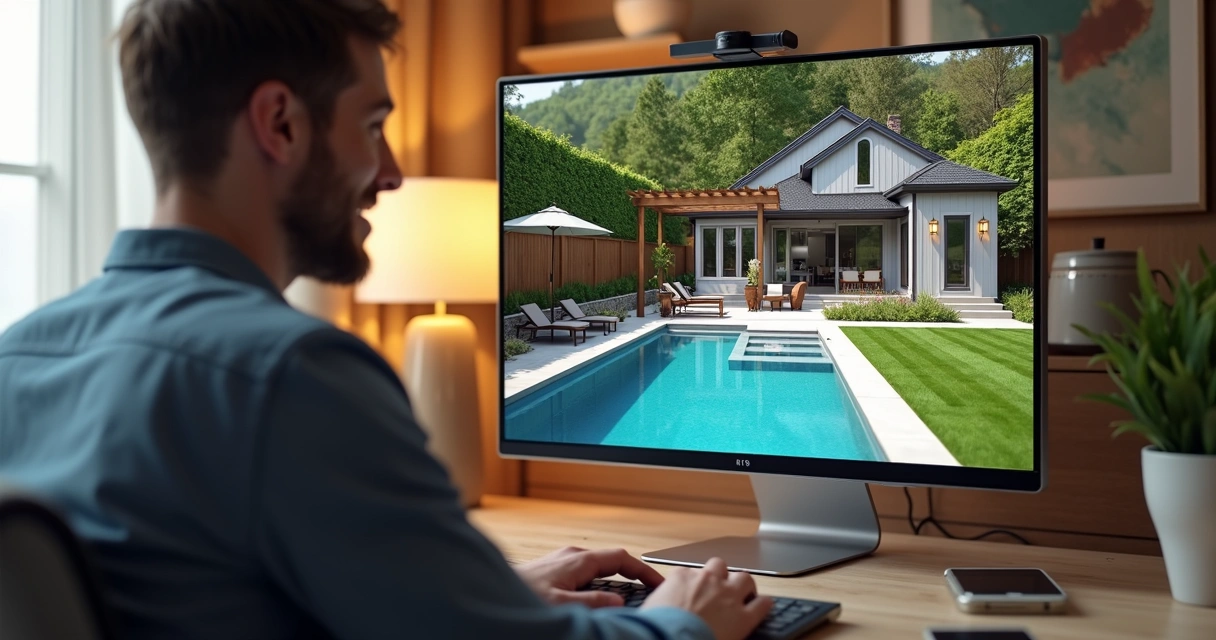
The real secret behind the popularity of virtual landscape design? It puts control and creativity in your hands, letting you make informed decisions with zero pressure. You see, tweak, revise, and (crucially) imagine before the ground is ever broken. Plus, the cost often ends up lower—remote design means less travel time, faster revisions, less overhead. There’s also growing evidence, like research on digitized landscape architecture under edge computing, that digital technologies can improve aesthetic results, boost interactivity, and add intelligence to your planning process.
For those curious about new trends and want to browse ideas, you’ll find plenty of practical stories and inspiration on this landscaping resource page.
So, why not try remote 3d landscaping?
Old habits fade slowly. There’s still a certain comfort in walking a property with a designer by your side. Yet, as technology keeps evolving, virtual services provide a new kind of peace of mind—where every detail is seen, shared, and signed off with confidence, all from wherever you happen to be.
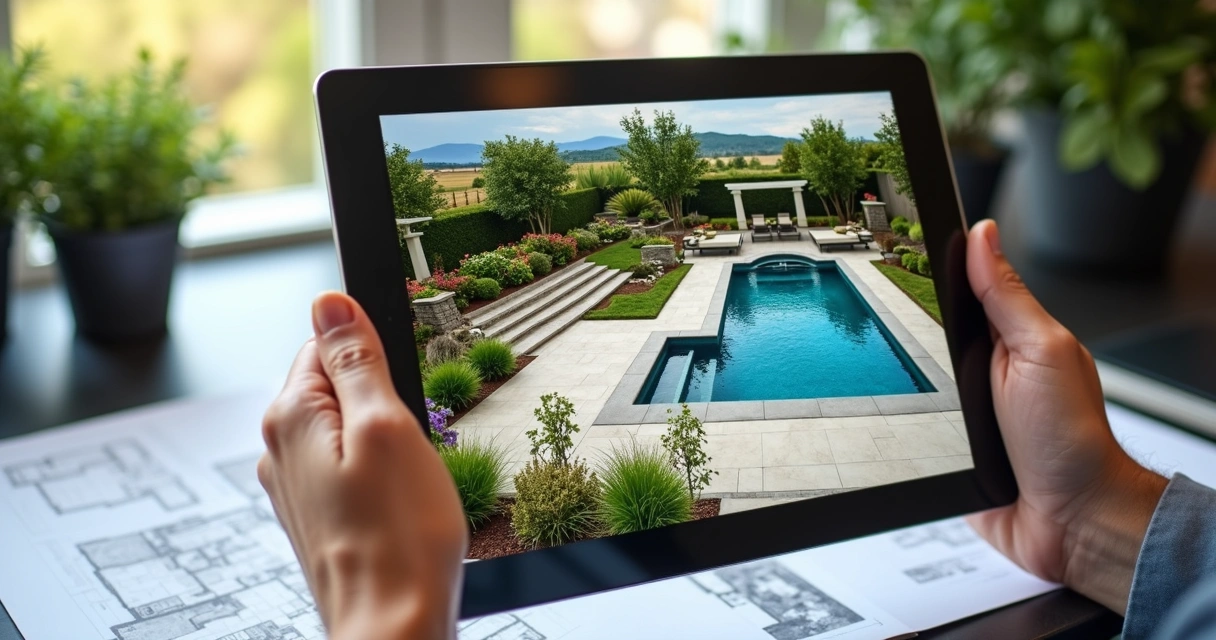
If your dream is a backyard paradise for summer barbecues, a peaceful retreat to unwind after work, or even a standout commercial landscape that draws admiring glances, the process now fits around your lifestyle—not the other way around. Urban Oasis stands ready to help you see, shape, and realize your vision from afar, always combining the best of technology and human expertise for each project.
Take the first step. See your future space—before a single stone is laid.
Ready to reimagine your outdoor environment? Let Urban Oasis guide you, wherever you are. To talk with a designer or learn more about how virtual landscape design could work for you, fill out our quick form below. Step into a smarter, more creative approach—and let’s make your dream landscape real.
Frequently asked questions
What is virtual landscape design service?
Virtual landscape design service is an approach where professional designers create and present custom outdoor plans without the need for an on-site visit. Using photos, videos, measurements, and digital tools, designers build detailed 2D or 3D models of your property. Communication happens through phone, email, or video chat, and plans are shared digitally for client review and approval.
How does remote 3D landscaping work?
Remote 3D landscaping combines your site data (photos, layouts, surveys) with digital modeling software to create precise, interactive representations of your property. Designers use your preferences and measurements to build a realistic virtual version of your outdoor space, which you can view, adjust, and approve—all online. The process is collaborative and flexible, allowing for revisions and questions at every step.
Can I design my yard without a visit?
Yes, it is very possible to design your yard without a physical site visit. As long as you can provide accurate measurements, good quality photos, and a clear idea of what you want, designers can create detailed plans using modern 3D modeling tools. Remote projects are common, especially for people who want expert design from companies outside their local area.
Is remote landscape design as effective?
Remote landscape design is often just as effective—and sometimes even more precise—than traditional in-person design. Studies have shown that 3D visualization improves client satisfaction and reduces mistakes (as seen in research on digital landscape design). The key is clear communication, accurate data, and skilled use of technology by your design team.
How much does online landscape design cost?
Costs for online landscape design vary depending on project size, complexity, and level of detail required. Generally, virtual services can sometimes be less expensive due to reduced travel time and overhead. Simple concept plans might cost a few hundred dollars, while full 3D modeling and construction documents may cost more. Ask your chosen provider—like Urban Oasis—for a tailored quote based on your needs and space.