

Walk outside during a heatwave. The world feels quieter. Flower beds wilt. Bees are missing from their favorite lavender bushes. Drought grips everything, from lawns to wild prairies, and in the background, nature’s tiniest helpers face a hard test.
Yet, gardens can be designed with hope in mind—even in the middle of heat and drought. By weaving corridors of native, water-wise flowers and rethinking what “lush” really means, both homes and businesses can become sanctuaries for pollinators.
Even in harsh summers, pollinator paths can thrive.
This isn’t only about beauty. It’s about survival—of bees, butterflies, hummingbirds, and the plants (including food crops) they support. Projects like Urban Oasis champion sustainable outdoor design, turning even challenging environments into places that invite nature in, not keep it out.
Why pollinators need resilient refuges
Pollinators move through landscapes in search of nectar, pollen, and, quite frankly, a safe place to rest. They are the link between blossoms and the fruit and seeds that keep ecosystems and pantries full. As droughts become frequent and heatwaves roll in, these small creatures face shrinking habitats and fewer forage options just when they need them most.
What happens then? Yards and public greenspaces with nothing but thirsty turf grass or scorched annuals offer little. Air shimmers over empty patios. The hum of bees fades, replaced by silence.
But here’s a secret: With a bit of planning, gardens under heat stress can still hum with vitality. Drought-tolerant plantings, chosen for their nectar and pollen, can transform not just private yards but also business frontages and apartment courtyards.
At Urban Oasis, this approach is core to every project, especially for clients seeking low-water landscaping ideas that still support wildlife.
The science of pollinator drought-friendly landscapes
When rainfall drops and temperatures rise, pollinator-friendly flowers wither quickly unless carefully chosen. Native plants, many with deep roots and waxy or fuzzy leaves, evolved over centuries to persist through extremes.
Data from California Sagebrush and Desert Globemallow document survival adaptations: silvery foliage to reflect light, low growth profiles, and precise blooming times.
By inviting these and similar species into your outdoor spaces, pathways emerge—not just for people or pets, but for the creatures whose flights bind nature together.
Let’s break down what a pollinator-supportive, drought-adapted pathway can offer:
- Beverage oases for bees and butterflies—yes, water really matters
- Native shrubs and perennials blooming in brutal July days
- Tidy, layered plantings that offer both beauty and ecological support
- Continuous “corridors” of habitat, weaving through even small yards
Understanding which plants survive—and why
It’s tempting to try every new flower seen at the nursery, hoping something will thrive. But for long-lasting pollinator corridors, native plants and climate-adapted exotics are the backbone.
- California Sagebrush: Silver-green, aromatic, nearly untouched by drought.
- Desert Globemallow: Orange blooms, fuzz-covered leaves to trap moisture, pollinated by native bees.
- Baja Fairy Duster: Red bursts of flowers, attractive to hummingbirds, survives sun and neglect.
Other species—think Salvia greggii, coneflowers, Russian sage, blackfoot daisy, and penstemons—offer multiple weeks of blooms, an extended menu of nectar, and resilience in harsh conditions.
For more inspiration on drought-tolerant selections, the low-water landscaping ideas for beautiful, sustainable Texas yards article by Urban Oasis can be a great resource.
 Designing the pollinator corridor: steps for lasting success
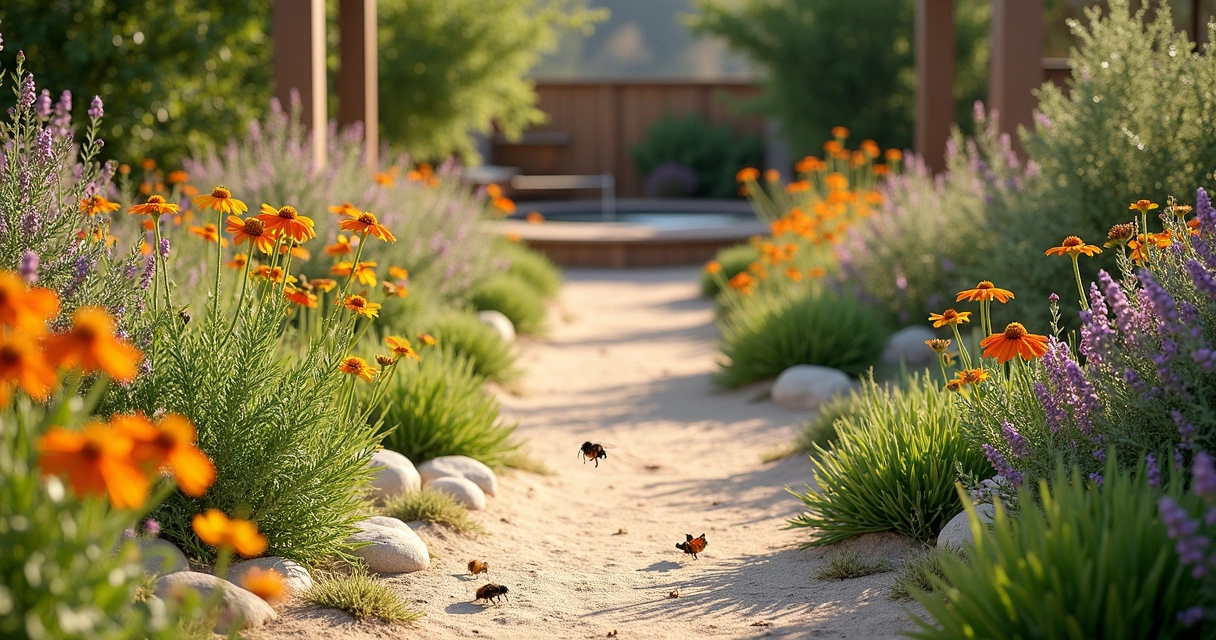 Designing the pollinator corridor: steps for lasting success
Building a continuous corridor is equal parts artistry and attention to life’s little needs. There’s no “correct” template, but these guiding principles help.
- Start with local contextWhat grows naturally in your area’s meadows and hills? Use local plant guides or consult landscape professionals.
- Inquire about local pollinators—their peak seasons and foraging habits.
- Plan for overlapping blooms and forageJoining spring, summer, and fall flowers ensures no hunger gaps for bees or butterflies.
- Structure bloom times and heights so there is always food from early spring to late summer—even in a tough July.
- Design for layers—ground, shrub, canopyLow groundcovers like creeping thyme fill spaces and offer nectar.
- Mid-layers of globe mallow or sage create richness and depth.
- If possible, a small tree or taller shrub like redbuds can add shade and shelter, too.
- Hydration stations matterShallow dishes with pebbles, simple birdbaths, or even a well-designed garden stream can save hundreds of thirsty bees. Research has highlighted the need for water sources in bee hydration stations during hot periods.
- Minimize thirsty lawns and non-native exoticsEvery patch of traditional turf removed is a win for water conservation and pollinator support.
- Replace exotic ornamentals that offer no nectar or pollen with tougher, flowering choices.
- Keep pathways connectedThink through the “journey” a bee might take from one bed to another. Aim for as few interruptions as possible.
Sometimes it seems like a lot to consider, but each small change really does matter. Pollinator corridors can weave through patios, decks, and even between pavers, as seen in many Urban Oasis installations.
Microclimates, mulch, and mistakes we learn from
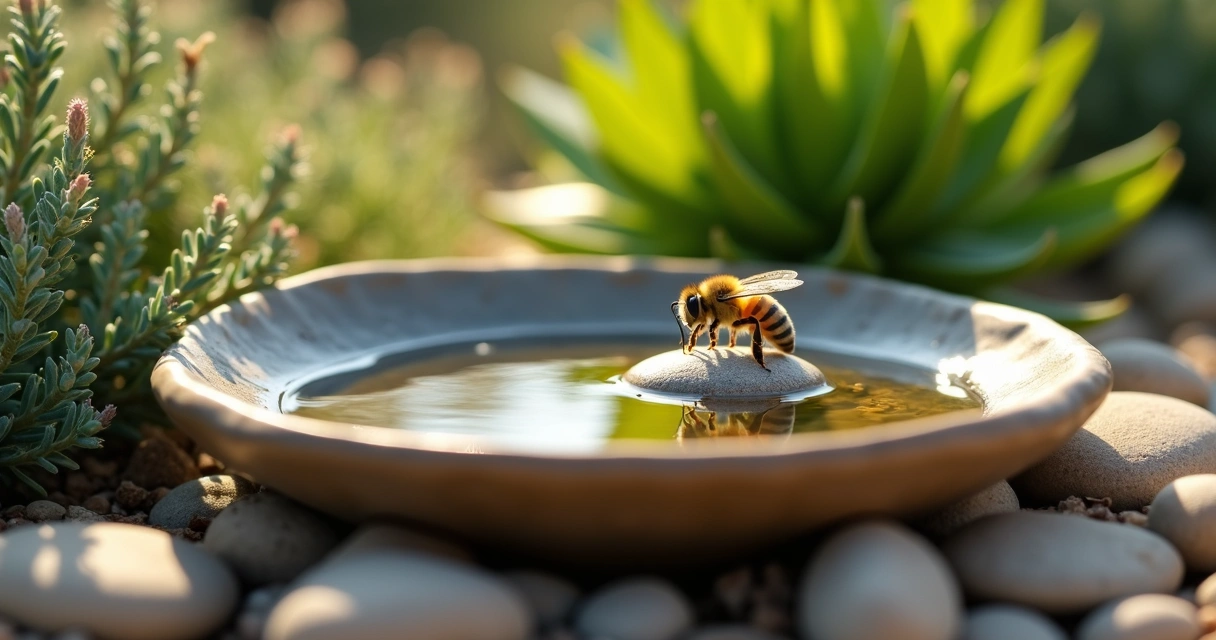 Microclimates, mulch, and mistakes we learn from
Every yard tells its own story. Some spots fry under afternoon sun, while others bask in gentle morning shade. Observing these microclimates is key. Not every patch of earth works for every plant, and sometimes we misjudge—it keeps gardeners humble.
- North-facing beds may hold onto water longer but offer less sunlight for blooms.
- South- or west-facing areas demand only the hardiest, full-sun species.
- Tuck tender plants in partial shade or near hard features (like walls) for heat protection.
Mulch helps. But use organic types—wood chips, shredded leaves, or even stones—spread 2-3 inches deep. This slows evaporation, protects roots, and discourages weeds, all of which take pressure off pollinator plants fighting through the hottest months.
Mistakes will happen. Plants die, some flourish unexpectedly. Gardening is a conversation, not a command. That mindset shapes every Urban Oasis project—listening, adjusting, and learning alongside the land and its creatures.
More insights, including how to help new plantings recover from heat shock or stress, can be found in resources like the Urban Oasis guide to recognizing plant shock after stress.
Heat-tolerant nectar and pollen sources that never quit
Any list can only scratch the surface, but certain heat- and drought-adapted plants prove themselves year after year. Here are a few options, organized by color and function—known for supporting bees, butterflies, and even hummingbirds even as the world bakes around them:
- Blues and purples: Russian sage, mealycup sage (Salvia farinacea), globe thistle, lavender
- Reds and oranges: Desert globemallow, blanket flower, penstemon, flame acanthus
- Whites and yellows: Dotted gayfeather, blackfoot daisy, prairie zinnia
All of these have something in common—a steady dance with heat. Bees and butterflies come not just for color, but for the nectar hidden inside.
- Wildflowers: Mix up native seeds on untended patches—for example, coneflowers and coreopsis for sunny conditions, evening primrose for dusk pollinators.
- Flowering shrubs: Desert willow, Baja Fairy Duster, and turk’s cap provide both flowers and habitat for nesting or resting pollinators.
- Low perennials: Sedum, creeping germander, and verbena work well at the edges of paths and patios, even where watering is minimal.
Continuous bloom: bridging July’s toughest days
July tests gardens like no other month. Many spring or early summer flowers are spent, and even sturdy shrubs can pause blooming. Yet, some plants dig deep and keep offering:
- Texas lantana (Lantana urticoides): Orange and yellow splashes, loved by butterflies, with a tenacious attitude to drought.
- Purple coneflower (Echinacea purpurea): Long bloom time and tough leaves.
- Blackfoot daisy (Melampodium leucanthum): Dainty, white, smelling like honey, surprisingly robust against heat.
- Salvia greggii: Blooms right into fall, allowing bees to forage late in the season.
- Autumn sage, Russian sage: Both are almost unbothered by droughted soil.
This overlapping tapestry of bloom means that pollinators never find an empty table, not even in the hottest weeks. In fact, when you notice bees clustered in shady corners around a solitary blossom, you realize how each cluster matters.
Low-maintenance strategies: keeping corridors going all summer
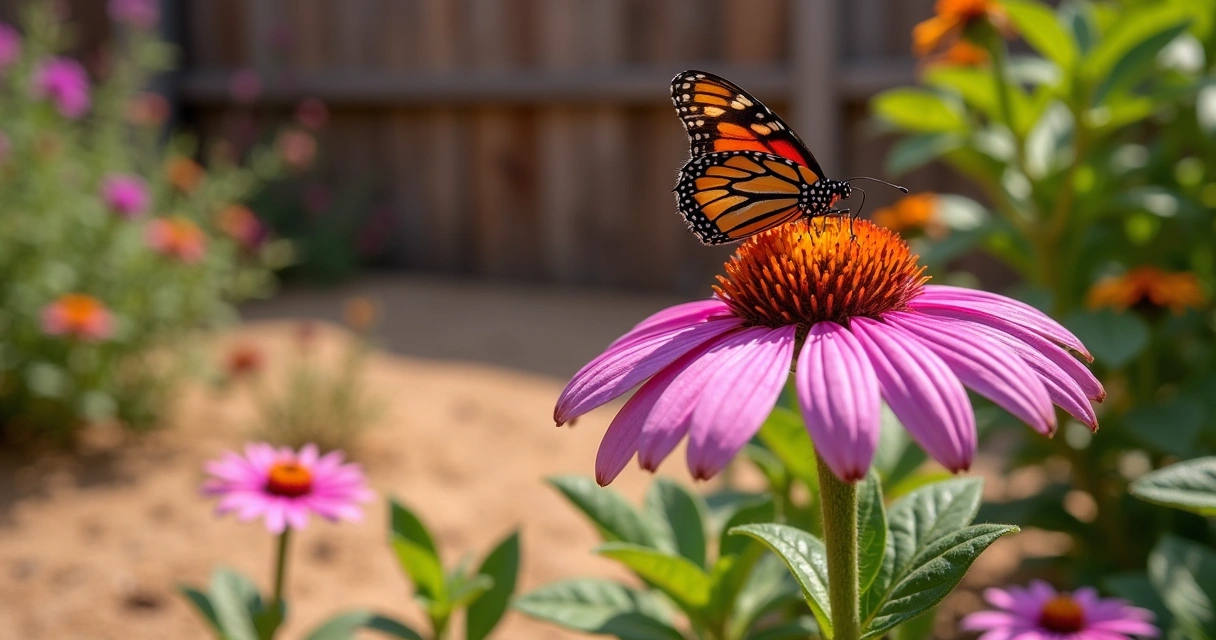 Low-maintenance strategies: keeping corridors going all summer
Realistically, nobody wants to water endlessly through a drought. The right design will almost take care of itself—once established, deep roots search out the moisture that remains.
- Choose young plants or plugs instead of seeds for the most drought-tolerant species. They root faster and cope better with stress.
- Water deeply but infrequently; train roots to follow the water down, rather than hovering at the surface.
- Add organic matter (compost or shredded leaves) at planting to improve soil structure, allowing for better water retention and aeration.
- Consider less flashy, but reliable, “filler plants” like native grasses—sideoats grama or little bluestem—between flower clusters. These support soil health and provide cover for ground-dwelling pollinators.
- Remove weeds early and often. They steal water and crowd out the slow-growing friends.
- Take a gentle pause with trimming or deadheading during peak stress periods; some seed heads feed pollinators, and stress-flowering can be common.
For curious gardeners wanting to know even more, Urban Oasis regularly shares expert guidance on plants adapted to harsh conditions and practical steps for lawn and gardening in the heat.
Connecting design to daily joy (and resilience)
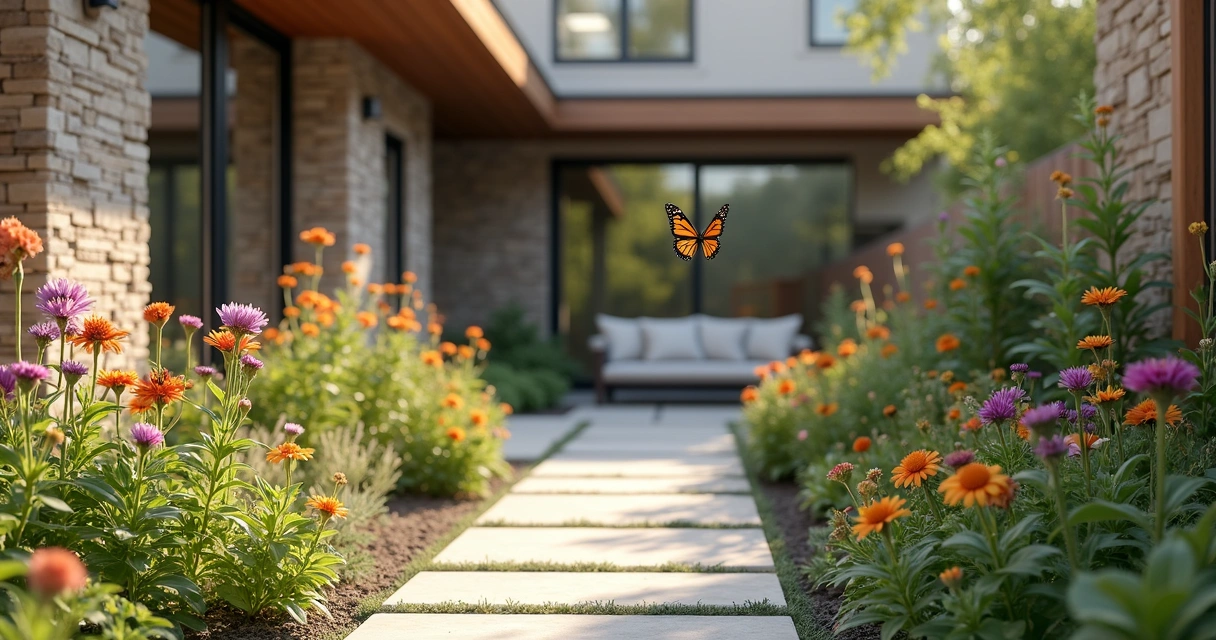 Connecting design to daily joy (and resilience)
Something changes when a garden is alive with movement, not just color. Kids watch butterflies, neighbors pause at flowering hedges, clients smile at a patio that buzzes (gently). The rewards go far beyond how things look.
- Pollinator corridors mean less watering, fewer chemical inputs, and overall lower maintenance.
- They also help build local resilience—if each yard or business adds a few feet of habitat, the collective benefit is massive.
- Community projects and shared spaces are powerful, but even a single patio planter makes a difference.
Urban Oasis brings people and pollinators together, proving daily that modern environments don’t have to leave nature behind.
Mistakes, changes, and the humble gardener
Perfection isn’t the real goal. Every garden changes—plants get swapped, ideas evolve, new blooms appear unexpectedly. Sometimes, a carefully picked plant fails in a corner you thought was perfect. Other times, a wild bee discovers a lone aster and keeps coming back.
There is always room for another wildflower.
Gardening for pollinators in drought and heat is not about formulas; it is about patience, a bit of trial and error, and joy. The finished look is often more fleeting than we expect. That’s okay.
If you want expert advice or wish to see how sustainability can coexist with luxury and function, Urban Oasis is ready. Our team listens to your story and helps shape it into spaces that sing with life—even when the summer is cruel.
Conclusion: open your doors to real resilience
Gardens that support pollinators, even through heat and drought, do more than survive. They create tiny sanctuaries, foster daily wonder, and give back to the world that gives so much to us. The hum of a bee, the flash of a butterfly’s wing, the scent of sage on a dry morning—these are signs of hope.
If you want to experience this kind of natural abundance and resilience, Urban Oasis can help. Fill out our simple form and begin your journey to a garden that welcomes both people and pollinators, no matter what weather comes next.
Start your pollinator-friendly garden journey with us today.
Frequently asked questions
What is a pollinator drought garden?
A pollinator drought garden is an outdoor area planned and planted to attract and support pollinators such as bees, butterflies, and hummingbirds, using mostly plants that thrive on little water and tolerate intense heat. These gardens are made up of native and climate-adapted flowers and shrubs that provide nectar and pollen even during periods of drought, creating a welcoming place for pollinators when they need it most.
How do I create a drought-resistant pollinator garden?
The best way to start is by choosing native or climate-adapted flowering plants known for handling dry, hot conditions. Plant them in layers for different types of pollinators, include a mix of blooming times, and group them so that each cluster becomes a “way station” along the corridor. Use mulch to protect soil, add shallow water sources, and avoid using pesticides. Over time, focus on deep, infrequent watering to help plants send roots down for long-term survival.
What plants attract pollinators during drought?
Tough plants with deep roots or water-saving features are perfect for attracting pollinators during drought. Standouts include California sagebrush, desert globemallow, Baja fairy duster, blackfoot daisy, Russian sage, penstemon, coneflower, and lantana. Many native wildflowers and shrubs offer continuous blooms through periods of stress, keeping pollinators fed even on the hottest days.
Is a drought-tolerant pollinator garden worth it?
In my experience, yes—they bring real rewards. You use less water, support local wildlife, and enjoy outdoor spaces full of life even when conditions are tough. These gardens are often easier to care for once established, and seeing pollinators flourish in your yard or business setting just feels good. Drought-tolerant pollinator gardening is both practical and meaningful, with lasting environmental benefits.
How can I help pollinators in heatwaves?
You can help by providing sources of clean, shallow water using bee hydration stations or birdbaths with rocks for safe perching. Make sure part of your garden blooms during the hottest months using plants adapted to your region. Offer areas of shade, especially for butterflies, and reduce or pause use of chemical sprays. Every small refuge adds up during heatwaves.