

Saharan dust may seem far away—something that drifts over distant lands. But the truth is, it lands in gardens all around the world. Sometimes quietly, sometimes in dense orange clouds. And when it comes to our outdoor spaces, this silent traveler changes more than just the look of a patio table. It touches every leaf, every petal, every inch of soil.
Is that just poetic? Or is there real science in the story Saharan dust tells? If you’re curious, or maybe concerned, about how transcontinental dust affects plant health, soil, and the quiet ecosystem in your yard, this article is for you.
And if you’re someone who treasures their slice of the outdoors—whether designed by your own hand or with the help of a project like Urban Oasis—knowing how to respond to this unusual visitor might just change the way you see your garden.
Let’s see where the dust settles.
Where the dust comes from and where it goes
Some days, the sky takes on a muted hue. Not quite cloudy, not just humid. That’s often when Saharan dust clouds are on the move, spanning the ocean, touching down far from home. The story starts in the Sahara Desert—a region bigger than the United States—where dry winds stir up immense plumes of fine sand and minerals.
This dust is more than dirt. It’s loaded with minerals like phosphorus, calcium, potassium, and iron. It’s carried by trade winds for thousands of miles. The Atlantic, the Caribbean, the Americas—the dust keeps traveling, sometimes even circling the globe. According to the Food and Agriculture Organization, these storms have become more frequent and intense, threatening local environments and agriculture.
And, for the home gardener, this means something both astonishing and a little unsettling. Every summer in Texas, for example, yards see the quiet arrival of this dust. The effect? It’s neither fully good nor bad. It’s complicated.
What saharan dust brings to your garden
Nutrients in the air
Let’s start with the surprising part. Saharan dust is almost like free fertilizer. NASA studies show that the Sahara sends over 22,000 tons of phosphorus across the Atlantic every year—and that’s just to the Amazon! Phosphorus, essential for plant energy and protein building, arrives in your garden thanks to these invisible clouds.
There’s iron in the dust as well. Analysis from The Conversation points out that this iron, especially in its ferrous form, can boost green growth, affecting soil chemistry and supporting the formation of chlorophyll.

But does it always help? Sometimes, too much of a good thing can shift the balance.
The downside: dust as a stressor
While the nutrients can replenish tired soils, Saharan dust also acts as a physical stress. The fine particles land on leaves, blocking sunlight and interfering with photosynthesis. For some delicate plants, especially those not naturally adapted to dusty conditions, this covering can stunt growth, slow flowering, and promote disease.
Worse, dust doesn’t discriminate. It covers everything, including open flowers, young seedlings, and newly mulched beds. The stuff gets into crevices, under mulch—sometimes causing more harm than good.
Sometimes, the dust is both gift and burden.
How the dust affects the yard: air, soil, and everything between
Impact on air quality and human health
If you’ve noticed hazy afternoons or dry throats during dust events, you’re not imagining things. The same tiny particles that drift down on your plants can remain suspended in the air, lowering air quality in your backyard. For people with allergies or asthma, or even just sensitive noses, Saharan dust can make outdoor living less pleasant.
Some home designers, like those at Urban Oasis, pay close attention to these patterns, sometimes suggesting screens, covered patios, or certain planting layouts to create windbreaks against dust movement.
Soil pH and chemistry: subtle shifts
One of the less obvious effects of Saharan dust is on soil pH. As the dust settles, it alters the chemical balance of your garden beds. According to research in Environmental Research and Technology, applying Saharan dust solutions to plant beds can raise soil pH. With pH rising, some plants thrive, while others—especially acid-loving types—may begin to struggle.
So, what does this mean for urban gardens? If your soil already trends alkaline, extra dust can push things too far. If it’s naturally acidic, there could be an unexpected benefit.
How your plants react to saharan dust
Some plants seem untouched, while others wilt, brown, or even die back when dust lingers on their leaves.
Photosynthesis and respiration
Where does plant stress really come from? Dust covers the leaf surface, blocking the stomata—the tiny openings plants use for breathing and water exchange. If this goes on for days, plants become less efficient at producing food. In severe cases, they may stop growing altogether.
- Thick dust layers increase leaf temperature, making water loss worse.
- Blocked stomata reduce uptake of carbon dioxide, slowing growth.
- Dust may also carry pathogens or spores, causing disease outbreaks.
All these factors add up, especially during seasons when Saharan dust is most prevalent.
Are all plants equally sensitive?
Not at all. Some species shrug off the dust, while others quickly show signs of stress. It depends on:
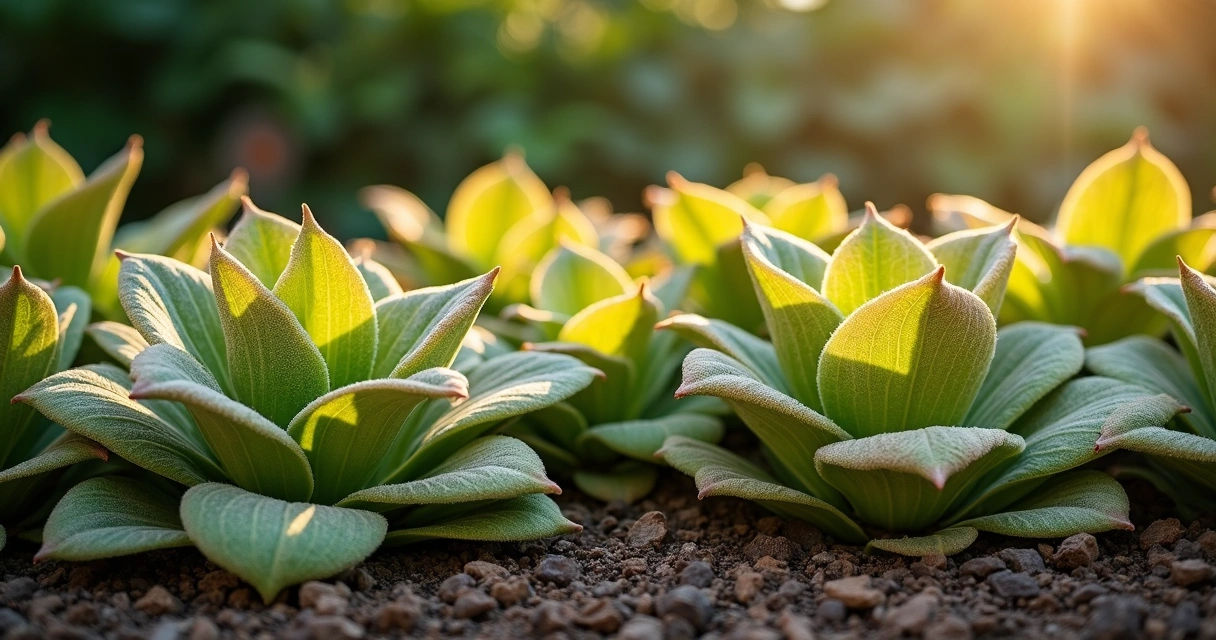
- Leaf texture: Waxy leaves tend to resist particles. Soft and hairy leaves trap more dust.
- Growth habit: Taller plants are more exposed. Compacted, ground-hugging varieties are more sheltered.
- Native adaptation: Plants from dusty, arid regions handle airborne dust better than tropical exotics.
And, it’s not just the plants. The design of your space—windbreak shrubs, shade structures, water features—can all influence the final impact.
Changing your garden habits for dustier days
There’s no way to keep all the dust out—unless you grow your plants in a sealed greenhouse. But simple habit changes make a big difference.
Adjusting watering routines
Dust isn’t just dry—it can actually lower humidity around plants. That’s why, during dusty spells, your regular watering schedule may no longer work.
- Check moisture by feel, not just by schedule. Dust dries the topsoil quickly.
- Water at the base instead of overhead to avoid splashing dust back onto leaves. This keeps leaf surfaces cleaner and helps conserve water. There are plenty of efficient methods to do this, including drip irrigation or simple soaker hoses. If you’re curious about alternatives, you can learn more in these low-water landscaping ideas.
- If leaves are heavily dusted, occasionally rinse with a gentle stream of water early in the morning. This gives them time to dry, lowers leaf temperature, and restores light access. Don’t overdo it, though—too much rinsing can invite mold or disease, as covered in topics like slime mold in mulch.
Mulching and ground cover
Dust settles faster where soil is exposed. Think about ground covers, mulch, or naturalistic lawns to keep soil moist and cool while adding an extra filter for airborne particles.
Sometimes the simplest solution is just a layer of bark, shredded leaves, or gravel—each catching dust before it reaches the roots. It’s an approach that Urban Oasis often uses in designing gardens that are both practical and beautiful, especially for high-traffic yards.
Cleaning and leaf maintenance
Some folks gently wipe sensitive plant leaves with a damp cloth, especially broad-leaved houseplants brought outdoors for the summer. For large beds, a soft spray works better.
But sometimes it’s just about waiting. After heavy rains, much of the dust washes away and things look as green and fresh as ever.
Choosing the right plants: dust resistance and resilience
Not all gardens are alike, and not every gardener wants the same look. But some plants are better suited for dust-prone environments—either by evolving naturally in dry, windy places or simply by having physical traits that make them less vulnerable.
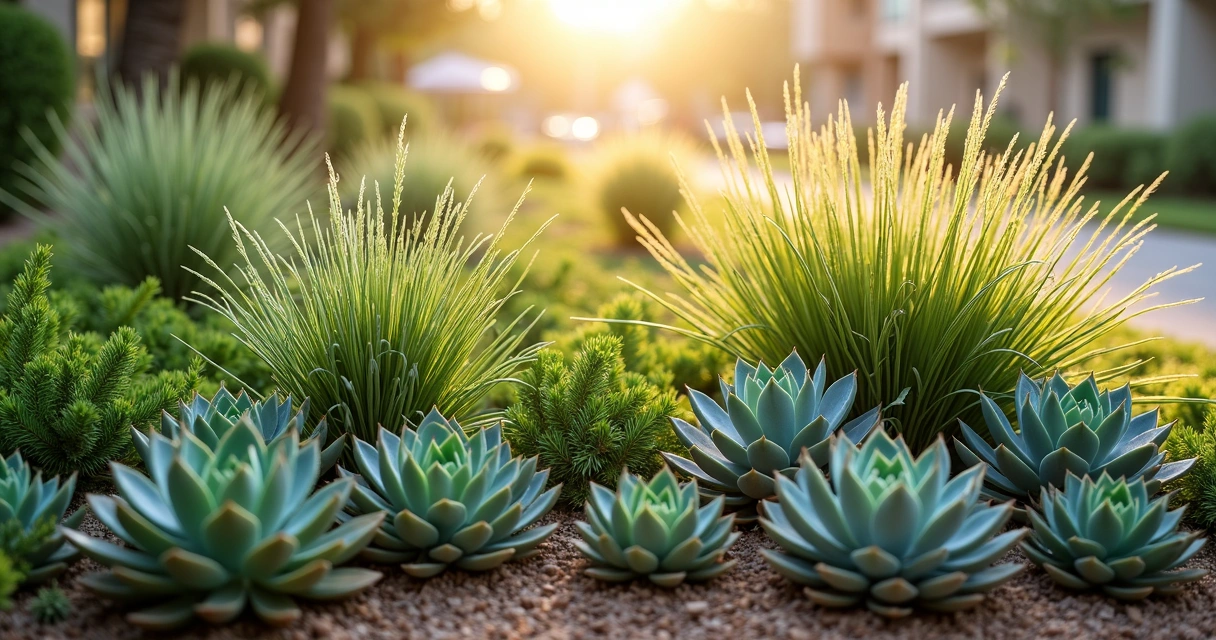
- Succulents and cacti: Waxy, tough, and forgiving. Dust slides right off.
- Ornamental grasses: Resilient to wind and airborne particles. Their movement sheds dust.
- Evergreens with narrow or needle-like leaves: Pines, yews, junipers, and similar types are less likely to trap airborne particles on flat, sticky surfaces.
- Native species: Plants adapted to local climate and periodic droughts are naturally more resistant.
- Certain groundcovers: Think vinca, creeping Jenny, liriope—thick mats create their own micro-barriers against the dust.
When planning a yard with Urban Oasis, dust tolerance sometimes guides plant selection, especially if your city experiences regular seasonal dust events. And if you’re starting from scratch, repeating color or texture with dust-resistant plants gives the outdoor space a consistent, low-maintenance feel.
Soil hygiene: improving the ground, not just the air
“Clean” soil is a moving target—even more so when you add dust from halfway around the world. Saharan dust can both help and challenge soil health.
Soils benefit from minerals (but not always)
There’s strong evidence that mineral-rich dust can rejuvenate poor soils. University of Miami studies have quantified how dust enriches Amazon soils with phosphorus and other key nutrients, making rainforest growth possible where natural sources are scarce.
In conventional backyards, much of this mineral input is a bonus—especially in sandy, acidic, or heavily used plots. But sometimes, the effects stack up in less expected ways.
- If your soil is already high in calcium or alkaline in reaction, repeated dusting can tip pH past a comfortable point for some garden favorites, like azaleas, blueberries, or camellias.
- Heavy-metal enriched soils may see benefits from Saharan dust irrigation, as reported in Environmental Research and Technology. The dust can help remediate some pollutants and raise pH to safer levels.
Routine actions to support soil health
Even with all these moving pieces, there’s plenty you can do. If you want to keep your garden healthy when Saharan dust events are common:
- Test your soil every few years, especially for pH and nutrient levels. Simple home kits are usually enough, and regular results help you spot changes over time.
- If soil pH is climbing, add organic matter like peat moss, composted leaves, or pine needles to gently buffer the effect.
- After intense dust events, scratch the soil surface lightly. This incorporates minerals and breaks up any surface crust, making water and oxygen available again.
- Monitor plant stress. Sometimes stress shows up in odd ways: slow blooming, dull leaves, unexpected yellowing. Not sure what’s normal? You might find guidance in resources about plant shock signs.
- Maintain good hygiene: Remove and compost fallen leaves, dead stems, or excess dust where possible to prevent mold and disease.
Making the most of your outdoor oasis
You might think the best response is to seal up your home, avoid the yard, or bring in only “perfect” plants. But that misses the messy beauty of outside life. Dust comes and goes. Some seasons are easier than others.
Gardeners and landscapers have always found creative ways to shape and care for their spaces. With a project like Urban Oasis, the focus is on making outdoor living possible—and enjoyable—whatever the elements bring.
Sometimes that means dreaming up a shady nook, where dust can’t quite settle. Sometimes, it’s building a deck that’s easy to clean, or planting tough, dust-shedding shrubs along the garden edge. Sometimes, it’s simply accepting that a little dust is a sign of a world that’s always moving, always breathing, always changing.
Above all, keep in mind that the effects of airborne dust—from nutrients to leaf stress—are never uniform or completely predictable. Gardens respond in surprising ways. Our role is to notice, adapt, and enjoy whatever the wind has to offer.
Feeling inspired to transform your own outdoor space? Whether it’s calming a patchy yard or building a spot where dust is only a distant worry, Urban Oasis is ready to help. Fill out the form below to start turning ideas into reality—and let’s build a garden that thrives, dust and all.
Frequently asked questions
What is Saharan dust and how does it affect gardens?
Saharan dust is made up of fine mineral particles swept up from the Sahara Desert and carried across continents by strong winds. When it reaches gardens, it can be both helpful and challenging. These particles bring nutrients like phosphorus, calcium, and iron, which can support soil fertility and plant health. However, the dust also settles on leaves, blocking light and hindering photosynthesis, and can subtly alter soil pH, making it slightly more alkaline. So, in real terms, Saharan dust changes how your plants grow and how you care for your yard, sometimes for the better, sometimes with added challenges.
How can I protect plants from Saharan dust?
There’s no single solution, but you can protect your plants in several ways:
- Choose dust-resistant species like succulents, ornamental grasses, or evergreens with waxy or needle-like leaves.
- Rinse affected plants gently with water in the morning to remove dust from leaves, but avoid over-wetting.
- Rely on mulches or living ground covers to minimize bare soil exposure and keep roots cool.
- Water directly at the soil base to avoid splashing dust onto foliage.
- Arrange plantings and other landscape features to create windbreaks, reducing how much dust reaches sensitive areas.
Regular habits like soil testing and removing excess debris also keep your garden resilient in dusty seasons.
Does Saharan dust improve garden soil health?
In many cases, yes. Saharan dust adds trace minerals—especially phosphorus and iron—that can supplement poor or depleted soils. NASA data points to these minerals as key elements in maintaining the fertility of places like the Amazon. However, too much mineral input can eventually raise soil pH or cause nutrient imbalances. It’s helpful for most gardens, but keeping an eye on soil chemistry (with periodic testing) prevents unwanted surprises.
Can Saharan dust harm my vegetables?
Vegetable crops may be more sensitive to dust when they’re young or if their leaves are soft and broad. Persistent dust on leaves reduces photosynthesis and may introduce harmful pathogens, impacting overall yield and quality. On the other hand, the extra mineral input can help long-term soil fertility, as long as you rinse produce thoroughly before eating. In general, most adult vegetable plants survive brief dust events, but ongoing dusty conditions call for extra care—especially with watering, cleaning, and choosing the right varieties.
How often does Saharan dust reach gardens?
The frequency of Saharan dust events depends on your location and season. In the southern United States, especially Texas, these events are most common from late spring through summer, sometimes occurring several times a month. Across the Caribbean and South America, they follow seasonal wind patterns. Changes in global climate seem to be increasing both the frequency and intensity of dust movement, as highlighted by reports from the FAO. Watching regional weather forecasts is the best way to predict incoming dust and prepare your yard in advance.
For more tips on making your yard stronger against environmental stress, visit our articles on lawn and gardening care or check out the benefits of organic lawn care.
Urban Oasis is here to help your outdoor space thrive, no matter where the winds blow from. Let’s create the garden you deserve—together.