
If you have ever transformed your backyard or commercial frontage, you already know how easily costs and timelines can run wild. You start off confident, but by the second week, surprises pop up. Incorrect measurements. Materials you didn’t expect. Maybe a deck that “looked right on paper.” Lost weekends. Tempers. And that’s before the weather gets involved.
But what if planning could prevent most of those surprises before even the first shovel breaks ground?
That’s the promise of 3D landscape design. Not magic. Just better thinking further ahead.
Why traditional landscaping plans often fall short
Classic blueprints, sketches, and standard CAD drawings—these have guided landscaping projects for decades. And they still do the job for some. But let’s be honest, for most homeowners and even experienced contractors, 2D drawings feel flat. Incomplete.
- Perspective is limited—it’s tough to imagine real height or depth.
- Clients can’t “walk through” the design; misunderstandings are common.
- On-site surprises often result, leading to costly mid-project changes.
And every time a project has to be paused so something can be adjusted on the fly, cost ticks up and frustration mounts. The limitations of flat planning can quickly translate into unnecessary spending and time lost.
How 3D landscaping flips the script
With 3D landscaping, you don’t just see your future outdoor space. You experience it—before committing to construction costs or long timelines.
“See it before you spend for it.”
This three-dimensional approach means your outdoor vision comes alive in digital space first. Paths, decks, gardens, pools, and every detail can be reviewed and fine-tuned. Potential problems are easier to spot, and everyone—the homeowner, the designer, and the builder—is on the same page.
This process, as adopted by teams like Urban Oasis, puts a real focus on every detail, adapting design to each client’s unique style and budget, building trust while saving both time and money.
Key ways 3D design changes the game
- Instant visualization: You see a realistic version of your future space, so you can tweak before you build.
- Easy revisions: Change your mind? Tweak the plan without expensive on-site demolition or delay.
- Materials clarity: Precisely estimate what’s needed before orders go through, cutting out over-buying or supply trips.
- Spotting errors: Catch missteps in grade, steps, drainage, or safety that might have otherwise required “fix-its.”
From dream to ground: how 3D modeling streamlines every stage
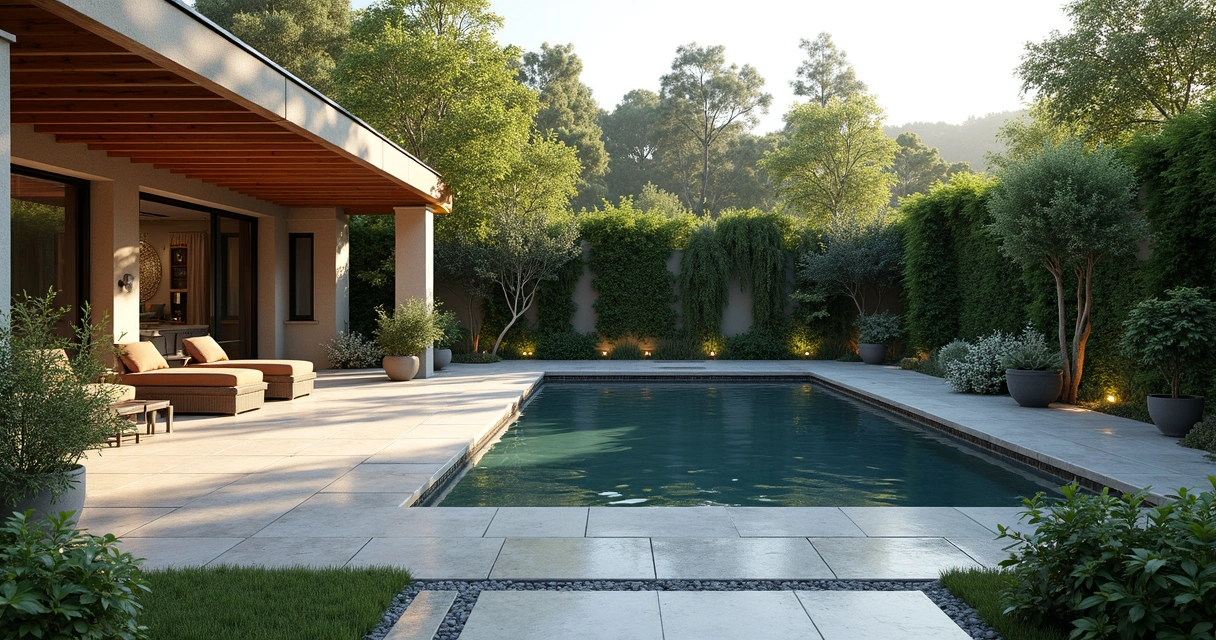
A real-life story: One Urban Oasis client wanted a modern patio with a natural pool and elegant lighting. The sketches looked lovely, but after the first 3D walkthrough, something felt off. The pergola’s shadow fell directly over the seating area at their favorite time of day. The garden beds clashed with foot traffic from the pool. Easy fixes—in the model—but a nightmare if discovered during actual construction.
This isn’t just about convenience—it’s about transforming a process full of “oops” and “maybe next time” into something streamlined, even enjoyable. And yes, proven to save money and effort.
What the research shows
- According to the Federal Highway Administration, 3D engineered models significantly sharpen accuracy and reduce errors, which leads to real cost savings in construction projects, especially as project scale grows.
- A peer-reviewed study confirms that using digital construction methods slashes both expenses and construction periods. The result? Fewer costly on-site corrections.
- Statistics from the U.S. Bureau of Labor Statistics show a sluggish productivity rise for years—hinting at just how much room there is for smart planning tools like 3D design to help us catch up.
Breaking down the cost savings: where the money actually goes
If you’re wondering how 3D planning converts into more dollars in your pocket, let’s spell it out. There are several clear ways homeowners benefit during landscaping projects:
- Accurate take-offs mean fewer materials wasted. Inaccurate estimates are a main cause of budget bloat. When you can see and count every stone, tile, or meter of fencing virtually, there’s less “rounding up” in your orders. That’s true savings—both on bulk and specialty materials.
- Labor costs stay predictable and lower. Want to save money? Get rid of the “wait and see” factor. 3D landscaping helps teams plan workloads better, sequence jobs logically, and cut out idle days when something needs a rethink.
- Fewer design mistakes = less expensive rework. Picture redoing a deck that’s off by a meter. Or digging up new turf because the irrigation path was wrong. Cutting out new mistakes with sharper advance planning pays off in every phase.
- Project time shrinks, so disruption and rental expenses fall. Shorter timelines mean you pay less for things like skip bins, temporary fencing, or equipment rentals. Your family’s routine (or a business’s customer flow) is less disturbed.
The U.S. Department of Housing and Urban Development estimates that technological moves like 3D design and digital fabrication can bring down project costs by up to 20%—not a number to laugh at. It’s not just generic advice; these are well-documented outcomes now surfacing across the industry.
Greater confidence when adjusting to real-world quirks
You get to “fail” digitally, not physically.
Trees on your boundary. Slopes that seemed smaller on paper than they are in reality. Changes in how sun and shade fall across the space as seasons shift. 3D modeling means these quirks can be represented accurately—and changes made—before anyone breaks a sweat on site.
Saving time: the hidden value of 3D landscaping
Let’s talk about time. In any residential project, every extra day can mean extra cost. If you’re running a business and improving an entrance or café courtyard, unused days mean lost revenue. For a family, it’s stress and mess in the place you relax most.
3D landscaping planning doesn’t just cut costs upfront. It shrinks timelines—sometimes dramatically.
- Design approval is faster. It’s easier for everyone to agree what’s wanted, speeding up the “go” decision.
- Fewer delays for materials and labor. Clear models mean clear orders. No waiting for missing shipments because you’re short on flagstone. No mid-job stoppages while you all argue about whether a wall matches the original plan.
- Work can be sequenced logically. It’s spelled out, so the plumber isn’t waiting on the deck guy, who isn’t stuck behind the builder.
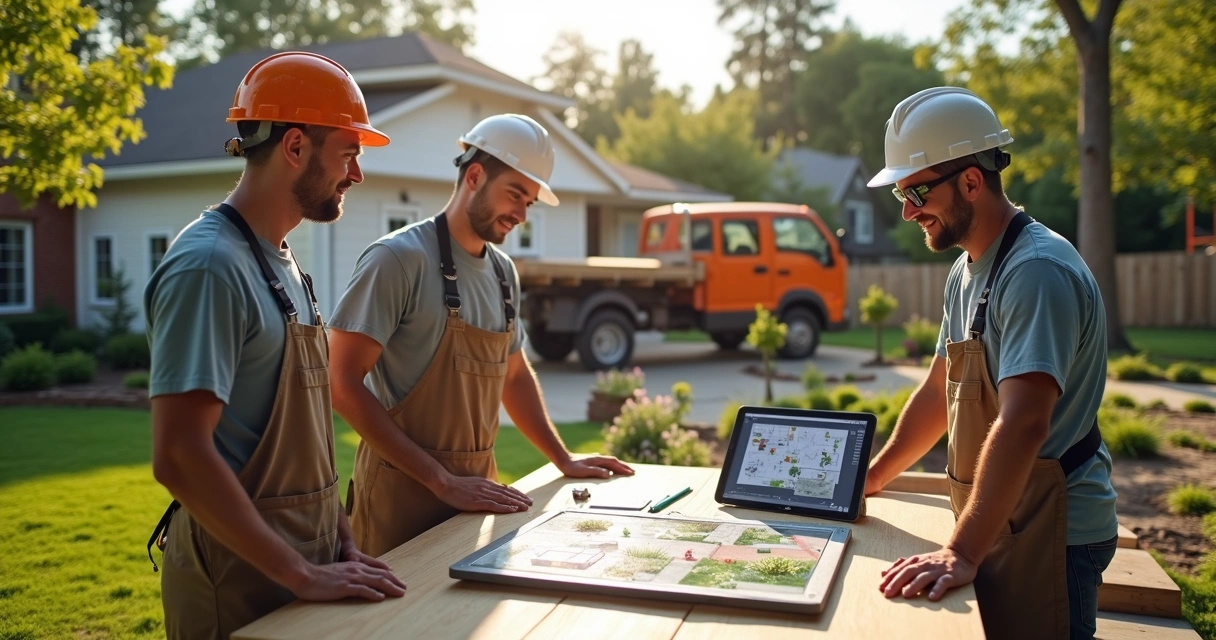
Data shared in a Congressional hearing explains how widespread use of 3D modeling keeps jobs on track, even for small businesses. Timelines stay tight, and digital models help weather those little setbacks that usually derail progress.
But what about real timelines?
It varies, of course. Weather, material delivery, and surprises always play a part. However, research on digital construction for homes by peer-reviewed study found that 3D methods consistently shorten project schedules. Sometimes, what would have dragged out for weeks is finished in days instead.
Case example: a residential courtyard’s transformation
Here’s a more detailed story. Urban Oasis kicked off a well-loved but dated courtyard project. The homeowners wanted pergolas, new paving, bespoke lighting, and a playful garden path for children. On the first pass, the 3D model showed the planned play structure would shade out poolside seating—right when the parents wanted to relax and sunbathe. Several layout tweaks later, the solution was obvious before contractors even arrived.
- No materials wasted.
- No delays adjusting to unexpected shade patterns.
- Installation was smooth.
It’s common sense, but easy to overlook: seeing the finished vision makes everyone happier and everything go smoother.
Urban Oasis relies on this process because it works, turning vague ideas into clear, buildable plans, and letting clients get involved long before breaking ground.
The business case for homeowners: lowering risk and stress
For any homeowner, uncertainty is the root of most construction headaches. How do you know what you’re really getting? How does a 3D-based approach change the conversation?
- No more crossed wires between designer, builder, and property owner. Instead of lengthy explanations or disputes over what “that angle” meant in the drawing, a 3D model shows it clearly.
- Quick revisions make experimentation safe. Want to see what a firepit looks like instead of planter boxes? Change it now; not after it’s built.
- Every dollar tied to a visible, measurable feature. It’s much harder to over-invest in the wrong feature or under-plan a key element when you can “walk through” in advance.
Stress falls when surprises disappear.
The Urban Oasis approach (more details on their 2D and 3D design process) means you skip that feeling of, “Well, I hope it all turns out okay.” Because every step—from consultation, to revisions, to approval, and building—is based on shared, realistic visualization of the finished result.
3D landscaping ROI: spend once, get more for years
ROI with 3D landscaping planning is not always as obvious as numbers on a ledger, but that doesn’t make it less real. It’s expressed in:
- Less money going out for accidently wasted materials
- Reduced labor hours (and hassle) spent re-explaining or reworking sections
- Faster project signoff—because what’s agreed in the model is what actually gets built
- Better long-term use of your space, because re-designing is rarely needed after a thoughtful, collaborative plan
Even if you only look at the short-term savings, the return is significant. The numbers discussed by the Department of Housing and Urban Development suggest up to 20% cost savings—stretching your landscaping budget a lot further for the features and finishes that actually matter to you.
Other benefits: beyond time and money
It’s not only about dollars, deadlines, and eliminating headaches. More accurate landscaping planning via 3D modeling also helps build:
- Environmental sustainability: Avoiding unnecessary waste of materials and better planning for water and light movement means smarter stewardship of resources, a core part of Urban Oasis’s vision for the long term.
- Accessibility and usability over time: Good design isn’t just pretty—it actually works for your life (or business) at every stage. Planning it virtually first ensures that function follows form.
- Peace of mind: You go into construction knowing exactly what to expect. Everyone’s vision is shared and documented.
For businesses and commercial properties, the stakes are higher
If you’re managing a restaurant courtyard, hotel pool area, or retail entrance, every cost and every day of disruption is amplified. Mistakes aren’t just an inconvenience; they hit your bottom line immediately—either because customers can’t come in, or scenery drives them out.
That is why Urban Oasis leans on 3D planning for commercial clients, as described in their recent project portfolio. Visualizing every phase and feature prevents lost business and lets every dollar create customer value. These principles apply to both hardscape and softscape improvement, and the ROI becomes even more evident when public-facing spaces are involved.
If hardscape improvements are part of your plans, take a look at Urban Oasis’s suite of high-quality hardscape services for commercial and residential environments alike.
Major myths debunked: 3D planning isn’t just for big projects
Some believe only “mega-projects” need this level of planning. The reality? Even small spaces or simple enhancements gain just as much:
- Small gardens: Avoid cramming too much (or too little)—get scale, structure, and flow right the first time.
- Decks and patios: Perfect fit for furniture and features before building starts.
- Lighting and irrigation: Plan placement, coverage, and maintenance access without guessing.
The same studies that found improved labor and budget outcomes for large construction projects, like those summarized in the Federal Highway Administration’s summary, apply just as well to smaller domestic jobs. Planning in three dimensions always helps move the work forward with fewer missteps.
How to get started: the Urban Oasis process
The pathway is simple. Communication is key—and regular updates are built in at every stage. Here’s a basic run-down of what homeowners or business owners can expect with a 3D-focused approach:
- Consultation: Share wishes, needs, and constraints. Urban Oasis focuses on lifestyle, budget, and how the space will be used.
- 3D concept creation: Designers build out a detailed digital model. The first round is usually an eye-opener.
- Revisions: Homeowners and stakeholders review from all angles—suggesting changes, exploring options, and testing “what if” ideas.
- Final approval: Adjustments are made, all parties get sign-off, and every stakeholder knows what’s planned.
- Seamless construction: With a clear, accurate roadmap, the building phase is measured, logical, and (relatively) stress-free.
For a more guided overview of landscape planning, including best practices and extra tips, review the landscaping guide on techniques and benefits available from Urban Oasis. Or check out a wide range of insights about landscaping from the team, covering everything from planning to plant selection and beyond.
Choosing 3D design: final thoughts
Landscaping projects—no matter the size—almost always include some unexpected hurdles. The only question is when they’ll show up and how much it’ll cost to fix them. By turning the abstract into the visible, 3D landscape planning is about cutting down on waste, frustration, and expense. With clear visual models, you get:
- Sharper communication between everyone involved
- Real control over your budget, every step of the way
- Confidence that construction will match your expectations
- Long-term value, both in use and curb appeal
The return is sometimes shown in hard numbers, sometimes in peace of mind and pride in your outdoor space. But the impact is real. Clients of Urban Oasis discover that good planning isn’t a luxury—it’s a shortcut to the results you want, on the terms you choose.
If you want your next project to run smoother, stay on budget, and reflect every one of your aspirations, the time to take action is now. Contact Urban Oasis and discover how your vision can become real, while spending less time, money, and energy getting there.
Ready to get started or curious about how 3D plans could help your space? Reach out today—fill in the form below and let’s build something beautiful, together.
Frequently asked questions
What is 3D landscape design?
3D landscape design is the process of creating a digital, three-dimensional model of your outdoor space—including planned elements like patios, decks, gardens, water features, and more. This model allows you to view your future yard or commercial setting from every angle, simulate sun and shade movement, and make adjustments before actual construction starts. It offers a more realistic, immersive way to experience potential designs compared to traditional flat sketches or blueprints.
How does 3D landscaping save money?
3D landscaping can help you save by cutting down on wasted materials, reducing time spent on site, and preventing costly rework due to mistakes or miscommunication. Seeing the plan in three dimensions lets you spot potential issues early, adjust before anything is built, and get very accurate material estimates. This means you purchase only what’s really needed and avoid mid-project changes, which are often expensive. According to the U.S. Department of Housing and Urban Development, new technologies like 3D modeling can trim project costs by up to 20%.
Is 3D landscape planning worth it?
For most homeowners and business owners, yes. The initial investment in planning pays off by speeding up projects, eliminating design errors, and boosting satisfaction with the end result. 3D planning also reduces the stress and uncertainty that come from not knowing how a design will look in real life. Studies referenced by the peer-reviewed research and federal agencies consistently report both time and cost reductions when using digital and 3D construction planning methods.
How does 3D design speed up construction?
3D design speeds up construction by allowing every detail to be clarified and discussed before the work begins. With a clear, shared model, misunderstandings are reduced, materials can be pre-ordered more accurately, and the sequence of work can be scheduled logically. Workers spend less time waiting or reworking tasks, and milestones are hit more consistently. As summarized by the Federal Highway Administration, these benefits result in projects that finish sooner and with fewer hiccups, even for small businesses or residential jobs.
What is the ROI of 3D landscaping?
The ROI for 3D landscaping planning typically comes in multiple forms: reduced costs (due to fewer material orders and corrections), shorter construction timeframes, and a final outdoor space that matches your needs—and increases property value. According to industry calculators, 3D planning and associated technologies may boost savings anywhere from 10–20% of total project cost, not even counting the less tangible benefits like less stress and greater long-term satisfaction with your space.