
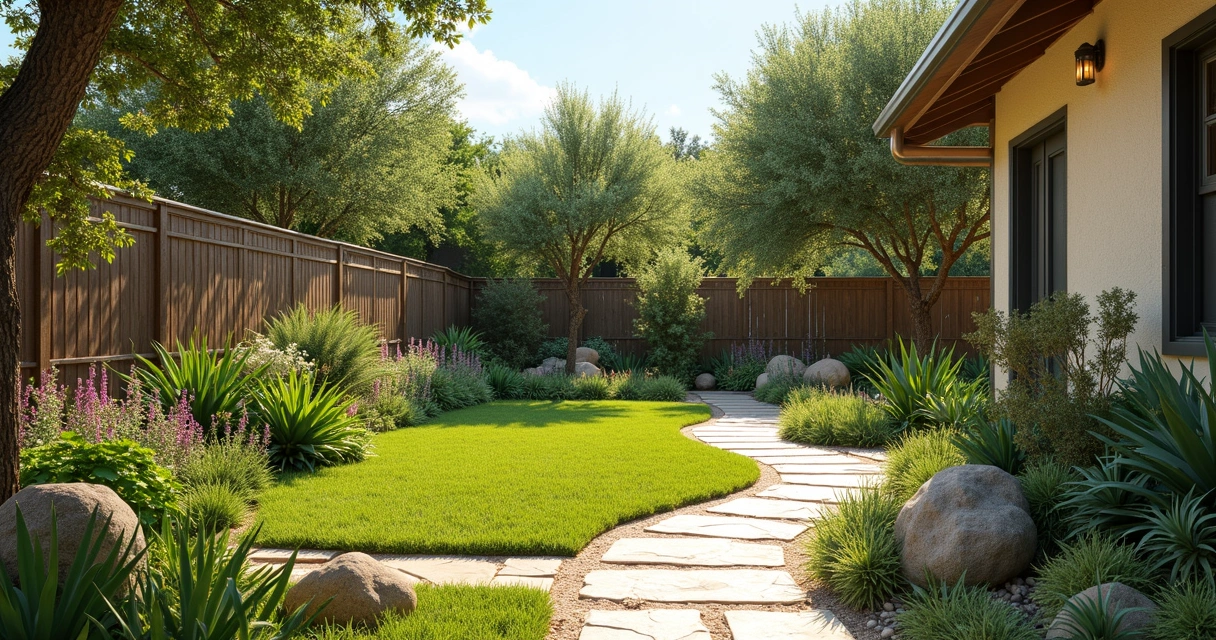
Choosing plants for a Texas yard isn’t as simple as picking out what looks pretty at the nursery. Many Texans have found themselves frustrated, sometimes even disappointed, after planting something “recommended for our climate” only for it to shrivel up in that first nasty heat wave or surprise cold snap. That unpredictability is what makes Texas landscapes so unique. But it also means you need a better way to choose the right plants—so you’re not left guessing (and re-planting) every season.
What you’ll find here is a direct approach. We’ll cover the reality of Texas’s seasonal unpredictability, practical steps for truly evaluating your yard, and clear guidance so that your decisions work for your specific space. If you’ve ever seen an outdoor area designed by Urban Oasis, you probably noticed how the spaces look alive and thriving, not just the first season, but for years after. That’s not luck. It’s a process—and it’s one you can use for your own project, no matter the size.
The goal: No more guessing. Just confidence and results.
Understanding the challenge of Texas’s climate
If you’ve lived here long enough, you’ve felt it. Sometimes, it’s blazing hot and bone dry. Sometimes, there’s a week of freezing rain. Forecasts can get it wrong, too. For folks in construction, design or even a weekend gardening project, it’s easy to underestimate how much these changes will affect your plant choices—and the life of your landscape.
- Heat and drought: Central and West Texas can go months with little rain and relentless temperatures.
- Freak cold snaps: Even South Texas isn’t immune to the occasional arctic blast that damages unprotected plants.
- Sudden downpours: Heavy rains can flood poorly-drained soils, killing roots that aren’t adapted.
- Varied microclimates: Shaded courtyards, wind-exposed rooftops, urban heat islands—each spot behaves differently.
For anyone planning a garden, lawn or even just a few flower beds, accepting this challenge up front makes all the difference. Every location will have a unique combination of sun, wind, slope, drainage, and even reflected heat from nearby surfaces. This isn’t to discourage you. Actually, it’s a chance to get creative and end up with something beautiful, long-lasting, and uniquely yours.
 Step-by-step: the process you actually need
 Step-by-step: the process you actually need
Start with microclimate mapping
If there’s one thing everyone skips, it’s this. But it’s foundational. Walk your site—morning, midday, and late afternoon—take notes on where the sun falls, which areas stay shady, where water pools (or never pools), and what’s wind-exposed. Many pros, like Urban Oasis, do this as their very first step before proposing a plant list.
It’s not about perfection. Even a rough map is enough. Mark areas like:
- Full sun (6+ hours direct sunlight)
- Partial shade (3-6 hours direct sun, some filtered light)
- Deep shade (rarely gets sun except early or late)
- Wet spots vs. dry ground
- Low spots (frost pockets, where cold air settles)
You can use a pencil-and-paper map, or even snapshot aerials from your phone with notes. Just don’t skip it. This “site reality check” saves time and prevents heartache later.
Test the soil (don’t just assume)
Soils across Texas shift from “gumbo” clays to rocky limestone, deep loam, or sandy beds. A plant that thrives in rich, deep soil may die in shallow, hard-packed ground, or vice versa. There’s really no substitute for getting your hands dirty—literally.
- Dig a small hole in several spots, about 6 inches deep, and check for:
- Soil type (sandy, loamy, clayey)
- Drainage (fill with water and see how fast it drains)
- Roots or rocks just below the surface
- Look for white deposits or salt crust (common in some West Texas areas, indicating alkaline soil with low permeability)
If you want to be thorough, Texas A&M AgriLife Extension Service offers affordable soil testing by mail. They’ll send back data on pH, fertility, organic content, and more. This isn’t a must for every project, but it’s a good move for large new beds or expensive landscaping investments.
For more practical details about the benefits of using native plants in different soils, refer to Texas A&M AgriLife Extension’s recommendations on native plants for home landscapes.
Decide on your main uses and style
Is this yard for entertaining on weekends, an oasis for reading and quiet, a playground for kids, or something else? Do you prefer bold wildflowers, structured hedges, neat lawns, or a bit of everything? Note these goals on your map.
For patios, pools and decks—like Urban Oasis often builds—the function may even set the style. Will there be heavy foot traffic? Dogs or pets? Areas for grilling or lounging? Each of these calls for slightly different plant choices, both for looks and for sheer toughness.
List practical plant needs
Before flipping through catalogs, list the “musts” (and maybe the “nevers”):
- Low water use
- Non-toxic to pets or children
- Stays below fence height
- Evergreen for year-round privacy
- Fast-growing vs. slow
- Seasonal blooms for color
This list is your decision filter. It helps narrow things down fast—even when you’re tempted by something flashy at the store or nursery.
Shortlist from trusted plant databases
Texas is lucky to have some of the best research-backed resources for plant selection. Two favorites are:
- Earth-Kind® Plant Selector: You can filter by size, flower color, hardiness, sun requirements, and even deer resistance. This takes the guesswork out of matching plantings to your actual site.
- Gulf Coast landscape plant table (Dr. William C. Welch): For the Gulf Coast, this provides a detailed, sortable table with care notes and landscape uses.
You don’t need to become an expert overnight, but relying on region-specific plant lists will save you money and disappointment. Local species availability will affect your choices, especially with native or specialty plants.
Plan for wildlife, pollinators and sustainability
Many of the most rewarding Texas landscapes use mostly native plants—not because it’s trendy, but because it’s easier. According to guidance from Texas Parks and Wildlife Department, at least 50% of your landscape plants should be native. Natives support hummingbirds, butterflies, bees and don’t demand as much water or chemicals. In some cases, they also build healthier soils with their deep roots. The Texas Community Watershed Partners explain how prairie grasses and wildflowers with extensive root systems make yards more flood- and drought-resilient.
You don’t have to go 100% native for good results. But the more you choose, the less you’ll fight with your yard.
If you’re keen on attracting wildlife, plan to provide at least two of these: food (berries, nectar), shelter (dense shrubs, grasses), and water (birdbaths, small ponds).
Sketch out zones and layer your plantings
Take your map and list, and group similar plant needs together. Zone “A” could be full sun, fast-draining, dry shrub bed for cacti or yucca. Zone “B” is morning shade, heavier soil, good for ferns and shade-loving perennials. Then, layer your plantings: tallest in back, mid-sized shrubs in middle, shorter front edge for groundcover. This looks natural, maximizes bloom time, and makes care easier.
Deciding what really works: practical selection tips
 Deciding what really works: practical selection tips
Consider plant “hardiness zones”—but don’t rely on them alone
Hardiness zones (like USDA zones) are helpful, but not the full story for Texas. They rate average minimum cold temps, but not heat, humidity, drought, or spring cold snaps. For example, a plant “hardy to zone 8b” might survive a typical winter, but fail in a scorching summer unless also labeled drought-tolerant. Let zone ratings guide, but weigh them with your actual microclimate map. If you want ideas for surviving Texas seasonal swings, browse this resource on cold-hardy options for Texas.
Look up growth habit, mature size, and root spread
Plants advertised as “compact” may sprawl in Texas’s fertile soils or grow larger than expected in our longer seasons. Search for mature height and width (not just one or the other) in local references. Watch out for hidden root spread—some Texas natives (like inland sea oats or Turk’s cap) are beautiful, but will politely invade nearby beds if unattended.
Check for plant shock and adaptability
If you’re transplanting larger shrubs or moving established plants, sudden changes in light, wind, or water can trigger “shock”—wilting, leaf drop, or even die-back. Some plants are naturally more forgiving, but even the hardiest natives can struggle if moved at the wrong season or planted without transition time. For guidance, the article Are your plants in shock? has tips on recognizing stress symptoms and recovery steps.
Choose for four-season appeal and low maintenance
A Texas yard that only looks good for two weeks in April isn’t much use. Pair spring-bloomers with summer performers, berry shrubs for fall color, and evergreens for winter. Seek “low maintenance” or “high impact” plants, which combine visual value and toughness. Low-maintenance, high-impact landscaping showcases design ideas using such plants for maximum effect with minimal effort.
Ask about local availability and substituting when you have to
Some Texas native plants can sell out quickly in nurseries and aren’t always grown by big suppliers. When sourcing, ask ahead or research substitutions with similar sun/water needs. Small little-known varieties may take patience to find. For ongoing suggestions, the Urban Oasis category on plants updates on reliable picks and where to source them locally.
Tools and resources for efficient plant selection
 Tools and resources for efficient plant selection
Digital guides and plant selectors
Bookmark these for quick reference:
- Earth-Kind® Plant Selector – Quickly filter by color, growth habit, environmental needs and more
- Gulf Coast plant selector table – Best for Houston/Gulf Coast projects; sortable and deeply detailed
- Texas prairie plants overview – Understand root depth, soil benefits, and landscape resilience
On-site tests for soil and drainage
If you’re not sending soil samples to a lab, try this:
- Dig a hole 8–12 inches wide and deep; fill it with water
- Let it drain. Fill again. Time how long it takes to drain: under 30 minutes (very sandy/quick-draining), 30 minutes to 4 hours (good for most garden plants), more than 4 hours (clay/heavy, needs extra drainage care)
For more ways to boost soil performance and plant water needs, see this collection of low-water landscaping ideas for Texas yards.
Tracking site and seasonal changes
Simple spreadsheet trackers, phone notes, or pictures over several weeks help spot how light and shade shift with the season—especially near walls, fences, and mature trees. Urban Oasis teams often revisit sites at different times to tweak initial plans and make sure nothing was missed in the first round.
Favorite hand tools and supplies
- PH test kits (for spot checks of acidity/alkalinity)
- Basic soil probe or trowel
- Small notebook or landscape sketch pad
- Long tape measure or builder’s string (to layout beds “full size” before you buy)
These simple tools keep plant shopping from turning into an expensive guessing game.
Long-term thinking: real lessons from experienced builders
 Long-term thinking: real lessons from experienced builders
Construction companies, landscape contractors, and designers run into the same headaches as homeowners: unpredictable weather, clients who want “no maintenance,” and the struggle to keep new plantings alive their first season. One common story in Texas is the beautiful spring-bloom. Everything looks perfect after install. Then comes the July sun, and, well…the rest is silence.
What’s the fix? Here’s a quick take, straight from the field:
- Resist overplanting. Those small pots at the nursery may look lonely, but given a season or two, many Texas species fill in with impressive speed.
- Expect to lose a few. Even with experience, some plants won’t make it—whether from weather, pests, or a surprise soggy season. Build a little buffer into your plan and budget for replacements.
- Err on the side of tough, native, and well-adapted. It’s tempting to “try one of everything,” but 90% of your garden’s reliability comes from the basics that work year after year.
- Install mulch early and water for root establishment. Once roots are set, most Texas-adapted plants can do with less water than you imagine—even lawn alternatives.
- Do seasonal walkarounds. Each spring and fall, check for overcrowding, dieback, or bare patches and adjust. Involve your builder, or make a list of fixes yourself.
The most professional outdoor projects in Texas—like those by Urban Oasis—don’t achieve their year-round look by luck. It’s strategy, observation, and knowing when to adapt.
You don’t have to keep redoing your yard. You just need a better starting plan.
Why all this matters: what you gain (besides a better yard)
When you take the time to match site, soil, use, and plant—skipping guesswork—everything becomes easier. Fewer dead plants, less money spent replacing them, and more time enjoying your outdoor space.
The busiest yards don’t need to be the most complicated. In fact, Urban Oasis finds that the best-looking areas often use the simplest mix of tough, climate-adapted, native, and regionally tested plants. They survive and thrive through each unpredictable Texas season. And that, in the end, is what turns a “good” landscape into a great one.
If you’re ready to stop guessing and build a yard that truly works for Texas, the process starts with a plan—unique to your site, your needs, your style. The Urban Oasis team can help, or you can apply these steps yourself. It only takes one season of success to make you wonder why you ever did it any other way.
Ready for your custom plan?
Let Urban Oasis help you turn your outdoor area into a thriving landscape that fits your style, budget and goals. Fill out the form below and start your path to a Texas yard that thrives—no guesswork, just the results you want.
Frequently asked questions
What are the best plants for Texas?
The best plants for Texas are those that tolerate heat, sun and the state’s shifting climate. Popular choices include native shrubs like Texas sage, yaupon holly, and dwarf palmetto. Grasses such as gulf muhly and buffalo grass do very well, and wildflowers like bluebonnet and Indian blanket thrive naturally. You’ll find reliable lists in the Earth-Kind® Plant Selector tool and in Dr. William C. Welch’s plant table. Native plants are not only adapted but often require less care and water.
How to choose drought-resistant plants?
Start by focusing on Texas natives and well-adapted exotics with deep root systems. Examples include agave, lantana, cedar sage, and mealy blue sage. Always match each plant to its intended sunlight and soil zone (full sun, part shade, etc.) and check local references like the home landscape plant guidance from Texas A&M AgriLife Extension. Drought-resistance isn’t just species, but also how the plant is started and mulched. Once established, their water needs can drop dramatically.
Where to buy native Texas plants?
Native Texas plants are available at most reputable nurseries, and specialty garden centers often stock a bigger selection in spring and fall. It’s smart to call ahead for hard-to-find varieties. Always check plant labels or ask staff to confirm “native to Texas” status. Farmers markets or regional plant fairs can also be good sources. For year-round advice on what’s available and reliable, follow updates in the plant insights from Urban Oasis.
What plants survive Texas summer heat?
Plants that survive Texas summer heat include hardy species like esperanza, flame acanthus, purple coneflower, salvia greggii, and Mexican feather grass. Shrubs like cenizo (Texas sage), perennials like black-eyed Susan, and prairie grasses (little bluestem, switchgrass) are well-proven. The key is choosing sun-loving, drought-tolerant types, often found via the prairie plant guidance for Texas.
How can I create a low-maintenance yard?
A low-maintenance yard starts with climate-adapted, mostly native plants grouped by water needs (called hydrozoning). Use mulch to reduce weeds and conserve moisture. Limit turf areas. Design for simple seasonal care—trimming and cleanup only once or twice a year. For inspiration, browse designs using low-maintenance, high-impact landscaping ideas. Emphasize resilience and natural beauty, and you’ll spend less time working and more time enjoying your space.