
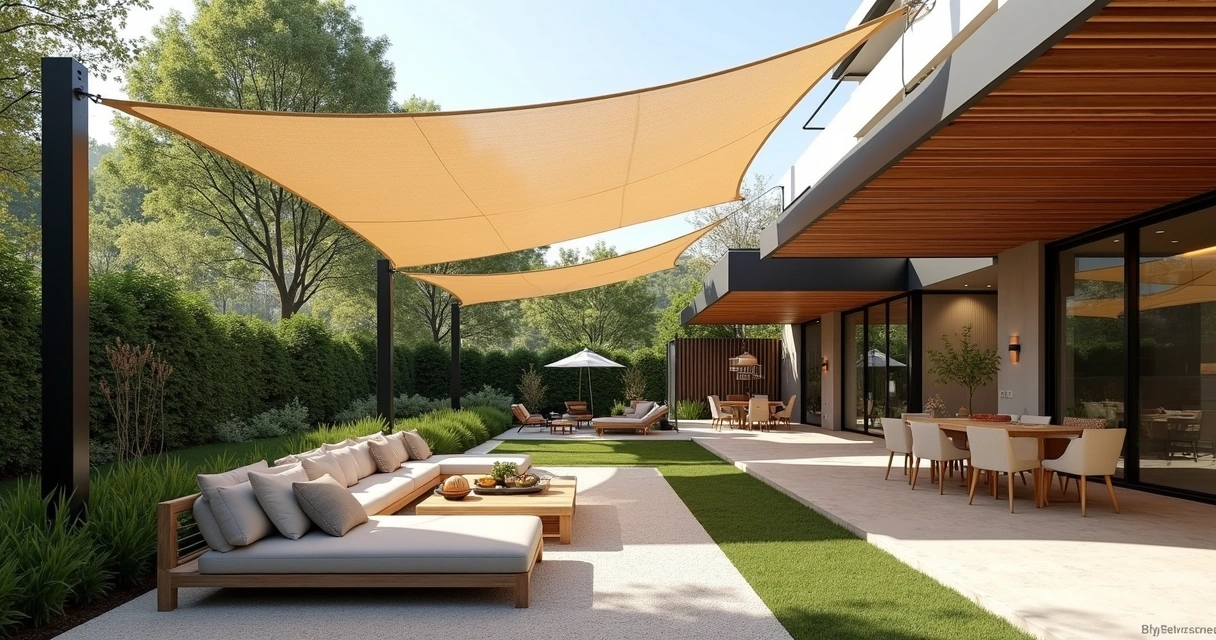
By mid afternoon in Austin, patios shimmer. The concrete warms up. Chairs are hot to the touch. You step outside and think, is there a better way to enjoy this space without hiding inside? Many homeowners reach the same fork in the path. Shade sails or a pergola. Both add comfort and character, yet they solve heat and sun in very different ways.
I have seen this choice play out on small yards in East Austin and wide lots in Westlake. Sometimes the right answer is simple. Other times, it is a blend. Urban Oasis helps people weigh these trade offs every week, then turns plans into places that feel good to live in. If you are weighing options for shade sails in Austin or thinking about a timeless pergola, this guide will walk through the factors that matter most in our climate, with clear pros and cons, and a few stories along the way.
What shade sails are
Shade sails are tensioned fabric canopies. Triangles, rectangles, or even curves. They stretch between posts or to anchors on a wall. The fabric is usually high density polyethylene, which breathes and blocks a good portion of UV. Good designs use stainless steel hardware and posts set in deep footings. Done right, the sail looks light, almost floating. It casts a soft pool of shade that shifts through the day.
In an Austin yard, a sail can cool a dining area, cover a play zone, or protect a carport. The look is modern and simple. Colors range from sand and gray to terra cotta and bold blue. I tend to favor warm neutrals near limestone and stucco. A darker sail can drop the glare a bit more, though it may feel warmer to the touch. Every choice has a trade off.
 What pergolas are
 What pergolas are
A pergola is a freestanding or attached open structure with posts and beams. Rafters span across the top. Some pergolas include purlins that run the other way to tighten shade. You can add shade cloth, climbing vines, or a canopy under the rafters. The frame may be cedar, painted wood, steel, or aluminum. The feeling is grounded and architectural. It creates a room without walls.
When a backyard needs a focal point, a pergola answers. It signals where people should gather. It pairs well with an outdoor kitchen, a fire feature, or a lounge set. If you want a classic backyard room, a pergola sets the stage. Take a look at how Urban Oasis approaches custom pergola design and construction when you want to see shapes, materials, and finish ideas that fit Austin homes.
What the Austin climate asks of your shade
 What the Austin climate asks of your shade
Austin days are bright. The UV index is often high in warm months. According to the EPA UV index scale, values above 8 are common in sunny regions like Central Texas during midday. That is why a shade solution that blocks UV makes a real difference for skin and comfort.
Heat is part of the story as well. Long sunny seasons mean a lot of radiant gain on concrete and stone. The state also sits in a high solar resource zone. The NREL solar resource maps show strong sun exposure across Central Texas, which matches what we feel in our patios and decks. Wind pops up too. Spring gusts and summer storms can test both fabric and frames. On the rainfall side, sudden downpours will find any low point in a sail, and they will challenge drainage around pergola posts.
If you plan with these forces in mind, your shade will last longer and feel better every day. Urban Oasis designs for this, with footings, hardware, and fabric choices that match local conditions, then checks the layout for sun angles through the seasons.
Shade sails: pros and cons
I like to start with the practical side. Shade sails add comfort fast, if you select the right design and mount points. Here is a clear look at what they bring.
- Strong shade without heavy mass. Quality fabric can block a large share of UV while letting breeze pass. That feels cooler under Texas sun.
- Flexible shapes and coverage. Triangles link to form interesting layers. Rectangles span larger zones. You can angle them to catch morning shade or to shield a west wall.
- Quick install, less disruption. Posts and anchors go in fast compared to a framed structure. This helps if you want shade this season, not next year.
- Budget friendly paths. Material costs are often lower than a heavy frame. You can phase work, adding sails over time as you learn the space.
- Color and mood. Fabric tones shift the feel of a yard. Soft stone colors blend. Bolder colors add energy.
There are some trade offs.
- Tension and wind matter. Sails must be tight. Gusts can stress hardware if the design or footing is weak. Experienced installers angle the sail and use curved edges to maintain tension.
- Seasonal care. You may remove a sail before a big storm or during winter if you prefer less shade in colder months.
- Water pooling risk. A flat sail holds water. Correct pitch and catenary curves shed rain. The layout must plan for that.
- Span limits. Very large spans need taller posts and bigger footings. At a point, a framed solution might be better.
Pergolas: pros and cons
Pergolas feel timeless. They frame views and anchor a patio. Still, like any structure, they have pros and cons in our climate.
- Defined outdoor room. A pergola sets clear edges. Guests know where to sit, dine, and relax. It pairs well with lighting and fans.
- High durability. With good materials and finishes, a pergola can last many years. Cedar resists decay. Steel takes a powder coat well.
- Layered shade options. Rafters create patterned shade. Add purlins, shade cloth, or a retractable underlay for deeper cover.
- Strong wind resilience. Fixed frames, properly footed, stand up to gusts better than fabric alone.
And the trade offs.
- Higher cost and longer build. Posts, beams, footings, and finish work add time and budget.
- More mass and footprint. A pergola changes sight lines and blocks some sky. Many people love that. Some prefer a lighter look.
- Shade pattern shifts. Open rafters mean shade moves and breaks up. Afternoon heat can still sneak through unless you add more cover.
How sun paths and wind shape performance
The sun sits high in summer and low in winter. In Austin, that means your sail or rafters will cast very different shadows month to month. You can use this to your advantage. Tilt a sail to block low west sun. Align pergola rafters so they offer more shade in the window you use most, like weekend afternoons.
Wind wants clean paths around and through the shade. Sails that catch wind need more stout posts and footing. Slightly open layouts relieve pressure. For pergolas, lattice that is too tight can hum in a gust. A small gap pattern keeps shade while calming wind load.
Style and mood, and how each changes a yard
 Style and mood, and how each changes a yard
Shade sails lean modern. They add movement and lightness. They look great with steel planters, decomposed granite, and clean lines. A pool or a compact patio can feel larger with a sail because there is less bulk overhead.
Pergolas bring structure and classic rhythm. They suit limestone, cedar fences, and traditional or farmhouse homes. A pergola invites string lights and drapes. It makes a dining table feel like it belongs.
If you want ideas for patios that play nicely with either approach, browse Urban Oasis projects focused on patio installation and design. For ideas that lift home value while staying on trend for Austin, these outdoor living trends that boost property value can help you pick a direction that pays off now and later. And if your goal is to host, see these notes on designing outdoor spaces for entertaining in style.
Shade sets the mood before the first guest arrives.
Cost ranges in Austin, explained simply
Costs vary by size, materials, and site work. I will not pin a single number here, as every yard and design is different. That said, here is how the math tends to break down.
- Shade sails. Posts, footings, stainless hardware, and fabric are the main items. Complex angles, extra height, and multiple sails add up. You may need new concrete footings or steel plates on a wall. Good fabric and hardware are worth it, since sun and wind are harsh. A small patio sail set is often less than a framed structure of the same footprint.
- Pergolas. Material costs for cedar or steel, deeper footings, finish work, and any wiring for lights or fans drive the budget. Roofing upgrades, like shade cloth or a canopy, add cost. The result is a permanent feature that can boost the feel and value of the yard.
When Urban Oasis builds, we set clear ranges up front. We share options that match your style and your budget. If you need a phased plan, we sketch that as well. The idea is simple, no surprises.
Permitting and codes in Austin
Many shade projects are straightforward. Even so, it is smart to check how your plan fits local rules. The City of Austin Development Services site outlines when permits may apply for accessory structures. Setbacks, utility easements, and drainage all matter. Anchoring to a home wall needs care to avoid voiding warranties or creating leaks.
For sails, post placement and depth are key. For pergolas, beam spans and post sizes must match loads. Urban Oasis handles this as part of the process, from layout and engineering to any needed permits.
Comfort and performance, backed by data
Comfort is not just shade. It is air flow and surface temperature. HDPE shade fabrics let air pass, which helps on hot days. Darker fabrics can reduce glare and radiant heat from above, while lighter fabrics may keep the area brighter. On the sun side, the EPA UV Index guidance shows why midday cover matters in Austin summers. And for the big picture sun exposure that makes our patios hot, the NREL solar resource maps reflect what we design for each day.
Heat stored in stone and concrete also drives comfort. A pergola can support fans that move air and speed cooling in the evening. Sails can be angled to shade pavers during the hottest hours so they release less heat at night. Small details, big improvement.
Sustainability and materials
There are greener ways to build shade. HDPE fabrics are long lasting and can be recycled in some streams. Cedar is renewable and holds finish well. Steel is durable and recyclable. Positioning shade to cut heat gain on nearby windows can lower indoor cooling demand. It is small, but it helps.
Planting also matters. A native tree on the west side works with a pergola or sail to drop afternoon temps over time. If you are planning a full outdoor room, consider a deck or patio with light colors to reflect heat. Urban Oasis pairs shade structures with low water plantings and smart materials so the yard uses less water and energy over the long run. If you want to talk through a full plan, from deck installation to shade and planting, we can map that out.
Ready to turn ideas into a plan? Fill the form below and we will reach out to schedule your consult.
When to choose shade sails
- You want fast relief. A few well placed sails can transform a patio in a short timeline.
- You like flexible coverage. Adjust angles or add a second sail as your needs change.
- You prefer a lighter look. Keep sky views and a sense of openness while still cutting UV.
- Your budget is focused. You want shade and style without the cost of a large frame.
Two notes from the field. First, pick good hardware. Cheap turnbuckles will frustrate you. Second, plan drainage from the start. A slight pitch solves a lot of problems that show up later during a storm.
When to choose a pergola
- You want an outdoor room. Clear zones for dining, cooking, or a lounge set under a defined structure.
- You plan to wire lights or fans. A solid frame holds fixtures and hides wiring cleanly.
- You value long service life. With care, a pergola becomes part of the home.
- Your yard needs a focal point. A pergola provides an anchor that pulls the yard together.
Mixing both for layered comfort
Some of my favorite yards use both. A slim pergola over the kitchen, then a triangle sail stretching to a steel post to shade the dining table. Or a pergola with a light shade cloth, then a small sail angled to cut that last bit of glare from the west. The mix looks intentional. It feels rich and practical at the same time.
For full settings that combine shade with new hardscape, see how Urban Oasis approaches patio and deck builds that include shade from the start. Good planning beats afterthoughts every time.
Maintenance and lifespan
 Maintenance and lifespan
Nothing stays perfect on its own. The good news is that both options are straightforward to care for if you set simple habits.
- Shade sails. Check tension at the start of each warm season. Rinse dust from the fabric a few times a year. Trim branches that may rub. Expect quality HDPE sails to last several years outdoors, often longer with care. Hardware lasts when it is stainless and sized right.
- Pergolas. Clean surfaces each spring. Recoat stain or paint as needed, usually every few years for wood. Inspect fasteners. Keep vines pruned so they do not trap moisture in joints. Good builds stay strong for a long time with this routine.
Design steps that help you choose
- Map the sun. Stand in the yard at the times you plan to use it. Morning coffee at 9. Dinner at 7 in July. Note where glare hits eyes and where heat radiates from surfaces.
- Mark your zones. Where will you sit, cook, or watch kids play? Measure clearances for furniture and walkways.
- Test your sight lines. The best views should stay open. Sketch rough post locations and heights. It does not need to be perfect.
- Set a budget range. Decide if you want to build all at once or phase it. Shade first, then hardscape, or the other way around. Urban Oasis can help stack the steps so each move supports the next.
- Plan drainage and wind. Where will rain go? How will wind pass through? Solve these early.
Small stories from Austin yards
One South Austin couple wanted shade for a tiny patio with a garden bed along the fence. A single triangle sail, anchored to the house and one steel post, gave them a cool breakfast spot. The fabric softened the space, and the raised bed stayed happier too.
In another yard near the greenbelt, a cedar pergola pulled the whole plan together. The family added a fan and slim café lights. They told me later their teens use the space more now, which no one expected. Sometimes shade does more than drop the temperature. It pulls people outside.
How Urban Oasis fits in
Urban Oasis designs and builds shade structures as part of full outdoor settings. From the first consult to design, revisions, and construction, the team focuses on clear communication and fit. The goal is a backyard that supports your life. If you are still scanning for ideas, the property value trends in Austin post offers quick insight. If you are ready to start a plan, the form below is a quick path to a custom proposal.
Conclusion
 Conclusion
There is no single right answer for every Austin yard. If you want a light, flexible, and budget smart way to beat the sun, shade sails can be a great fit. If you like a grounded outdoor room that invites lights, fans, and long dinners, a pergola will likely win. Many times, the best result is a mix. Start with the sun, the wind, and how you live. Then shape the structure to match.
Urban Oasis can help you compare options, run through costs, and build the shade that fits your life, not just a checklist. If you are curious, or ready to begin, send a quick note below and we will reach out to schedule your consult.
Ready to start? Tell us a bit about your space. We will handle the rest.
Frequently asked questions
What is a shade sail for Austin yards?
A shade sail is a tensioned fabric canopy, usually HDPE, stretched between posts or wall anchors to create cool, UV blocking shade. In Austin, sails are popular because they allow airflow, cut glare, and can angle to block strong afternoon sun while keeping a light, modern look.
How much do shade sails cost in Austin?
Costs vary by size, number of sails, post height, footings, and hardware. Simple single sail setups are usually the most budget friendly. Larger spans, taller posts, and complex layouts add cost. Quality fabric and stainless hardware are worth it in our sun and wind.
Are pergolas or shade sails better?
It depends on your goals. Choose sails if you want flexible, airy shade and a faster install. Choose a pergola if you want a defined outdoor room that supports lights and fans. Many yards use both, like a pergola over a kitchen and a sail over dining. Urban Oasis designs either option to fit your space and budget.
Where to buy quality shade sails in Austin?
Focus on durable HDPE fabric, stainless hardware, and proper posts and footings. The best results come from a design that fits sun angles, wind, and drainage on your site. Urban Oasis can source materials and handle design, engineering, and installation as part of a complete outdoor plan.
How long do shade sails last outdoors?
Quality HDPE shade sails often last several years in Austin conditions, and sometimes longer with good care. Longevity improves with correct tension, strong anchors, and routine cleaning. Removing a sail for severe storms or during winter can extend its service life.
For those who are ready to move from ideas to a plan, Urban Oasis is here to help design and build a backyard that feels right in every season.