

It’s July. You walk outside and the heat seems to press against your skin, rising up from the pavement and the ground. In the garden, you see plants that were vigorous in spring now looking a little tired. Leaves droop by midday. The soil seems almost too hot to touch—so what’s actually happening underneath?
This is the world of soil temperature control. When July arrives with its relentless sun, everything changes for your outdoor spaces. For residential or commercial landscapes, like those crafted by Urban Oasis, sustaining healthy, vibrant plants through heatwaves isn’t just about aesthetics. It’s about understanding the subtle dance between sun, soil, roots, and water. And a big part of that secret? The layer of mulch or the patch of shade you choose.
The science, and the art, of keeping soil cool is often overlooked. Many people forget that roots don’t thrive in hot soil—a few degrees can make all the difference.
Let’s get a bit personal here: Have you ever taken off your shoes and tried standing on unshaded, mulched soil versus bare, sun-baked dirt? The difference is almost jarring. Mulch and shade transform the ground beneath you, and the roots below, into something altogether more hospitable.
Why July’s heat changes everything
July is a crossroads. The combination of high temperatures, intense sunlight, and sometimes diminishing rainfall means soil surfaces get hotter than at any other time of year. Roots, which live just below the surface, are suddenly exposed to stress and strain. The risk? Reduced water absorption, root burn, even plant shock. Some landscapes, left unprotected, show signs of struggle. Others, thoughtfully layered with mulch and shade, cruise through the midsummer blaze looking almost unfazed.
Protection lies just above the roots.
But how exactly do mulch and shade create this cool comfort? There’s both science and something like magic in these simple coverings.
The basics: how soil heats up and why it matters
Soil temperature is shaped by sunlight, moisture, air, and the covering on top. When sunlight hits bare earth, the heat is absorbed, raising temperatures sometimes far above the air around it. This effect is magnified in open, urban settings with little tree cover or in places where soil is exposed without protection. In such scenarios, root zones can heat quickly, leaving plants struggling to cool off.
A few degrees can be the difference between root growth and root damage. It’s easy to forget how sensitive roots are to heat. A soil surface at 95°F (35°C) doesn’t feel that much different from one at 105°F (40.5°C) to the hand, but to roots, that’s the gap between thriving and burning out.
Urban Oasis regularly factors this into their landscape designs, building in soil covers and structures meant to keep the root zone comfortable. In July (and, in some climates, August), maintaining a slightly cooler soil means less stress and reduced water loss.
Mulch: nature’s insulation layer
Think of mulch as a blanket for your soil. Not a heavy winter quilt, but a light, breathable cover that shields and moderates. The main ways mulch helps manage heat:
- Insulation: Mulch acts as a buffer, slowing the transfer of heat from sun to soil.
- Moisture retention: Evaporation drops dramatically under mulch, keeping soil damp and roots cooled by water.
- Surface protection: Mulch softens harsh, direct rays, so the ground underneath warms much more slowly.
Roots rest easy under a well-chosen mulch.
Types of mulch for July heat
Not all mulches cool soil in quite the same way. There’s an art to the choice. Let’s break down the most reliable types for soil temperature control in mid-summer.
- Wood chips and bark: These are the go-to for many gardens and landscapes. Applied in a 2–4 inch layer, they create a sturdy, moderate-insulation layer. According to studies from Nebraska Extension, this thickness is enough to significantly reduce surface temperature and protect against rapid dry-out.
- Straw and hay: Especially popular in food gardens, these materials are airy, easy to spread, and provide light- to medium-insulation. The pale color even reflects some sunlight. Straw can be scattered a bit thicker (up to 6 inches in vegetable beds, often less for ornamentals) without risking suffocation below.
- Pine needles (pine straw): Thin, often used where a lighter, more decorative covering is needed. They allow good water penetration, but still create a soft barrier against heat.
- Shredded leaves: In areas where leaves are abundant, lightly shredded leaf mulch gives a more “natural forest” effect and keeps soil cool while slowly enriching it.
- Compost: Used thinly, compost moderates temperature and provides nutrients, but it can trap too much moisture if over-applied during humid spells.
- Reflective mulches: While not organic, materials like white or silver plastic can reflect sunlight, cooling soil by up to 10°F compared to bare soil, according to studies on summer heat stress solutions.
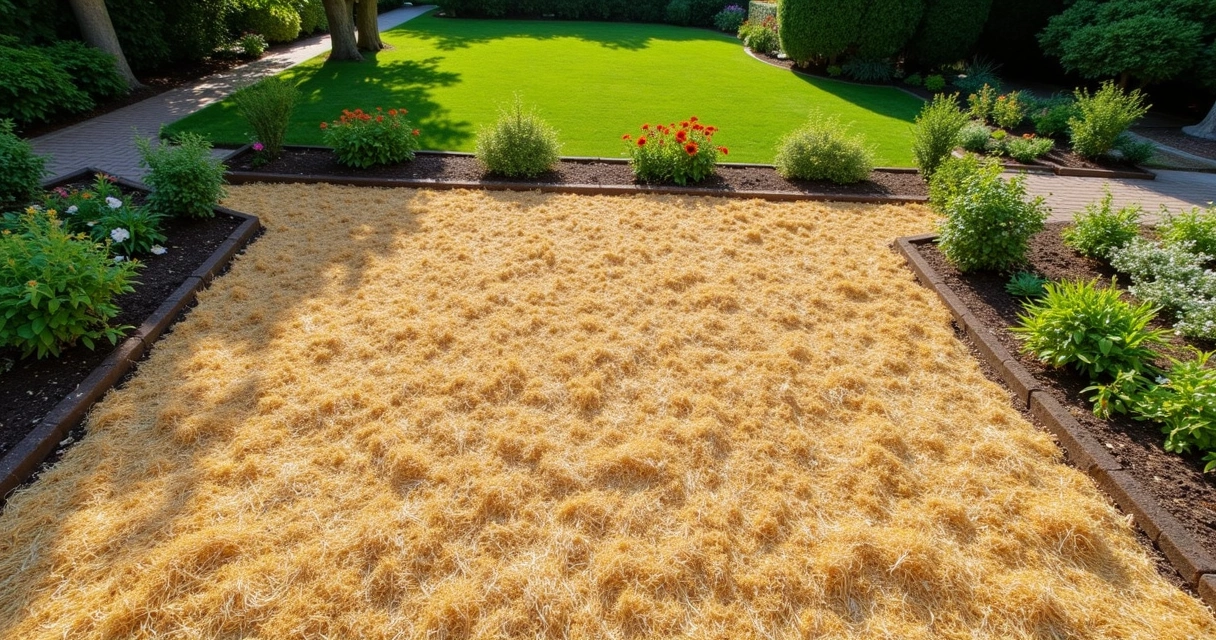 All these choices share a theme: they keep rays off the soil and roots out of the direct firing line. Varied texture, color, and thickness allow you to match your choice to your landscape style, climate, or plant needs—like the highly customized projects constructed and maintained by Urban Oasis.
How much mulch?
This is a common question—and the answer matters. Too thin and the heat gets through. Too thick, and you run the risk of rotting roots or creating a haven for pests. For most gardens, a layer between 2 to 4 inches of organic material is ideal. Food gardens or exposed beds (like those with few or no shrubs) might go a bit thicker, but rarely more than 6 inches.
There’s variability here—sometimes you adjust margins for a hotter patch, heavy rainfall, or a particular plant’s need. And there’s a bit of trial and error, because not all beds have the same air flow, watering schedule, or sun exposure.
Perfect mulch depth? Not always. But close counts.
Many landscape professionals, like those at Urban Oasis, train their team to watch and feel for changes, adjusting mulch as the season unfolds. Plants themselves often signal their happiness (or lack of it) in the heat. Wilting, leaf burn, or slow growth can mean a thinner patch of mulch—or that it’s time to replace or refresh the layer.
The secrets behind deep mulch and layered approaches
Sometimes, July asks for more aggressive action. Deep mulch layering—up to the upper end of the range—creates a kind of “buffer zone” between heat and roots. Especially in new garden beds, or where young plants haven’t yet put out wide root systems, deeper mulch can carry them through extreme heat spells.
- Apply mulch in the early morning or late afternoon—this traps coolness, rather than heat.
- Keep mulch a few inches from plant stems and trunks to prevent rot and pest damage.
- Layer different materials when you want both insulation and nutrition (for example, a thin compost layer topped with wood chips).
Deep mulch works especially well under large shrubs, trees, or anywhere you want to radically cool the root zone and tamp down weeds. It’s a technique Urban Oasis often applies in both private estates and commercial courtyards—places where high-impact summer heat can scorch plantings in just a few days.
Shade secrets: how cover transforms summer soil
Sometimes, mulch is not enough. The most powerful “mulch” of all is actual shade—whether cast by living plants, purpose-built structures, or even temporary coverings. Shade stops direct rays from hitting soil, which in turn drops soil temperature, holds moisture, and staves off stress. Shade doesn’t just cool; it stabilizes temperature. That steadiness can mean longer bloom, less pest pressure, and healthier roots all summer long.
Living shade from plants
- Tree canopies: Natural, dappled shade formed by tree branches—these can lower ground temperature by several degrees and foster healthy, resilient groundcover.
- Shrubs and tall perennials: When planted in groups, they shield sun from tender ground covers or smaller plants.
Strategic landscaping, as used in Urban Oasis designs, often places large, broadleaf canopy trees or trellised vines where harsh summer sun is strongest.
Architectural and portable shade
- Pergolas and trellises: These long-term solutions offer elegant, filtered shade and are a hallmark of outdoor living upgrades. With climbing vines or lath covers, they create adaptable sun barriers.
- Temporary shade cloths: Research—including a study by the University of Delaware on bell peppers—shows that 30% black shade cloth, draped over sensitive crops during July peaks, can moderate soil temperatures and increase plant vigor. Structures can be quickly assembled using hoops, stakes, or even simple tarps knotted between stakes (Vegetable Notes on heat and shade trials).
 DIY shade tips
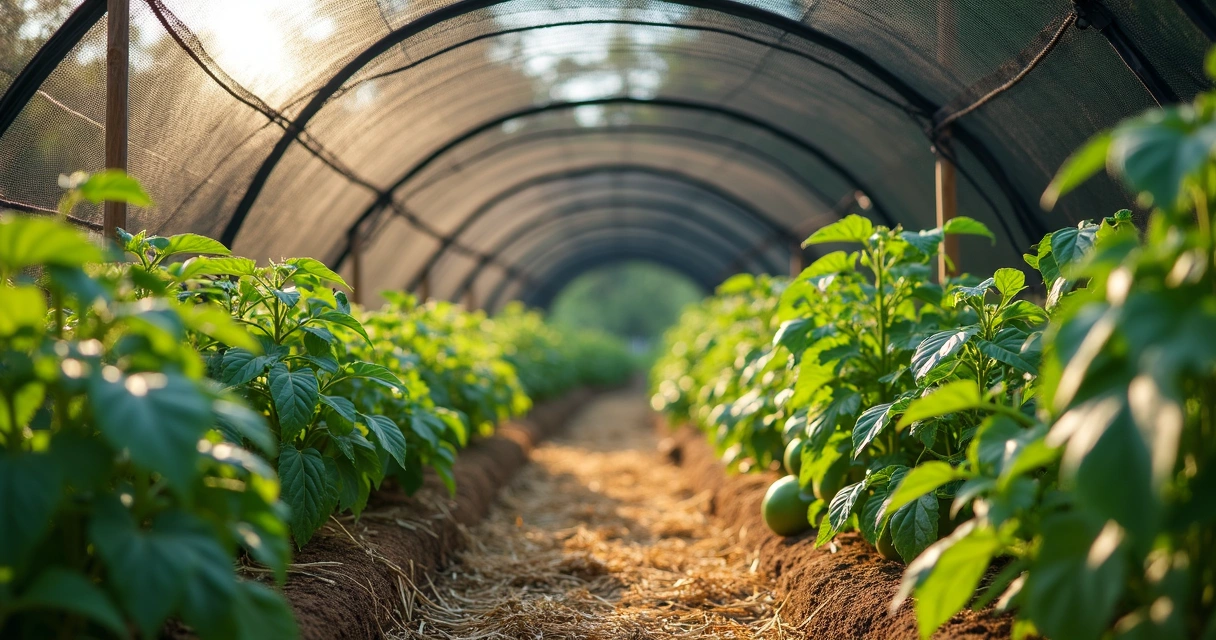 DIY shade tips
- Old cotton sheets or burlap work surprisingly well for impromptu crop covers.
- Staggered planting (tall in the back, short in the front) can create natural shade layers.
- In patio or leisure spaces, umbrellas or shade sails offer flexible, moveable relief.
It’s worth noting that lawn and gardening experts often remind us—shade and mulch aren’t rivals. Instead, they partner up to keep the whole microclimate more stable, beautiful, and practical for whatever you want to do outside this July.
Water, soil, and heat: how the trio works together
None of these techniques work alone. Mulch, for example, is only as effective as the moisture available in the soil (which it helps to retain), and shade is most powerful where roots have consistent water access and the air is allowed to flow.
- Apply a deep, slow watering before adding new mulch. That moisture will linger just beneath the surface, held in by the cover above.
- Water in the morning or evening—never midday, as you want to avoid scalding hot water soaking down to roots.
- If you use reflective mulches or fabric covers, check beneath every couple of days to be sure water is soaking in rather than running off the surface.
Some methods work better in certain climates, or at certain times during the summer. Urban settings can create heat islands, while windy plains dry out mulch more quickly. If you aren’t sure what your soil is going to do, try different approaches. Notice where weeds grow (they love cool, moist soil too)—use that as a clue that your mulch is working.
Signs your soil is overheating—and what to do next
Even attentive gardeners and property managers can be caught off-guard.
- Wilting or leaf scorch at midday (but plants recover at night)
- Crusty, hard soil surface even after watering
- Bare patches in mulch from wind, pets, or wildlife scratching away the cover
- Slowed growth or stunted new shoots, especially in shallow-rooted plants
- Worse insect or disease problems—certain pests thrive in hot, stressed beds
If you notice these symptoms—don’t panic. Often, renewing your mulch, adding another inch, or stretching a cloth cover overhead can change the soil temperature within hours. Curious about other issues lurking beneath mulch layers? Take a look at slime mold on mulch to know what’s harmless and what needs attention.
Quick fixes for a heatwave
- Gently fluff and redistribute mulch clumps with a rake to restore an even cover.
- Add extra shade just for the hottest week, then remove for more sun-tolerant periods.
- Check soil moisture by hand—don’t rely only on sprinklers.
Adaptation beats perfection when summer heat strikes.
If plants seem truly stressed, consider whether they might be in shock. Our article on helping plants recover from shock offers some practical next steps that pair perfectly with better soil cooling.
Common mistakes and how to avoid them
- Too little mulch: An inch or less won’t slow heat much—and will mostly compost itself away within weeks.
- Too much mulch: Stacking material higher than six inches can choke roots or create soggy, mold-prone pockets.
- Wrong material for your climate: Dark, dense mulches can heat up just as much as bare soil in some regions.
- Not enough air flow: Mulch that mats down can repel water, so it’s good to check and gently loosen dense patches.
Urban Oasis brings experience and specialized knowledge to these heat-busting techniques, whether they’re working with poolside patios, commercial pavilions, or a simple backyard vegetable patch. For those interested in year-round success, you might find lasting strategies in these 5 year-round landscape tips that help build a resilient garden foundation that survives even the hottest July.
Landscaping for beauty, comfort, and survival
Great landscapes are more than pretty—they’re comfortable, useful, and resilient. This is especially true in places with searing summers, unpredictable rain, and the demands of outdoor living, entertaining, and relaxing. Projects like those led by Urban Oasis prove how thoughtful planning—mulch depth, shade selection, and plant choices—mean the difference between tired, stressed spaces and those that thrive, no matter how hot July gets.
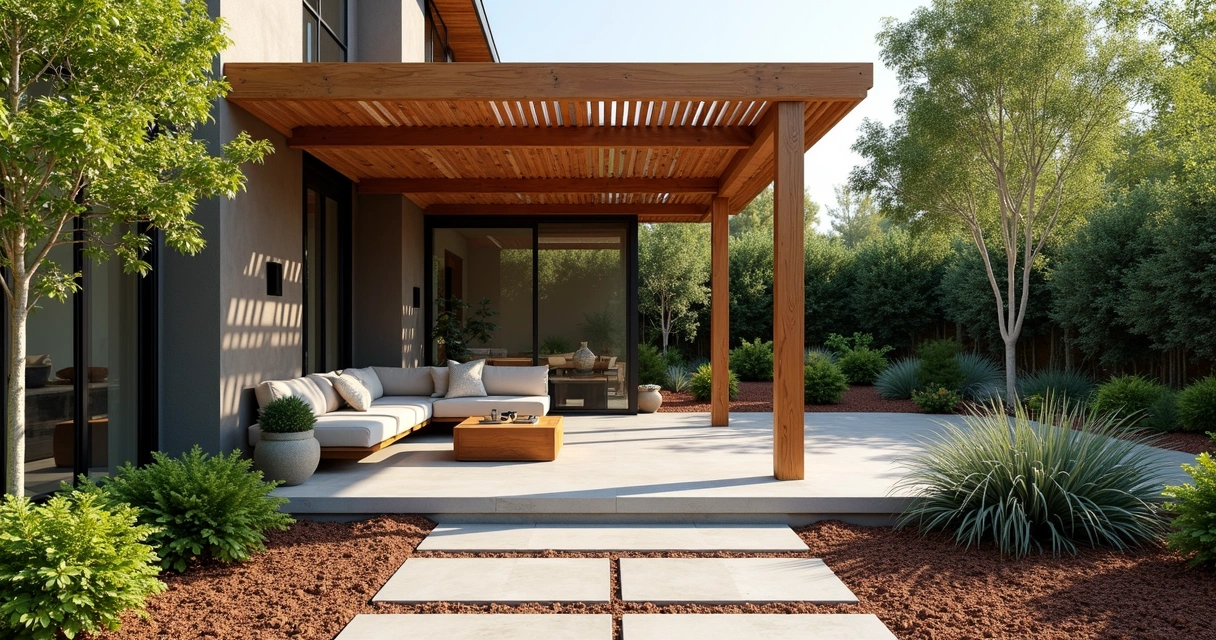 Maintenance is part science, part feel. Walking a mulched path in midday, you might pause and feel the coolness rising up, the sense of calm below your feet. These small cues tell you: the soil, and everything beneath, is protected.
Cared-for soil leads to healthy, restful spaces.
For a burst of color and persistence in the toughest seasons, you might consider landscape adaptations like sustainable, low-water plantings, which combine the cooling power of mulch and shade with hardy greenery for every climate.
Conclusion: finding your own oasis this July
 Conclusion: finding your own oasis this July
July’s heat tests every outdoor space. Mulch and shade are more than garden “extras”—they’re the lifelines keeping roots cool, plants happy, and landscapes inviting all summer. No matter your style—a modern patio, a classic cottage, or a bold commercial plaza—the principles hold. Give your soil the protection it needs, and your whole yard or project becomes a retreat from the heat.
Your roots can’t move. Your mulch and shade can.
It might take some trial, a little observation, and small adjustments to find what works best. But when you get it right, you’ll notice the difference right away—plants standing tall, leaves relaxed by late afternoon, and a ground that invites you to pause and enjoy, no matter how intense the sun.
Urban Oasis specializes in crafting these kinds of sophisticated, comfortable landscapes. If you’re ready to transform your yard or outdoor area, don’t leave your soil to cook in the sun. Put our expertise to work. Fill out the form below and let’s make your space cooler, greener, and ready for every summer gathering.
Frequently asked questions
What is soil cooling mulch?
Soil cooling mulch refers to natural or synthetic materials used as a surface cover that keeps soil temperatures lower during hot weather. Materials like wood chips, straw, shredded bark, or pine needles form an insulating layer above the soil, limiting how much heat reaches the root zone, and slowing water evaporation, which in turn helps plants stay healthier and less stressed.
How does mulch help lower soil temperature?
Mulch shades the soil surface from direct sunlight, acting like a barrier against heat. It slows down how quickly the sun warms up the ground by reflecting or absorbing some heat that would otherwise go directly into the soil. Mulch also keeps moisture from evaporating, so damp soil stays cooler for longer periods, especially during midday heat waves. This combination of less direct heat and more retained moisture leads to cooler root environments beneath the mulch.
What are the best mulches for soil cooling?
The most effective mulches for cooling soil include light-colored organic materials such as straw, wood chips, shredded bark, and pine needles. These form a loose, airy mat that insulates the soil and reflects more sunlight. Some gardeners and landscapers also use white or silver reflective plastics for even greater cooling in very hot climates, as these can drop soil temperature by up to 10°F compared to bare soil. That said, organic mulches also enrich the soil over time while moderating temperature.
Is it worth it to use mulch in July?
Absolutely—it’s often the most effective month for mulch. In July, soil temperatures peak and water evaporates quickly. A thick, fresh mulch layer protects roots from burnout, reduces watering needs, and encourages plants to keep growing, blooming, or producing fruit through the worst heat. Whether you use compost, straw, or wood chips, mulch provides relief for both plants and soil in the peak of summer.
How much mulch do I need for cooling soil?
For most gardens and landscape beds, a layer of 2–4 inches of organic mulch is ideal for keeping soil cool and moist. In more exposed areas, or when using lighter materials like straw, you can go up to 6 inches. Avoid piling mulch directly against stems or trunks, as this may promote rot or pest problems. Check and refresh mulch if it appears thin, patchy, or if you notice soil heating up again.