

After a fierce summer rain, stepping outside to assess your garden or the grounds of your commercial property can be, well, a little disheartening. Where lush grass once grew, the soil may now be compacted, saturated, or even washed away, while puddles linger that never used to. Some plants look stunned, roots exposed, and you might ask yourself—what now?
If you’re like many people living with outdoor spaces in 2025, you want future storms to roll in less dramatically, and for your landscape to recover a little easier each time. Soil isn’t just the dirt beneath our feet. It’s a living, breathing world, packed with microbes and structure that keeps our landscapes healthy, vibrant, and functional—when it’s cared for the right way.
Storms can steal years of quiet progress in a single afternoon.
This article is about healing that loss. The team at Urban Oasis has spent years helping homeowners and businesses rescue their gardens and patios after storms. We’re going to look at how to gently bring life back to your soil, repairing its structure and rebuilding its invisible workforce, the microbes. Think of this as a guide, practical but also realistic—2025 will bring more extremes, and preparation is a must.
Understanding the storm’s impact on soil
Let’s start with what, exactly, a storm does to your soil. This isn’t just a question for scientists—gardeners, commercial property managers, and anyone with a lawn or beds knows the feeling well. Sudden, heavy rainfall can:
- Compact the soil through sheer weight and force
- Wash away topsoil, the living layer full of roots and microbes
- Leave behind standing water, starving roots of oxygen
- Expose foundations or roots, increasing erosion
Worse, these problems don’t fix themselves overnight. Each rainfall can make them a little bit worse, if the underlying structure and biology isn’t restored. Sometimes even a well-mulched bed or modern patio ends up waterlogged or stripped bare, which can feel unfair after all your effort.
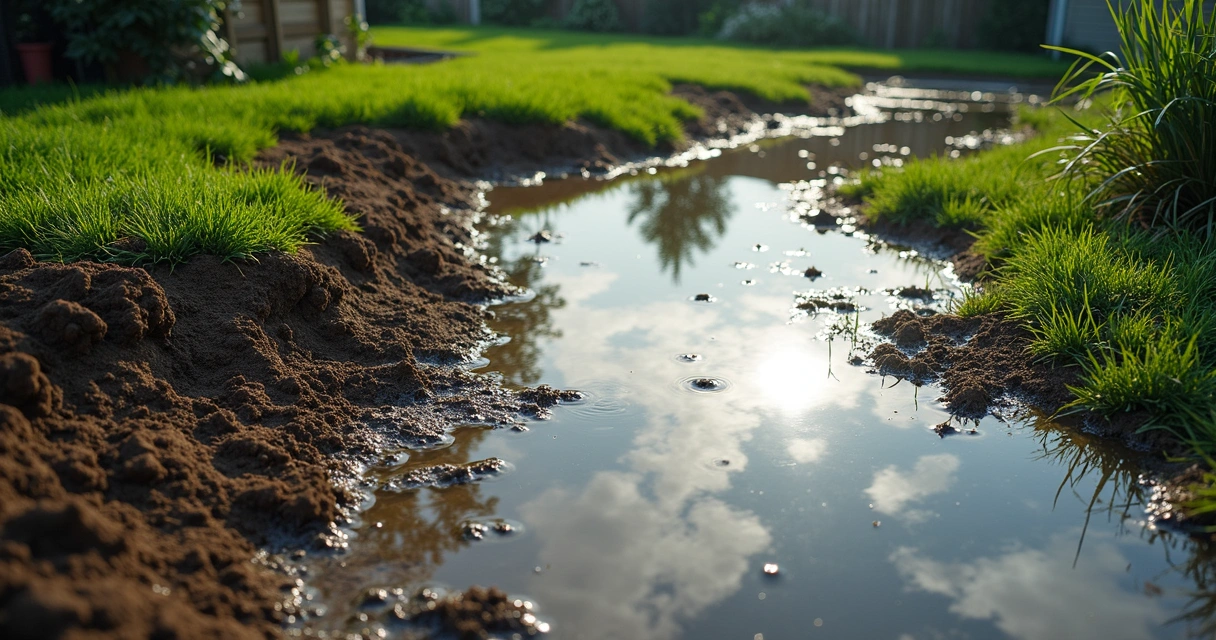 I remember an early July storm that sent water streaming across a new landscape design we’d finished only weeks before. Even after the surface dried, the ground had a strange, stubborn hardness when I walked it. “Why does it feel like concrete?” a client once asked. The answer: compaction had squeezed away the air, forcing soil particles tight together, and microbes that help roots thrive were stressed or missing.
Why microbes and structure are the foundation of recovery
If you know just one thing about land care, let it be this: Healthy soil isn’t only about nutrients or drainage. Microbes—tiny fungi, bacteria, and more—work together in networks, breaking down organic matter, cycling nutrients, and making the soil “breathe.” When storms hit hard, both these living things and the small pockets of air within soil (the structure) are disrupted.
Without both structure and life, soil is just dust or clay.
Restoring damaged soil is, in part, about giving microbes a way back in. Structure, meanwhile, is the set of spaces, crumbs, tubes, and clumps—the architecture of the stuff below ground. You change that by choices you make above ground, every time you dig, plant, walk, or drive.
At Urban Oasis, every rehabilitation project starts with the same two questions: How is the soil’s structure, and what is the state of the living community underground? Once you can answer that, recovery is straightforward—if not always quick.
First steps right after the storm
It’s tempting to do everything at once, but rehab works better step by step. Here is a basic plan Urban Oasis follows, shaped by years of hands-on recovery:
- Let the soil drain. Wait for saturated ground to firm up before taking action. Walking or working wet soil causes more compaction.
- Assess what’s left. Is the surface hard and cracked, or loose and gone? Are roots exposed? Note the areas with the most water pooling or erosion.
- Remove debris. Branches, stones, and litter should be cleared by hand.
- Plan your moves. Think about access, as even the weight of your boots or a wheelbarrow can make compaction worse until recovery starts.
When possible, limit all traffic—no vehicles, no carts—across the affected landscape. Every footstep pushes air from already struggling soil. Studies from sustainable rainscaping guides advise setting up paths and avoiding tilling when the soil is soggy, as this preserves the fragile structure that’s left and prevents deeper damage.
Rebuilding soil architecture: aeration and amendments
The first thing most people try is simply digging—turning the earth to break up clumps and packed zones. But this can sometimes do more harm than good, especially when combining heavy tools and still-wet soil. Instead, there are better, gentler ways.
Soil aeration: making room for breath
Aerating improves the spaces between soil particles, letting air and water move again—this is key for both drainage and root growth. You can try basic hand tools like a broadfork or even a garden fork, slowly and gently, just piercing and lifting slightly.
Every hole made is a chance for life to return.
For larger areas, mechanical aerators pull plugs or tines through the ground, but only after the ground has become firm—not muddy—to avoid smearing or deeper compaction. Research on soil compaction shows that even a little aeration increases pore space—the tiny channels where roots, water, air, and microbes live. It can make a visible difference in days, not weeks.
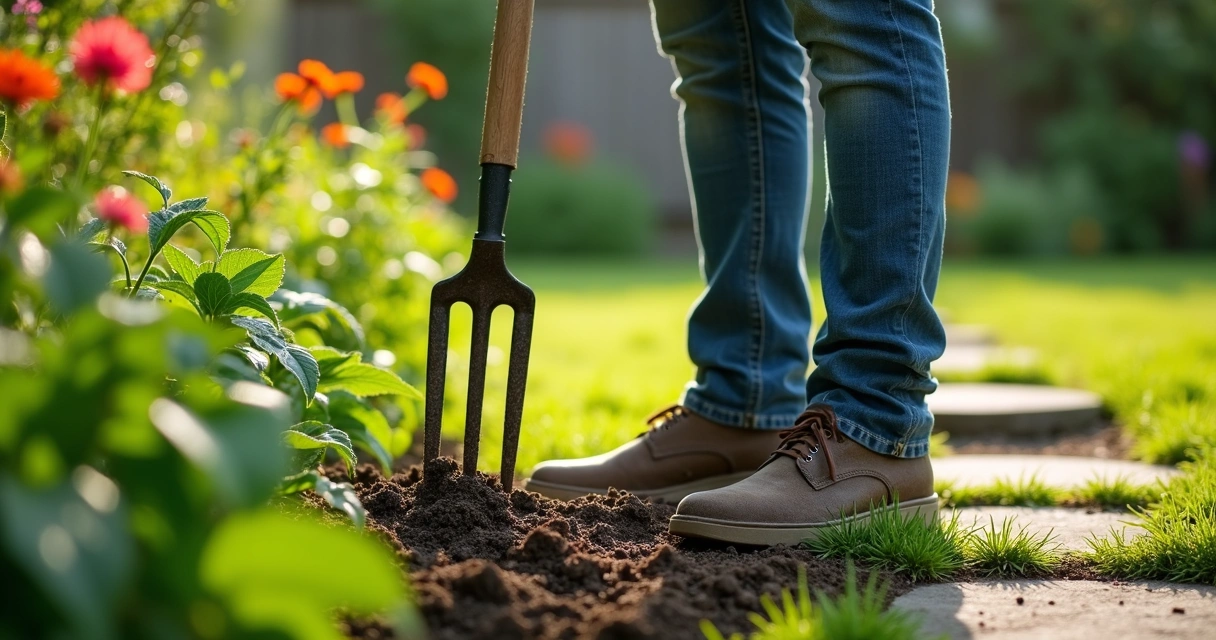 Urban Oasis often blends manual and mechanical methods—hand for sensitive garden beds, machines for wider lawns or commercial spaces—always following with a check to make sure it’s helping, not hurting. If you’re not sure, start small and observe the changes over a week.
Amending the soil: feeding the ecosystem
Once aeration is done, it’s time to add organic matter. Compost, well-aged manure, and shredded leaves are among the best additions. These feed both the soil structure and the microbial world—improving aggregation, boosting porosity, and holding onto both nutrients and water for later.
The best kind of amendment is one that’s already partially broken down, rich and earthy, because this helps fill lost “crumbs” that storms often sweep away. According to landscape restoration studies, adding organic matter after compaction is one of the most effective ways to regain lost fertility and resilience.
- Spread a 2–3 cm layer of compost or mulch over aerated areas
- Let rain or gentle irrigation move it down into soil
- Repeat this step in highly-eroded or sandy soils, as it helps rebuild the top layer over time
At Urban Oasis projects, rich compost is sometimes lightly mixed just into the top 5–10 cm, never deeply tilled, to protect emerging roots and not disturb deeper subsoil layers. If you use manure, make sure it’s well-aged—fresh will actually rob the soil of oxygen as it continues to break down.
Restoring biological life: microbial inoculants and natural boosters
The structure of soil is only half the story—bringing back its living population is the other. Microbial inoculants are products containing beneficial bacteria and fungi. They’re a relatively new, but growing field, and in 2025, high-quality biological amendments are easier to find than ever. They can help jumpstart a soil in shock after storm, letting roots and plants reestablish faster by:
- Breaking down organic matter into usable nutrients
- Improving root access to phosphorus, nitrogen, and other minerals
- Protecting roots from harmful microbes
- Creating “glues” that help soil crumbs stick together, making better structure
Invisible allies are working, even if you can’t see them.
Most often, these are applied by mixing into water and drenching the soil, or sometimes dusted dry. They work best when combined with compost and organic matter—these provide the habitat and food required for newly introduced microbes to thrive. You might not see immediate results, but watch over a week or two: earthworms may return, roots might deepen, and plants stand taller, fresher.
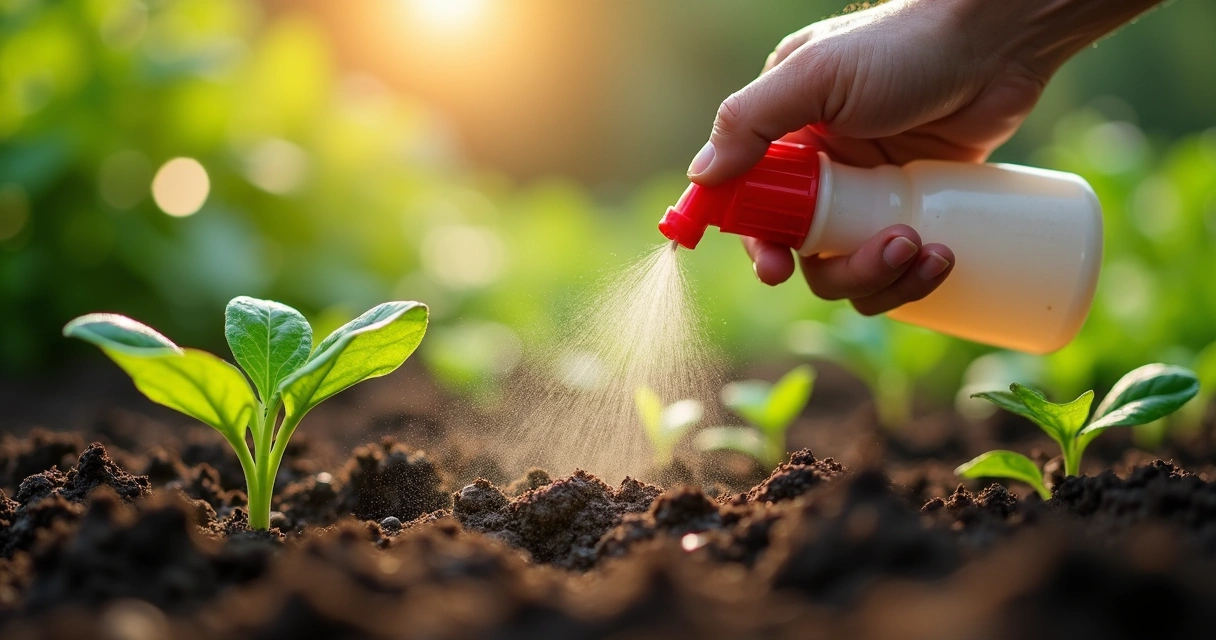 When Urban Oasis designs a recovery protocol for gardens or patios, microbial amendments are part of the package, always with education for the property owner. The mixing, timing, and matching to local soils is more art than science sometimes, but it’s a practice rooted in both old traditions and current environmental research.
Related, if you want a more in-depth look at plant stress after a harsh storm or re-planting, this guide on plant shock symptoms will help you understand what above-ground signs mean for roots and underground life.
Addressing erosion and water management
Not all soil issues after storms are invisible. Sometimes the ground is literally gone. Erosion is a serious problem for both gardens and commercial landscapes, leading to loss of valuable soil and in severe cases, exposing foundations or root systems that are hard to replace.
A few effective post-storm strategies include:
- Planting quick-growing cover crops like ryegrass or clover, which hold soil in place and improve the structure by punching roots through compacted zones (read more on cover crops)
- Building low berms or swales using found debris to slow runoff and collect sediment
- Spreading straw, wood chips, or leaf litter as mulch, which absorbs the shock of new rainfall and buffers temperatures
If working with clay-rich soils, another approach is applying gypsum, which helps change the chemical makeup—specifically replacing sodium with calcium, which helps the soil form better clumps and improve drainage, all while reducing compaction. For details on this chemical method, deep green permaculture methods provide an excellent reference.
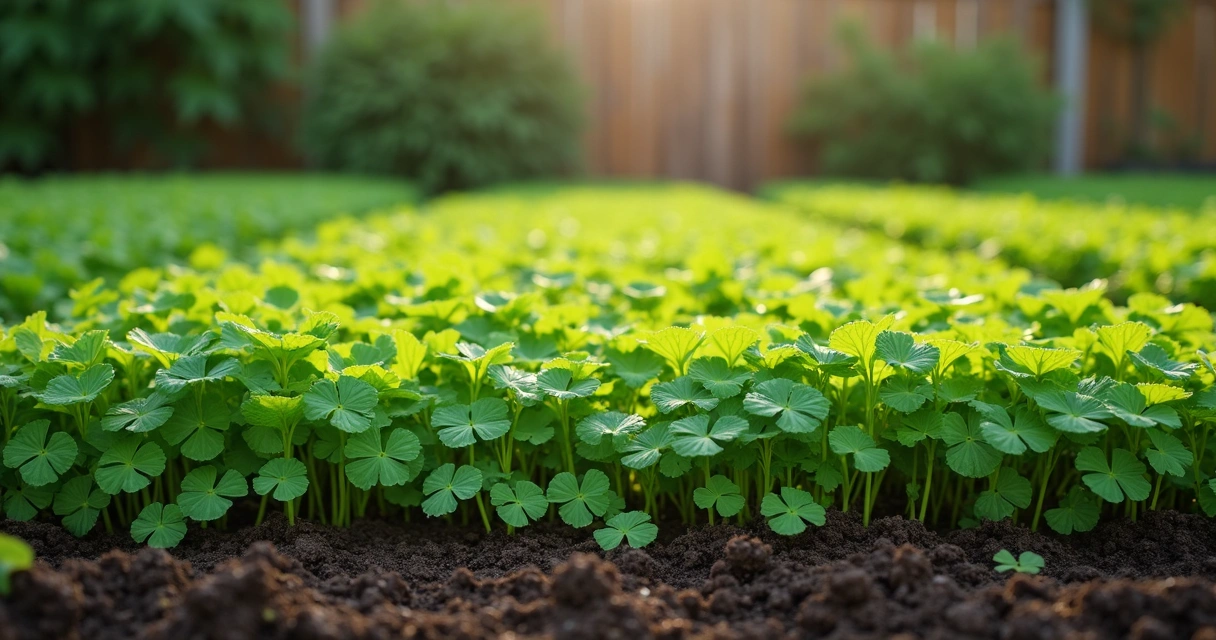 Choosing the right erosion fix depends on your property’s size and the resources you have at hand. Sometimes it’s best to consult with experts familiar with the dynamics of your particular environment. For more, explore the general principles of landscape design for resilience—it’s a primer on matching strategy to site.
Fixing compacted or washed-out soil step by step
Let’s be clear: some soils will bounce back quickly, others will take a season or more to recover. Here’s the basic sequence you can try on a small to medium plot—adjust as needed for your own space:
- Wait for surface drying. Never aerate wet clay; this creates blocks that turn harder than brick. Sandy soils recover from waterlogging faster, but may require immediate amendment to replace lost organic matter.
- Aerate gently by hand or tool. For lawns, a core aerator may help, pulling plugs that naturally fill and decompose over time. For beds, go slow—focus on trouble spots by making deep, narrow holes instead of turning soil outright.
- Feed organic matter and amendments. Layer compost or leaf mold 2–3 cm deep, or broadcast aged manure and lightly rake in. For specific drainage problems (like standing water in clay), a light application of gypsum helps aggregate soil without changing pH.
- Introduce microbial inoculants if possible. Follow the product instructions closely, ideally after a light rain or irrigation, so that microbes penetrate along with the organic matter into deeper layers.
- Mulch bare areas. Straw or wood chip mulch reduces direct rain impact, shades the surface, and gives microbes food as it breaks down.
- Plant or seed for long-term cover. Even in tidy gardens, sowing quick-growing rye or clover is a short-term fix for root structure and erosion.
- Monitor and repeat as needed. Check for soil softness, drainage, and microbial activity (earthworms, fresh root growth) every week.
Every space responds a bit differently. The trick is listening—watch for standing water, hard patches, or struggling plants, and adjust your interventions. Don’t hesitate to experiment with combinations; sometimes a couple of simple changes can bring a whole lot of improvement. For a wide list of practical tips, the year-round landscape success tips curated by Urban Oasis are well worth reviewing.
Encouraging natural soil builders
One of the most heartening sights for gardeners is spotting earthworms, beetles, and other visible workers below ground. These creatures indicate a return of the conditions microbes and plants need to thrive. Encouraging them after a storm is about:
- Minimizing synthetic chemical inputs (herbicides and pesticides)
- Keeping ground covered with mulch or vegetation
- Limiting disturbance—no excessive digging, tilling, or machine traffic
- Feeding regularly with light topdresses of compost, leaf mold, or even finely chopped plant material
This approach takes patience. I won’t claim miracles. Microbe populations grow and decline with the seasons, and not every backyard recovers at the same pace. But over the course of months—especially with repeated organic matter addition—formerly hard, compacted zones can become loose, rich, and alive again.
For evolving your plant palette after a troubled year, or if you’re wondering what thrives best after repeated weather extremes, browse the plants resource page curated by Urban Oasis. There’s always something new to try, season by season.
What to avoid when rehabbing soil after storms
It’s easy to want quick fixes, but there are several pitfalls:
- Don’t walk or drive heavy equipment over wet ground. Wait until your boots don’t leave imprints. Wet compaction is lasting.
- Don’t over-till. Aggressive tilling destroys structure and microbial habitat, sometimes setting recovery back even further.
- Don’t use fresh manure or green chip mulch. They rob oxygen as they break down and can burn sensitive roots.
- Don’t ignore drainage issues. Regular pooling means you might need to add swales, drains, or select more water-tolerant plants.
These guidelines may seem conservative, but after a storm, rushed “solutions” can create more work in the long run. Sometimes, patience and small, consistent actions yield the best healing and long-term resilience.
Seasonal care: keeping soils healthy all year round
Restoring a lawn or garden after a big July storm isn’t just about emergency repair—it’s about establishing habits that prevent lasting harm as seasons change. Here are some things that Urban Oasis recommends clients build into their yearly routines:
- Regular aeration each spring or fall to maintain pore space
- Adding organic matter at least twice a year, even in healthy years
- Mulching exposed beds before winter, to insulate roots and catch debris
- Sowing winter cover crops if soil is bare
- Inspecting for signs of compaction or pooling after every heavy rain
For more guidance, especially on lawns and gardens, the Urban Oasis lawn and gardening tips archive is full of seasonal reminders and troubleshooting suggestions.
Conclusion: growing back stronger in 2025
Storms, with all their unpredictability, test not just our landscapes but our patience and skill as stewards of outdoor spaces. Soil can take quite a beating after heavy rains, washing away microbial life and compacting vital air spaces underground.
Yet—in every disaster there is a seed of renewal. By using a combination of careful observation, gentle aeration, feeding with real organic matter, and welcoming microbes back home, you guide your soil towards real recovery. It won’t be immediate, and it may not be perfect, but every root that regrows is a promise of better days ahead.
If you want a partner in restoring or reimagining your outdoor haven, or if you’re ready to develop a year-round strategy for storm recovery and beauty, Urban Oasis would love to help. Fill out a quick form below so we can plan the next chapter for your landscape together. Don’t let the weather decide your outdoor story—take control with a thoughtful, practical plan.
Frequently asked questions
What is soil restoration after a storm?
Soil restoration after a storm means repairing the ground so it can support healthy plants, drain well, and build up its natural living community again. Storms often compact soil, wash away nutrients, and disrupt microbes. The goal is to fix these issues by gently loosening soil, adding organic matter, reintroducing microbes, and encouraging the natural rebuilding of structure. It’s a step-by-step approach to bring life back, sometimes using tools, compost, mulch, or microbial solutions, all chosen to fit your unique situation.
How do storms affect soil health?
Storms change soil in several ways: they can compact the ground, removing air and reducing drainage; they may wash away surface layers rich in nutrients and beneficial organisms; and they often leave standing water or eroded areas. This combination weakens roots, slows plant growth, and makes it harder for the natural microbial world to recover. Long-term, soils hit repeatedly by storms may become harder, less fertile, and unable to support healthy plants without help.
What are the best ways to restore soil?
The best methods are simple but require patience: wait for damp ground to dry enough before you begin, then carefully aerate compacted soils using tools or machines; spread compost or aged organic matter across the surface; use microbial inoculants if they’re available; mulch to shield the soil; and consider quick-growing cover crops for deeper repair and erosion control. In some cases, minor chemical amendments like gypsum can help heavy clay soils drain better. Most important, avoid over-tilling and be gentle with any restoration efforts.
How long does soil take to recover?
Recovery time varies by storm strength, soil type, and repair technique. Some sandy soils bounce back in weeks with light work, while heavy clay might take a season or more—sometimes up to a year, especially if erosion or compaction is severe. Consistency matters most. Frequent light additions of organic matter, observation, and avoiding hard use help soil regain its life faster. There’s no “one-size” timeline, but patient, steady action almost always delivers results by the next growing season.
Is soil restoration after storms worth it?
Absolutely. Restoring your soil means protecting your investment in plants, landscape, and outdoor living spaces. Healthy soils support vigorous plant growth, better drainage, fewer weeds, and greater resistance to future storms. While it may take effort, the rewards continue over many seasons: less runoff, fewer drainage problems, and a more vibrant, sustainable landscape. Most people find that thoughtful soil rehab, especially after storm damage, pays back in beauty and function for years to come.