
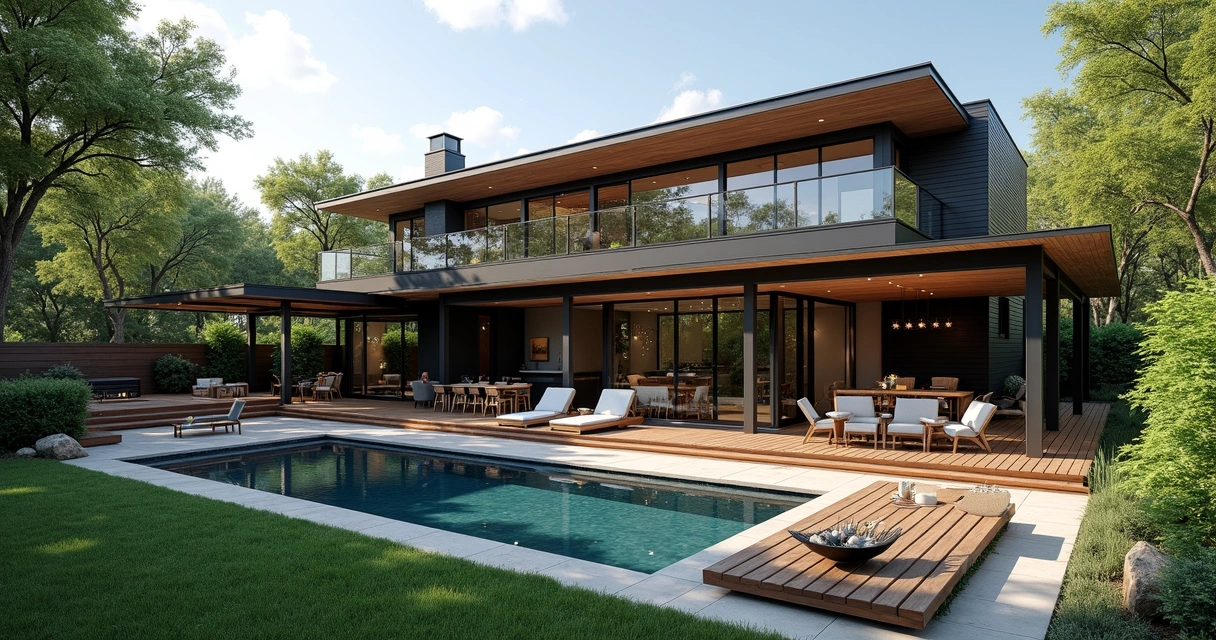
There’s a moment when a potential buyer steps outside during a showing. Grass underfoot, the sun nudging through a pergola, a breeze shifting the leaves, and— just for a second— they see themselves living there. The right outdoor space in Austin doesn’t just add curb appeal. It moves inventory. It invites emotion, decision, and, if done smartly, a fast sale.
If you’re a real estate developer, builder, or architect shaping today’s Austin, you already know exteriors make a difference. But what exactly makes spec home landscaping stand out in Austin’s competitive market? And which builder landscaping ideas deliver the fastest turnarounds without breaking budgets or adding maintenance nightmares for future homeowners? Let’s talk through the real moves that help new builds stand out and close quickly.
Outdoor spaces are not just backdrops, they’re deal-makers.
Why outdoor living is Austin’s must-have spec home feature
Austin’s climate and culture set the stage for why outdoor design is no longer just an afterthought. Here, backyards aren’t secrets to be hidden. They’re painted into every open house fantasy, often just as important as the kitchen or living room. But what caused this shift? A blend of lifestyle and economics.
Millennials and Gen X buyers, now the dominant groups in Austin real estate, actively seek homes that make outdoor living easy and beautiful. Pandemic years made people reconsider their patios, fire pits, and pools. And in Texas, with nearly nine months of “outdoor friendly” weather, buyers know those investments won’t go unused. Studies summarized by the National Association of Realtors’ outdoor features report suggest properties with inviting, low-maintenance landscaping not only attract more attention but also fetch higher offers and faster closings.
It’s no surprise, then, that the smarter the landscape design, the swifter the sale.
Understanding the Austin buyer mindset
You can spot an out-of-town developer by their cookie-cutter sod, imported hedges, and over-mulched flowerbeds that look tired within a summer. Austin buyers react differently. They look for texture, shade, and water features that feel born of the Hill Country, not plopped down from a catalog. When buyers see a thoughtfully designed exterior, they imagine less work, lower bills, and more enjoyment. There lies the opportunity—and the challenge—for anyone steering a new build to market here.
Urban Oasis has refined this understanding through hands-on experience in both residential and commercial projects. By focusing on how people use outdoor spaces every day—for entertaining, relaxing, dining, and play—they help shape the environments that support real Austin lifestyles.
What do those environments have in common? Let’s break it down.
Top landscaping features that move spec homes quickly
Not every spec home needs the same features, but several landscaping choices consistently drive interest and add value. The key is in blending instant impact with ease of maintenance—a theme echoed in examples of low-maintenance, high-impact landscaping done right in Austin. Here’s where to focus attention.
- Welcoming entries: Pathways, custom address markers, and layered native plants at the curb quickly differentiate a home—sometimes before anyone even rings the bell.
- Defined outdoor living areas: Patios, deck spaces, and even simple gravel seating nooks “stage” an outdoor lifestyle with little construction. Options like concrete pavers, natural flagstone, or ipe decks stand up to sun and require little care.
- Shade structures and pergolas: Austin buyers have learned the hard way about full sun. Even a small pergola, custom arbor, or retractable awning profoundly increases usability and perceived value. Insights on materials and placement can be found in Urban Oasis’s own discussion on adding pergolas to outdoor living spaces.
- High-quality, native plantings: Avoiding thirsty lawns and finicky ornamentals, plantings like Texas sage, Mexican feather grass, yaupon holly, and more resist drought and deer, while looking fresh all year. Even small pockets of wildflowers are eye-catching—and distinctly Austin.
- Smart irrigation: Drip systems, smart controllers, and rain sensors signal to buyers that the builder “gets” local water realities. Efficient irrigation isn’t just a selling point; it’s a prerequisite for resale in drought-prone years.
- Entertaining extras: Simple fire bowls, built-in benches, or a small outdoor kitchen area rare elevate price points and buyer excitement. You don’t have to go ultra-luxury to add a grilling station or a place for string lights.
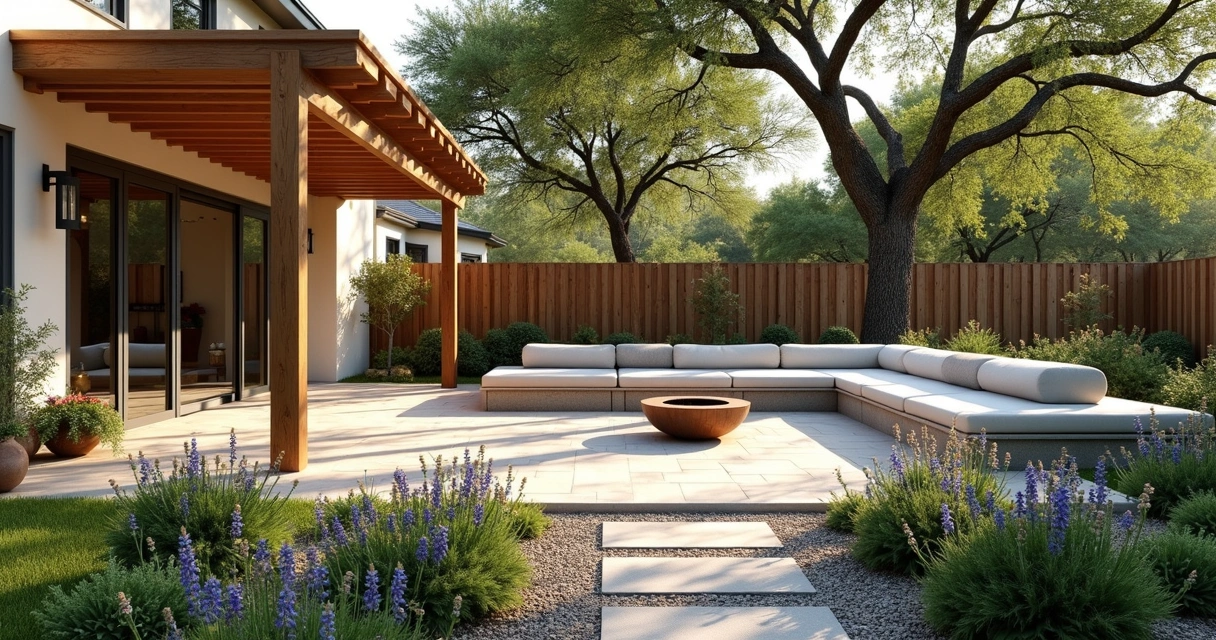
What makes an outdoor space feel “spec-ready” yet personal?
It’s a balancing act. In the quest to make homes appealing to “most” buyers, it’s tempting to default to bland universality. But fast selling home features tend to marry broad appeal with just enough personality. That’s where intentionality comes in.
- Use flexible layouts: Leave space for both a small bistro set and a group of loungers. Buyers want to visualize hosting a few friends or a full birthday party—don’t lock them into one model.
- Stage focal points: A specimen tree, a water feature, or a unique sculpture can stop buyers in their tracks.
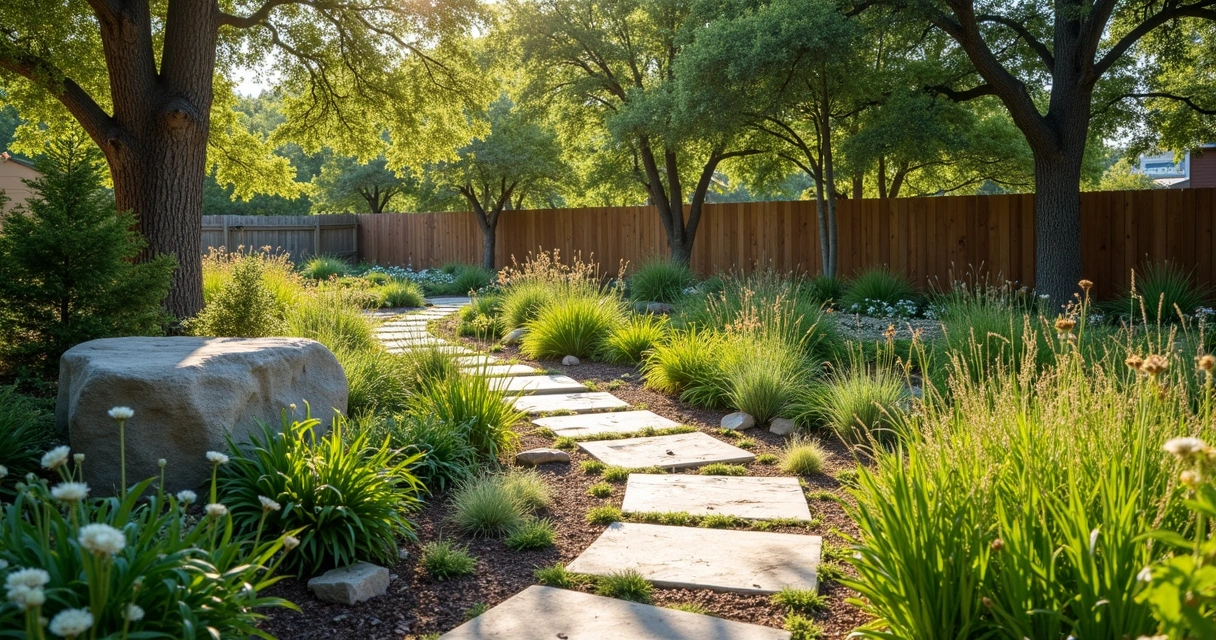
- Mix hardscape and green: A sea of turf feels dull, but too many beds look fussy. Consider negative space: gravel, pavers, and low groundcovers mixed with pockets of color and texture.
- Don’t overcomplicate: Prioritize durability, sun tolerance, and low water. Minimalism framed with a few “wow” moments works better than cluttered designs that look tired by the first showing.
One Urban Oasis project kept a basic plan for a narrow lot: limestone pavers, a few twisted oaks, and clusters of purple coneflower. The agents said every single buyer paused here—just to touch the bark, or run a finger across the stones. Sometimes, the details are the story.
Low-maintenance, high-return: what buyers really want
You could almost sum up Austin’s current landscaping trend in one phrase: “beautiful, but easy.” Buyers want exteriors to be an asset, not an obligation. This means:
- Fewer lawns, more natural groundcovers and gravel
- Plantings that thrive with infrequent watering
- Mulch beds for weed control and soil health
- Automated irrigation and lighting
- Durable materials—like stone, steel, cedar—that age gracefully
These features can feel plain on paper, but they translate to real selling power. As explored in Urban Oasis’s discussion on high-impact choices, the right mix reduces fears of hidden upkeep and shows a commitment to sustainability—two qualities modern buyers increasingly demand.
Making an entrance: why curb appeal is everything
First impressions are often formed at the sidewalk. A house that looks cared for outside gets a kinder look inside. But “curb appeal” in Austin isn’t just about grass and mailbox flowers; it’s about coherence and harmony.
- Uncluttered paths: Quality walkways, framed by clean beds and smart lighting, do more for the first impression than oversized driveways or fussy accent pieces.
- Layered planting: Think in threes: short (groundcover), medium (shrub or grass), tall (tree or trellis). The result is depth, not clutter.
- Address and gates: Custom steel numbers, mailboxes, or a horizontal slat accent gate project both modern taste and permanence.
Curb appeal is the front door before the door.
For more on adding style and functionality right at the entry, see Urban Oasis’s post on boosting property value with outdoor trends.
Emphasizing entertainment and livable space
Austin buyers place a huge premium on spaces that “live large.” That doesn’t necessarily require a sprawling lot. Even compact yards feel expansive with the right builder landscaping ideas:
- Multi-zone layouts: Separate areas for grilling, dining, and lounging visually expand usable space (and value).
- Integrated decks or patios: Especially when connected to main living areas through large sliders or folding doors. Deck installation is a proven way to add perceived square footage outdoors, a fact covered in detail by Urban Oasis in their patio installation advice.
- Features for all ages: Even a patch of artificial turf for pets or kids can broaden a home’s appeal—not everything has to be gourmet-level.
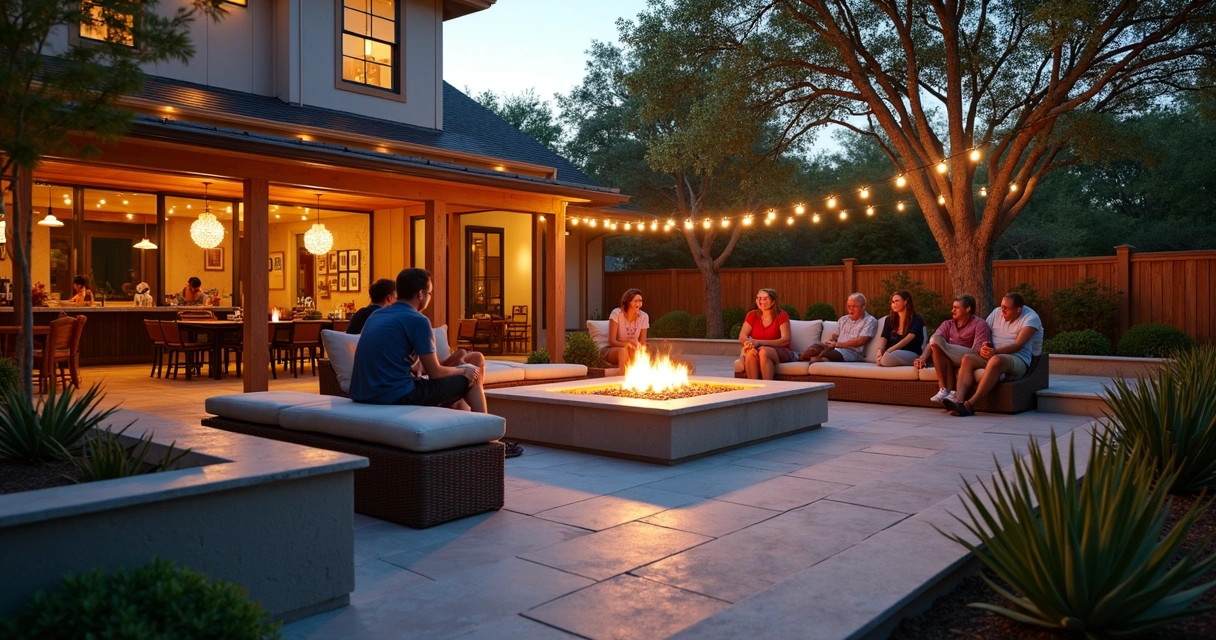
- Fire and water elements: Small-scale fire bowls, water walls, or simple stock tank pools spark curiosity and give buyers a mental picture of how they would spend a Saturday afternoon.
Native, drought-resistant plants: the secret to lasting value
Native plants aren’t just “eco-friendly” add-ons—they’re anchors of the Austin landscape. Besides lowering water bills, native and adapted plants resist pests, reduce maintenance, and give a home that uniquely local touch.
- Grasses: Little bluestem, gulf muhly, and Lindheimer’s muhly offer movement and beauty with minimal care.
- Shrubs: Agarita, yaupon holly, and Texas sage give color and privacy all year.
- Perennials: Damianita, blackfoot daisy, and mealy blue sage bloom through the heat and attract pollinators.
Many buyers recognize these, consciously or not. Seeing them signals a “home that belongs,” rather than a transplant. According to a National Association of Realtors study of outdoor trends, homes with native landscaping in their region are more attractive to buyers and require on average 25% less maintenance cost.
Small upgrades, big impact: cost-effective shifts
Not every builder landscaping idea needs to be a big-ticket item. In fact, sometimes, the smaller, better-targeted updates bring more offers than a giant pool or fancy outdoor kitchen. Here are changes that work fast for Austin spec homes:
- Upgrade walkway lighting: Solar or low-voltage path lights quickly give a “finished” look.
- Resourceful raised beds: Simple cedar boxes with herbs or succulents are trendy and easy to swap out if needed.
- Defined borders: Metal edging or stone perimeters keep beds tidy and show thoughtfulness.
- Strategic tree placement: Even a small shade tree (think Texas redbud) cools patios and promises long-term comfort—a memorable selling feature.
- Mulch refresh: Clean, uniform mulch in all beds makes the entire property look cared for with minimal cost.
Buyers may not comment on each element, but together, these shifts create a sense of completeness that helps homes stand out.
Outdoor accessories: the unsung heroes
The right accessories help buyers picture themselves at home. Don’t underestimate the impact of moveable extras:
- Planter groupings—clay, concrete, or metal—clustered near entries
- Weathered wood benches under a tree, inviting relaxation
- Contemporary house numbers or custom mailbox upgrades
- Automatic irrigation controllers on display (with an easy-to-follow guide for buyers)
- Simple cafe lights or lanterns hung from eaves or structures
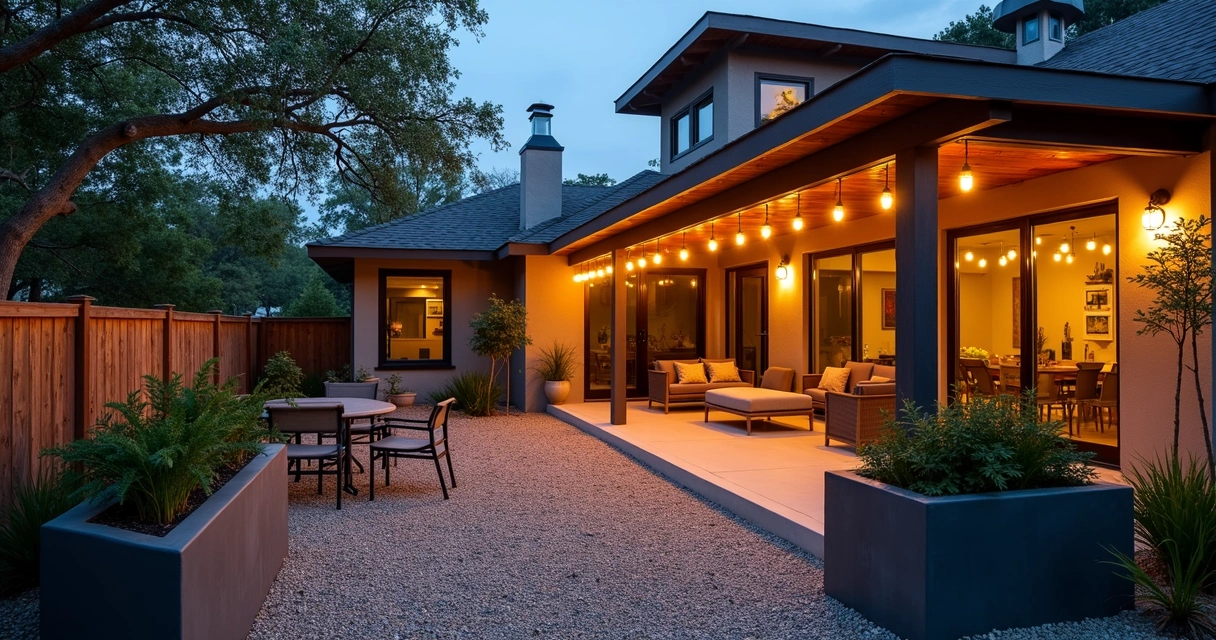
Remember, these items are often inexpensive but create a feeling of care and intent—a subtle nudge for buyers to act quickly.
Modern expectations: technology and outdoor integration
Smart home tech doesn’t stop at the back door. Savvy buyers are starting to expect outdoor spaces that integrate with their digital lifestyle. Consider:
- WiFi-enabled irrigation and lighting, offering control from a phone
- Surfaces prewired for outdoor speakers, cameras, or TVs
- Weatherproof charging stations for devices or e-bikes
Homes offering these touches—even at entry level—communicate a forward-thinking approach and lift perceived value. According to recent research in outdoor living features, buyers strongly favor low-tech “ease of use” (like drip irrigation) over ultra high-end gadgetry, but functional tech is a differentiator.
Austin’s microclimates: matching design to location
South Austin may be shady and lush; East Austin, dry and open; West Austin, full of limestone shelves and wind. The lesson? “One size fits all” doesn’t work. A top-performing spec home landscape adjusts to the lot’s sun, views, and soil type.
Urban Oasis often starts with a site review: testing soil, watching light, even noting sound patterns from streets or neighbors. Placement and selection, not just plant substitutes, set winning homes apart. The willingness to adapt beats any imported “theme garden.”
“No two Austin lots are the same. Good design listens first.”
Staging outdoor spaces: what really makes people fall in love
Staging isn’t only for interiors. A few well-placed chairs, a fire bowl ready to light, a set table on the patio—these touches spark the imagination, making a generic yard feel like a lived-in haven. Some of Urban Oasis’s most popular projects never featured expensive upgrades but gained attention for their thoughtful staging and sense of possibility.
If nothing else, “inviting” should be your filter. Ask: Would a buyer see themselves out here today?
How to plan: the builder’s checklist for fast-selling outdoor spaces
It can feel overwhelming. But breaking it down, these are the “can’t miss” checks for spec home landscaping in Austin:
- Visit the site at different times of day. Check sunlight, wind, and what’s worth highlighting or screening.
- Pick native/adapted plants first, exotics only as accents.
- Create one main entertaining area that connects naturally to indoor living.
- Provide attractive, simple seating—a built-in bench at the very least.
- Use durable hardscape materials: stone, decomposed granite, hardwoods.
- Install smart, easy irrigation, preferably drip, with the controller in sight.
- Add warm, energy-efficient lighting along paths and gathering spots.
- Keep design open for owner customization—leave pockets for future plants or small upgrades.
- Use staging tricks: set a table, fill planters, or light the fire bowl for photos/showings.
None of these need to be expensive. What counts is attention and care. The outcome? Homes that welcome, inspire, and sell.
Where to go next: resources and inspiration
Ready for more specifics? For outdoor living trends driving up Austin property values, see current trends shaping local value. For party-friendly outdoor layouts, explore tips on creating spaces for entertaining in style.
Urban Oasis specializes in guiding developers, builders, and homebuyers through the process—from early consultation to final walk-through—ensuring every outdoor investment is smart, sellable, and sustainable. Their experience shows that transforming even simple lots with thoughtful touches leads to faster sales and greater satisfaction.
By listening carefully, choosing the right features, and working with partners who know Austin’s unique rhythms, you can consistently deliver exteriors that seal the deal.
Conclusion: what Austin spec home buyers are looking for
From the curb to the back fence, spec home landscaping in Austin isn’t about quantity—it’s about clarity, quality, and a sense of local belonging. Buyers want beauty, but they also crave function. They want to relax, host, or play, but not fuss nonstop over their yard.
The spaces that sell fastest are the ones that whisper, “Ready to live, right now.”
If you’re searching for the strategy that turns your new projects into quick, profitable closings, thoughtful outdoor design is always part of the answer. Whether it’s a patio, native planting, or the right kind of lighting, a modern, functional exterior brings those “yes” moments faster and with less haggling.
Urban Oasis helps you bring those moments to life. Want a partner who gets Austin—and knows how to shape outdoor spaces that sell? Your next project starts with a conversation.
Frequently asked questions
What are top landscaping features for spec homes?
Top features include well-designed patios or decks, native and low-maintenance plantings, efficient irrigation systems, built-in seating, smart lighting, and defined entertaining areas. Shade structures, such as pergolas, and inviting entryways also boost appeal. These elements blend instant beauty, function, and minimal upkeep—an attractive trio for Austin buyers.
How does landscaping affect home selling speed?
Great landscaping can shorten time on market by creating an inviting first impression and making homes feel “ready to enjoy.” According to studies cited in national real estate research, landscaped homes sell faster and at higher prices. In Austin, where outdoor living is prized, a smartly designed yard often tips the scales for buyers comparing multiple properties.
What are cost-effective landscaping ideas for builders?
Cost-effective ideas include focusing on native plants, using gravel or decomposed granite instead of turf, adding raised planters, upgrading path lighting, and choosing durable materials like cedar or stone. These choices stretch budgets further and require little upkeep, making them attractive to both buyers and builders. Mulching beds and strategic tree placement can also have a big impact without big expense.
Is professional landscaping worth it for spec homes?
Professional landscaping frequently pays for itself by increasing perceived value, shortening listing time, and setting a home apart in competitive markets. Well-designed exteriors foster buyer interest and can lead to multiple offers. Projects like those steered by Urban Oasis adapt solutions to budget and style, ensuring every dollar spent has visible return.
What native plants work best in Austin landscaping?
Excellent choices for Austin include Texas sage, yaupon holly, agarita, gulf muhly, little bluestem, Lindheimer’s muhly, blackfoot daisy, mealy blue sage, and damianita. These plants handle drought, support wildlife, and low maintenance. Grouping them with mulch and local stones produces landscapes that look good year-round while saving on water and upkeep.