
It takes a while for reality to settle in. The Texas Hill Country suddenly looks nothing like the quiet, rolling green that most Texans know. Rapid, surging waters have left entire communities in shock. In just a few days, lapping rivers became an unstoppable force, sweeping away homes, hopes, and, for over 130 families, unthinkably more. In towns like Kerrville and Hunt, the devastation is gut-wrenching and heartbreakingly real. The path ahead won’t be easy, but together, we can help mend what’s been broken.
The sudden disaster: flooding and loss in the hill country
The floods arrived fast, with a sound and speed no one was really prepared for. According to recent reports, at least 135 people have lost their lives across the region – the gravest tragedy Kerr County has ever seen, with more than 100 confirmed dead there alone. The toll may rise. Many residents recount how dark waters rose, swallowing vehicles and entire homes. It all happened in a flash, leaving almost no time to react.
In places like Ingram, Comfort, Hunt, and especially Kerrville, families faced the roar of the Guadalupe River as it overtook its banks. The water carried debris– memories and mementos– far downstream. The suddenness, the lack of warning, made it impossible to prepare. Community members watched, helpless, as floodwaters swept through familiar streets and playgrounds, erasing the familiar landscape.
No one thought it would reach the front porch, let alone the whole house.
- Over 130 lives lost across the region.
- At least 100 fatalities in Kerr County alone.
- Entire neighborhoods left unrecognizable.
- Dozens still searching for missing family.
Ongoing search and rescue: a race against time
After the initial shock, communities quickly shifted toward urgent rescue and recovery. According to local updates, more than 2,000 volunteers joined the effort in Kerr County alone. Their mission: to find those still missing and give comfort where they can.
The riverside towns are alive now with the sounds of small boats, search dogs, and shouts of hope. Search teams work day and night, scanning the muddy banks of the Guadalupe. For many, these long hours are grueling, but there’s a sense of purpose: every person and every pet found means another family can start the long journey back from heartbreak.
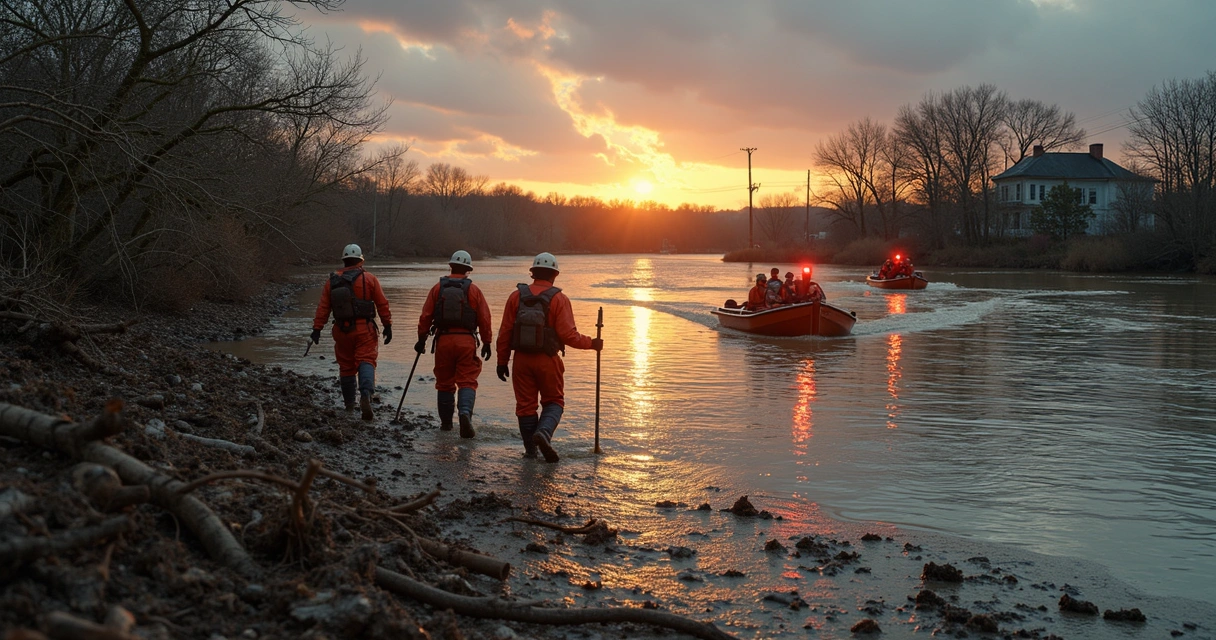 A particularly devastating story comes from Camp Mystic, a beloved girls’ summer camp set along the river near Hunt. Early morning, floodwaters rose without warning, trapping counselors and campers alike. The water tossed cabins aside like toy blocks. Frantic rescue efforts saved most, but some young campers remain unaccounted for. The air along this bend of the river is heavy with grief and worry.
With cell towers damaged and power lines down, communication falters. Still, teams press on, guided by crude maps, volunteer pilots, and intuition. There’s no easy formula for moving forward when so much is lost.
A community pulled together: who’s providing help
In the face of so much need, some remarkable organizations have stepped in. According to reports tracking relief efforts, the American Red Cross, Salvation Army, and several grassroots initiatives have turned local schools and churches into shelters and supply stations. Each group takes on a different piece of the work: one sets up cots and hands out meals, while another coordinates transportation for displaced families.
Here are some of the groups working around the clock:
- American Red Cross: Providing shelter, meals, and emergency health services.
- Salvation Army: Handing out food boxes and clothing, offering emotional support.
- Kerr County Flood Relief Fund: A local nonprofit with a $100,000 goal for direct support, distributing funds for reconstruction and supplies.
- TEXSAR (Texas Search and Rescue): Coordinating ground searches and technical rescues.
- World Central Kitchen: Setting up field kitchens to provide thousands of hot meals each day.
- Local church initiatives and shelters: Coordinating volunteers, offering trauma counseling and basic medical care.
Businesses have gotten involved, too. Big-box stores such as Walmart and well-known grocery chains have organized food and clothing drives. Their teams handle logistics, ensuring everything gets where it needs to go. Still, the greatest needs are determined locally, often changing by the hour.
Some needs are met, but plenty linger just below the surface.
If you want to see more about how local recovery efforts can reshape outdoor spaces in the aftermath, the Wimberly Project offers an inspiring look at restoration after disaster—a reminder that new beginnings are possible.
Ways you can make a difference: financial help and supplies
You may wonder what role you can play from afar, or even from just down the road. Sometimes, writing a check feels distant, but for those on the ground in the Hill Country, every donation matters. Even small amounts provide immediate relief.
Where to give:
- American Red Cross for shelter and food,
- Salvation Army for clothing and cleanup kits,
- Kerr County Flood Relief Fund for targeted local support,
- Your nearest church, synagogue, or mosque’s flood relief initiative,
- Local animal shelters—for pets separated from their owners.
The $100,000 goal set by Kerr County Flood Relief Fund is just a start, but every dollar brings them closer to rebuilding. If you or a group you know wants to arrange a food or clothing drive, coordinate either directly with one of the national organizations above or with local volunteers. Grocery cards go a long way. Blankets, hygiene items, diapers, and water are always needed, though needs change fast.
It’s not always about the amount—sometimes it’s about showing up.
If you’d like to help families create new comfortable outdoor gathering spaces after the storm, professionals like those at Urban Oasis understand how hard the journey back can be. Together, communities can envision spaces where people can gather again, laugh, and begin to heal. You can discover more about transforming outdoor living in challenging times through helpful content in the Urban Oasis blog.
Volunteering: lending your hands and time
If donating isn’t your route, there’s another way—volunteering even in small ways makes a tangible difference. Hundreds have already joined search teams, distributed meals, and offered up spare bedrooms. But more hands are always needed.
 Search and rescue: Most searches still focus on the riverbanks near Kerrville and Hunt, coordinated in part by the Hunt Volunteer Fire Department and through networks like TEXSAR.
- Food and supply distribution: Many local churches and schools house ad-hoc kitchens and relief centers. Volunteer shifts fill up quickly, but persistence pays off.
- Animal foster care: Local shelters like Kerrville Pets Alive! need help walking dogs, bottle-feeding kittens, and temporarily housing pets until families can be reunited.
- Home and yard cleanup: Once the waters recede, teams move in to shovel mud, haul furniture, and rip out waterlogged drywall. No experience needed—just willingness to get a little dirty.
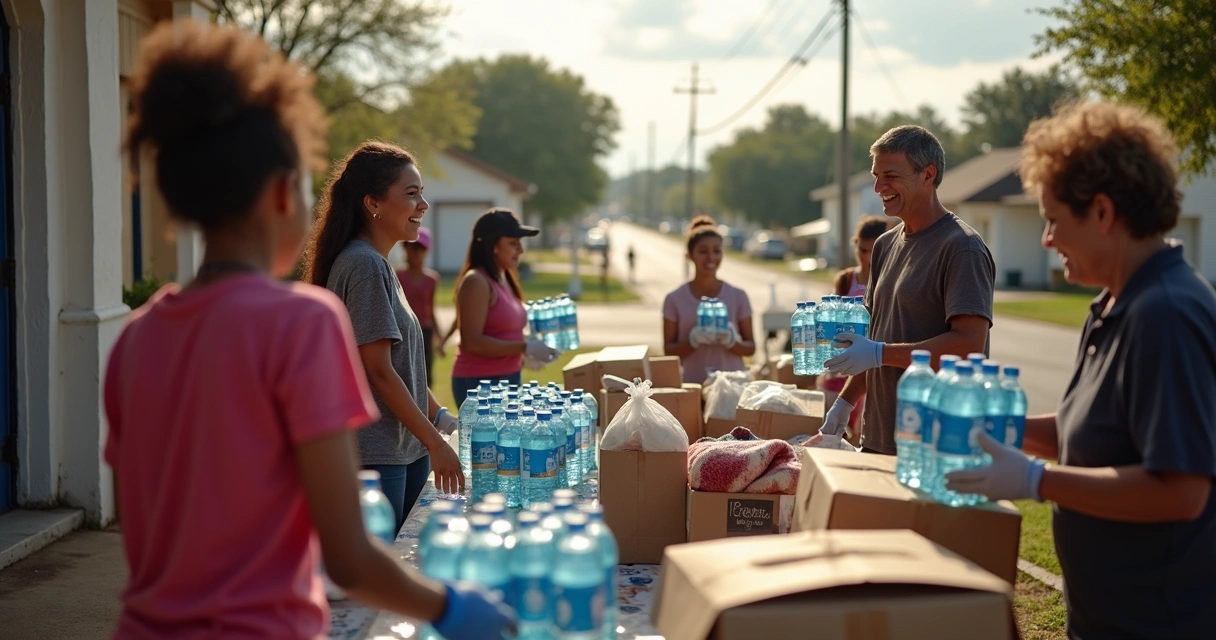 Search and rescue: Most searches still focus on the riverbanks near Kerrville and Hunt, coordinated in part by the Hunt Volunteer Fire Department and through networks like TEXSAR.
If you’d like to see more structured approaches to rebuilding outdoor spaces that survived flooding, there are tons of resources about landscaping disaster recovery and hardscape restoration that can guide you and your neighbors as you move forward.
You can learn about volunteer signups and immediate aid needs through social platforms and hyperlocal resources, as described in community volunteer guides. Or, if you’re handy, bring your tools—some folks arrive with chainsaws and cleaning supplies, others with nothing more than a smile and a sturdy pair of boots.
Some days all you need is a willing heart and a sturdy pair of gloves.
Pets and animals: the silent victims, finding their way home
Floods don’t just separate families—they pull pets apart, too. Dogs, cats, horses, and even some farm animals were swept off properties or left behind in a hurry. Local animal rescue groups are overwhelmed. In many cases, animals end up in shelters miles from home, frightened, hungry, but safe.
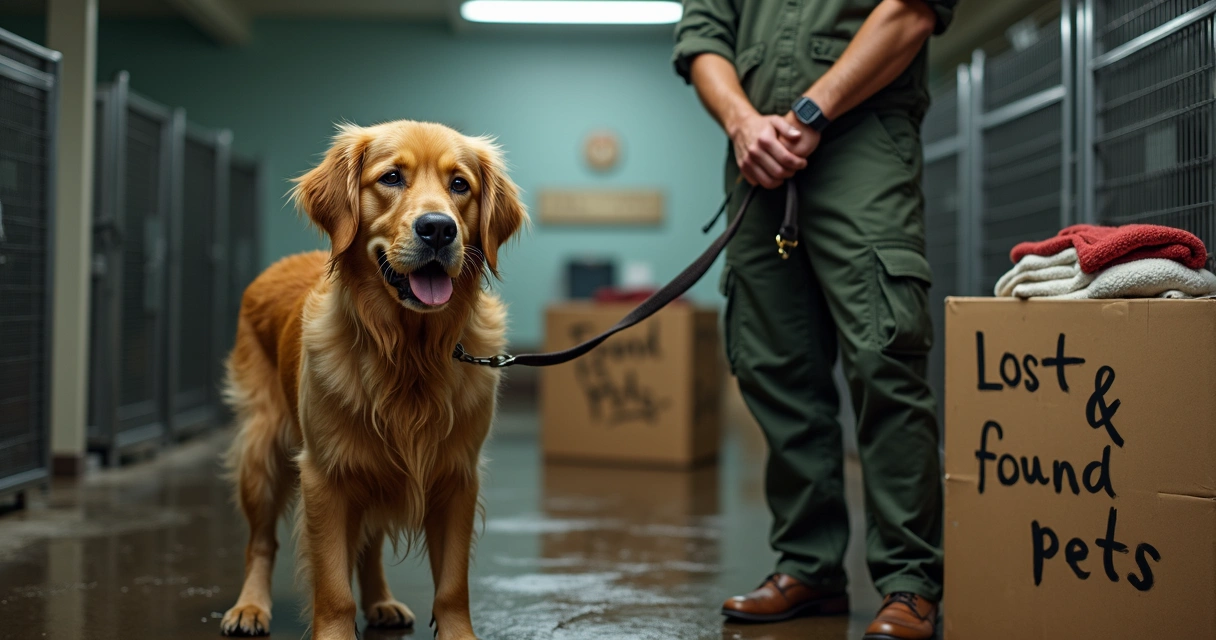 A remarkable grassroots initiative, Found on the Guadalupe River, started as a small Facebook group and has now helped hundreds of people reconnect with their lost pets and belongings. Volunteers use photos and posts to coordinate returns. If you have found an animal, or if you’re searching for yours, this group has become vital, as recent coverage highlights.
- Contact local animal shelters such as Kerrville Pets Alive! for recent intakes.
- Post detailed descriptions and photos on the Found on the Guadalupe River Facebook page.
- Help with food and foster care by contacting area shelters—they need temporary homes, transport, and donations of food and pet supplies.
Returning pets to families is one of the few times you’ll hear pure joy in these towns right now. It’s a real reminder that courage and compassion come in many forms.
Building resilience for next time: what can change?
When the floods recede, questions linger. How can communities prepare when the unimaginable happens again? As recent news coverage on local impact points out, there was no robust warning system for families in the path of rising rivers. With so much loss, many are now talking about better flood planning, stronger evacuation protocols, and new standards for construction and outdoor living.
Projects like those by Urban Oasis show how thoughtful outdoor design and strong communication can help neighbors reimagine how they use—and protect—their properties. For example, the placement of decks and patios, as discussed in landscaping improvements, can support safer family spaces while enhancing the beauty and utility of a garden or yard, even after a natural disaster.
What you rebuild now may keep someone safer tomorrow.
Many believe the hard work of rebuilding will last for years. Bit by bit, families will repaint porches, replant gardens, and replace what was lost. But the Hill Country spirit? It’s not so fragile.
Conclusion: turning grief into hope, one small act at a time
Sometimes, it almost feels pointless to try. The river still runs muddy, many houses aren’t salvageable, and there’s a heaviness in the July air. But time and again, the people of the Texas Hill Country have found a way to start again—with their neighbors, their churches, and the help of strangers near and far.
If you’re searching for a way to help, do something. Send a donation. Volunteer your hands or your time. Share a meal or a quiet word. Recovery is not quick, but every small act pushes healing forward. And if you see the chance to be part of the rebuilding—of outdoor spaces, homes, or hope itself—that’s what Urban Oasis always stands for: turning the debris of a flood into a place where laughter and comfort return. Learn more about how we help create resilient outdoor spaces and how you can get involved by reaching out or exploring our projects.
Frequently asked questions about Texas Hill Country Floods
What caused the Texas Hill Country floods?
The 2025 Texas Hill Country floods were triggered by unusually heavy rainfall within a short period, swelling local rivers like the Guadalupe beyond capacity. The rapid runoff and lack of widespread warning systems meant many communities, including Kerrville, Hunt, and Ingram, were caught off guard as waters rose much faster than expected. Back-to-back storms and saturated ground left little time for the rivers to recede, resulting in catastrophic flooding across the region. You can find more background in recent reports on flood causes and devastation.
How can I donate to flood victims?
Donations are being accepted by a range of organizations working directly in affected communities. The American Red Cross and Salvation Army accept financial contributions for shelter, meals, and medical assistance. The Kerr County Flood Relief Fund has set a $100,000 goal for direct aid to families. Many churches and grassroots groups are also running supply drives. Make sure to check local sites for updated needs. Supplies like grocery cards, blankets, hygiene products, and water are currently among the top requests.
Where to volunteer for flood recovery?
Volunteer opportunities are available through search and rescue organizations like TEXSAR, as well as church groups in Kerrville and Hunt. Community centers and local schools host relief distribution and kitchen work. Animal shelters need fosters and transporters for displaced pets. Information about signing up for shifts or projects can be found in resource hubs for local volunteers.
What supplies are most needed right now?
Current needs include bottled water, non-perishable foods, diapers, hygiene products, new bedding, towels, clothing (especially for children), and cleaning supplies. Animal shelters additionally ask for pet food and leashes. Needs may change quickly as more areas are reached, so it’s wise to check with local organizations before making a large donation. If you wish to focus on longer-term rebuilding, many families will need garden tools and basic outdoor furniture later on, a need recognized by outdoor living specialists such as Urban Oasis.
How to find help after the floods?
Flooded families can turn to local shelters set up by the American Red Cross or Salvation Army. Many churches and schools in Kerrville, Ingram, and Hunt have temporary sleeping quarters and meals. For immediate rescue, local emergency services coordinate through schools and fire stations. Animal shelters help reunite pets via online groups and lost-and-found pages. For longer-term rebuilding and support for damaged yards or outdoor spaces, resources are frequently updated on local authority websites and community-run pages. For landscape and hardscape rebuilding, projects by Urban Oasis might offer some inspiration and know-how.